Japan - A timeless blend of tradition, innovation and natural beauty
Japan is a captivating destination where ancient traditions and cutting-edge modernity exist side by side. From tranquil temples and misty mountains to neon-lit cities and futuristic architecture, the country offers an extraordinary diversity of landscapes, cultures and experiences. Stretching from the northern wilderness of Hokkaido to the subtropical beaches of Okinawa, Japan invites travellers to explore its historic sites, colourful festivals, dramatic coastlines, serene gardens and world-famous cuisine. With its exceptional hospitality, efficient transport system and deep respect for culture and nature, Japan is ideal for families, couples, culture-seekers and adventure lovers alike.
Japan is known for its safety, cleanliness and warm-hearted people, as well as its remarkable balance between innovation and heritage. Increasingly, Japan is becoming more accessible to Muslim travellers, with halal restaurants, prayer spaces and Muslim-friendly facilities appearing throughout major cities and popular tourist areas.
Islam in Japan
Islam is a minority religion in Japan, with an estimated population of around 200,000 Muslims, including both Japanese converts and foreign residents from Southeast Asia, South Asia, the Middle East and Africa. Although small in number, Japan’s Muslim community is vibrant and steadily growing. The country now hosts more than 100 mosques and musallas, with the most prominent being the Tokyo Camii & Turkish Culture Centre, a magnificent Ottoman-style mosque and cultural hub. Several universities, airports and shopping centres also provide prayer rooms, and halal food options are expanding each year, particularly in major cities, airports and travel hubs.
Why Japan works well for Muslim travellers
Japan is becoming increasingly welcoming to Muslim travellers, with more halal options and Muslim-friendly services appearing each year. Major cities such as Tokyo, Osaka, Kyoto and Sapporo now offer a growing number of halal or Muslim-friendly restaurants, many of which are listed in dedicated resources such as the Tokyo Muslim Travelers’ Guide. Beyond these official venues, an increasing number of Japanese restaurants are willing to accommodate requests, for example by avoiding alcohol-based seasonings or adjusting ingredients, significantly widening the range of dining options.
For longer stays or those who prefer to self-cater, halal supermarkets and ethnic grocery stores can be found in several urban areas, selling halal meat, spices and ready-made products. Accommodation options are also evolving, with many hotels and some ryokans (traditional Japanese inns) offering Muslim-friendly services such as halal meals on request, prayer mats, Qibla direction indicators and private bathing facilities that align with modesty requirements.
Beyond specific halal facilities, everyday life in Japan is often surprisingly comfortable for Muslim travellers. The country’s exceptional cleanliness and hygiene, together with clear ingredient labelling on food and menus, help visitors make confident choices. Public life is generally calm, orderly and respectful, creating a relaxed environment that is particularly welcoming for families. Private bathrooms and self-contained accommodation are common, while the widespread use of smart toilets with electronic bidets in hotels, stations, shopping centres and public facilities adds an extra level of hygiene and practicality.
Prayer rooms and mosques are increasingly available at airports, major train stations, shopping centres and university districts, making it easy to balance sightseeing with daily worship. While alcohol is available in Japan, it is not overly prominent in public spaces, contributing to a more family-friendly atmosphere, and modest dress is common in everyday life. Altogether, Japan’s growing awareness of Muslim travellers’ needs, combined with its renowned hospitality, ensures a comfortable and enjoyable experience for halal-conscious visitors.
Mosques in Japan
Although Japan’s Muslim population is relatively small, the country is home to a growing number of mosques that serve both local communities and international visitors. These mosques are found mainly in large cities and university towns, reflecting Japan’s increasingly multicultural landscape. For Muslim travellers, they offer not only places of worship but also welcoming community spaces where visitors can find support, information and a sense of familiarity during their journey.
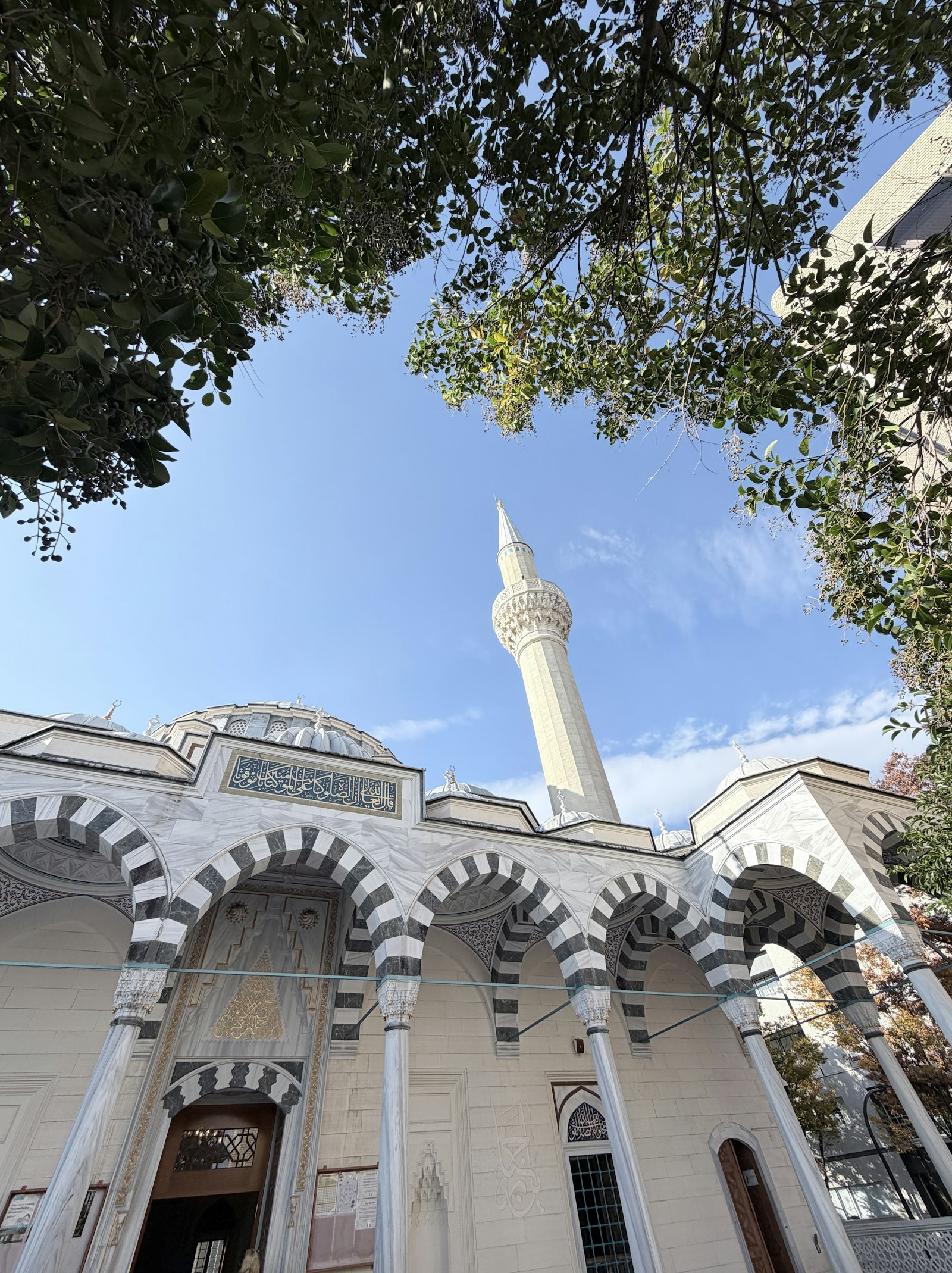
The most prominent mosque in the country is the Tokyo Mosque, a stunning example of Ottoman architecture located in the capital. With its grand dome, intricate calligraphy and elegant interior, it is one of the most beautiful mosques in East Asia and hosts regular prayers, cultural events and educational programmes.
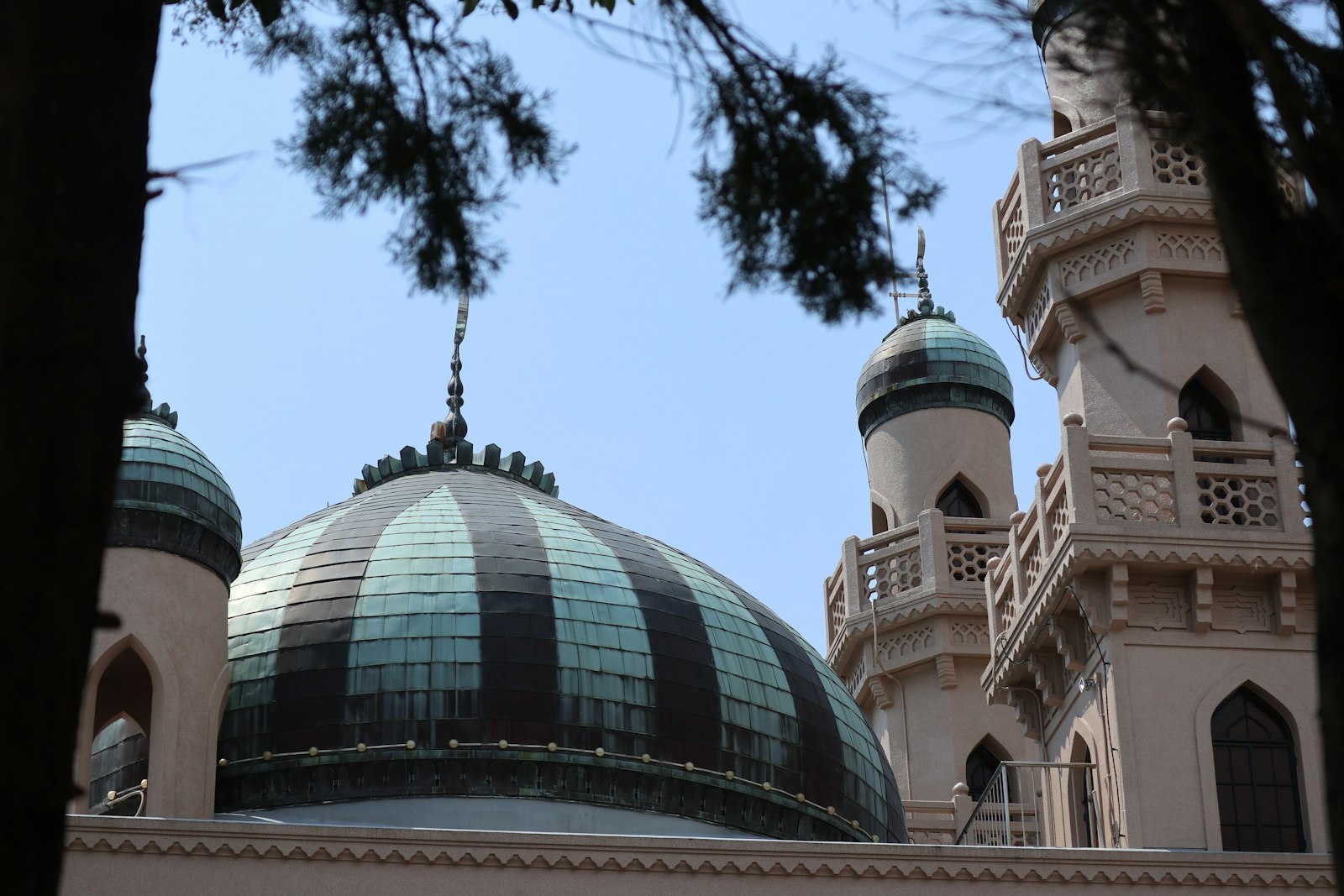
In western Japan, the Kobe Mosque holds a special place in history as the oldest mosque in the country, built in 1935. Remarkably, it survived both the bombings of the Second World War and the devastating 1995 Kobe earthquake, making it a symbol of resilience and community spirit.
Other significant mosques include the Nagoya Mosque, a central hub for Muslims in the Chubu region, and the Osaka Ibaraki Mosque, which serves Japan’s second-largest metropolitan area. In northern Japan, the Sapporo Mosque supports a diverse population of students, families and workers from around the world. Additional mosques and prayer facilities can be found in Fukuoka, Yokohama, Sendai and many university districts, reflecting the steady growth of Muslim communities across the country.
In addition to formal mosques, many travel hubs such as Narita, Haneda and Kansai airports provide dedicated prayer rooms, as do several major shopping centres and tourist attractions. This network of facilities ensures that Muslim travellers can comfortably observe their prayers while exploring Japan’s many regions.
Top attractions in Japan
Tokyo
Japan’s capital is a city of striking contrasts, where centuries-old traditions exist effortlessly alongside cutting-edge innovation. Safe, clean and endlessly fascinating, Tokyo rewards curiosity at every turn with an unforgettable blend of culture, creativity and contemporary life. Set along the shores of Tokyo Bay and shaped by waterways such as the Sumida River, which flows through the heart of the city, Tokyo also offers a distinctive waterside charm.
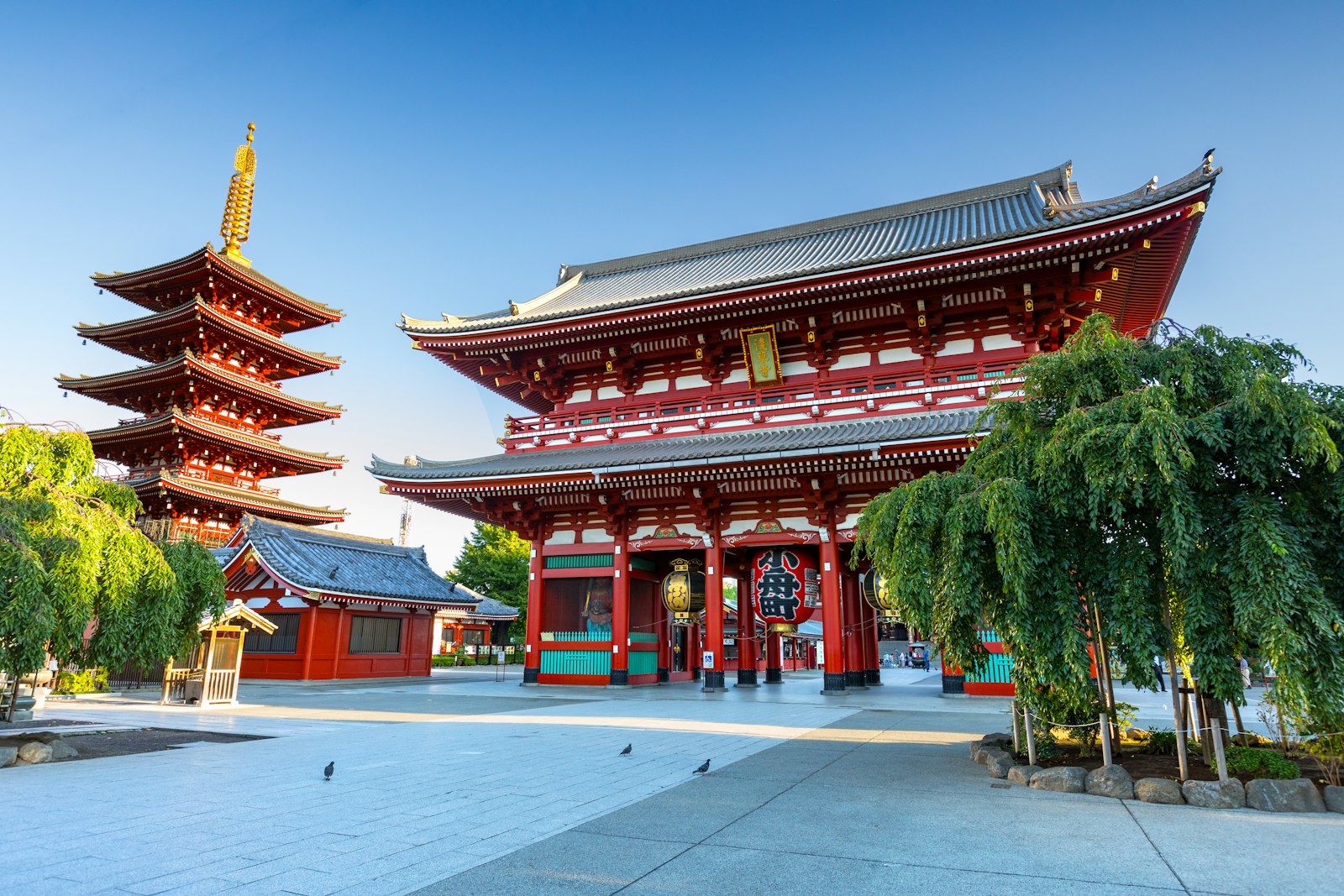
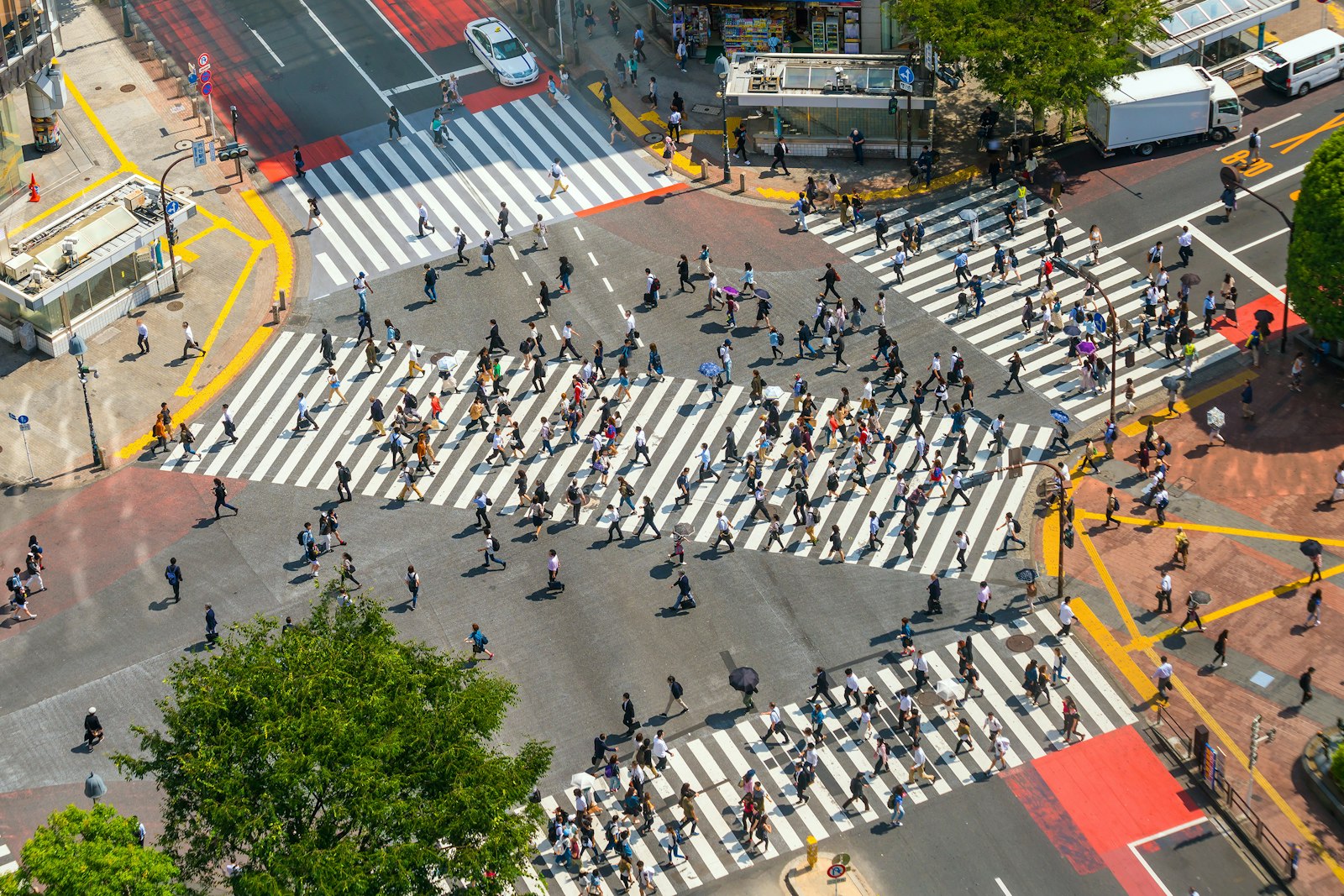
Ancient temples and neighbourhood shrines sit moments from soaring skyscrapers, whether wandering through historic Asakusa to visit Senso-ji Temple, admiring panoramic views from Tokyo Skytree, or experiencing the energy of the famous Shibuya Crossing.
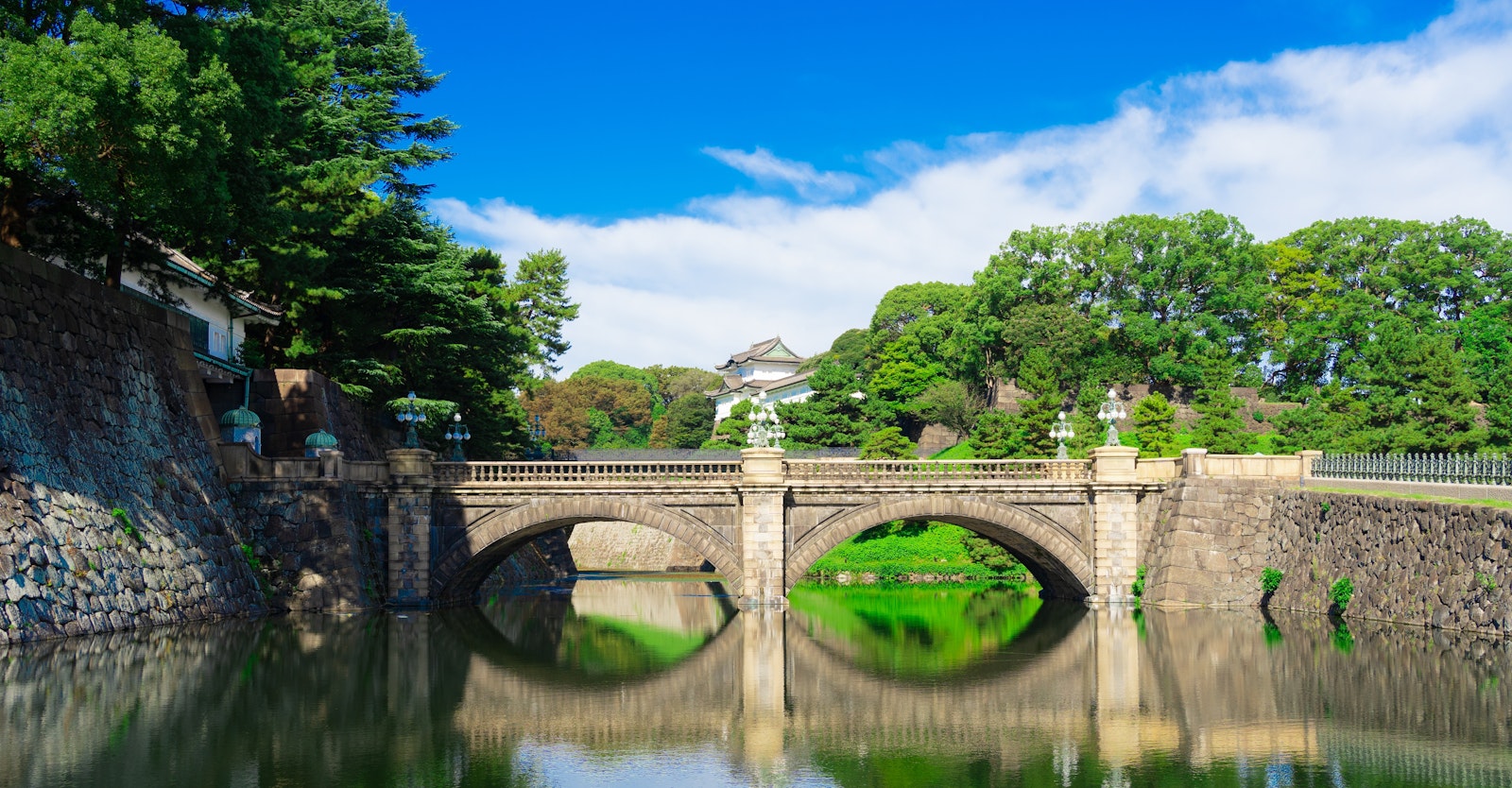
Tranquil escapes such as Shinjuku Gyoen and the Imperial Palace Gardens provide welcome greenery, while immersive digital art at teamLab Planets and the equally mesmerising teamLab Borderless highlights the city’s innovative spirit.
A wide range of museums and activities appeal to all ages, from the hands-on exhibits at the Miraikan - National Museum of Emerging Science and Innovation to the cultural treasures of the Tokyo National Museum and the Edo-Tokyo Open Air Architectural Museum. For a gentler pace, cycling through neighbourhoods like Asakusa or along the Sumida River reveals another side of the city, complemented by traditional experiences such as tea ceremonies and calligraphy workshops that offer meaningful insights into Japanese culture.
Kyoto
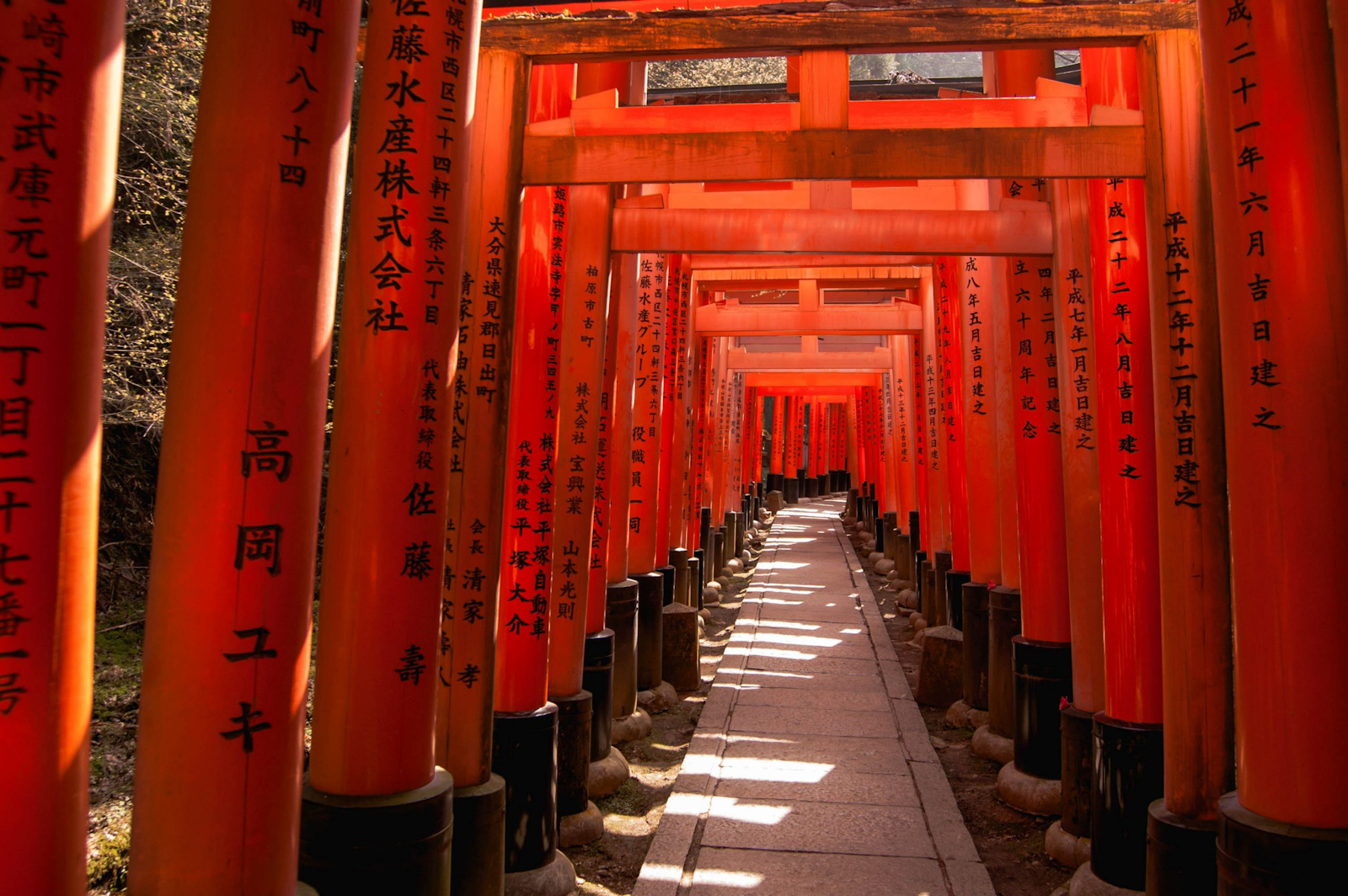
Kyoto is often described as the cultural soul of Japan, home to more than 1,600 temples and countless atmospheric lanes where traditional wooden houses still line the streets. A visit to Fushimi Inari Taisha, with its endless pathway of vermilion torii gates, is unforgettable, as is the shimmering beauty of Kinkaku-ji, the Golden Pavilion, set beside a tranquil reflecting pond.
The Arashiyama Bamboo Grove provides a magical backdrop for leisurely walks, and the nearby monkey park adds a playful twist to the visit.
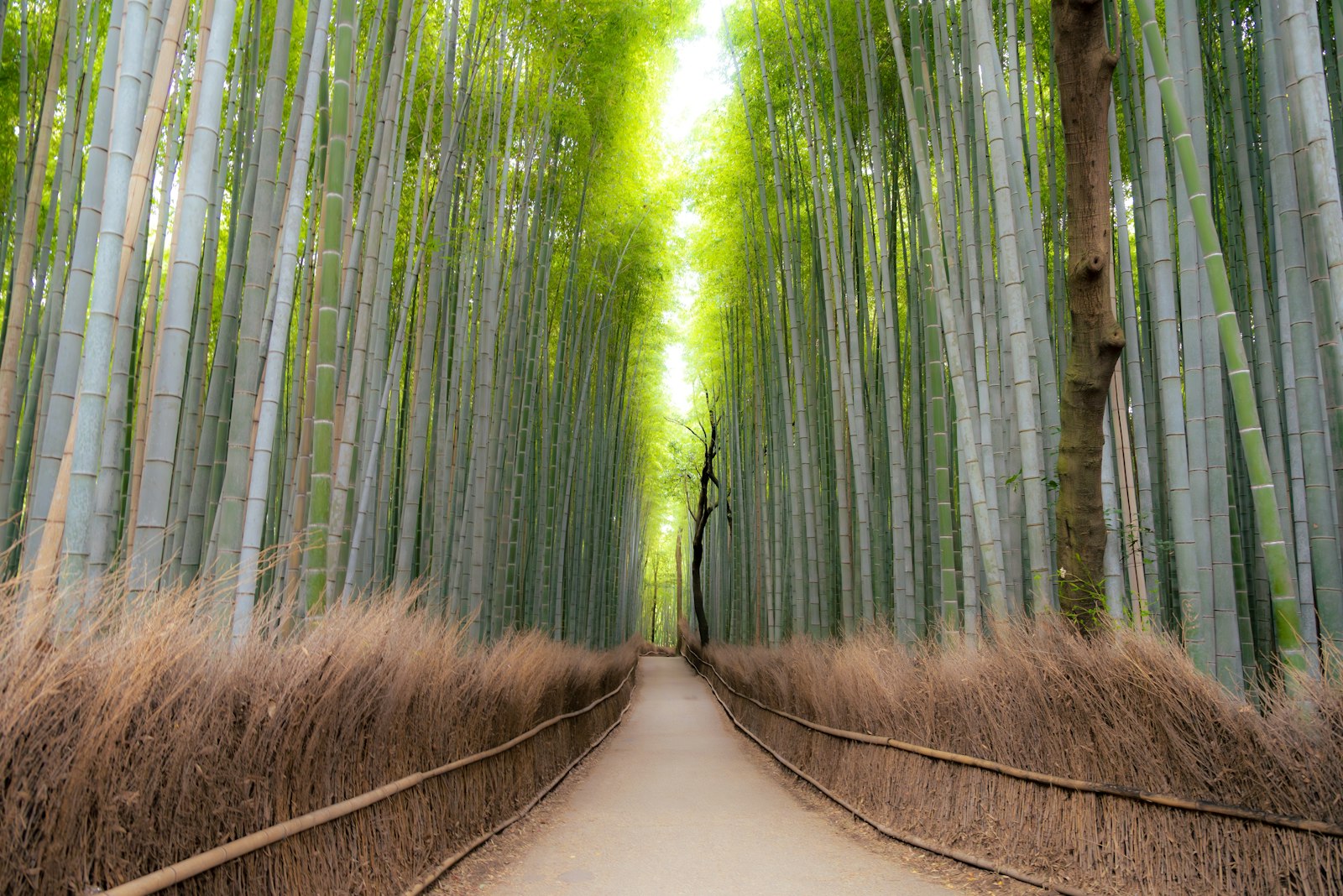
The historic Gion district, known for its teahouses and geisha traditions, invites visitors to experience old Japan in an enchanting evening setting. Beyond its famous landmarks, Kyoto offers hands-on cultural experiences that are especially memorable for families. Visitors can join samurai or ninja workshops, enjoy a traditional tea ceremony in kimono, or explore the city by bicycle, cycling past canals, temples and quiet neighbourhoods at a relaxed pace. Kyoto is also the heartland of matcha (powdered green tea), and stopping at a traditional tea house to watch matcha being prepared, or to sample matcha desserts, is both enjoyable and educational for children and adults alike. For indoor cultural breaks, must-see institutions include the Kyoto National Museum, the KYOCERA Museum of Art, the National Museum of Modern Art and the Museum of Kyoto, all offering accessible insights into the city’s rich artistic and historical heritage. Muslim travellers will find several halal dining options in the city, along with prayer spaces at Kyoto Station and selected attractions.
Osaka
Osaka is Japan’s culinary capital and a lively, welcoming city full of colour and personality. Osaka Castle, surrounded by expansive parkland, stands as a proud symbol of the city’s history, while the entertainment district of Dotonbori dazzles with gigantic billboards, glowing signs and endless street food options.
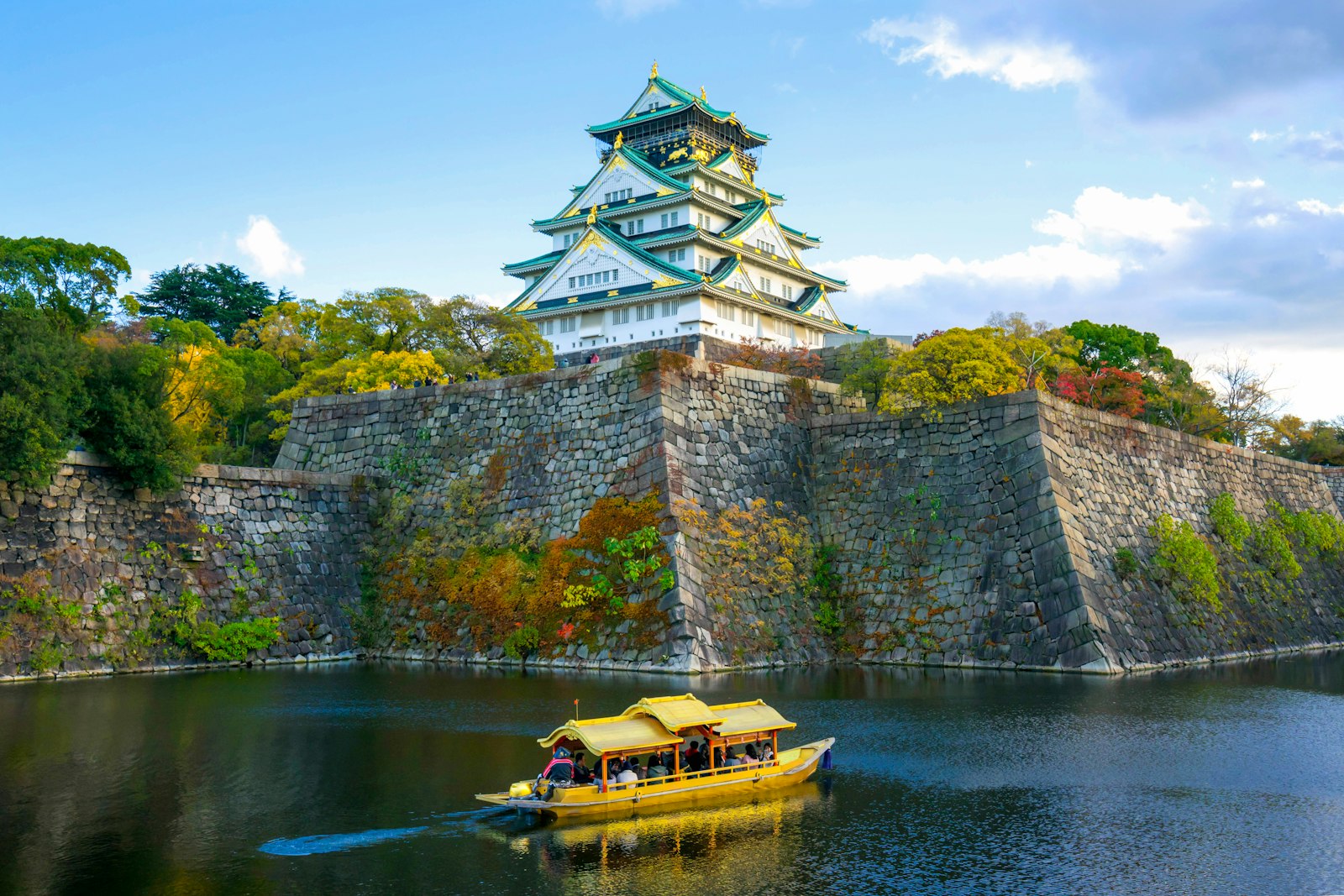
Universal Studios Japan draws families and thrill-seekers with world-class attractions themed around popular films and characters. For panoramic views of the city, travellers can head to the Umeda Sky Building and its Floating Garden Observatory. As one of the most Muslim-friendly cities in Japan, Osaka offers a wide variety of halal restaurants - particularly around Namba and Umeda - along with facilities at Kansai International Airport.
Nara
Just a short journey from both Kyoto and Osaka, Nara offers a peaceful and historic escape. The monumental Todai-ji Temple, home to the Great Buddha - one of the world’s largest bronze statues - is its most iconic attraction. Nearby Nara Park is famous for its friendly free-roaming deer, which wander through temple grounds and shaded pathways.
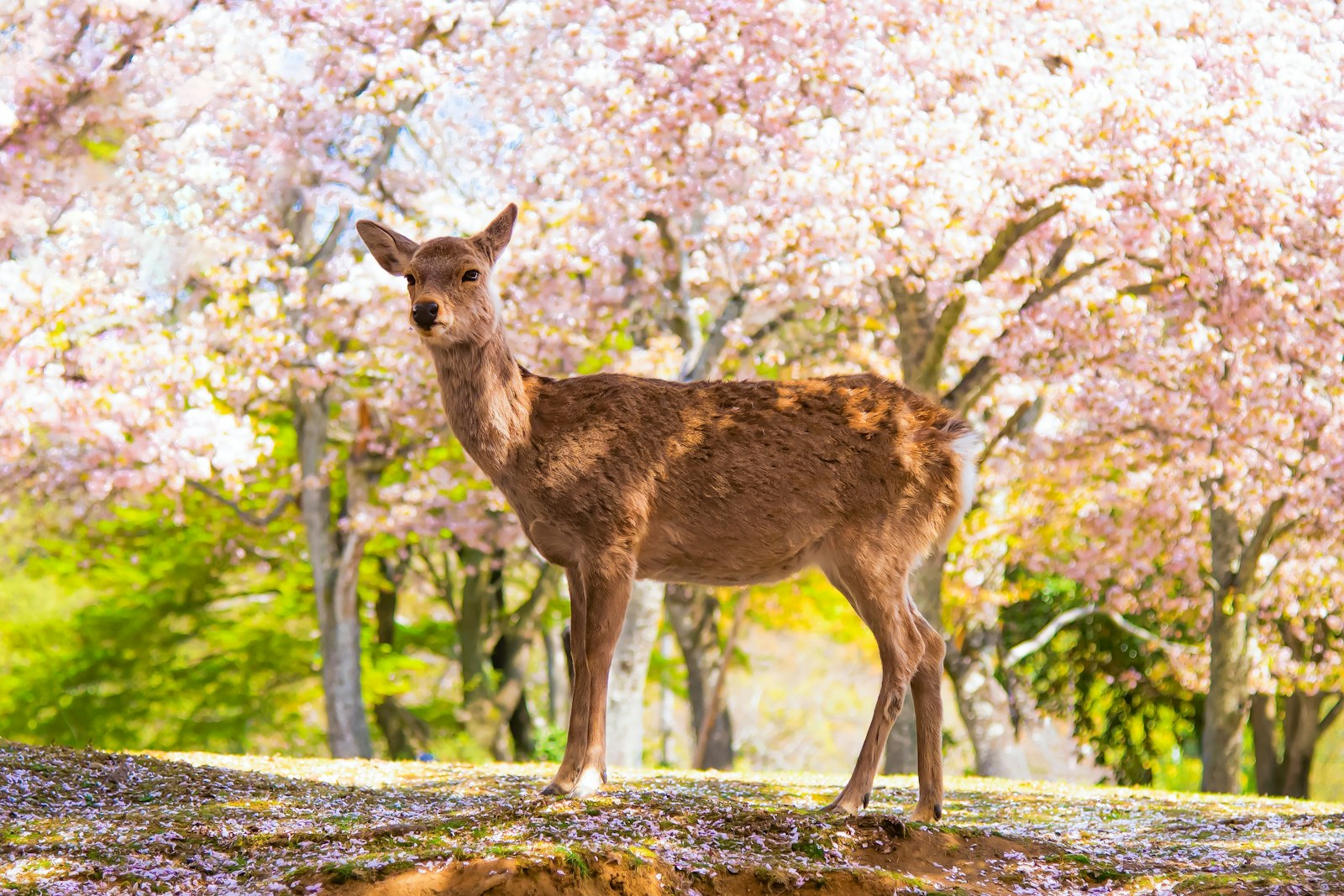
The elegant Kasuga Taisha Shrine, with its hundreds of stone and bronze lanterns, provides another glimpse into the city’s ancient spiritual heritage.
Hiroshima & Miyajima
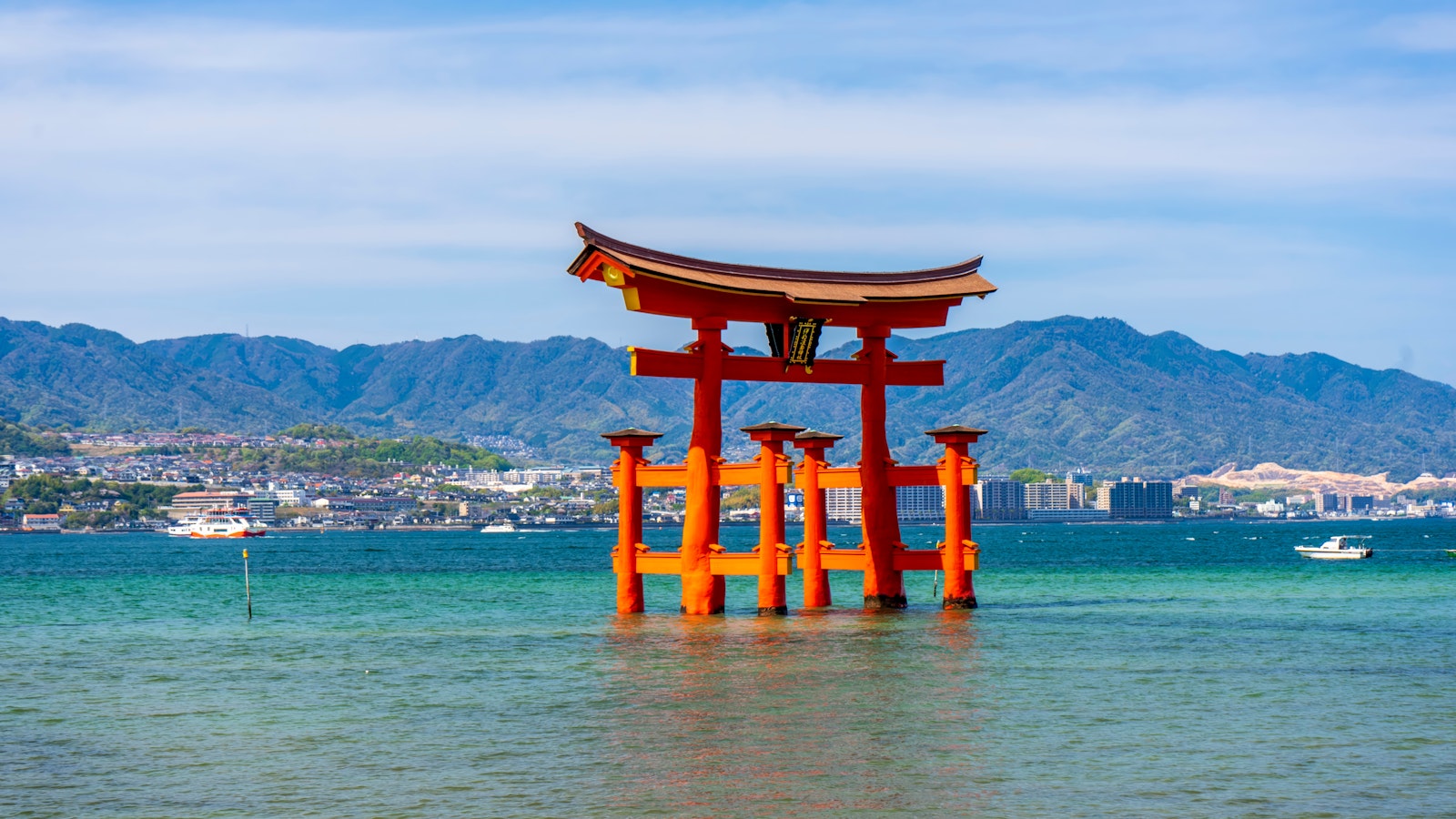
Hiroshima is a city of reflection and resilience, offering experiences that are both moving and inspiring. The Hiroshima Peace Memorial Park and Museum provide poignant insight into the events of 1945, while the preserved Atomic Bomb Dome - a UNESCO World Heritage Site - stands as a powerful symbol of hope and remembrance. Just a short ferry ride away lies Miyajima Island, famous for its iconic “floating” torii gate at Itsukushima Shrine. The island’s hiking trails, lush forests and panoramic viewpoints make it one of Japan’s most scenic destinations.
Mount Fuji & the Fuji Five Lakes
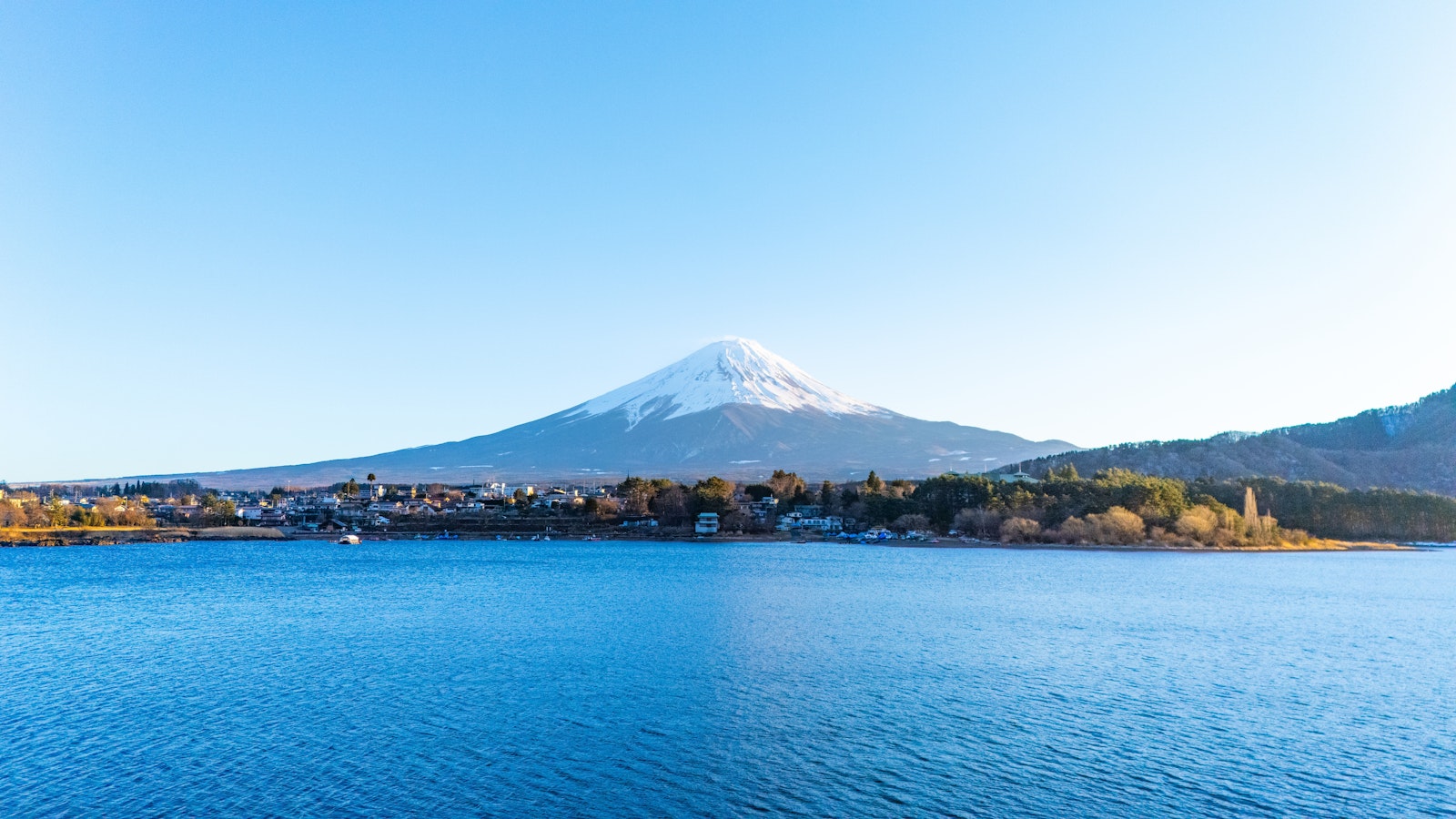
Mount Fuji, Japan’s most iconic symbol, captivates with its perfect symmetry and majestic presence. Travellers can admire Fuji from the shores of Lake Kawaguchi, explore traditional villages in the surrounding area, or visit the stunning Chureito Pagoda, one of the most photographed viewpoints in the country. The region also offers ryokan inns with private hot-spring baths overlooking the mountain - an unforgettable way to relax after a day of exploring. Seasonal highlights such as cherry blossoms in spring and fiery foliage in autumn make the Fuji region spectacular year-round.
Hakone
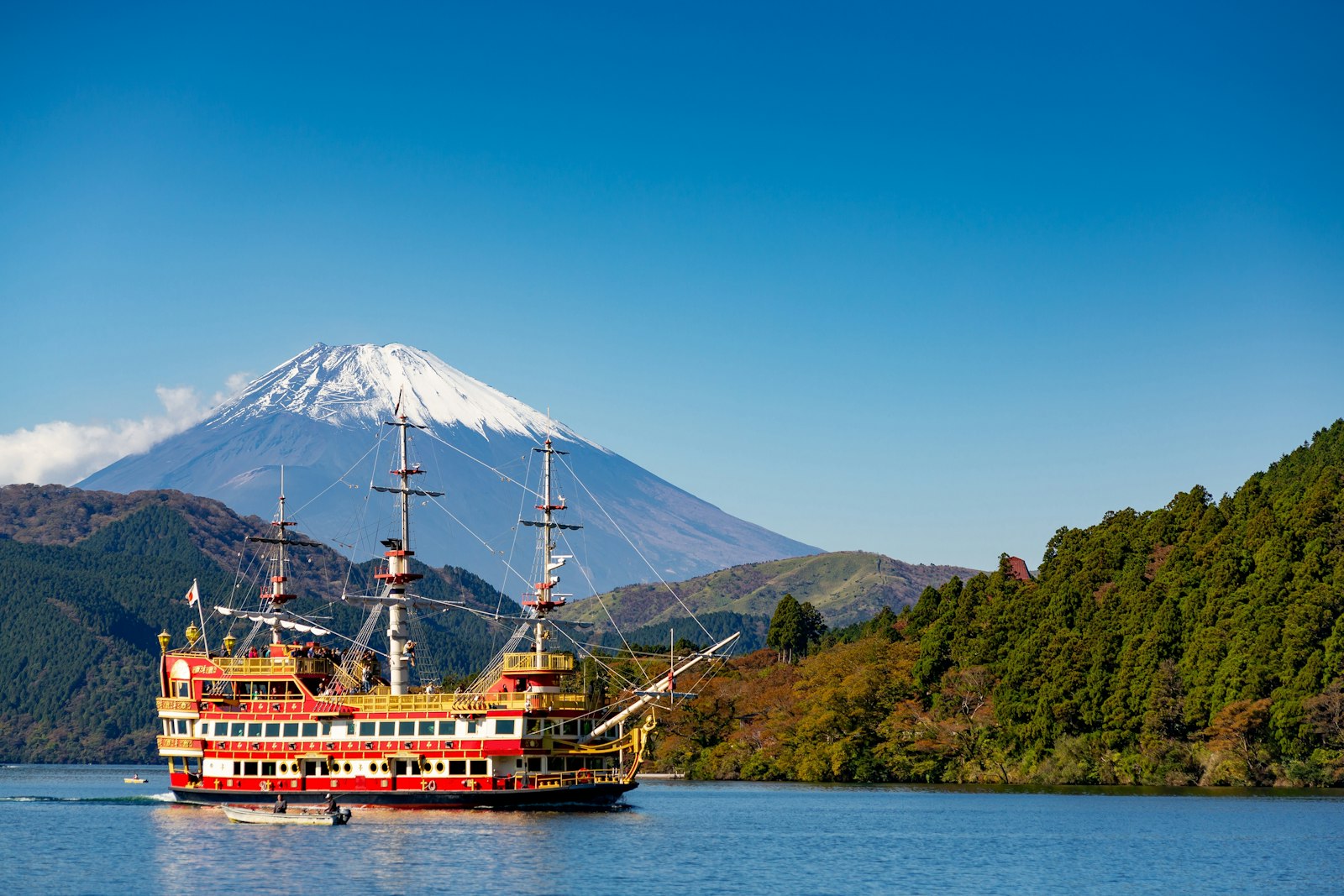
Just outside Tokyo, Hakone offers a peaceful retreat known for its hot springs, scenic lake views and art museums. Visitors can enjoy a boat cruise on Lake Ashi with Mount Fuji on the horizon, glide over volcanic landscapes on the Hakone Ropeway, or explore the outdoor sculptures and the renowned Picasso pavilion at the Hakone Open-Air Museum. The region is particularly popular with travellers seeking nature and relaxation.
Kanazawa
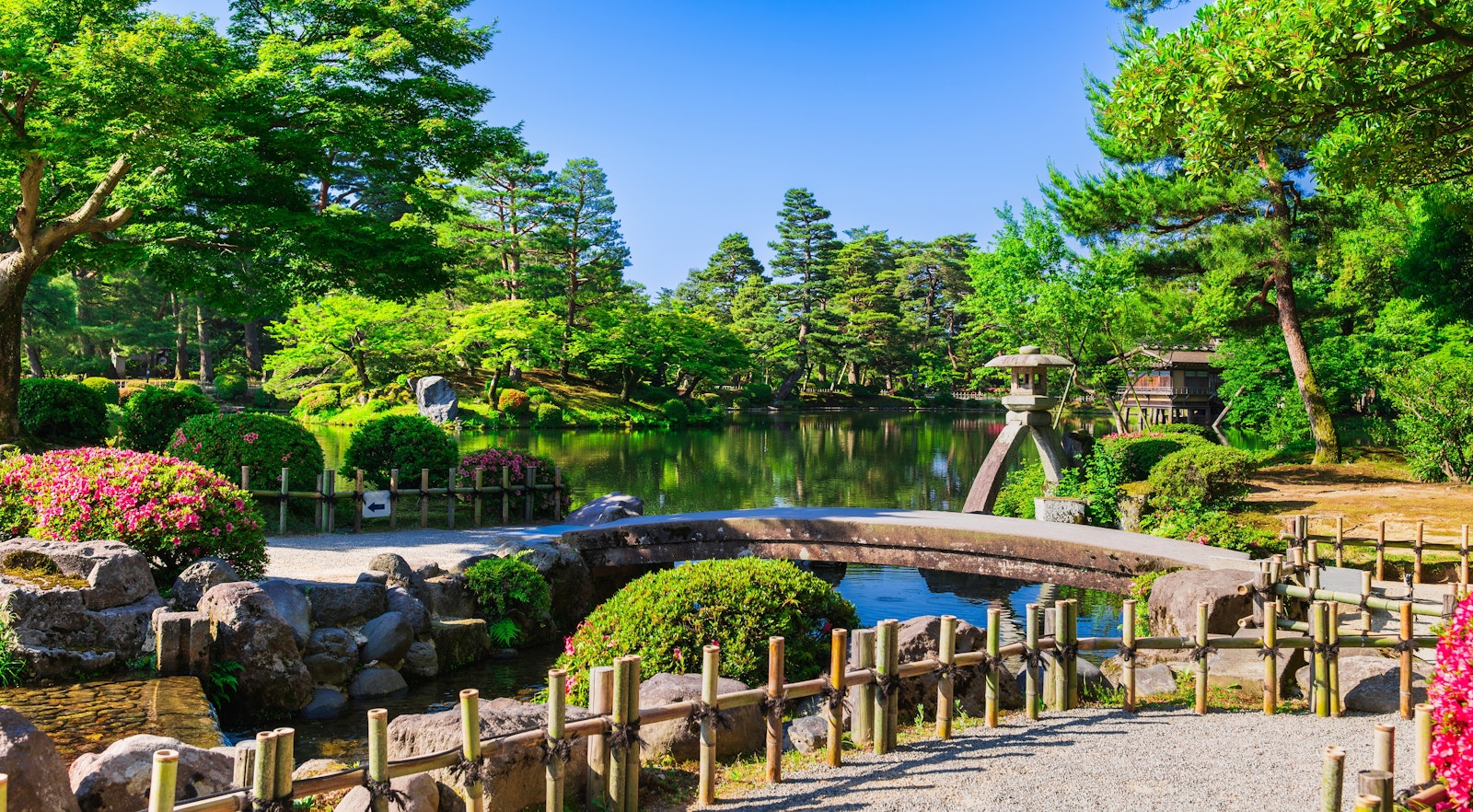
Kanazawa is a beautifully preserved city that offers a quieter, more refined look at Japanese culture. Its crown jewel, Kenroku-en Garden, is considered one of the three most beautiful gardens in Japan, featuring ponds, bridges, teahouses and seasonal blossoms. The Higashi Chaya District transports visitors to the past with its wooden teahouses and traditional geisha culture, while Kanazawa Castle adds historical charm with its elegant white walls and expansive grounds.
Hokkaido
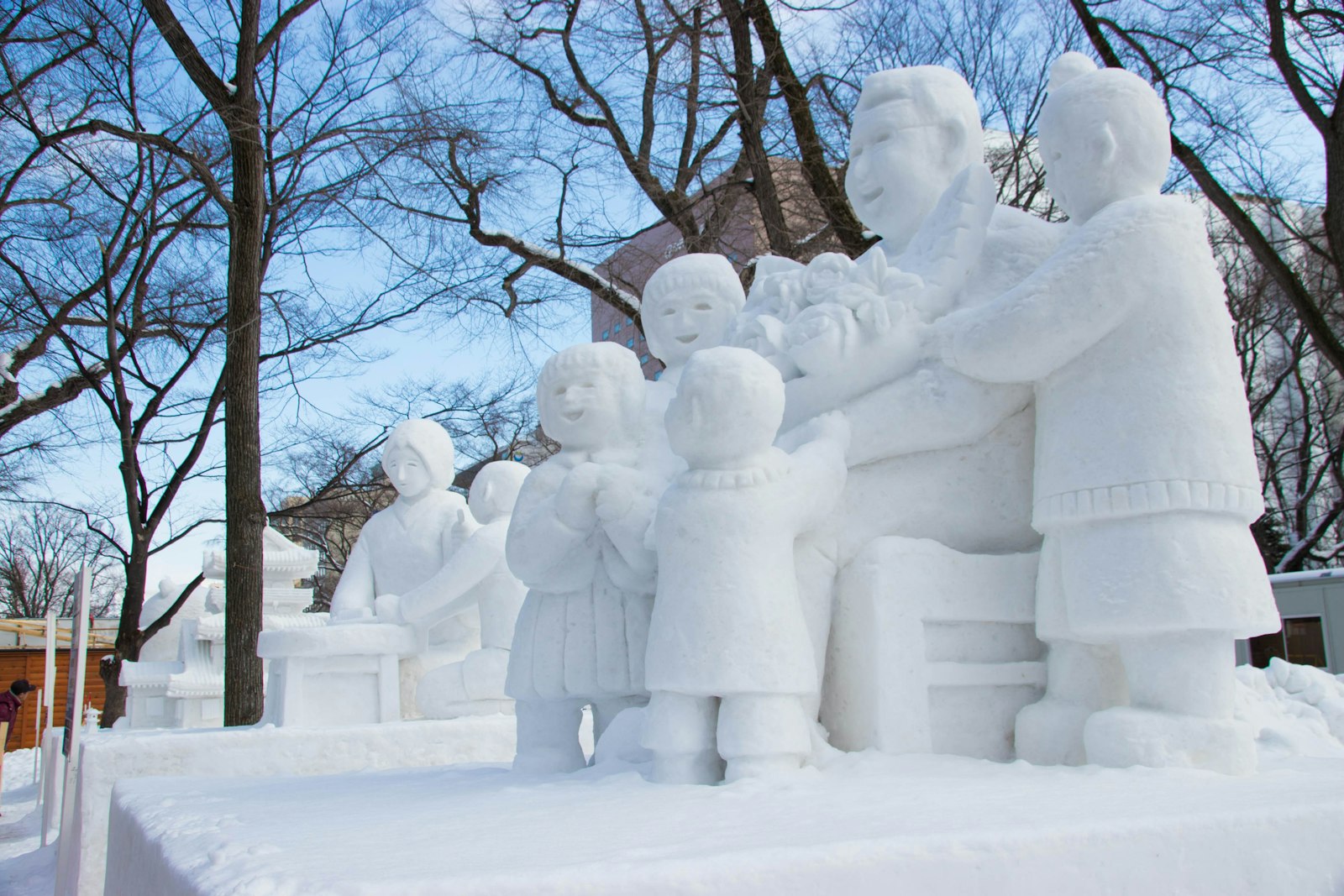
The northern island of Hokkaido is known for its dramatic landscapes, cool climate and wide-open wilderness. Sapporo, famous for its winter snow festival and impressive ice sculptures, offers cultural attractions and hearty local cuisine.
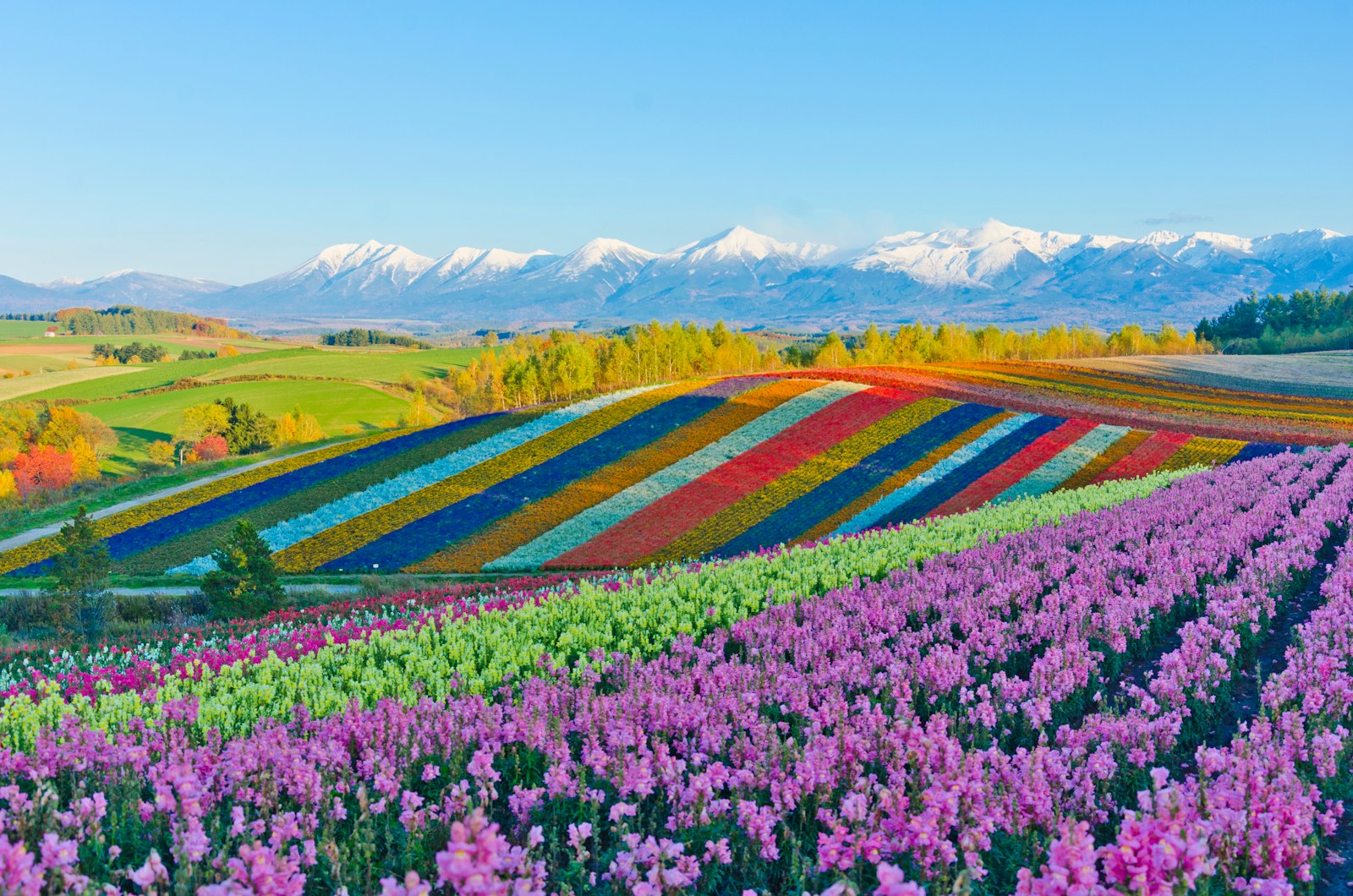
Further afield, the rolling hills of Furano and Biei burst into colour in summer with lavender and wildflower fields, while the hot-spring town of Noboribetsu showcases some of Japan’s most spectacular geothermal scenery. Adventurers can also explore Shiretoko National Park, a UNESCO-listed area rich in wildlife, waterfalls and rugged coastal landscapes.
Okinawa Island
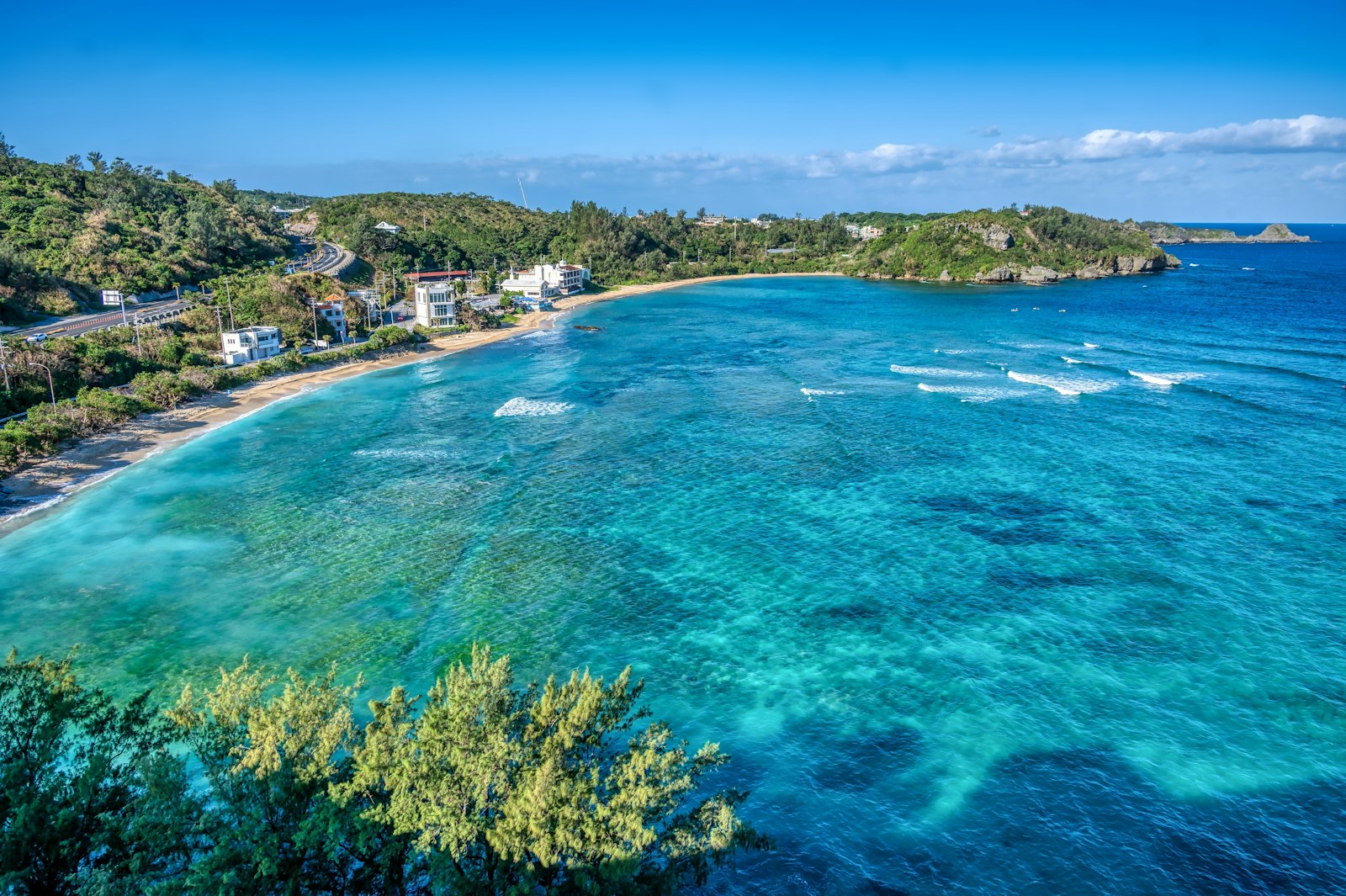
Japan’s tropical paradise offers a completely different atmosphere from the mainland. With white sandy beaches, turquoise waters and thriving coral reefs, it is ideal for swimming, snorkelling and diving. Visitors can explore the UNESCO-listed Shuri Castle, once the royal palace of the Ryukyu Kingdom, or spend a day at the Churaumi Aquarium, home to one of the world’s largest tanks and majestic whale sharks. The islands’ laid-back rhythm, warm weather and scenic coastline make Okinawa a relaxing finale to any Japan journey.
Top activities in Japan
Japan offers an extraordinary variety of activities for every type of traveller, blending cultural immersion, breathtaking nature and modern urban enjoyment.
Cultural immersion
Cultural enthusiasts can experience the country’s deep-rooted traditions by taking part in tea ceremonies, joining calligraphy workshops, renting a kimono for a stroll through historic districts, or attending lively matsuri festivals that illuminate towns and cities throughout the year. For an even more enriching encounter with Japan’s heritage, many visitors enjoy samurai or ninja experiences, which allow them to step into the world of ancient martial arts.
Nature and seasonal beauty
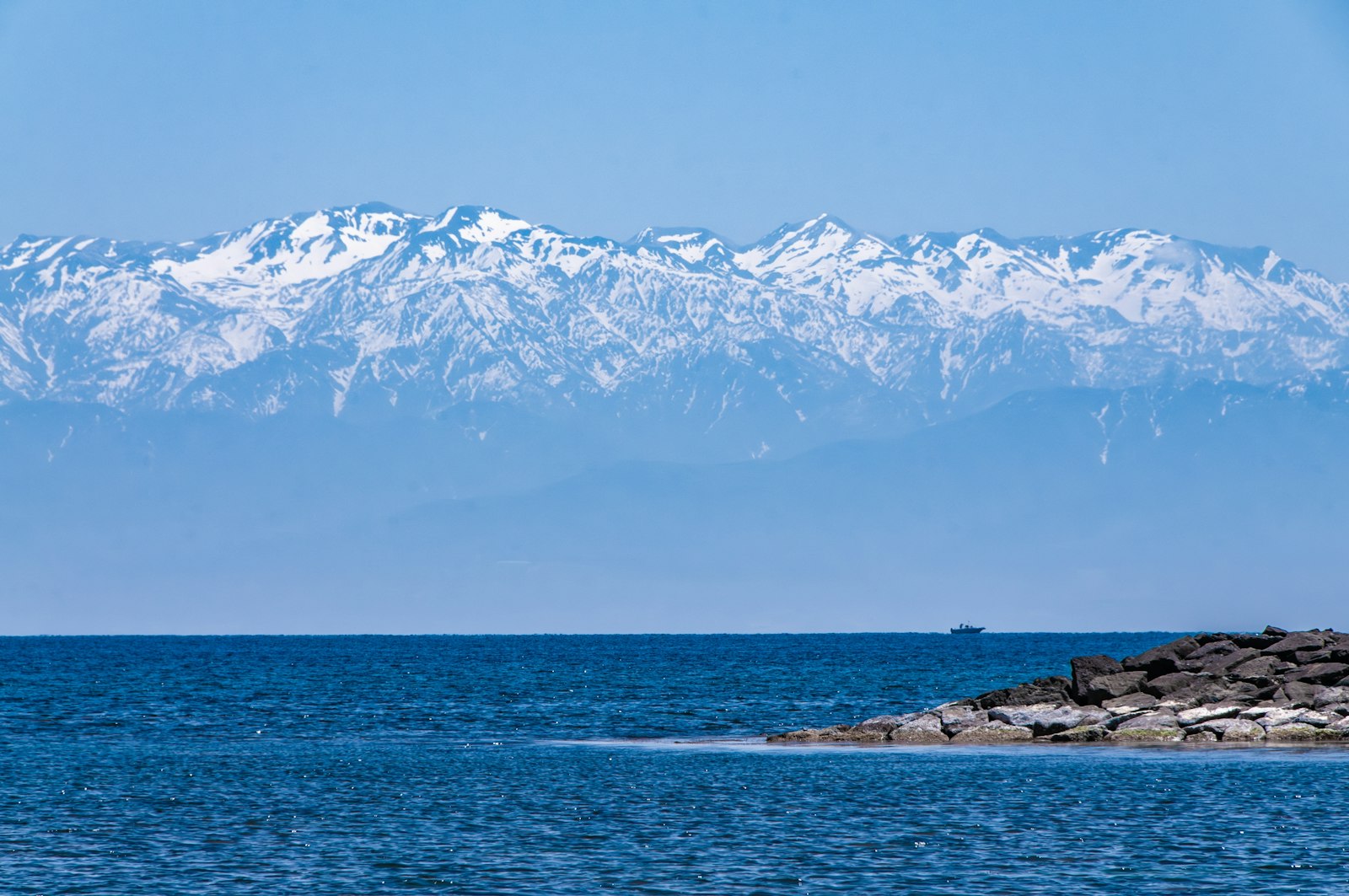
Nature lovers will find Japan equally captivating. The Japanese Alps offer exceptional hiking opportunities through dramatic mountain landscapes, while Hokkaido attracts winter-sport fans from around the world with its pristine powder snow and world-class ski resorts.
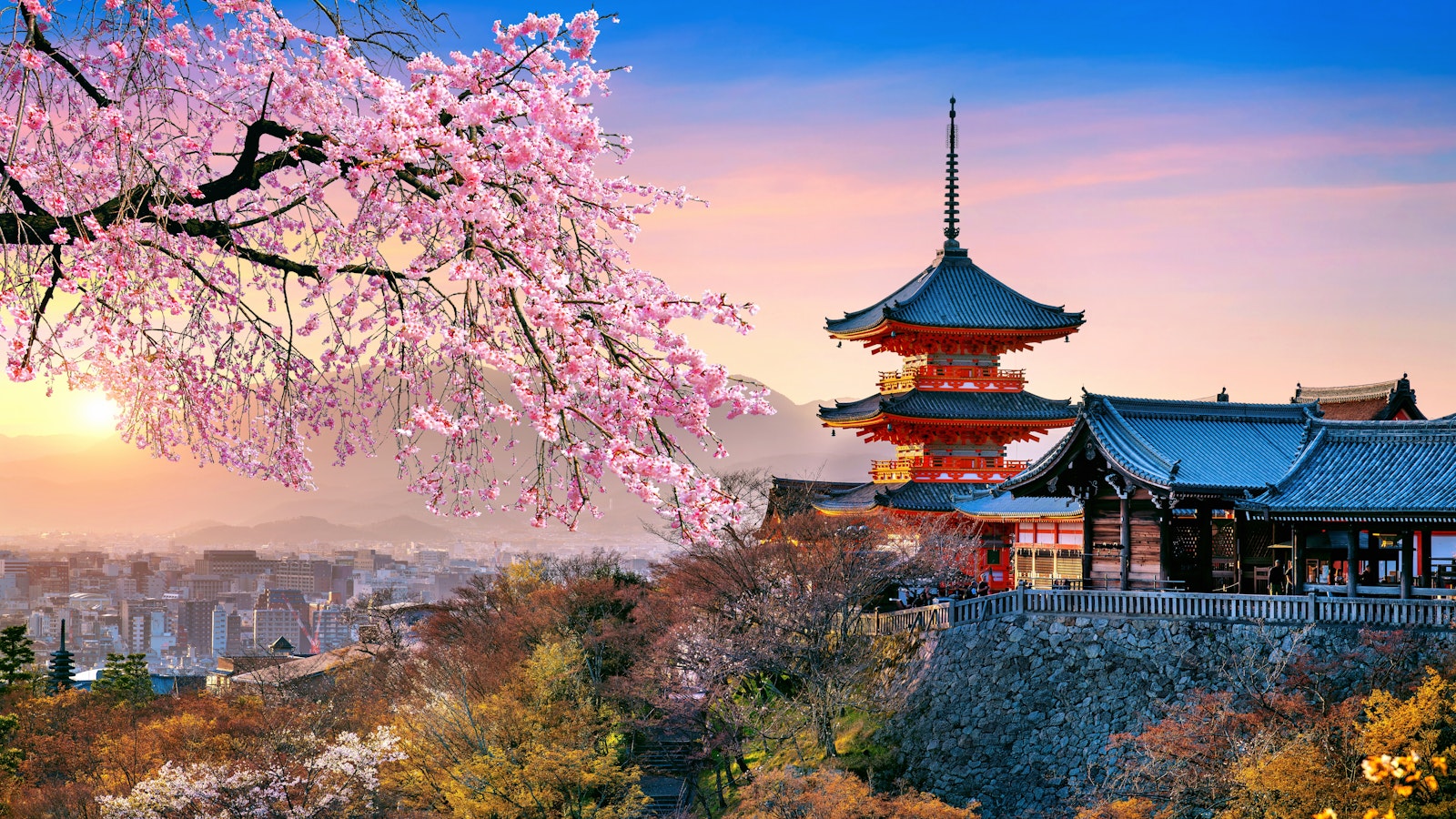
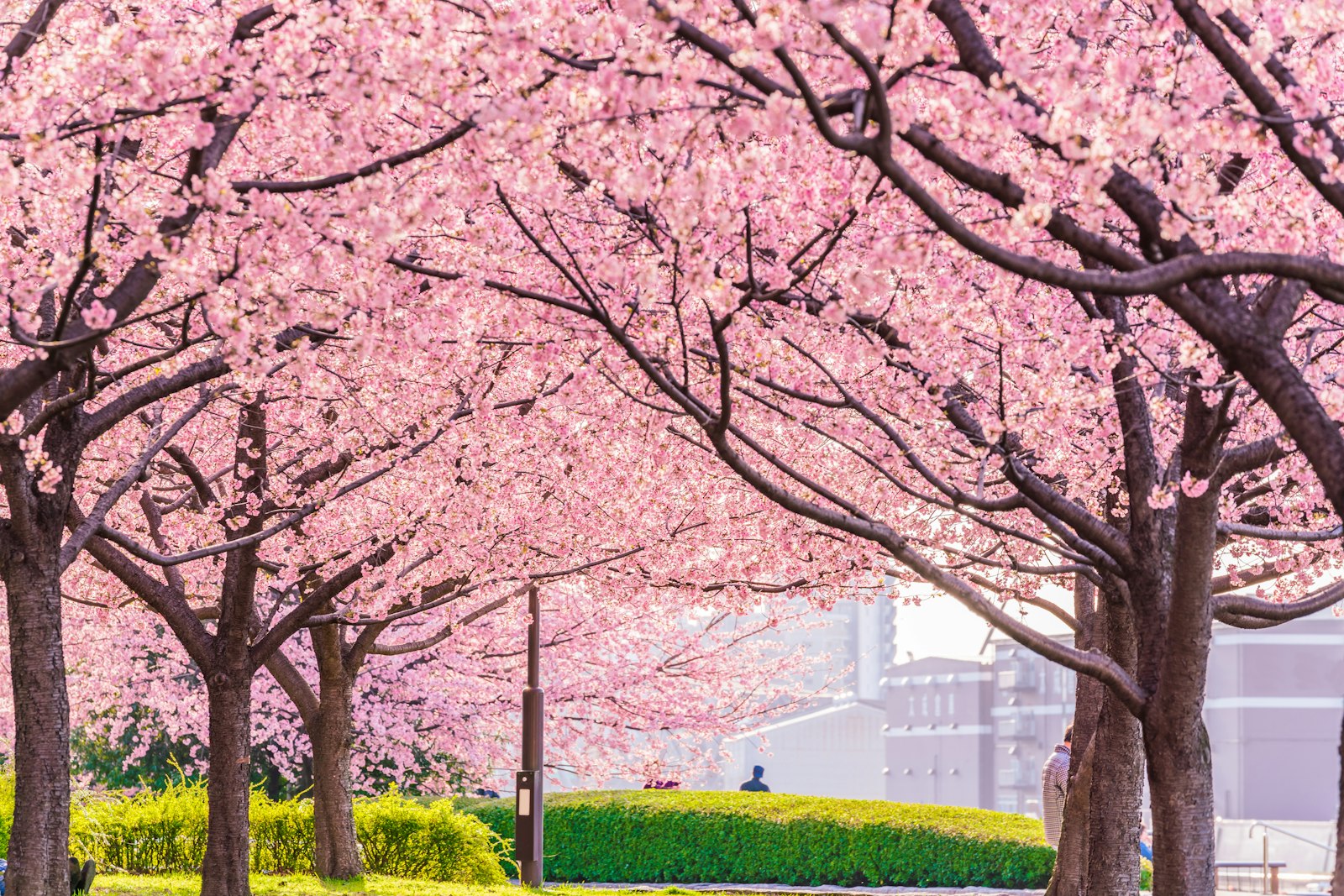
Travellers seeking adventure can cycle along the picturesque Shimanami Kaido, spot whales in the turquoise waters of Okinawa, or simply admire the seasonal transformations that have made Japan famous - from the vibrant red and golden foliage of autumn to the sakura season, the cherry blossom bloom that typically takes place between late March and early April. For a brief yet beautiful period, parks, riversides and temple grounds across the country are adorned with delicate pink and white blossoms, creating a uniquely serene atmosphere. Sakura holds deep cultural significance in Japan, symbolising renewal, beauty and the fleeting nature of life, and is traditionally celebrated through hanami, the custom of gathering beneath the blossoms with family and friends. Among the most popular viewing spots are Ueno Park in Tokyo, the Philosopher’s Path in Kyoto and Osaka Castle Park, where the blossoms create unforgettable seasonal scenery and a truly special travel experience.
Urban exploration and entertainment
Urban explorers will be drawn to Japan’s dynamic cities, where futuristic entertainment meets sophisticated shopping. Theme parks such as Tokyo Disneyland, DisneySea and Universal Studios Japan provide thrilling family fun, while major districts like Shibuya, Ginza, Shinjuku, Dotonbori and Umeda offer everything from luxury designer boutiques to quirky pop-culture shops. High-tech VR centres, gaming arcades and interactive museums add a modern edge to the city experience.
Relaxation and wellbeing
For those seeking rest and relaxation, Japan offers countless opportunities to unwind. Staying in a traditional ryokan with private onsen baths provides a peaceful retreat surrounded by nature, perfect after a day of sightseeing. Many travellers also find tranquillity in Japan’s exquisite gardens, serene temples and Shinto shrines, where carefully designed landscapes and calming atmospheres invite moments of reflection and quiet appreciation.
Halal food and restaurants in Japan
Halal food is becoming increasingly accessible across Japan, especially in major cities such as Tokyo, Osaka and Kyoto, where a growing number of restaurants now cater specifically to Muslim travellers. Many establishments serve fully halal-certified Japanese dishes, while others offer Muslim-friendly menus prepared with halal ingredients. The expansion of halal dining is supported by Japan’s welcoming attitude toward international visitors and its growing Muslim community, making it ever easier to enjoy authentic Japanese flavours while travelling.
Travellers will find a wide range of halal or Muslim-friendly Japanese meals that showcase the country’s culinary heritage. Halal ramen is now widely available, prepared with chicken or seafood broth and topped with springy noodles, vegetables and soft-boiled eggs. Visitors can also enjoy halal wagyu beef, served as grilled yakiniku or in shabu-shabu hot pots, offering the rich marbling and delicate flavour that Japanese beef is famous for. Another popular choice is sushi and sashimi, where halal travellers can savour fresh seafood options prepared without alcohol-based sauces. Many restaurants also offer tempura, lightly battered and fried seafood or vegetables, which provides a simple yet delicious way to experience traditional Japanese cuisine.
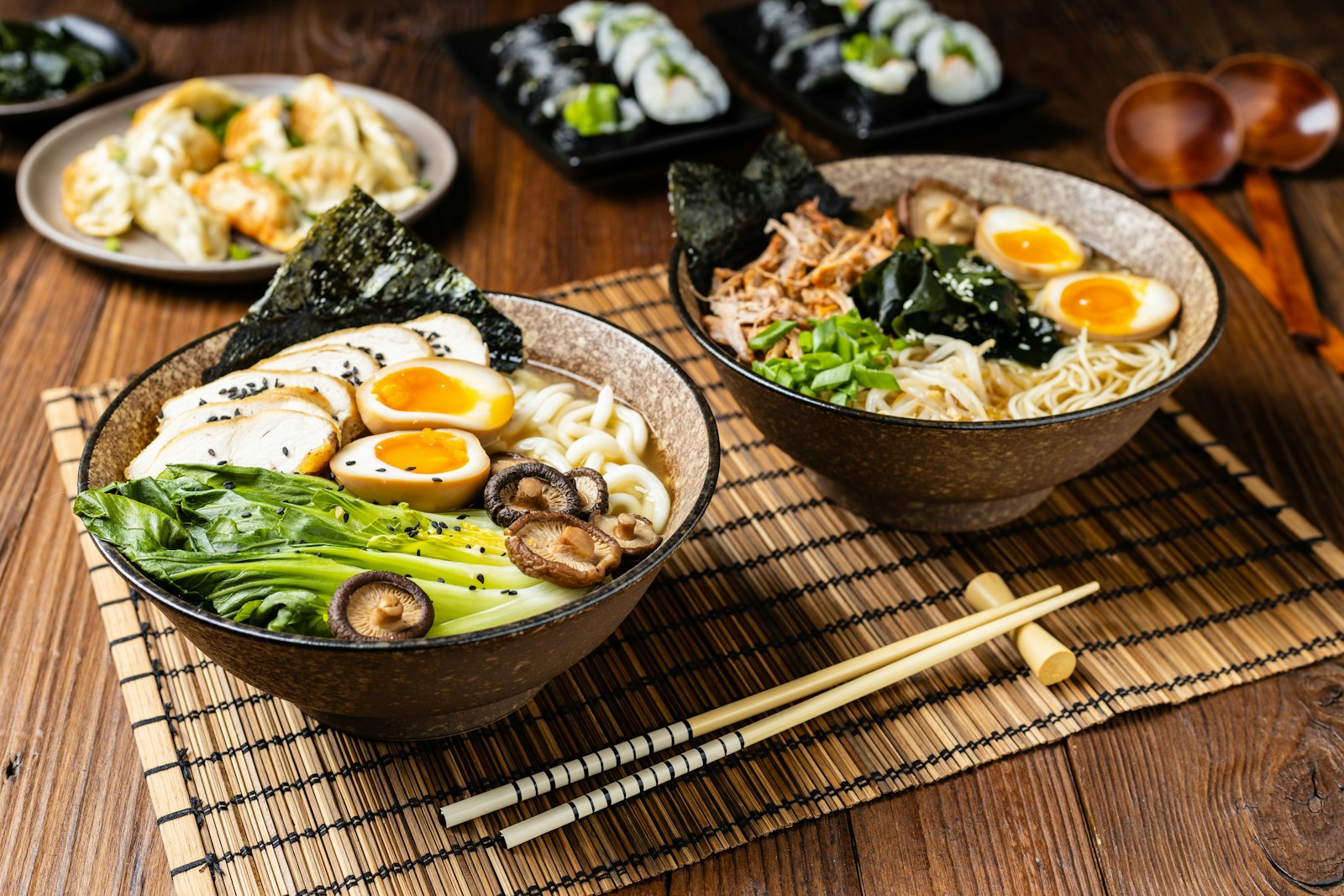
Beyond Japanese dishes, travellers will also discover a large selection of halal international cuisine - from Turkish kebabs and Pakistani biryani to Indonesian, Malaysian and Middle Eastern specialities - particularly in multicultural districts and near major train stations. Tokyo and Osaka, in particular, feature numerous halal-certified eateries offering everything from ramen and curry rice to yakiniku and gyoza.
Halal takeaways and bento meals are available in selected train stations, while airports such as Narita, Haneda and Kansai also offer a growing variety of halal dining options.
Getting around in Japan
Japan has one of the most efficient and reliable transport systems in the world, making travel across the country remarkably easy for visitors. The extensive Japan Rail (JR) network, including the famous Shinkansen bullet trains, allows travellers to move quickly and comfortably between major cities such as Tokyo, Osaka, Kyoto and Hiroshima. Within urban areas, subways and local trains offer the fastest and most convenient way to get around, while buses provide good access to rural regions, scenic routes and smaller towns. For longer distances, domestic flights are ideal for reaching Hokkaido, Okinawa or more remote areas of the archipelago. Renting a car can be useful for exploring regions with limited public transport, such as Hokkaido, Mount Fuji’s Five Lakes area or parts of Kyushu. Throughout the country, clear English signage and well-organised transit hubs make navigating Japan straightforward even for first-time visitors.
Best time to visit Japan
Japan is a year-round destination, with each season offering unique charm:
Spring (March - May) – cherry blossom season, mild weather.
Summer (June - August) – festivals, fireworks, beach trips; hot and humid in cities.
Autumn (September - November) – colourful foliage, pleasant temperatures.
Winter (December - February) – skiing, snow festivals, hot springs.
Where to stay in Japan
Halalbooking features a selection of accommodation suitable for Muslim travellers across major Japanese destinations. Many hotels offer halal or Muslim-friendly meals, prayer mats and Qibla direction, alcohol-free options on request, private onsen or family baths and proximity to mosques and prayer spaces. Whether you prefer a luxury city hotel in Tokyo, a traditional ryokan in Hakone, or a beach resort in Okinawa, Japan offers memorable stays for all types of travellers.