South Korea – where heritage shapes the future
Located on the southern half of the Korean Peninsula in East Asia, South Korea is a country of remarkable contrasts and quiet sophistication. Though compact in size, it encompasses forested mountains, temple-dotted coastlines, neon-lit megacities and centuries-old palaces - all existing in striking harmony. From serene bamboo groves and mountain monasteries to avant-garde architecture and immersive digital art, the country offers an experience that feels at once timeless and strikingly modern. While South Korea is not a Muslim-majority country, it is becoming increasingly accessible for halal-conscious travellers, with expanding halal dining options, prayer facilities in major cities, and growing awareness within the hospitality sector.
South Korea’s identity is shaped by the legacy of the Three Kingdoms, the refinement of the Joseon Dynasty and centuries of Confucian philosophy that continue to influence daily life, etiquette and design. At the same time, it is globally celebrated for its cinema, fashion, technology and pop culture, projecting a confident modernity onto the world stage. For Muslim travellers seeking a culturally immersive yet thoughtfully welcoming destination, South Korea presents a journey that is distinctive, enriching and continually evolving.
Islam in South Korea
Islam is a minority religion in South Korea, with an estimated Muslim population of approximately 150,000 - 200,000 people, including Korean converts and expatriate communities from Southeast Asia, South Asia and the Middle East. Although relatively small, the community is well established and steadily growing. The construction of the Seoul Central Mosque in 1976 marked a defining milestone, providing a formal centre for Islamic worship and education. Since then, additional mosques and Islamic centres have been established in major cities, often near universities and international districts, reflecting the country’s increasingly multicultural landscape.
In recent years, institutional awareness of Muslim visitors has also strengthened. Halal certification initiatives have expanded, particularly in Seoul and Busan, and dedicated prayer spaces are now available in major airports and selected shopping complexes. While South Korea is still an emerging destination for halal travel, its gradual and considered adaptation signals a positive trajectory for the future.
Top attractions in South Korea
Seoul
The capital is the natural starting point for most journeys and deserves at least three full days. Seoul is not a city to rush.
Gyeongbokgung Palace stands at the ceremonial heart of the city. Built in 1395, it was the principal royal palace of the Joseon Dynasty. Its grand throne hall, sweeping courtyards and mountain backdrop create one of the most iconic views in Korea. The changing of the guard ceremony adds to the historical atmosphere.
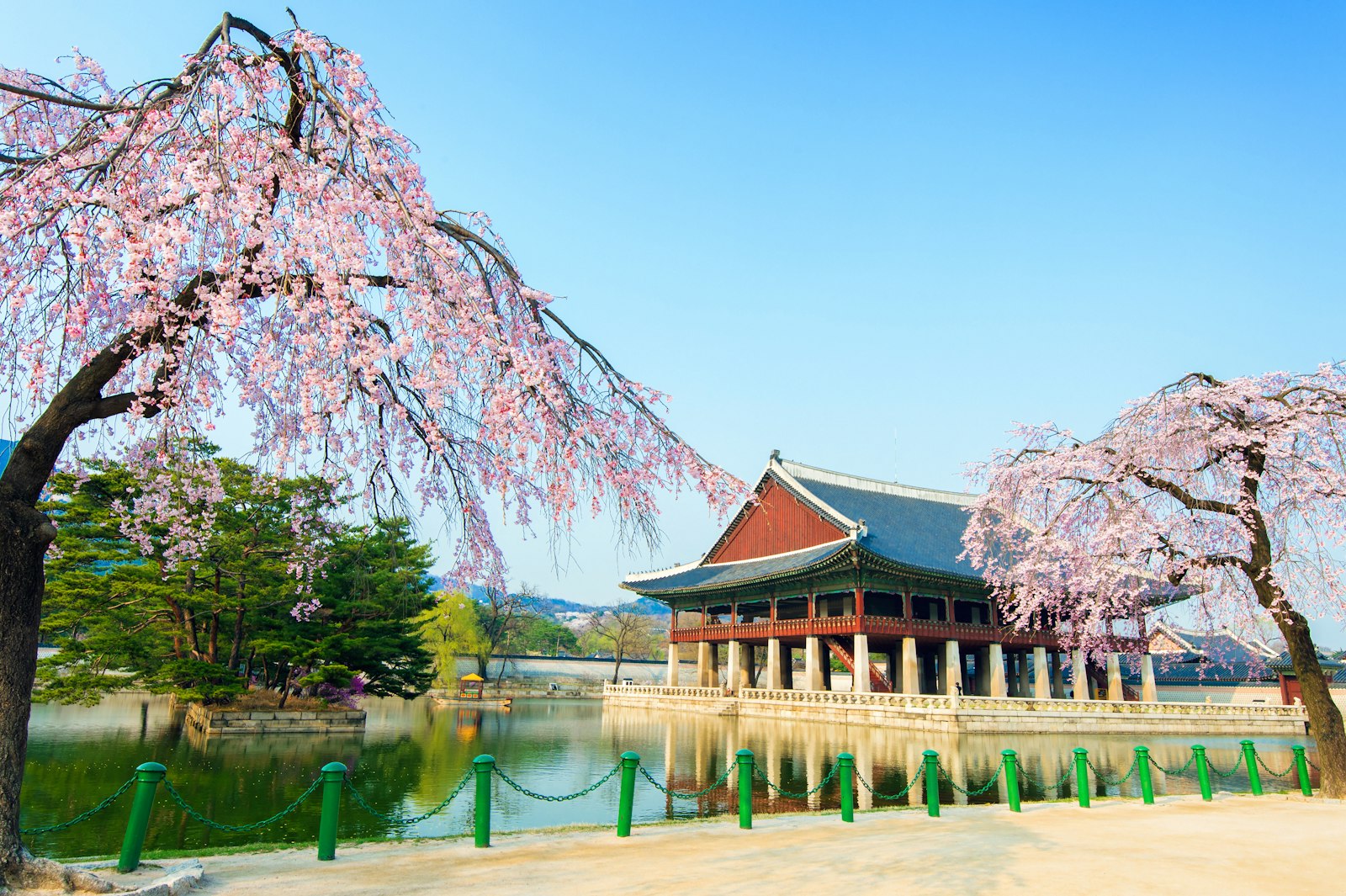
Changdeokgung Palace offers a more intimate royal experience. Its Secret Garden unfolds across landscaped pavilions, lotus ponds and forested paths designed in harmony with nature. It reveals the refined aesthetic of Confucian court life.
Bukchon Hanok Village preserves hundreds of traditional wooden homes. Many are still inhabited, creating a living neighbourhood rather than a static museum. Walking its quiet lanes offers insight into aristocratic life during the Joseon era.
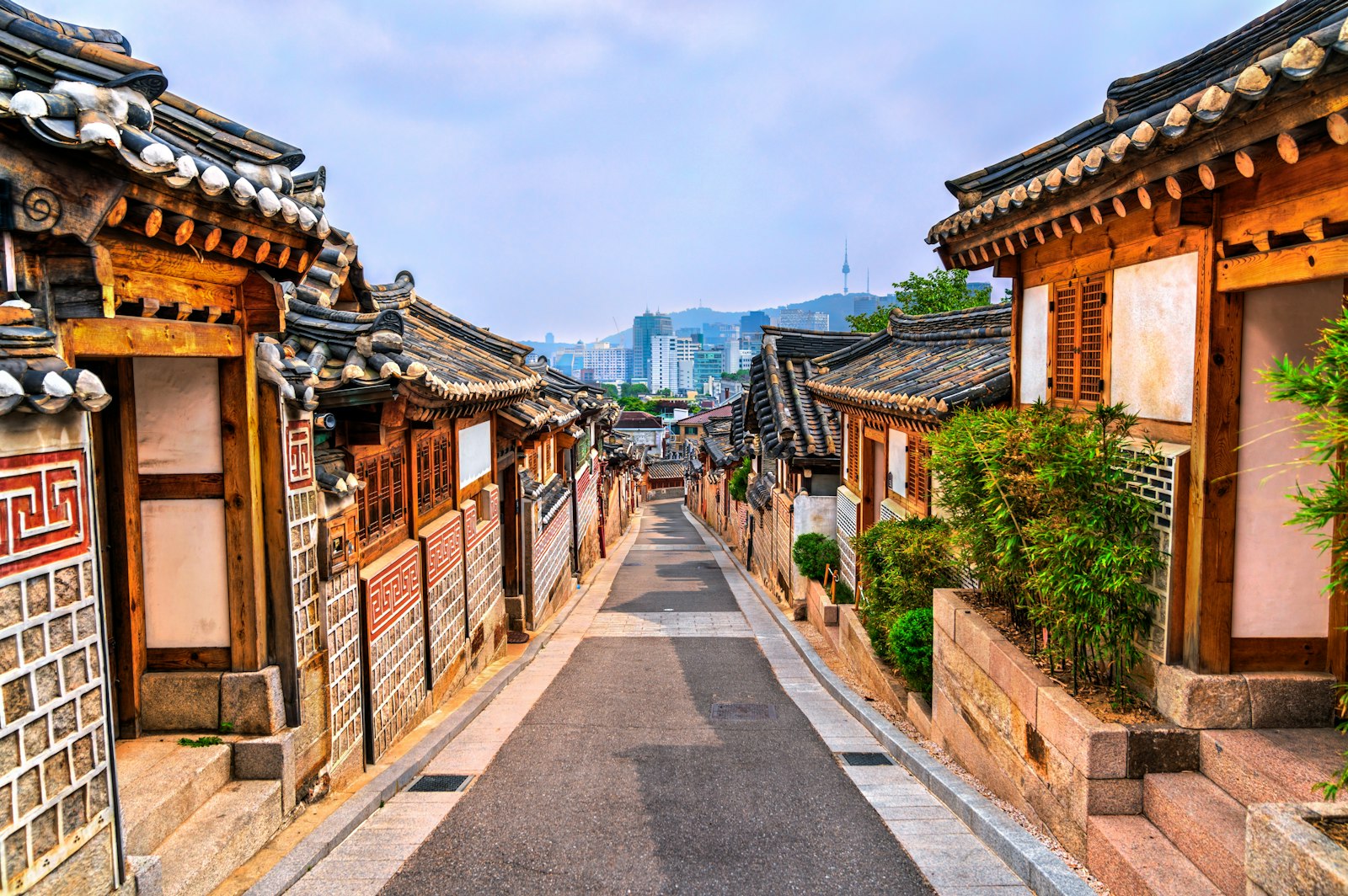
Insadong is a cultural district devoted to traditional crafts, calligraphy and tea houses. It is one of the best places to encounter contemporary interpretations of Korean heritage.
For contemporary Seoul, ascend N Seoul Tower for panoramic city views. Explore the architectural fluidity of Dongdaemun Design Plaza, a landmark of futuristic design.
Suwon – Hwaseong Fortress
Located just 30 kilometres south of Seoul, Suwon makes an ideal half-day or overnight addition.
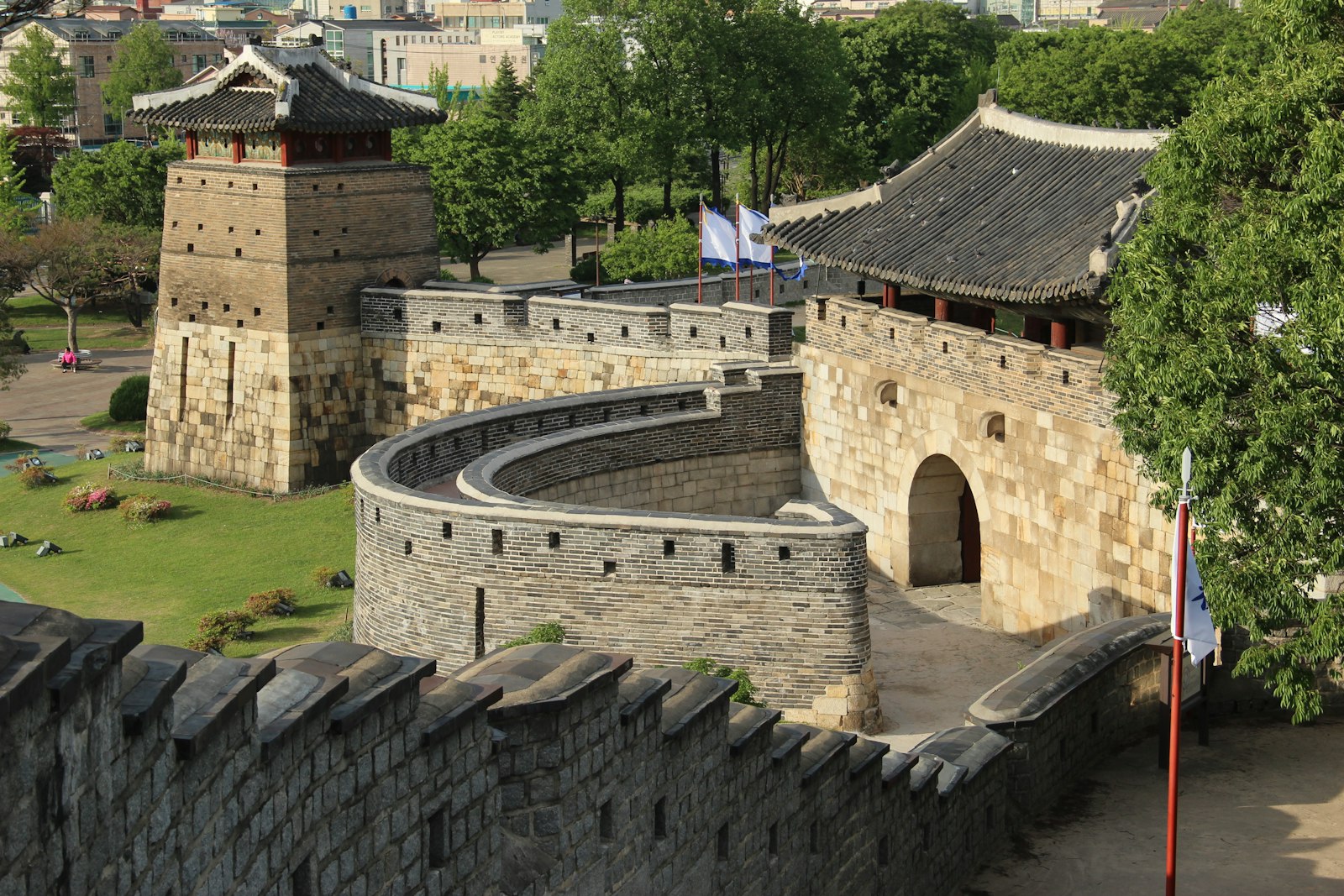
Hwaseong Fortress, a UNESCO World Heritage Site, encircles the historic centre with nearly six kilometres of fortified walls. Built in the late 18th century by King Jeongjo, it represents an ambitious blend of Eastern and Western military engineering. Walking the ramparts provides sweeping views over traditional gates, pavilions and the evolving modern city beyond.
Gyeongju
Often described as “the museum without walls”, Gyeongju was the capital of the ancient Silla Kingdom for nearly a millennium. It offers one of the most immersive historical experiences in the country and is best explored over one to two nights.
Bulguksa Temple exemplifies classical Buddhist architecture. Its stone terraces, elegant staircases and serene courtyards express spiritual symmetry and restraint.
Seokguram Grotto houses a monumental stone Buddha overlooking the sea. The precision of its construction reflects extraordinary 8th-century craftsmanship.
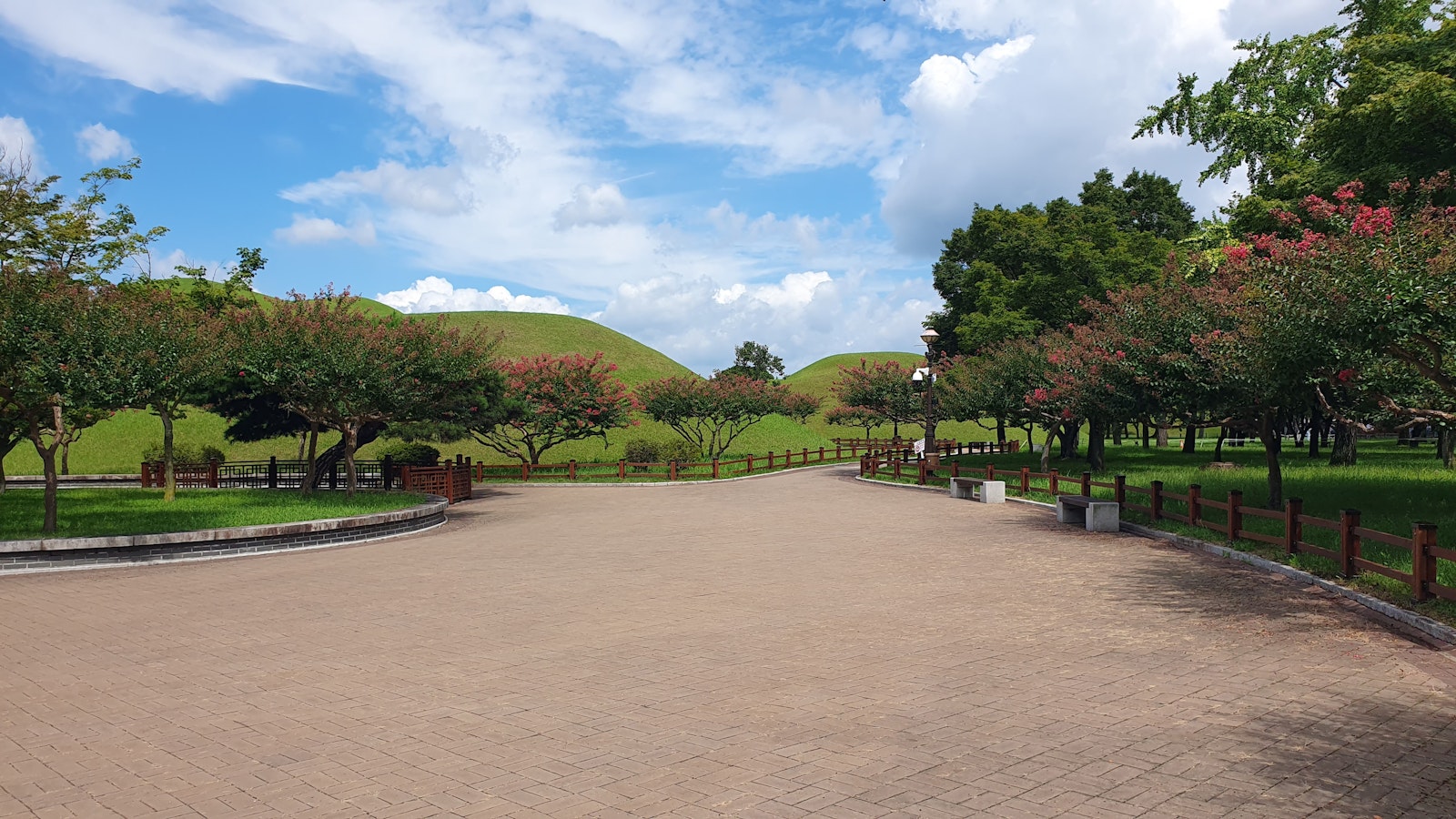
The Daereungwon Tomb Complex reveals grassy burial mounds rising like sculpted hills across the landscape. These royal tombs create one of Korea’s most distinctive historic panoramas.
Busan
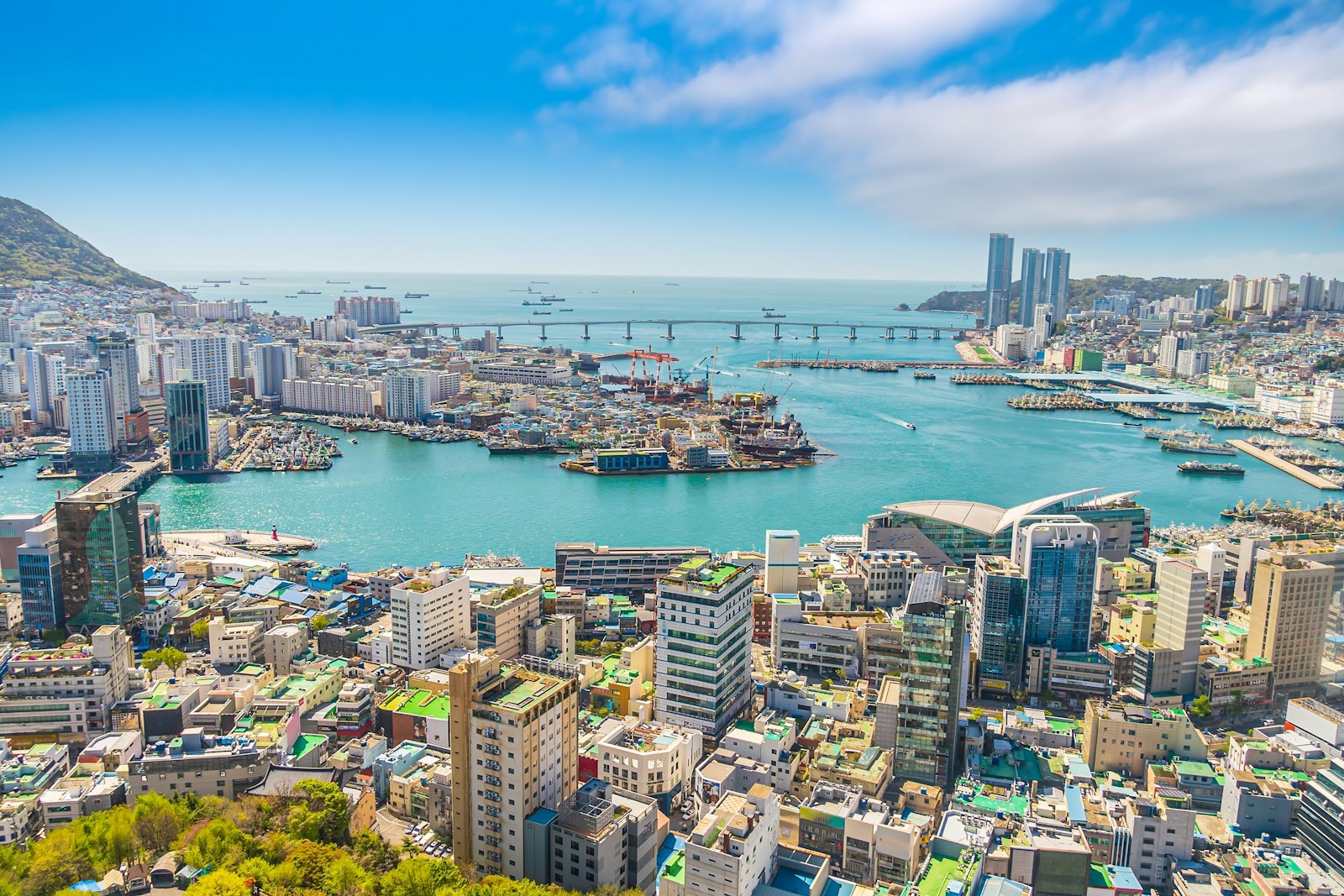
On the southern coast, Busan offers a compelling maritime character distinct from the capital.
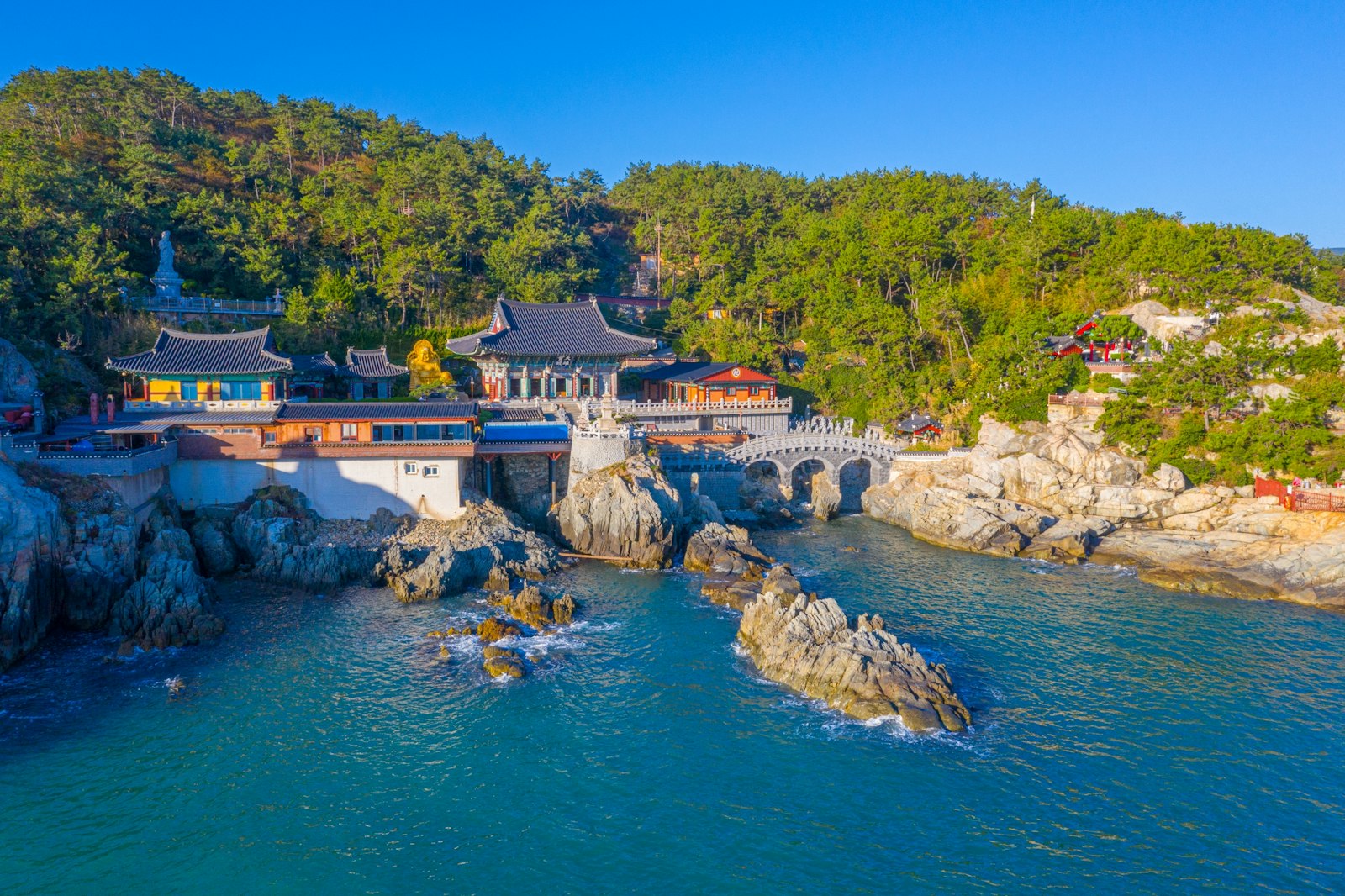
Haedong Yonggungsa Temple, dramatically perched on seaside cliffs, is one of Korea’s most visually striking religious sites. Waves crash below stone lanterns and golden Buddha statues, creating a rare fusion of spirituality and raw ocean scenery.
The colourful hillside neighbourhood of Gamcheon Culture Village, often called the “Machu Picchu of Busan”, is a maze of painted stairways, murals and artisan cafés cascading toward the sea. Its layered geometry and creative energy make it one of the city’s most photographed districts.
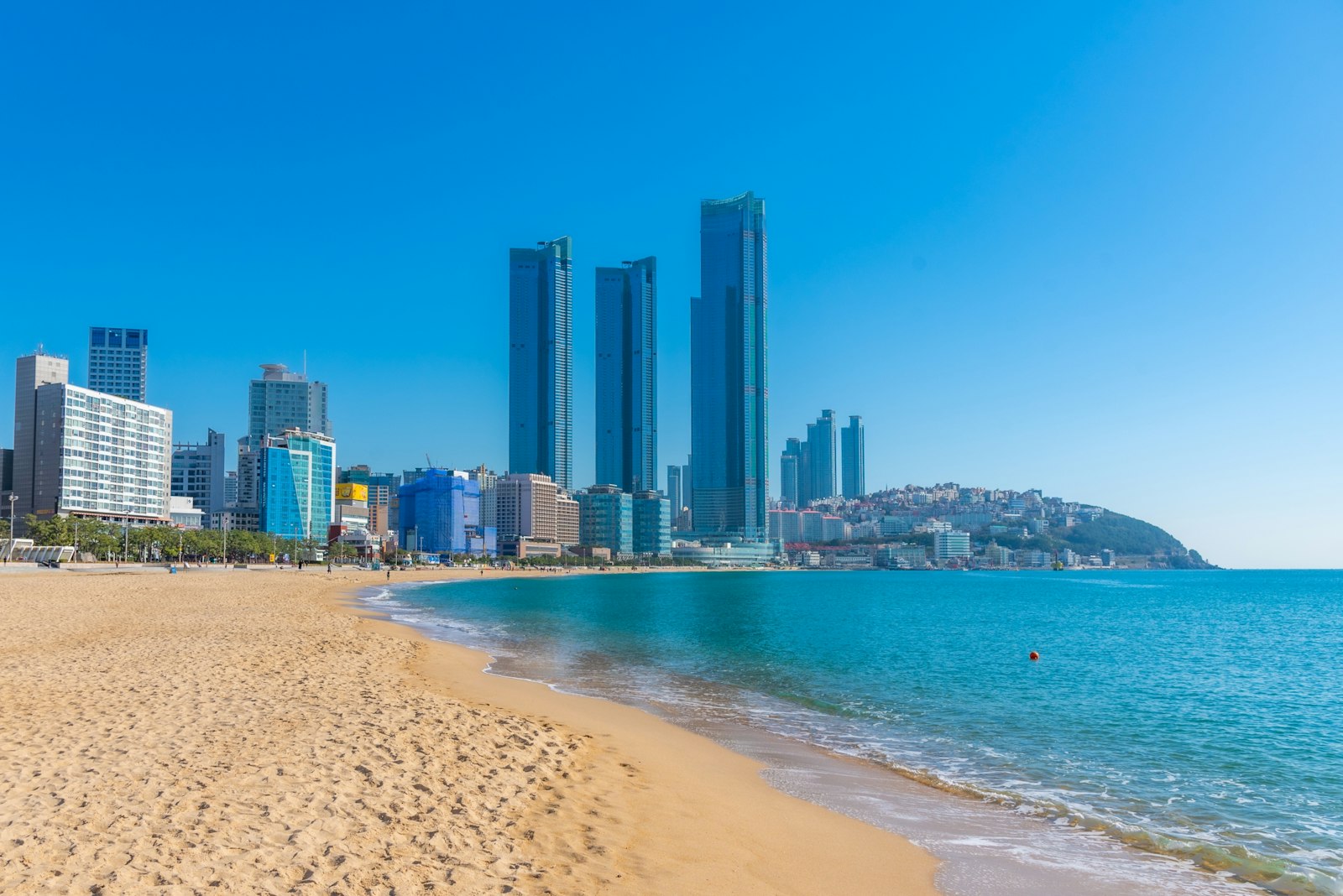
Haeundae Beach stretches in a broad arc of golden sand framed by modern high-rise towers. In summer, it becomes a lively gathering place, while in cooler months it offers wide open coastal views and fresh sea air.
At the heart of the old port district, Jagalchi Fish Market provides a vivid introduction to Korea’s maritime culture. Vendors display an astonishing variety of seafood, and visitors can select fresh catches to be prepared on-site, offering an authentic taste of Busan’s seafaring heritage.
Jeju Island
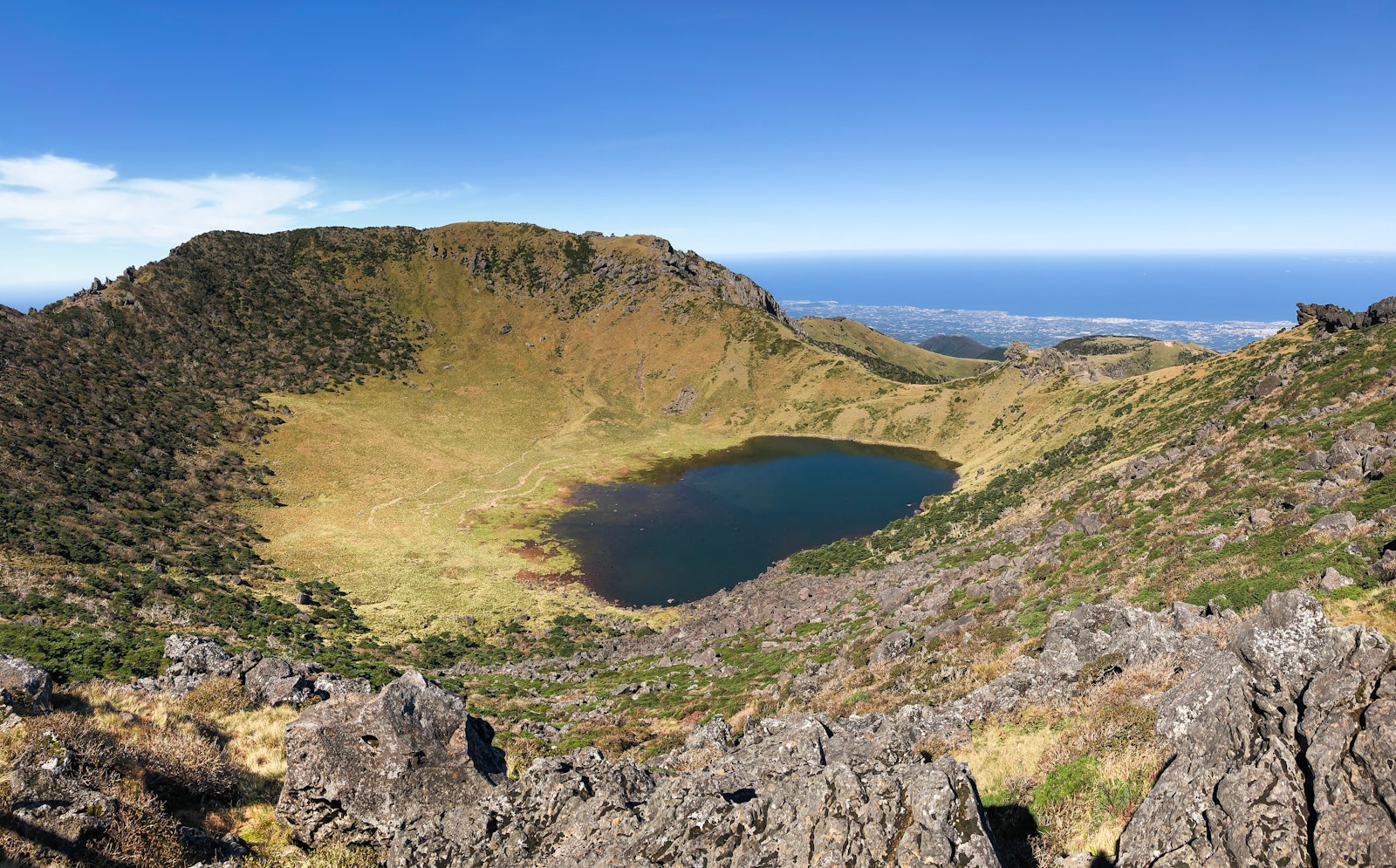
Often described as Korea’s natural sanctuary, Jeju Island rises from the sea in volcanic drama and windswept beauty. At its centre stands Hallasan, South Korea’s highest peak, crowned by a serene crater lake and surrounded by forested trails that transform with the seasons.
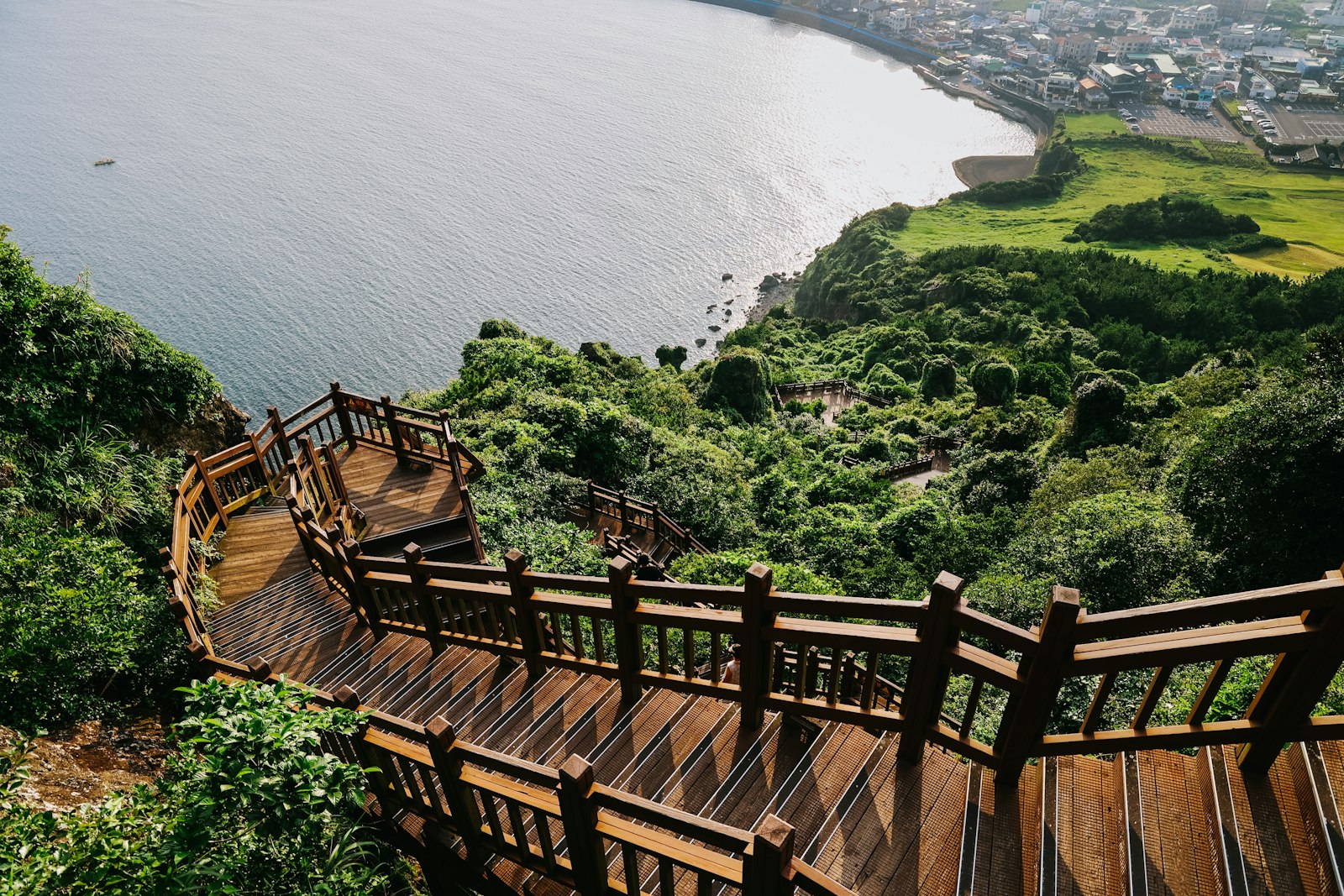
On the eastern coast, Seongsan Ilchulbong (Sunrise Peak) forms a dramatic volcanic tuff cone that is best experienced at dawn, when golden light spreads slowly across the ocean horizon. The climb to the summit rewards visitors with sweeping coastal views and a striking perspective of Jeju’s geological origins.
In the south near Seogwipo, waterfalls such as Cheonjiyeon and Jeongbang cascade directly toward the sea, framed by black lava cliffs and subtropical vegetation. These coastal landscapes reveal the island’s raw volcanic character.
In Jeju City, Dongmun Traditional Market offers a vivid introduction to local life, with stalls selling items such as hallabong citrus and freshly caught seafood. Yongduam (Dragon Head Rock), shaped by centuries of wind and waves, stands as a symbolic coastal landmark close to the city centre. For deeper cultural insight, the Jeju Folklore & Natural History Museum explains the island’s volcanic formation and the heritage of the haenyeo, Jeju’s legendary female free-divers. Nearby, Samseonghyeol Shrine connects visitors to the island’s founding myths and spiritual traditions.
Andong
For travellers seeking a deeper encounter with Confucian Korea, Andong is essential. Located in the southeastern interior, it preserves the intellectual and social foundations that shaped Korean society for centuries. One night is ideal, two if you wish to slow down.
Hahoe Folk Village is the highlight. This UNESCO-listed village remains inhabited by descendants of the original Ryu clan. Traditional tile-roofed hanok houses stand against a dramatic river bend and forested cliffs. It is one of the most authentic surviving examples of a Joseon-era clan village.
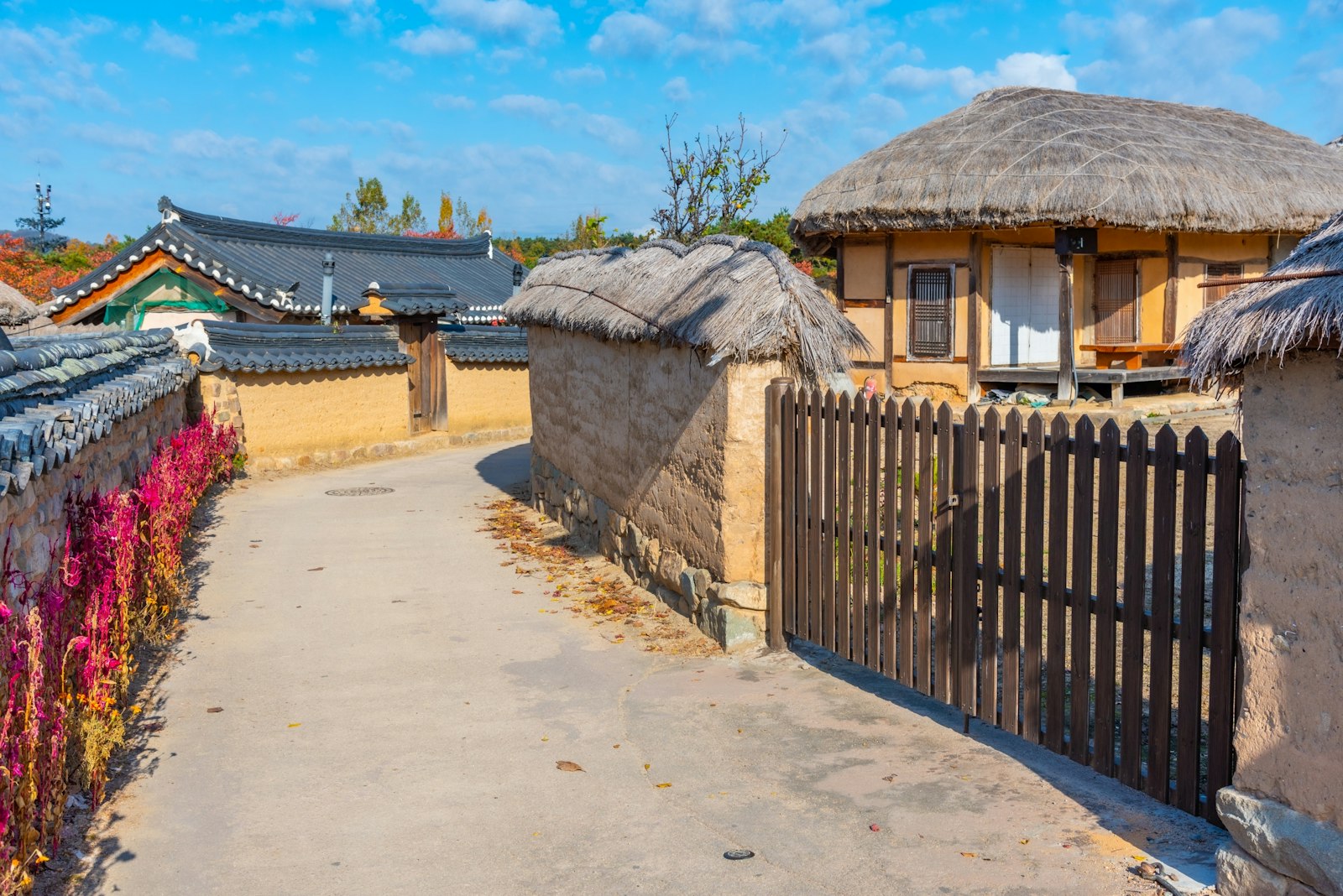
The Andong Confucian Academy (Dosan Seowon) reflects the scholarly traditions of Neo-Confucian philosophy. Its wooden halls overlook tranquil water and mountains, creating an atmosphere of contemplative refinement.
Andong is also the birthplace of Korea’s masked dance drama. Performances of the Hahoe Mask Dance preserve a satirical folk tradition that once critiqued aristocratic life.
The Demilitarised Zone (DMZ)
Few places in the world carry the symbolic weight of the DMZ. Located approximately one hour north of Seoul, it represents the unresolved division of the Korean Peninsula. A guided visit is required.
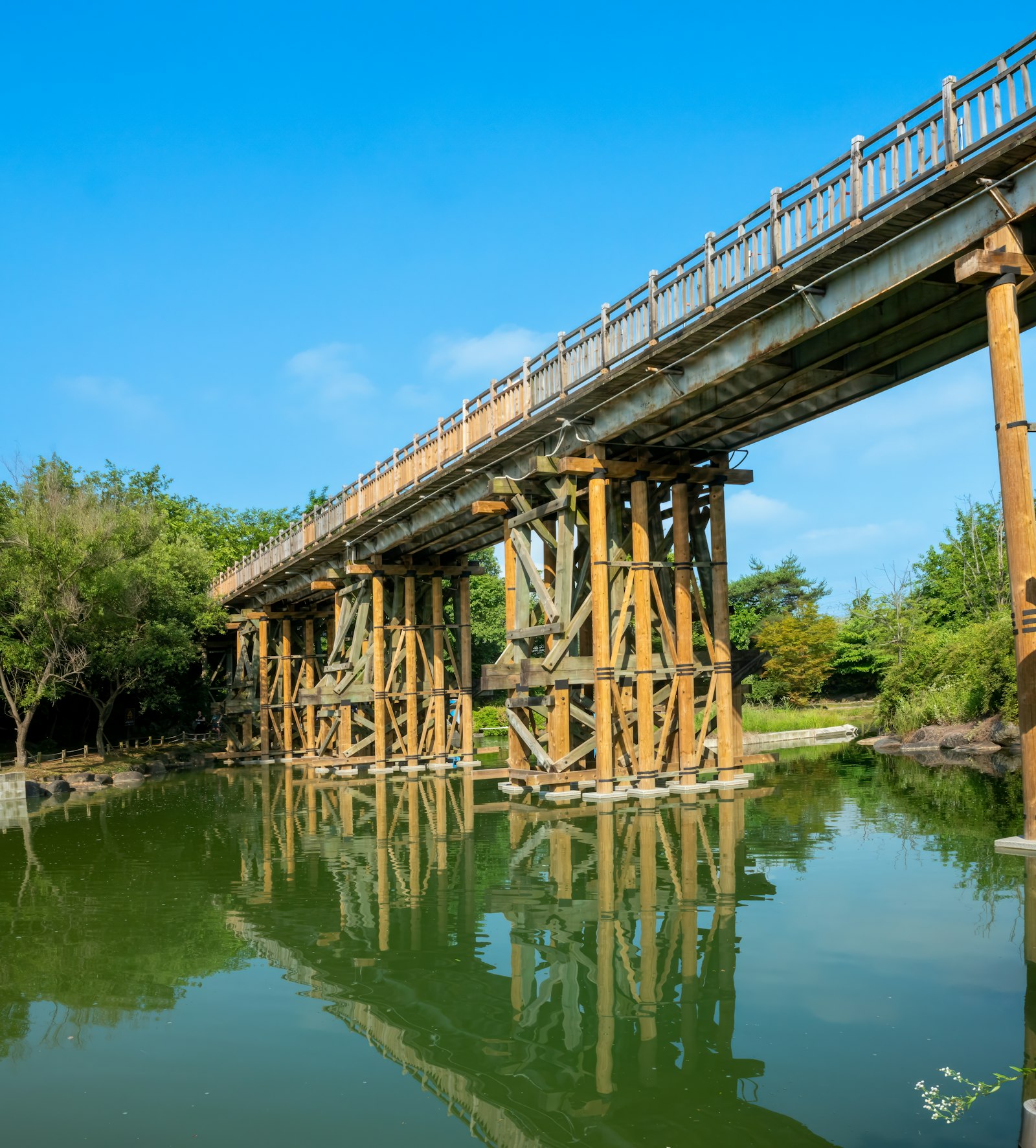
The Bridge of Freedom at Imjingak stands as a poignant reminder of families divided by war. Once used for prisoner exchanges after the 1953 armistice, it is now a place of quiet reflection, where ribbons and handwritten messages express enduring hopes for reunification.
The Third Infiltration Tunnel reveals one of several passages secretly dug beneath the border during the Cold War. Descending into it offers a sobering glimpse into the tensions that shaped the peninsula’s modern history.
The Dora Observatory looks out across the border into North Korea. On clear days, visitors can see the towering flagpole and the carefully maintained propaganda village beyond the Military Demarcation Line.
The Joint Security Area (Panmunjom) is the most symbolically charged part of the border and may, depending on the current security situation, be accessible as part of organised visits.
Gwangju
Located in the southwest, Gwangju is a city closely associated with the country’s modern democratic history.
A visit to the May 18 National Cemetery offers profound insight into Korea’s democratic movement. The site honours the citizens whose courage helped shape modern Korean democracy.
The May 18 Democracy Square and Archives further illuminate this pivotal chapter in modern Korean history.
Beyond its political legacy, the city is also known as a hub of contemporary art, best experienced at the Gwangju Biennale Exhibition Hall and in its vibrant cultural districts.
Top activities in South Korea
Cultural immersion and living heritage
Participating in a traditional tea ceremony offers a refined introduction to Korea’s Confucian etiquette and aesthetic restraint. In places such as Seoul and Andong, guests learn the philosophy behind tea preparation, the significance of silence, and the art of measured movement.
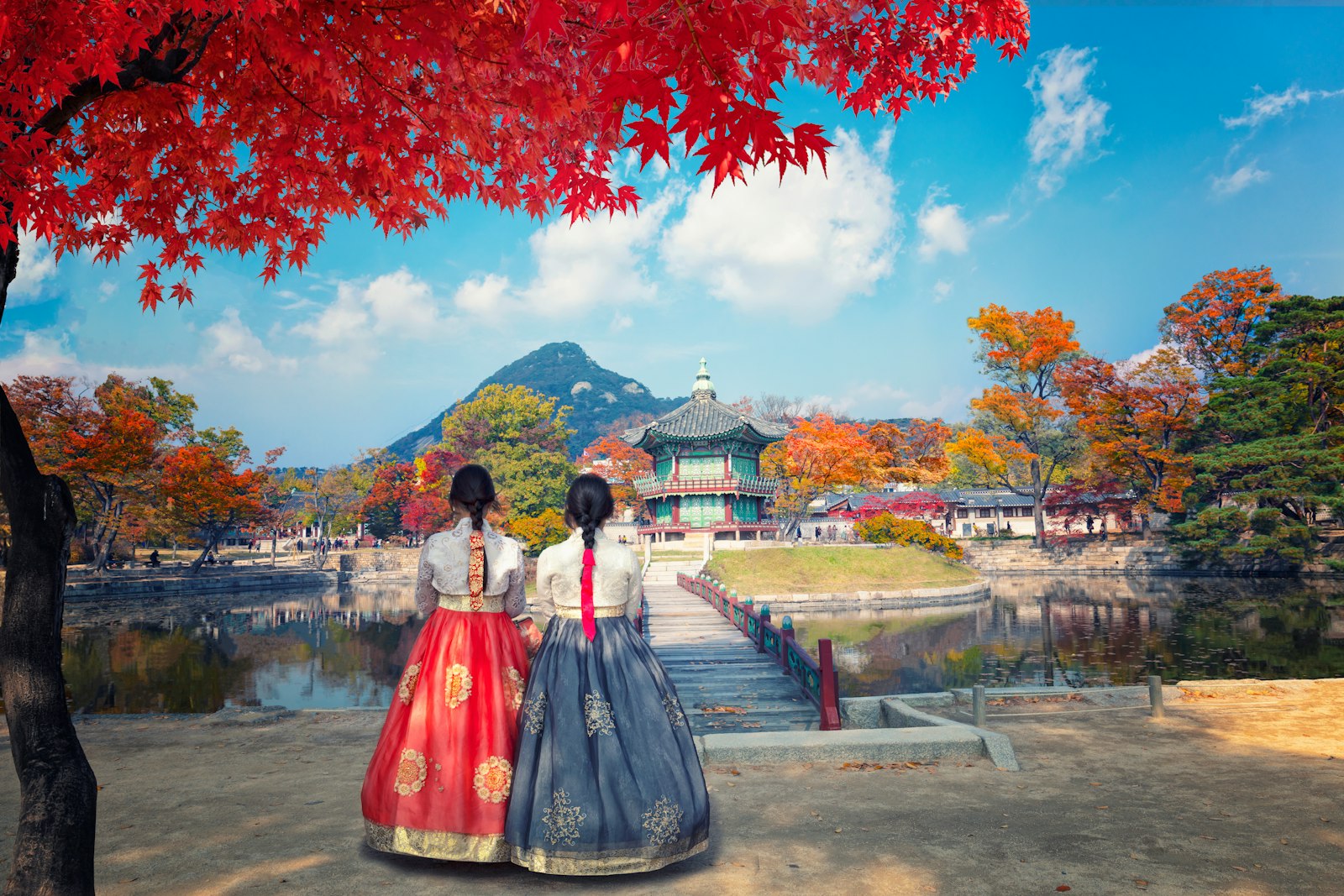
Renting a hanbok, Korea’s traditional dress, transforms a palace visit into a fully immersive historical encounter. Walking through Gyeongbokgung or Changdeokgung in traditional attire offers insight into Joseon-era court culture and architecture.
Temple stays provide another dimension of cultural immersion. Several Buddhist temples across the country invite visitors to spend a night within monastic grounds. Guests participate in chanting ceremonies, meditation sessions and communal vegetarian meals.
Nature and seasonal landscapes
The granite peaks of Seoraksan National Park are a hiker’s paradise. Trails lead through pine forests, Buddhist hermitages and panoramic viewpoints that change character with each season.
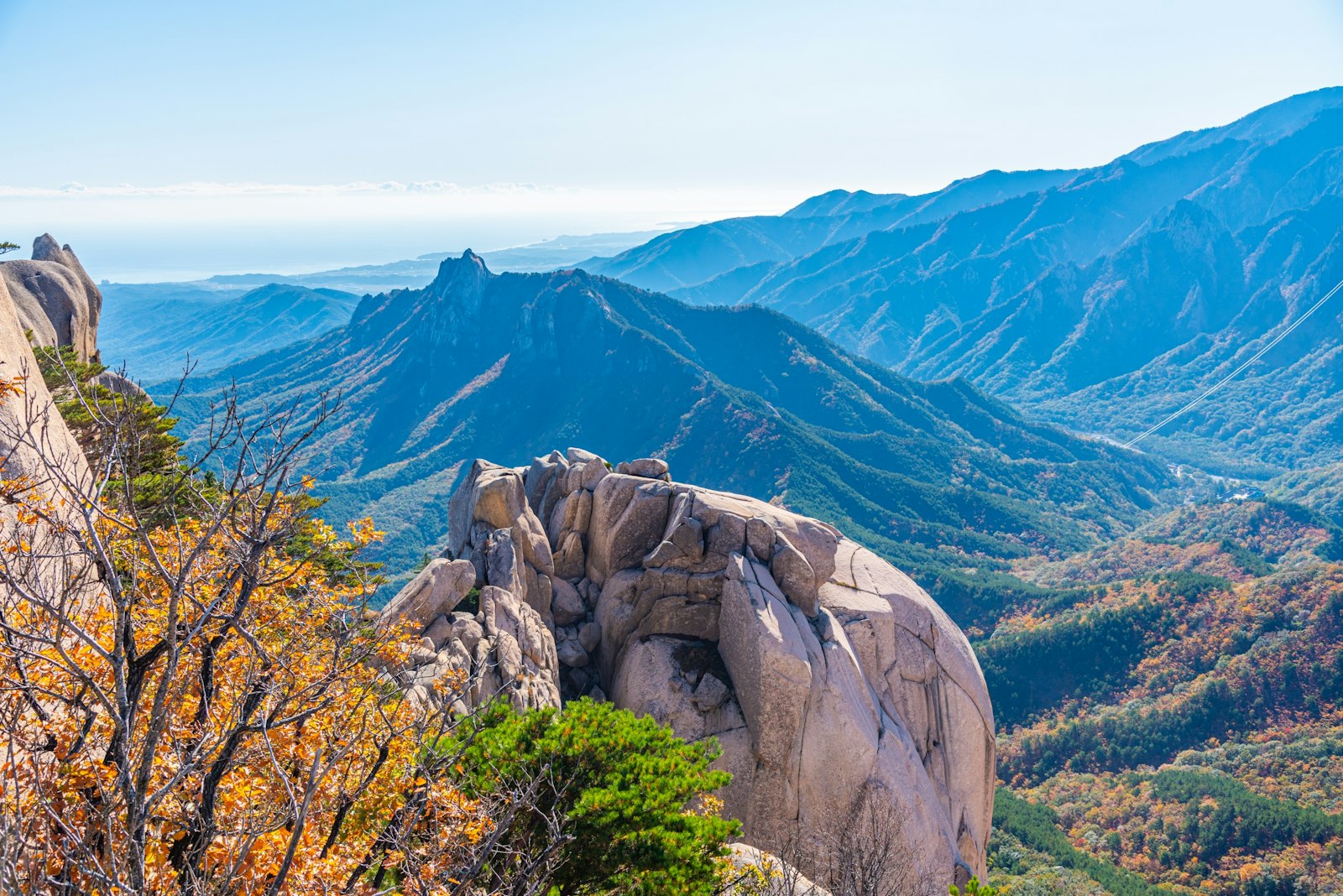
In autumn, the country transforms into a canvas of crimson and gold. Naejangsan and Bukhansan are particularly renowned for their maple foliage. The seasonal shift is treated almost ceremonially by locals who travel specifically to witness peak colours.
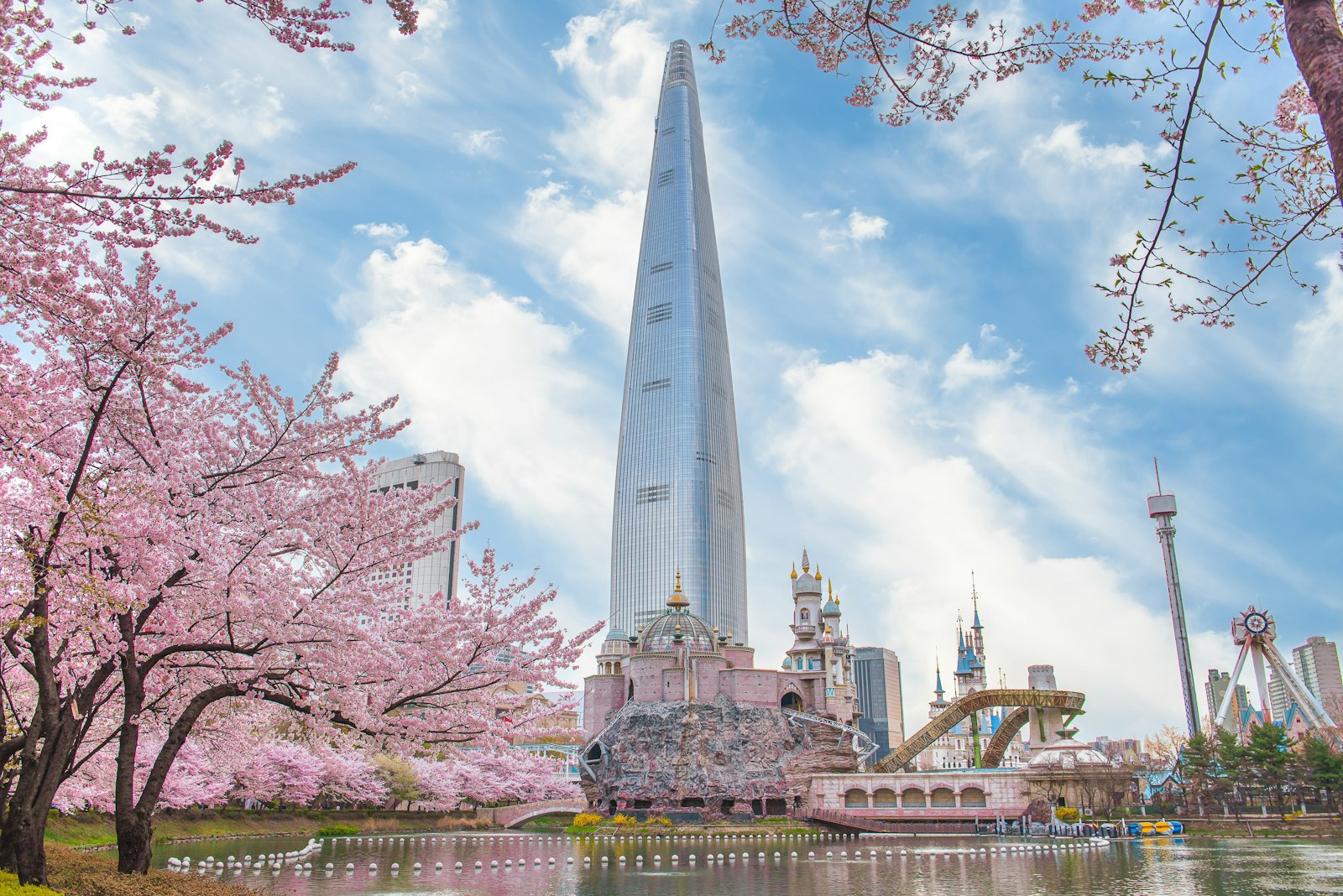
Spring is defined by cherry blossoms. Cities such as Seoul, Gyeongju and Jinhae are lined with pale pink blooms. The short flowering period creates an atmosphere of celebration and transience that resonates deeply within Korean culture.
On Jeju Island, hiking the Olle Trail offers coastal perspectives that differ entirely from mainland landscapes. The routes pass volcanic cliffs, stone walls and fishing villages. The island’s windswept terrain feels elemental and expansive.
Modern Korea and creative innovation
In Seoul, visitors can explore the architecture of the Dongdaemun Design Plaza, an iconic structure conceived by Zaha Hadid. Its fluid metallic curves represent the country’s forward-thinking aesthetic. These experiences reflect Korea’s position at the forefront of digital culture and experiential design.
Korean cinema and music have reshaped global pop culture. Visitors can explore filming locations of internationally acclaimed dramas or visit districts such as Hongdae, where independent music and youth culture thrive.
Shopping also becomes an experience in itself. Seoul’s districts range from luxury fashion in Gangnam to curated concept stores in Seongsu. The country’s design sensibility blends minimalism with bold experimentation.
Lotte World in Seoul offers one of the world’s largest indoor theme parks, combining high-energy rides with elaborate themed environments. Adjacent to it, the soaring Lotte World Tower, the tallest building in South Korea, houses observation decks that reveal sweeping views across the vast metropolis.
Coastal and maritime experiences
Along the northeastern coast, the mountains of Seoraksan rise dramatically above the deep blue ocean, offering a stark contrast to the urban beaches of the south.
On Jeju Island, boat excursions explore lava cliffs and hidden coves formed by volcanic activity. The island’s geological origins are visible at every turn, particularly around the dramatic formations of the southern coast.
Mosques in South Korea
Seoul Central Mosque – Itaewon
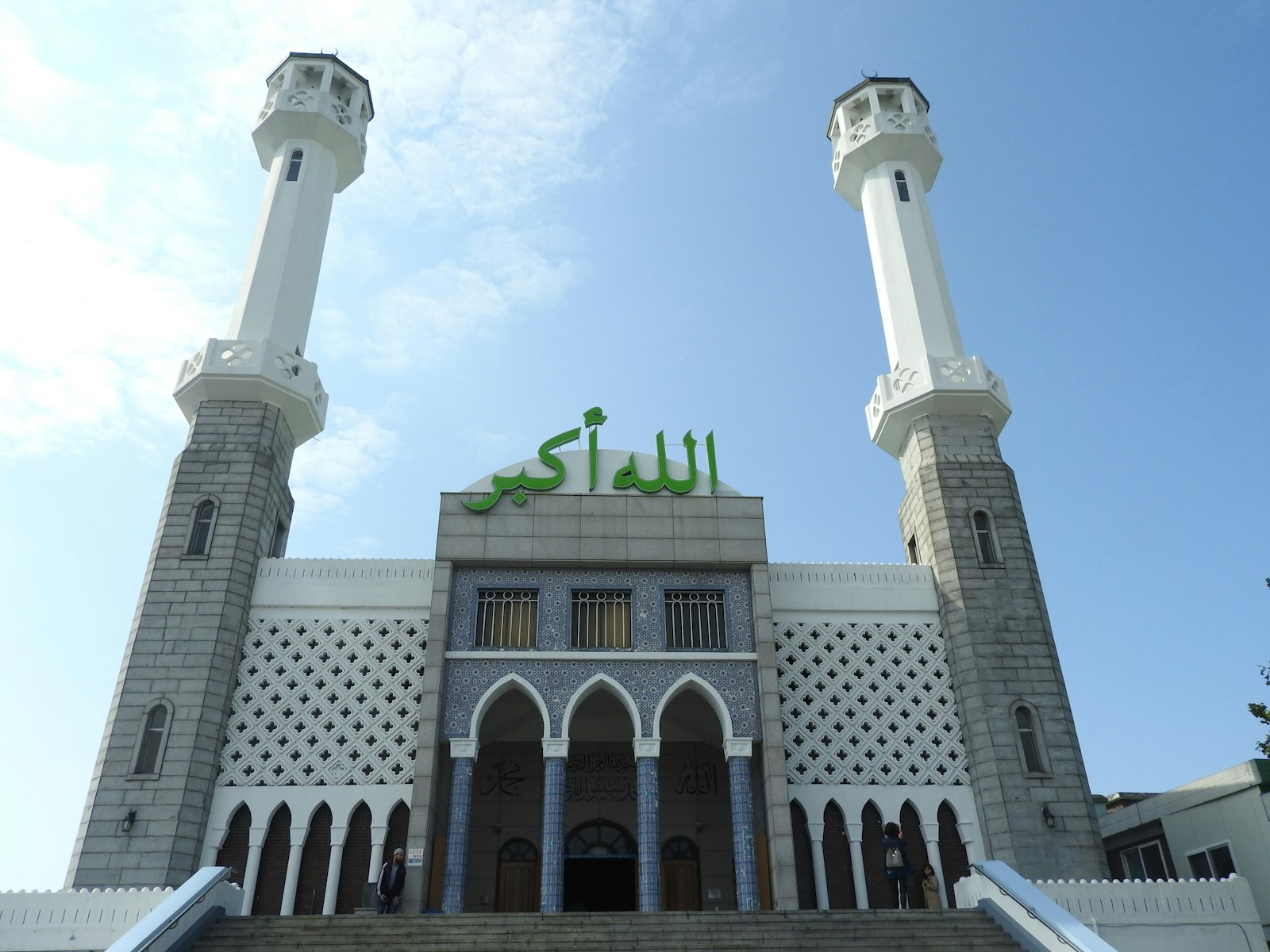
The Seoul Central Mosque remains the heart of Islamic life in South Korea. Its elegant white façade and twin minarets rise above the international district, creating a striking architectural presence. The mosque serves not only as a place of worship but also as a cultural centre hosting educational programmes and community events. The surrounding streets offer halal grocery shops and international restaurants, making Itaewon the most established halal-friendly neighbourhood in the country.
Busan Al-Fatah Mosque
Located near Busan’s university district, the Al-Fatah Mosque provides an important prayer facility for residents and visitors in Korea’s southern coastal city. It reflects the steady growth of Muslim communities beyond the capital and offers a welcoming space for travellers exploring the region.
Regional mosques and prayer facilities
Additional mosques and musallas can be found in cities such as Daegu, Gwangju and Jeonju, often near academic institutions. Major airports, including Incheon International Airport and Gimhae International Airport, provide dedicated prayer rooms. Several large shopping centres and tourist complexes have also introduced multi-faith prayer spaces, reflecting gradual adaptation to international visitors.
Halal food and restaurants in South Korea
Halal dining options are expanding, particularly in Seoul’s Itaewon district, where halal-certified Korean restaurants operate alongside Turkish, Malaysian and Middle Eastern establishments. While fully halal-certified venues remain concentrated in major cities, awareness is increasing nationwide. As a result, halal travel in South Korea is far more practical today than many visitors expect.
Popular Korean dishes available in halal variations include:
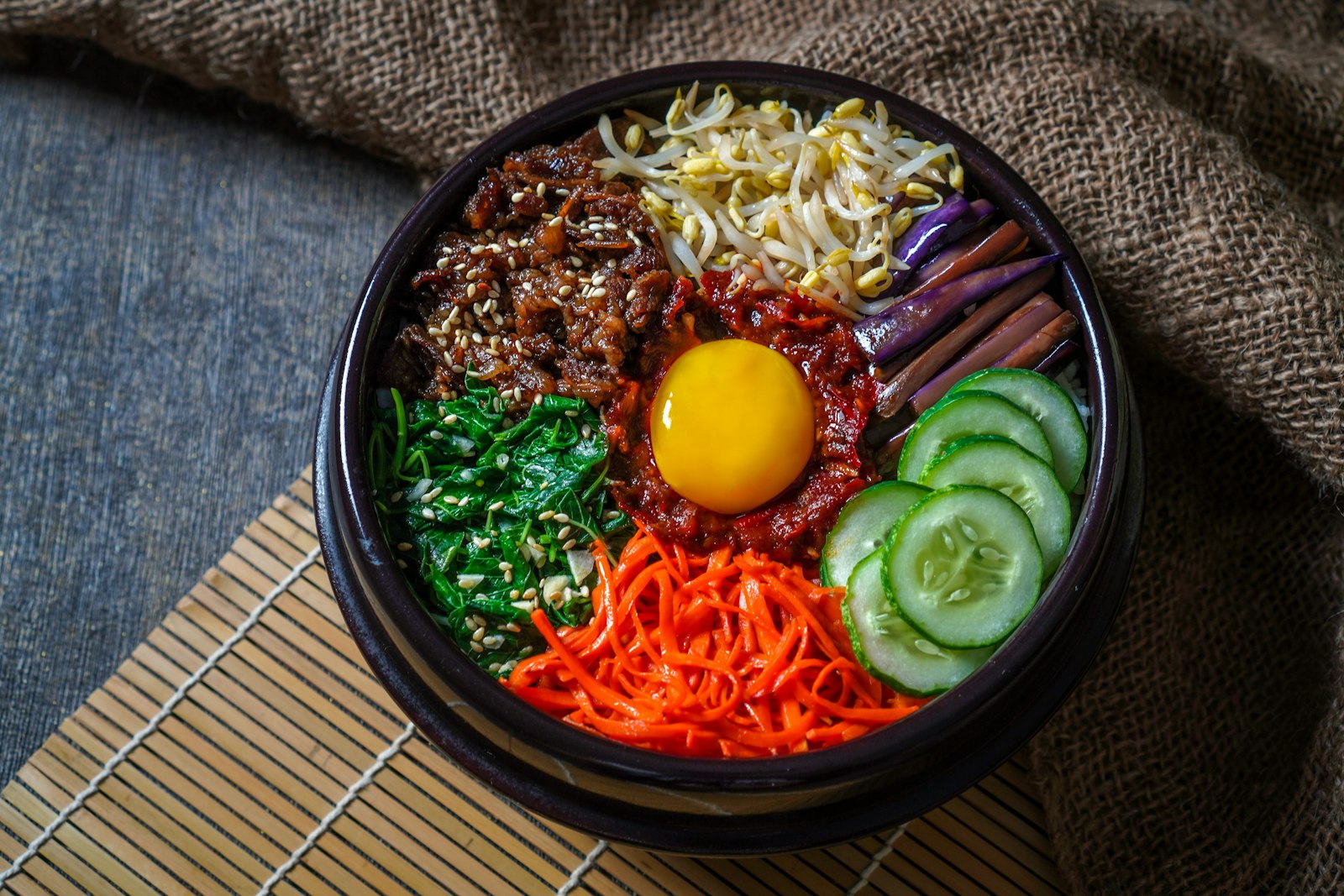
Bibimbap – A vibrant rice bowl topped with vegetables, egg and halal beef or chicken
Bulgogi – Thinly sliced marinated meat, increasingly offered in halal-certified versions
Japchae – Stir-fried glass noodles with vegetables and meat, easily adaptable
Tteokbokki – Spicy rice cakes
Seafood dishes – Widely available and naturally suitable for halal-conscious travellers
International airports and selected food courts now clearly label halal-certified outlets, simplifying dining logistics for visitors. Many certified establishments display the Korea Muslim Federation (KMF) halal logo, making it easier for visitors to identify suitable dining options. Seafood dishes and vegetable-based temple cuisine also provide convenient alternatives for travellers seeking simpler, naturally halal meals.
How to get to South Korea
South Korea is served primarily by Incheon International Airport, one of Asia’s most advanced aviation hubs. Direct flights operate from major European capitals, the Gulf region and key Asian cities. Flight times range from approximately 10-12 hours from Europe and 8-11 hours from the Middle East.
From Incheon, high-speed airport rail services connect travellers to central Seoul in under an hour. The KTX high-speed rail network links Seoul with Busan, Daegu and other major destinations, allowing efficient onward travel across the country.
Travel Essentials
Visa and Entry Requirements - Most visitors travelling to South Korea for tourism do not require a traditional paper visa. Depending on nationality and current regulations, travellers may instead need to obtain a Korea Electronic Travel Authorization (K-ETA) in advance. As entry rules may change and temporary exemptions may apply to some visa-free nationalities, travellers should check the latest official requirements before departure. Ensure your passport is valid for at least six months beyond your planned date of entry. Immigration procedures at Incheon International Airport are highly efficient, utilizing biometric scans (fingerprints and facial recognition) for a smooth arrival process.
Digital Navigation - While global mapping services are popular elsewhere, Google Maps often has limited functionality within the country. For accurate walking directions, real-time public transport schedules, and detailed local searches, downloading local apps such as Naver Map or KakaoMap is highly recommended before you arrive.
Connectivity - South Korea is one of the world's most digitally connected nations. While public Wi-Fi is widespread in cafes and subways, purchasing a local SIM card or eSIM upon arrival at Incheon Airport is recommended. This ensures seamless internet access for navigation, translation apps, and staying connected while on the move.
Payments - International credit cards are widely accepted in most hotels, department stores, and restaurants. However, it is necessary to carry some cash (South Korean Won) for smaller transactions. Cash is often the only way to pay at street food stalls, independent vendors in traditional markets, and for reloading your T-money card.
How to get around in South Korea
Getting around South Korea is remarkably easy thanks to one of the most efficient and technologically advanced transport systems in the world. High-speed KTX trains connect major cities such as Seoul, Busan and Daegu in just a few hours, making intercity travel fast, comfortable and reliable. For longer distances, domestic flights are convenient for reaching Jeju Island or travelling between the far north and south of the peninsula. Within cities, extensive subway networks are clean, safe and clearly signposted in English, while public buses provide excellent coverage, including access to residential neighbourhoods and cultural sites. Taxis are affordable compared to many Western countries and can be easily booked via local apps. For added convenience, travellers can purchase a rechargeable T-money card, which works across subways, buses and even some taxis nationwide. For those wishing to explore rural regions, national parks or coastal areas at their own pace, renting a car can be a practical option, particularly on Jeju Island. Overall, South Korea’s seamless transport infrastructure makes it simple to balance sightseeing, prayer times and family travel with ease. Signage in English is widely available in transport hubs, making navigation straightforward even for first-time visitors.
Best time to visit South Korea
Spring (April–May) brings cherry blossoms and mild temperatures. Autumn (September–November) offers crisp air and spectacular foliage, often considered the most visually stunning season. Summer can be warm and humid but lively with festivals, while winter transforms mountain regions into snow-covered landscapes suitable for skiing.
Where to stay in South Korea
Halalbooking offers a selection of accommodation in South Korea suitable for Muslim travellers. Many properties provide seafood-based dining options, alcohol-free room requests, or proximity to halal restaurants and mosques. Family rooms and serviced apartments offer flexibility, while premium city hotels in Seoul and Busan combine modern luxury with convenient locations.
For travellers seeking a destination that blends tradition, innovation and emerging halal accessibility, South Korea offers a journey that is both unexpected and unforgettable.