

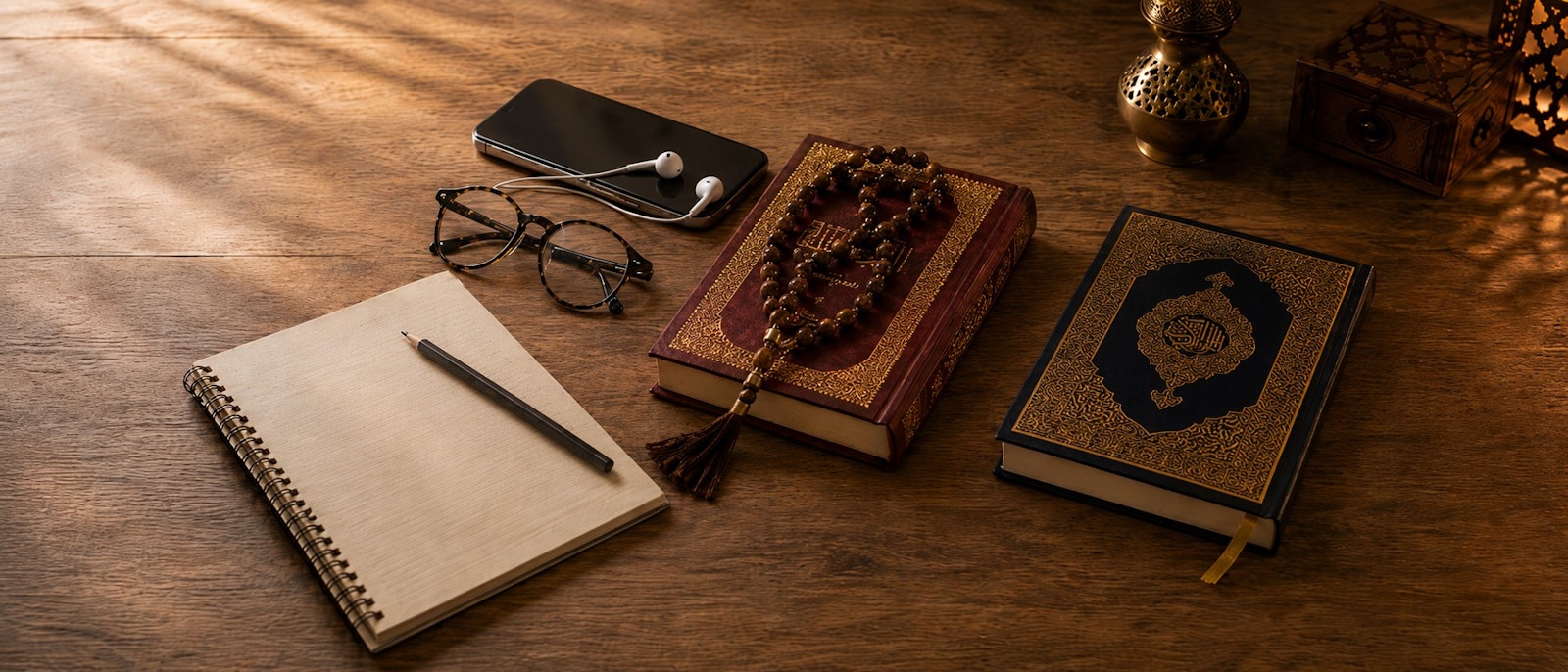
Worship in Makkah & Madinah: A Hub for Spiritual Excellence
Elevating Your Journey: The Purpose of Worship in the Haramain
Allah's Messenger (SAW) said, "One prayer in my Mosque is better than one thousand prayers in any other mosque excepting Al-Masjid-AI-Haram."
Sahih al-Bukhari 1190
Makkah al-Mukarramah — the "Honoured City" — and Madinah al-Munawwarah — the "Radiant City" — carry titles that reflect their spiritual reality. The scholars of Islam have consistently taught that one prayer performed in Masjid al-Haram is equivalent in reward to 100,000 prayers offered elsewhere, while a prayer in Masjid an-Nabawi carries the reward of 1,000.
That mathematics changes everything about how you should think about your time in both cities. A single rak'ah prayed in the congregation at Fajr — which many pilgrims sleep through out of exhaustion — is worth more than a lifetime of voluntary prayers at home. The purpose of this hub is to help you protect that time and use it with intention.
This is not about filling every waking hour with activities. It is about understanding what is available to you and making conscious choices about how to spend each moment in the presence of Allah.
The Mobile-First Prayer Guide: Staying Connected to the Haram
The five daily prayers in the Haramain operate on their own rhythm. The Adhan is broadcast simultaneously across Makkah and Madinah, and congregational prayer begins within minutes. Understanding this timing is the foundation of everything else.
Practical tips for staying connected to the prayer schedule:
- Download a reliable prayer time app with Haram-specific alerts and live stream capability before you travel — useful for tracking Adhan times and staying connected to congregational prayer when resting in your hotel room.
- Set your phone to Makkah time immediately upon arrival in Saudi Arabia and do not switch to local time zones when moving between cities.
- Pray Fajr in congregation inside the Haram wherever possible. The Fajr congregation in Masjid al-Haram — particularly in Ramadan — draws hundreds of thousands and is one of the defining spiritual experiences of a lifetime.
- Arrive at the mosque at least 20–30 minutes before the Adhan during peak times (Maghrib and Isha). Gates fill quickly and finding a spot in the inner areas becomes very difficult within 10 minutes of the call to prayer.
- If you cannot enter the main prayer hall, do not be discouraged. Prayers performed in the outer courtyards and upper floors count within the Haram boundary and carry the same multiplied reward.

Pro Tip
If you are temporarily held back at your hotel due to health or fatigue, many prayer time apps and Islamic streaming platforms carry live audio of the Haram congregational prayer. Search for a reliable live stream before you travel so you are not looking for one when you need it most.
Read & Listen: Digital Resources for Reflection
The intervals between prayers are some of the most spiritually potent moments of the pilgrimage — fill them with intention, not passivity
The hours between Dhuhr and Asr, or the quiet time after Fajr, are valuable spiritual windows. Having the right digital tools makes a difference.

Quran recitation
- Choose a reciter whose style helps you focus — many find slower, deliberate recitation styles more suitable for the contemplative atmosphere of the Haram.
- Set a daily Quran reading target in pages, not time. Five pages after each prayer, maintained consistently, completes a full Quran over a 12-day stay.

Dhikr and reflection
- Pre-load offline Dhikr playlists and Tafsir audio before travel — internet connectivity inside the Haramain can be variable, particularly during peak times. Relying on streaming is not advisable.
- Tafsir content in short, 10–15 minute episode formats is ideal for the transit time between your hotel and the Haram. It keeps your mind focused on the spiritual dimension rather than the logistics of the crowd.
Voluntary Acts of Devotion: Beyond the Mandatory Rituals
Once your obligatory Umrah rituals are complete and your five daily prayers are protected, the Haramain opens up a vast landscape of voluntary worship that most pilgrims underutilise.
Voluntary Tawaf:
There is no prescribed upper limit to voluntary Tawaf. Each circuit of the Kaaba, performed with full presence and Dhikr, is a profound act of worship in itself. The quietest windows for voluntary Tawaf tend to be in the early hours before Fajr and in the mid-morning period after the Ishraq prayer. Avoid the period immediately after Maghrib, when the Mataf is at its most congested.
Tahajjud and night prayers:
Both Haramain offer a remarkable atmosphere for night prayer. The hours between midnight and Fajr — when the crowds thin and the marble floors cool — create a stillness that is rare during daylight hours. Even two rak'ahs of Tahajjud performed in the last third of the night, in this location, is an act of worship that few opportunities in ordinary life can match.
Masjid Quba: The Reward of One Umrah
Masjid Quba holds a unique place among the voluntary acts available in Madinah. The Prophet saw said that performing two rak'ahs of prayer in Masjid Quba carries the reward of one complete Umrah. For a pilgrim already in Madinah, this is among the most accessible and rewarding voluntary acts of the entire journey — a short journey from the city centre yielding a reward that pilgrims travel thousands of miles to earn.

Whoever purifies himself in his house, then comes to Masjid Quba and prays in it, will have the reward like that of an ‘Umrah
Sunan al-Tirmidhi 324, Sunan Ibn Majah 1412, graded Sahih
Sacred Etiquette: Navigating the Haramain with Adab
Indeed, those who lower their voices in the presence of Allah’s Messenger are the ones whose hearts Allah has refined for righteousness. They will have forgiveness and a great reward.
Surah Al-Hujurat - Ayat 3
Adab — the correct Islamic manners and etiquette — is not a secondary concern in the Haramain. It is inseparable from the validity and quality of your worship. The Haramain receive pilgrims from every Muslim community on earth, and the courteous, patient pilgrim contributes to an environment in which everyone can worship.
- Lower your voice. The Quran instructs believers not to raise their voices above that of the Prophet SAW. This principle applies with special force in the Haramain. Speaking loudly, particularly during prayer times, disturbs fellow worshippers.
- Follow the guidance of mosque staff. Security personnel and guides within the Haram are trained to manage safe crowd flow. Their instructions — to move to a different area, to form a line, to clear a pathway — should be followed immediately and without argument.
- Be deliberate about your phone. Photography, live-streaming, and social media posting during prayer are disrespectful and, in many areas of the Haram, prohibited. Keep your phone in your pocket during congregational prayer. Audio and video during personal Dhikr or Quran time should use earphones.
- Give way to the elderly and disabled. Both Haramain have designated accessible areas and wheelchair access. Creating space for those with greater difficulty is itself an act of worship.
- Leave no litter. The physical environment of the Haramain is a trust (Amanah). Disposing of Zamzam cups, wrappers, and tissues responsibly reflects Islamic environmental ethics and respects the millions who worship in the same space.
Finding Solitude: Quiet Corners for Personal Supplication
The paradox of the Haramain is that, despite receiving millions of visitors, genuine moments of solitude are available — if you know where to look.
In Masjid al-Haram, Makkah:
- The upper floors of the mosque's multi-storey expansion — particularly the rooftop levels — are significantly less crowded outside peak prayer times and offer an elevated view of the Kaaba that encourages reflection.
- The outer courtyards on the eastern side of the mosque complex (away from the main Safa-Marwa corridor) carry far less foot traffic during non-prayer hours.
- The period between Ishraq (approximately 20 minutes after Fajr) and Dhuhr tends to be the quietest sustained window inside the Haram for personal Dua and Quran reading.!
In Masjid an-Nabawi, Madinah:
- The mosque's massive outdoor umbrella courtyards provide covered, cooler space that fills more slowly than the inner prayer hall. These are excellent for extended Dhikr sessions during the day.
- The women's sections in both Haramain are thoughtfully designed and often less congested than comparable men's areas. Sisters should not be deterred from spending extended time in worship on the assumption that access will be difficult.
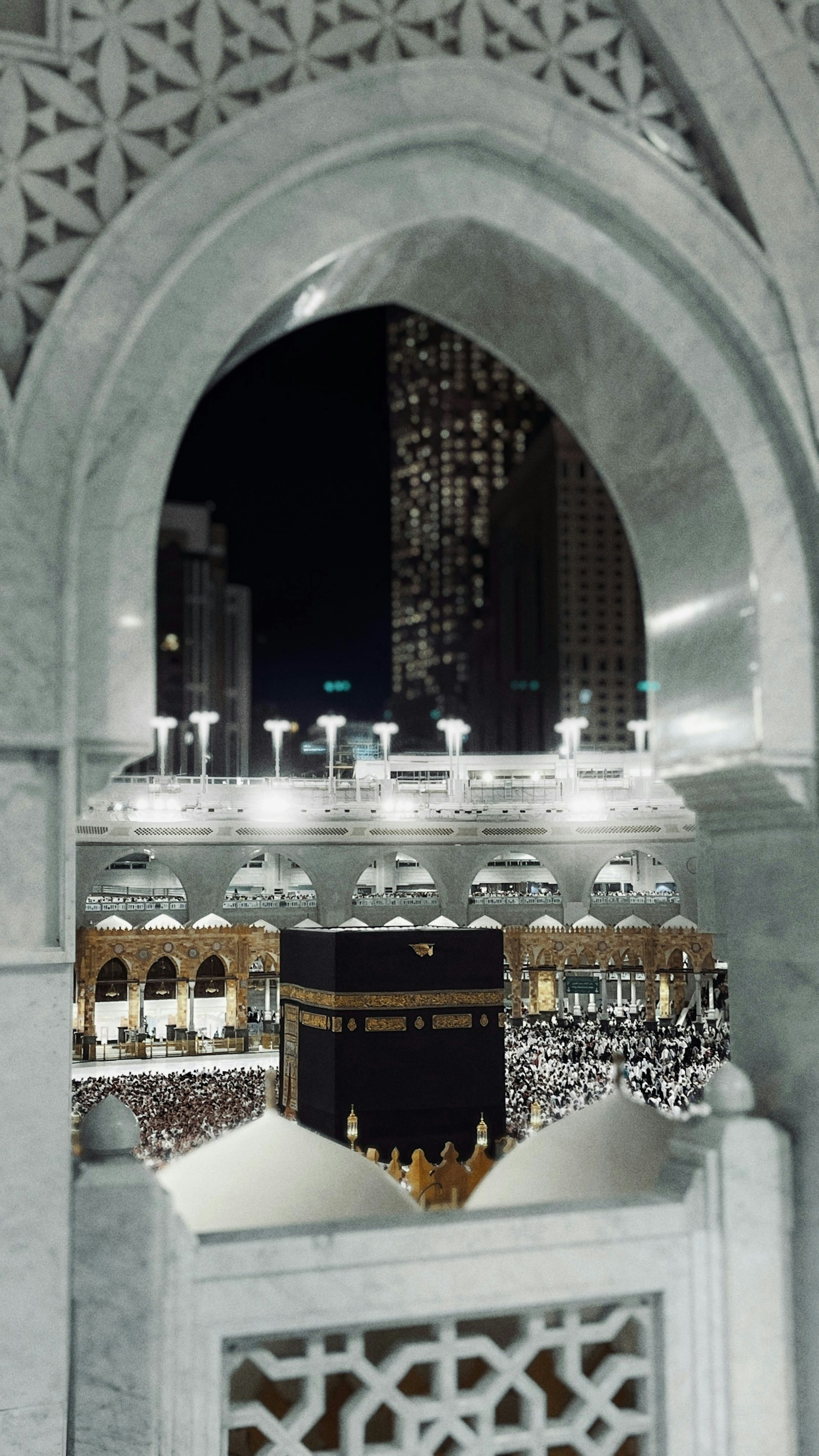
Pro Tip
Carry a small portable prayer mat or use a back support prayer mat. It allows you to settle in a quiet courtyard section independently, rather than competing for a fixed spot in the carpeted interior.
Preparation for the Hereafter: Seeking Forgiveness and Renewal
Umrah is described as a spiritual cleaning — your window for this quality of worship has a closing date
The limited nature of your time in Makkah and Madinah is, in a sense, its most powerful feature. Unlike the obligations of ordinary life — which stretch indefinitely into the future — your window for this quality of worship has a closing date. Most pilgrims report that it is only on the final night, or on the journey home, that the full weight of what was available to them becomes clear.
Seek forgiveness specifically and repeatedly. Make a list of things you want to ask for before you travel. The most transformative Duas in the Haramain tend to be those that are personal, specific, and repeated — not the general supplications that feel easier to say.
Expert Umrah Tips
For practical guidance on managing your time, energy, and focus throughout your stay, visit our Expert Umrah Tips page.
Frequently Asked Questions
Common questions about worship, voluntary acts, and reading the Quran inside the Haramain
How can I access live English translations of the Friday (Jumu'ah) sermons?
The Haramain Recordings app provides live audio streams of the Jumu'ah khutbahs in Makkah and Madinah. If live translation is unavailable on the day, many scholars and institutions post same-day translated transcripts online — pre-downloading your Tafsir apps before Friday ensures you can supplement the sermon with broader context for the passages referenced.
Is it better to perform voluntary Tawaf or extra Nafilah prayers in Makkah?
For visitors, the majority scholarly position — Hanafi, Maliki, and Hanbali — is that voluntary Tawaf takes precedence: you can pray Nafilah anywhere, but access to the Kaaba is time-limited. The Shafi'i school leans toward voluntary prayer due to the 100,000-fold reward multiplier in Masjid al-Haram, though many Shafi'i scholars also encourage prioritising Tawaf during a visit. Practically: use accessible, uncongested Mataf time for Tawaf, and reserve congested periods for Nafilah prayers from a stable position.
Are there specific areas in the Haram where I can sit and read the Quran for hours?
Yes. Both Haram complexes contain extensive carpeted areas away from the main Tawaf floor that are designated for worship, Quran reading, and Dhikr. In Masjid al-Haram, the upper floors and outer sections of the mosque away from the Safa-Marwa walkway are best for extended reading. In Masjid an-Nabawi, the broad covered courtyards on the northern and western sides of the mosque provide quiet, ventilated spaces that remain relatively uncrowded outside prayer windows. Most areas within the mosque boundary provide Quran copies — though carrying your own preferred edition or using a digital Quran app is more practical for extended sessions.
Can I listen to Quran recitations on my phone while inside the mosque?
Yes, provided you use earphones and keep the volume fully contained. Playing audio aloud inside either mosque — including Quran recitation — disrupts fellow worshippers and is contrary to the etiquette of the Haramain. Some areas near the outer boundaries of both Haramain operate with more ambient noise; even there, personal audio should always be kept private through earphones.
What is the best way to maintain focus (Khushu) in such large crowds?
Khushu — presence of heart in worship — is more accessible in the Haramain than anywhere else, but the crowds can paradoxically disrupt it if you are not prepared. Practically: set a personal Dhikr or Dua task for each interval between prayers before you leave your hotel, so that your mind arrives with a specific intention rather than having to improvise. Reduce your phone usage to purposeful tools only — Quran app, Haramain app for timings, and your Dua Library. The moments when Khushu breaks most easily are when you become focused on the crowd itself — navigating, observing, or reacting to others. Keep your gaze low and your tongue busy with Dhikr during movement between sections.
Your pilgrimage in the safest hands online
The world's #1 halal-friendly booking platform. Officially aligned with Saudi authorities, airline and lifestyle rewards programmes.






Scan the QR code with your phone camera to download it.


Choose Your Hotel First
A hotel within walking distance of the Haram means no missed Fajr, no scramble for transport before Isha, and genuine rest between prayers.