Sicily: Mediterranean beauty and Islamic heritage
At the heart of the Mediterranean, Sicily is an island of golden beaches, dramatic volcanic landscapes, historic cities and some of Italy’s best-loved cuisine. Yet beyond its famous Greek temples, Roman ruins and Baroque towns lies another fascinating chapter of its past: Sicily’s Islamic heritage.
Muslims began their conquest of Sicily in the 9th century, and for more than two centuries much of the island was under Muslim rule. Palermo flourished as a major Mediterranean city, while Arabic-Islamic influences left their mark on the island’s agriculture, cuisine, language, art and architecture.
Although Muslim rule ended with the Norman conquest, its cultural influence endured. The unique fusion of Islamic, Byzantine and Western traditions that followed can still be discovered in some of Sicily’s most remarkable monuments today.
For Muslim travellers, this fascinating heritage adds another dimension to an island already blessed with beautiful beaches, spectacular landscapes, historic towns and a rich culinary tradition.
Palermo – at the heart of Sicily's Arab-Norman heritage
Sicily’s vibrant capital is the natural starting point for exploring the island’s Islamic heritage. Known as Balarm during Muslim rule, Palermo developed into an important centre of trade and culture. Although few buildings survive intact from this period, its influence lived on after the Norman conquest and can still be seen in some of the city’s most remarkable monuments.
Today, Arab-Norman Palermo, together with the cathedrals of nearby Cefalù and Monreale, is a UNESCO World Heritage Site, recognised for its unique fusion of Islamic, Byzantine and Western cultural and artistic traditions.
Palazzo dei Normanni and the Palatine Chapel
The magnificent Palazzo dei Normanni (Norman Palace) became the royal residence of Sicily’s Norman kings. At its heart is the spectacular Palatine Chapel, where glittering Byzantine mosaics, Western architecture and Islamic artistic traditions come together.
Look up to admire one of its most extraordinary features: an intricately carved and painted wooden muqarnas ceiling, created by craftsmen working in the Islamic artistic tradition.
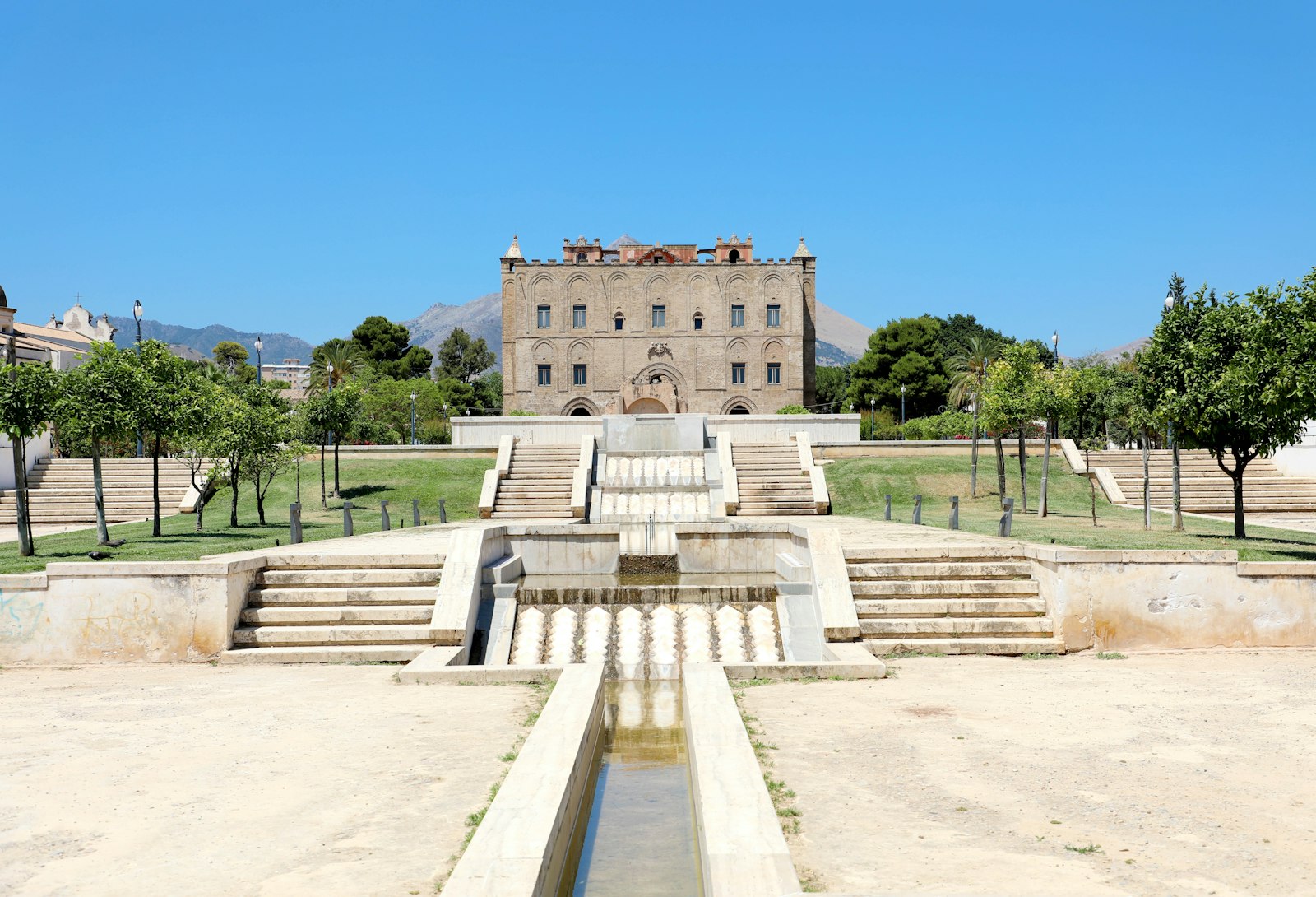
La Zisa
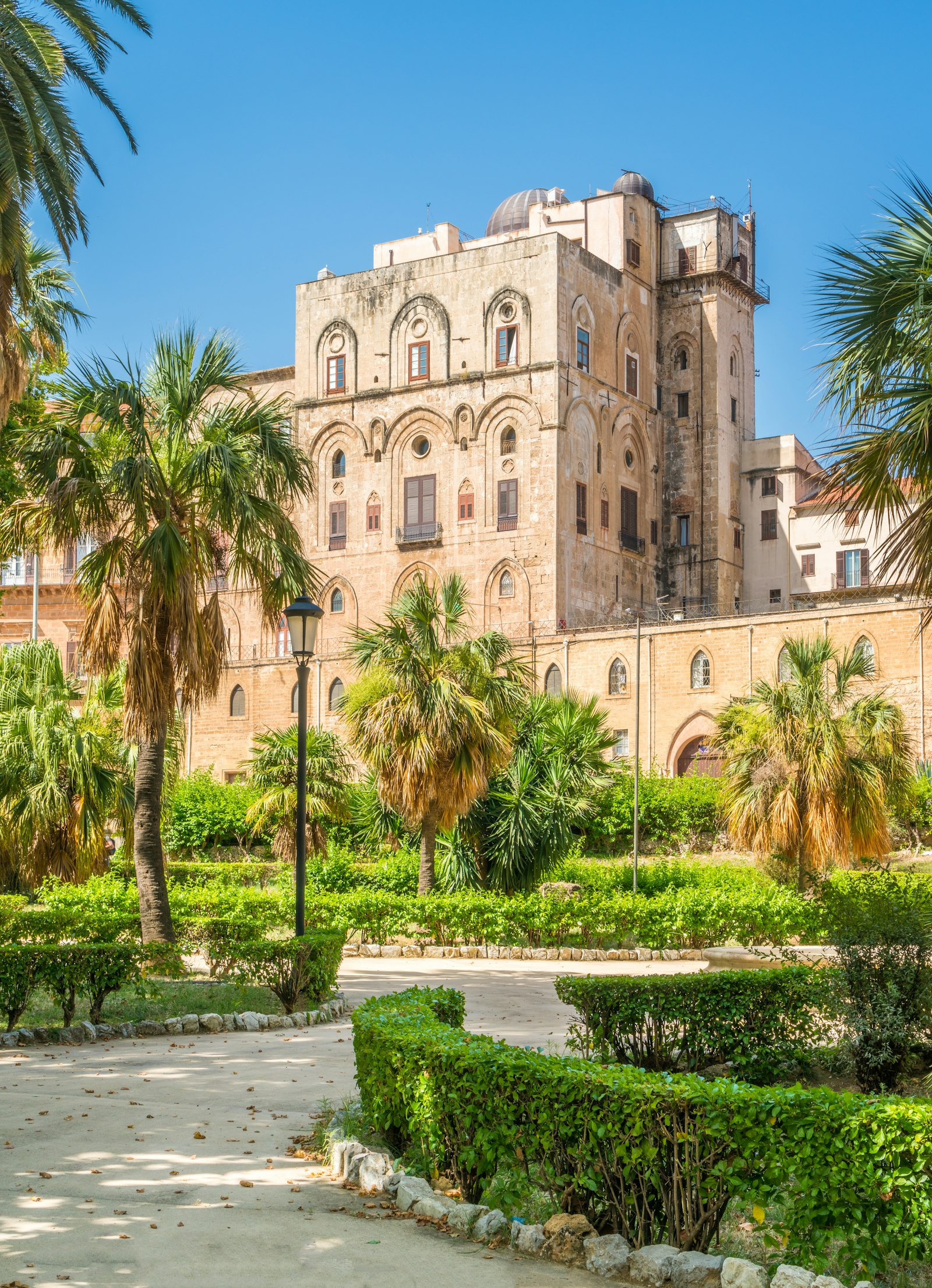
Built as a royal residence for the Norman kings in the 12th century, La Zisa is one of the most striking examples of Islamic influence on Norman architecture in Sicily. Its name derives from the Arabic al-Azīz, meaning “splendid” or “dear”.
Arabic inscriptions, geometric decoration and an ingenious system of water channels reflect the influence of Islamic palace architecture, making La Zisa particularly interesting for travellers exploring Sicily’s Islamic legacy.
More Arab-Norman treasures
Continue your exploration at San Giovanni degli Eremiti, with its distinctive red domes, and the churches of San Cataldo and Santa Maria dell’Ammiraglio (La Martorana).
Don’t miss Palermo Cathedral, which stands on a site with a remarkably layered religious history. During Muslim rule, a major mosque stood here before the site returned to Christian worship following the Norman conquest.
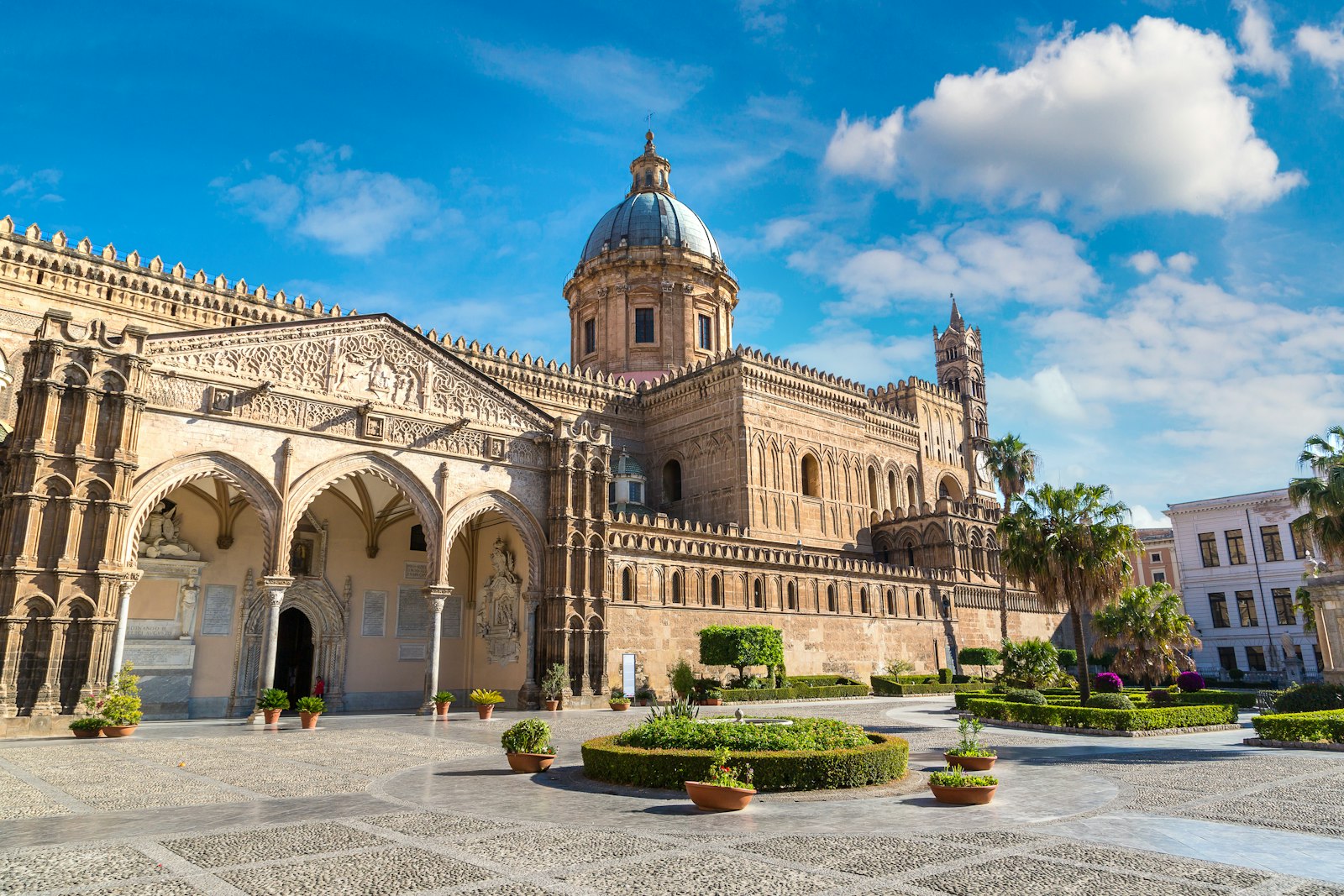
Away from the monumental sights, wander through Palermo’s historic streets and colourful markets, including Ballarò, and explore the Kalsa, whose name derives from the Arabic al-Khāliṣa and which was once the fortified seat of Palermo’s Muslim rulers.
Monreale and Cefalù
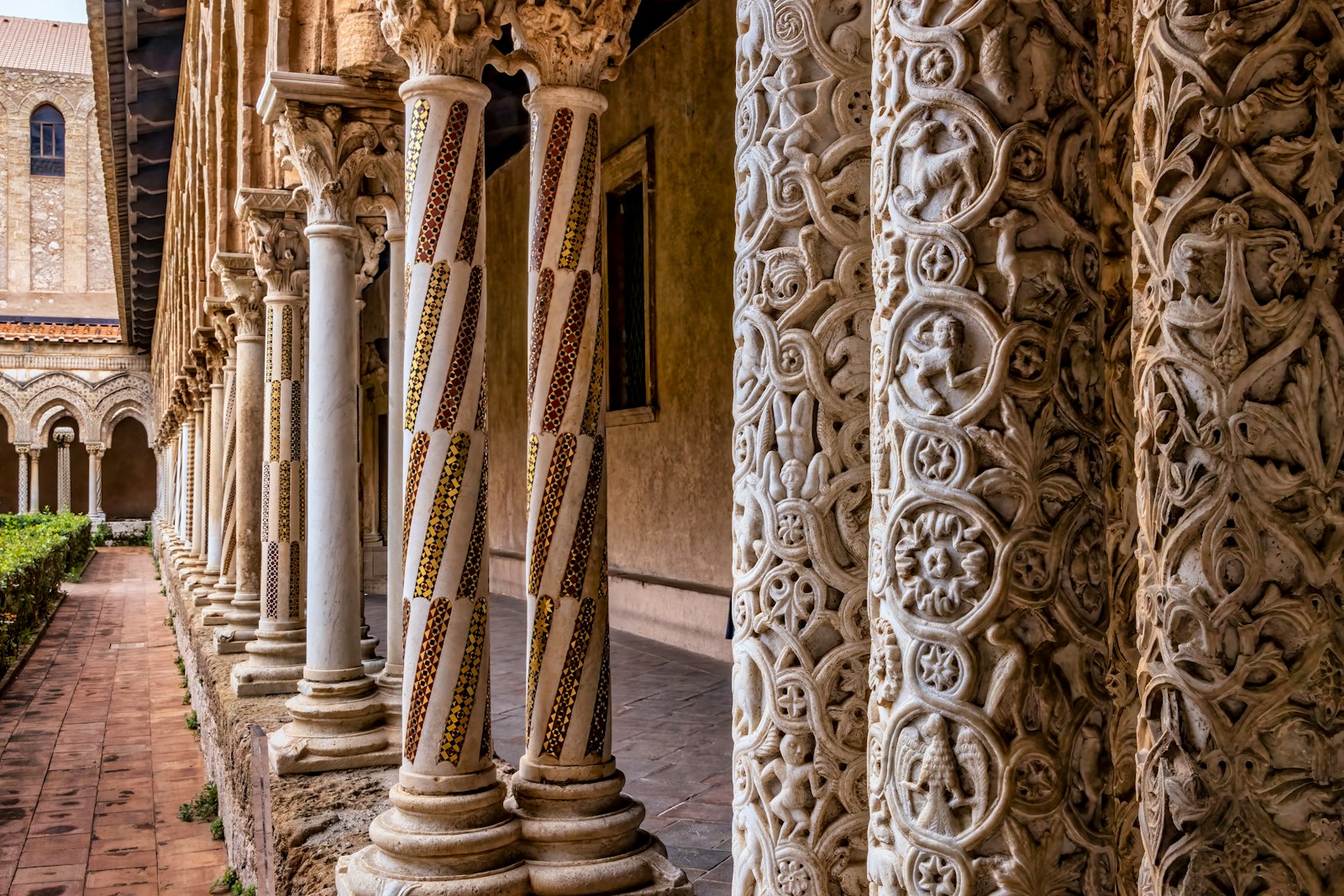
Sicily’s fascinating Arab-Norman heritage extends beyond Palermo. Just outside the capital, the magnificent Monreale Cathedral is renowned for its dazzling Byzantine mosaics and architecture combining Western, Byzantine and Islamic artistic traditions. Its impressive cloister is particularly notable for its richly decorated columns and Arab-Islamic influences.
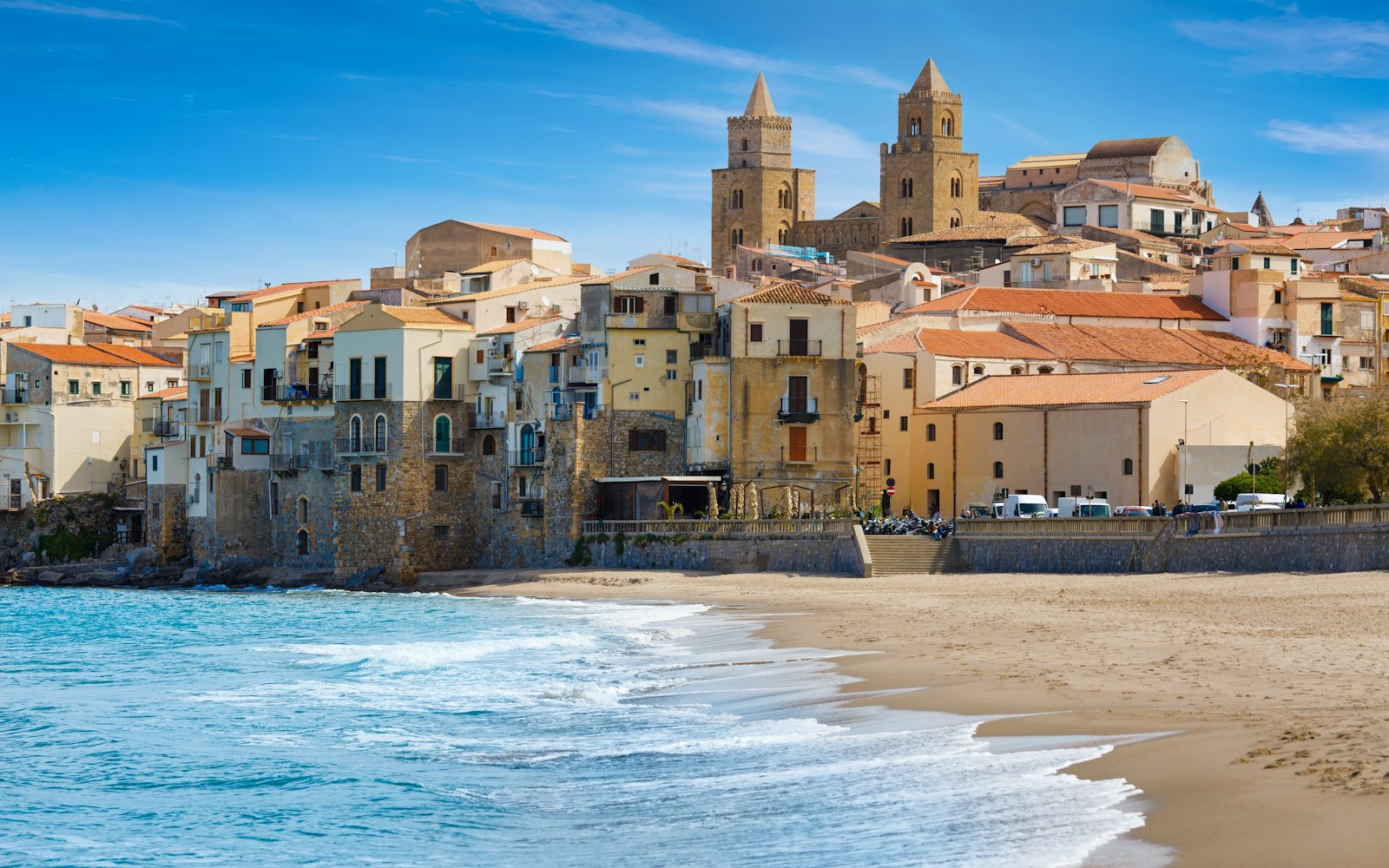
Around an hour east of Palermo lies Cefalù, a picturesque seaside town nestled between the Mediterranean and a dramatic rocky headland. Its imposing Norman Cathedral, with its spectacular Byzantine mosaics, joins Monreale and the Arab-Norman monuments of Palermo on the UNESCO World Heritage List.
Cefalù is also one of Sicily’s most appealing coastal destinations. Its atmospheric historic centre opens directly onto a long sandy beach, making it easy to combine cultural sightseeing with a relaxing Mediterranean beach holiday.
Mazara del Vallo – where Sicily meets North Africa
On Sicily’s western coast, just across the Mediterranean from Tunisia, Mazara del Vallo offers a fascinating glimpse into the island’s historic and modern connections with North Africa.
The town flourished during the period of Muslim rule, and its historic centre is still known as the Kasbah, a maze of narrow streets and courtyards reflecting the town’s centuries-old Mediterranean character. Today, colourful ceramics and street art add to the character of this atmospheric neighbourhood.
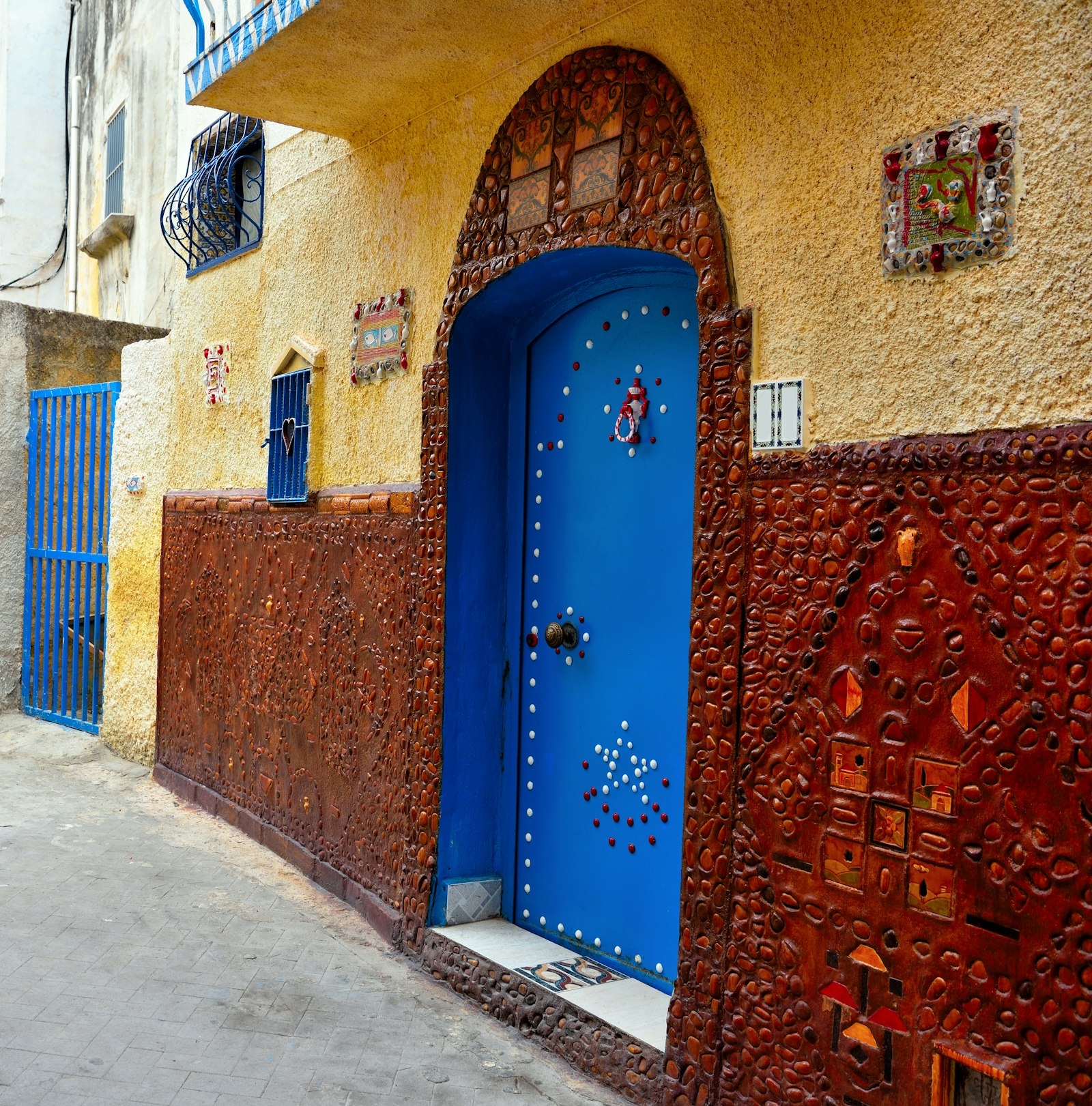
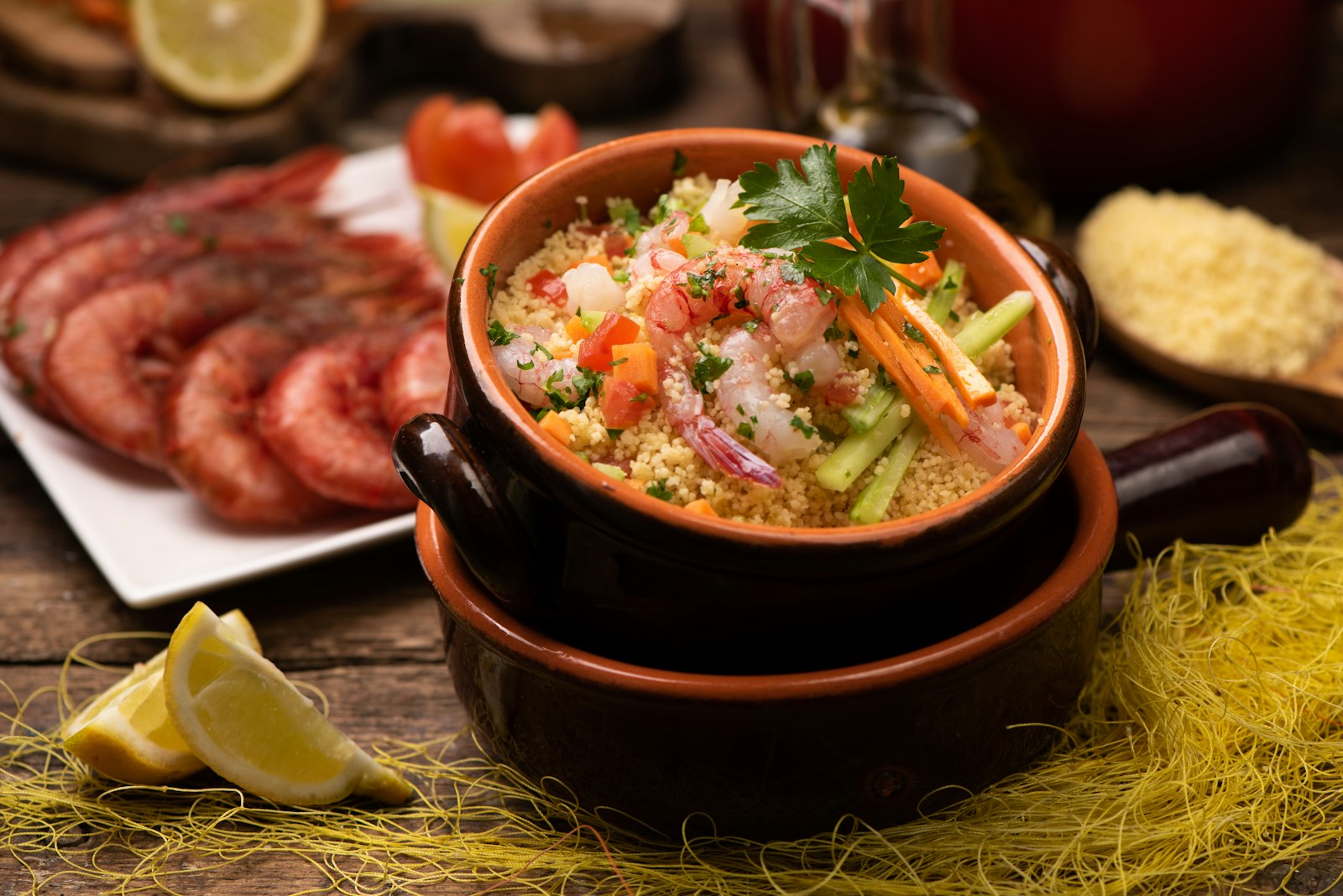
Mazara is also home to a well-established Muslim community, including many families of Tunisian origin. North African influences remain part of everyday life, from halal food and places of prayer to the town’s culinary traditions. Fish couscous, a speciality of western Sicily, is a particularly delicious reminder of the close cultural ties across the Mediterranean.
For Muslim travellers, Mazara del Vallo offers an opportunity to experience a side of Sicily where the island’s Islamic past and its continuing connections with the Muslim Mediterranean come together.
Beyond Sicily's Islamic heritage
Sicily’s Islamic heritage may offer a fascinating new perspective on the island, but there is much more to discover, from ancient cities and volcanic landscapes to some of the Mediterranean’s most spectacular scenery.
Mount Etna and Taormina
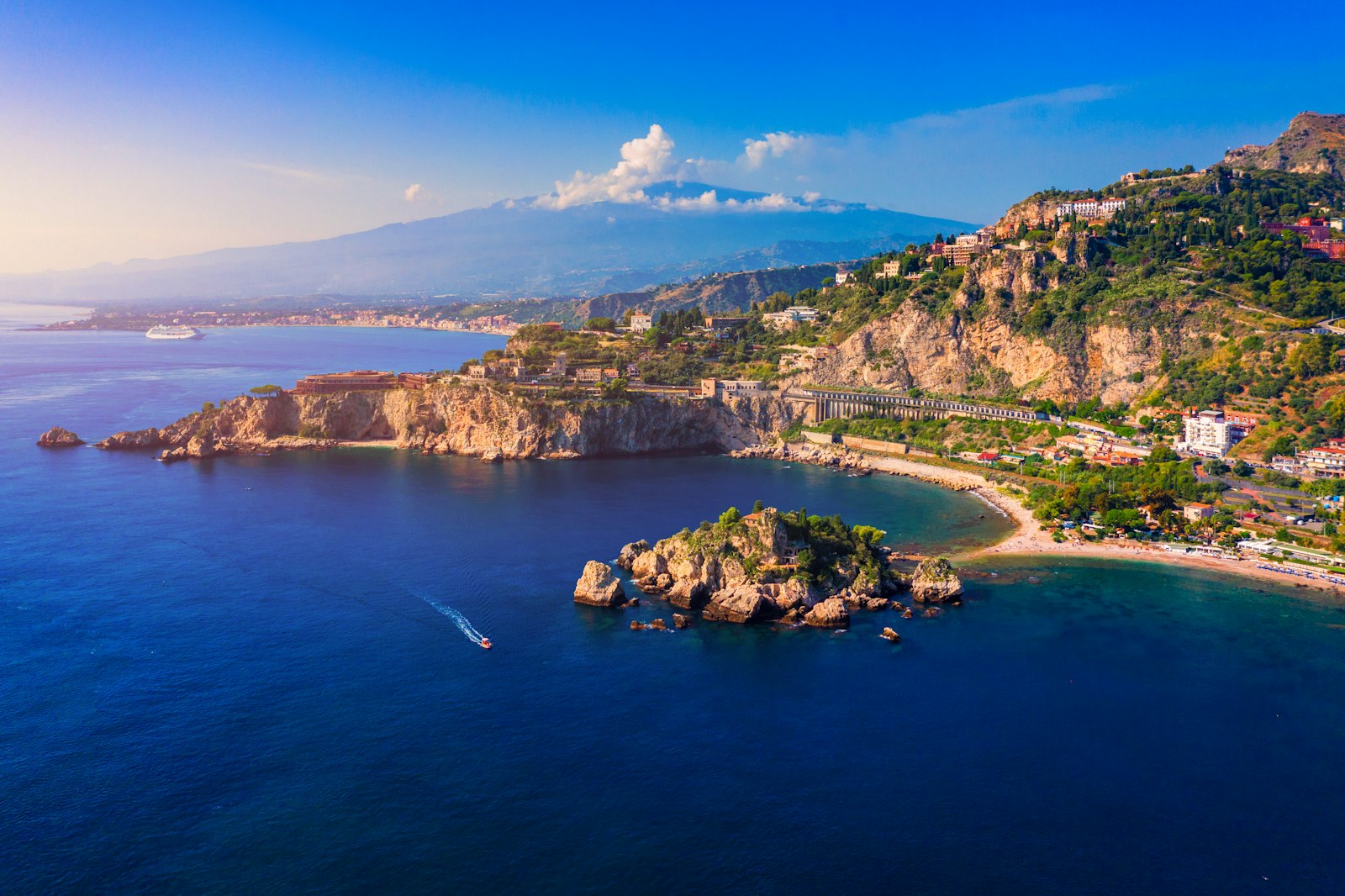
Rising above eastern Sicily, Mount Etna is Europe’s highest active volcano and one of the island’s most extraordinary natural landmarks. Explore its otherworldly volcanic landscapes on an excursion, hike along designated trails or simply admire its imposing silhouette from the surrounding countryside.
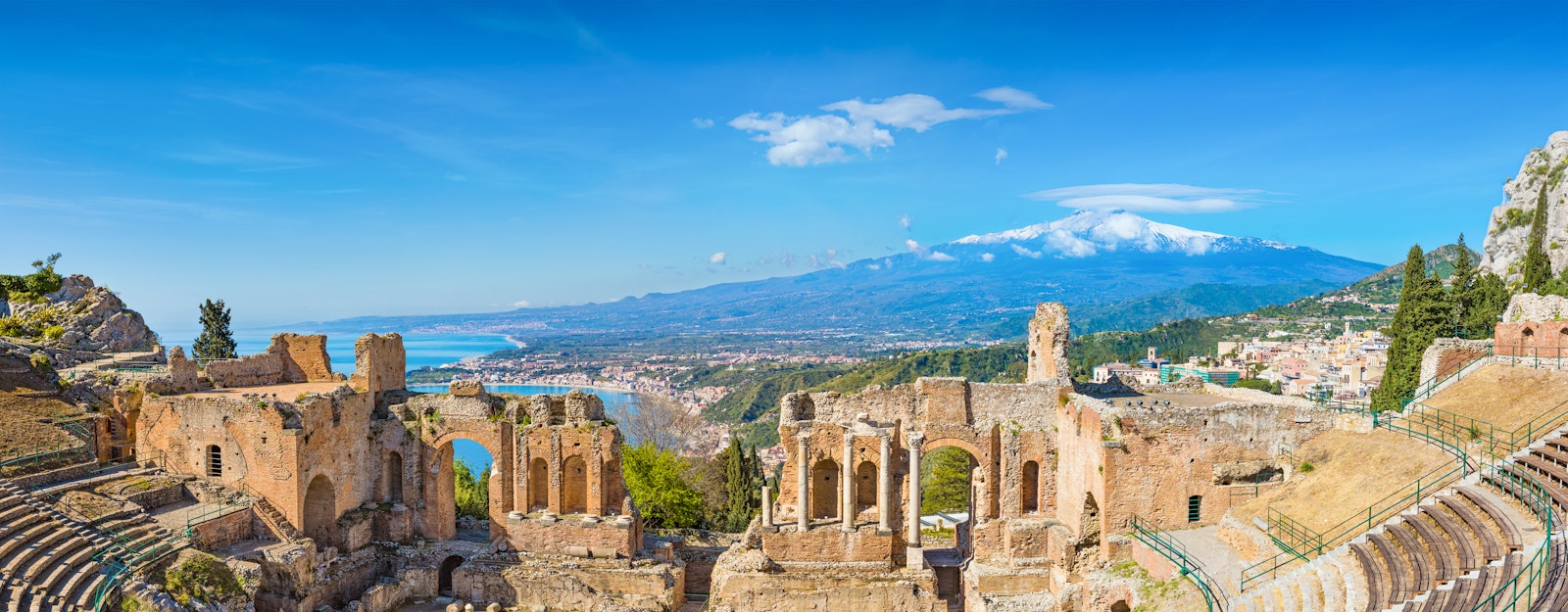
Nearby Taormina enjoys a spectacular setting overlooking the Mediterranean, with Mount Etna providing a dramatic backdrop. Stroll through its elegant historic centre and visit its famous ancient theatre for panoramic views of the coast.
Syracuse and Ortigia
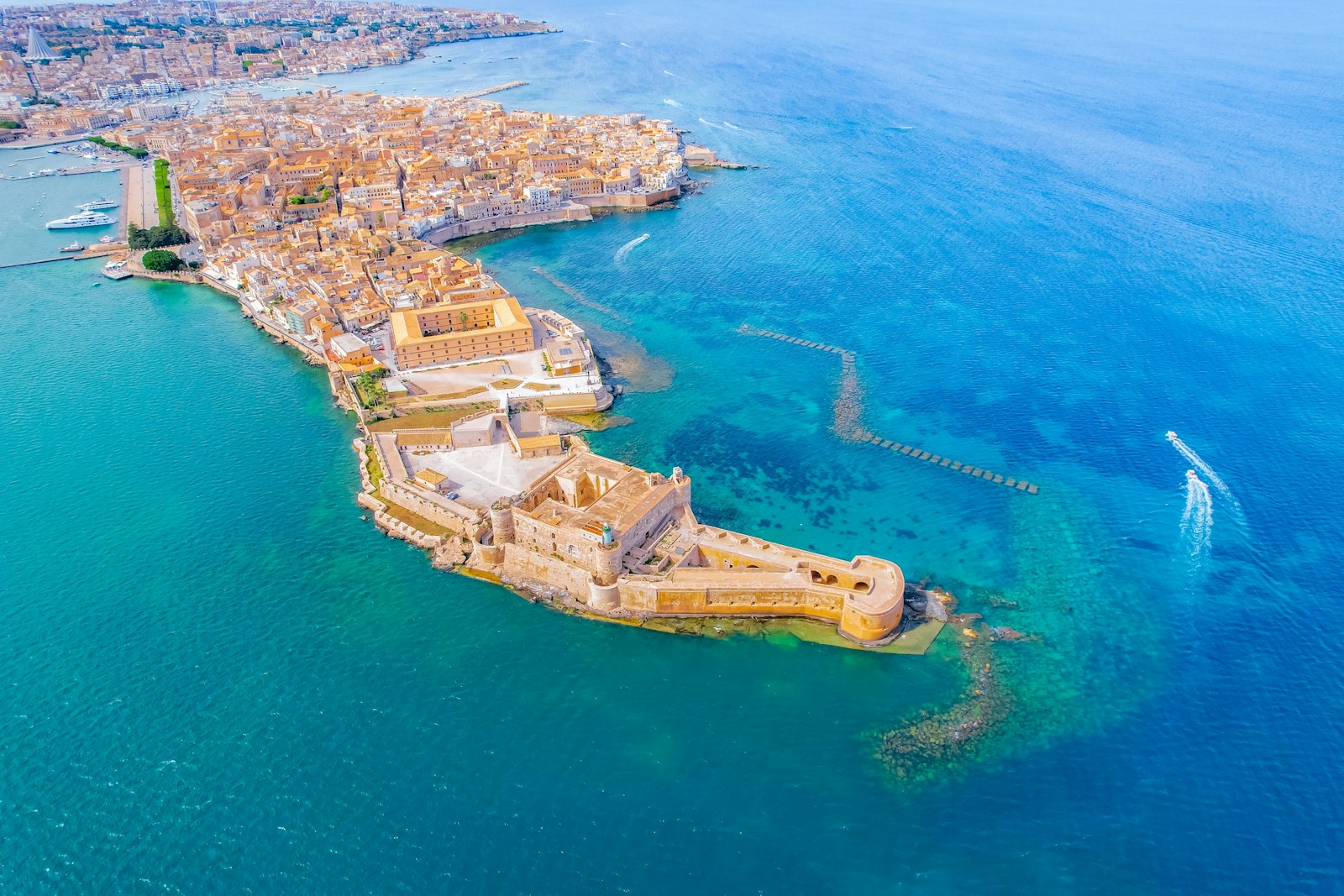
Once one of the most powerful cities of the ancient Mediterranean, Syracuse offers another fascinating window into Sicily’s layered past. Its historic heart, Ortigia, occupies a small island connected to the mainland by bridges and is filled with narrow lanes, elegant squares and beautiful waterfront views.
Valley of the Temples
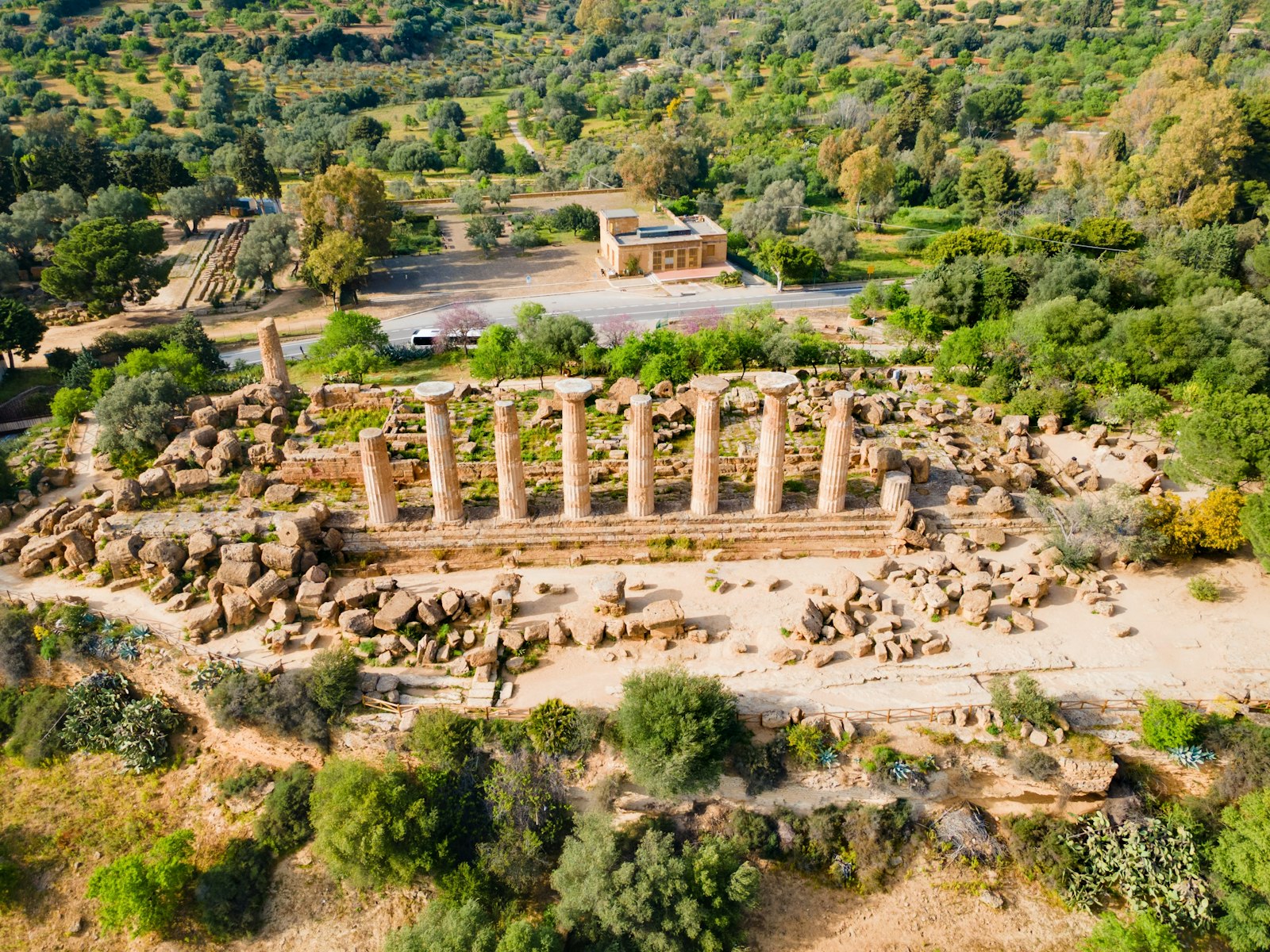
Near Agrigento, the UNESCO-listed Valley of the Temples is one of Sicily’s most impressive archaeological sites. Its remarkably well-preserved ancient Greek temples stand among olive and almond trees, offering a spectacular glimpse into Sicily’s ancient Greek past.
Sicily's beautiful beaches
Surrounded by the clear waters of the Mediterranean, Sicily boasts a wonderfully varied coastline, from long stretches of golden sand to secluded coves framed by dramatic cliffs.
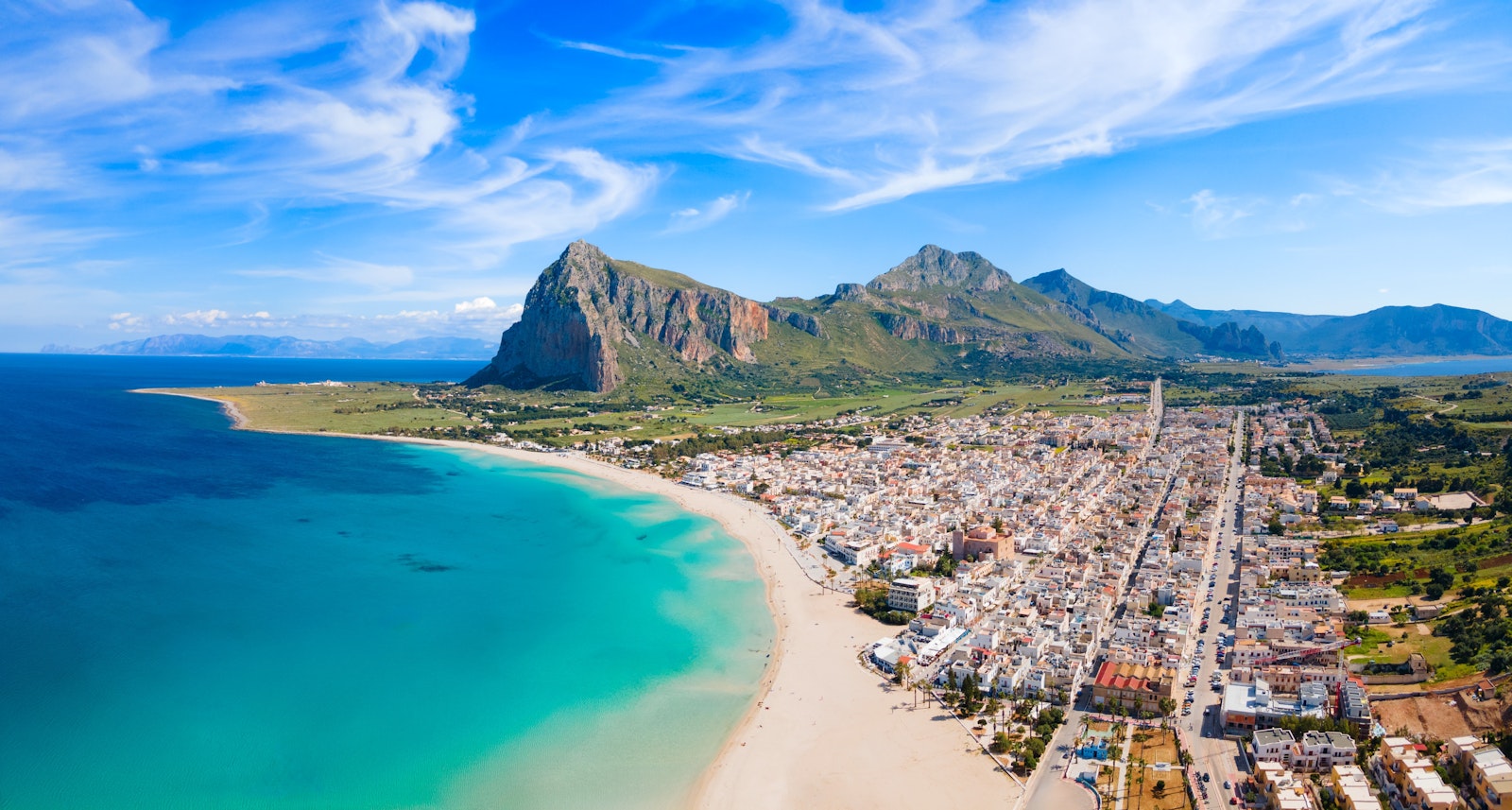
In north-western Sicily, San Vito Lo Capo is one of the island’s most celebrated beach destinations. Its long stretch of pale sand and turquoise water lies beneath dramatic Monte Monaco, creating an almost tropical-looking setting. Its location also makes it a great base for exploring western Sicily.
Cefalù offers the perfect opportunity to combine sightseeing with time on the beach, while the coastline around Taormina in eastern Sicily is known for its striking scenery, rocky coves and clear waters.
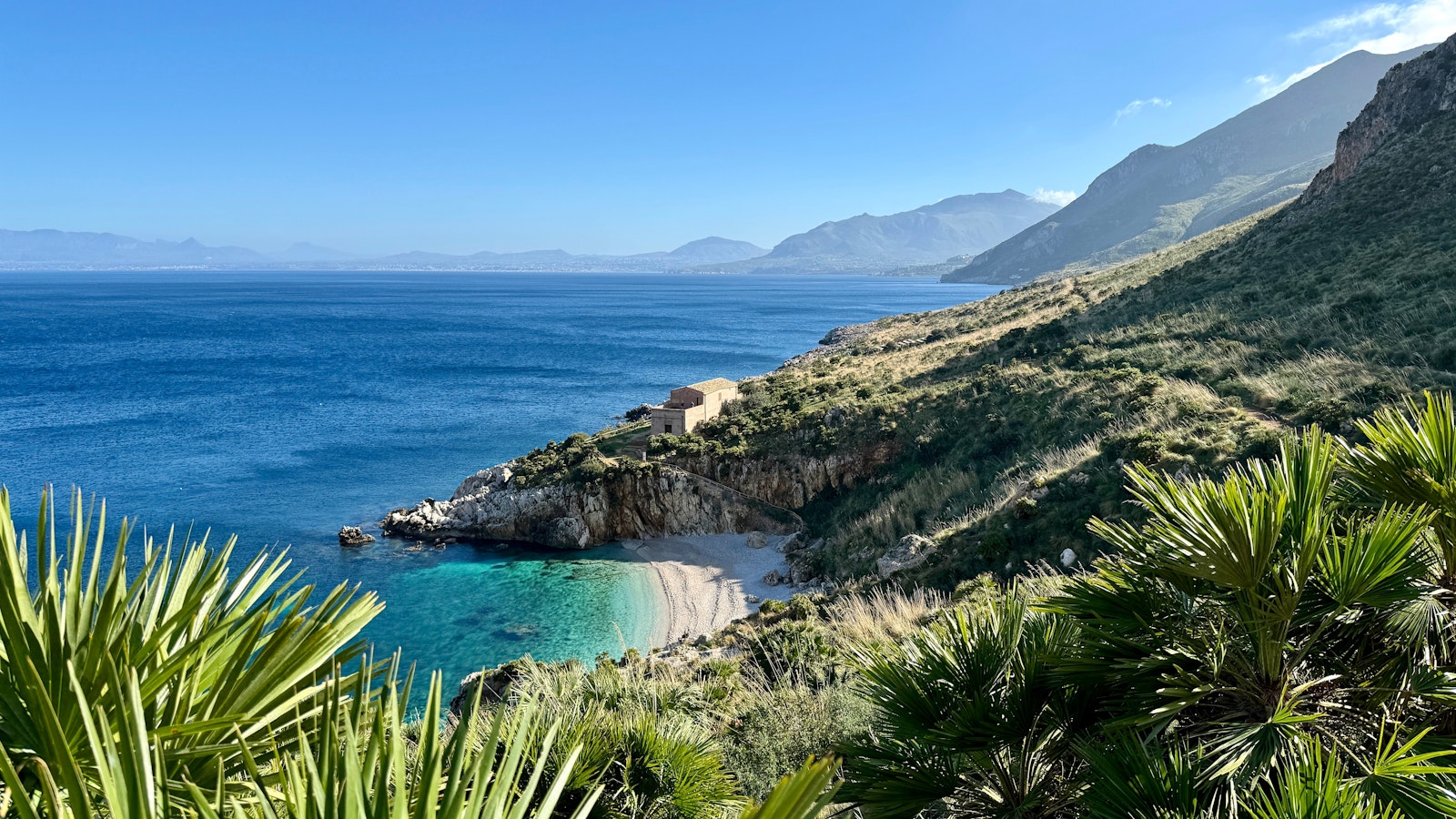
Nature lovers can also explore the beautiful coastline of the Zingaro Nature Reserve, where walking trails lead to small coves and crystal-clear swimming spots surrounded by unspoilt Mediterranean scenery.
For an island escape within your Sicilian holiday, head offshore. The volcanic Aeolian Islands, north of Sicily, offer dramatic landscapes and picturesque villages, while the Egadi Islands, off the western coast near Trapani, are known for their clear waters, secluded coves and relaxed atmosphere.
Whether you prefer a lively beach resort, a peaceful natural setting or a day of island-hopping, Sicily offers plenty of opportunities to enjoy the Mediterranean at its best.
Sicilian cuisine and its Arab influences
Sicily’s multicultural history is perhaps nowhere more deliciously evident than in its cuisine. The period of Muslim rule strengthened the island’s connections with the wider Islamic Mediterranean and brought new agricultural practices, ingredients and culinary traditions whose influence can still be felt today.
New crops, sophisticated irrigation techniques and changing agricultural practices transformed parts of the Sicilian landscape. Citrus cultivation expanded, including oranges and lemons, alongside crops such as sugar cane, while almonds and spices became increasingly important in local cuisine. These influences blended with those of the many other cultures that shaped the island to create the distinctive cuisine Sicily is known for today.
In western Sicily, the connection with North Africa is particularly easy to taste. Couscous is a speciality around Trapani and Mazara del Vallo, traditionally prepared with a rich fish broth rather than meat. The annual Cous Cous Fest in San Vito Lo Capo celebrates this shared Mediterranean culinary heritage, bringing together cooks and dishes from different countries and cultures.
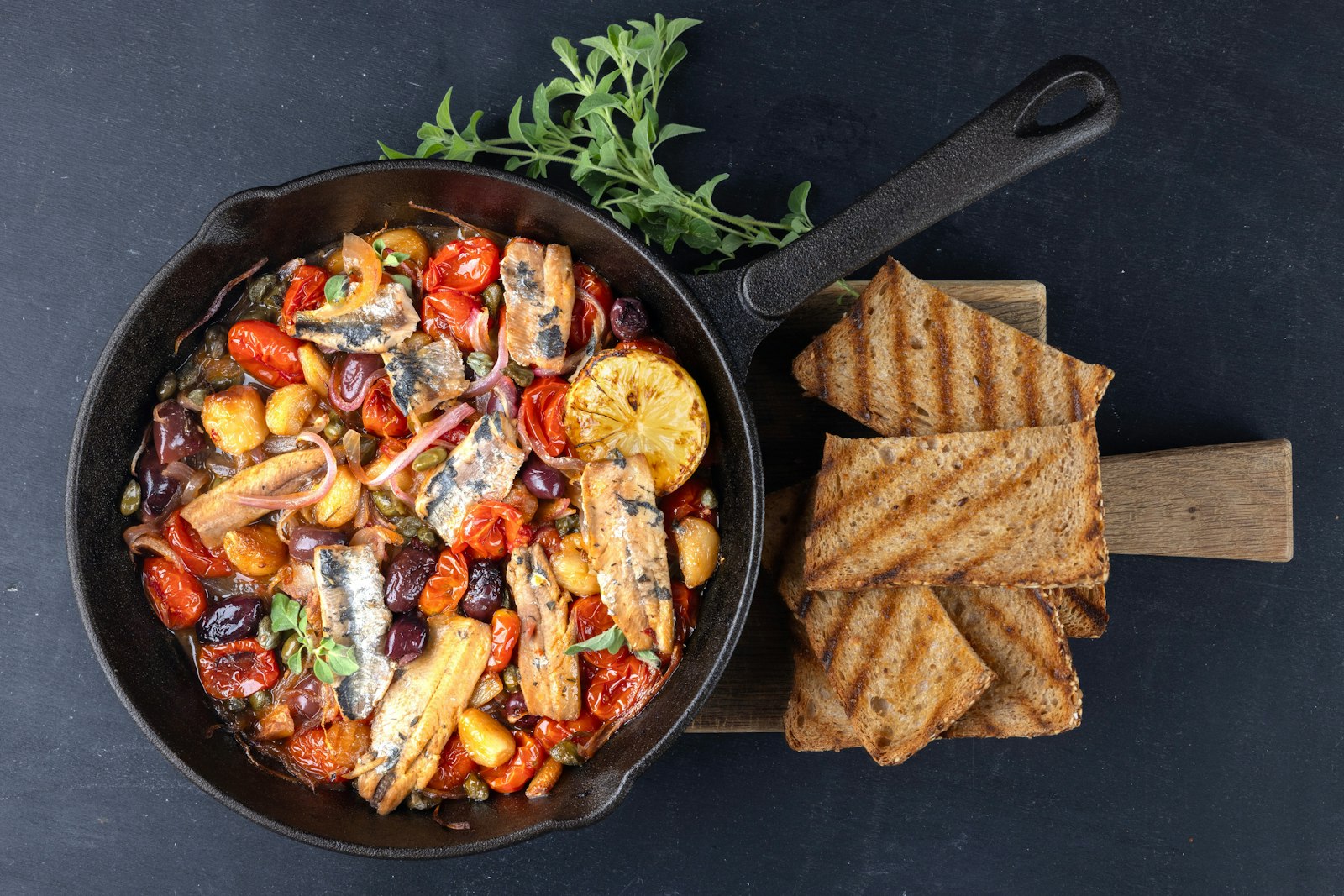
Sicily is also renowned for fresh seafood, aubergines, tomatoes, citrus fruits, pistachios and almonds, as well as sweet treats such as granita and cassata.
Finding halal food in Sicily
Halal restaurants and shops can be found in Sicily’s larger cities and areas with established Muslim communities, particularly Palermo, Catania and Mazara del Vallo. North African, Middle Eastern and South Asian restaurants can be good places to look for halal meat, but always check the restaurant’s current halal status before ordering.
Sicily’s abundance of seafood and vegetarian dishes also provides plenty of choice. However, remember that alcohol or non-halal ingredients may be used in sauces, desserts and food preparation, so it is always worth asking if you are unsure.
Mosques and prayer in Sicily
Sicily is home to a well-established Muslim community, with mosques and prayer spaces found across the island, particularly in Palermo, Catania and Mazara del Vallo.
In Palermo, home to one of Sicily’s largest Muslim communities, there are several places for Islamic prayer in and around the city centre. Catania also has an established Muslim community and a number of places of worship.
Prayer is also part of everyday life in Mazara del Vallo, where the town’s sizeable Muslim community is closely connected to its North African heritage. While exploring the historic Kasbah quarter, you may even hear the adhan, the Islamic call to prayer.
As many of Sicily’s Islamic places of worship are community prayer spaces rather than prominent purpose-built mosques, it is advisable to check current locations and prayer times locally during your stay, particularly if you wish to attend Friday prayers.
Where to stay in Sicily
With historic cities, lively seaside towns and peaceful coastal retreats across the island, Sicily offers accommodation for every style of holiday. Choosing the right base largely depends on which part of the island you want to explore.
For Islamic heritage and culture, Palermo is the obvious choice. Stay in or near the historic centre for easy access to the city’s Arab-Norman monuments, colourful markets and places of prayer. Palermo is also well placed for day trips to Monreale and Cefalù.
For a beach holiday in western Sicily, consider San Vito Lo Capo and the surrounding coast, with easy access to beautiful beaches and the Zingaro Nature Reserve. Trapani is another convenient base for exploring western Sicily, including the Egadi Islands and Mazara del Vallo.
On the eastern side of the island, Catania is ideally located for exploring Mount Etna and makes a practical base for discovering the surrounding region. For spectacular coastal scenery and a more resort-style stay, head to Taormina.
Further south, Syracuse is an excellent choice for travellers looking to combine history, culture and the sea, particularly around the atmospheric island of Ortigia.
Halalbooking features a wide choice of hotels, apartments and holiday homes across Sicily. Use our filters to find accommodation that suits your needs and check the property’s halal-friendly facilities before booking.
Planning your trip to Sicily
When is the best time to visit Sicily?
With its Mediterranean climate, Sicily enjoys hot, dry summers and generally mild winters. For a combination of sightseeing and pleasant weather, spring and early autumn are particularly attractive times to visit.
April to June and September to October are ideal for exploring historic cities, archaeological sites and natural attractions without the intense heat and crowds of the peak summer months.
For a classic beach holiday, July and August bring hot, sunny weather and warm seas, but they are also the busiest months. If you plan to explore Palermo, archaeological sites or other outdoor attractions during summer, schedule sightseeing for the cooler parts of the day.
Getting to and around Sicily
Sicily’s main international airports are Palermo Airport in the west and Catania Airport in the east, making it easy to choose your arrival point according to the part of the island you plan to explore.
Trains and buses connect many of the main cities and towns, while hiring a car offers greater flexibility for reaching beaches, villages, nature reserves and more remote areas.
Distances across Sicily can be considerable, so avoid trying to see the entire island in one short trip. For a shorter stay, focusing on either western or eastern Sicily allows you to spend more time exploring and less time travelling.
Discover a different side of Sicily
From the Arab-Norman treasures of Palermo to the North African influences of Mazara del Vallo, Sicily offers Muslim travellers a fascinating journey through a lesser-known chapter of Mediterranean history.
Combine this rich Islamic heritage with beautiful beaches, spectacular landscapes and delicious cuisine, and discover an unforgettable island getaway with Halalbooking.