Driving across Europe to Türkiye? Savour these sights on your Sıla Yolu
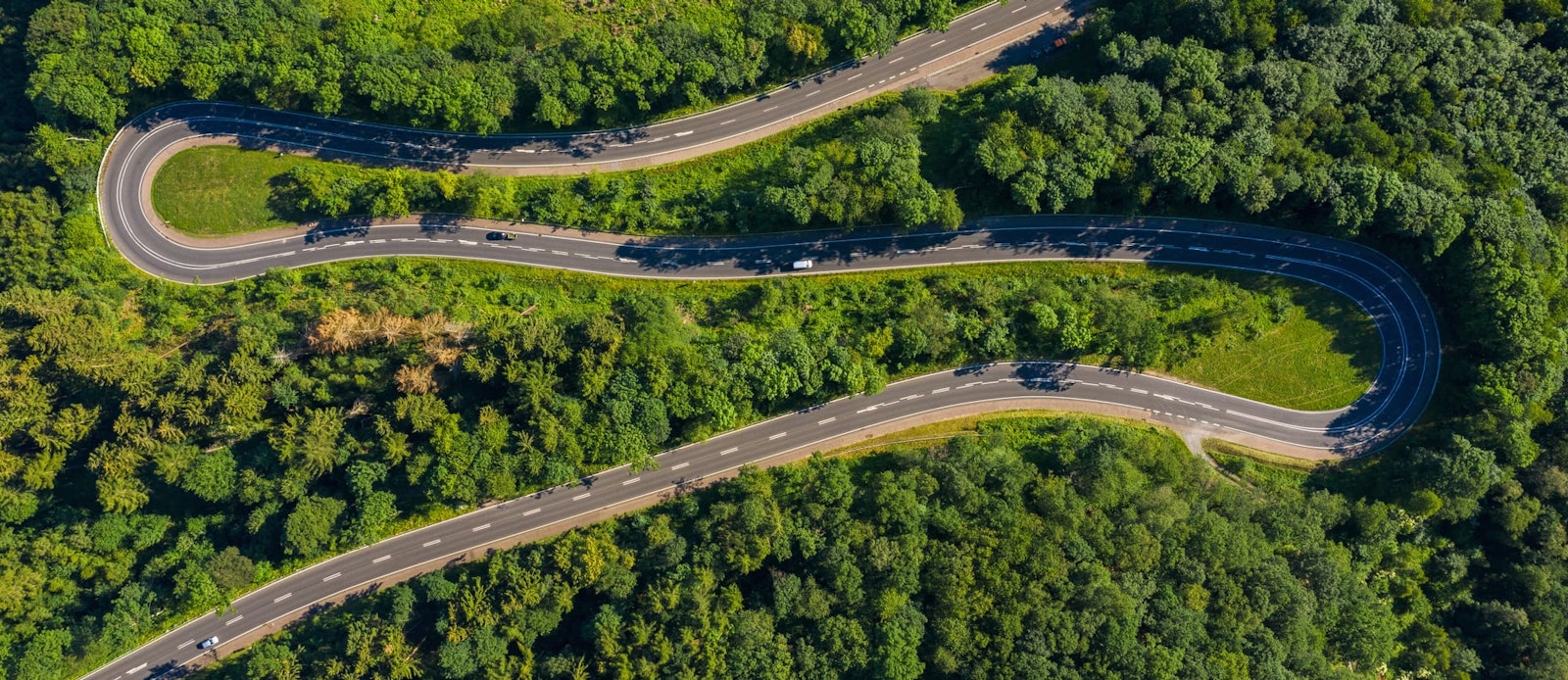
Every summer, hundreds of thousands of Turks living across Europe set out on the long drive back to Türkiye. Known as the Sıla Yolu - the “road back to the homeland” - the journey is as much about memories and family as it is about the destination.
If you are making the trip yourself, the drive across Europe offers a chance to discover some remarkable cities along the way. From the grand imperial architecture of Vienna to Ottoman heritage in the Balkans, this route turns the journey into a memorable travel experience before you even reach Türkiye.
Most travellers make this journey by car, often travelling as families across several days. Driving offers flexibility, allowing stops along the way and the ability to carry luggage, gifts and supplies for extended stays. For many, the journey itself has become an integral part of the tradition, with familiar routes, overnight stops and shared experiences passed down through generations.
The journey typically covers around 2,000–2,200 kilometres depending on your starting point, passing through Germany, the Czech Republic, Austria, Hungary, Serbia and Bulgaria before reaching Türkiye. Many travellers spread the drive over several days, stopping overnight in major cities along the route.
This itinerary follows a slight variation of the Sıla Yolu, adding stops such as Dresden and Prague before rejoining the main route towards Vienna.
If you have more time to explore, take a look at our scenic route through the Balkans or the more leisurely southern route. Bon voyage!
Itinerary
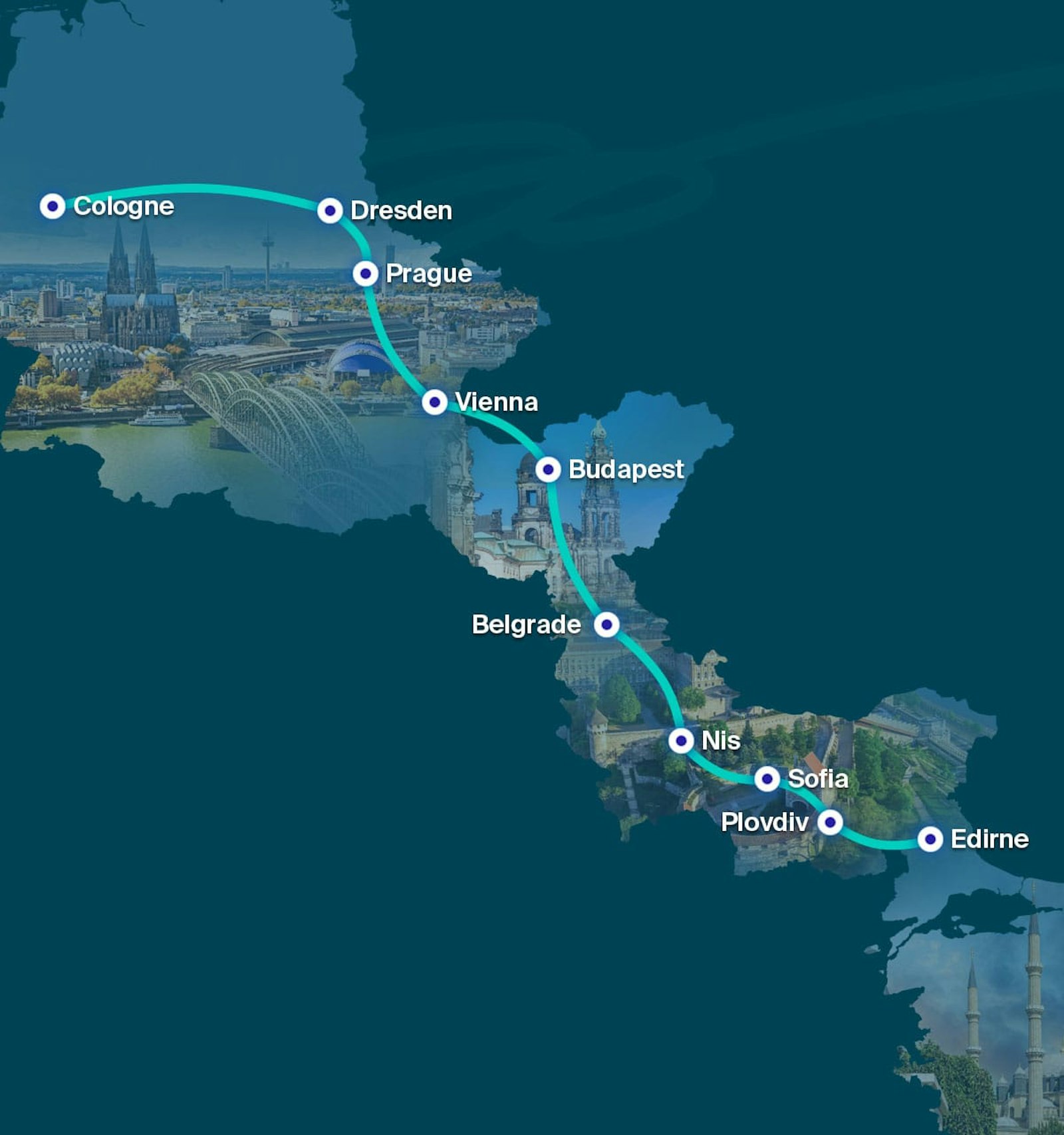
Cologne → Dresden - 571 km - 6 hrs 15 mins
Dresden → Prague - 149 km - 1 hr 45 mins
Prague → Vienna - 292 km - 3 hrs 30 mins
Vienna → Budapest - 243 km - 2 hrs 30 mins
Budapest → Belgrade - 379 km - 4 hrs
Belgrade → Nis - 237 km - 2 hrs 30 mins
Nis → Sofia - 159 km - 2 hrs 20 mins
Sofia → Plovdiv - 145 km - 1 hr 45 min
Plovdiv → Edirne - 180 km - 2 hrs 15 mins
Driving times are estimates and can vary significantly during peak summer periods. Border crossings, particularly between Serbia, Bulgaria and Türkiye, may involve extended waiting times, so plan accordingly.
Practical tips for the journey
• Carry cash for tolls and small purchases in Serbia and Bulgaria
• Ensure you have the correct motorway vignettes before entering Austria and Hungary
• Check your vehicle insurance covers all countries on the route
• Expect long queues at border crossings during peak summer periods
• Consider early morning or overnight driving for smoother crossings
• Ensure your vehicle is fully prepared for a long-distance journey, including valid documents, servicing and essential checks
Cologne
Start your road trip in the western city of Cologne, one of Germany’s largest and most historic urban centres. Known for its striking neo-Gothic architecture, the city has long been an important cultural hub, with roots stretching back to its origins as a Roman settlement.
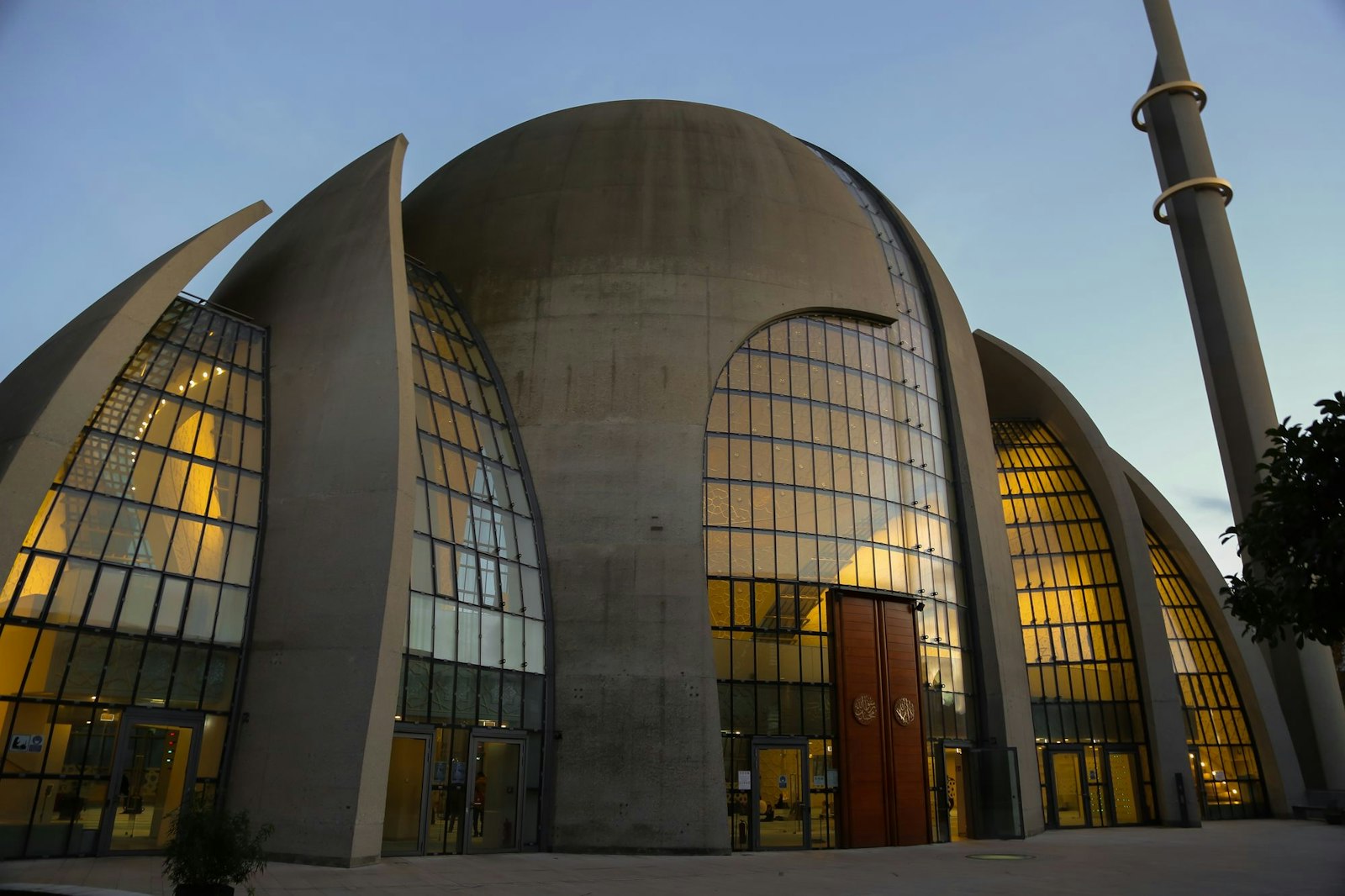
A key landmark is the Cologne Central Mosque, a modern architectural statement with its sweeping glass dome and open design. Open for daily prayers, it serves as an important hub for the local Muslim community and a welcoming space for visitors.
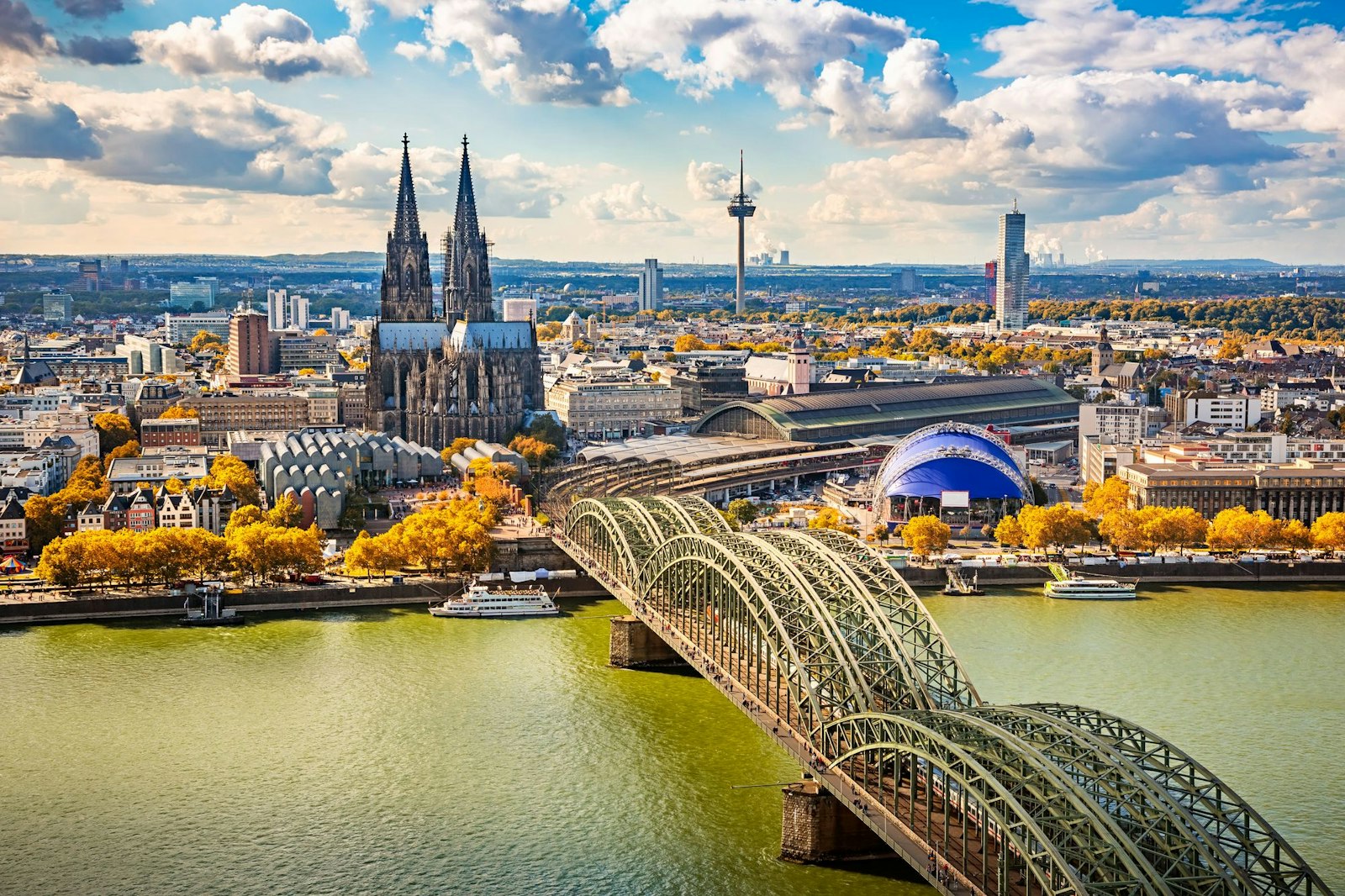
Dominating the skyline, Cologne Cathedral is one of Europe’s greatest Gothic churches and a UNESCO World Heritage Site. Its vast interior, intricate stained glass and twin spires make it one of the city’s defining sights, with panoramic views from the top.
The city’s historic centre is clustered around the Rhine, where the old town’s colourful houses, lively squares and riverside promenades create a relaxed atmosphere. Landmarks such as the Hohenzollern Bridge, with its views across the river, add to the city’s character.
Halal food is widely available across Cologne, particularly in Turkish and Middle Eastern restaurants, reflecting the city’s large and well-established Muslim community.
From Cologne, your journey continues across the country to Dresden - a scenic drive of around 571 km, taking a little over 6 hours.
Dresden
Located in south-eastern Germany near the Czech border, Dresden is known for its elegant Baroque architecture and carefully reconstructed historic centre. Despite the destruction of the Second World War, the city today feels refined and cohesive, with many of its landmarks restored to their former grandeur.
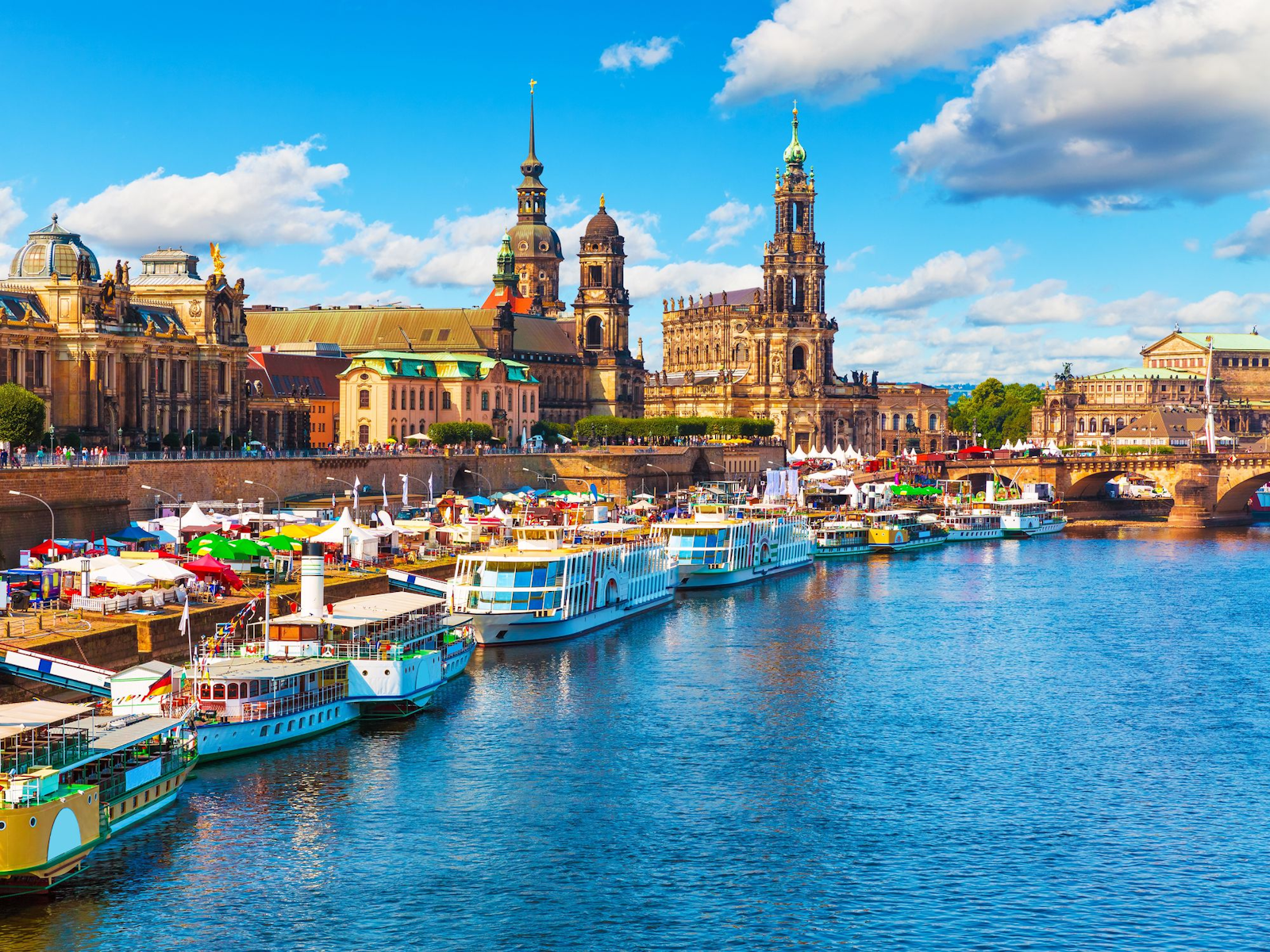
One of its defining sights is the Zwinger Palace, an ornate Baroque complex with landscaped gardens and galleries, while the Frauenkirche has become a symbol of Dresden’s post-war reconstruction. The city’s royal heritage is also reflected in the Residenzschloss, home to remarkable historic collections.
The Residenzschloss reflects Dresden’s royal past and houses several important collections, including the Green Vault, one of Europe’s richest treasure chambers. It also contains the Turkish Chamber, which displays one of the most important collections of Ottoman art outside Türkiye, including ceremonial weapons, richly decorated textiles and courtly objects reflecting historic ties between the Saxon and Ottoman courts.
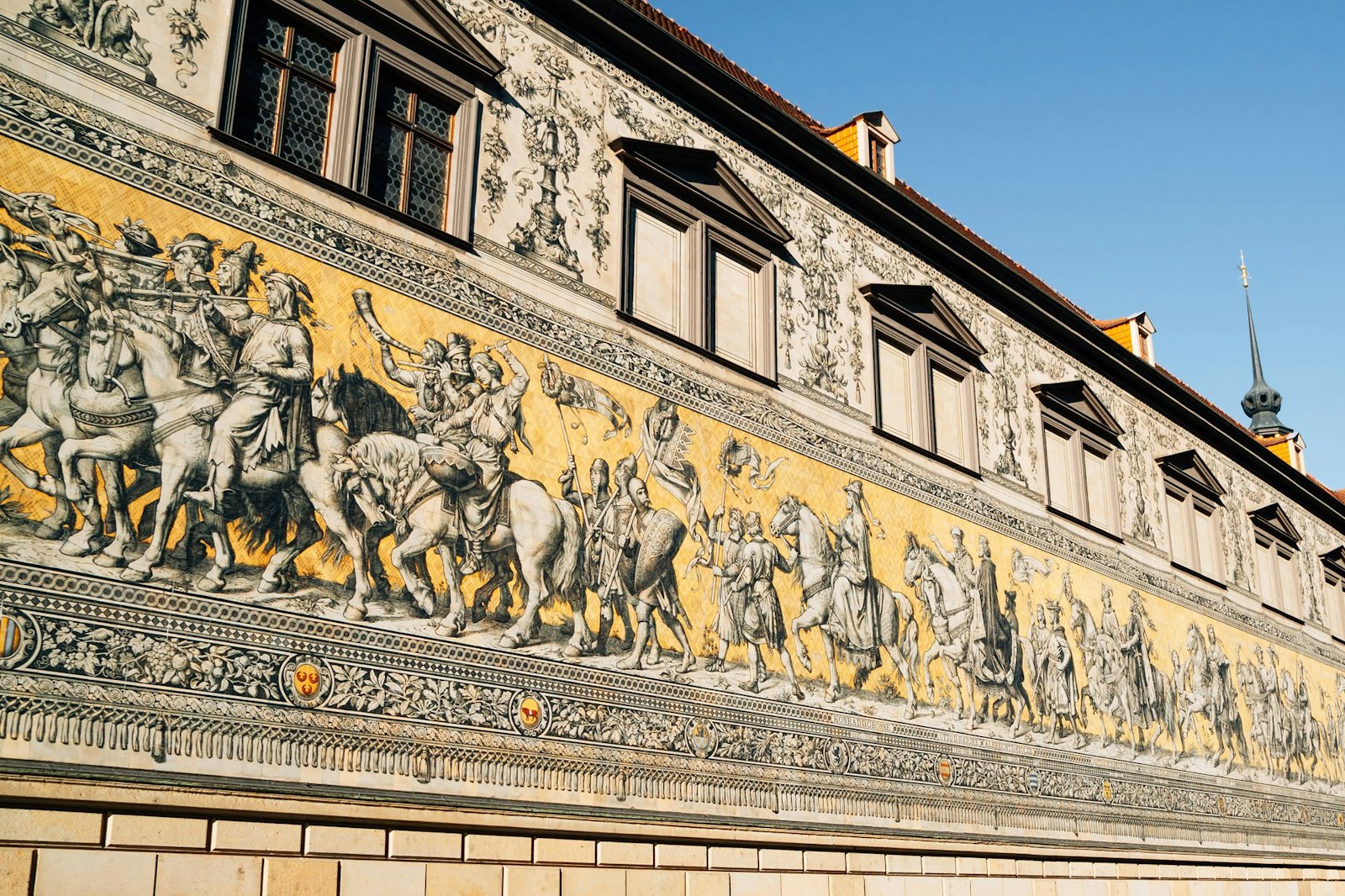
Nearby, the Procession of Princes is a 102-metre-long mural depicting a mounted procession of the Margraves, Dukes, Electors and Kings of the House of Wettin.
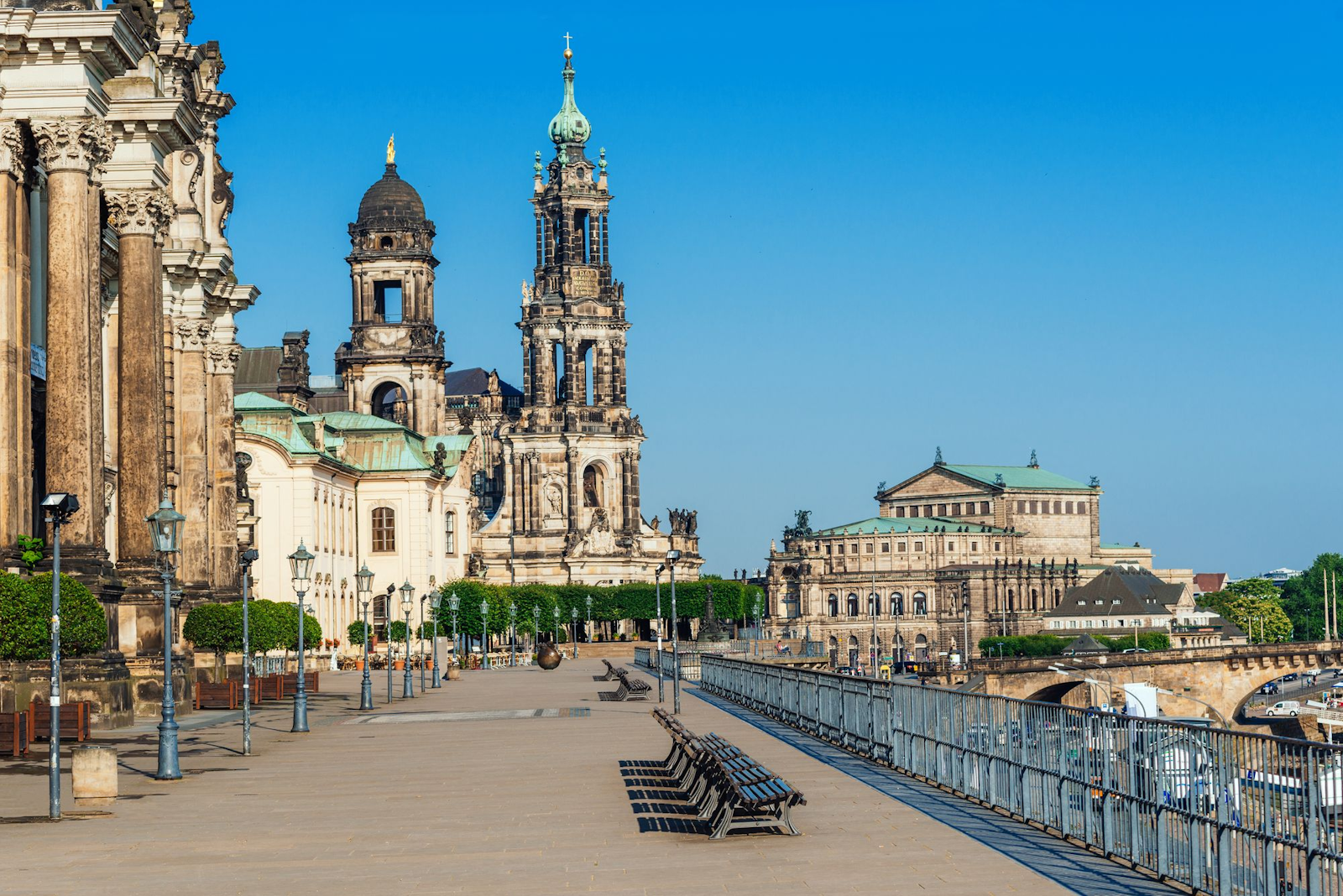
A walk along Brühl’s Terrace, often referred to as the “Balcony of Europe”, offers sweeping views over the Elbe and is one of the city’s most memorable viewpoints.
The Fatih Camii Mosque, the city’s first purpose-built mosque, is open for daily prayers and serves as a focal point for the local Muslim community.
Halal options can be found across the city, with a selection of Middle Eastern and international restaurants.
After your visit to Dresden, it’s time to leave Germany and head to Prague in Czechia. The journey takes 1 hour and 45 minutes.
Prague
Prague is one of the most rewarding stops on the journey, known for its rich history, striking architecture and well-preserved historic centre. Its compact layout makes it easy to explore, with much of the city unfolding around the Vltava River.
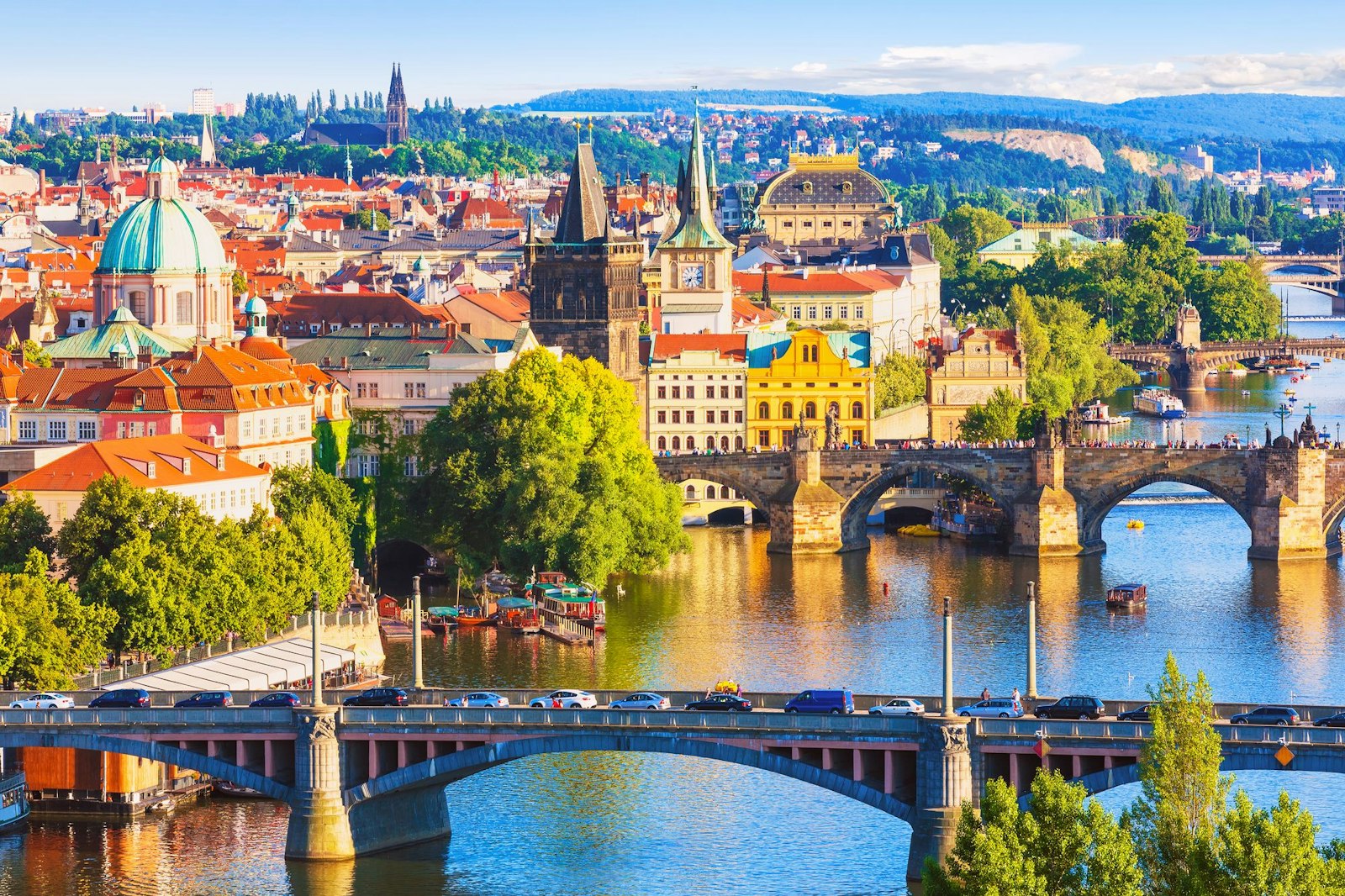
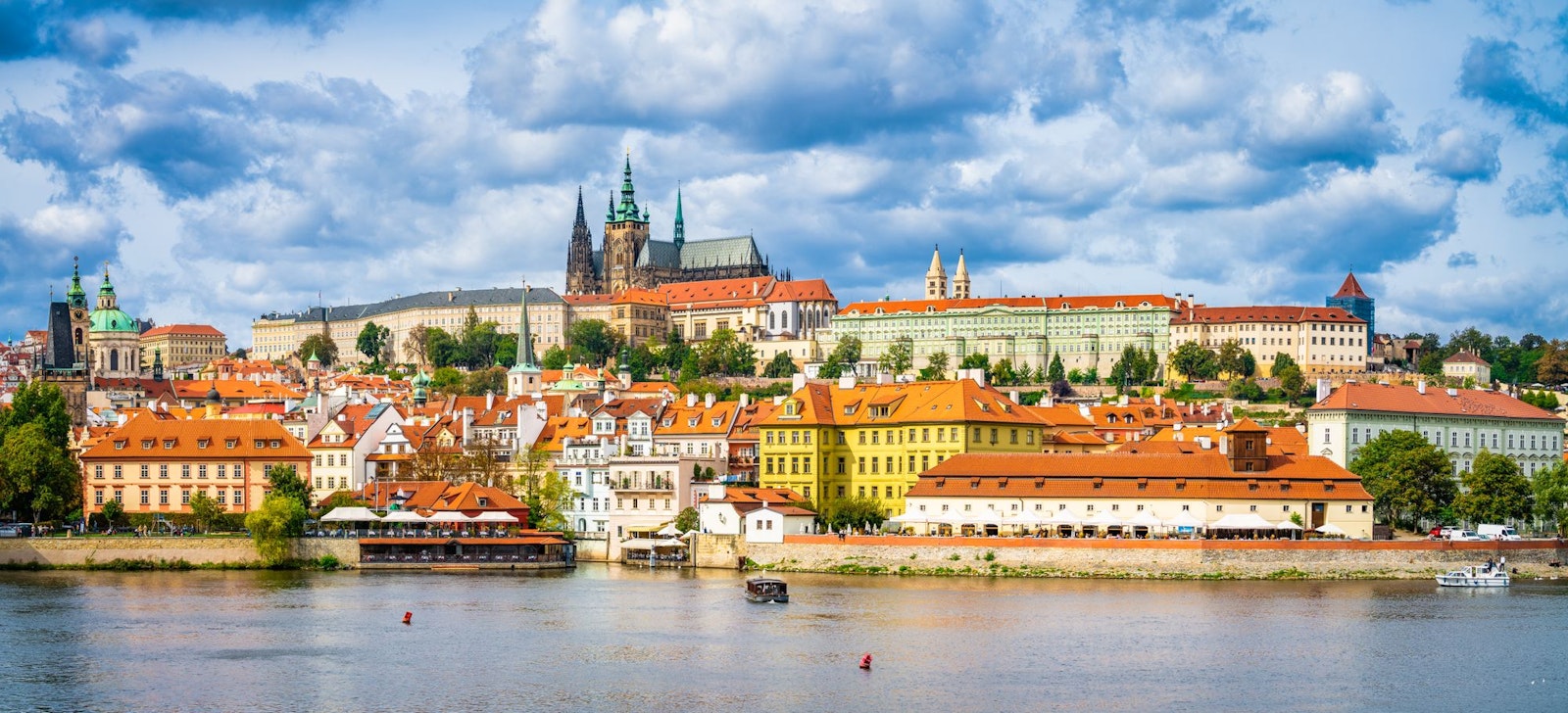
One of its most iconic landmarks is the Charles Bridge, lined with statues and offering sweeping views across the river and towards the old town. Overlooking the city, Prague Castle forms a vast complex of palaces, courtyards and gardens that reflect centuries of royal history. The old town is at the heart of Prague’s character, with colourful Baroque buildings, narrow streets and lively squares. The Old Town Square remains its focal point, home to the Old Town Hall and the famous astronomical clock, where crowds gather throughout the day.
Prague has a well-established Muslim community. The Prague Islamic Centre is open for daily prayers and serves as the city’s main place of worship.
Green spaces such as Kampa Park and Letna Park provide quieter viewpoints over the river and city skyline, offering a welcome pause from the busy historic centre.
A growing number of restaurants offer halal-friendly options, including Middle Eastern and international cuisine.
After leaving Prague you will head to Austria's capital, Vienna. The journey is 292 km and takes about 3h30.
Vienna
Vienna has a rich imperial heritage and is known for its grand architecture, cultural institutions and historic palaces. As the former centre of the Habsburg Empire, the city offers a layered experience shaped by centuries of European history.
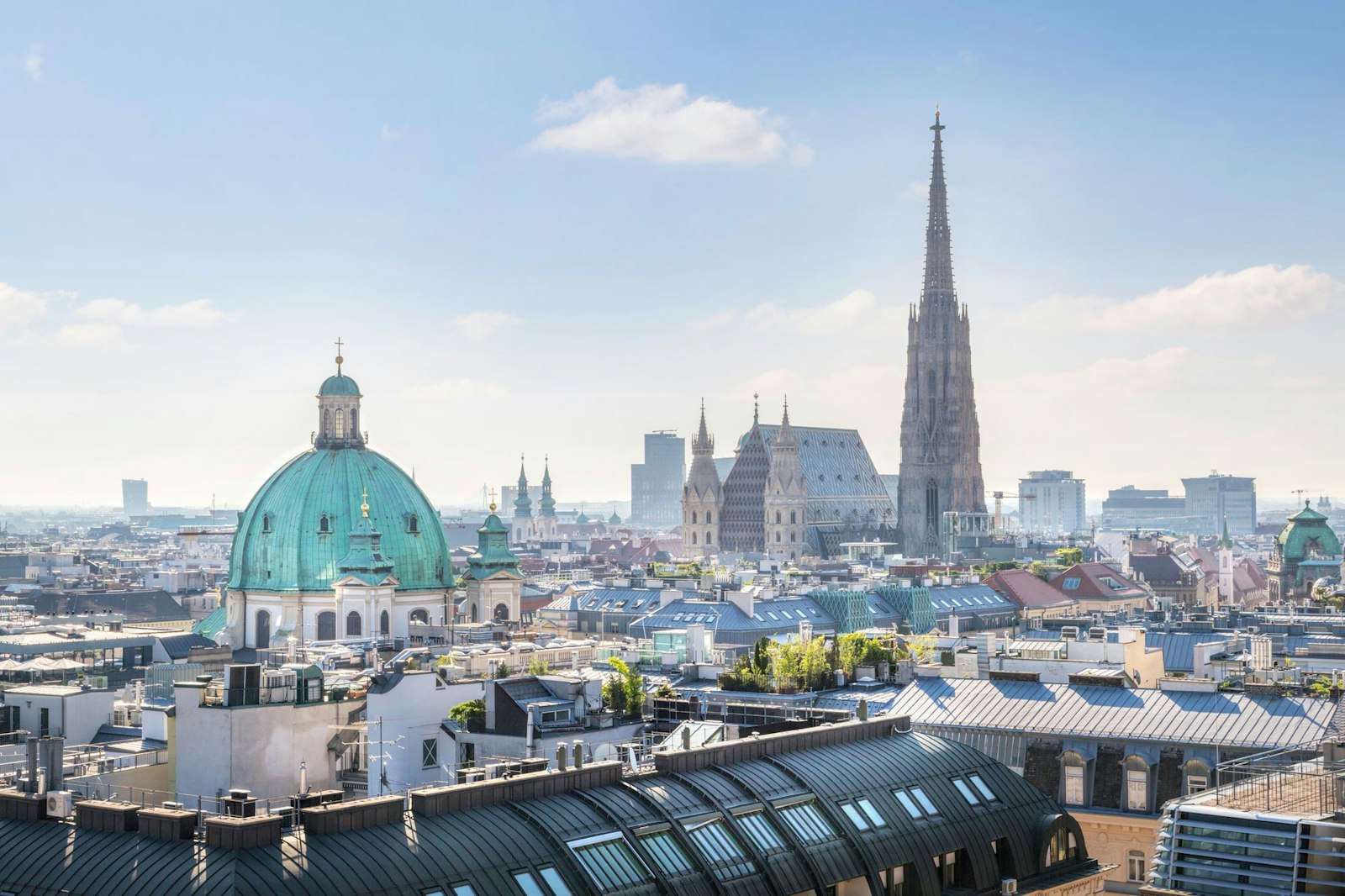
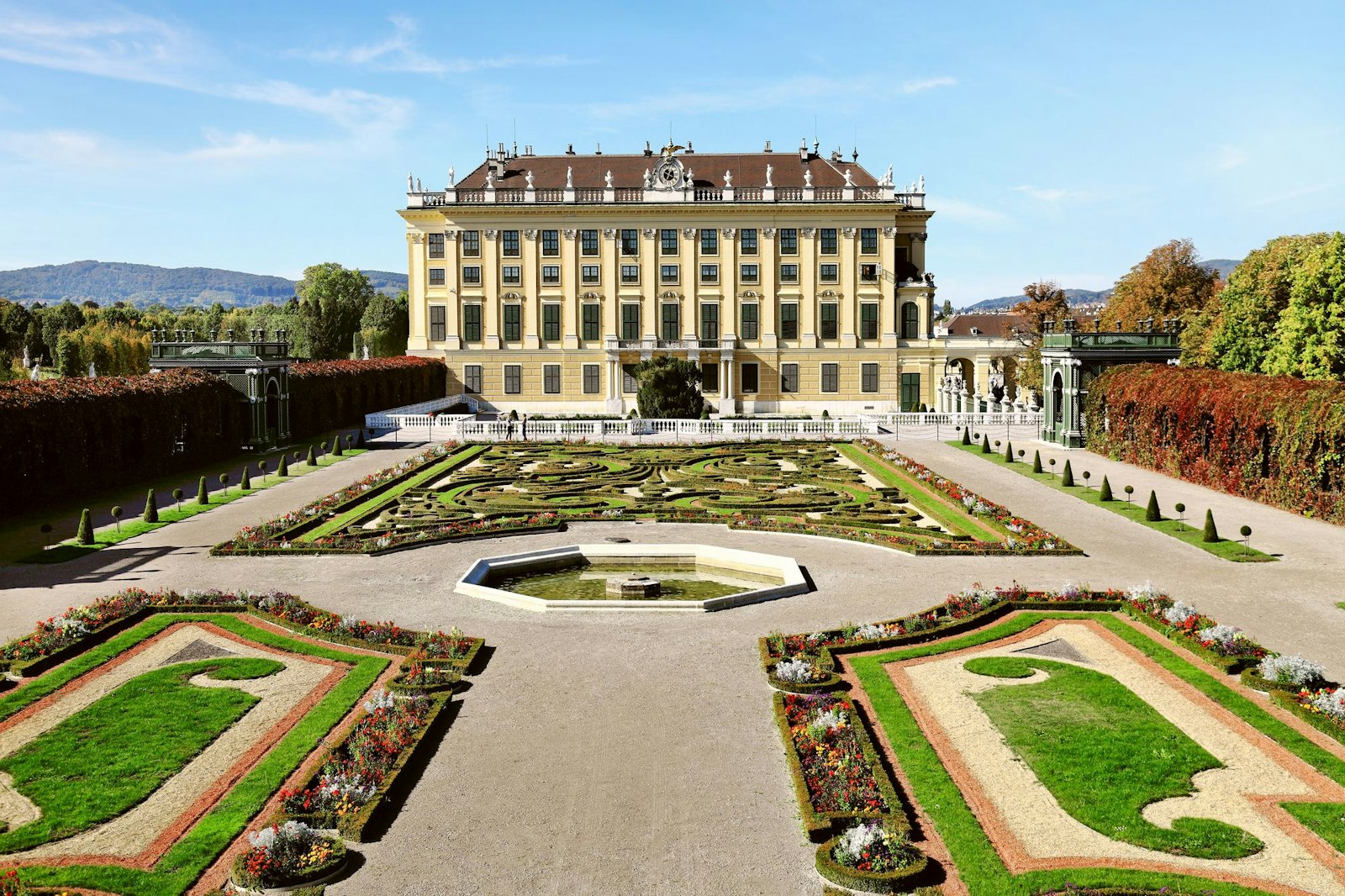
One of its most iconic landmarks is Schönbrunn Palace, the former summer residence of the Habsburgs, set within expansive gardens. The Belvedere, a Baroque complex of two palaces, houses an important art collection including works by Klimt, while the Hofburg reflects Vienna’s imperial past, while the nearby Neue Hofburg houses the Weltmuseum Wien, which includes important Ottoman and Islamic collections
Vienna’s cultural life remains central to its identity, with institutions such as the Vienna State Opera and the Spanish Riding School continuing long-standing traditions of music and performance.
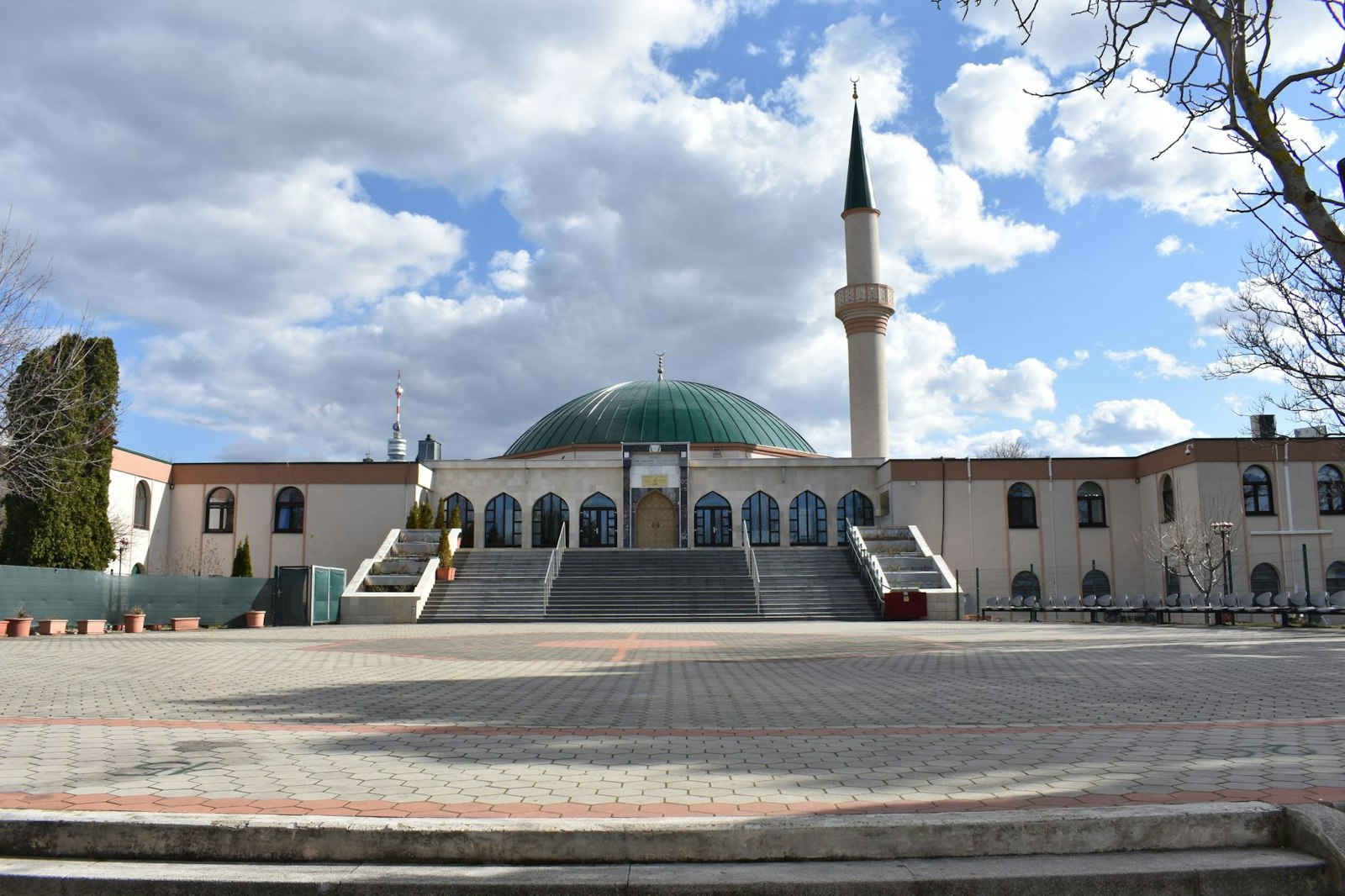
For Muslim travellers, the Islamic Centre of Vienna is one of the city’s main places of worship, open for daily and Friday prayers. The Islamic Cemetery also reflects the presence of a long-established Muslim community.
Vienna’s café culture is an essential part of the experience, with its historic coffee houses offering a chance to pause and take in the city’s atmosphere.
A wide choice of halal restaurants can be found across the city, particularly in districts around the Naschmarkt, where a range of Middle Eastern and Turkish restaurants can be found.
After visiting Vienna, it’s only a short drive of 2 hrs 30 mins to Budapest, Hungary.
Budapest
Budapest, Hungary’s capital, is known for its grand architecture, thermal baths and dramatic setting along the Danube River. Divided by the river into Buda and Pest, the city combines historic landmarks with a lively urban atmosphere.
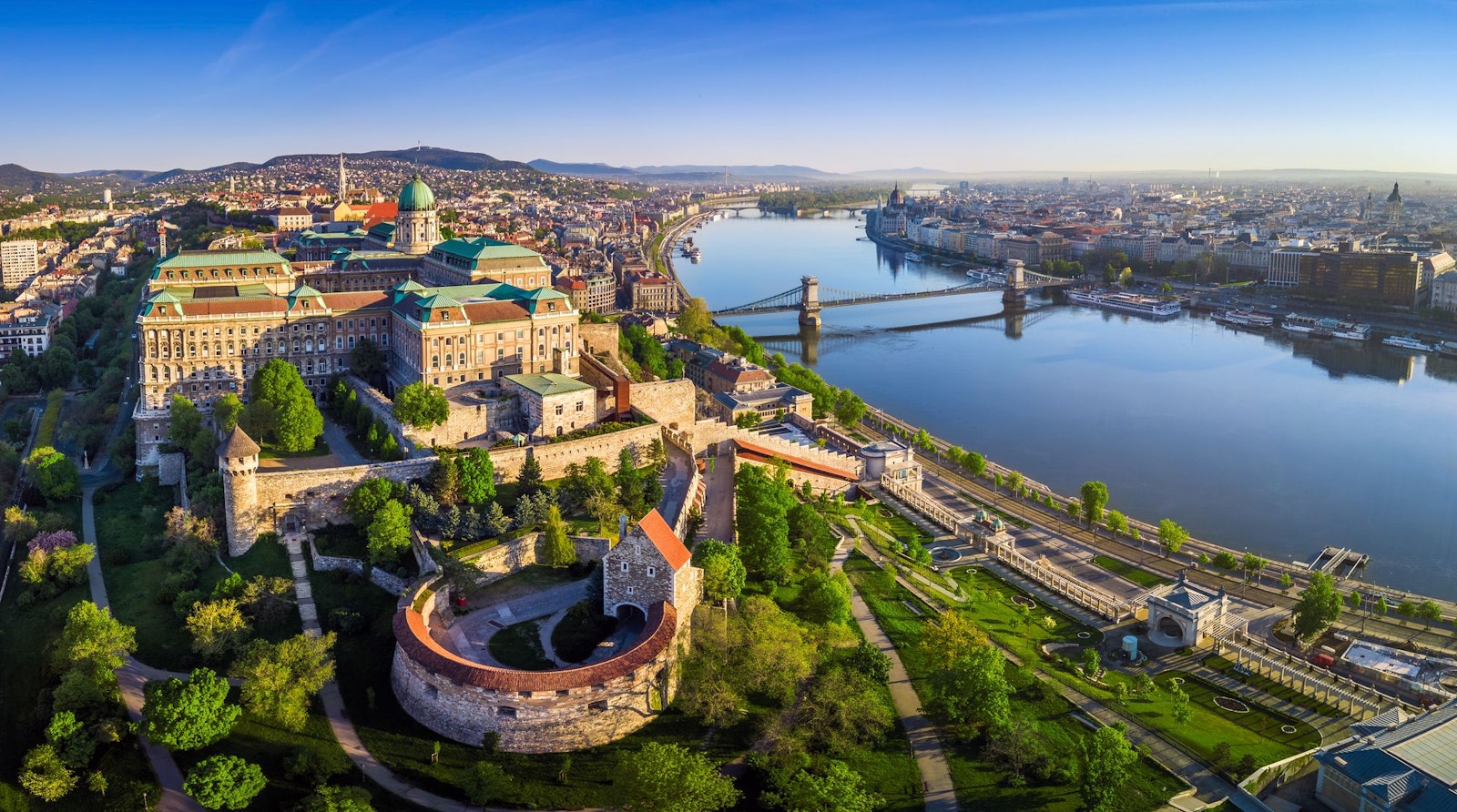
One of its most recognisable sights is Buda Castle, set on a hill overlooking the Danube and offering sweeping views across the city. The riverside setting and chain of bridges, including the iconic Chain Bridge, are central to Budapest’s character.
Budapest has a small but established Muslim community. The Islamic Centre of Budapest provides prayer facilities, while scattered Ottoman-era traces reflect the city’s layered past.
The city is also home to several museums and historical sites, including the House of Terror and the Hungarian National Museum, which offer insight into Hungary’s complex past.
Budapest offers a selection of halal dining options, mainly in Middle Eastern and international restaurants, as well as options in markets such as the Great Market Hall.
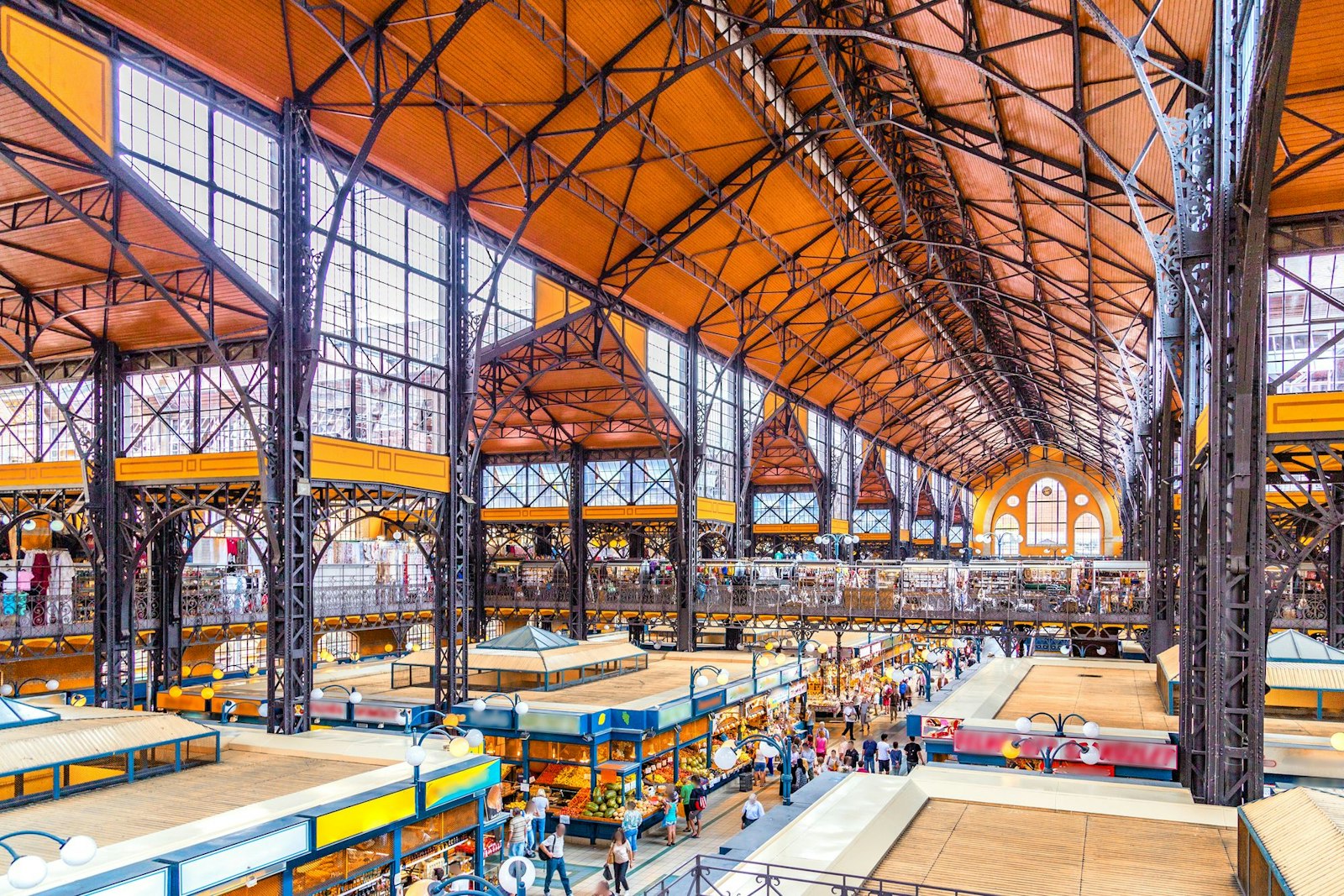
It's time for our next stop, the Serbian capital of Belgrade, a 4-hour drive.
Belgrade
Belgrade sits at the meeting point of the Danube and Sava rivers and offers a layered history shaped by centuries of Ottoman and European influence. The city combines historic sites with a lively urban atmosphere, reflecting both its past and present.
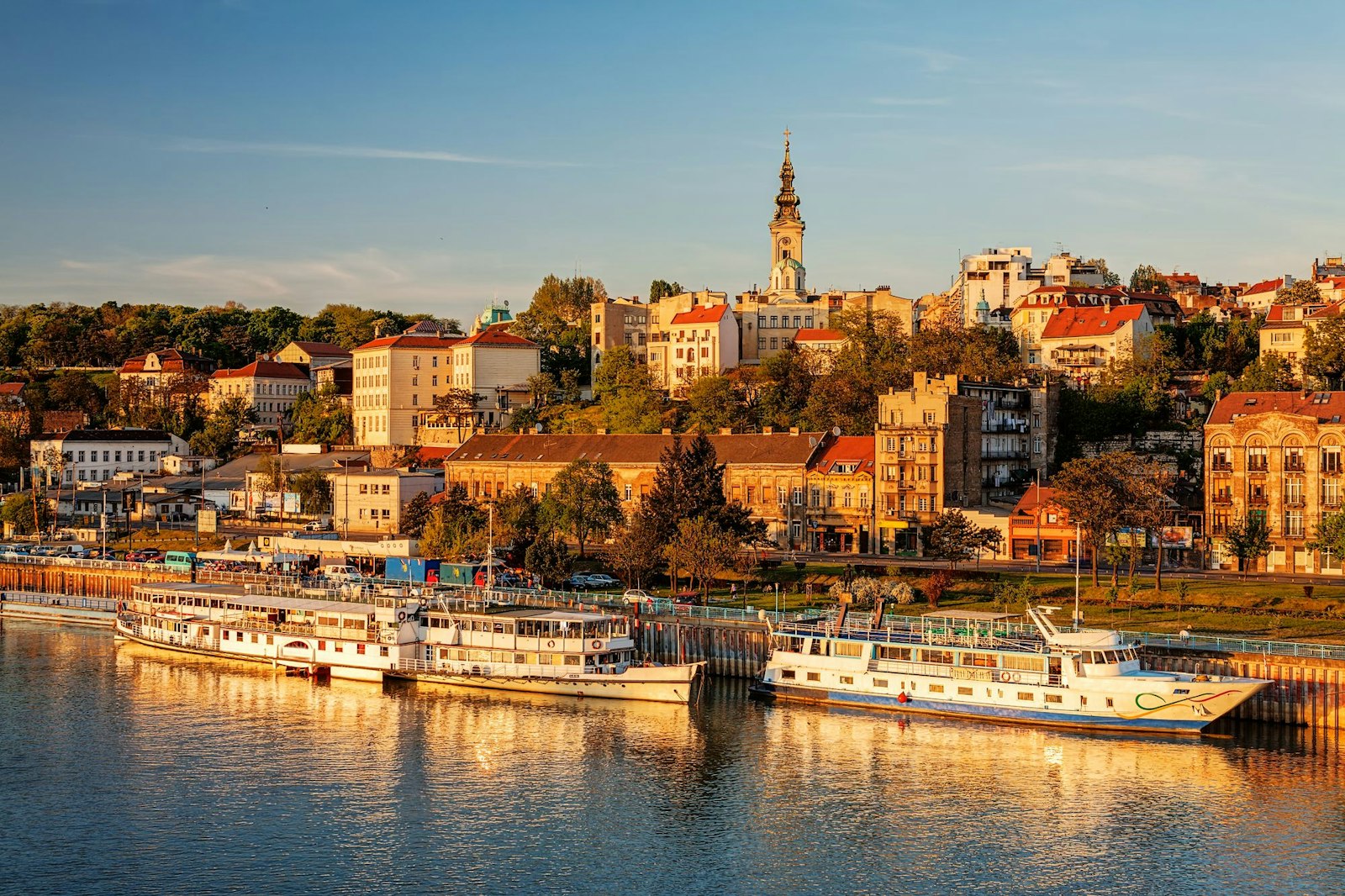
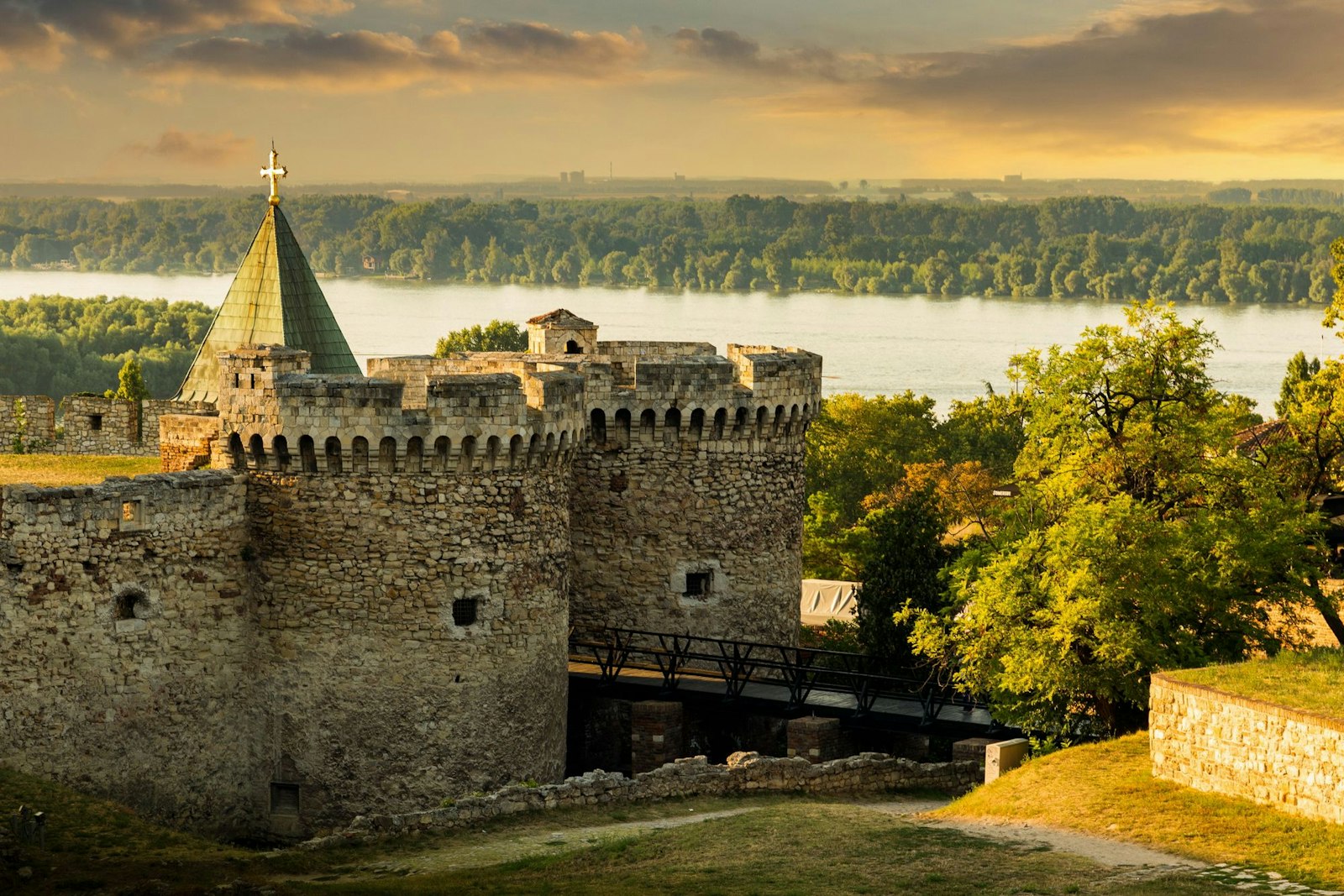
The Kalemegdan Fortress forms the historical core of the city, overlooking the confluence of the two rivers. Its name derives from the Turkish words kale (fortress) and meydan (square), reflecting its importance during the Ottoman period, when it served as a military and administrative centre. Today, it remains one of the city’s most significant landmarks, with wide views across the rivers and surrounding landscape. Nearby, the tomb of Grand Vizier Damat Ali Pasha offers a direct link to this Ottoman heritage.
Belgrade’s Islamic heritage is still visible today. The Bajrakli Mosque, dating from the Ottoman period, remains the city’s main mosque and is open for daily prayers. It serves as a focal point for the local Muslim community.
The city also offers a number of museums reflecting its more recent history, including the Nikola Tesla Museum and the Museum of Yugoslav History.
Halal food is available in parts of the city, with options ranging from local markets to restaurants offering Middle Eastern and Balkan cuisine.
If time allows, Ram Fortress, located around 80 km east of Belgrade along the Danube, makes a worthwhile detour. Built in the 15th century under Sultan Bayezid II, it is one of the earliest artillery fortresses in the Balkans, set in a scenic riverside location with wide views across the surrounding landscape.
It’s time to see more of Serbia in the city of Nis, reached by a short 2 hr 30 mins drive.
Nis
As one of the oldest cities in Europe, Nis has a rich cultural heritage shaped by centuries of Roman and Ottoman influence. Today, it remains an important historical stop, with a more understated and local atmosphere than larger capitals along the route.
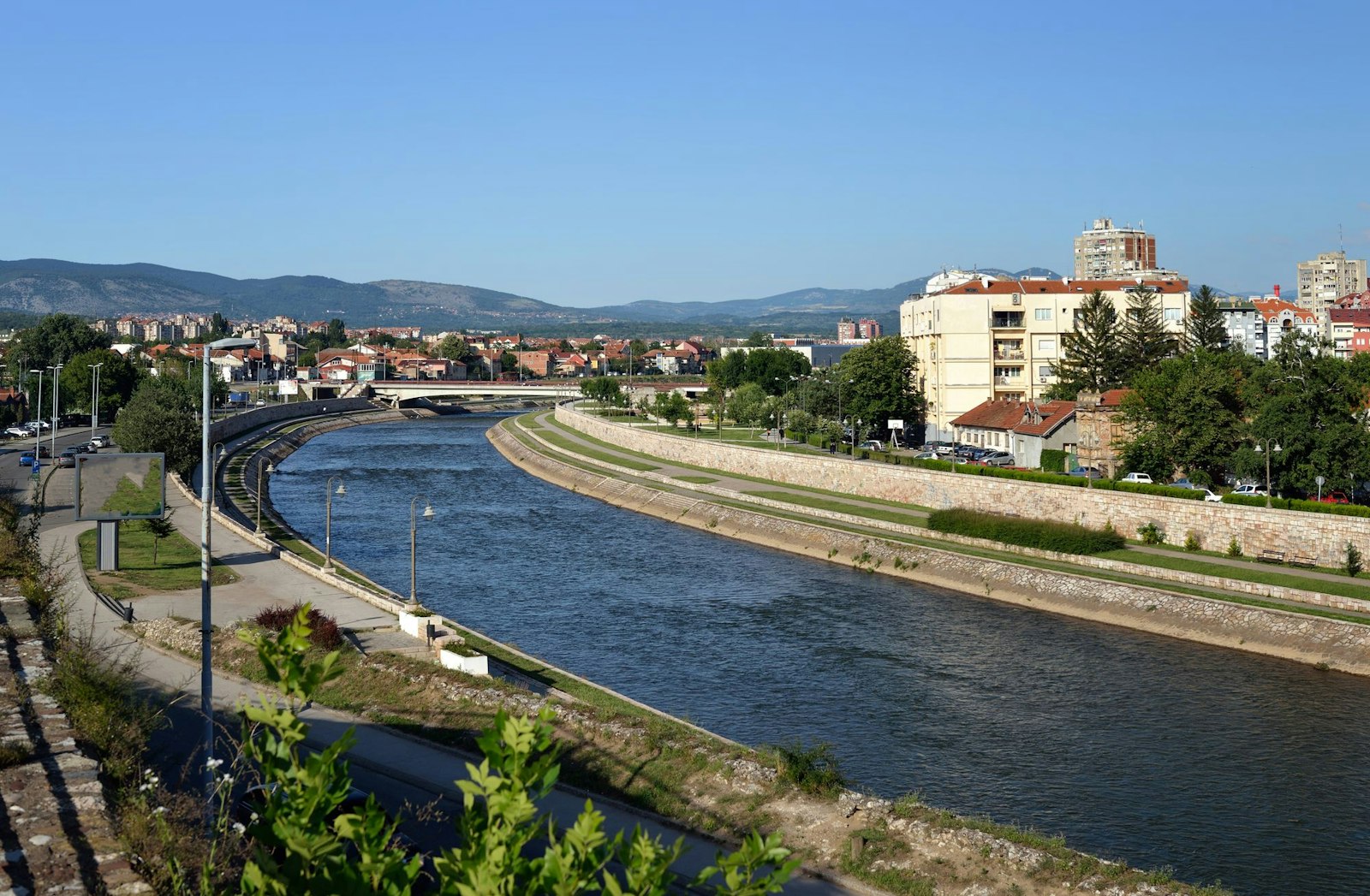
One of its most recognisable landmarks is the Nis Fortress, an 18th-century Ottoman fortress set along the banks of the Nisava River. It offers wide views across the city and provides insight into the region’s strategic importance over time.
Nis retains visible traces of its Ottoman past. Islam-aga’s Mosque is the city’s only functioning mosque and remains an important place of worship for the local Muslim community. Inside the fortress, the 16th-century Bali Bey Mosque is one of the city’s best-preserved Ottoman monuments and now serves a cultural role rather than a religious one.
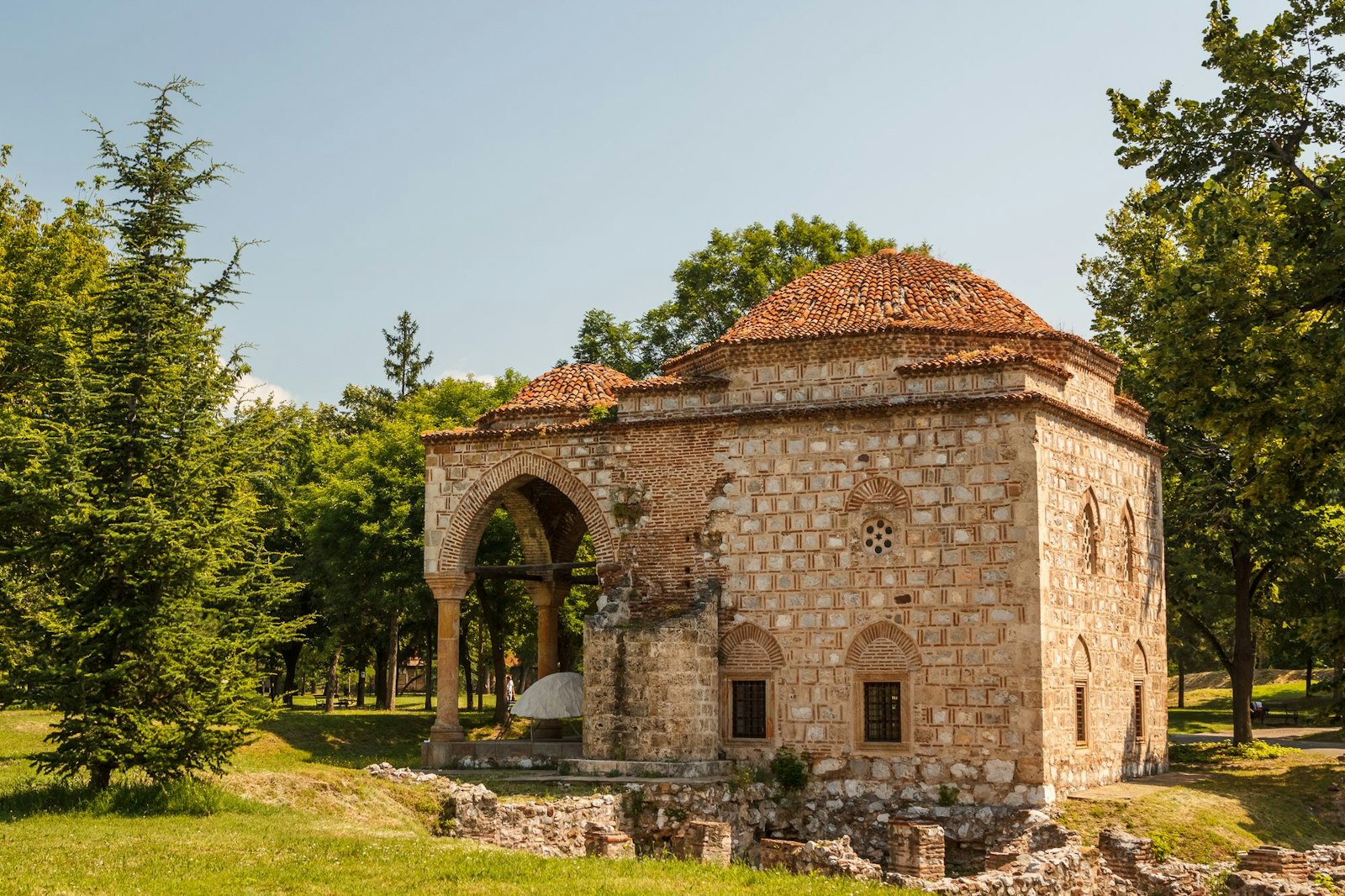
For relaxation, Niska Banja, just outside the city, is known for its thermal springs and spa facilities. The city also offers several historical sites, including the Skull Tower and the National Museum of Nis, which reflect its complex past.
While options are more limited, halal food can be found in selected restaurants and local markets.
It’s time to head to Sofia in Bulgaria, further into Eastern Europe with a 2 hr 20 mins drive.
Sofia
Sofia is known for its striking architecture, layered history and significant Islamic heritage. Of particular interest to those drawn to Ottoman history, the city came under Ottoman rule in 1382 and developed into an important administrative and cultural centre, with numerous mosques, madrasahs and public buildings shaping its urban landscape.
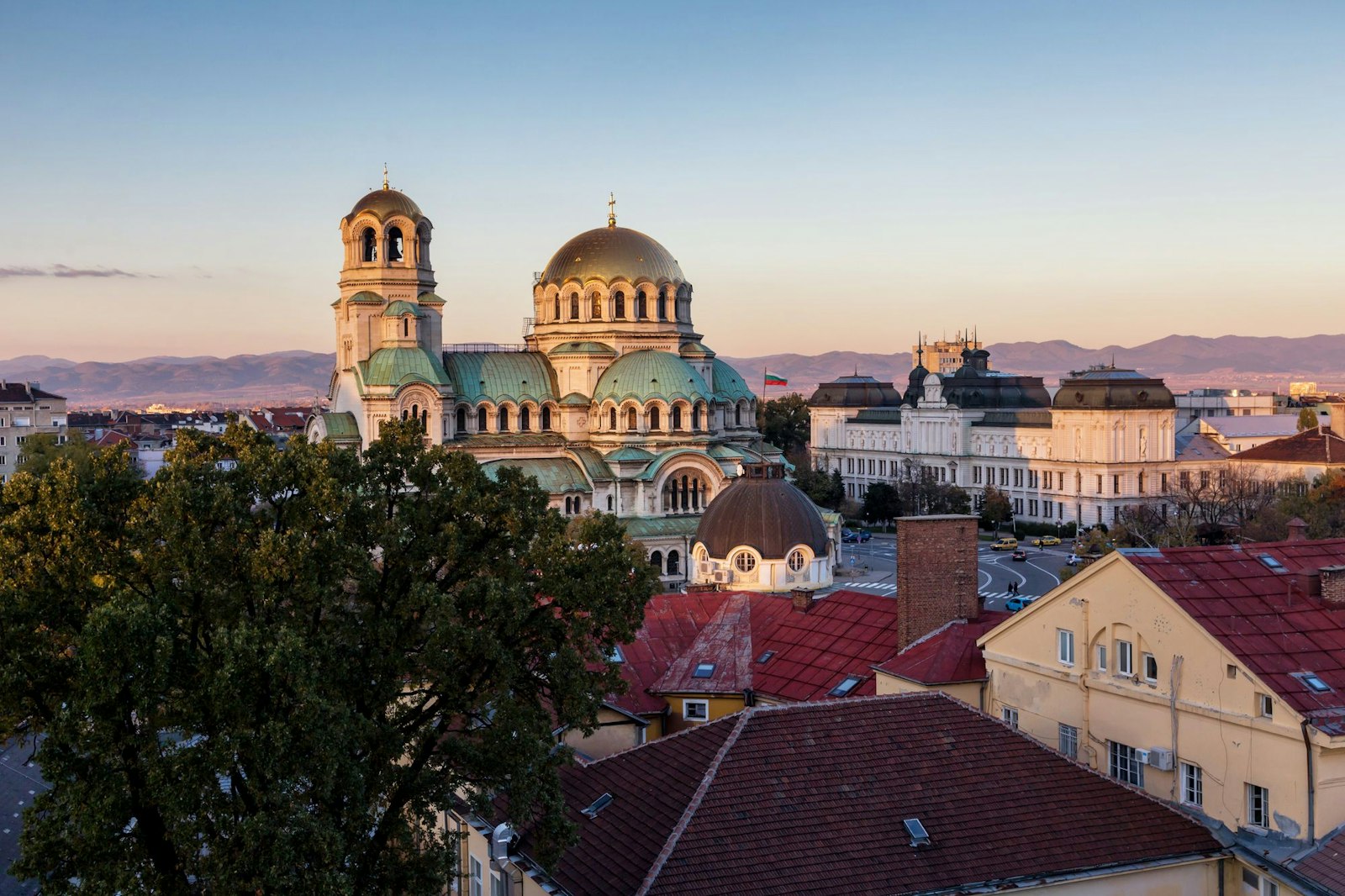
One of the most famous landmarks in Sofia is the Alexander Nevsky Cathedral. This beautiful cathedral is the largest in Bulgaria and an important symbol of the country's Orthodox Christian heritage.
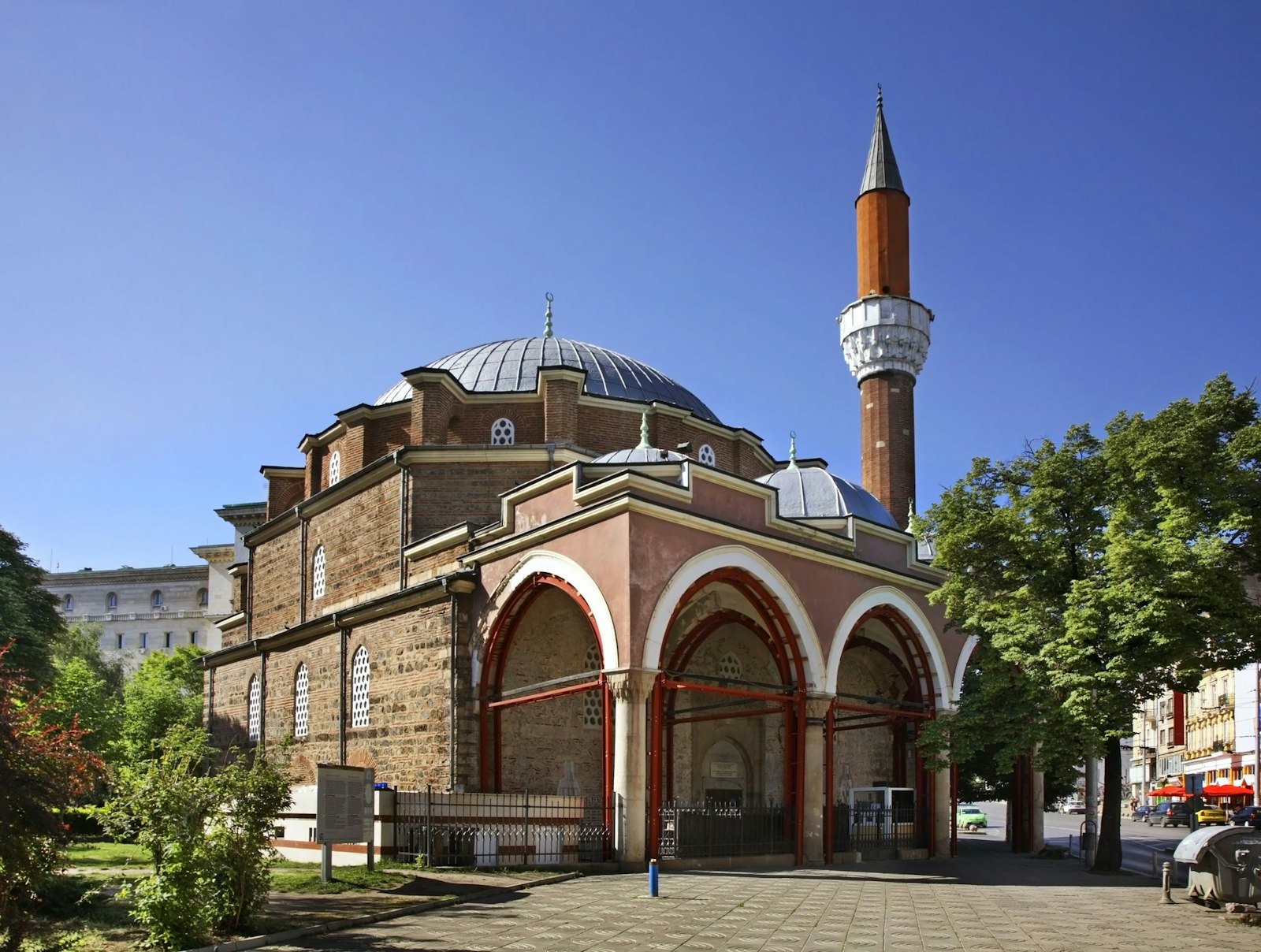
Built in the 16th century, the Banya Bashi Mosque remains one of the few functioning Ottoman mosques in the Bulgarian capital. Next to the mosque are the historic mineral baths, which gave Banya Bashi its name. The number of Muslims who come for worship on Fridays reaches 1,000 Muslims. The Sofia Islamic Centre also has a mosque open for daily prayers and offers Quranic classes.
Another major Ottoman-era site in the city centre is the former Great Mosque, historically associated with Koca Mahmut Paşa, which today houses the National Archaeological Museum. The former Black Mosque (Kara Camii), now the Sveti Sedmochislenitsi Church, is another example of the city’s layered history and changing use of religious buildings over time.
The National Museum of History showcases Bulgaria’s history and culture, while the Boyana Church is a UNESCO World Heritage site with stunning medieval frescoes.
Sofia offers several options for halal food, alongside markets such as the Central Market Hall, where visitors can find a variety of produce, meats and spices.
Continue your adventure towards Plovdiv, the second-largest city in Bulgaria, just a 1-hour 45-minute drive away.
Plovdiv
Our penultimate stop on this journey, Plovdiv is one of Europe’s oldest continuously inhabited cities. It is best known for its romantic old town, which is full of colourful and creaky 19th-century mansions that are now house-museums, galleries and guesthouses.
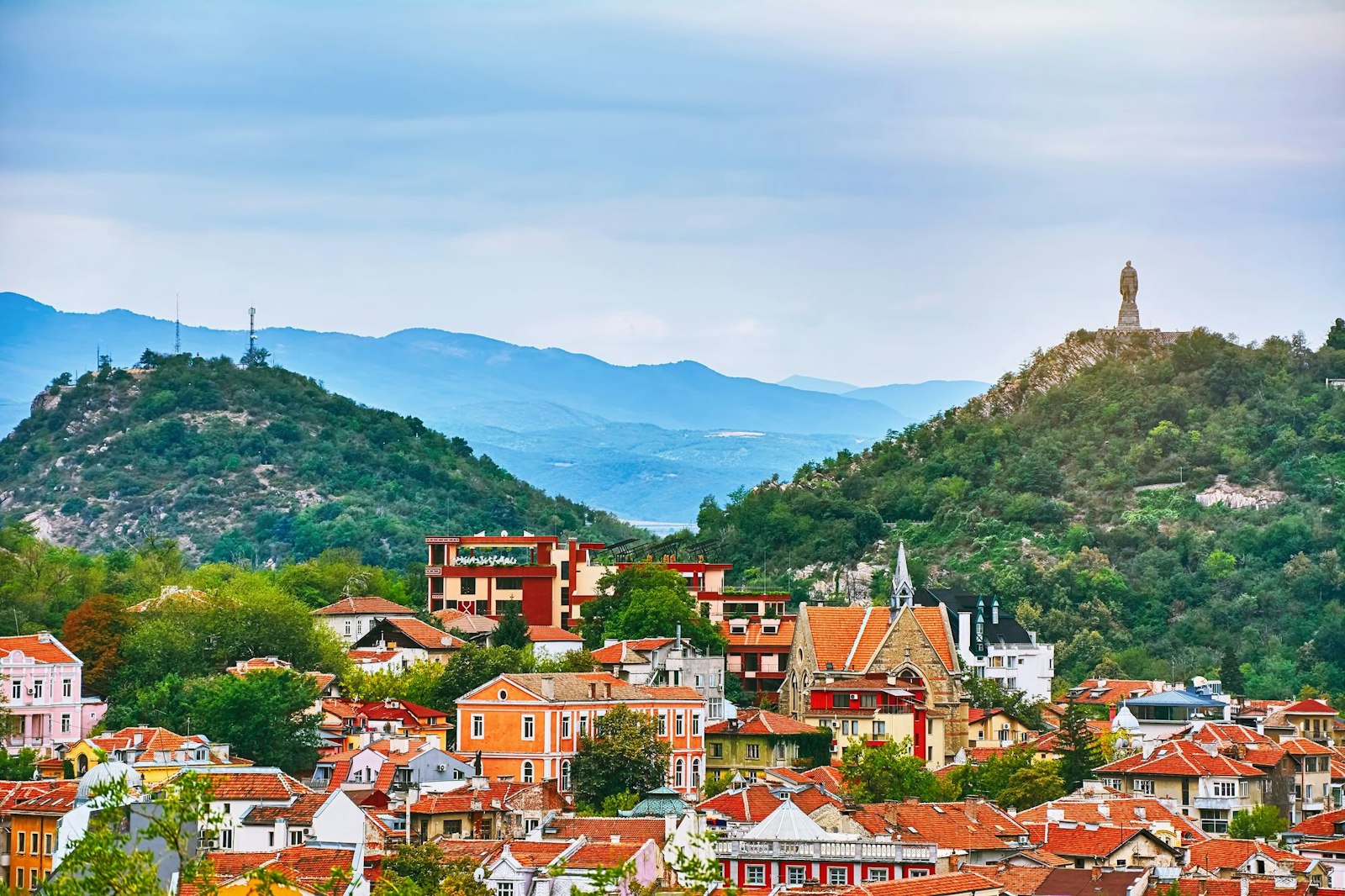
A key landmark is the Dzhumaya Mosque, located in the centre of Plovdiv and dating back to the Ottoman period. It remains an important site reflecting the city’s Islamic heritage. You can also look out for other Ottoman-era religious sites, including the Imaret Mosque.
The Roman Theatre of Philippopolis is an ancient theatre from the 1st century AD, while the Ancient Stadium is a well-preserved 2nd-century artefact.
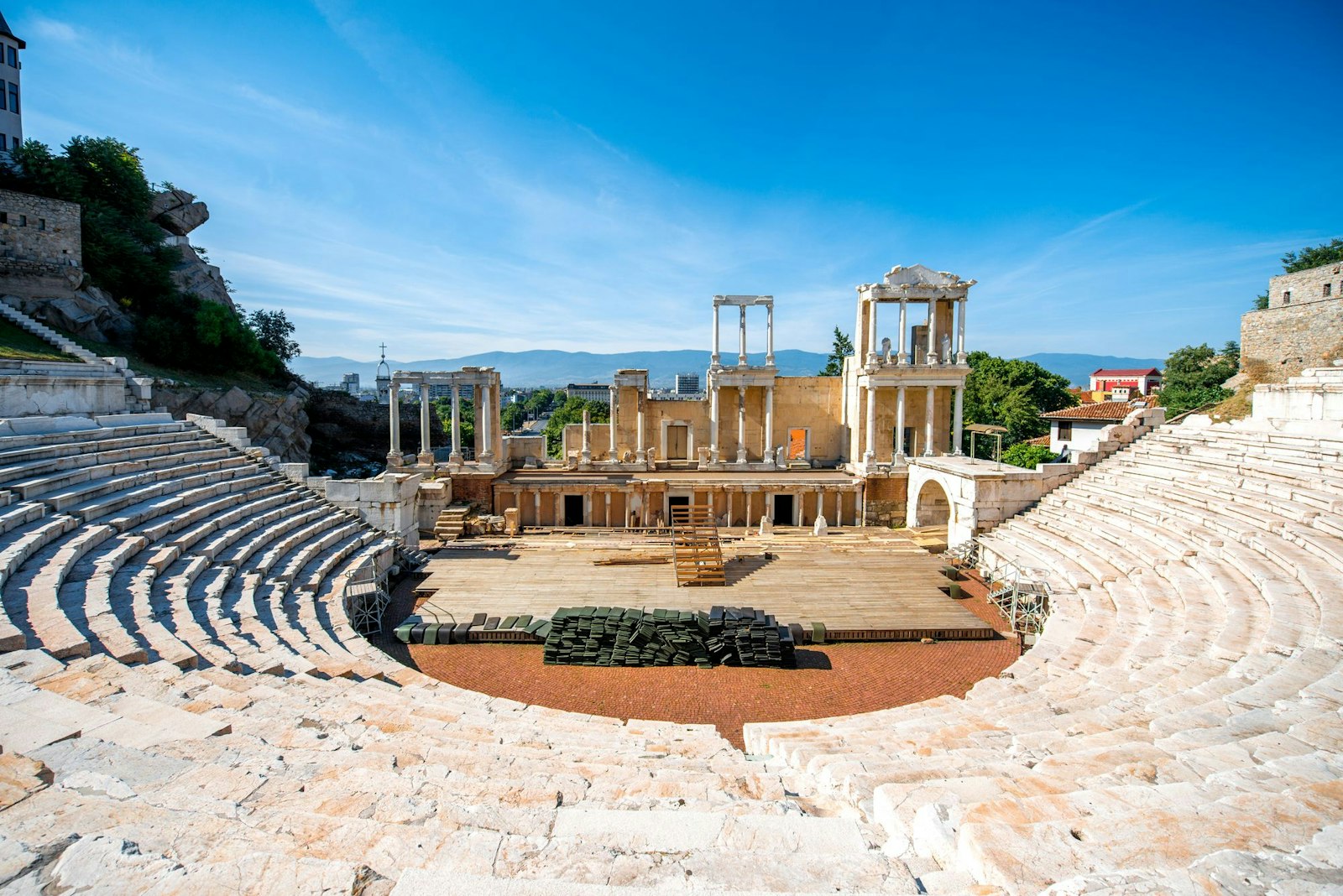
Plovdiv has a selection of restaurants offering halal-friendly options. Markets also offer a range of fresh produce, meats and spices.
After your visit to Plovdiv, it’s time for the final leg of your road trip, which takes you to the Turkish city of Edirne with a 2 hr 15 mins drive, where you will complete your Sıla Yolu, embracing familiar sights and sounds as you reconnect with Türkiye.
Edirne
Edirne is a historic Turkish city that once served as the second Ottoman capital before the conquest of Istanbul. It is known for its architecture, history and prominent mosques.
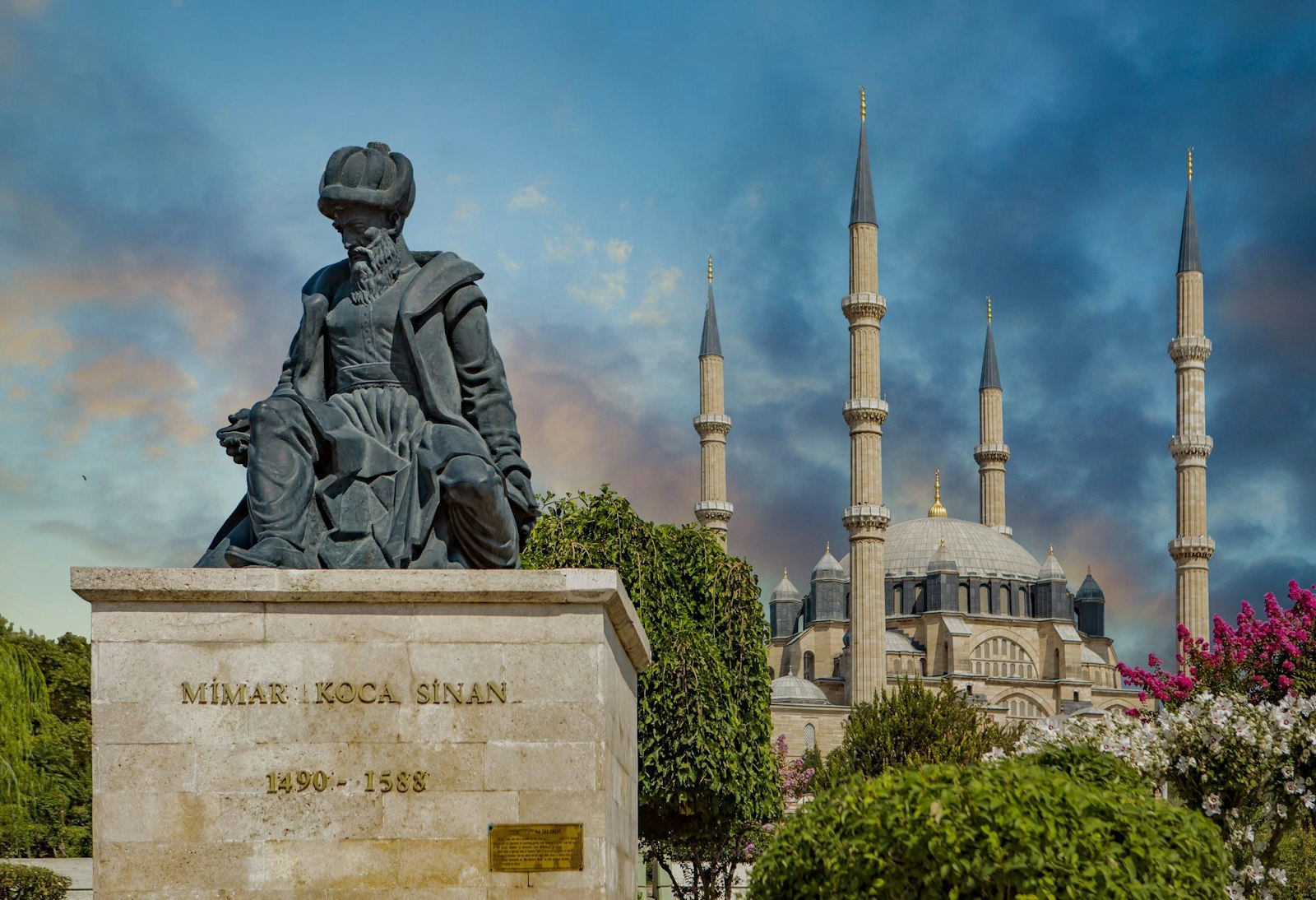
Designed by the great Ottoman architect Mimar Sinan, the Selimiye Mosque is widely regarded as the masterpiece of classical Ottoman architecture and one of the finest achievements of Islamic design.
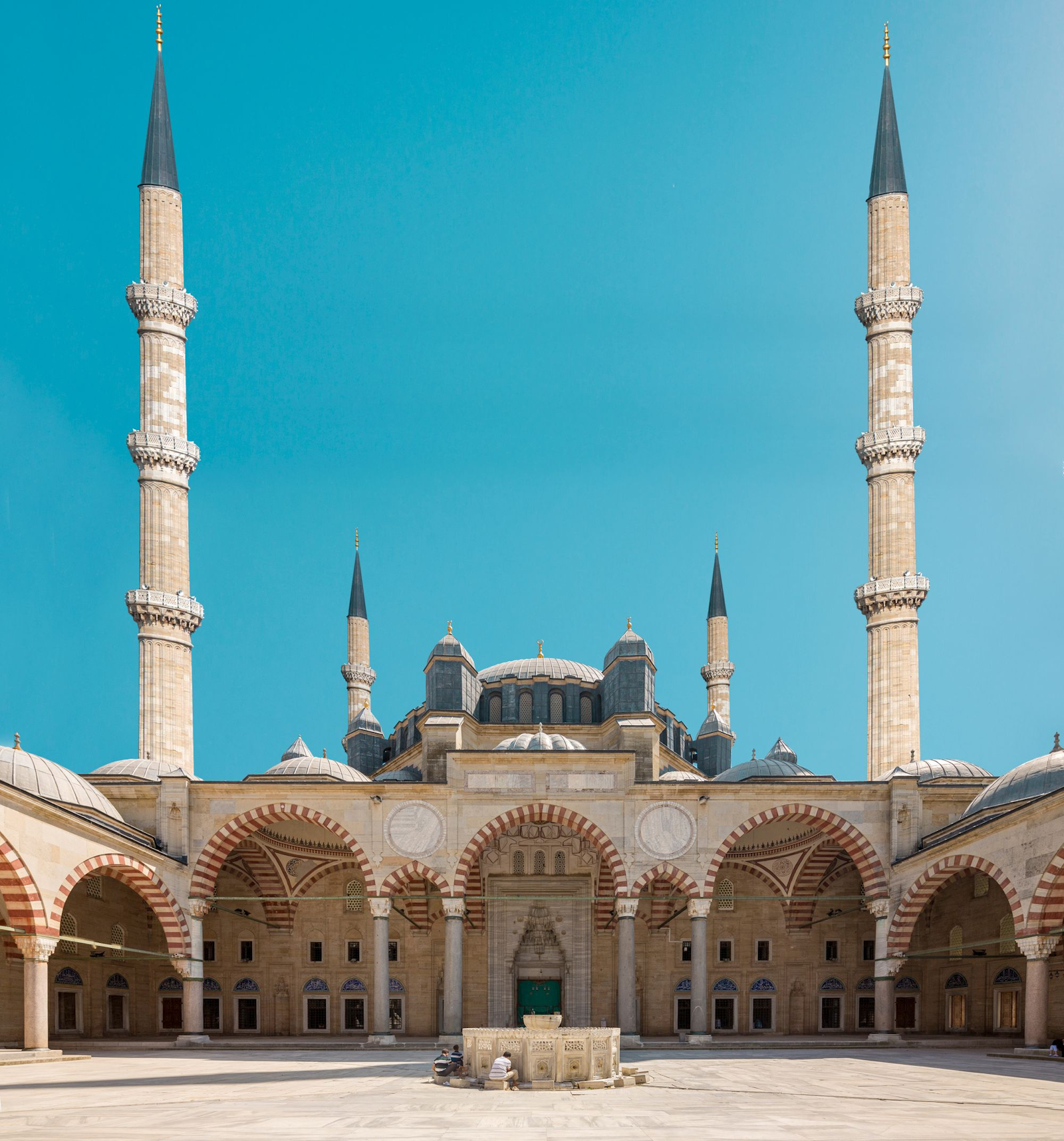
The 14th-century Eski Cami (Old Mosque) and the Üç Şerefeli Mosque are also notable landmarks, reflecting the city’s rich Ottoman heritage.
Edirne also has several museums and historical sites. The Edirne Palace is an Ottoman-era complex, while the Balkan Wars Museum and the Museum of Turkish Islamic Art provide insight into the region’s history.
In addition, Edirne is famous for its traditional Turkish baths (hamams). The Üç Şerefeli Hamamı is a fine example of Ottoman-era bathhouses and offers a range of treatments and therapies.
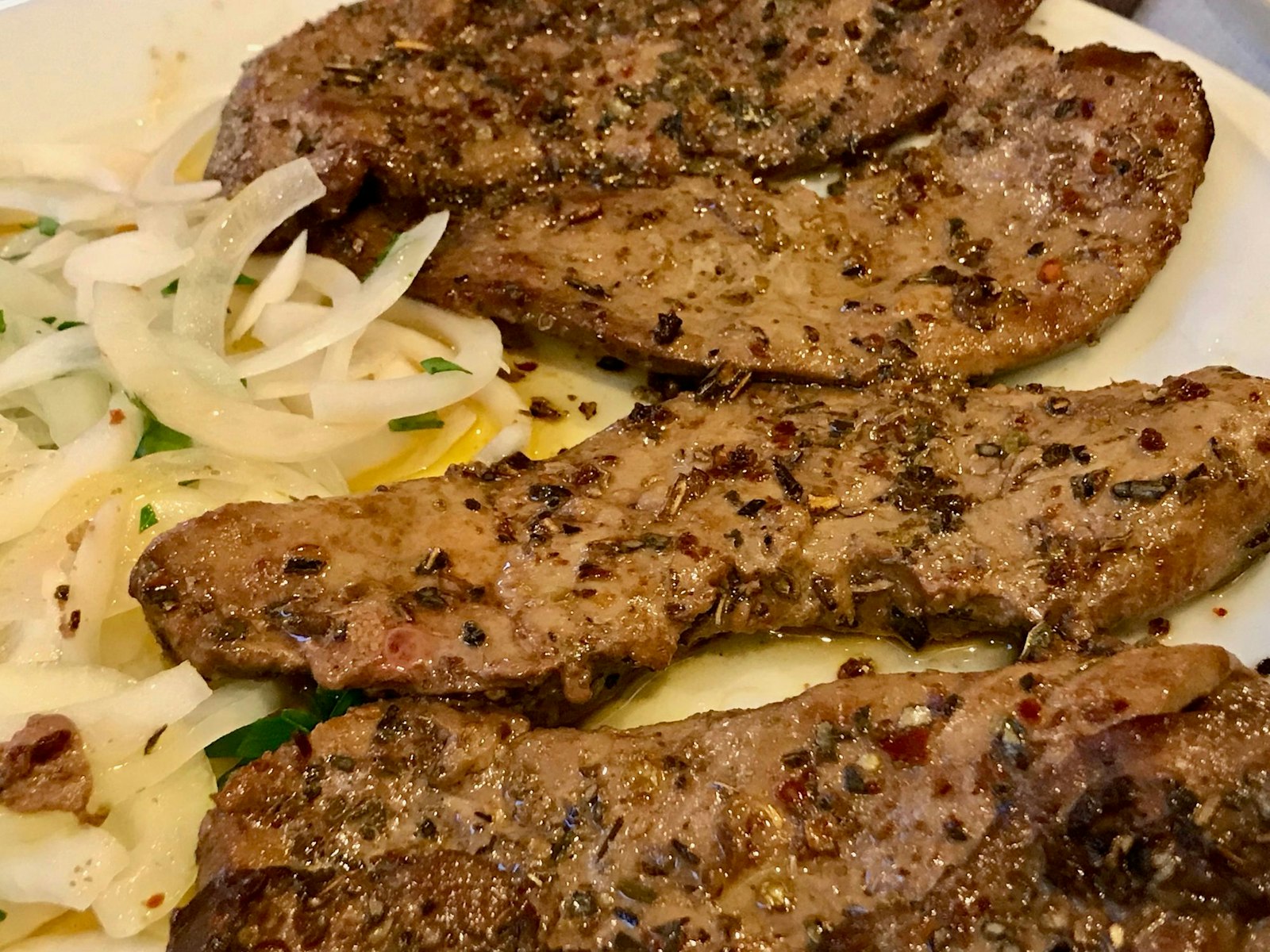
Edirne is famous for its Edirne-style ciğer (fried lamb's liver) with red onion salad. Visitors can enjoy halal food at nearby restaurants such as Cigerci Niyazi Usta or Lahmacun & Pidecisi.
For more inspiring road trips or if you’re looking for other travel options and ideas, visit our blog homepage.