Take our scenic Sıla Yolu road trip to explore the Balkans en route to Türkiye
Driving through Europe to Türkiye this summer? Take the scenic route and discover a journey rich in culture, history and striking landscapes. This scenic route follows what European Turks refer to as the ‘Sıla Yolu’ – the road back to the homeland – while exploring more of the Balkans en route.
Most travellers make this journey by car, often travelling as families over several days. The journey itself has become an integral part of the tradition, with familiar routes, overnight stops and shared experiences passed down through generations.
It takes you from Germany to Türkiye, passing through Germany, Austria, Slovenia, Croatia, Bosnia, Serbia, Bulgaria and Türkiye, offering a deeper look at some of Europe’s most distinctive cities, landscapes and lakes, and a broader experience of Central and Eastern Europe.
You can choose whether to spend a day or just a few hours in each stop, with suggested overnight stays to guide your journey while keeping the route flexible. Even if your journey begins elsewhere in Europe, it will likely pass through Germany. This route starts in Cologne and ends in Edirne.
If you prefer a shorter route, explore our direct itinerary, or if you have more time, take a look at the more leisurely southern route. Bon voyage!
Itinerary
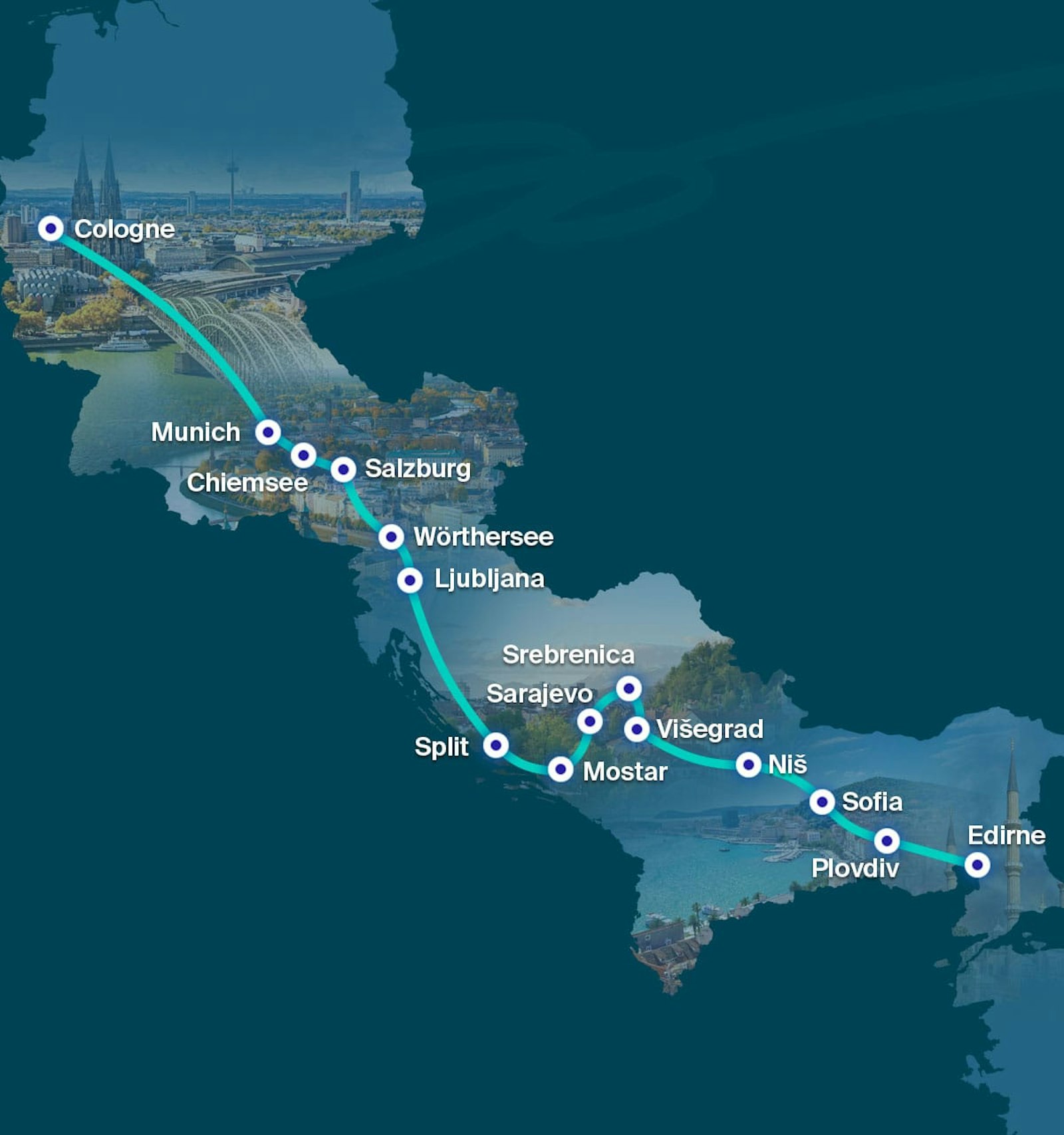
Cologne → Munich - 575 km - 6 hrs
Munich → Chiemsee - 97 km - 1 hr 15 mins
Chiemsee → Salzburg - 51 km - 45 mins
Salzburg → Wörthersee - 216 km - 2 hrs 30 mins
Wörthersee → Ljubljana - 114 km - 1 hr 30 mins
Ljubljana → Split - 467 km - 5 hrs
Split → Mostar - 166 km - 2 hrs
Mostar → Sarajevo - 125 km - 2 hrs
Sarajevo → Srebrenica - 133 km - 2 hrs 30 mins
Srebrenica → Visegrad - 131 km - 3 hrs
Visegrad → Nis - 334 km - 5 hrs 20 mins
Nis → Sofia - 159 kms - 2 hrs 20 mins
Sofia → Plovdiv - 145 kms - 1 hr 45 mins
Plovdiv → Edirne - 180 km - 2 hrs 15 mins
This scenic route includes several slower mountain roads, particularly in Bosnia and eastern Serbia. Driving times can vary significantly, and some stretches may take longer than expected. Consider adjusting your schedule or skipping selected stops if you are travelling with limited time.
Practical tips for your journey
Expect slower driving conditions in mountainous regions of the Balkans
Border crossings can be unpredictable, especially in summer
Carry cash, as card payments are not always accepted
Plan fuel stops carefully in more rural areas
Ensure your vehicle is fully prepared for a long-distance journey, including valid documents, servicing and essential checks
Cologne
Start your road trip in the western city of Cologne, one of Germany’s largest and most historic urban centres. Known for its striking neo-Gothic architecture, the city has long been an important cultural hub, with roots stretching back to its origins as a Roman settlement.
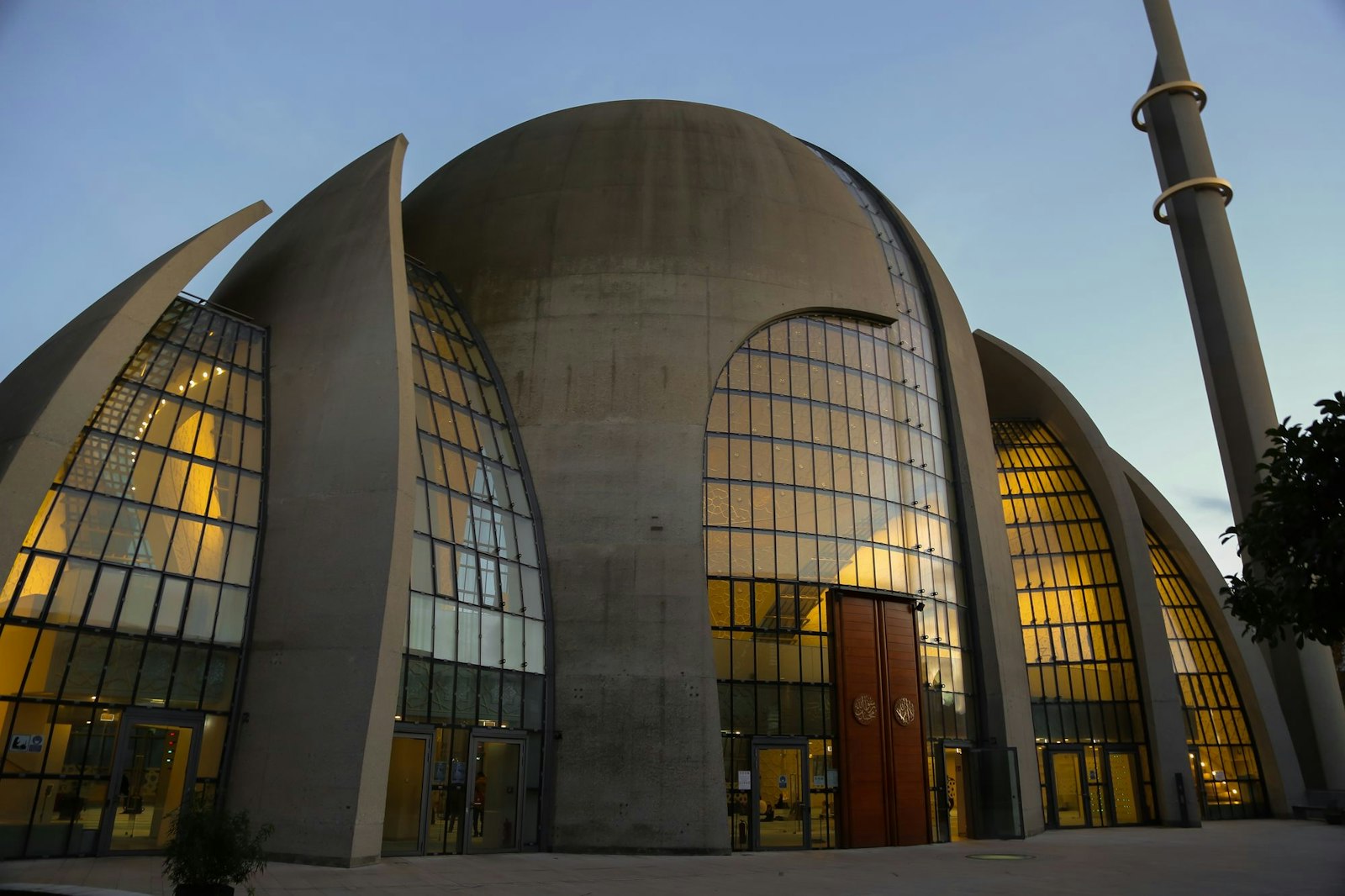
A key landmark is the Cologne Central Mosque, a modern architectural statement with its sweeping glass dome and open design. Open for daily prayers, it serves as an important hub for the local Muslim community and a welcoming space for visitors.
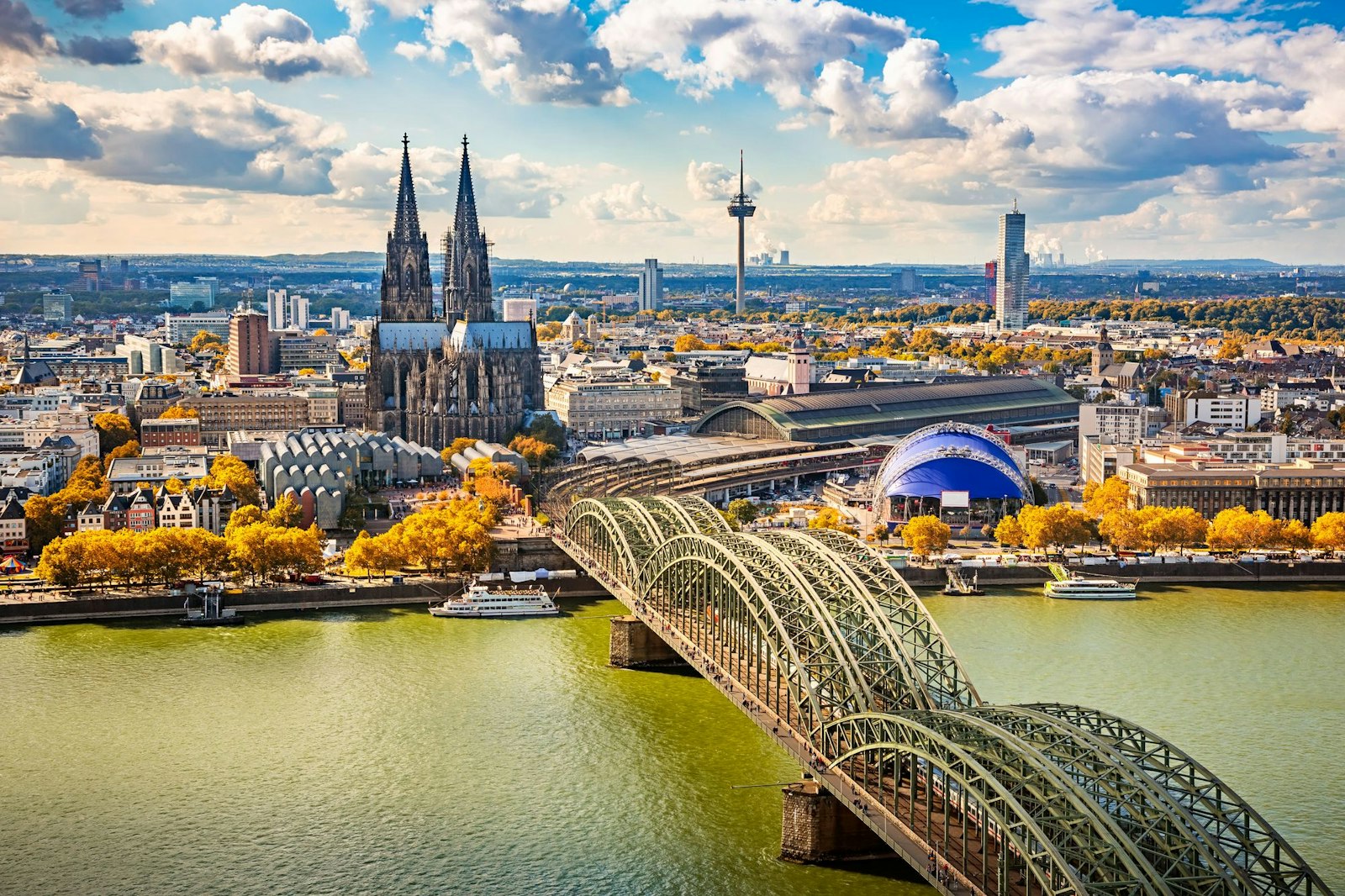
Dominating the skyline, Cologne Cathedral is one of Europe’s greatest Gothic churches and a UNESCO World Heritage Site. Its vast interior, intricate stained glass and twin spires make it one of the city’s defining sights, with panoramic views from the top.
The city’s historic centre is clustered around the Rhine, where the old town’s colourful houses, lively squares and riverside promenades create a relaxed atmosphere. Landmarks such as the Hohenzollern Bridge, with its views across the river, add to the city’s character.
Halal food is widely available across Cologne, particularly in Turkish and Middle Eastern restaurants, reflecting the city’s large and well-established Muslim community.
From Cologne, your journey continues across the country to Munich - a scenic drive of around 575 km, taking approximately 6 hours.
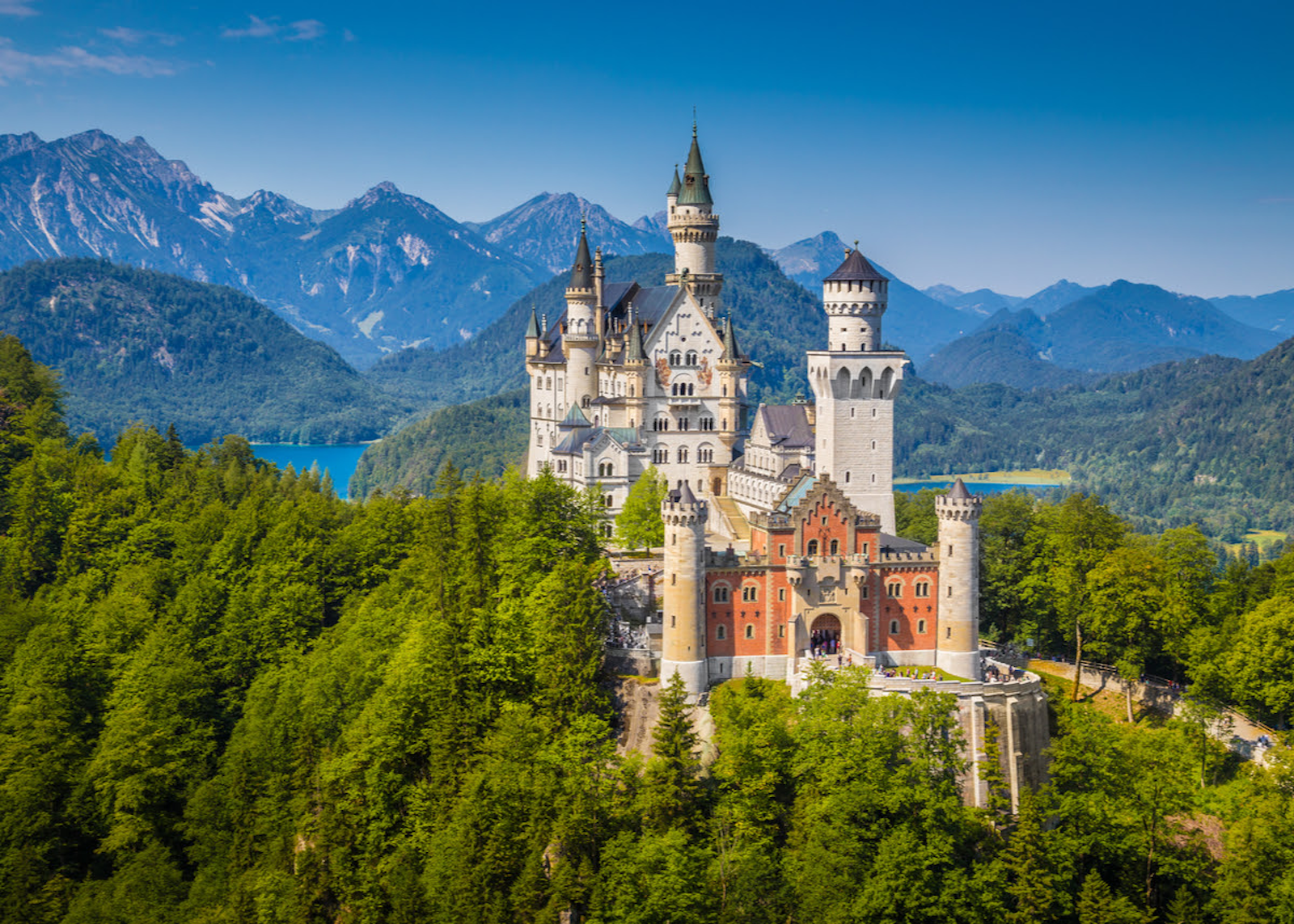
If you have additional time, consider a detour to the "fairytale castle" Neuschwanstein in Schwangau, one of the most famous sights in Germany! It was built in 1869 for the Bavarian King Ludwig II as an idealised concept of a knight's castle from the Middle Ages.
Munich
Munich, capital of Bavaria, is known for its rich history, cultural heritage and elegant architecture. With its diverse population and growing range of facilities for Muslim visitors, it makes a convenient and appealing stop on the journey.
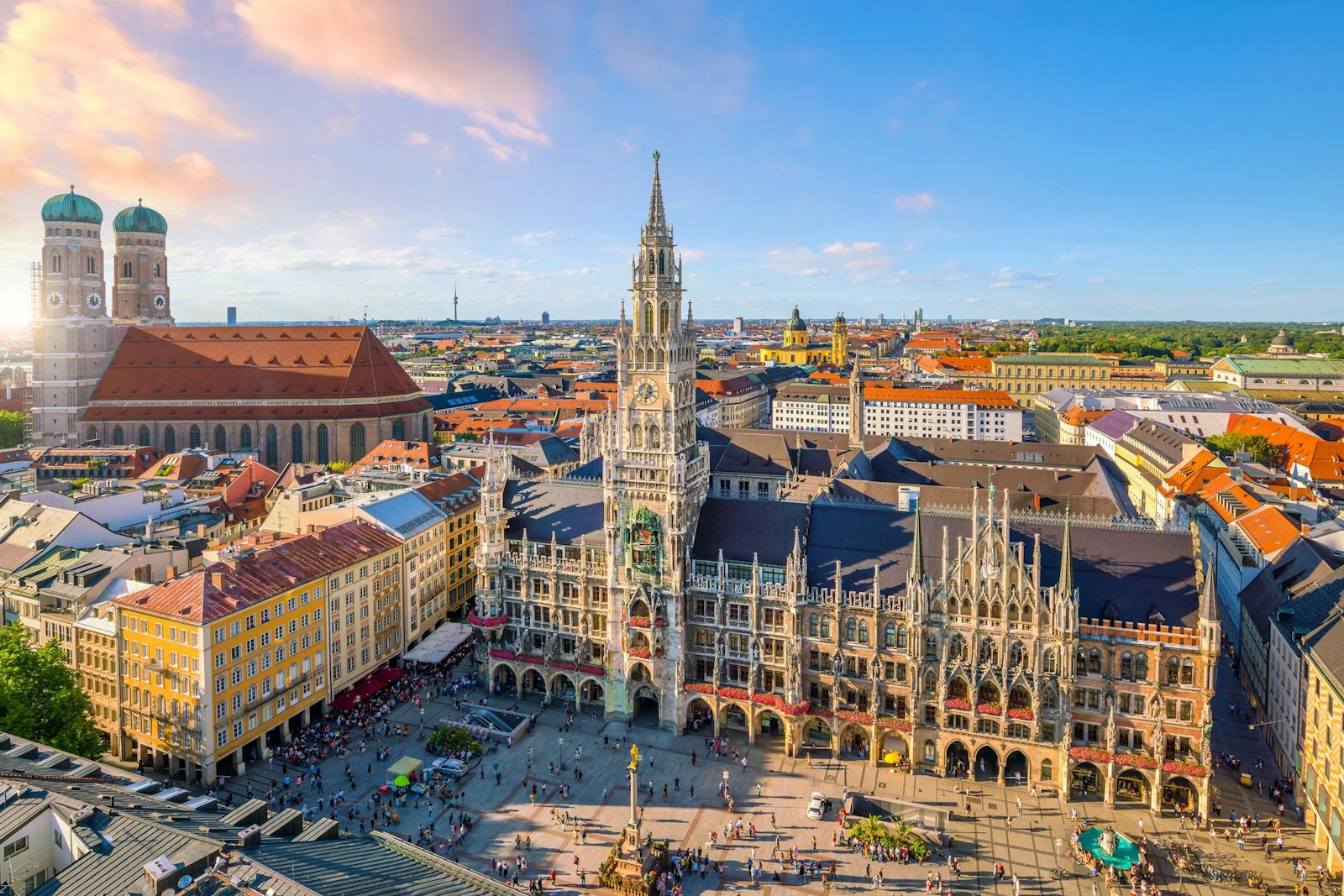
Munich is renowned for its architectural marvels, including the iconic Frauenkirche, Nymphenburg Palace and the BMW Museum. Visitors can also immerse themselves in the vibrant atmosphere of the Marienplatz, Munich's central square, and witness the famous Glockenspiel show.
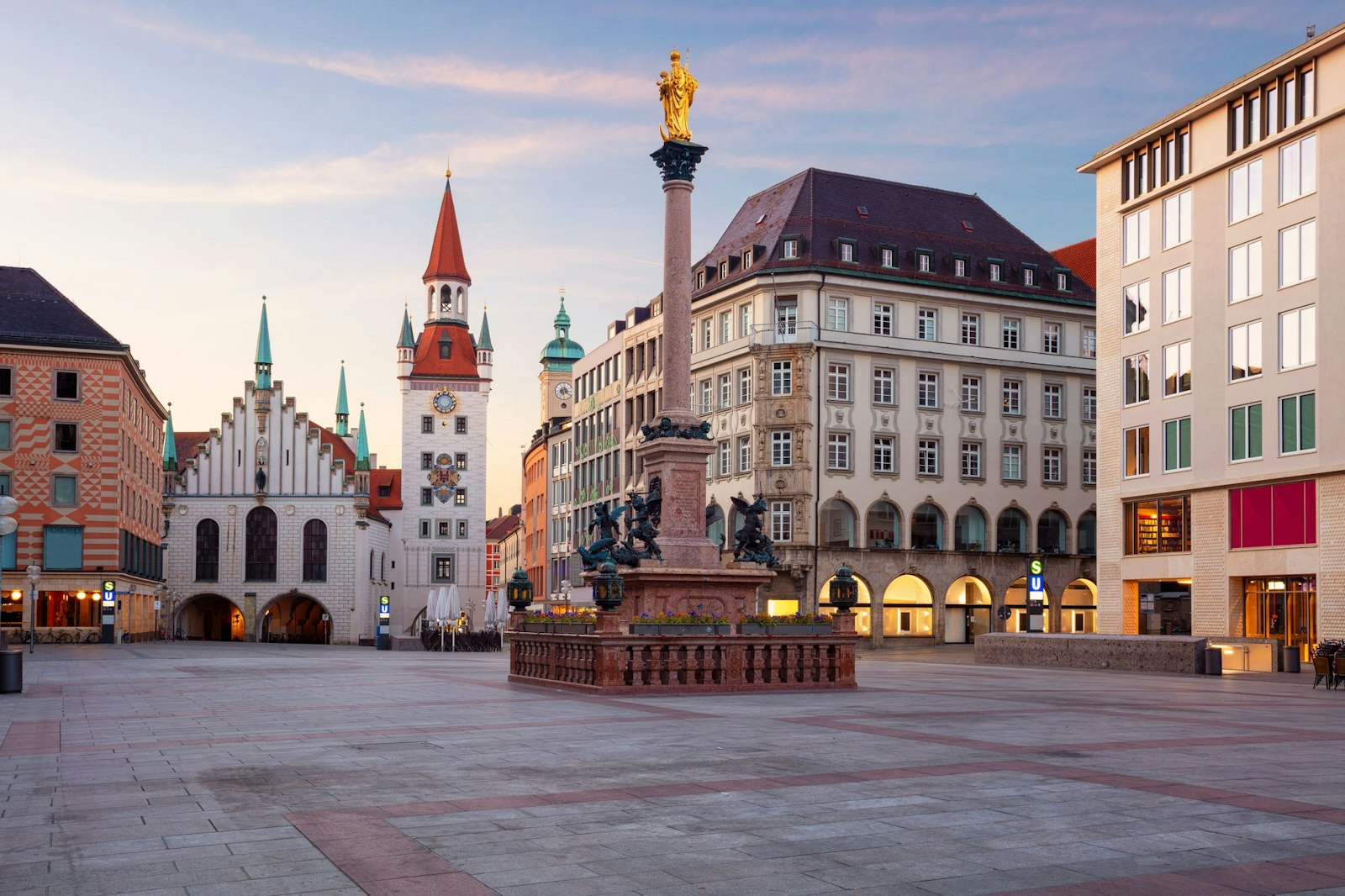
Munich also offers a variety of shopping options. The Kaufingerstrasse and Neuhauser Strasse form a bustling shopping district where visitors will find international brands, local boutiques and specialty stores. The city's traditional markets such as the Viktualienmarkt are also worth a visit and offer fresh produce, spices and souvenirs.
Munich is home to several mosques that offer prayer facilities and services for Muslim visitors. The Islamic Center Munich is one of the city’s best-known Islamic institutions and welcomes visitors. There are also smaller mosques and prayer rooms across the city, providing convenient access to places of worship.
There is a wide variety of halal food from Turkish kebabs to Middle Eastern cuisine. Neighbourhoods such as Schwanthalerhöhe, as well as the area around Sendlinger Tor, are known for their halal restaurants.
After your stay in Munich, it’s time for a 97 km drive to Chiemsee.
Chiemsee
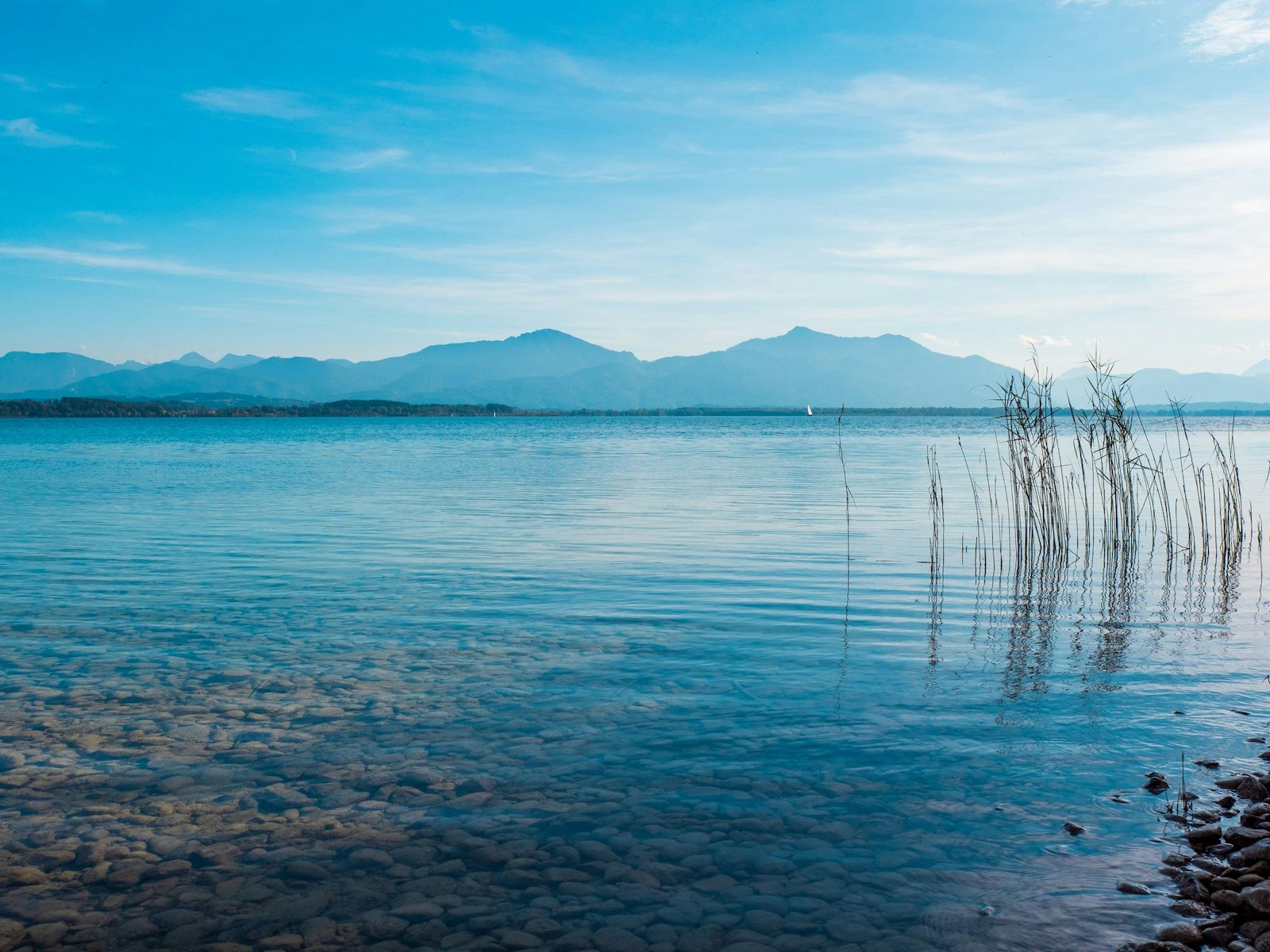
Also known as the Bavarian Sea, Chiemsee in south-eastern Bavaria offers scenic surroundings with mountains to the south, two islands that can be reached by boat and a number of villages to explore.
The lake’s clear waters are ideal for swimming, boating or simply relaxing by the shore. On the island of Herrenchiemsee is a palace built by King Ludwig II and inspired by Versailles, while the island of Frauenchiemsee is home to a Benedictine monastery.
Accommodation around Chiemsee ranges from hotels to guesthouses, offering a variety of places to stay. While halal food options may be limited, many hotels offer vegetarian and seafood dishes. If you are staying in a villa or travelling with a camper van, supermarkets in nearby towns provide options to buy halal products and prepare your own meals.
There are no official places of prayer around Chiemsee, but the natural surroundings offer quiet places to pray. Nearby towns such as Rosenheim and Traunstein have prayer facilities for Muslim visitors.
The surrounding area is also worth exploring, with its landscapes, villages and outdoor activities.
Just a short 45-minute drive takes you to the Austrian border for your next stop: Salzburg.
Salzburg
Nestled in the Austrian Alps, Salzburg offers a delightful experience for Muslim travellers seeking a blend of history, culture and natural beauty.
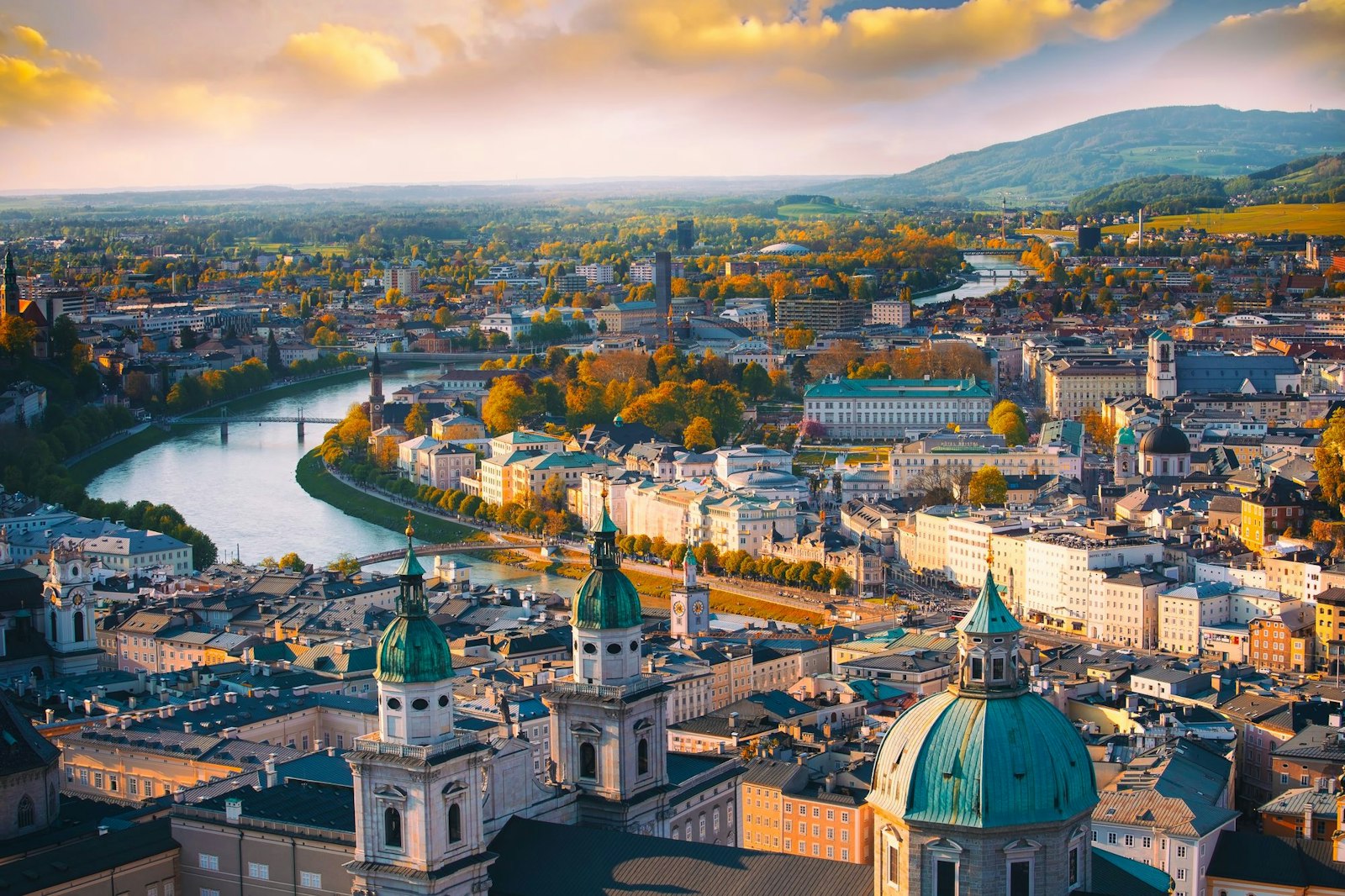
Salzburg's UNESCO-listed Old Town (Altstadt) is a treasure trove of architectural gems, including the grand Salzburg Cathedral and the Hohensalzburg Fortress.
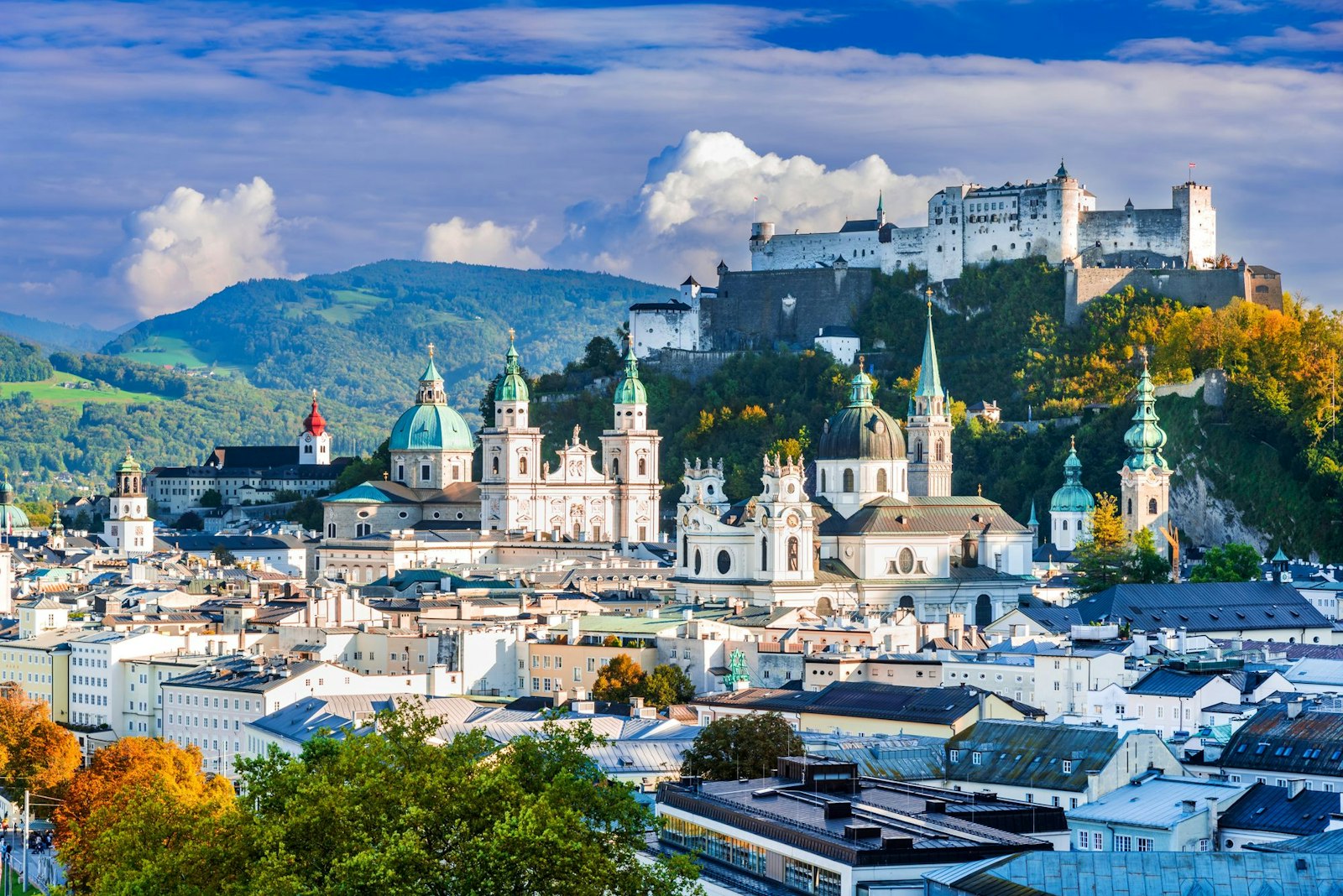
Mirabell Palace and Gardens provide a quieter setting, while the Salzburg Museum offers insight into the city's history and art. The birthplace of Wolfgang Amadeus Mozart, now a museum, is one of the city’s most visited sites.
The Salzburg Islamic Cultural Centre in the Itzling district offers prayer facilities. It is recommended to check prayer times and access details in advance. The nearby Alps offer opportunities for hiking and skiing, while the Salzkammergut region is known for its lakes and villages.
Several restaurants in Salzburg offer halal or vegetarian dishes. The Old Town has a range of international options, including Middle Eastern, Mediterranean and Asian cuisine.
Next is a short trip across the country to Wörthersee, a 2 hrs and 30 mins drive away.
Wörthersee
Lake Wörthersee in southern Austria offers scenic landscapes and clear turquoise waters in an Alpine setting, making it a relaxing stop on the journey.
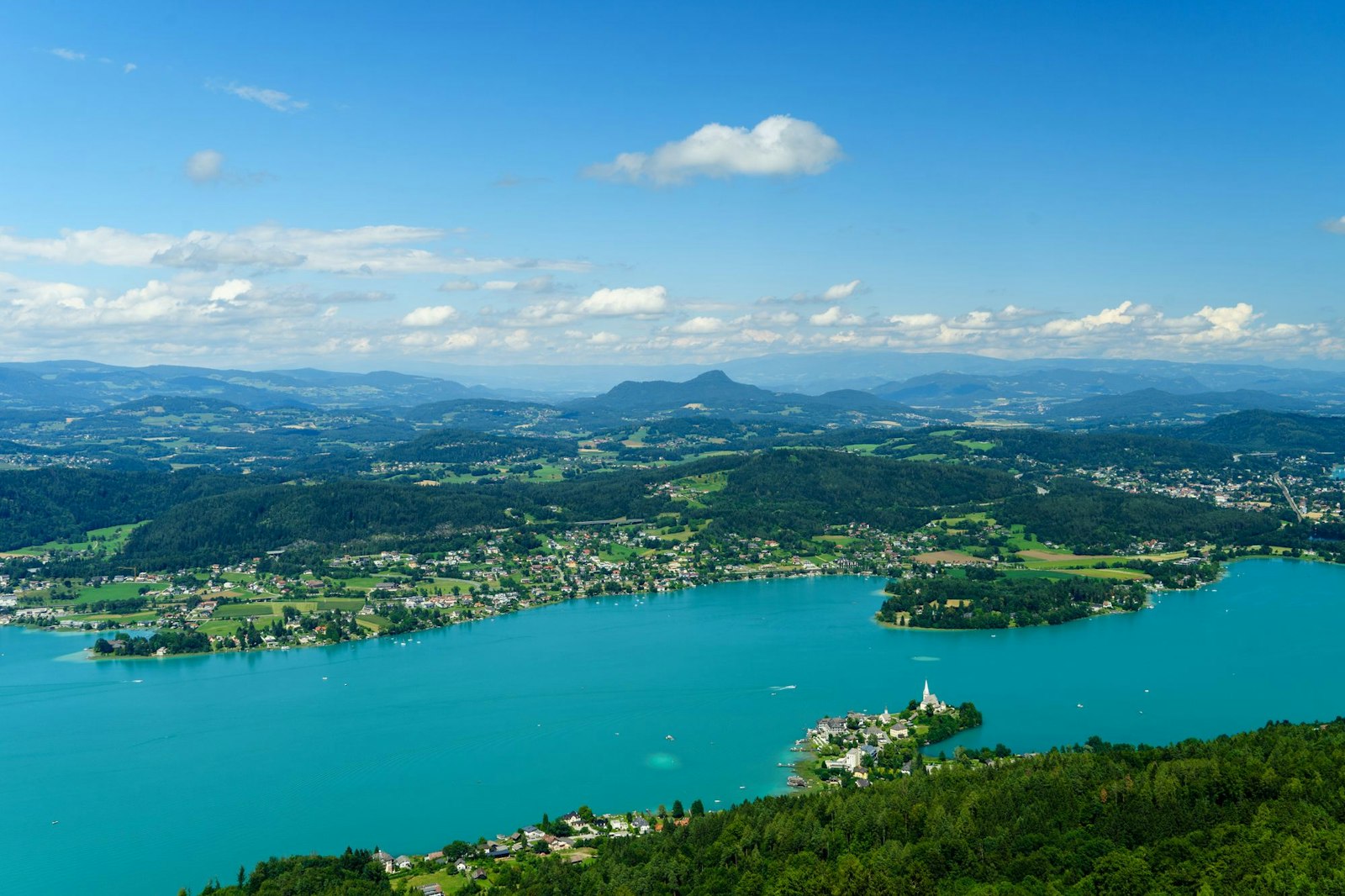
The area around Lake Wörthersee offers a range of outdoor activities. Visitors can enjoy walks or hikes, swim in the lake or relax along the shore. The surrounding mountains are also ideal for scenic drives and exploring nearby trails.
The Wörthersee region and its surrounding villages also reflect a rich history. Visitors can explore castles, churches and historic landmarks across the area. Nearby Klagenfurt has a well-preserved old town with museums that offer insight into Austrian history and culture.
While traditional Austrian cuisine often includes pork and non-halal ingredients, many restaurants offer vegetarian and seafood options.
It’s time for another short drive of 1 hour and 30 mins across the border to the Slovenian capital, Ljubljana.
Ljubljana
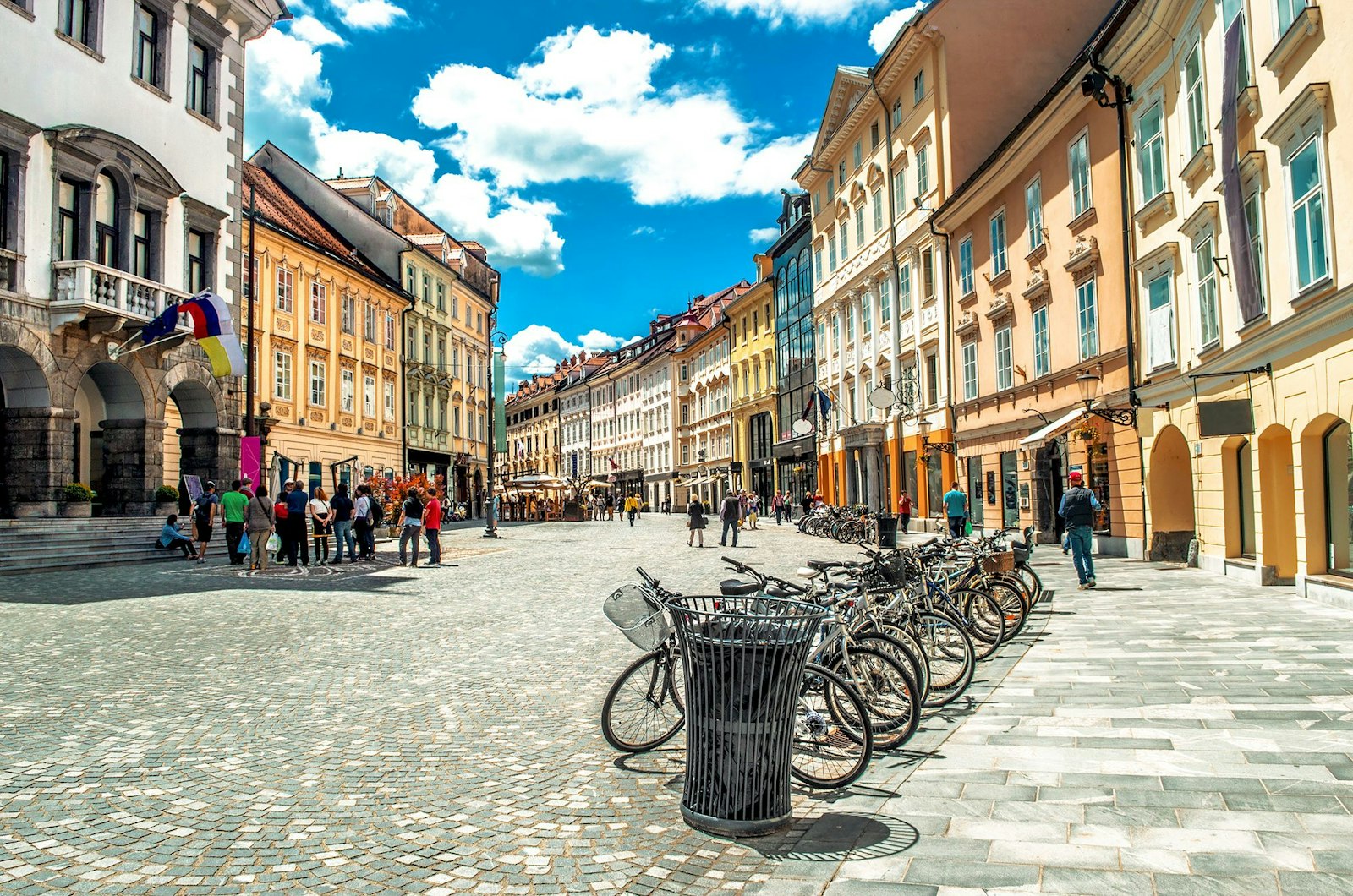
Ljubljana offers a combination of historical landmarks, vibrant culture and a relaxed atmosphere. It is known for its pedestrian-friendly streets, green spaces and distinctive architecture.
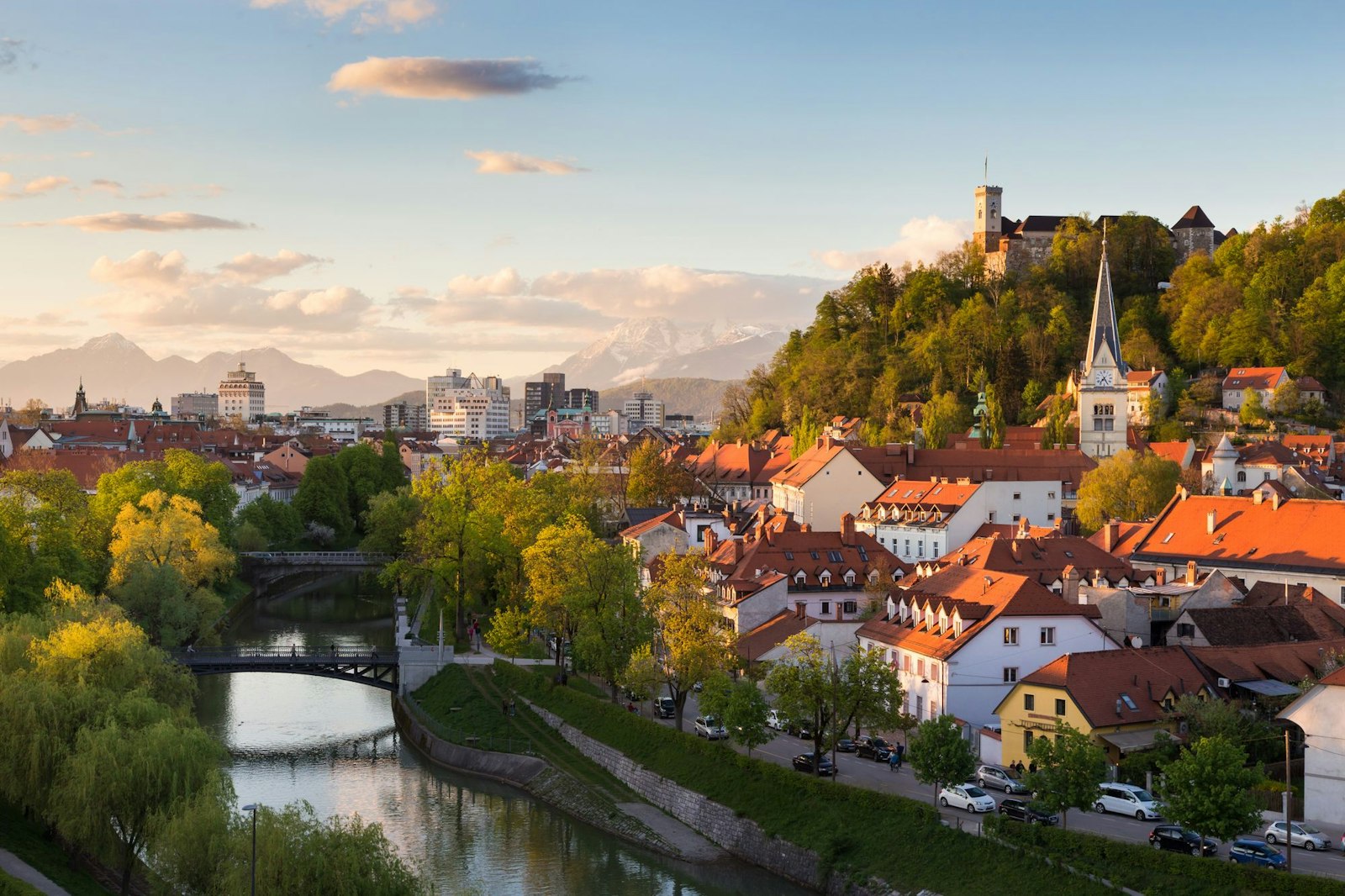
Ljubljana's history is reflected in its well-preserved architecture and landmarks. The mediaeval old town, with its cobbled streets and Baroque buildings, is easy to explore on foot. Landmarks such as Ljubljana Castle, the Triple Bridge and the Dragon Bridge highlight the city’s character.
The Islamic Religious and Cultural Centre offers prayer facilities and serves as a hub for the local Muslim community.
Ljubljana is also known for its green spaces, including Tivoli Park, which offers a quiet setting for relaxation. The nearby Lake Bled and Triglav National Park are within easy reach and known for their landscapes and hiking opportunities.
Ljubljana offers a range of dining options. While traditional Slovenian cuisine may include non-halal ingredients, several international restaurants offer halal options, including Middle Eastern and Mediterranean cuisine, as well as vegetarian and fish dishes.
Head east across the border into Croatia, with a 5-hour drive to reach Split.
Split
Split, located on Croatia’s Dalmatian Coast, is known for its blend of history, natural beauty and Mediterranean atmosphere. As the second-largest city in Croatia, it offers a range of cultural and architectural landmarks set along the coast.
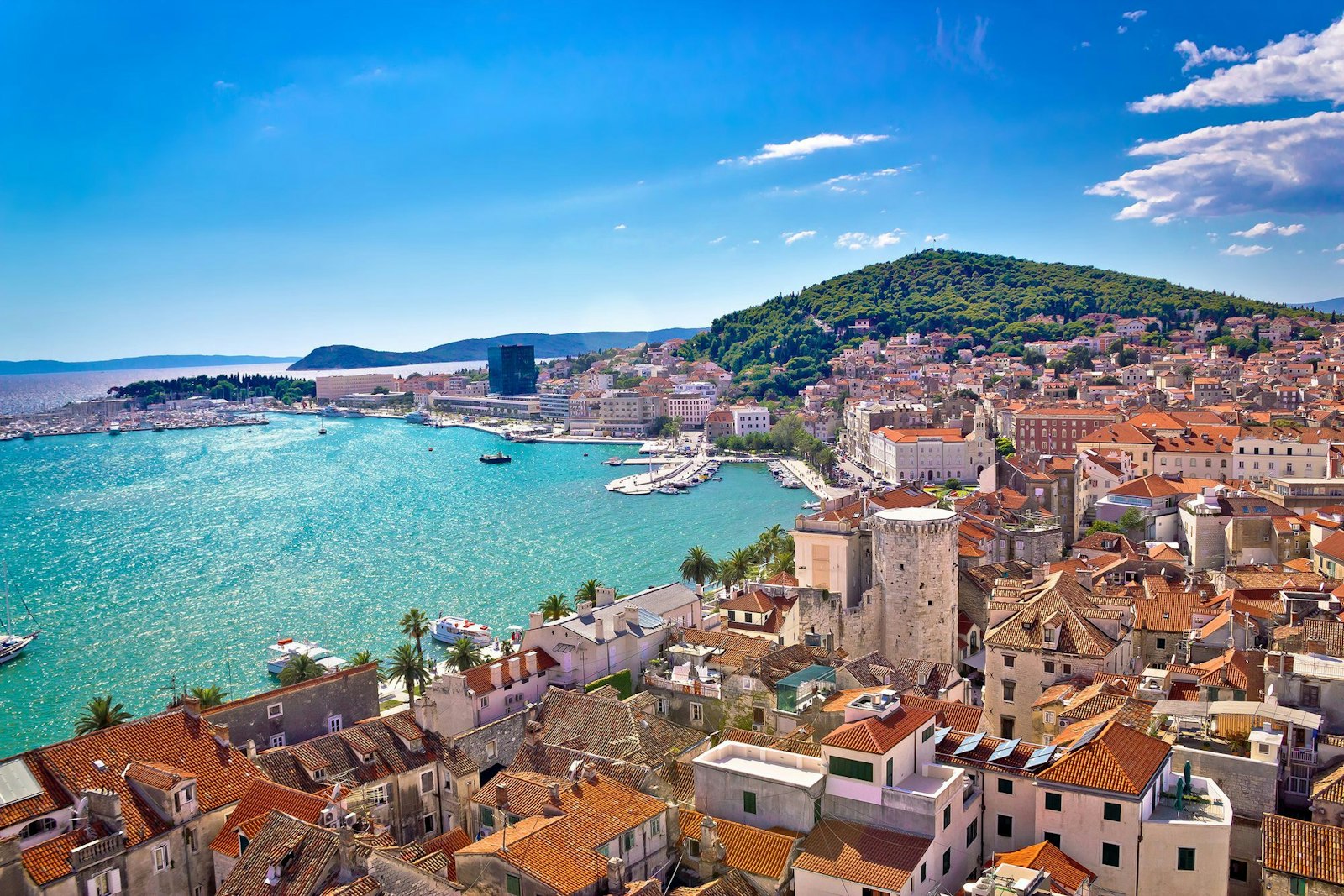
At the heart of Split is Diocletian's Palace, a UNESCO World Heritage Site and one of the best-preserved Roman complexes in the world. Its streets, squares and historic structures include the Temple of Jupiter and the Peristyle, an open courtyard that hosts cultural events. The mix of Roman, mediaeval and Renaissance architecture reflects the city’s long history.
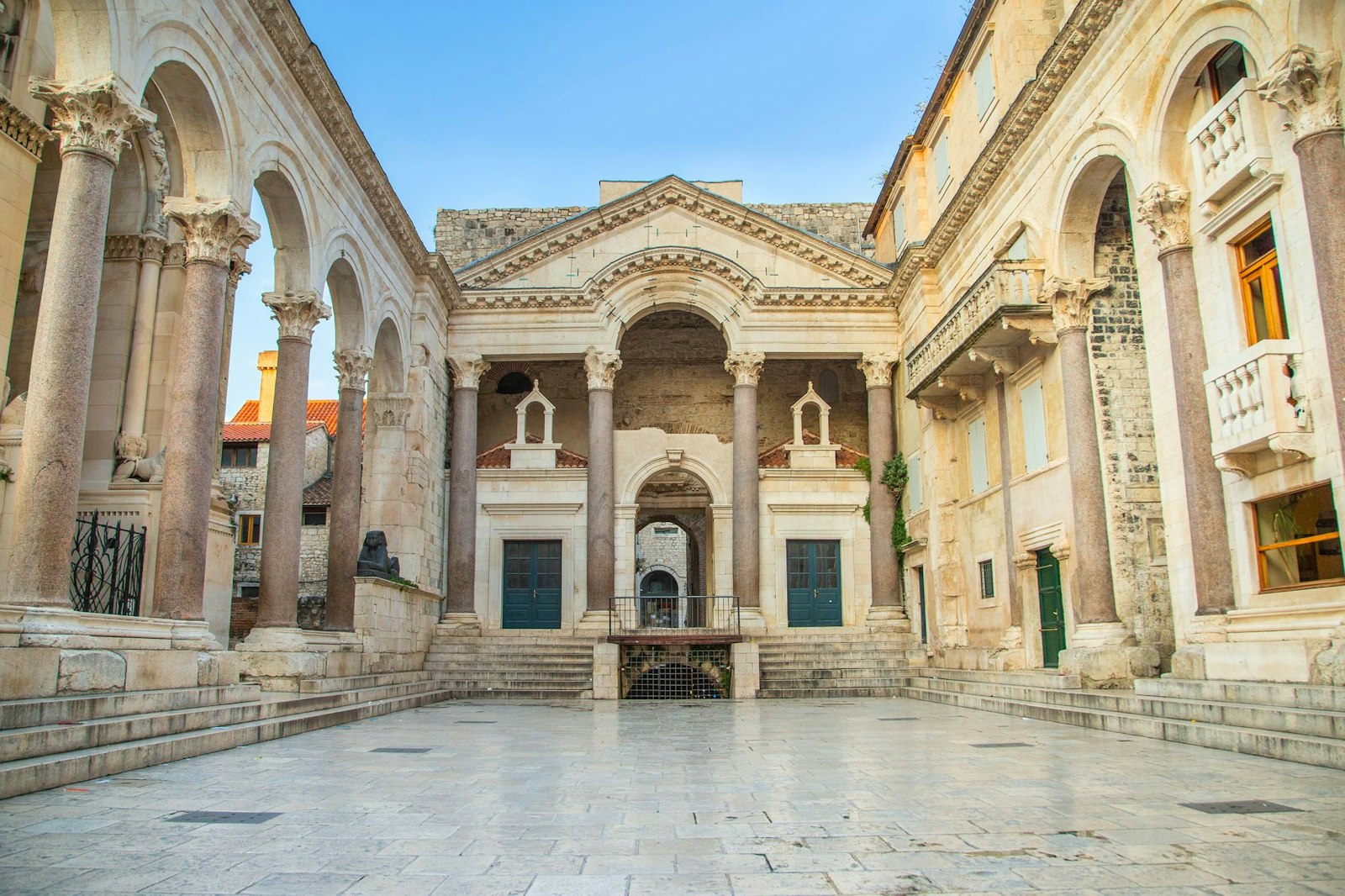
Beyond the palace, Split offers views of the Adriatic Sea and surrounding landscapes. Marjan Hill, a forest park, provides walking trails and views over the city and coastline. Nearby beaches, such as Bačvice Beach, offer a place to relax by the water.
For your spiritual needs, Split is home to the Islamic Centre of Split, where Muslim travelers can find prayer facilities and connect with the local Muslim community.
While halal-certified restaurants are limited, several establishments offer vegetarian, seafood and international cuisine options, providing suitable choices for Muslim travellers.
Our next destination is Mostar in southern Bosnia and Herzegovina, reached by a 2-hour drive.
Mostar
Mostar is known for its history and cultural significance. With a blend of Ottoman and European influences, the city has a strong Muslim heritage that remains visible today.
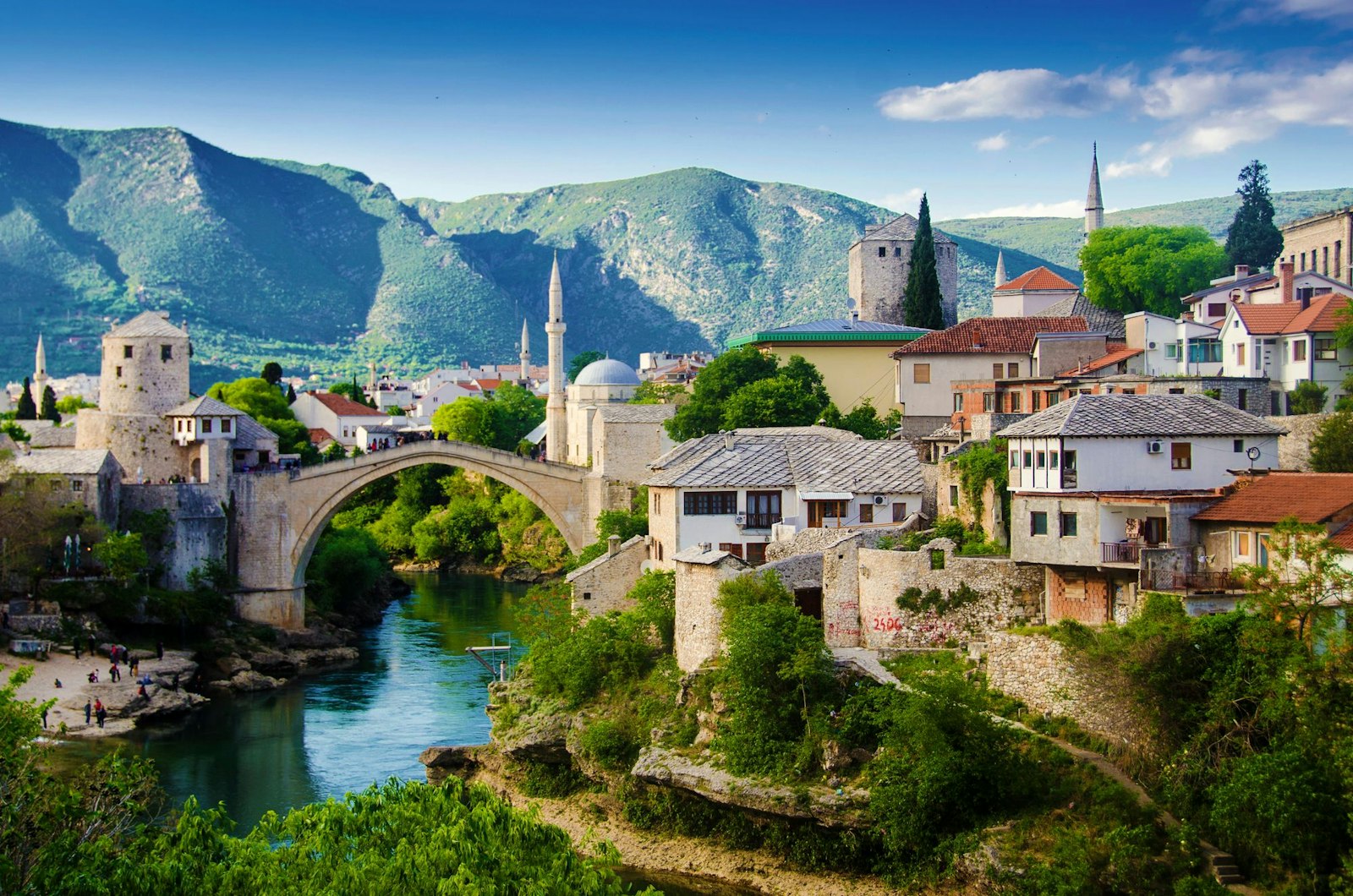
At the centre of Mostar is the Stari Most (Old Bridge), a UNESCO World Heritage Site built in the 16th century. It stands as a symbol of the city’s past and remains a focal point for visitors. From the bridge, there are views over the Neretva River and the surrounding old town.
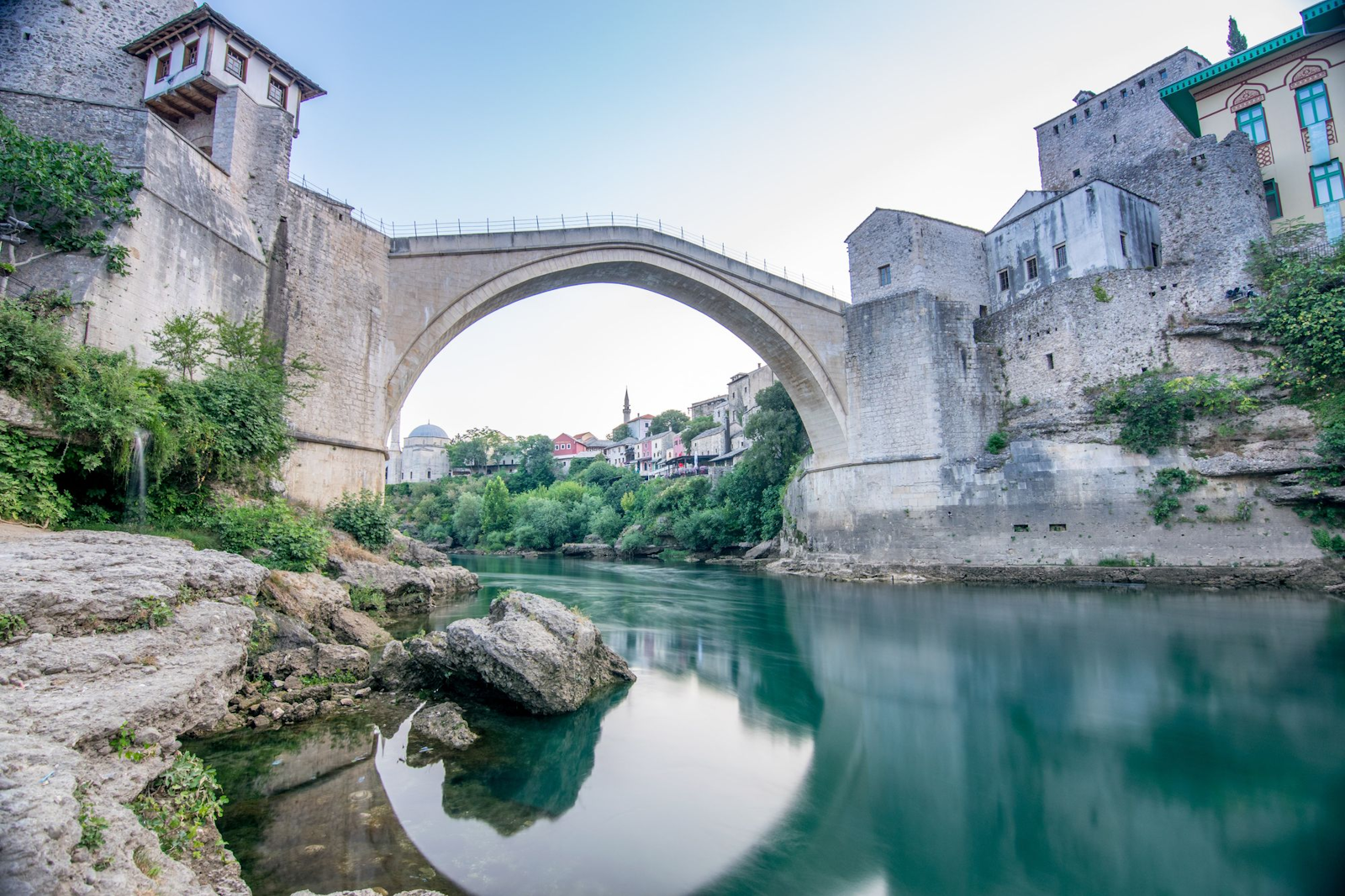
The old town is home to several mosques, including the Koski Mehmed Pasha Mosque, which offers prayer facilities. Its minaret and architectural details reflect the city’s Islamic heritage.
Mostar is a convenient stop for Muslim travellers, with halal food widely available. Restaurants and cafés serve traditional Bosnian dishes such as cevapi and burek.
The surrounding area offers mountains, rivers and outdoor activities, including hiking, rafting and swimming.
Head towards Sarajevo, the capital of Bosnia and Herzegovina, with a 2-hour drive to explore its rich history and charm.
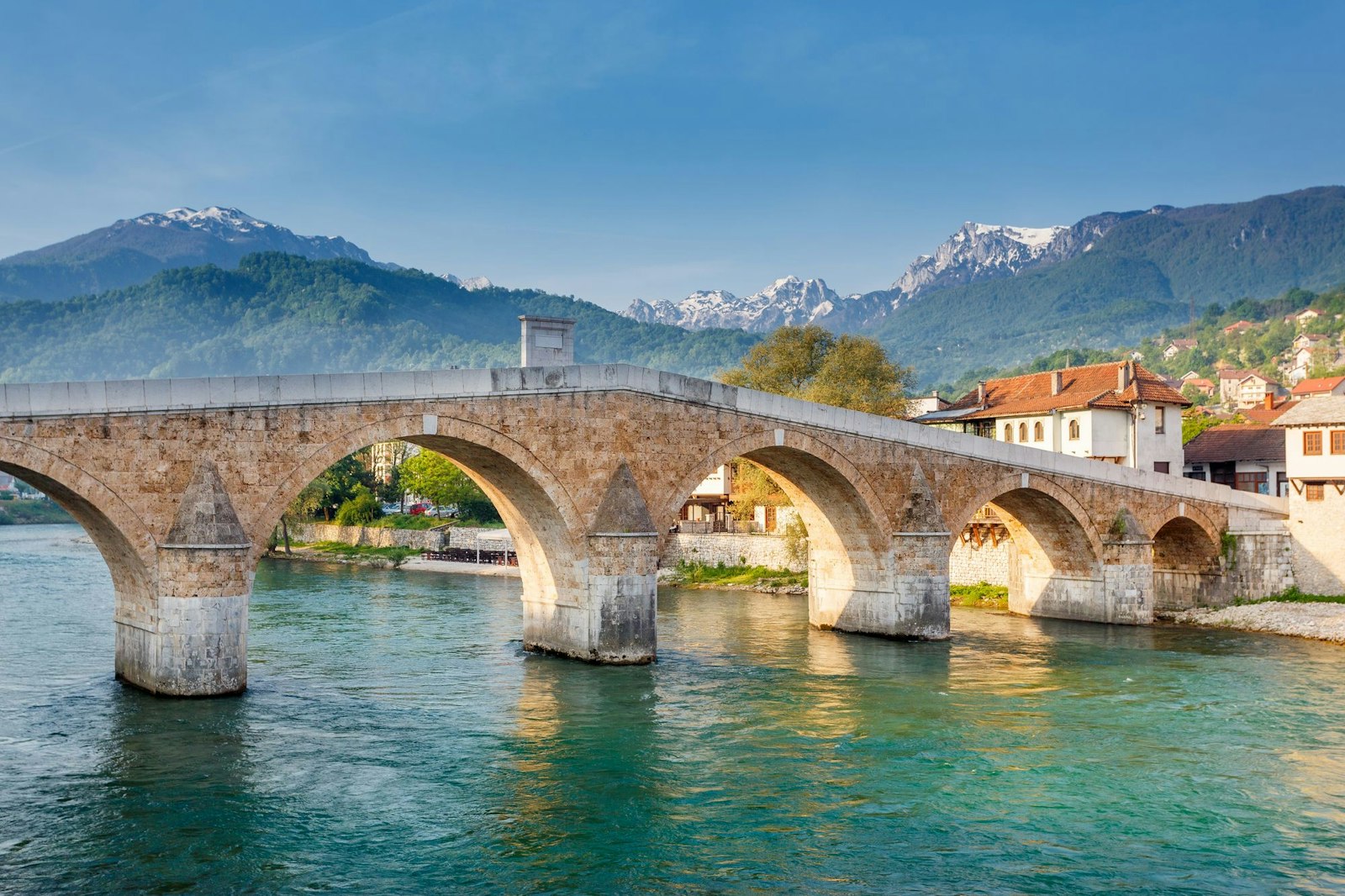
On the way to Sarajevo, you may wish to stop in Jablanica, famous in the Balkans for spit-roasted lamb. After having re-energised with a portion of delicious jagnjetina (roasted lamb), continue your journey to Sarajevo. The road will take you through Konjic, a worthwhile stop to view its famous bridge Stara Ćuprija (Old Bridge - köprü in Turkish), built over six slightly pointed stone arches between 1682 and 1683 by Ali-aga Hasečić, a wonderful example of Ottoman bridge architecture in the Balkans.
Sarajevo
Sarajevo is a captivating destination known as the “Jerusalem of Europe”, where cultures and traditions have intertwined for centuries. Its rich Islamic heritage and vibrant Muslim community make it a particularly meaningful stop on this journey.
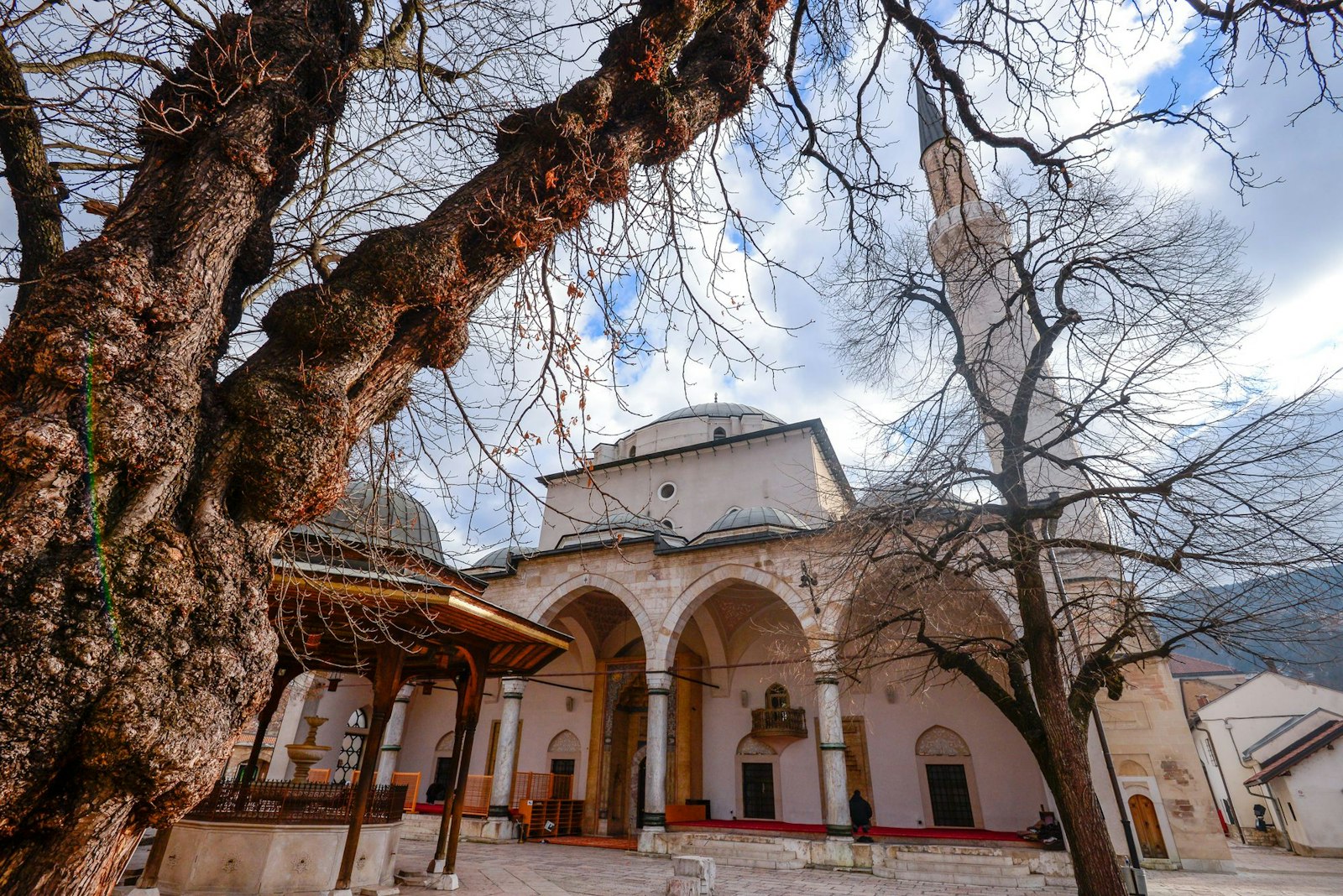
At the heart of the city lies the Gazi Husrev-Beg Mosque, a 16th-century architectural masterpiece and an important spiritual centre. Its elegant courtyard and serene atmosphere offer a moment of calm within the bustling city.
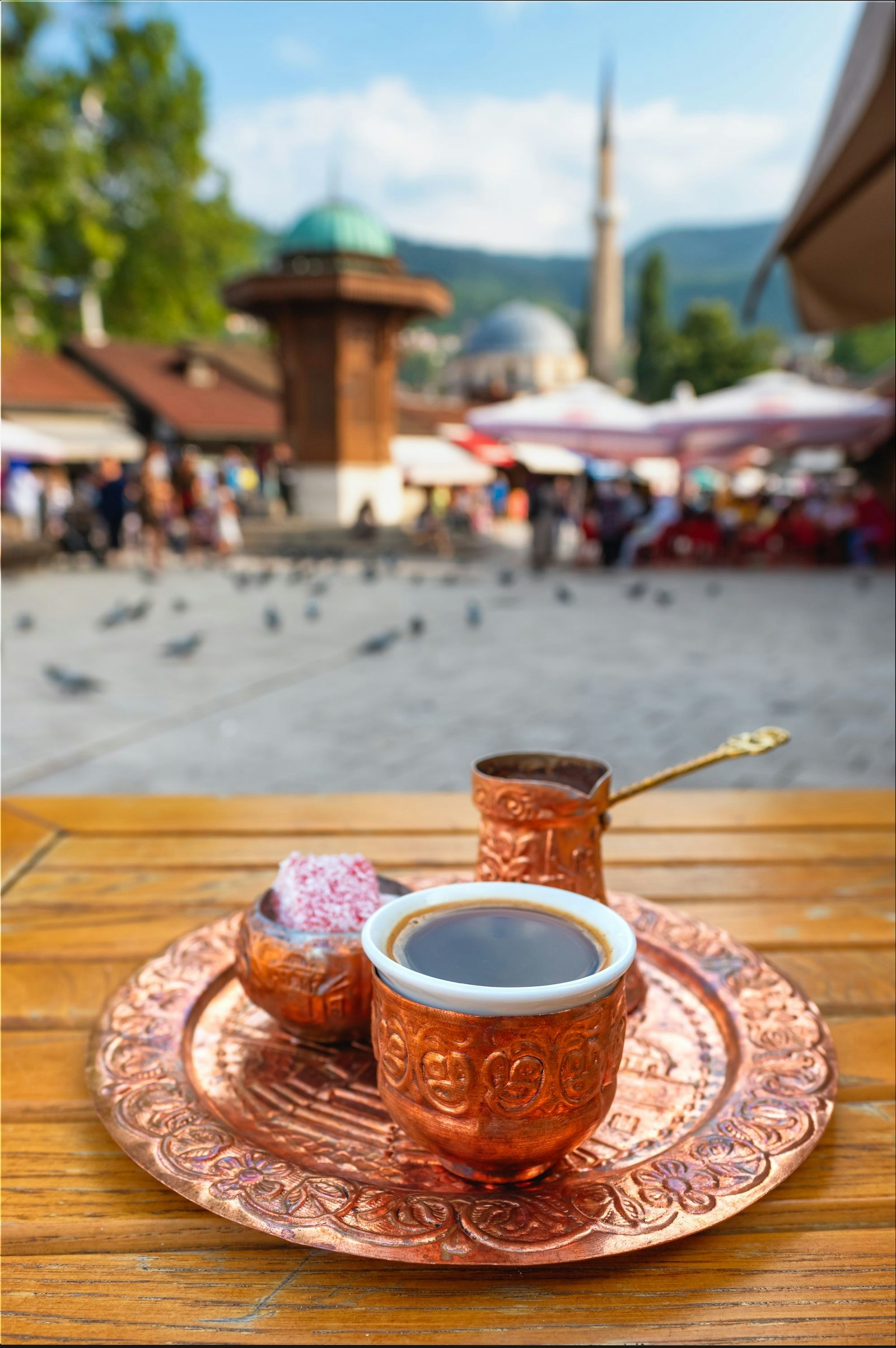
Baščaršija, the city's Ottoman-era bazaar, forms the historic core of Sarajevo and is centred around the iconic Sebilj fountain. Its narrow streets are filled with traditional crafts, local life and a strong sense of heritage.
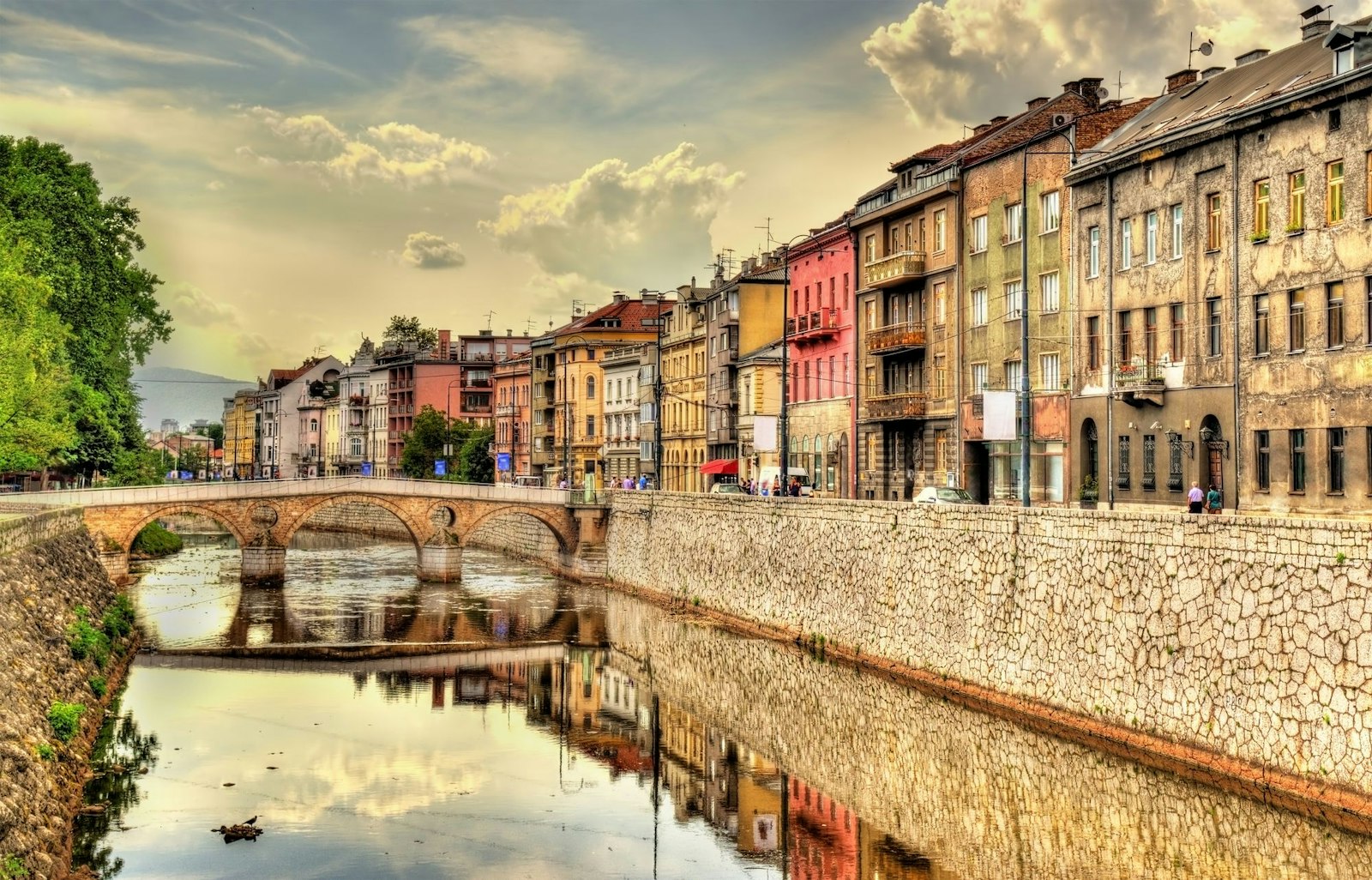
A short walk away, the Latin Bridge marks a pivotal moment in world history as the site of the 1914 assassination that led to the outbreak of World War I. The Tunnel of Hope offers further insight into the city’s more recent past, serving as a powerful reminder of resilience during the siege of Sarajevo.
Surrounded by mountains and natural beauty, Sarajevo also provides opportunities to pause and reflect before continuing your journey.
Sarajevo offers a wide range of halal food, with traditional Bosnian dishes widely available across the city.
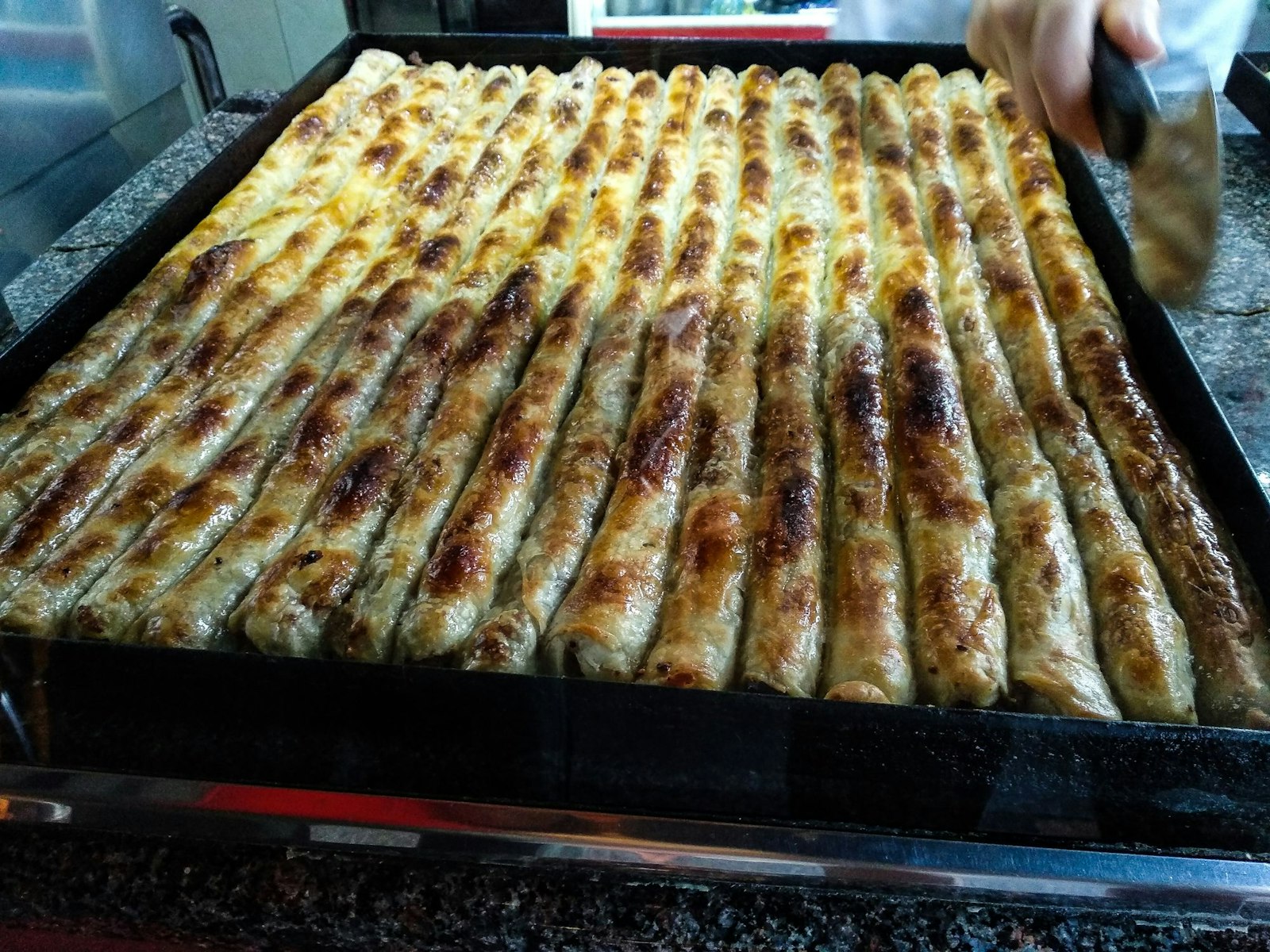
Next up is a 2 hr and 30 min drive to eastern Bosnia and Herzegovina, to the town of Srebrenica.
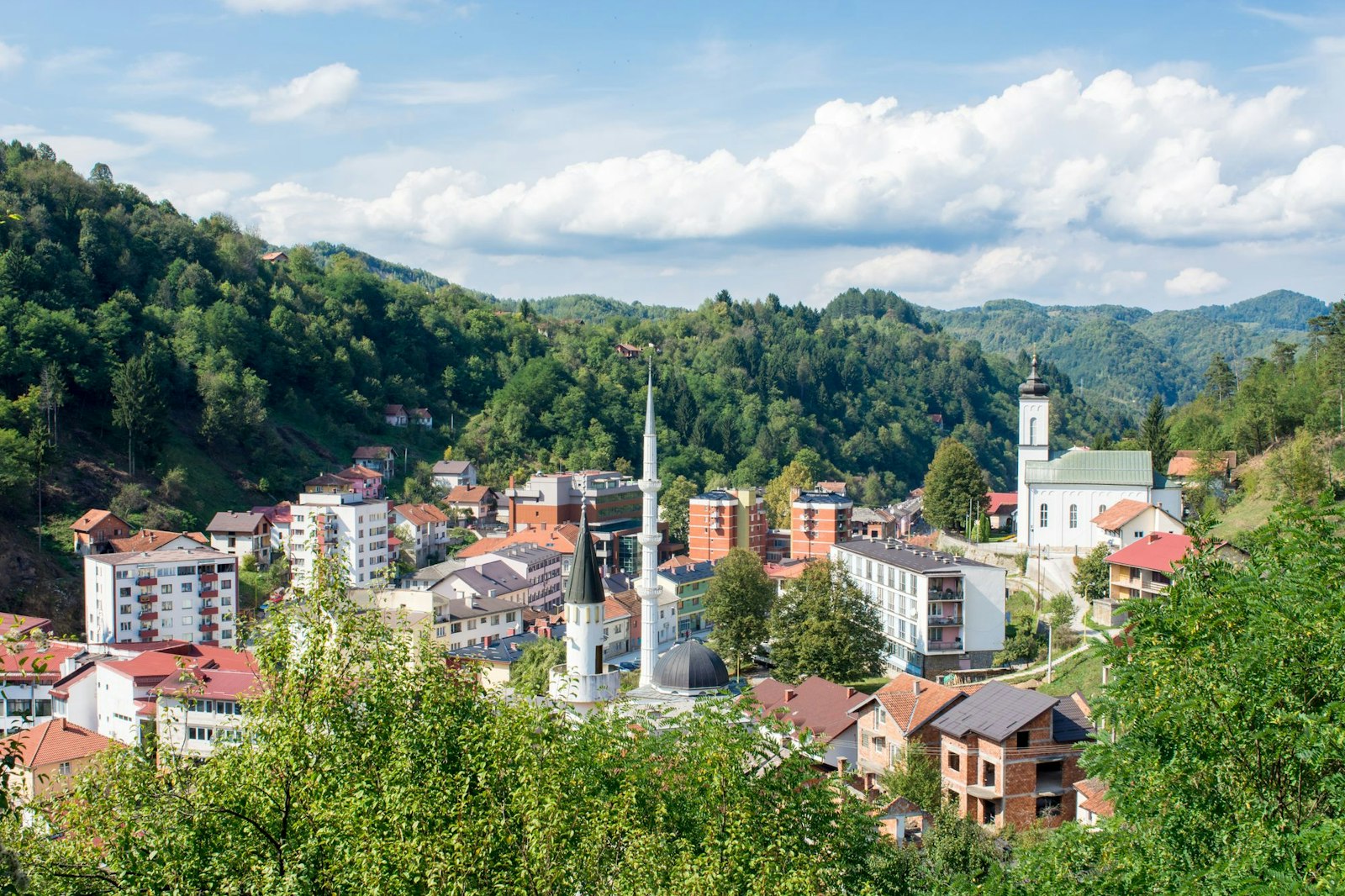
Srebrenica
Srebrenica holds significant historical and emotional importance for Muslims. While the name is closely associated with the events of the Bosnian War, it is also a place for reflection, remembrance and a deeper understanding of the past.
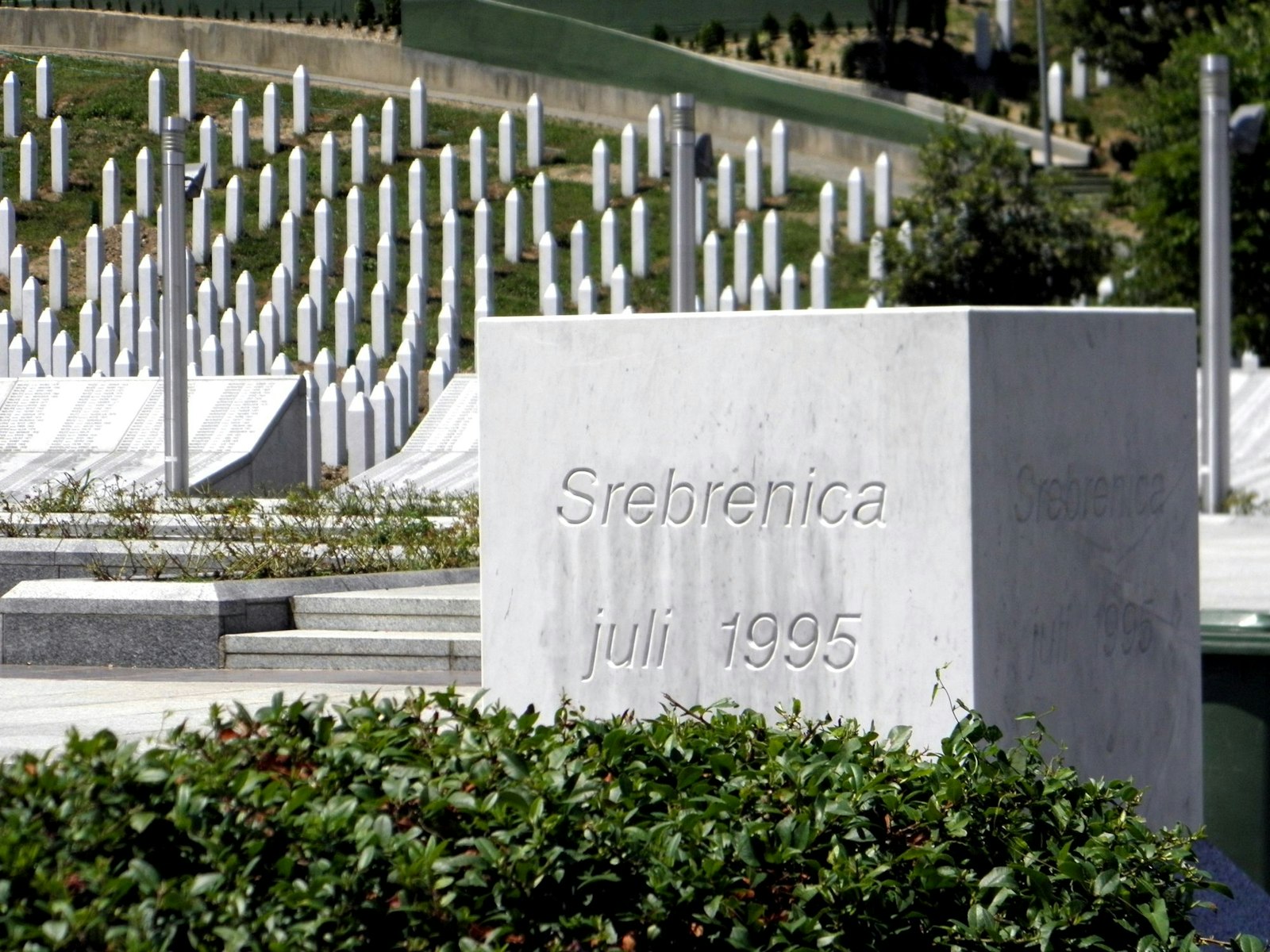
Srebrenica is home to the Srebrenica Genocide Memorial and Cemetery, a poignant tribute to the victims of the Bosnian War. This memorial complex stands as a solemn reminder of the genocide of July 1995, in which more than 8,000 Bosniak Muslim men and boys were killed. The cemetery serves as a place of mourning and remembrance and is the final resting place for thousands of identified victims. Visitors often take time here for quiet reflection and remembrance.
The Srebrenica-Potočari Memorial and Museum provides an account of the events of the war. Exhibits include photographs, personal testimonies and artefacts that help visitors understand its impact on the local community.
The surrounding area offers hills, forests and rivers, providing a quieter setting beyond the memorial sites.
The local community continues to live with the legacy of these events, and the town remains an important place of remembrance.
Our next stop on the journey is a 3-hour drive to Visegrad, also in eastern Bosnia and Herzegovina.
Visegrad
Visegrad combines natural surroundings with a strong historical and cultural identity. The town reflects a long-standing heritage shaped by its past.
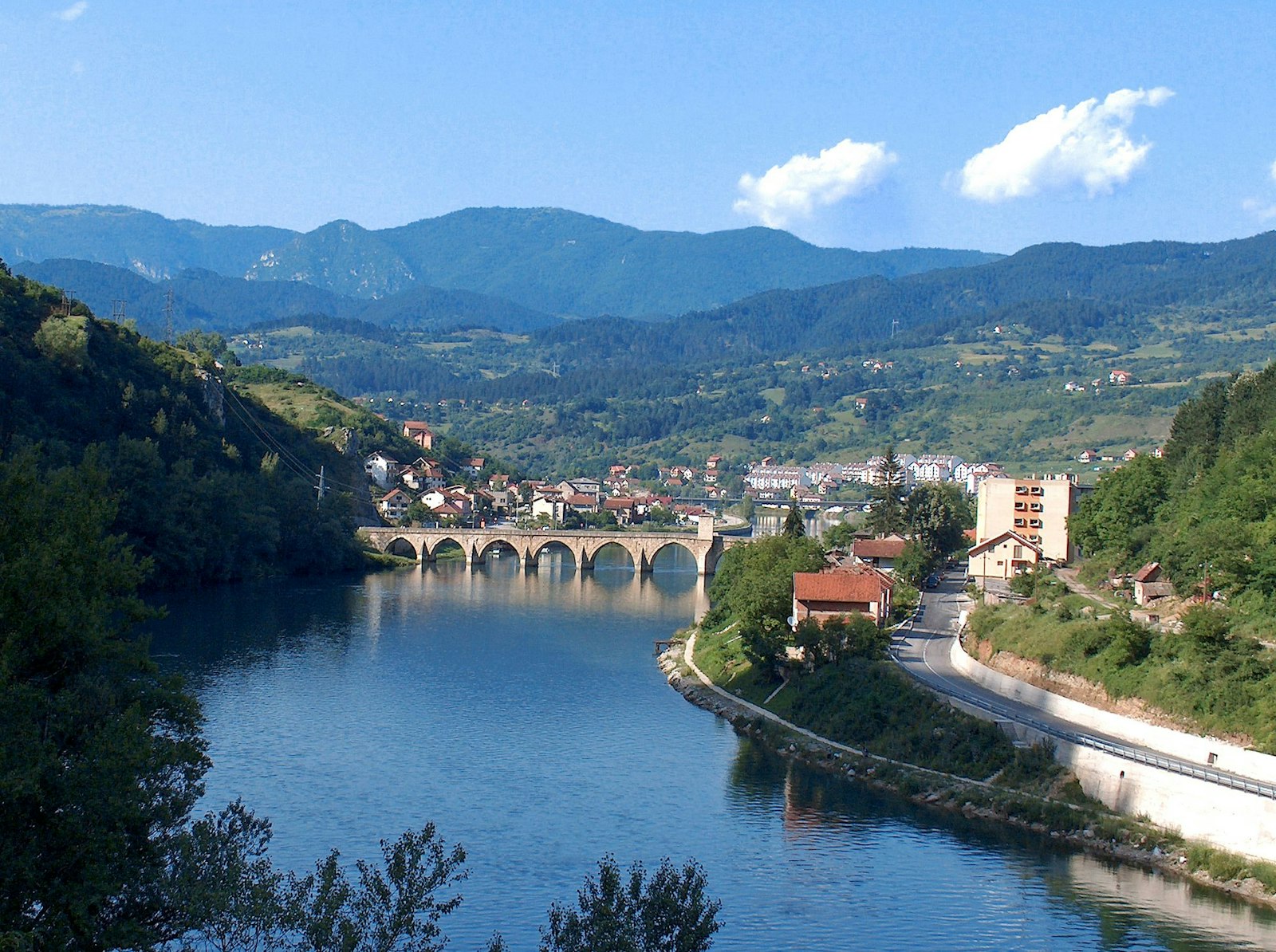
Visegrad is renowned for its iconic Mehmed Paša Sokolović Bridge, a UNESCO World Heritage site and architectural masterpiece. Built in the 16th century, this Ottoman-era bridge spans the emerald-green Drina River, connecting the two sides of the town and standing as a powerful symbol of its history. It also inspired Nobel Prize-winning author Ivo Andrić’s novel The Bridge on the Drina, adding literary dimension to its cultural importance. Standing on the bridge offers sweeping views of the surrounding landscape and a moment to reflect on the region’s layered past.
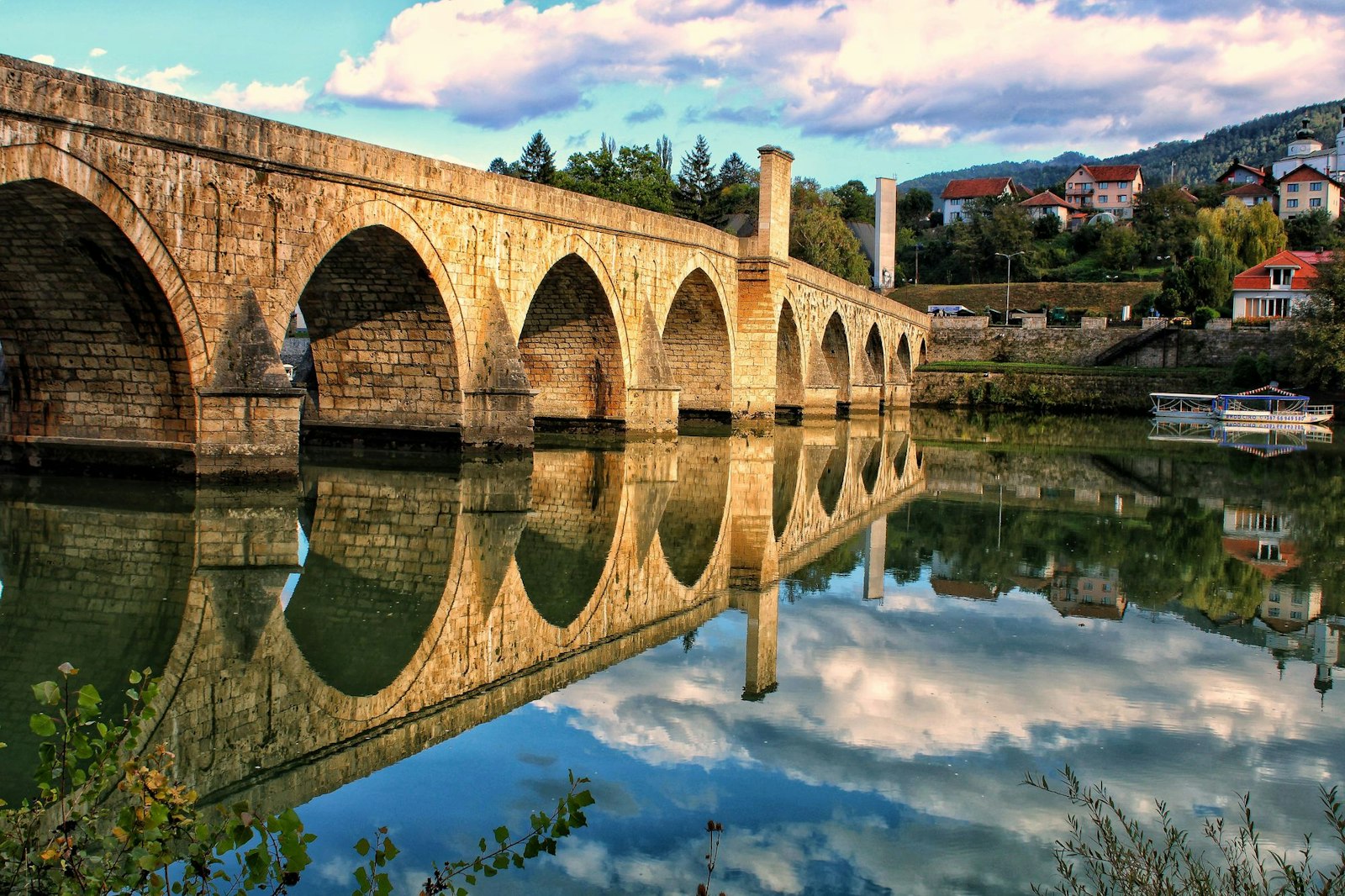
The Ottoman influence is prevalent throughout Visegrad, with its charming old town showcasing traditional architecture and cobblestone streets. The town’s old centre reflects its Ottoman heritage, with traditional architecture and mosques such as the Visegrad Mosque.
Visegrad is also surrounded by natural landscapes. The Drina River offers opportunities for boat trips, fishing and walks along its banks, while the nearby mountains provide hiking routes with views over the surrounding area.
Halal food is available in Visegrad in limited quantities, mainly in local restaurants serving traditional Bosnian cuisine, as well as in smaller cafés and markets.
Our next destination is Serbia, with a 5 hr and 20 min drive to Nis.
Nis
As one of the oldest cities in Europe, Nis has a rich cultural heritage and is known for its stunning architecture, ancient ruins and natural beauty. One of its most famous landmarks is the Nis Fortress, an Ottoman-era fortress. Visitors can enjoy views over the city and the Nisava River while learning about its history.
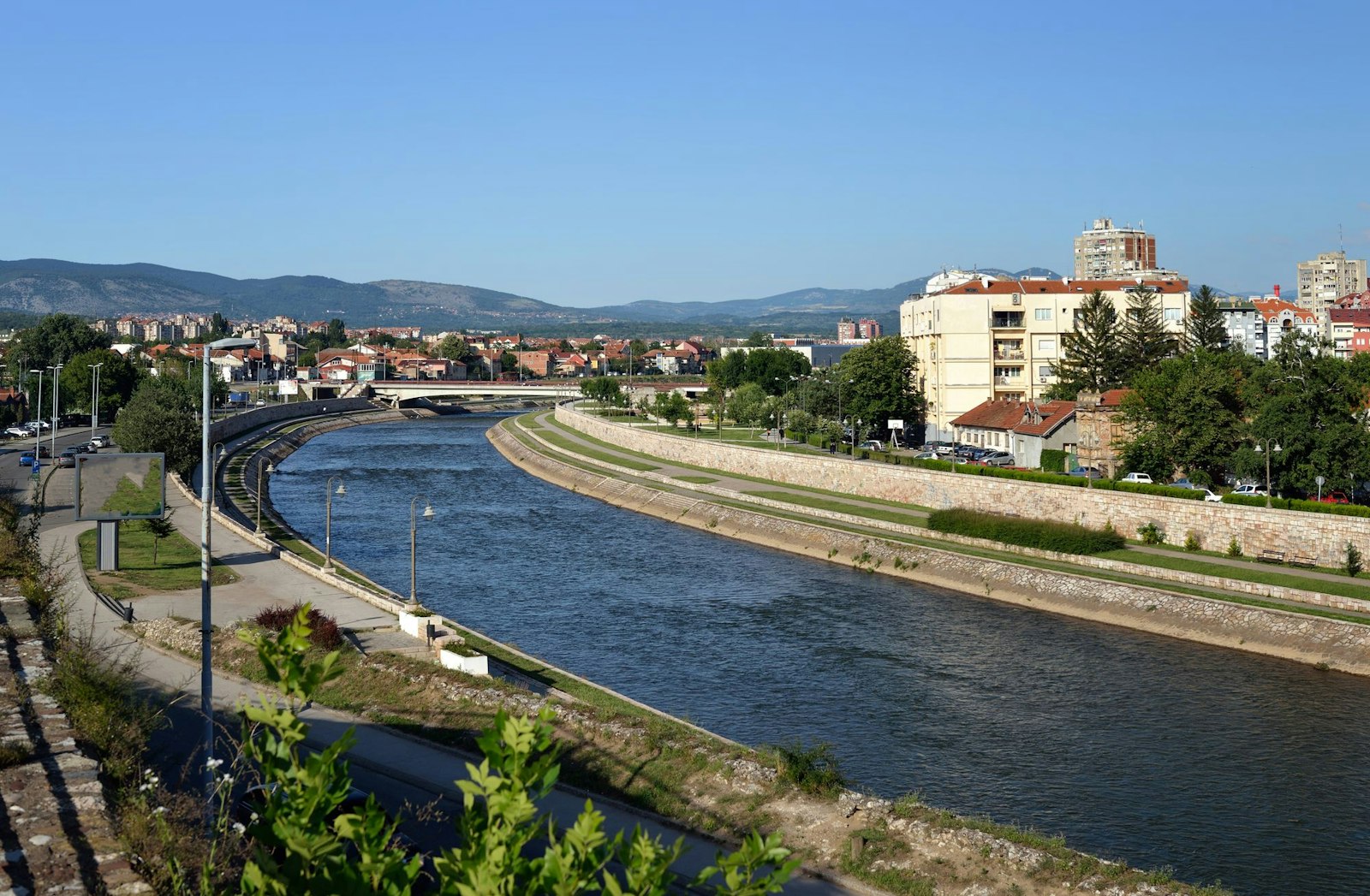
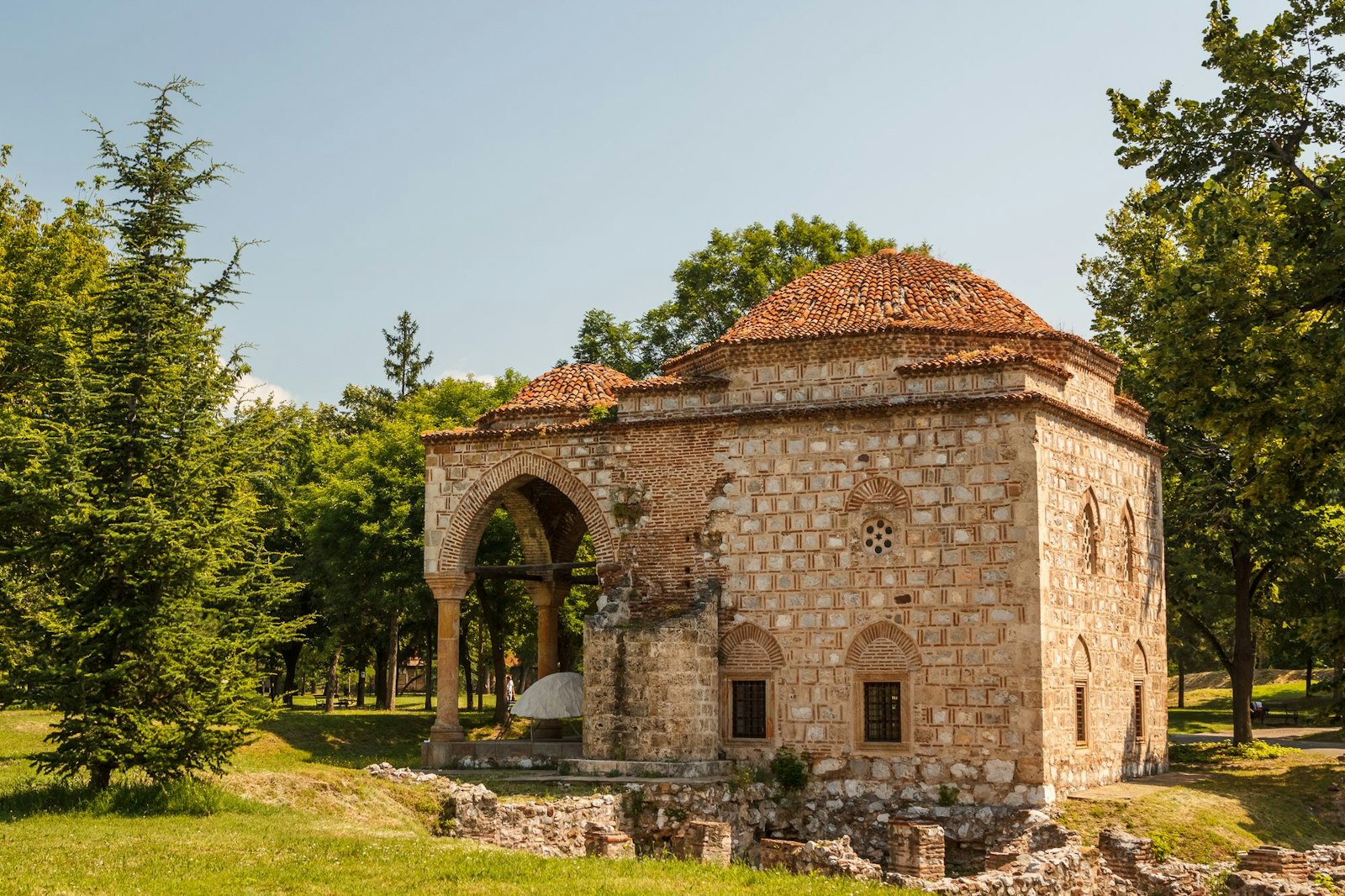
Niš has several mosques reflecting its Ottoman heritage. The 16th-century Bali Bey Mosque is a notable example of Ottoman architecture, known for its blend of different masonry styles in a single façade. Following its restoration, the mosque was repurposed as an art gallery for local artists, and although most of its interior was whitewashed, a small portion of the original stonewall remained undyed.
For those looking to explore the natural beauty of the area, Niska Banja Spa is a popular destination. This thermal spa offers a range of treatments and therapies and is known for its healing properties.
In addition, Nis offers several museums and sites of historical interest. The National Museum of Nis showcases the city’s history and culture, while the Skull Tower is a unique monument commemorating the victims of a 19th-century battle.
Halal food options in Nis are limited but available in selected restaurants and local markets. Visitors will find simple dishes as well as vegetarian and grilled options, particularly in smaller eateries and bakeries.
It’s time to head to Sofia in Bulgaria, further into Eastern Europe with a 2 hr 20 mins drive.
Sofia
Sofia is known for its striking architecture, layered history and significant Islamic heritage. It is of particular interest to those drawn to Ottoman history, as the city came under Ottoman rule in 1382 and developed into an important administrative and cultural centre. During this period, Sofia was home to numerous mosques, madrasahs and public buildings.
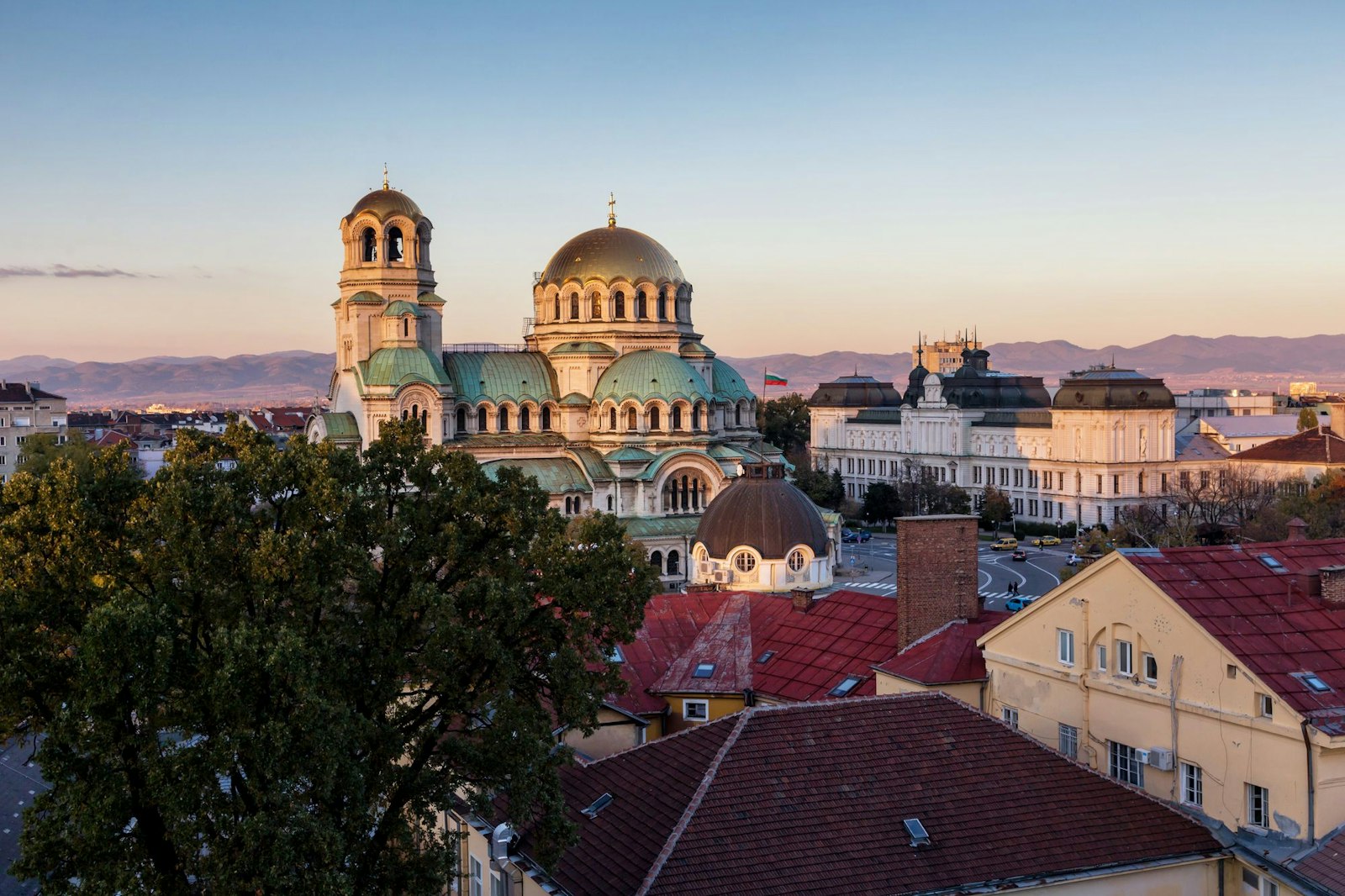
One of the most famous landmarks in Sofia is the Alexander Nevsky Cathedral. This cathedral is the largest in Bulgaria and an important symbol of the country's Orthodox Christian heritage.
Built in the 16th century, the Banya Bashi Mosque remains one of the few functioning Ottoman mosques in Sofia and is open for daily prayers. Next to the mosque are the historic mineral baths, which gave Banya Bashi its name. The Sofia Islamic Centre also provides prayer facilities and Quranic classes.
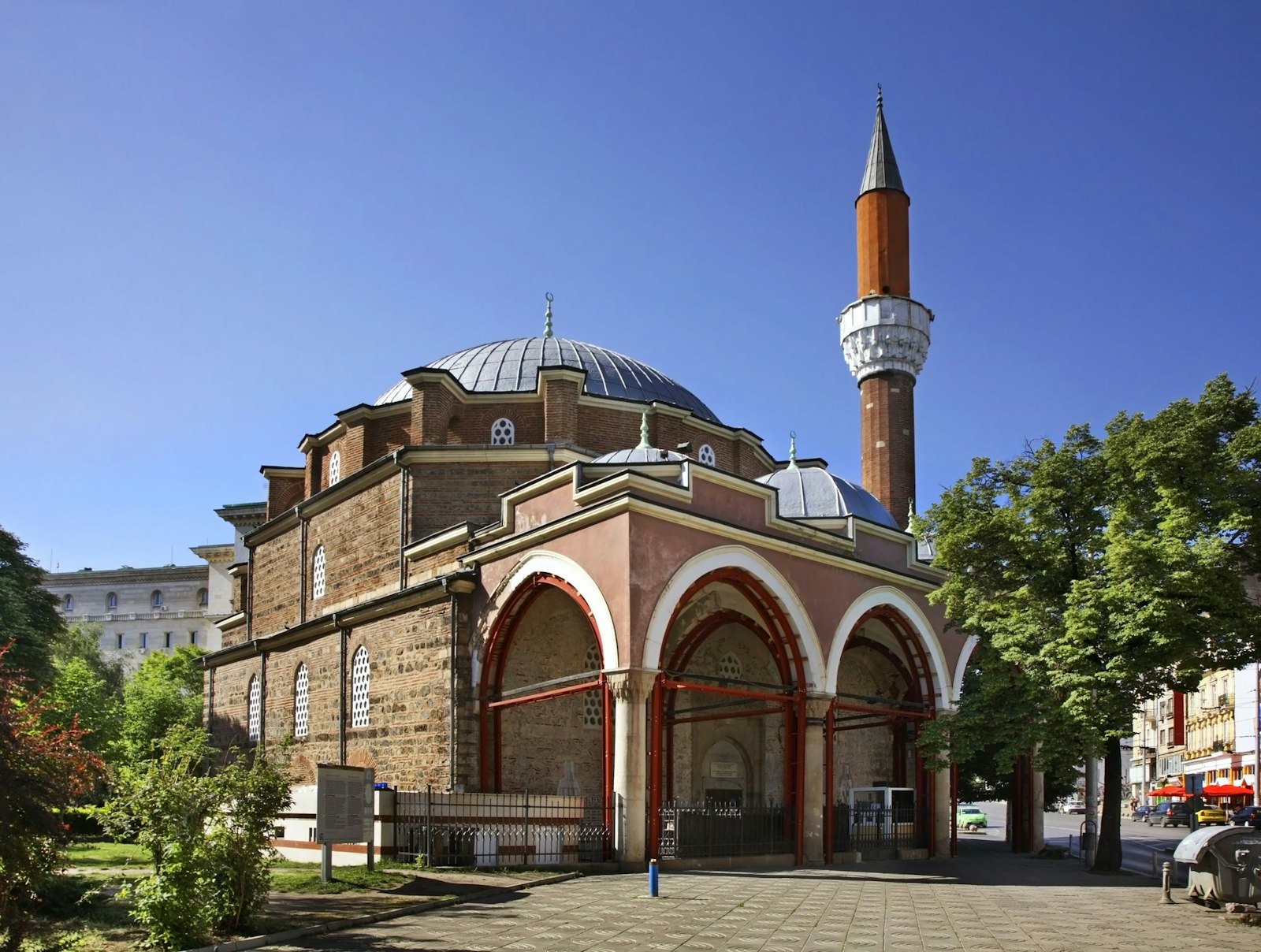
Another major Ottoman-era site in the city centre is the former Great Mosque, historically associated with Koca Mahmut Paşa, which today houses the National Archaeological Museum
The former Black Mosque (Kara Camii), now the Sveti Sedmochislenitsi Church, is another example of the city’s layered history and changing use of religious buildings over time.
The National Museum of History showcases Bulgaria’s history and culture, while the Boyana Church is a UNESCO World Heritage site with stunning medieval frescoes.
Sofia offers several options for halal food, alongside markets such as the Central Market Hall, where visitors can find a variety of produce, meats and spices.
Continue your adventure towards Plovdiv, the second-largest city in Bulgaria, just a 1-hour 45-minute drive away.
Plovdiv
Our penultimate stop on this journey, Plovdiv is one of Europe’s oldest continuously inhabited cities. It is best known for its romantic Old Town, which is full of colourful and creaky 19th-century mansions that are now house-museums, galleries and guesthouses.
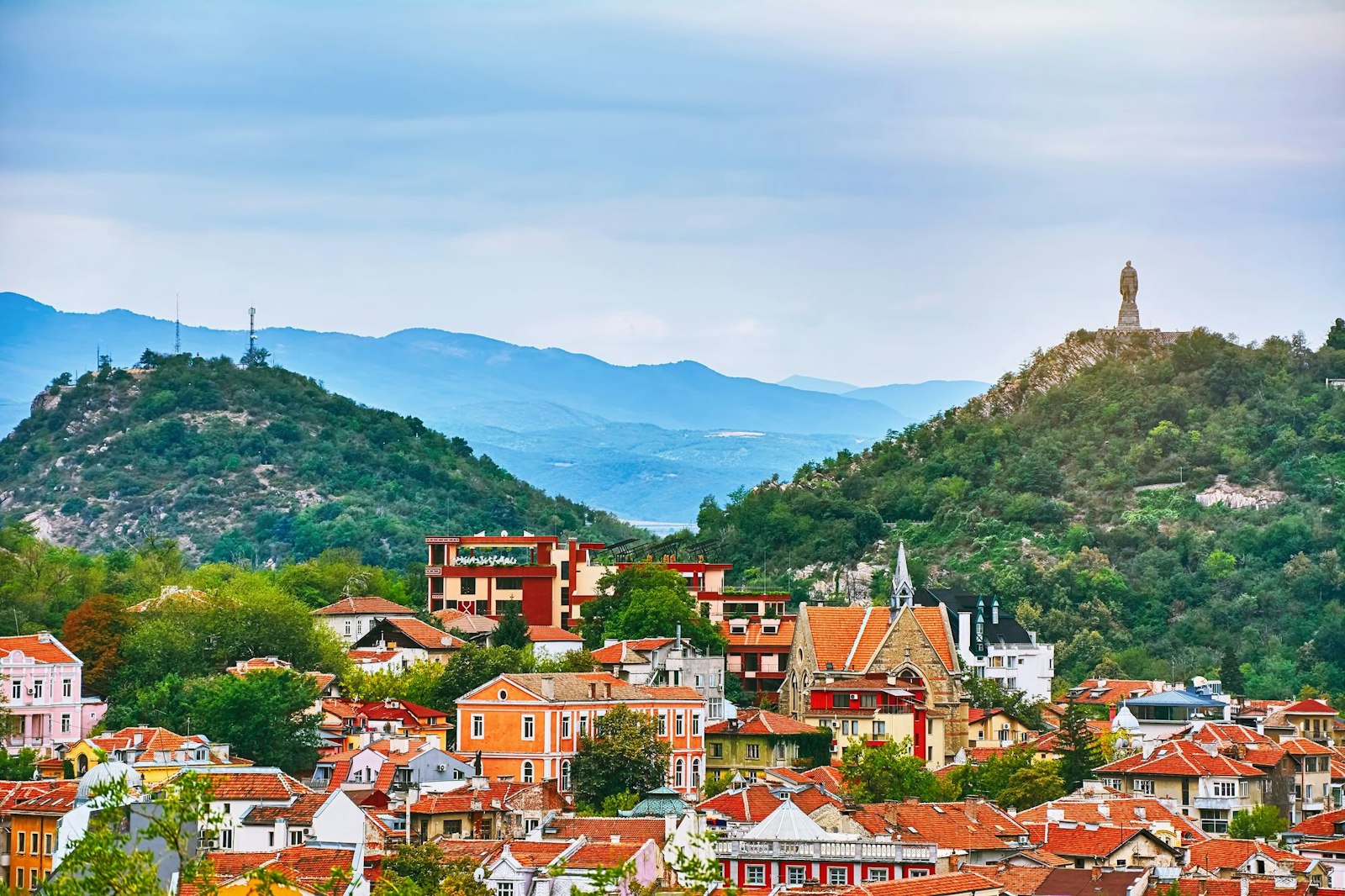
A key landmark is the Dzhumaya Mosque, located in the centre of Plovdiv and dating back to the Ottoman period. It remains an important site reflecting the city’s Islamic heritage. You can also visit the Imaret Mosque and the Taskopru Mosque.
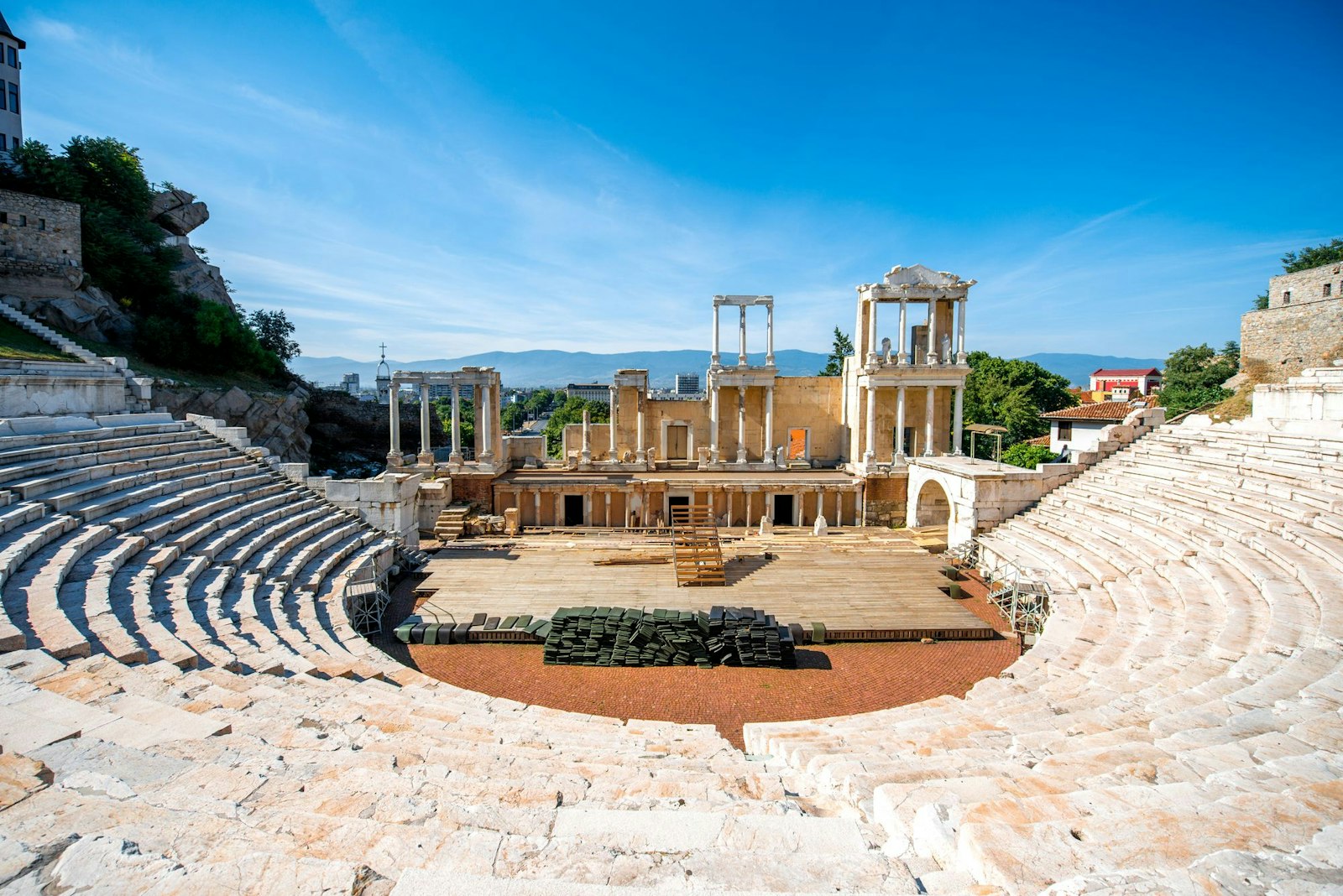
The Roman Theatre is an ancient theatre from the 1st century AD, while the Ancient Stadium is a well-preserved 2nd-century artefact.
Plovdiv has a selection of restaurants offering halal-friendly options. Markets also offer a range of fresh produce, meats and spices.
After your visit to Plovdiv, it’s time for the final leg of your road trip, which takes you to the Turkish city of Edirne with a 2 hr 15 mins drive.
This SılaYolu back home to Türkiye has taken you not only on a road trip through the beautiful scenery and bustling cities of Europe, but on a cultural and spiritual journey through centuries of Ottoman history on the way!
Edirne
Edirne is a historic Turkish city that once served as the Ottoman capital before the conquest of Istanbul. It is known for its architecture, history and prominent mosques.
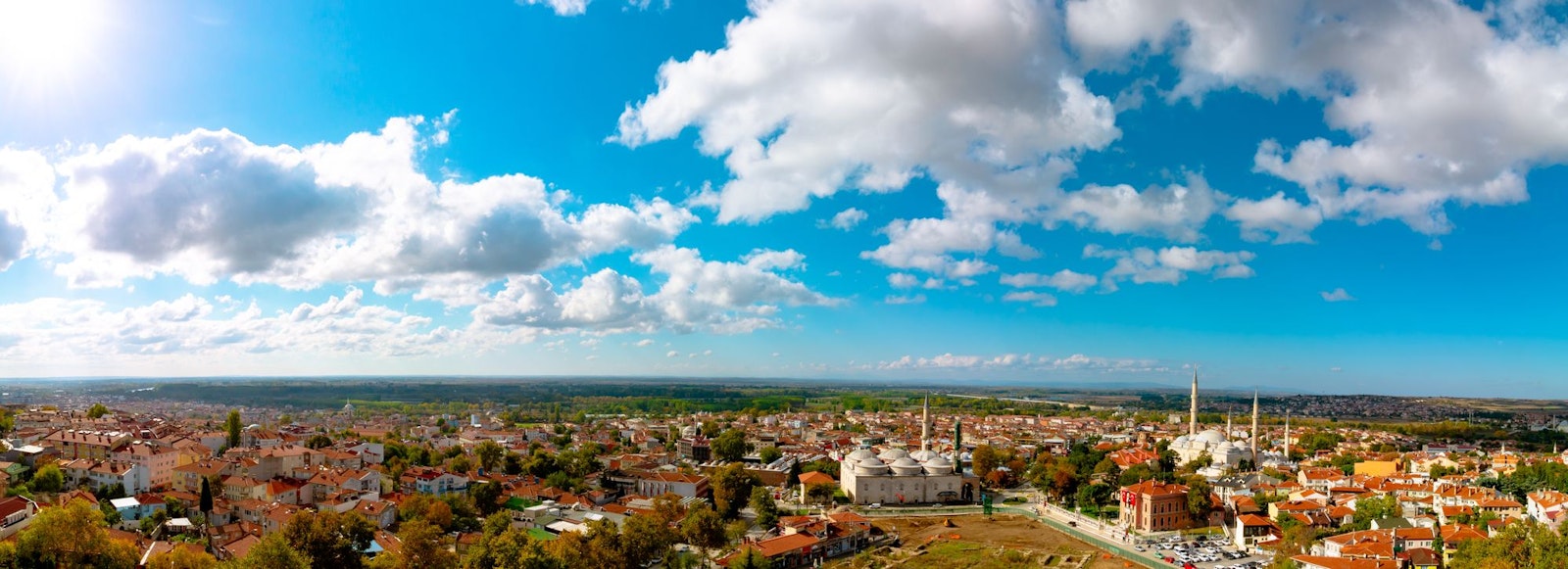
Designed by the great Ottoman architect Mimar Sinan, the Selimiye Mosque is widely regarded as the masterpiece of classical Ottoman architecture and one of the finest achievements of Islamic design.
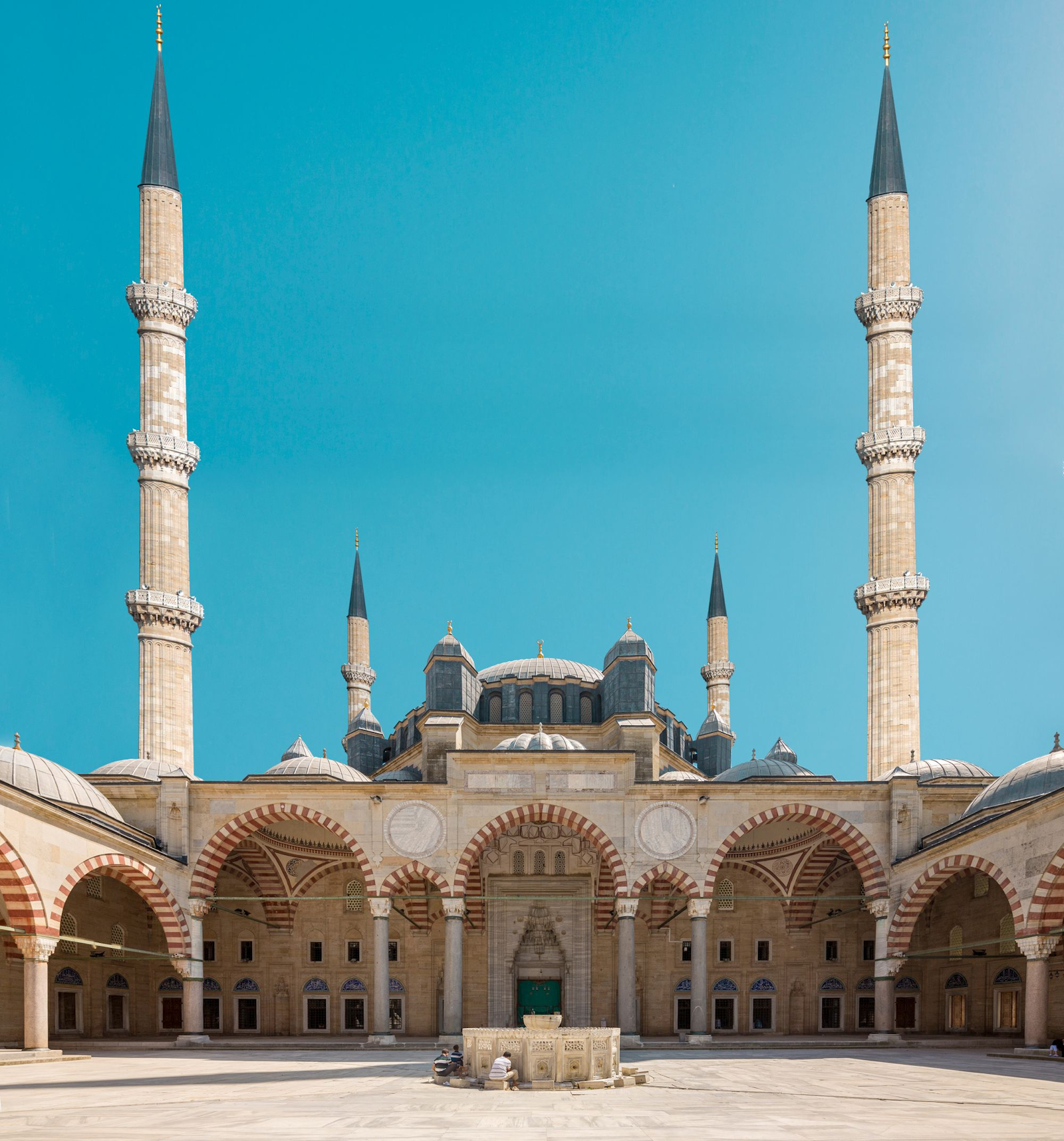
The 14th-century Eski Cami (Old Mosque) and the Üç Şerefeli Mosque are also notable landmarks, reflecting the city’s rich Ottoman heritage.
Edirne also has several museums and historical sites. The Edirne Palace is an Ottoman-era complex, while the Balkan Wars Museum and the Museum of Turkish Islamic Art provide insight into the region’s history.
In addition, Edirne is famous for its traditional Turkish baths (hamams). The Üç Şerefeli Hamamı is a fine example of Ottoman-era bathhouses and offers a range of treatments and therapies.
Edirne is famous for its Edirne-style ciğer (fried lamb's liver) with red onion salad. Visitors can enjoy halal food at nearby restaurants such as Cigerci Niyazi Usta or Lahmacun & Pidecisi.
If you want to try a shorter or a longer route for your Sıla Yolu across Germany to Türkiye, take a look at our other road trips: the direct route and the leisurely southern route.
For more inspiring road trips or if you’re looking for other travel options and ideas, visit our blog homepage.