Oman - The pearl of Arabia
Nestled along the southeast coast of the Arabian Peninsula, Oman is a land where timeless tradition meets modern sophistication. With its rich history, stunning landscapes, and welcoming people, the Sultanate captivates visitors through its flowing oases, majestic forts, vibrant souks, and tranquil deserts. The exquisite architecture, genuine hospitality, and deep-rooted Arabian culture of the Omani people make it one of the region’s most peaceful and culturally authentic destinations.
A calm and authentic alternative in the Gulf
Unlike some of its neighbouring Gulf states, Oman offers a travel experience shaped by cultural heritage, spirituality and calm rather than spectacle. The country has consciously chosen preservation over rapid modernisation, resulting in cities and towns that feel authentic, unhurried and closely connected to tradition. Daily life moves at a gentler pace, with mosques, souqs and historic forts forming the heart of communities, creating an atmosphere that many Muslim travellers find both reassuring and spiritually uplifting. For those seeking reflection, natural beauty and meaningful cultural encounters, Oman offers a refreshing alternative to the region’s more fast-paced and commercialised destinations.
Uncovering Oman’s ancient legacy
Often regarded as the oldest continuously independent state in the Arab world, Oman’s story stretches back thousands of years. In the 17th century, the Sultanate emerged as a powerful maritime empire, expelling the Portuguese and extending its influence across East Africa and the Indian Ocean - rivaling European powers such as the British and the Portuguese themselves.
While oil and gas remain at the heart of Oman’s economy, the country is steadily diversifying into tourism, fisheries, and agriculture - particularly the trade of dates and seafood. Around the world, Oman is celebrated for its terraced orchards, dhows gliding across turquoise waters, meteorite-strewn deserts, and lush wadis that bring life to its rugged terrain.
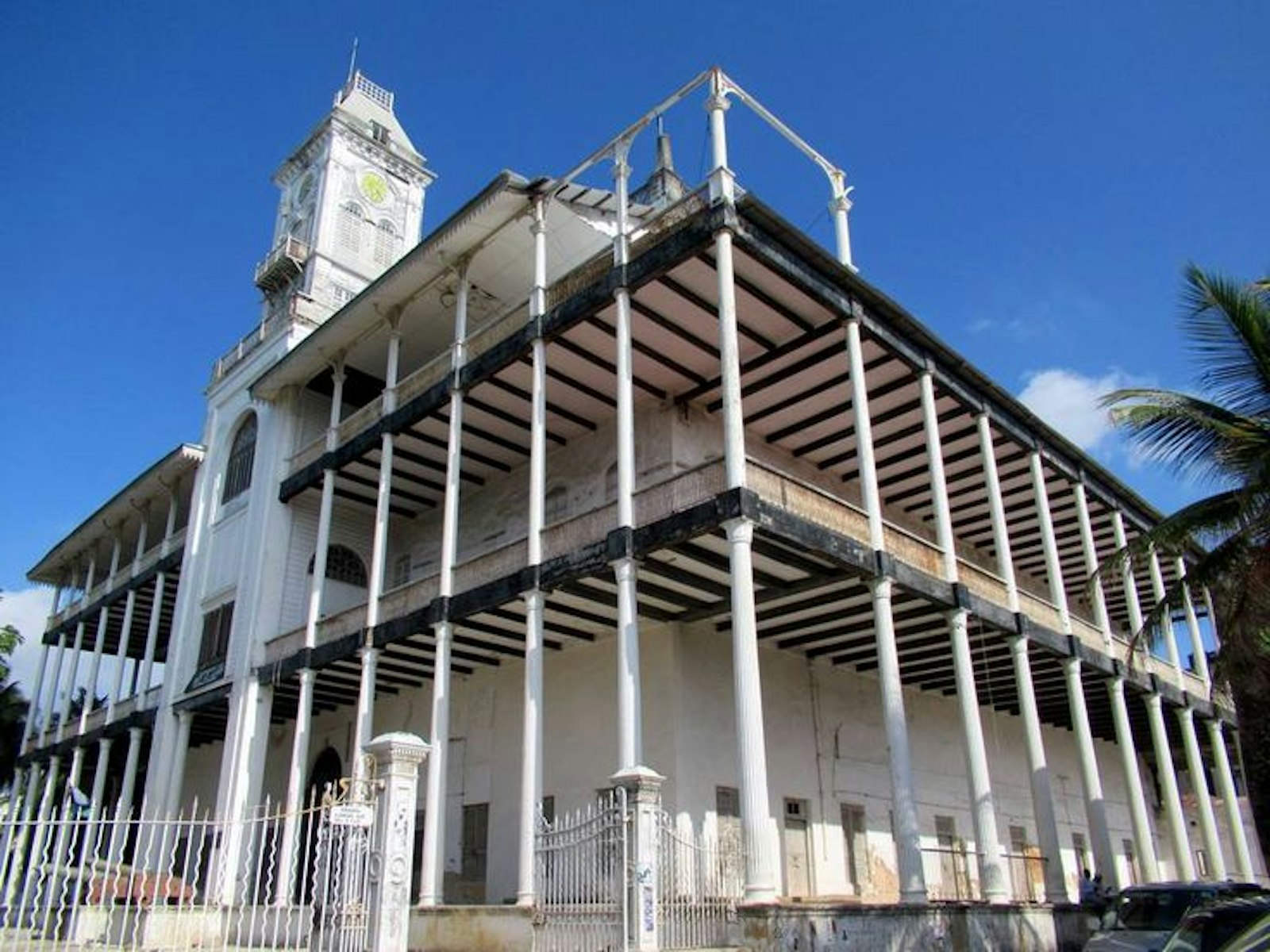
Oman and Zanzibar share deep historical ties rooted in trade, culture, and empire. In the 19th century, Sultan Said bin Sultan moved his royal court to Zanzibar, transforming the island into a thriving hub for the spice, ivory, and slave trade. Omani settlers left a lasting imprint, blending Arabic and Swahili influences in architecture, language, and religion. In 1861, the Omani Empire split into two sultanates - Oman and Zanzibar - while the ruling Omani dynasty continued to reign in Zanzibar until the Revolution of 1964, which ended Omani political control. Even today, strong cultural and economic connections between Oman and Zanzibar endure.
Islam in Oman
Oman is a Muslim-majority country with more than 16,000 mosques spread across its cities and villages. Omanis were among the first peoples to embrace Islam around 630 CE, at the time of Prophet Muhammad (SAW). A letter from the Prophet inviting Oman’s rulers to Islam is preserved and displayed at the National Museum of Oman in Muscat. According to tradition, the Prophet (SAW) prayed that Oman would remain free from external enemies - a blessing many Omanis believe still holds true, reflected in the nation’s longstanding stability and diplomacy. Today, Oman is renowned for its moderation, tolerance, and peaceful relations with countries across the world.
Top attractions in Oman
Muscat
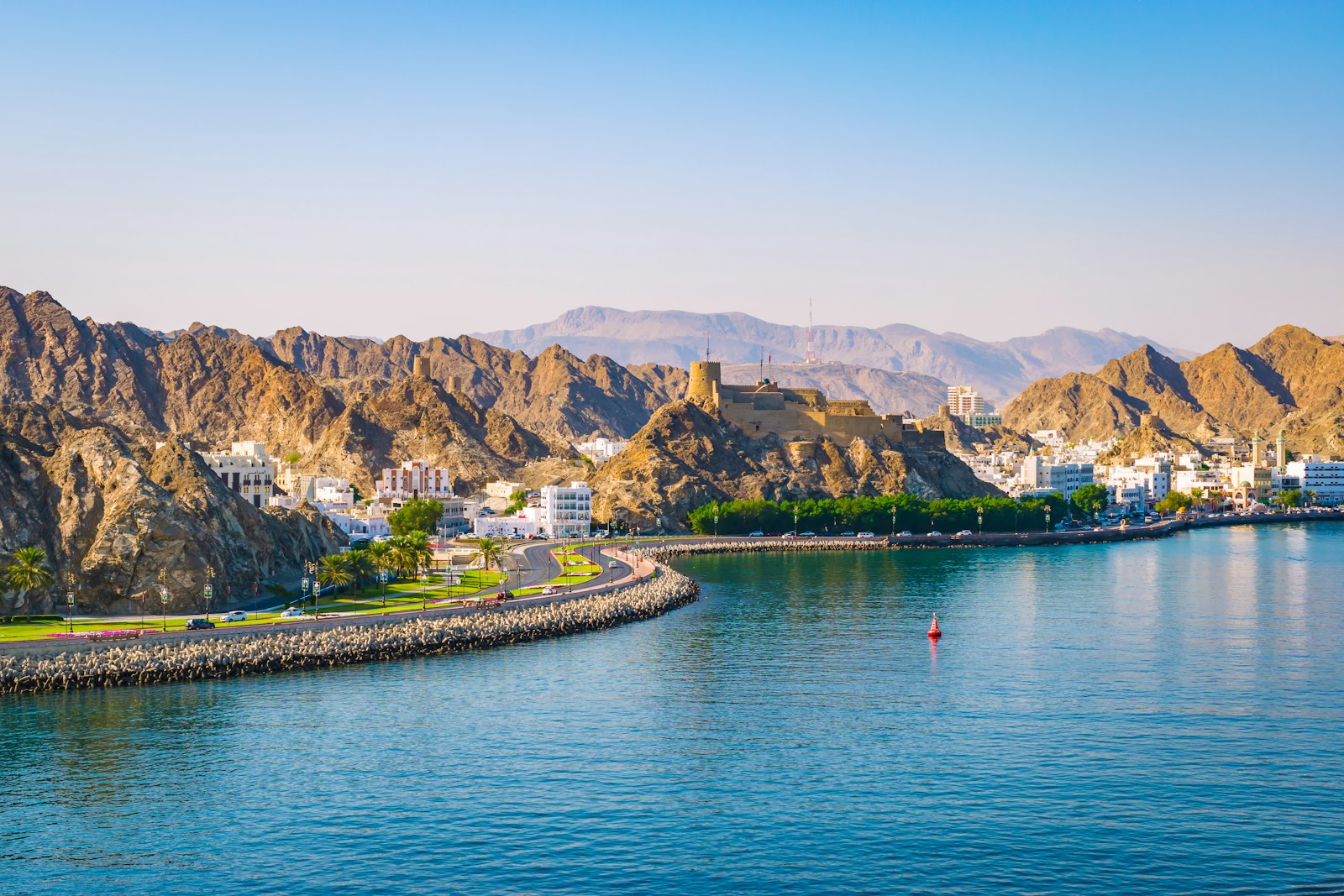
Oman’s coastal capital seamlessly blends ancient heritage with modern elegance. Some of its must-see highlights include:
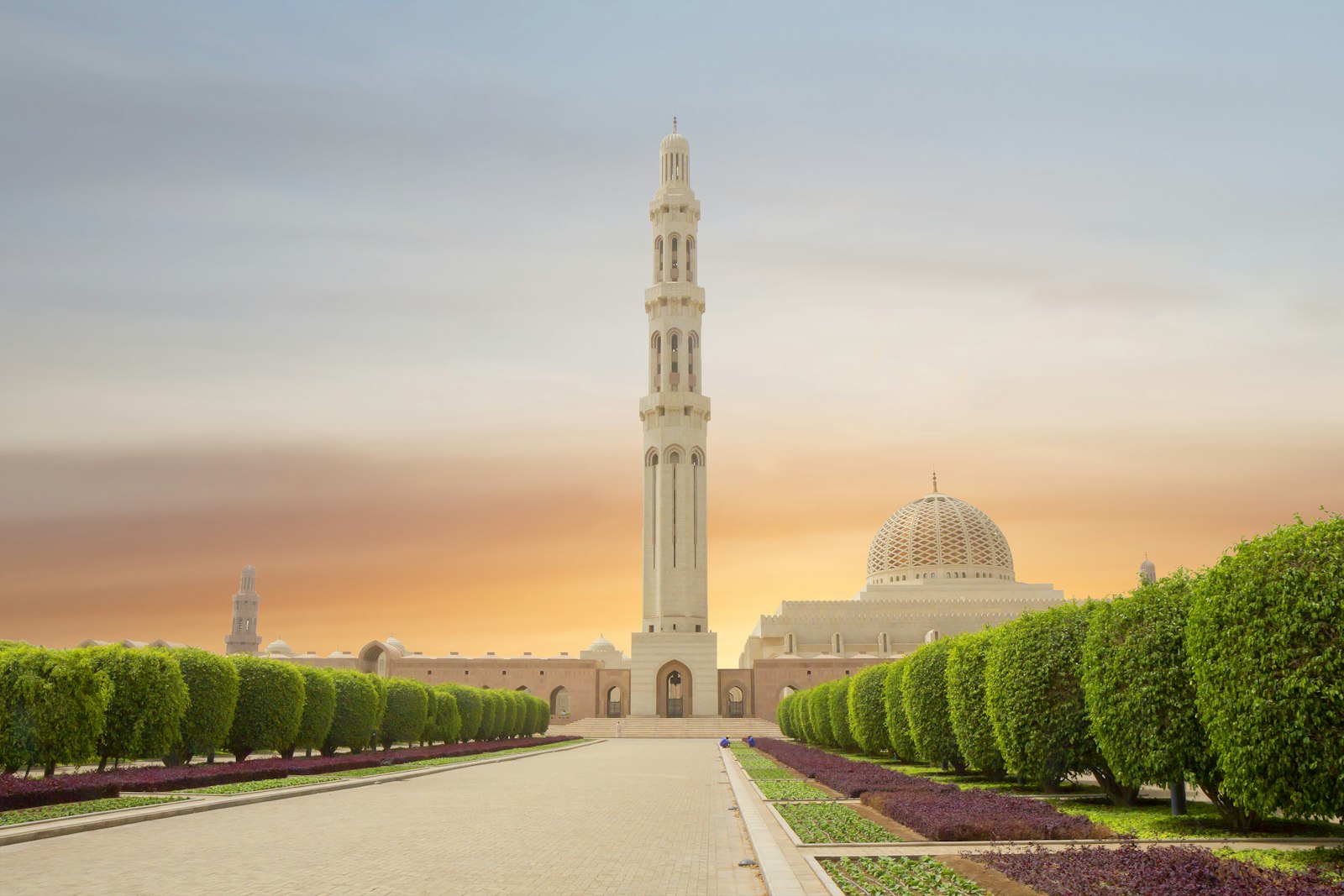
Sultan Qaboos Grand Mosque – Completed in 2001, this architectural masterpiece is famed for its white marble façade, towering 91.5-metre minaret, immense hand-woven Persian carpet, and glittering 14-metre Swarovski crystal chandelier.
Muttrah Corniche – A scenic promenade lined with cafes, shops, and traditional dhows, offering stunning sunset views over the harbour.
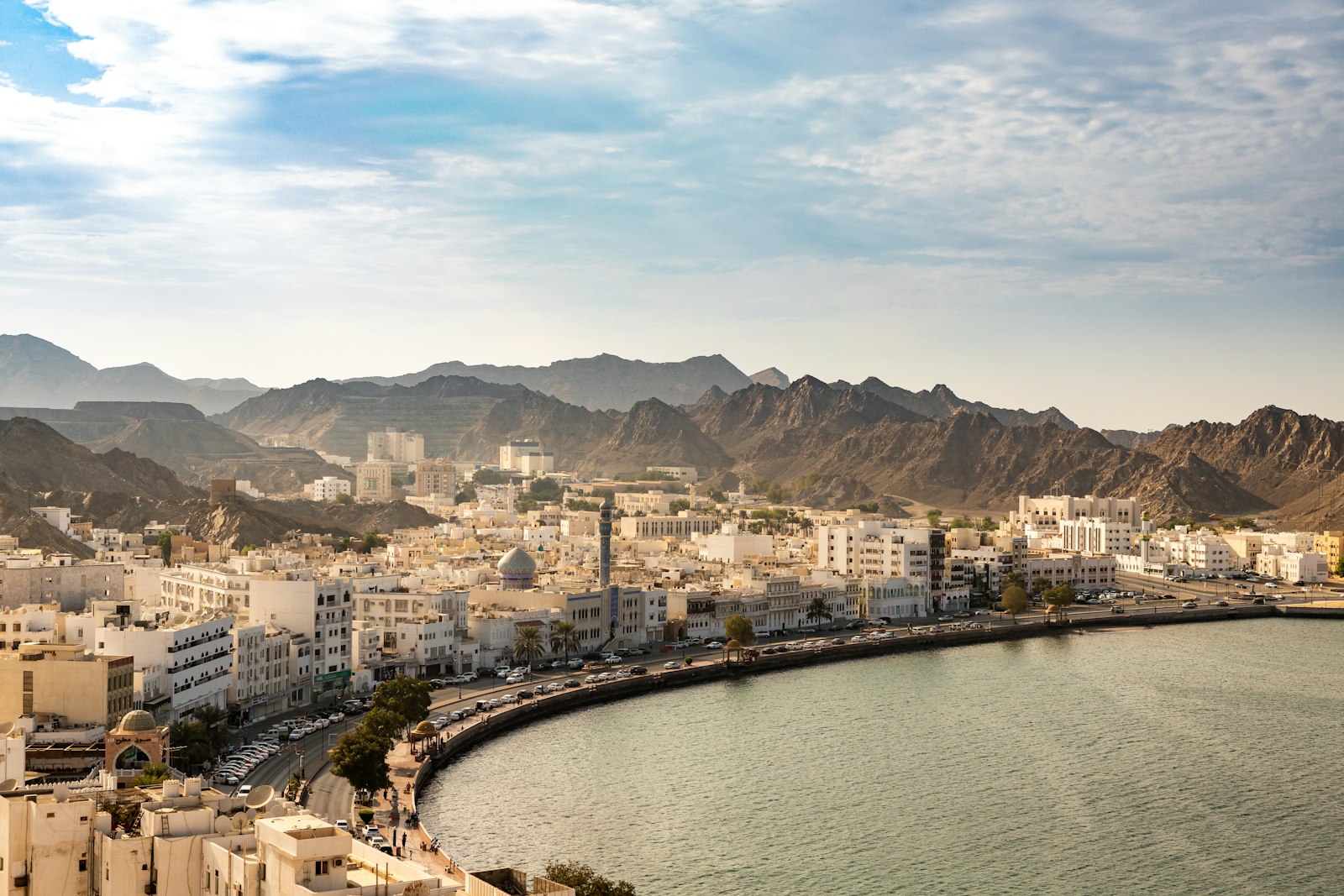
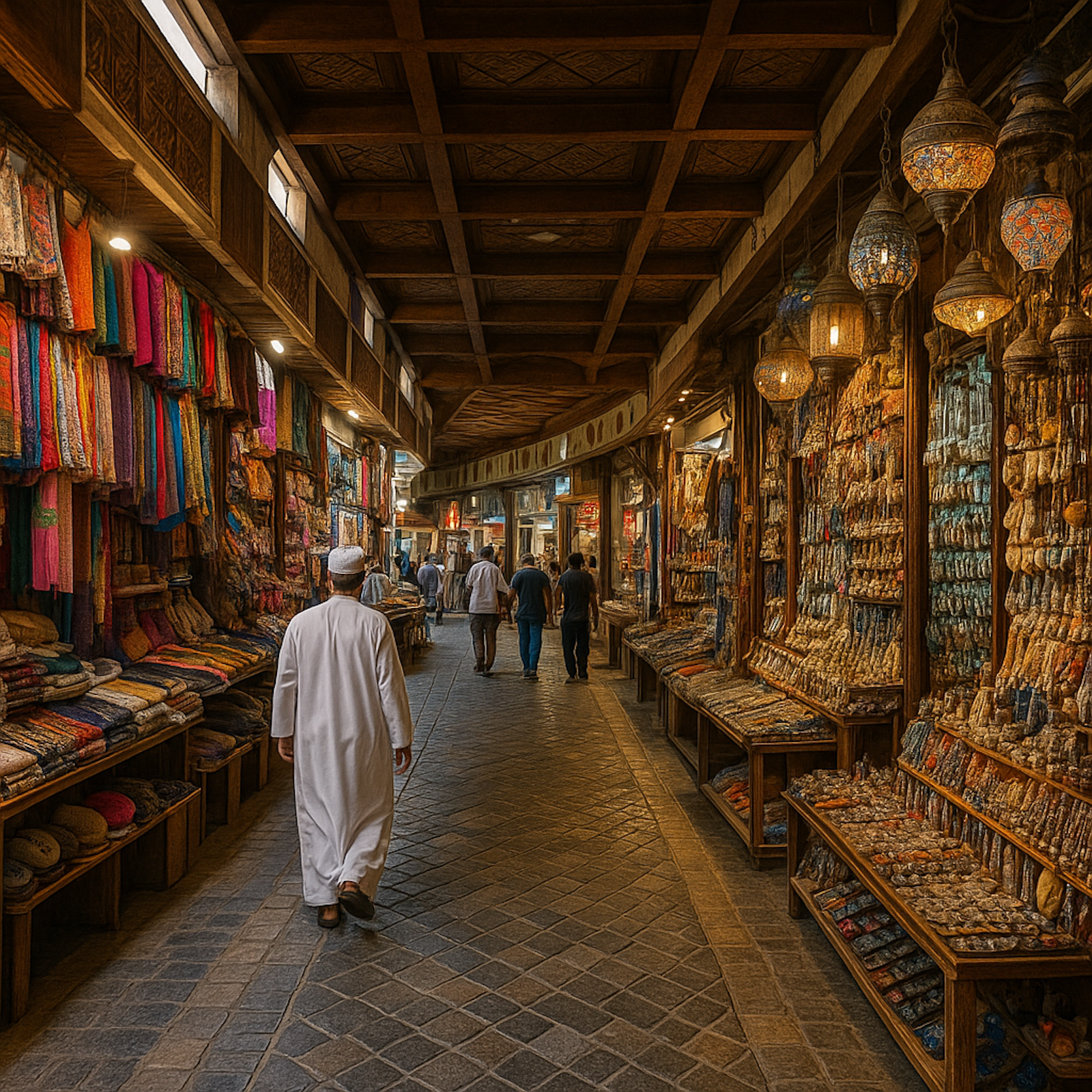
Muttrah Souq – One of Arabia’s oldest markets, where alleys overflow with spices, silver, frankincense, and textiles.
Royal Opera House Muscat – A shining example of Omani design and cultural sophistication, hosting world-class performances.
Al Jalali and Al Mirani Forts – Built by the Portuguese in the late 16th century, these twin fortresses guard Muscat’s harbour and frame the views of the Sultan’s palace.
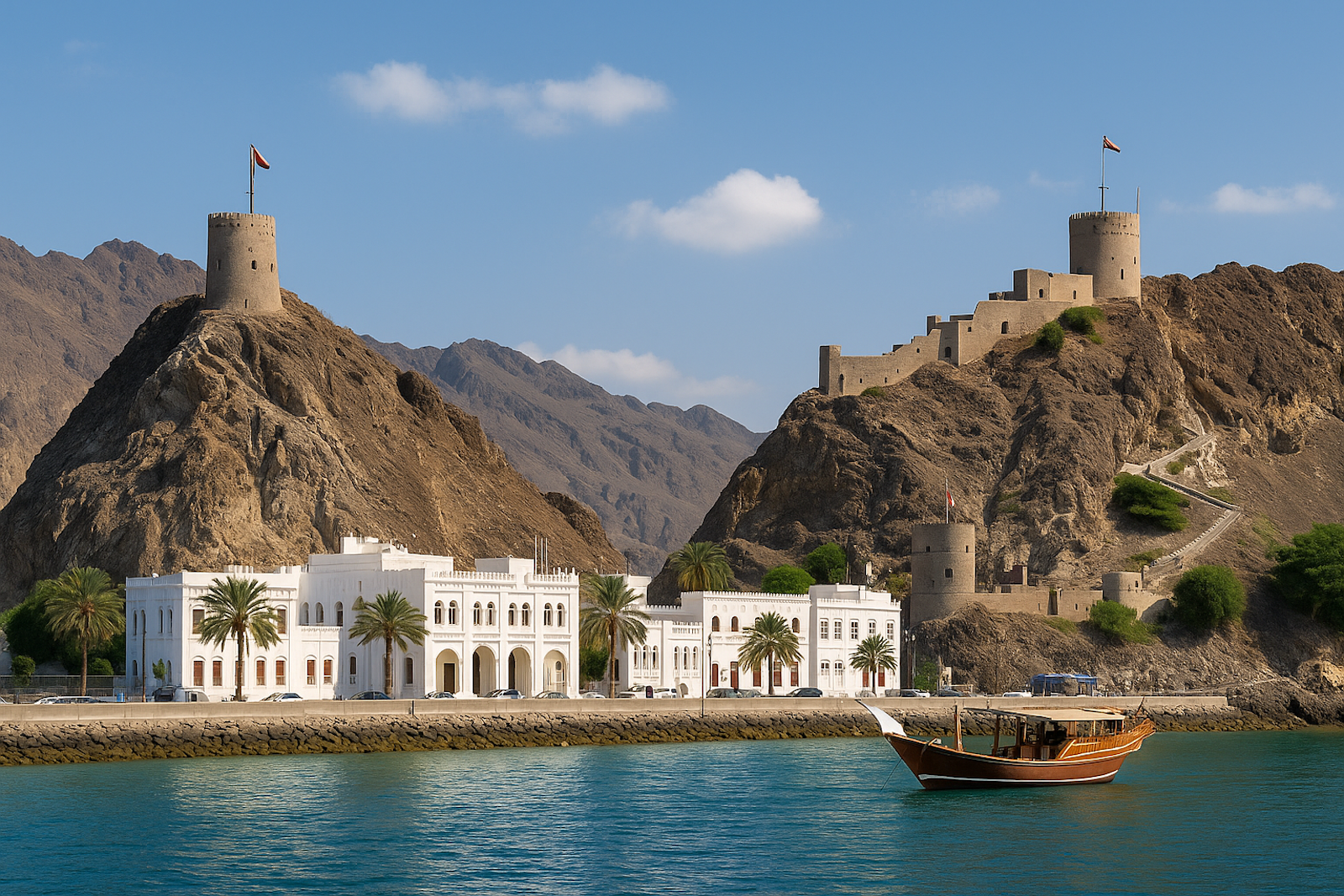
Al Alam Palace – The ceremonial residence of Sultan Haitham, painted in striking blue and gold, flanked by the two forts.
Qurum Beach and Park – Golden sands and tranquil green spaces, perfect for relaxation.
Bait Al Zubair Museum – A fascinating collection of Omani artefacts, from traditional dress to weaponry.
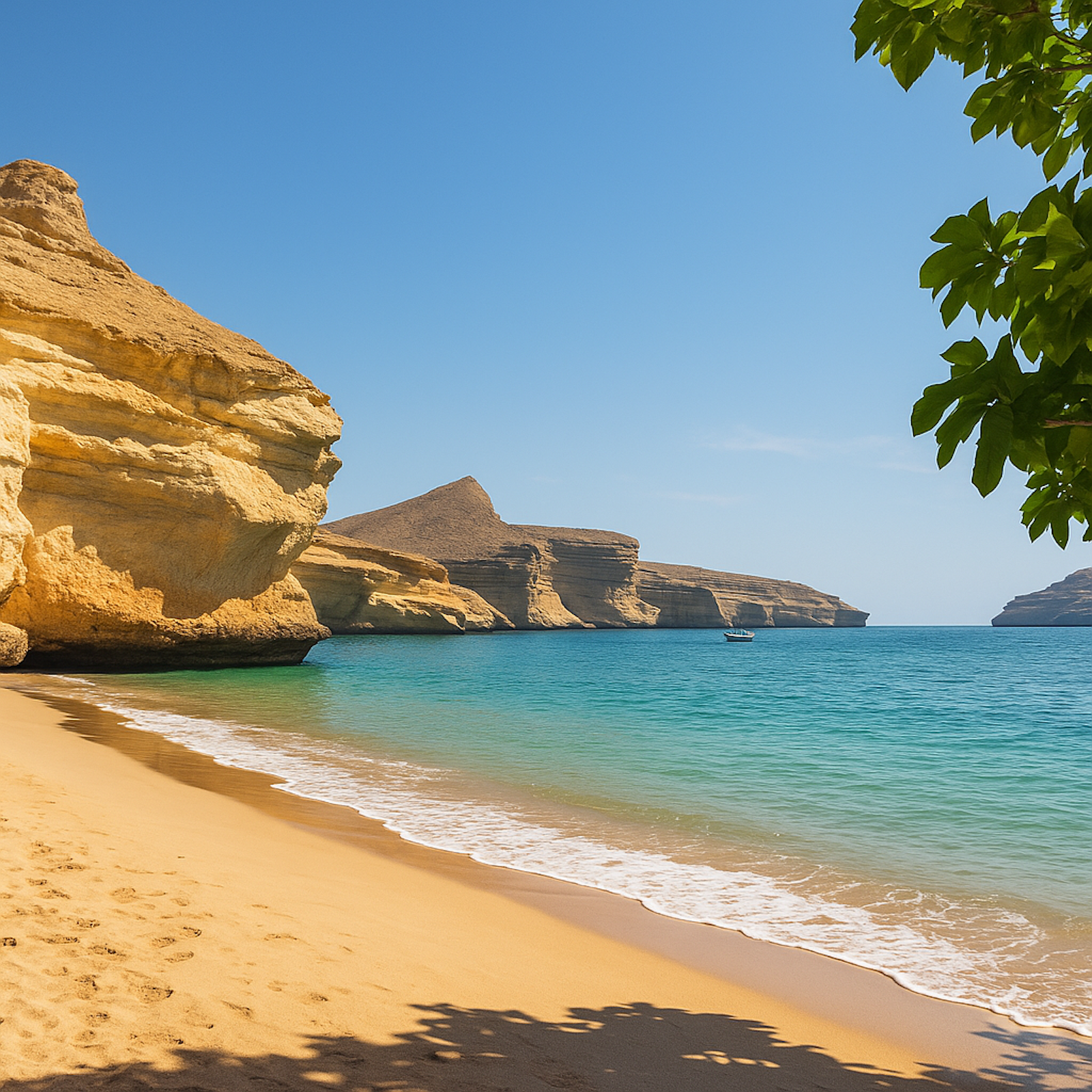
Qantab Beach – A secluded cove surrounded by rocky cliffs, ideal for a peaceful day by the sea.
Nizwa
Nizwa, once the capital of Oman and the centre of Islamic scholarship, remains one of the country’s most historically rich and spiritually rooted cities.
Nizwa Fort – Built in the 17th century, its massive circular tower offers sweeping views of the city and surrounding mountains.
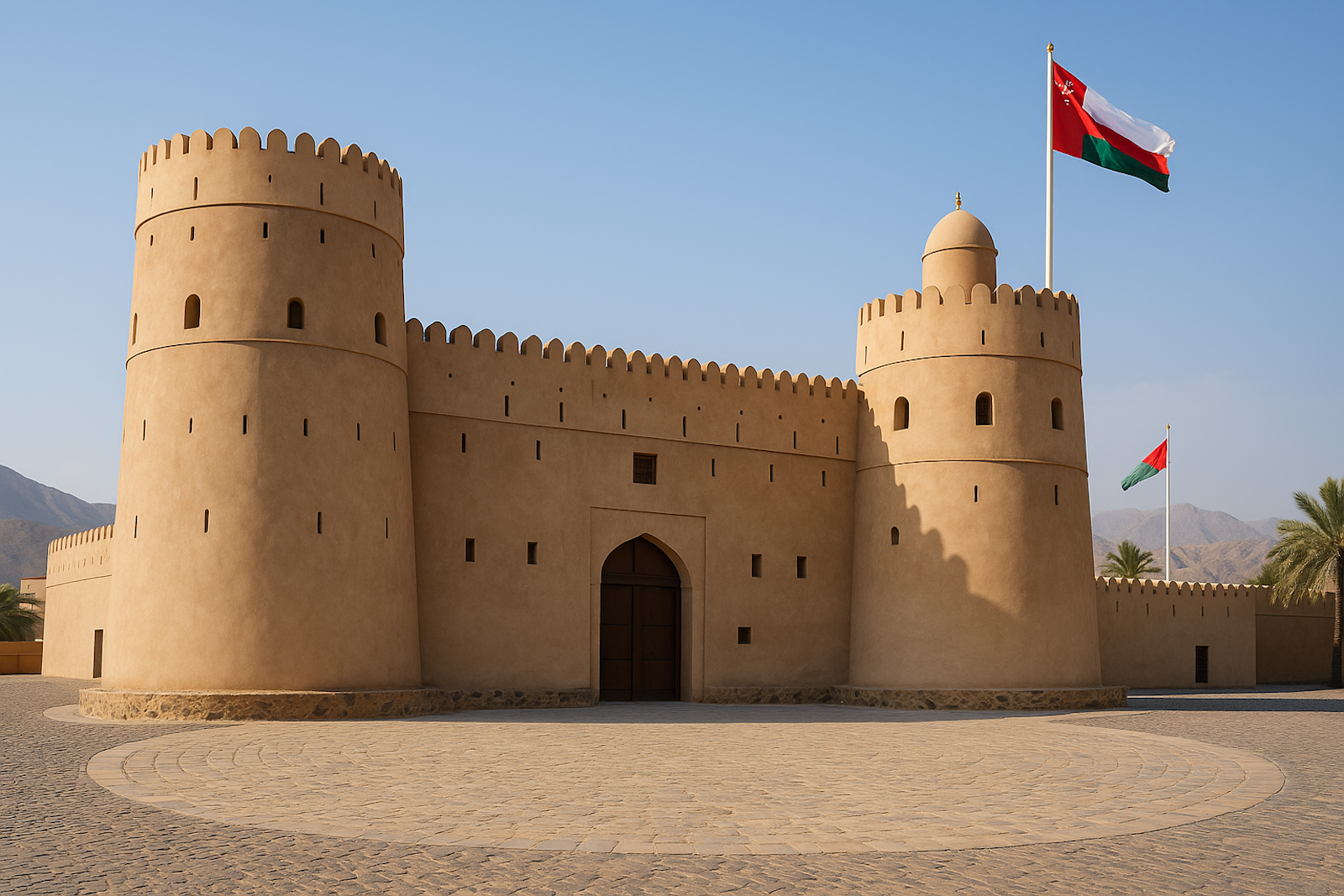
Nizwa Souq – A lively marketplace selling silver jewellery, pottery, and spices, providing a glimpse into traditional Omani life.
Jabreen Castle – A beautifully preserved 17th-century castle known for its painted ceilings, manuscripts, and intricate carvings.
Al Qala’a Mosque – A serene place of worship near the fort, built in classic Omani architectural style.
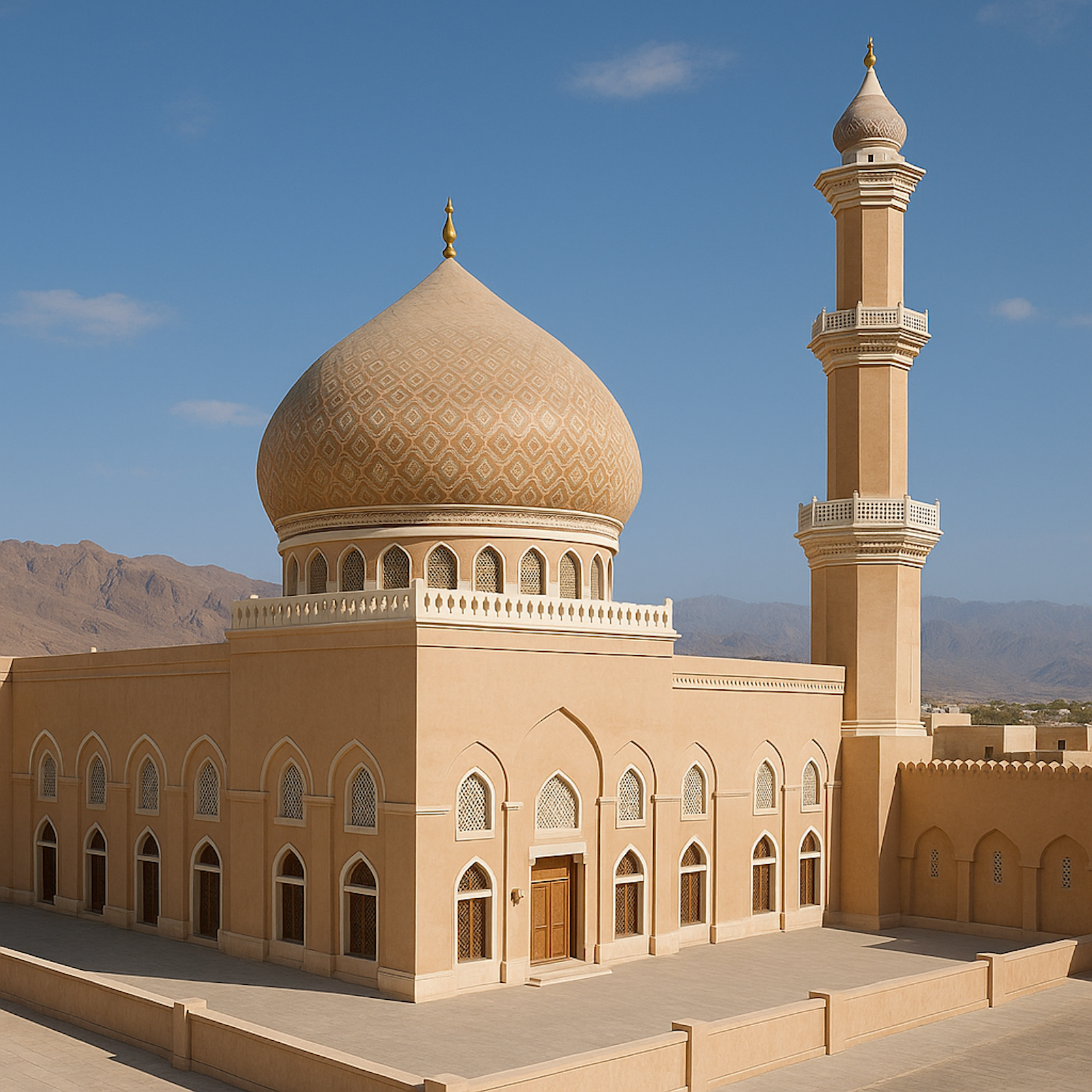
Falaj Daris – Part of the UNESCO-listed Aflaj Irrigation Systems of Oman, an ancient network that has sustained local agriculture for centuries.
Tanuf Ruins & Wadi Tanuf – The remains of an old village set against a dramatic mountain backdrop.
Jebel Akhdar (Green Mountain) – Renowned for its terraced rose gardens and cool mountain air.
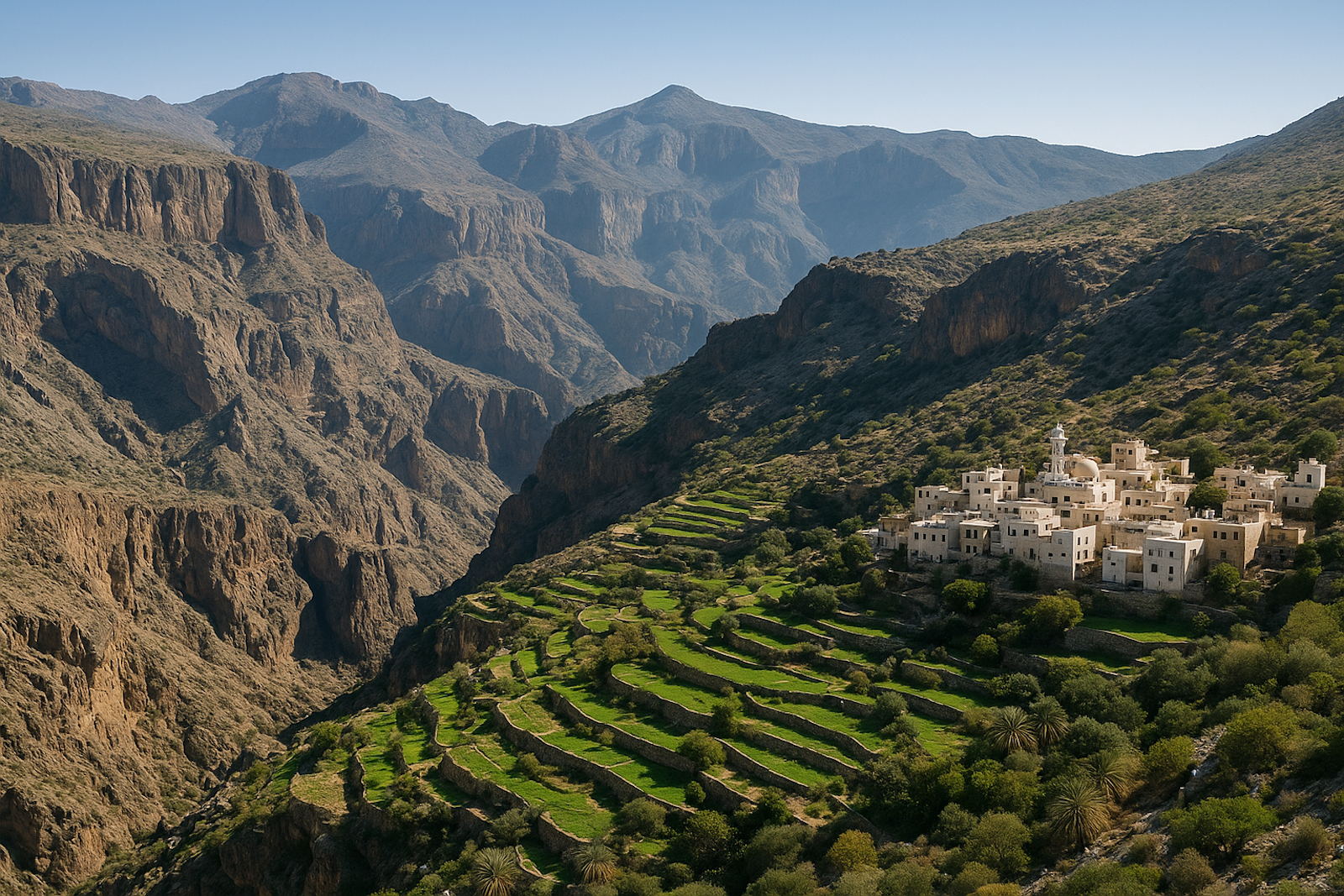
Dhofar
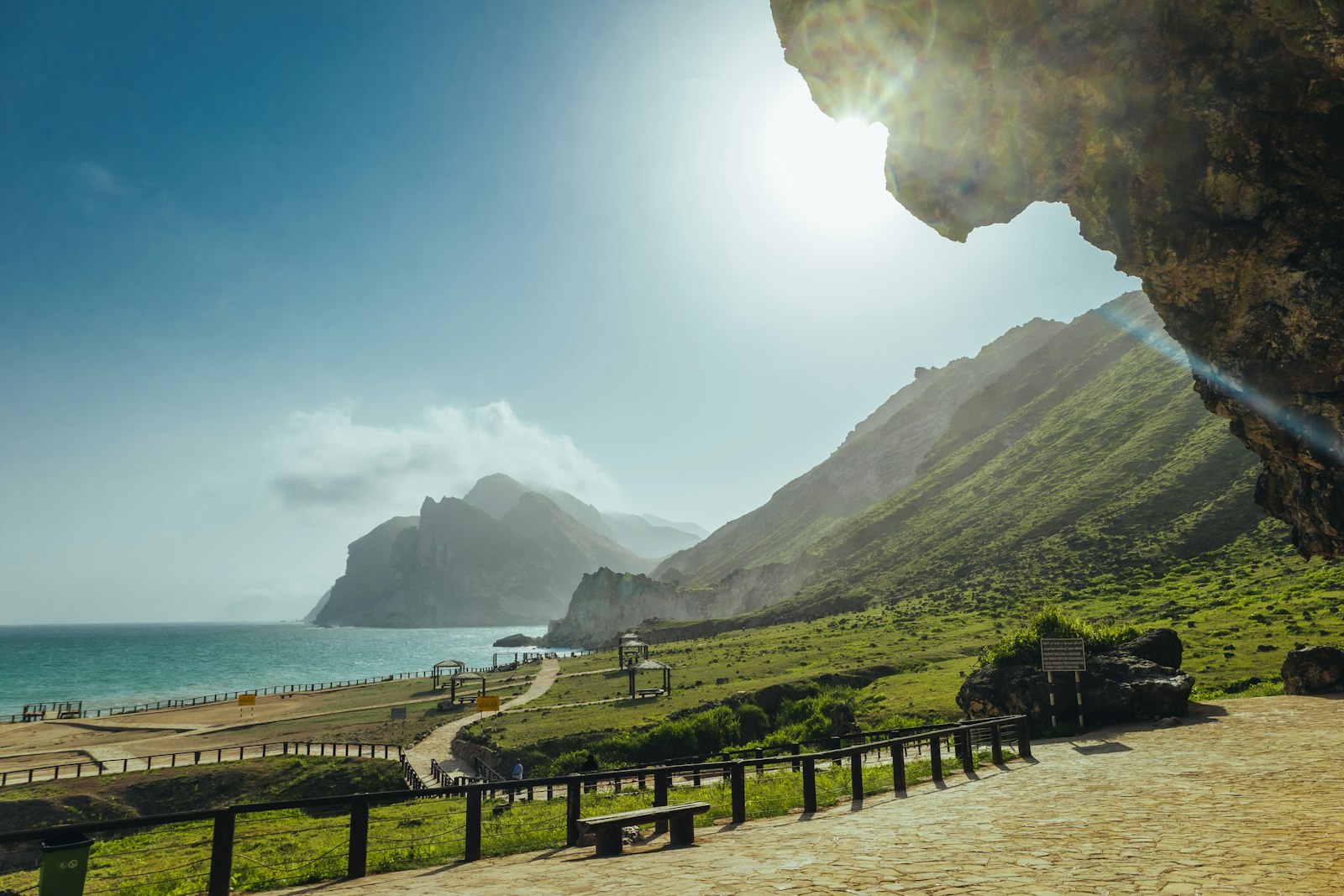
In the far south, the Dhofar region stands out for its unexpected greenery, ancient frankincense heritage and misty mountain landscapes. Shaped by the seasonal Khareef monsoon, Dhofar enjoys cooler temperatures and transforms into rolling green hills, cloud-covered peaks and fertile valleys during the summer months. Its long history as a centre of the frankincense trade is recognised through the UNESCO-listed “Land of Frankincense”. The region offers a wealth of natural highlights, from scenic wadis such as Wadi Darbat and the remote Wadi Shuwaymiyah to freshwater springs like Ayn Razat and Ayn Athum.
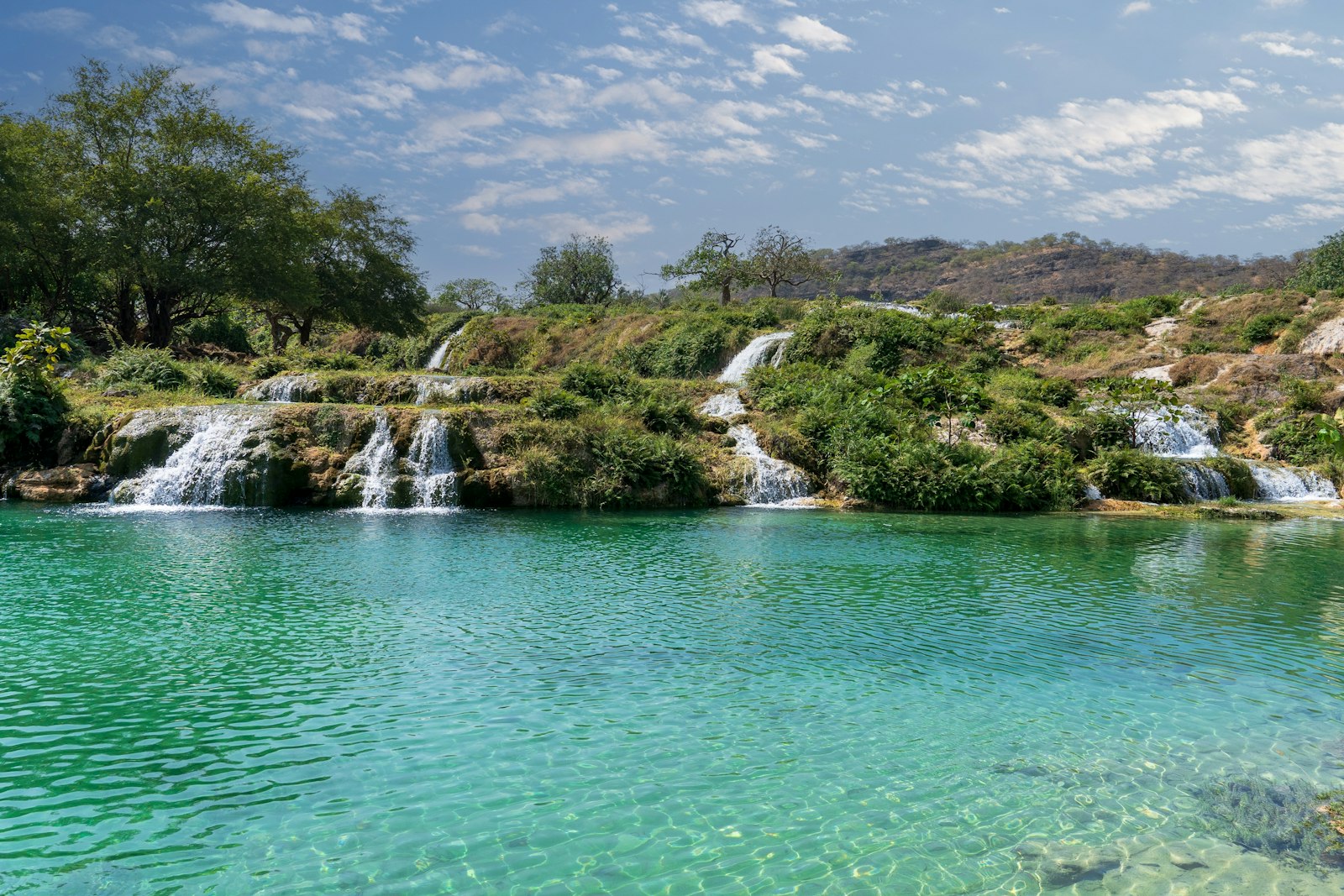
Visitors can also explore the ancient port of Khor Rori, once a key trading hub, before relaxing on the soft sands of Al-Fazayah Beach, one of Oman’s most unspoilt coastal retreats.
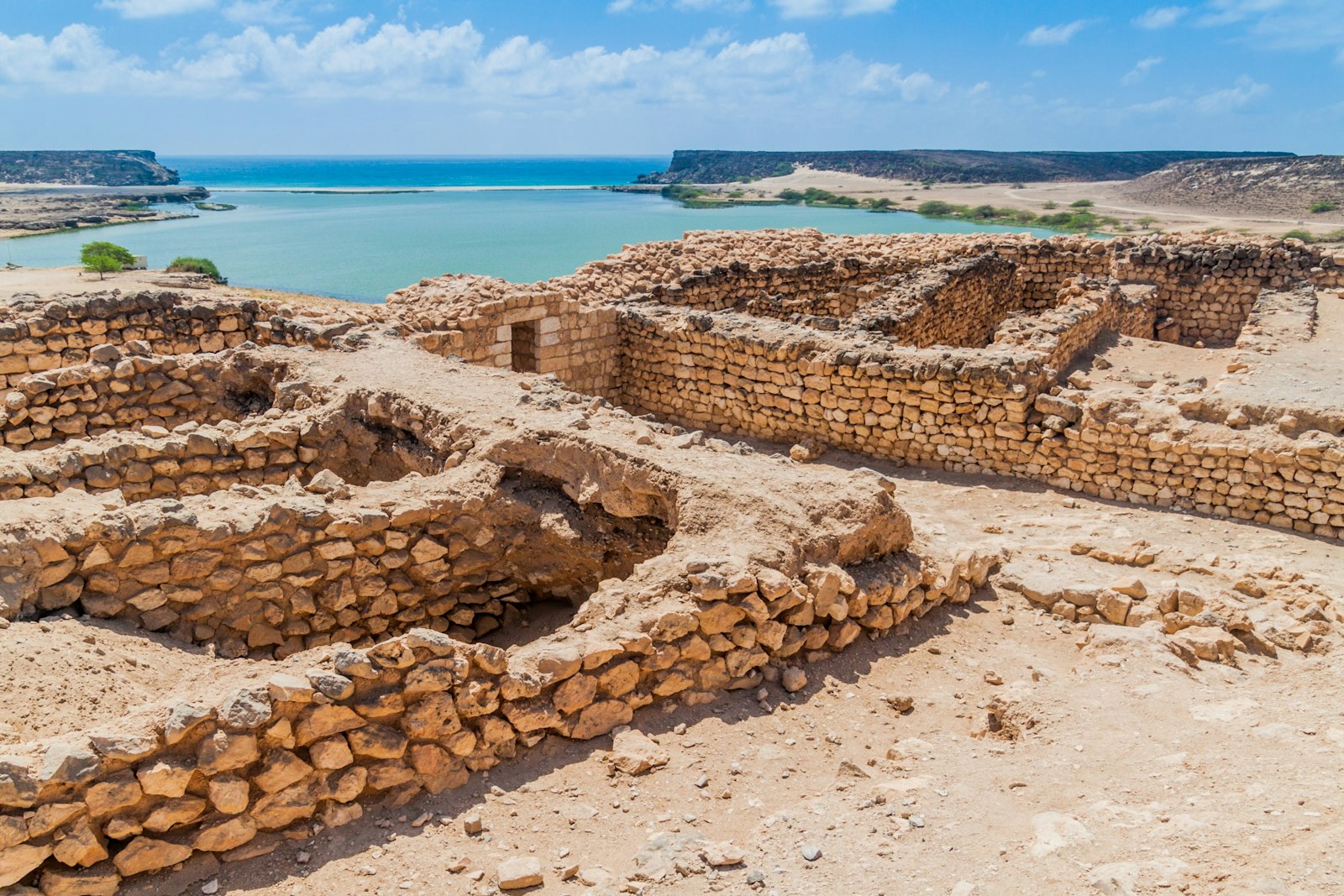
Salalah
Salalah, the capital of Dhofar, is a distinctive destination where desert scenery meets tropical-inspired greenery and a dramatic coastline. During the Khareef season, from June to September, the city and its surroundings are transformed into a lush, mist-covered landscape of waterfalls, cool hillsides and verdant valleys, offering a rare green escape within the Arabian Peninsula. Beyond its natural beauty, Salalah offers rich cultural experiences, from traditional souqs to historic sites such as the ruins of Sumhuram and the wider Land of Frankincense, a UNESCO World Heritage Site. One of the city’s architectural highlights is the Sultan Qaboos Mosque, an elegant modern landmark known for its grand prayer hall, refined Islamic design and peaceful atmosphere.
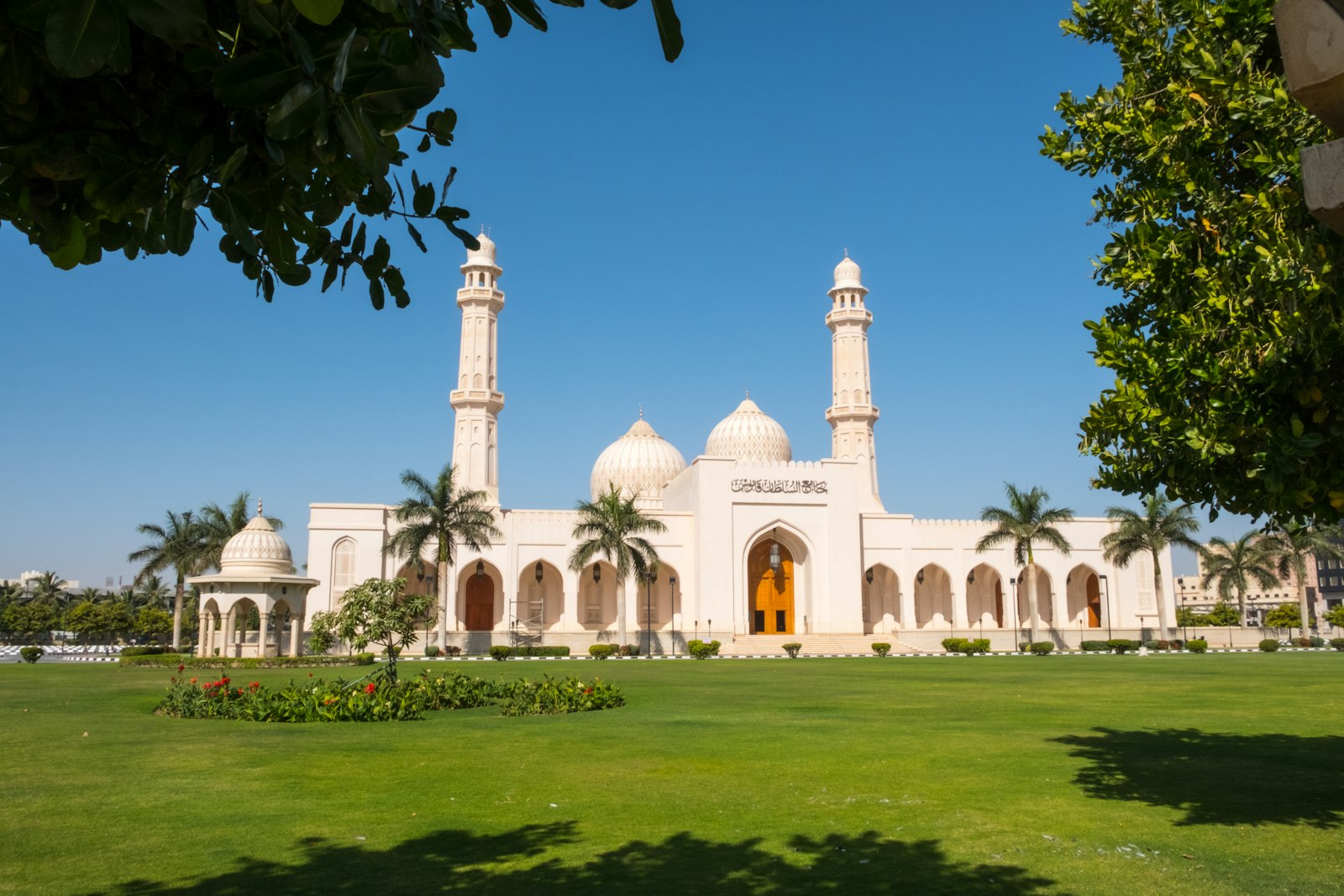
Pristine beaches including Al Mughsail and Al Haffa, combined with Salalah’s relaxed pace and scenic setting, make it a refreshing and memorable addition to any Oman itinerary.
Al Hajar Mountains & Jebel Shams
The rugged Al Hajar Mountains form Oman’s dramatic backbone, with Jebel Shams - the “Mountain of the Sun” - standing as the country’s highest peak. From here, gaze across the Wadi Ghul canyon, often dubbed Oman’s “Grand Canyon,” and enjoy thrilling mountain drives and breathtaking hikes along the escarpments.
Wadi Shab
A favourite among adventurers, Wadi Shab offers a scenic hike through towering cliffs and turquoise pools. The hour-long trek rewards visitors with natural caves, waterfalls, and hidden swimming spots - a true oasis of beauty and serenity.
Musandam Peninsula
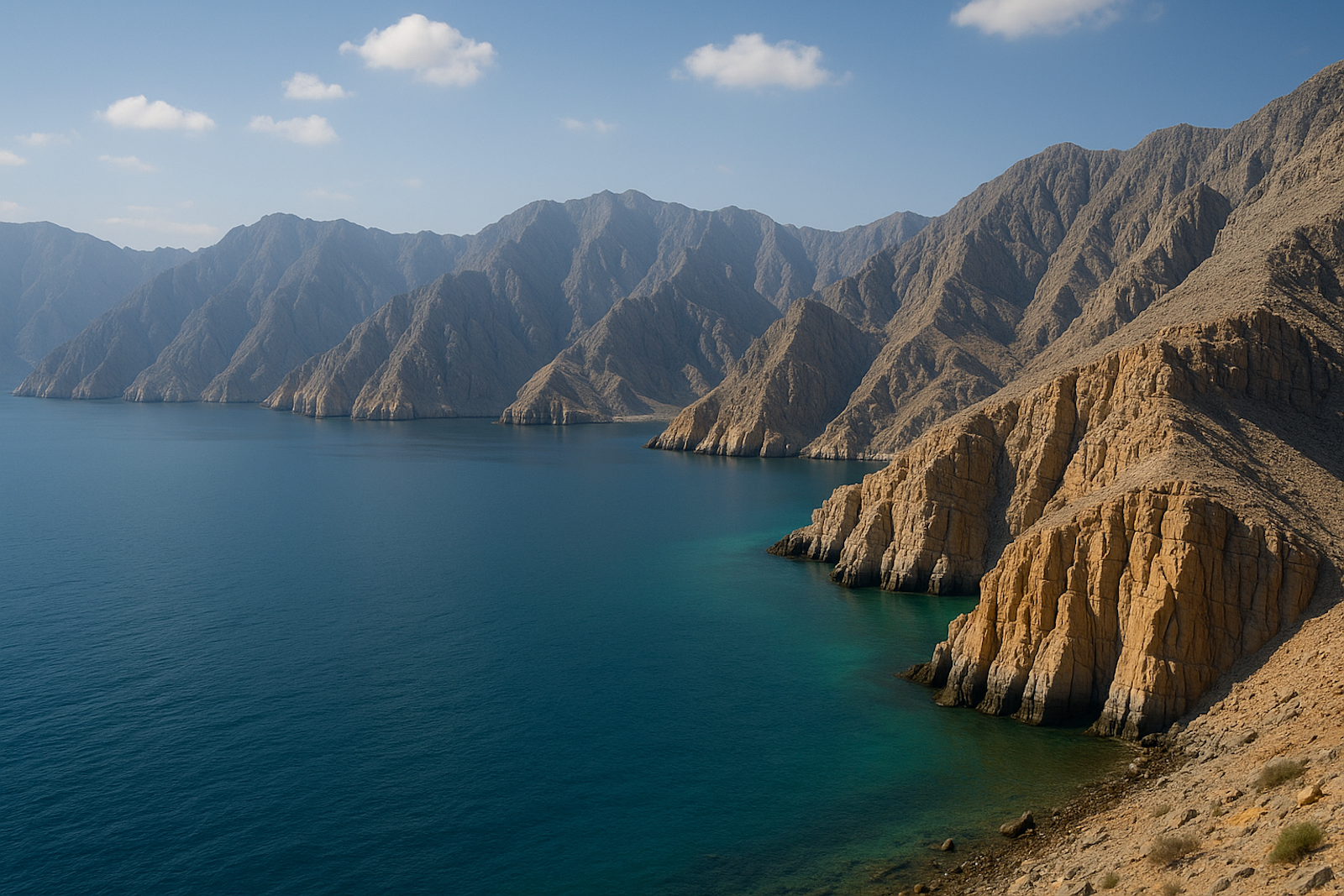
Known as the “Norway of Arabia”, the Musandam Peninsula enchants with fjord-like inlets, jagged cliffs, and crystal-clear waters. Traditional dhow cruises glide between towering mountains and quiet fishing villages, while divers can explore vibrant coral reefs teeming with marine life.
Ras Al Jinz Turtle Reserve
Located on Oman’s southeastern coast, this reserve protects endangered green turtles that nest on its pristine beaches. Guided night tours allow visitors to witness nesting and hatching, with peak season from May to October, though turtles can be seen year-round. The visitor centre also provides educational exhibits on marine conservation.
Mosques in Oman
Oman’s mosques reflect the nation’s spiritual depth, artistic excellence, and respect for tradition. Each tells a story through its architecture and atmosphere.
Al Khor Mosque (Muttrah) – Overlooking the Corniche, its blue-and-white dome and elegant minarets create a striking contrast against the sea. Inside, delicate tilework and calligraphy highlight traditional Omani artistry.
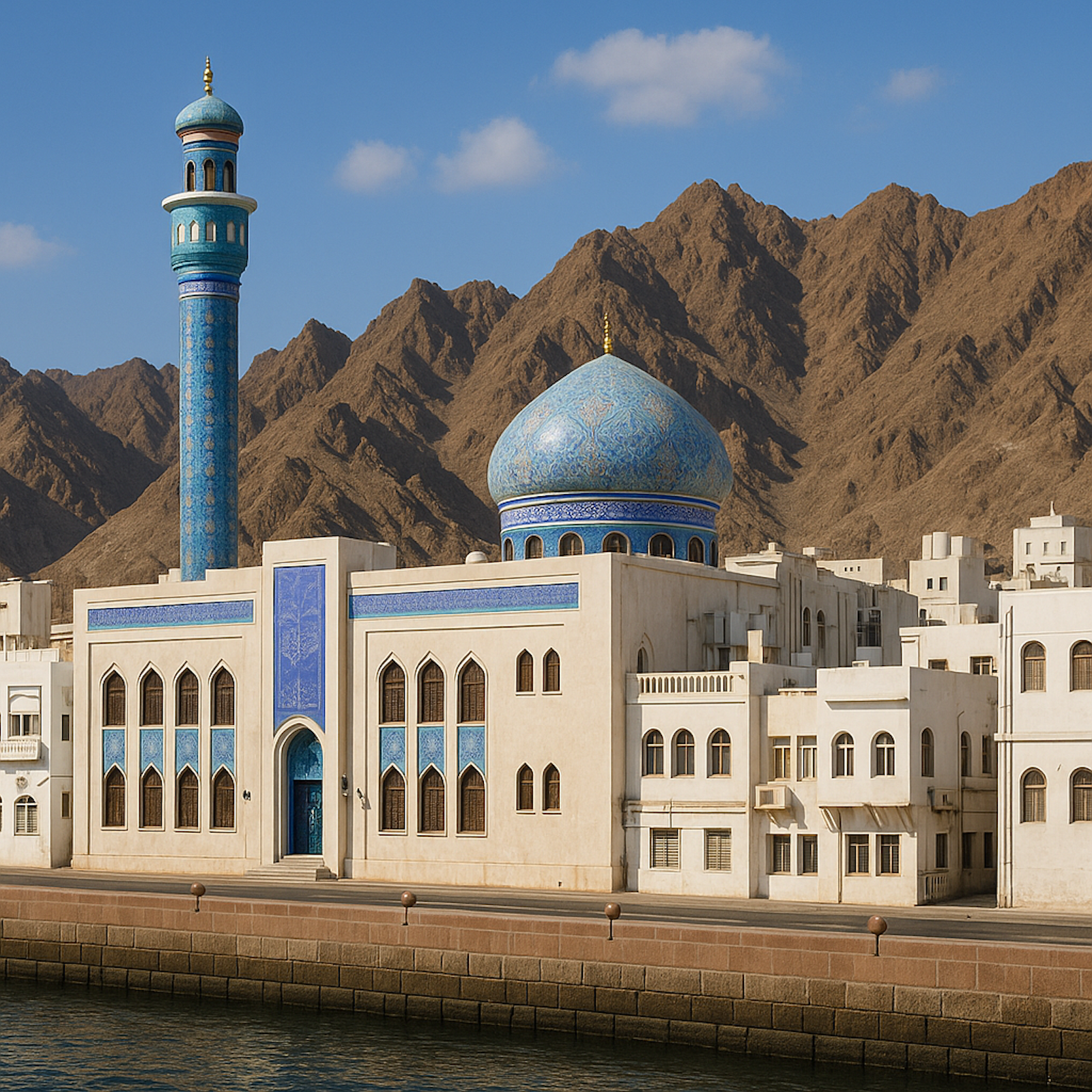
Mohammed Al Ameen Mosque (Bausher) – Perched on a hilltop, this luminous white-marble mosque glows beautifully at night. Its interiors boast ornate chandeliers, intricate geometric patterns, and sweeping prayer halls.
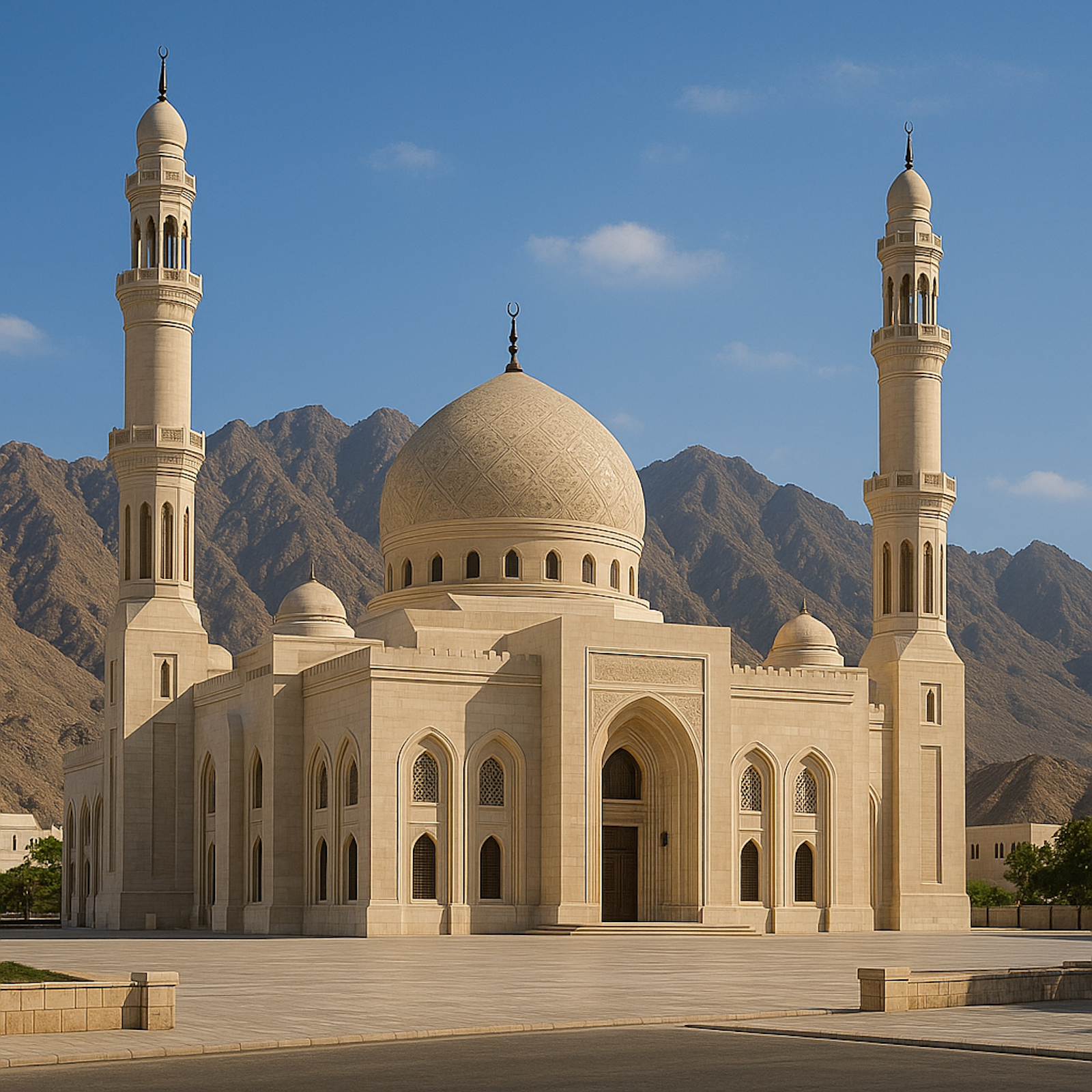
Sultan Taimur Bin Faisal Mosque (Muscat) – A tribute to Sultan Qaboos’s grandfather, this mosque features refined simplicity - with soft tones, traditional arches, and a graceful central dome.
Bahla Mosque (near Nizwa) – Dating back to the 14th century, it stands within the UNESCO-listed Bahla Fort complex. Its mud-brick walls and simple elegance reflect centuries of devotion and Omani craftsmanship.
Omani cuisine
Omani cuisine is a rich fusion of Arabian, Persian, Indian, and East African influences, shaped by centuries of trade and seafaring. Expect a symphony of spices, rice dishes, seafood, and sweet delicacies.
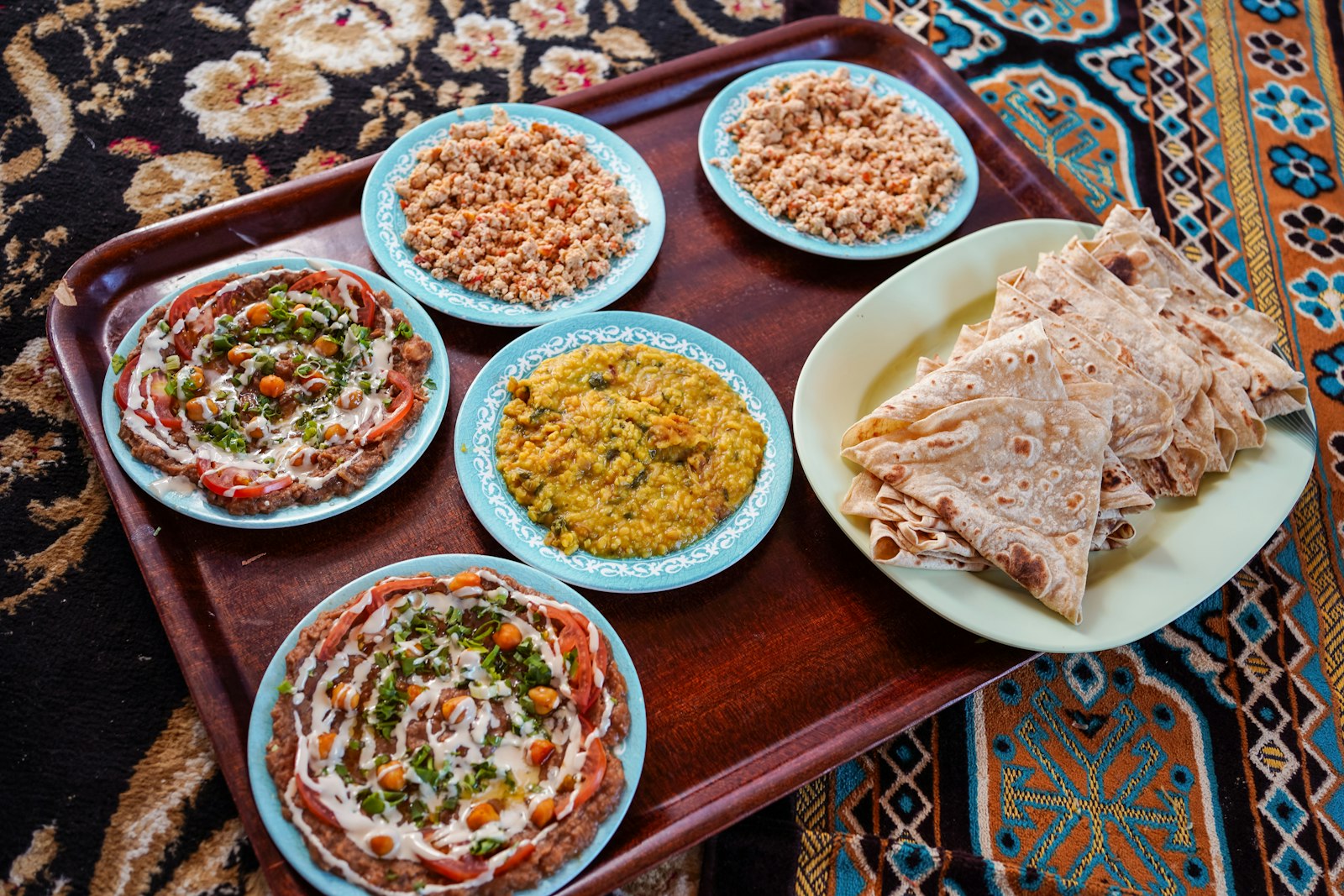
Signature Dishes:
Shuwa – The national dish: marinated lamb or goat wrapped in banana leaves, slow-cooked underground for up to 48 hours.
Maqbous / Makbous – Fragrant rice dish with meat and vegetables, seasoned with saffron and dried limes.
Mandi – Aromatic rice with tender spiced meat, cooked over charcoal.
Mashuai – Grilled kingfish served with lemon rice.
Samboosa – Crispy pastries filled with meat, fish, or cheese.
Omani Halwa – A sweet confection of rosewater, saffron, ghee, and nuts — a symbol of Omani hospitality.
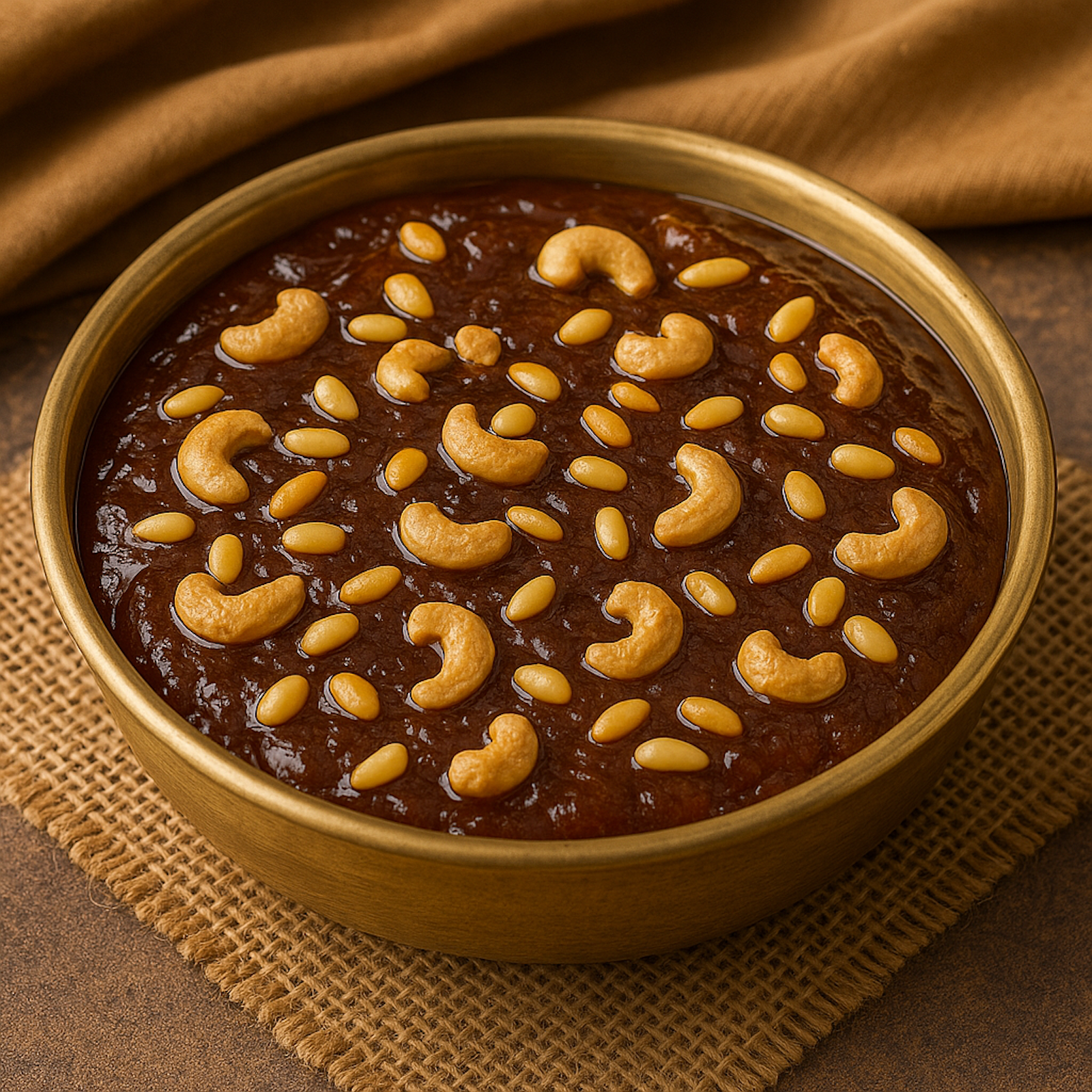
Beverages:
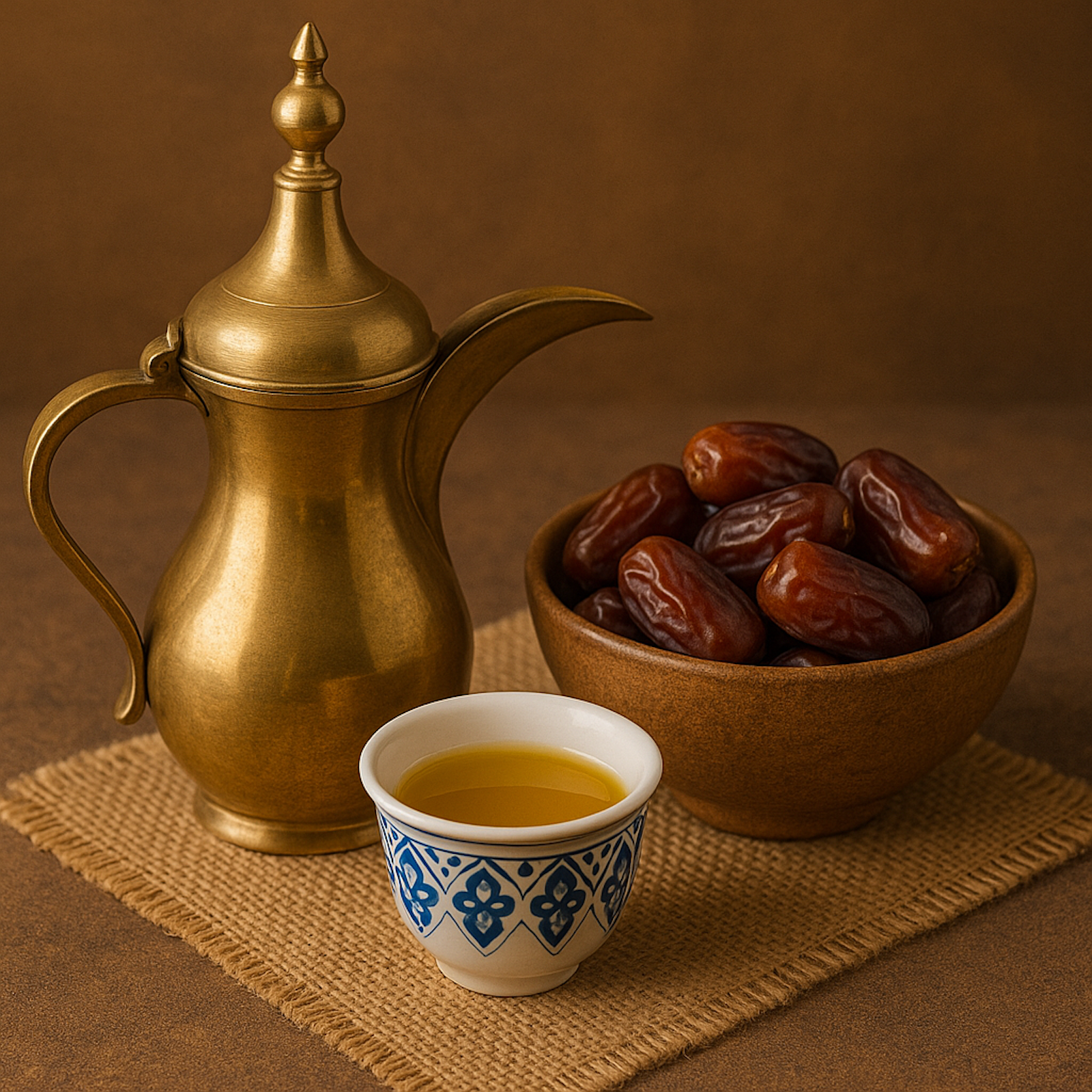
Try karak chai (spiced milk tea) and loomi (dried lime drink) for an authentic local experience. After a meal, it’s customary to enjoy Omani kahwa (coffee) with dates, a gesture of warmth and generosity.
Best time to visit Oman
Oman enjoys warm weather year-round, but the best time to visit is between October and April, when temperatures range from 17°C to 35°C. These months are perfect for sightseeing, hiking, and enjoying the outdoors. For turtle enthusiasts, Ras Al Jinz’s nesting season peaks from May to October.
Getting around Oman
The country’s excellent road network makes driving the most convenient and rewarding way to get around, offering scenic routes that wind through mountains, deserts, and coastlines. Car hire is readily available at airports and major cities like Muscat and Salalah, and driving is on the right-hand side of the road with clear English and Arabic signage. For those not keen on driving, private tours and chauffeured cars are popular options, especially for visiting remote wadis or mountain villages. Within Muscat, taxis and ride-hailing apps like OTaxi provide safe and reliable transport, while long-distance buses operated by Mwasalat connect major cities such as Muscat, Nizwa, and Salalah. Domestic flights also run between Muscat and Salalah, offering a faster way to traverse the country’s vast distances.
Suggested 5-day itinerary in Oman
Here’s a suggested 5-day itinerary for Muslims visiting Oman, focusing on culturally and spiritually enriching experiences, halal dining options, and exploring Oman’s natural beauty and Islamic heritage. A car hire is recommended for this itinerary to ensure flexibility and ease of travel between sites.
Day 1 - Muscat: Culture and Coastal Charm - Begin your journey at the Sultan Qaboos Grand Mosque, a symbol of Omani artistry. Enjoy a traditional Omani lunch at Bait Al Luban Restaurant overlooking the Corniche. Spend the afternoon exploring the Muttrah Corniche and Souq, then visit Al Alam Palace and the nearby Al Jalali and Al Mirani Forts. Dine in a garden setting at Kargeen Restaurant and end your evening with prayers at Masjid Al Zawawi.
Day 2 - Nizwa: Heart of Heritage - Drive about two hours to Nizwa, the cultural heart of Oman. Visit the Nizwa Fort and Souq, then enjoy lunch at Al Aqr Traditional Restaurant. Continue to Jabreen Castle, an educational hub in the 17th century. Stop by Birkat Al Mouz, home to ancient falaj irrigation channels — a UNESCO World Heritage Site. Dine at Al Masharef Nizwa before returning to Muscat or staying overnight.
Day 3 - Wahiba Sands: Desert Adventure - Head into the golden dunes of Wahiba Sands, about 2–3 hours from Muscat. Experience camel rides, dune bashing, and Bedouin hospitality at a desert camp. Camps provide halal meals and prayer facilities. Spend the evening watching the sunset over the dunes and enjoy a traditional Omani dinner under the stars.
Day 4 - Wadi Bani Khalid, Sur & Ras Al Jinz - After Fajr and breakfast, travel an hour to Wadi Bani Khalid, a stunning oasis of clear turquoise pools. Relax, swim, or picnic surrounded by palm trees. Continue to Sur to visit the dhow-building yards, then head to Ras Al Jinz Turtle Reserve at sunset for an unforgettable wildlife experience. Dine at Zaki Seafood Restaurant in Sur before evening prayers at a local mosque.
Day 5 - Quriyat, Bimmah Sinkhole & Wadi Shab - Drive along the coast to Quriyat, known for its fort and peaceful harbour. Stop at Bimmah Sinkhole, a natural limestone crater with emerald water, then spend the afternoon hiking and swimming in Wadi Shab’s crystal-clear pools and caves. Return to Muscat for a farewell dinner at Mumtaz Mahal, known for its refined blend of Indian and Omani cuisine, before concluding your trip with prayers at the Sultan Qaboos Grand Mosque.
Where to stay in Oman
In Oman, halal hospitality is deeply rooted in the culture. Most hotels and resorts serve halal food and provide facilities for prayer. Some are entirely alcohol-free, while others - particularly large international chains — may offer licensed dining venues that serve alcohol, so preferences can easily be accommodated.