The Balkans – a crossroads of cultures and landscapes
Stretching across southeastern Europe, the Balkans is one of the continent’s most diverse travel regions. At the crossroads of cultures and civilisations, it offers a rich blend of history, landscapes and traditions shaped over centuries. Roman roads once crossed its mountains, Byzantine monasteries rose across its valleys, Ottoman bazaars shaped its cities and Austro-Hungarian architecture transformed parts of its northern towns.
Today, that layered past remains visible throughout the region. In a single journey you might wander medieval streets in Croatia, drink coffee in an Ottoman-era bazaar in Bosnia, hike through alpine valleys in Albania, explore Byzantine churches in Greece and stand beneath the domes of a grand Ottoman mosque in European Türkiye. Landscapes shift quickly as well, from Adriatic coastlines to forested mountains and ancient lakes.
The region commonly referred to as the Balkans includes countries such as Bosnia and Herzegovina, Croatia, Albania, Kosovo, Slovenia, Greece, Serbia, Montenegro, Bulgaria and North Macedonia while the European part of Türkiye also forms a historical extension of the Balkan world. Despite the region’s complex political history, the cultural and geographical connections between these countries remain strong.
Understanding the Balkans
The term “Balkans” refers broadly to the southeastern corner of Europe, a region shaped by both geography and history. The name derives from the Balkan Mountains, which stretch across Bulgaria and historically helped define the region. Throughout history, successive empires have shaped its identity, leaving a lasting imprint on culture, architecture and daily life. This layered history explains its remarkable cultural diversity. Languages, cuisines and architectural styles shift from one country to the next, yet shared traditions – from culinary staples to historic bazaars – reveal deep connections. For travellers, this mixture of influences creates one of Europe’s most culturally rich landscapes.
Islamic heritage across the Balkans
Islam has played an important role in shaping the cultural landscape of the Balkans. From the 14th century until the early 20th century, much of southeastern Europe formed part of the Ottoman Empire. During that time mosques, bazaars, caravanserais and bridges were built across the region, many of which remain defining landmarks today.
Bosnia and Herzegovina
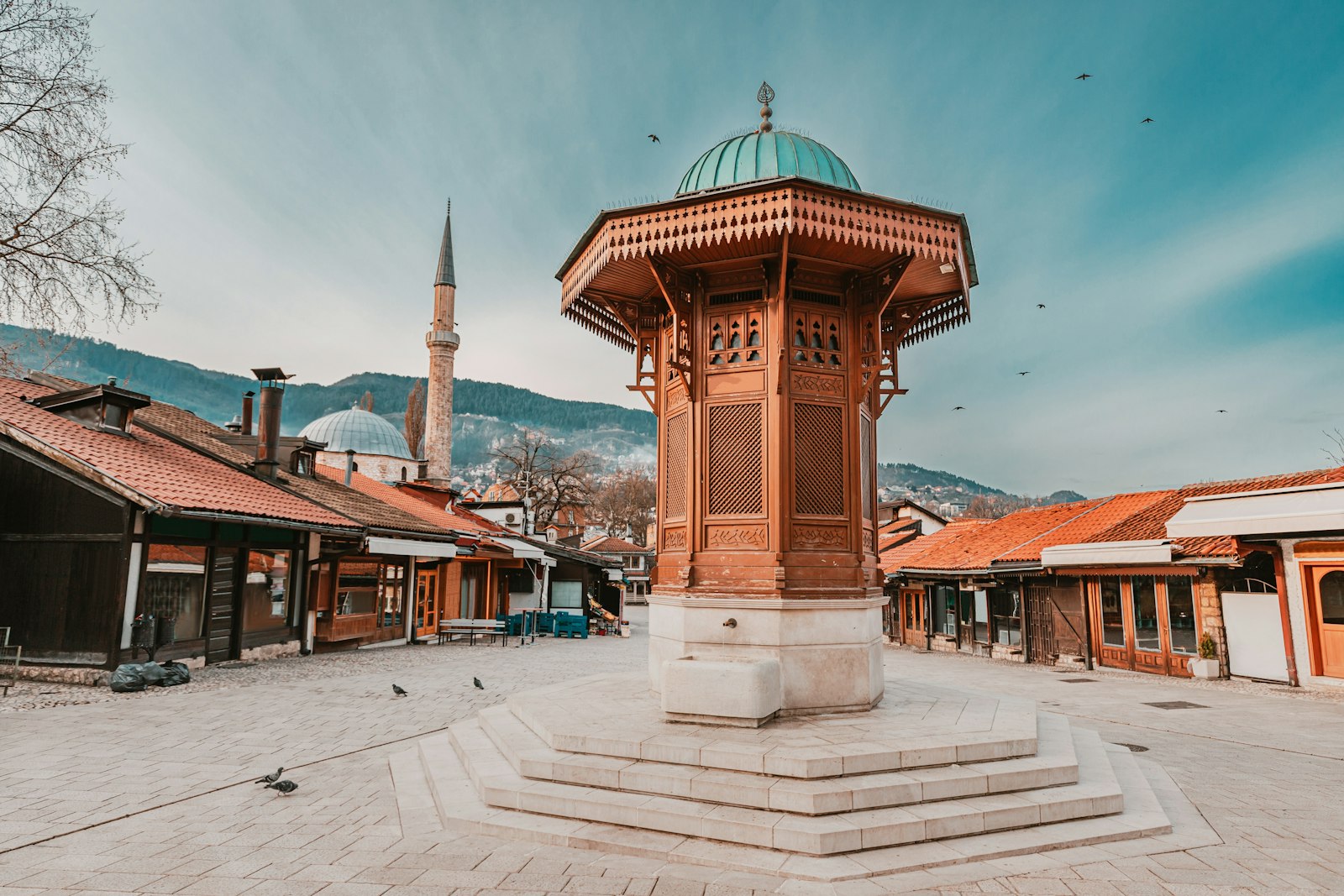
Perhaps nowhere illustrates this heritage more vividly than Sarajevo, the capital of Bosnia and Herzegovina. Its historic Baščaršija district preserves the atmosphere of an Ottoman trading quarter, where mosques, craft workshops and traditional cafés line narrow cobbled streets. At its heart stands the Gazi Husrev-beg Mosque, one of the most important Islamic monuments in the Balkans, built in the 16th century and still an active place of worship today. Nearby is the Sebilj fountain, a wooden Ottoman-style public fountain that has become one of Sarajevo’s most recognisable landmarks.
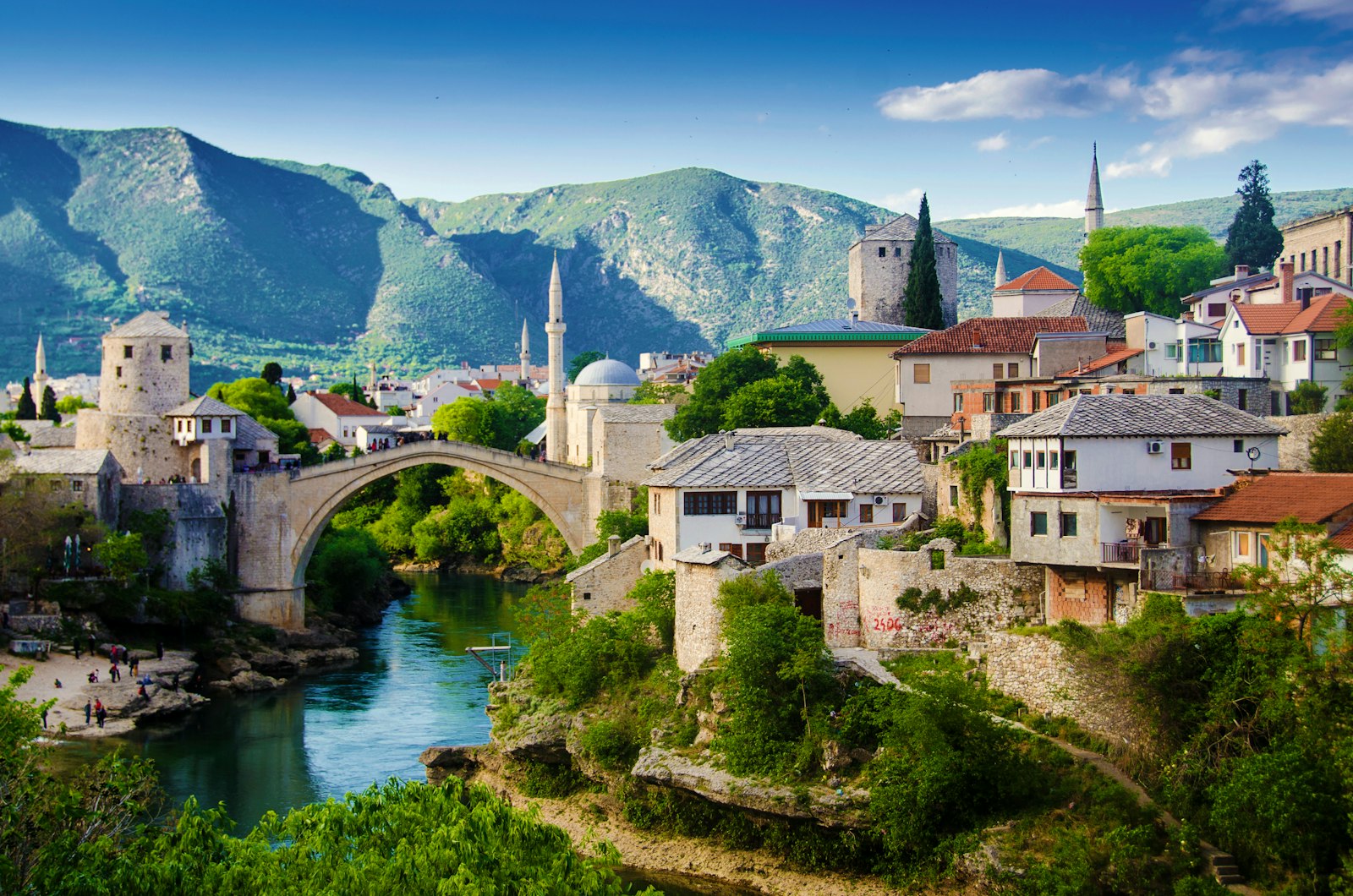
A few hours south lies Mostar, another city deeply shaped by Ottoman architecture. The elegant stone arch of the Stari Most (Old Bridge), originally built in the 16th century, remains one of the most recognisable landmarks in the Balkans and symbolises the city’s long multicultural history. The surrounding old town remains one of the most atmospheric places in the Balkans. Stone houses climb the riverbanks, minarets rise above tiled roofs, and traditional shops line the narrow streets leading to the bridge.
In eastern Bosnia, the beautifully restored Aladža Mosque in Foča, originally built in the 16th century, represents one of the finest examples of Ottoman architecture in the Balkans. Known as the “Colourful Mosque” for its richly decorated interior, it was destroyed during the Bosnian war in the 1990s and carefully reconstructed in recent years. Also in Bosnia and Herzegovina, the beautifully restored Ferhadija Mosque in Banja Luka, originally built in the 16th century, stands as another important example of Ottoman architectural heritage in the region.
Albania
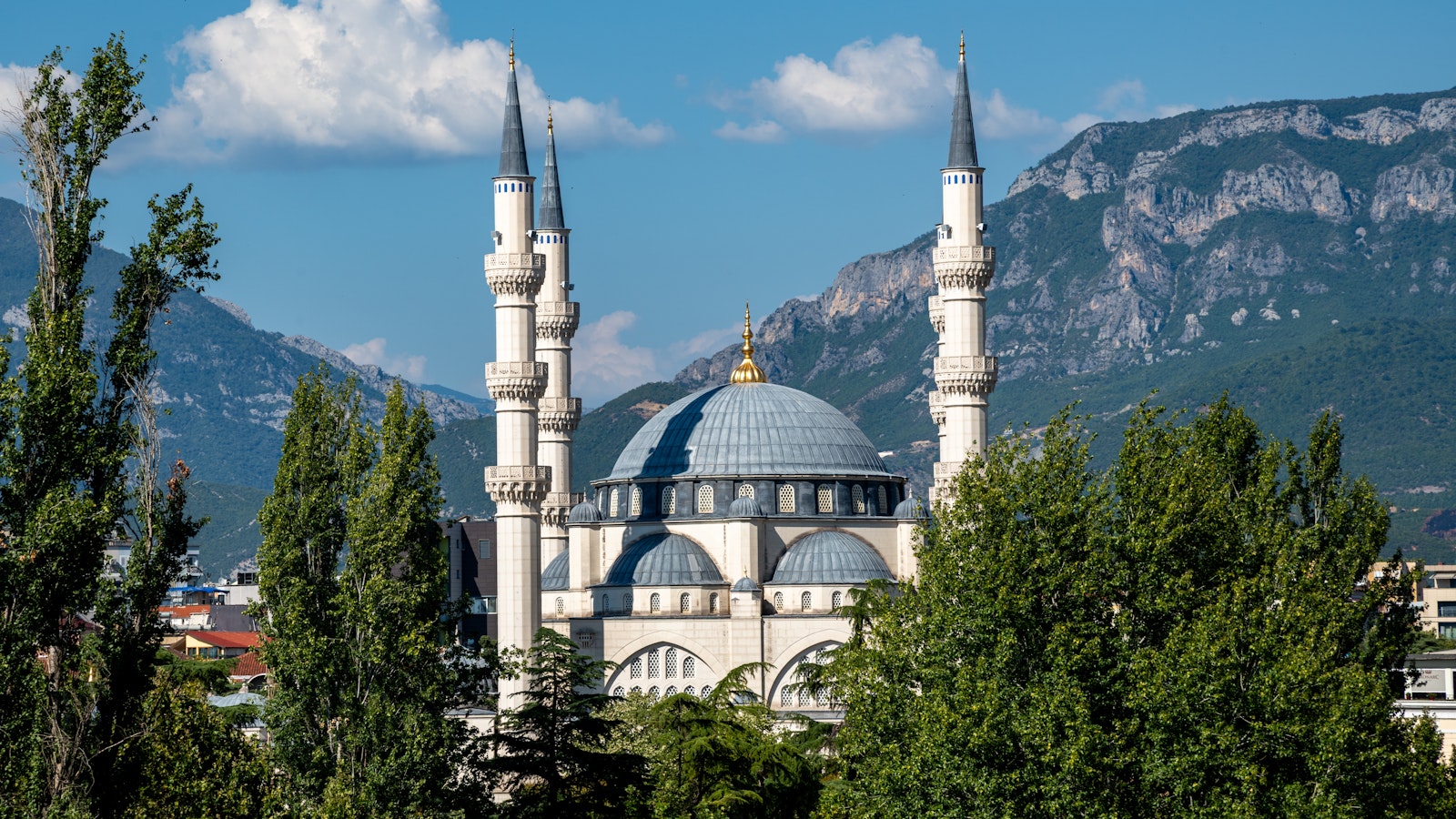
In Tirana, Albania’s capital, the elegant Et’hem Bey Mosque beside Skanderbeg Square reflects the city’s Ottoman heritage, while the Namazgah Mosque, inaugurated in 2024 and described as the largest mosque in the Balkans, represents the growing presence of Islamic architecture in the modern city. In northern Albania, the distinctive Lead Mosque (Xhamia e Plumbit) near Shkodër reflects the region’s Ottoman architectural heritage.
Albania occupies a distinctive place in the Islamic world as the global headquarters of the Bektashi Order, a Sufi brotherhood with deep roots across the former Ottoman Empire. The World Bektashi Headquarters (Kryegjyshata Botërore Bektashiane), also located in Tirana, welcomes respectful visitors, offering insight into a mystical and inclusive interpretation of Islam that spread widely across the Balkans during the Ottoman period and remains an important part of Albanian spiritual and cultural identity.
Alongside this heritage, the beautifully preserved Ottoman old town of Gjirokastër in southern Albania, a UNESCO World Heritage Site, features mosques, a historic bazaar and traditional stone houses reflecting its past as a regional centre during the Ottoman era.
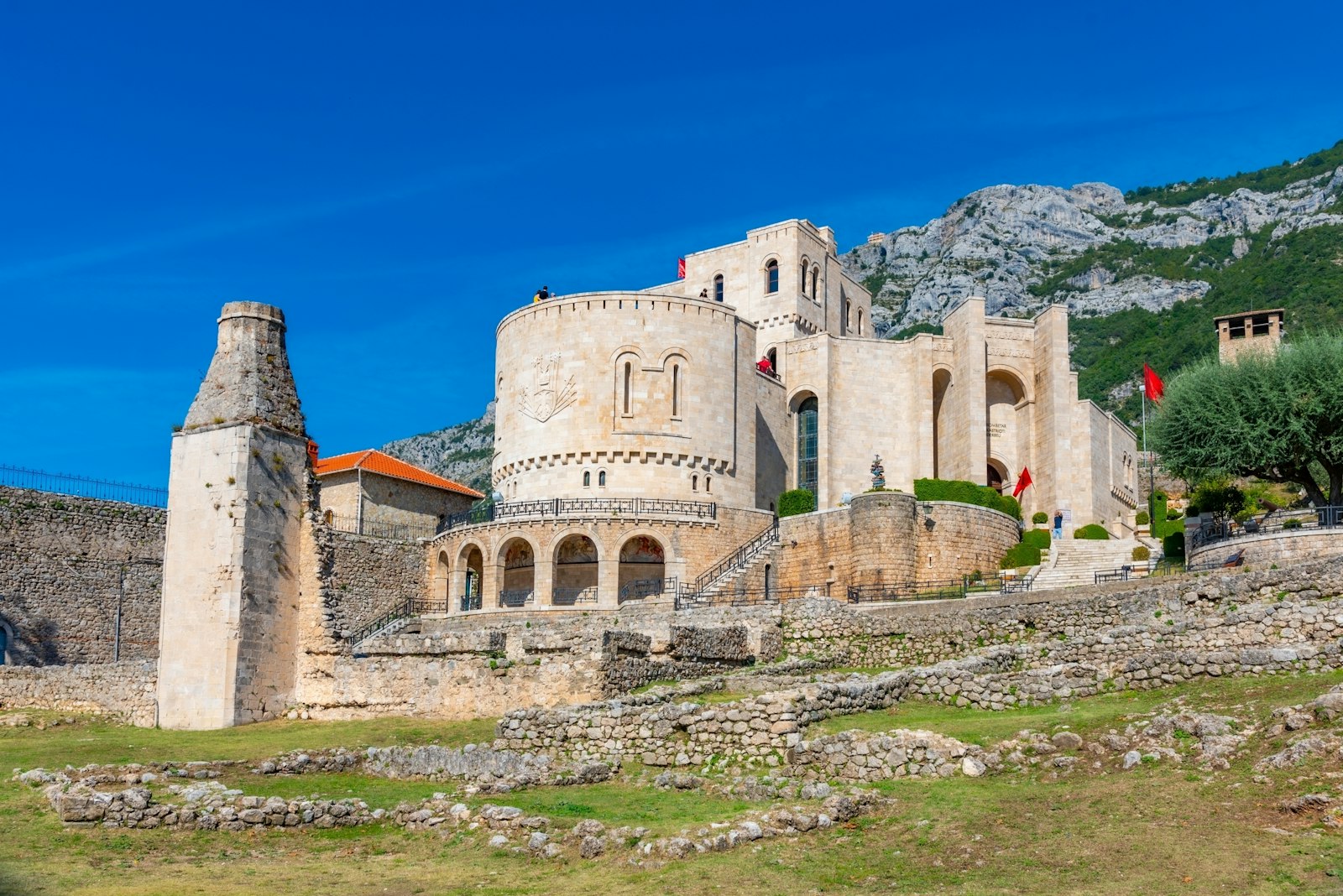
Further north, within the grounds of Kruja Castle, the ruins of the Fatih Sultan Mehmet Mosque offer a quieter but striking reminder of the Ottoman presence, set against one of Albania’s most historically significant strongholds.
North Macedonia
In Skopje, North Macedonia’s capital, the historic Old Bazaar preserves one of the largest surviving Ottoman market districts in the Balkans. Mosques, caravanserais and traditional shops recall the city’s importance as a regional trading hub. Nearby stands the Sultan Murad Mosque, one of the oldest Ottoman monuments in Skopje, built in the 15th century.
In Tetovo, the striking Šarena Džamija is renowned for its richly decorated façade and colourful interior, making it one of Balkans’ most distinctive Islamic monuments.
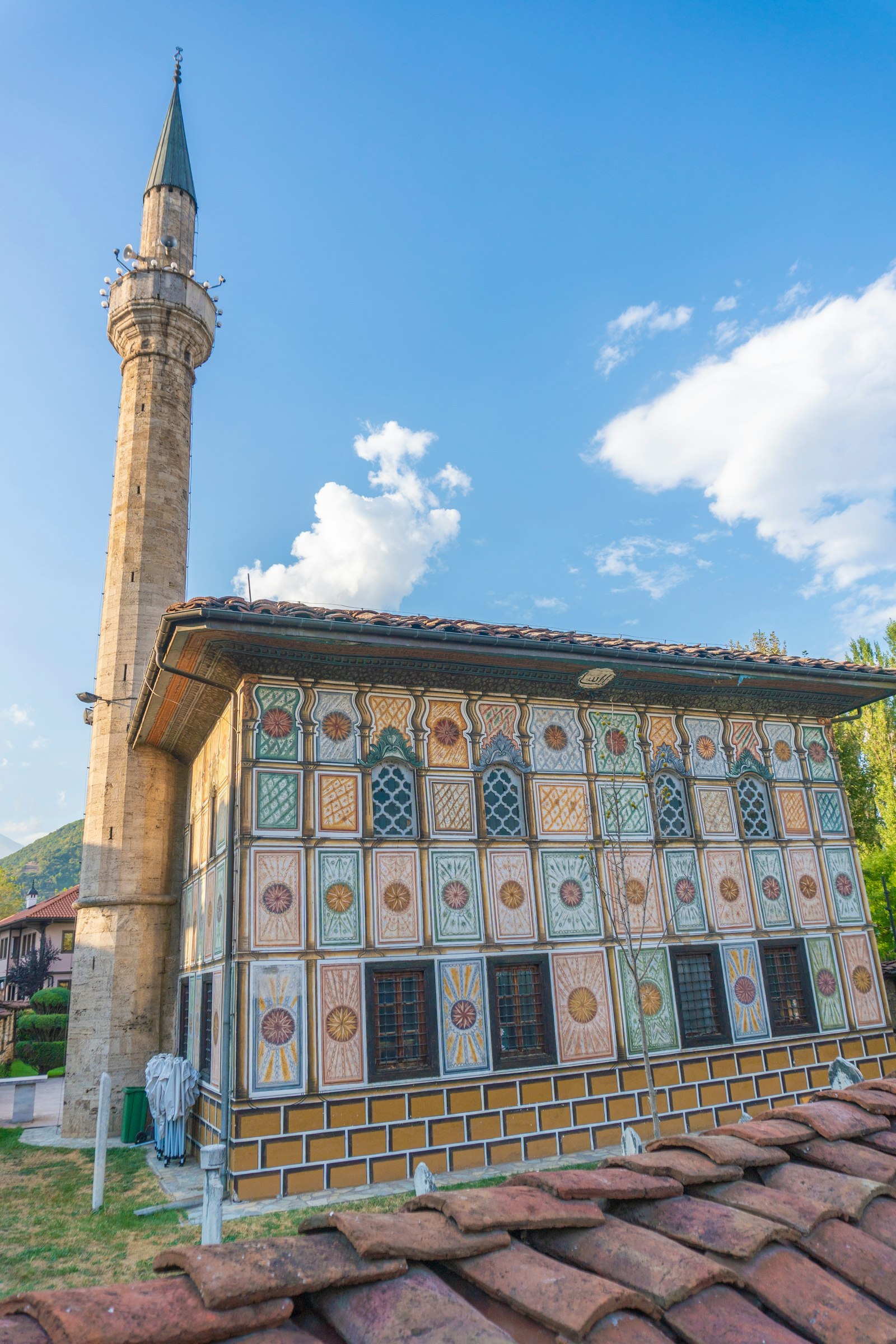
Also in Tetovo, the Arabati Baba Tekke represents another distinctive dimension of the region’s Islamic heritage. This historic Sufi lodge, associated with the Bektashi order, preserves the spiritual and architectural traditions of mysticism that once flourished across the Balkans.
Kosovo
Further east in Kosovo, the historic town of Prizren offers another remarkable example of Ottoman-era urban heritage. Often described as the cultural capital of Kosovo, it lies beneath a hilltop fortress overlooking the Bistrica River.
The elegant Sinan Pasha Mosque, built in the early 17th century, dominates the skyline of the old town, while nearby stands the Gazi Mehmet Pasha Hammam, one of the finest surviving Ottoman bathhouses in the region. Together with traditional houses and stone bridges, these landmarks preserve the atmosphere of a historic Balkan trading town.
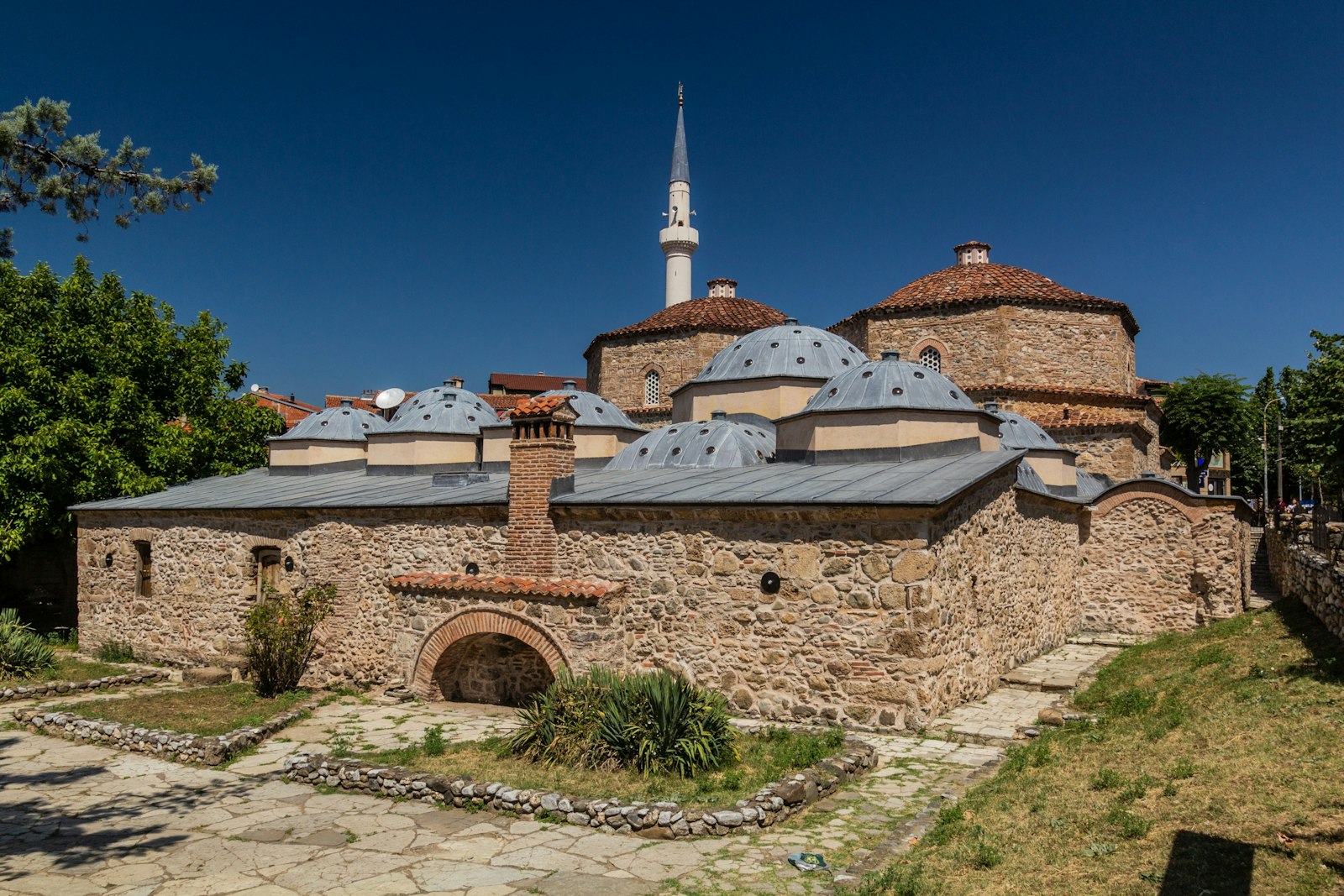
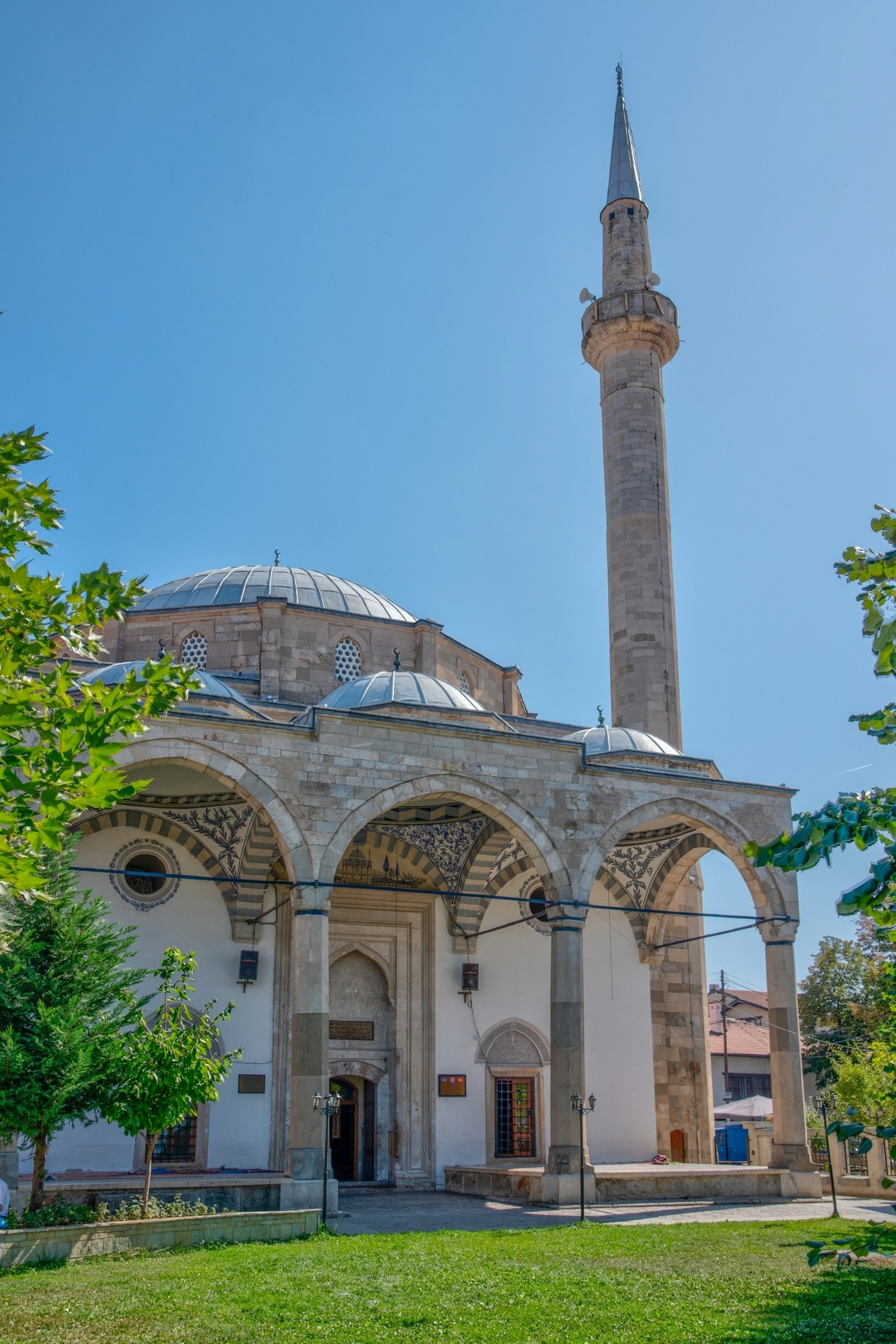
The capital Pristina presents several important monuments from the Ottoman period. The Imperial Mosque (Sultan Mehmet Fatih Mosque), built in 1461 shortly after the Ottoman conquest, remains one of the city’s oldest buildings. Nearby, the Great Hammam recalls the era when Pristina formed part of a vibrant Ottoman bazaar district, while other historic mosques, including the Jashar Pasha Mosque and the small Çarshi Mosque, further reflect this long Islamic heritage.
Serbia
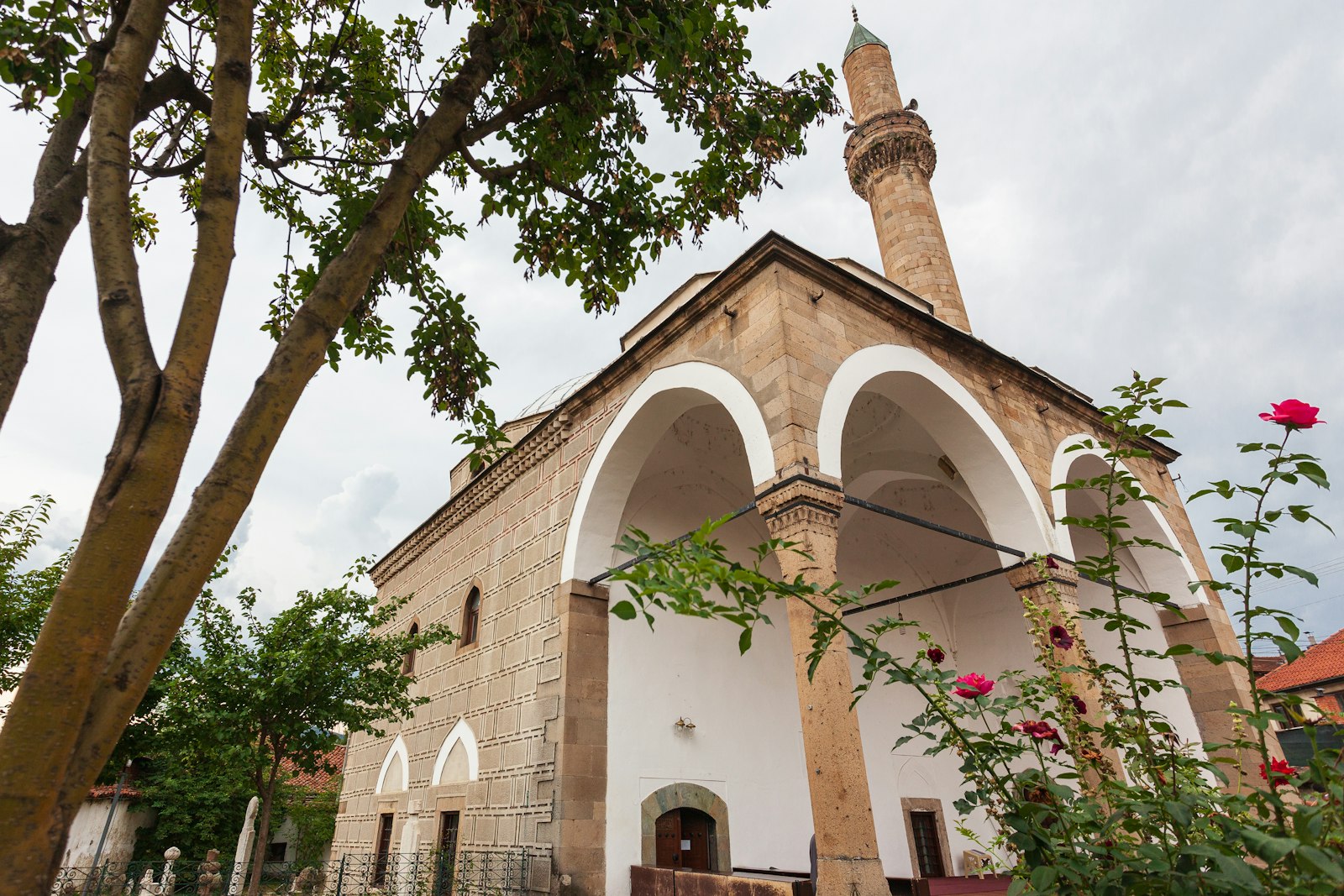
Belgrade also preserves traces of its Ottoman past. The Bajrakli Mosque, built in the 17th century, is the only surviving mosque in the city and a reminder of the centuries when Belgrade formed part of the Ottoman world.
Further south, Novi Pazar in the Sandžak region stands out as one of the Balkans’ most significant yet lesser-known centres of Islamic heritage. The Altun-Alem Mosque, alongside historic hamams, a covered bazaar and Ottoman-era architecture, reflects its past as a thriving Ottoman trading town. The surrounding region remains home to a large Bosniak Muslim community, preserving a living Islamic cultural tradition that continues to shape daily life.
Bulgaria
Bulgaria’s Ottoman heritage is among the most significant in the Balkans, yet remains relatively little known to international travellers. For nearly five centuries, the country formed a central part of the Ottoman Empire, a legacy that endures in its architecture, communities and culture.
In Plovdiv, one of Europe’s oldest continuously inhabited cities, the 15th-century Dzhumaya Mosque remains an active place of worship and one of the oldest in the Balkans.
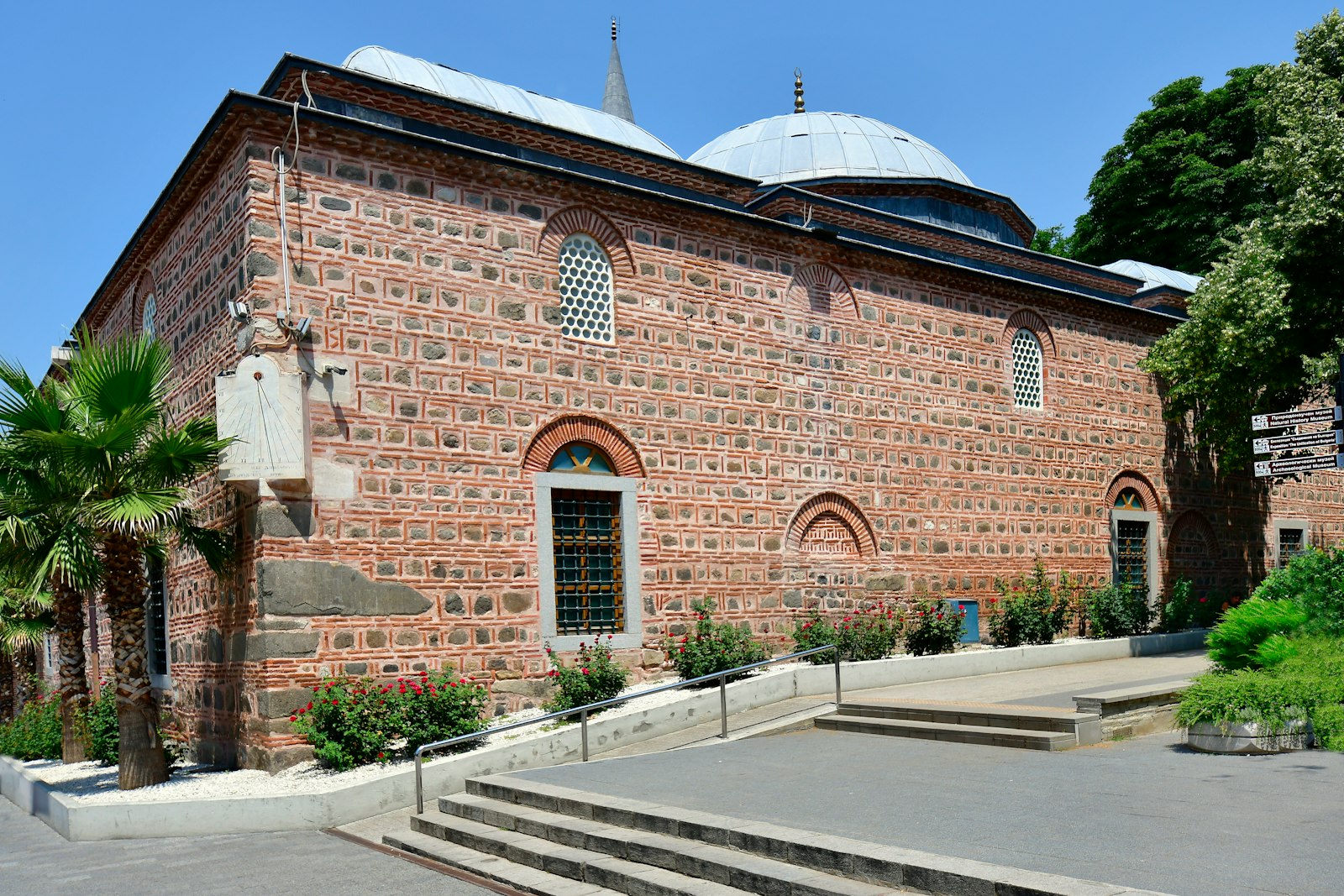
In Shumen, the Tombul Mosque, completed in 1744, is the largest in the country and a fine example of Ottoman religious architecture in southeastern Europe.
The country is also home to a substantial Muslim population, including ethnic Turks and Pomaks - Bulgarian Muslims whose communities are concentrated in the Rhodope Mountains and the northeast. For Muslim travellers, these regions offer an authentic encounter with a living Islamic heritage that has endured across centuries.
Greece
Thessaloniki, Greece’s second city and northern cultural capital, carries one of the richest Ottoman legacies in the Balkans. Founded in antiquity and shaped by Roman, Byzantine and Ottoman rule, it preserves a remarkable collection of Islamic monuments.
The Bey Hamam, built in the early 15th century, is among the oldest surviving Ottoman bathhouses in Greece, while the Yeni Mosque, completed in 1902, stands near the waterfront as one of the last mosques built in Thessaloniki during the late Ottoman period.
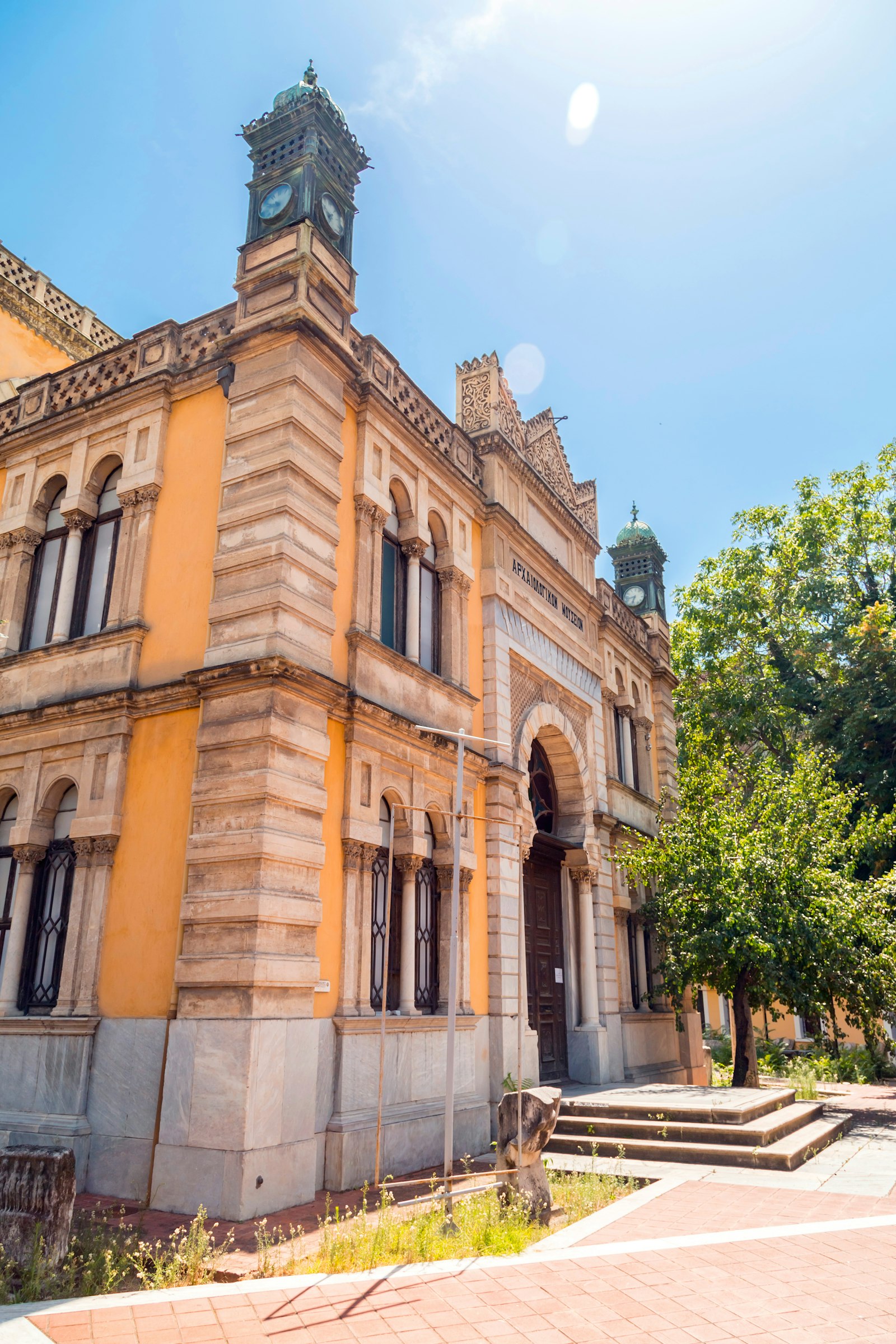
The iconic White Tower, now a symbol of the city, was also constructed during the Ottoman era. Together, these landmarks reflect nearly five centuries of Ottoman presence in one of the region’s most cosmopolitan centres.
Further east, Western Thrace - encompassing Xanthi and Komotini - is home to one of the only officially recognised Muslim minorities in the European Union. Numbering around 100,000, this community has maintained an unbroken presence since the Ottoman period and continues to sustain active mosques, Islamic schools and a distinctly Ottoman-influenced urban character. For Muslim travellers, this corner of northern Greece offers a rare, living connection to the region’s Islamic heritage, with active mosques and traditional bazaars.
Türkiye
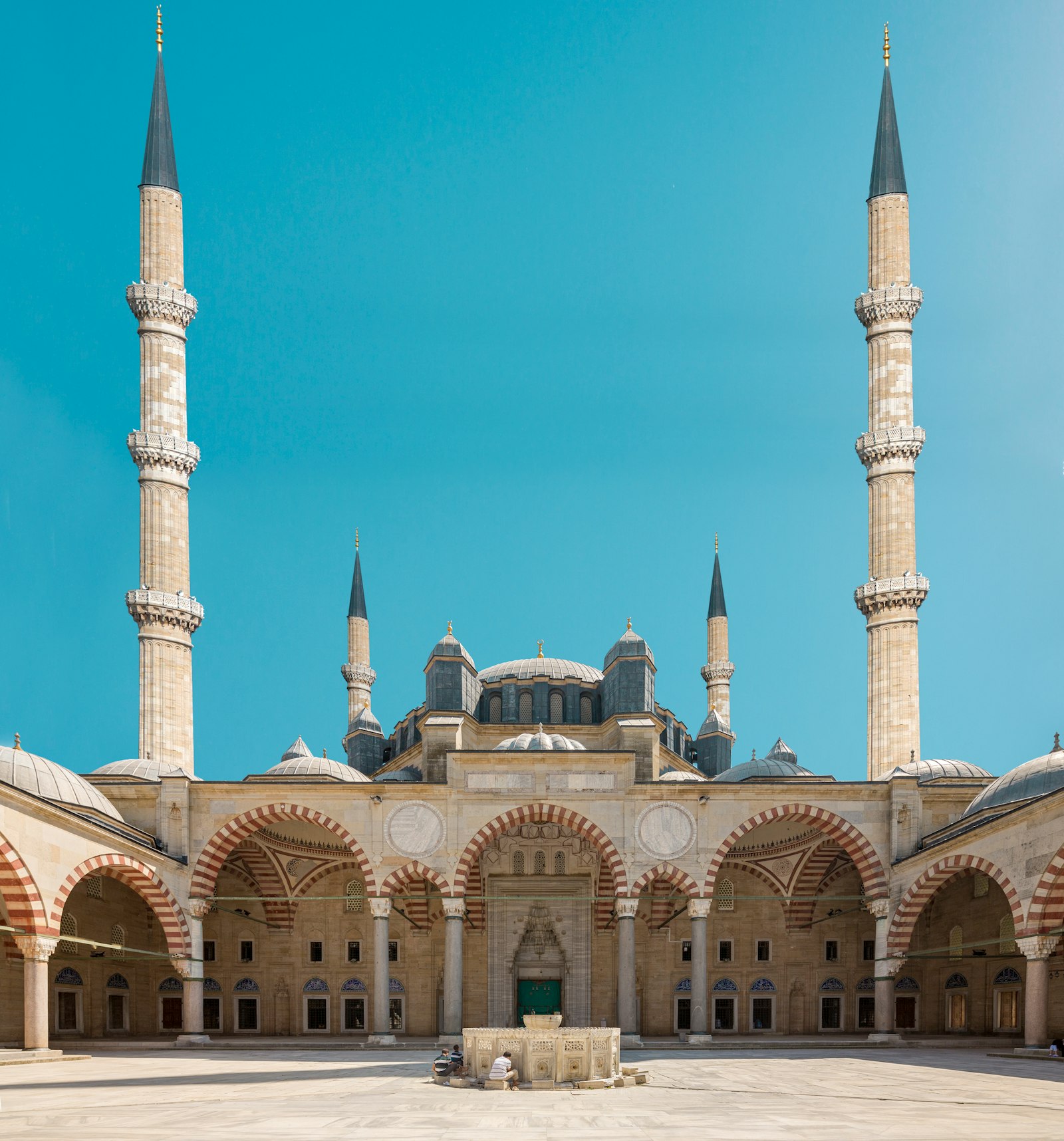
The Ottoman legacy of the Balkans extends into Edirne in the European part of Türkiye. Once the empire’s second capital before Istanbul, the city is dominated by the magnificent Selimiye Mosque, designed by the great architect Mimar Sinan in the 16th century. Sinan himself described it as his “masterpiece” (ustalık eserim), marking the pinnacle of his career and one of the greatest achievements of Ottoman architecture.
While this Islamic heritage forms an important cultural thread across the Balkans, the region’s appeal extends far beyond its historic cities, unfolding across dramatic coastlines, alpine mountains and ancient lakes that shape the landscapes of southeastern Europe.
Adriatic coastlines and Mediterranean towns
While the interior Balkans are shaped by Ottoman heritage and mountainous landscapes, the Adriatic coast reveals a completely different character. Here, centuries of Venetian influence combine with Mediterranean scenery to create some of the most beautiful coastal towns in Europe. Many of these coastal cities developed as trading ports, linking the Balkans with Italy and the wider Mediterranean world.
Croatia
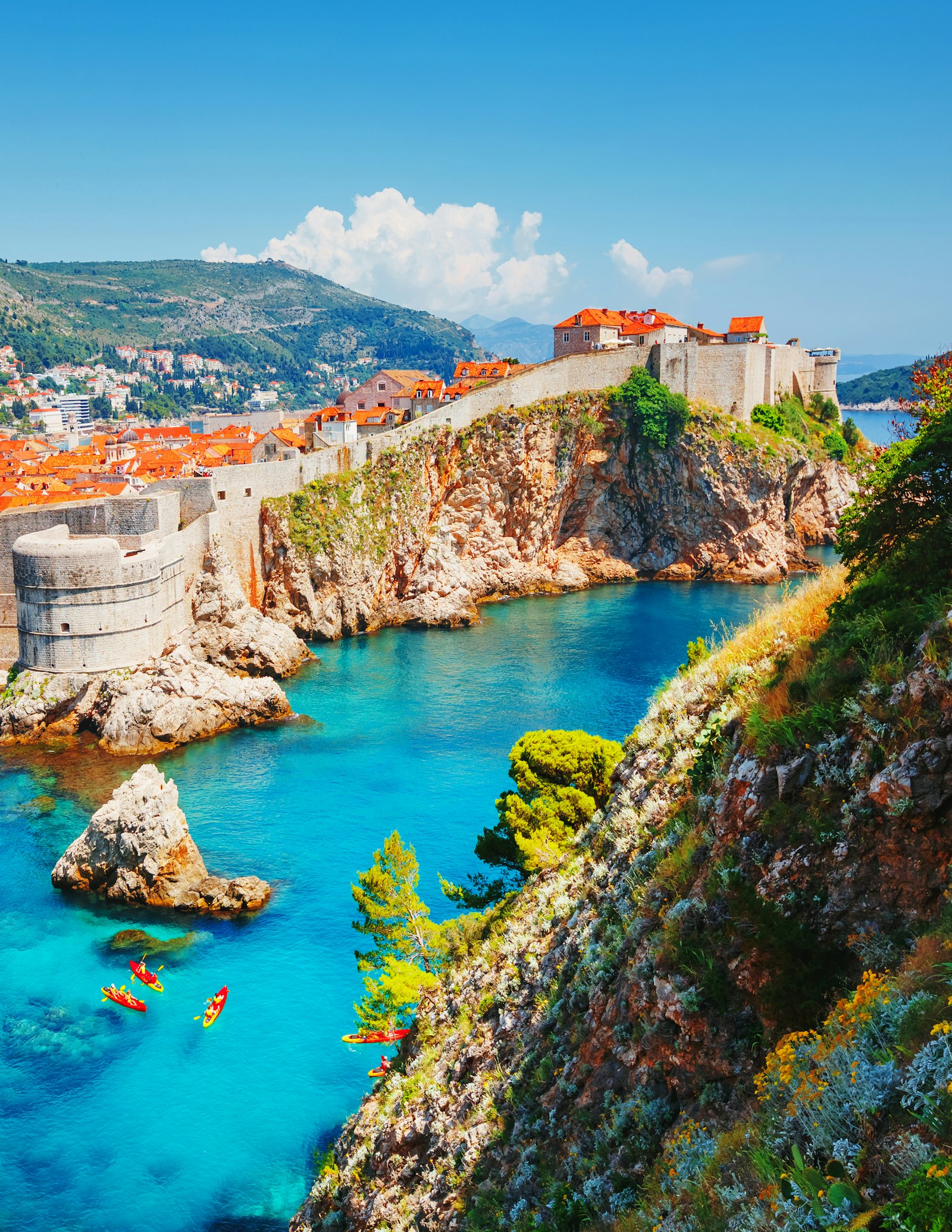
In Croatia, the walled city of Dubrovnik is perhaps the most famous example. Surrounded by massive stone fortifications overlooking the Adriatic Sea, Dubrovnik remains one of the best-preserved medieval cities in Europe. Walking along the city walls offers panoramic views of terracotta rooftops, church towers and the shimmering sea beyond.
Further north, Split offers another extraordinary historical setting. At its heart lies the vast Palace of Diocletian, built by the Roman emperor in the early 4th century. Over time the palace became integrated into the city itself, with houses, cafés and shops occupying the ancient Roman walls and courtyards.
Montenegro
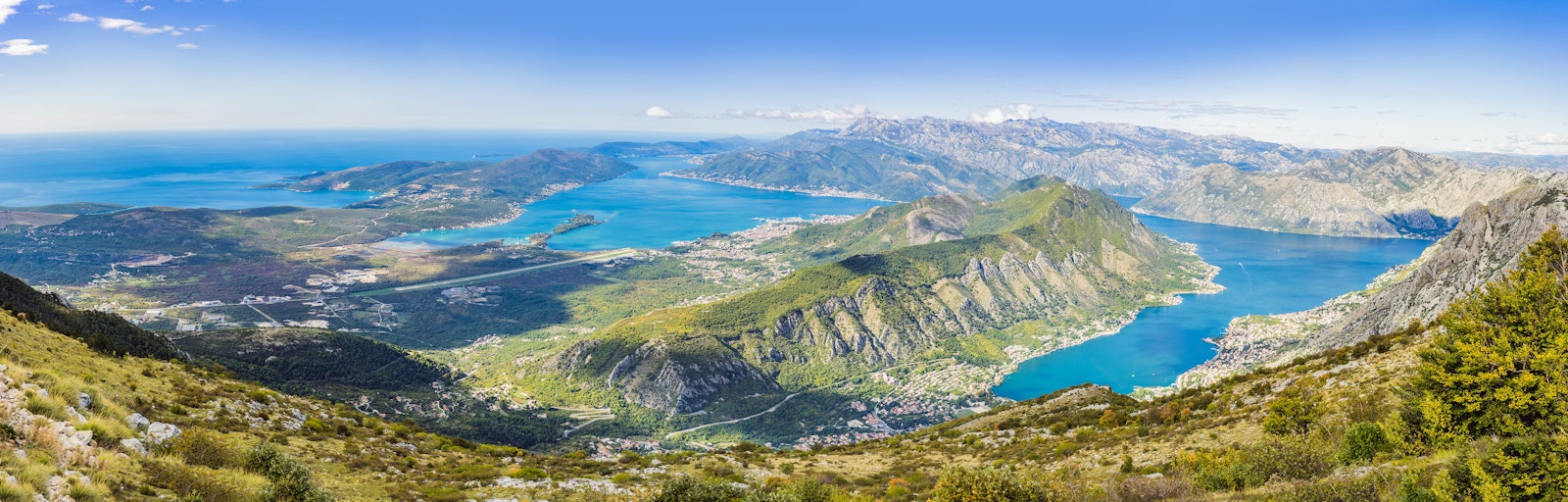
Crossing the border into Montenegro, travellers encounter the dramatic Bay of Kotor. Surrounded by steep limestone mountains that plunge into the sea, the bay resembles a Scandinavian fjord transplanted to the Mediterranean. Within the bay lies the medieval town of Kotor, whose narrow streets and stone squares reflect centuries of Venetian influence. Climbing the fortress walls above the town rewards visitors with breathtaking views across the bay and surrounding mountains.
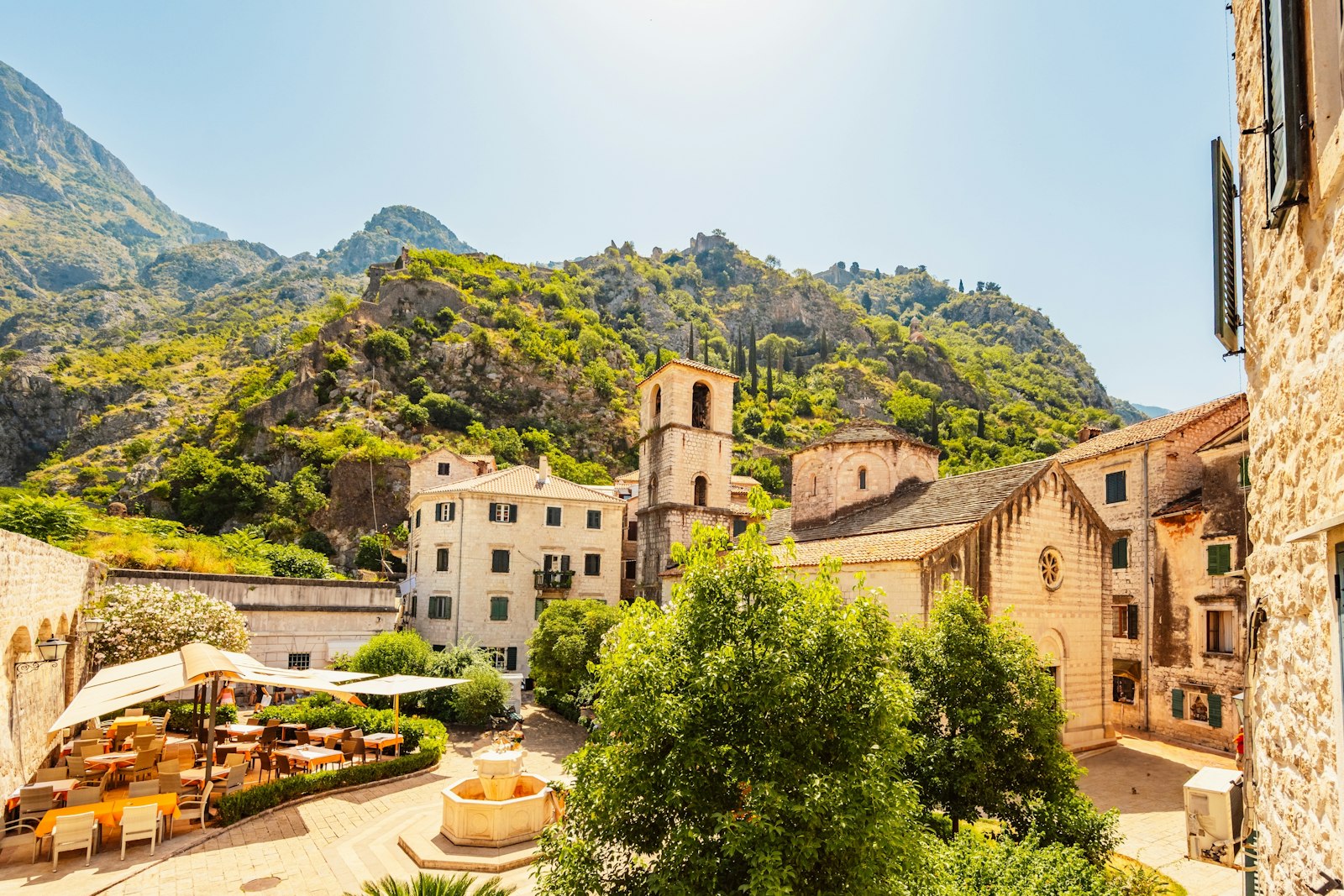
Beyond the bay, the Adriatic coastline reveals quieter seaside towns and beaches that offer a more relaxed and sun-filled side of the Balkans.
Greece
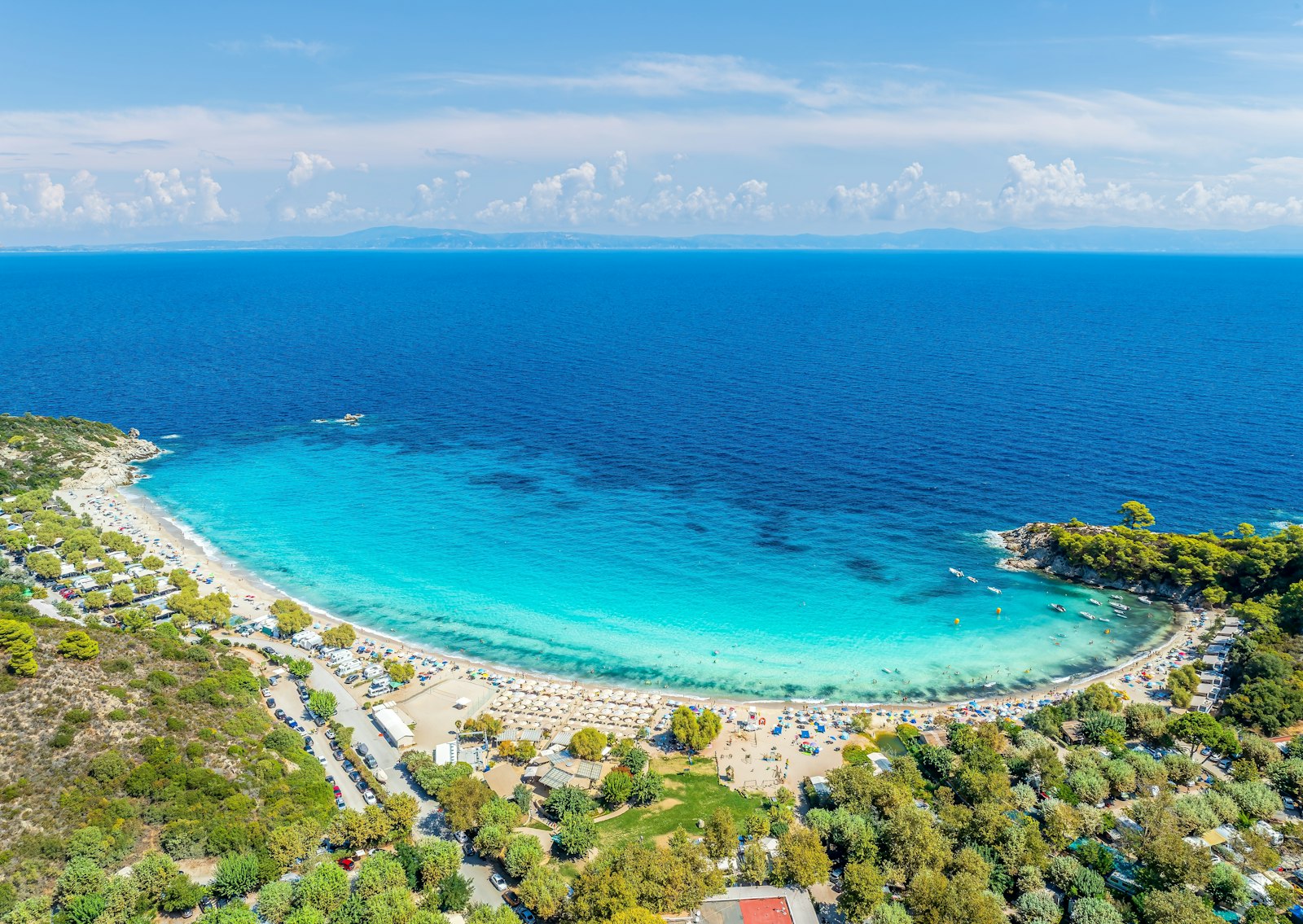
Further south, the Greek coastline introduces a distinctly Mediterranean character, where whitewashed buildings, turquoise waters and sunlit harbours shape the landscape. In regions such as Halkidiki, long sandy beaches and quiet seaside villages offer a more relaxed coastal experience, while traditional towns combine maritime heritage with a slower pace of life typical of the Aegean world.
Alpine landscapes and national parks
Beyond the coast, the Balkans become increasingly mountainous, and some of the region’s most spectacular scenery lies within its national parks and highland regions.
Montenegro
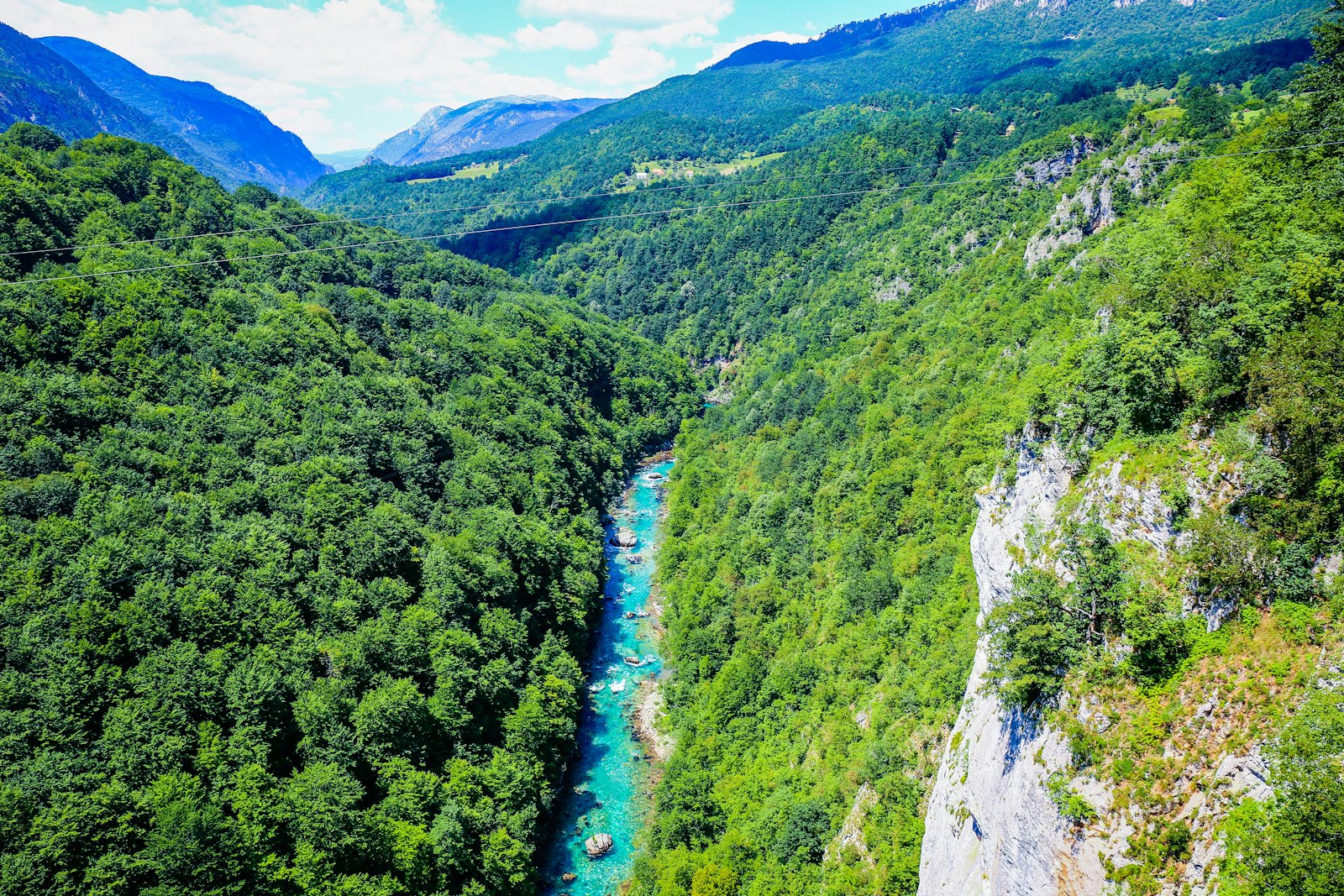
In northern Montenegro, Durmitor National Park offers one of the most dramatic landscapes in southeastern Europe. Formed by glaciers and carved by rivers, the park contains rugged limestone peaks, deep forests and clear glacial lakes. One of its most striking features is the Tara River Canyon, which is among the deepest gorges in Europe. The river winds through towering cliffs and dense pine forests, creating scenery that rivals some of the most famous natural landscapes on the continent.
Slovenia
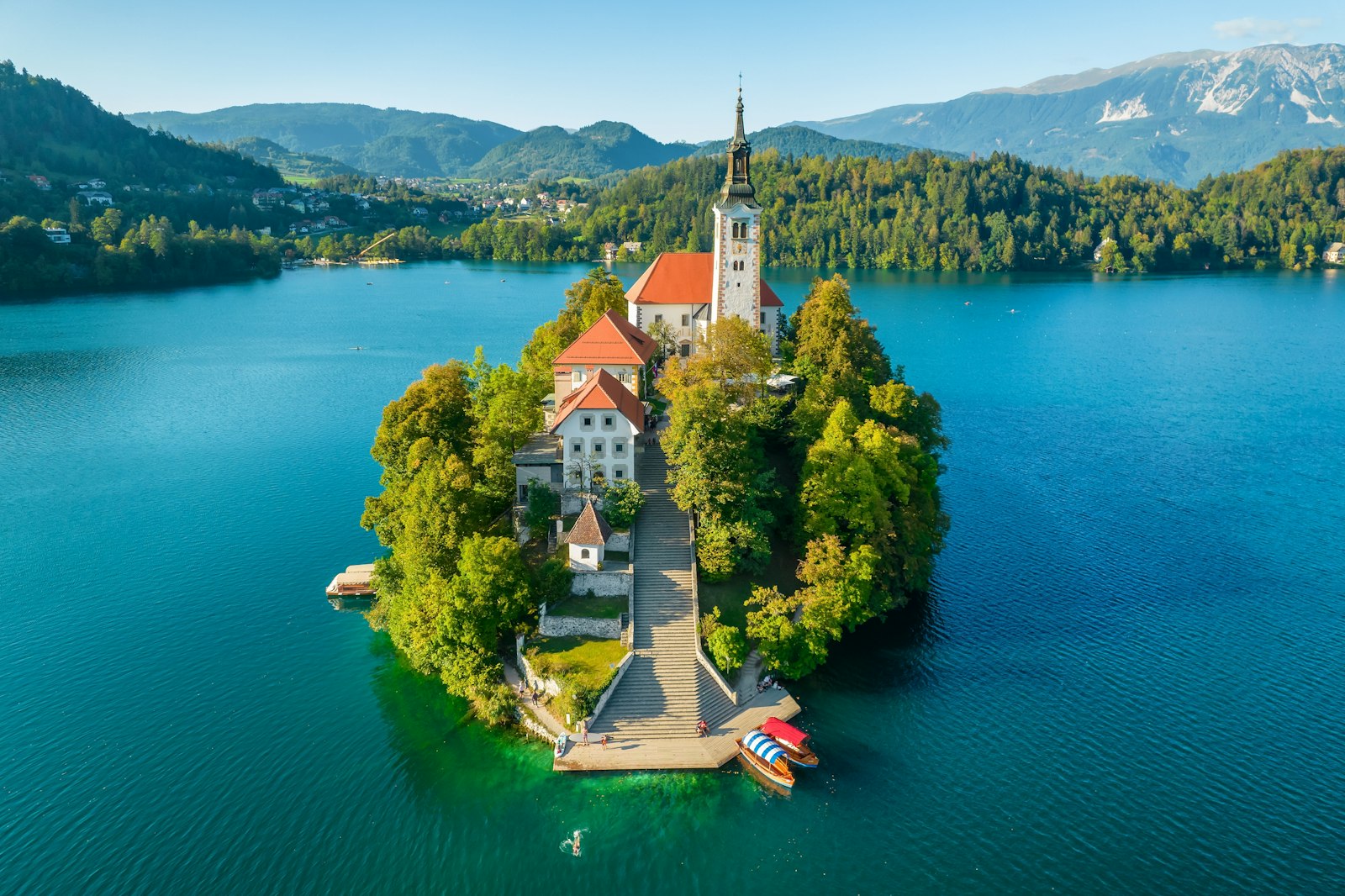
Further north, Slovenia offers a different alpine experience. Although often associated with Central Europe, Slovenia also forms part of the wider Balkan cultural and geographical region. The iconic Lake Bled sits at the edge of the Julian Alps, where a small island church rises from the centre of the lake beneath a dramatic mountain backdrop. Nearby Triglav National Park protects some of the most beautiful alpine landscapes in southeastern Europe, including waterfalls, glacial valleys and hiking trails that attract nature lovers year-round.
Greece
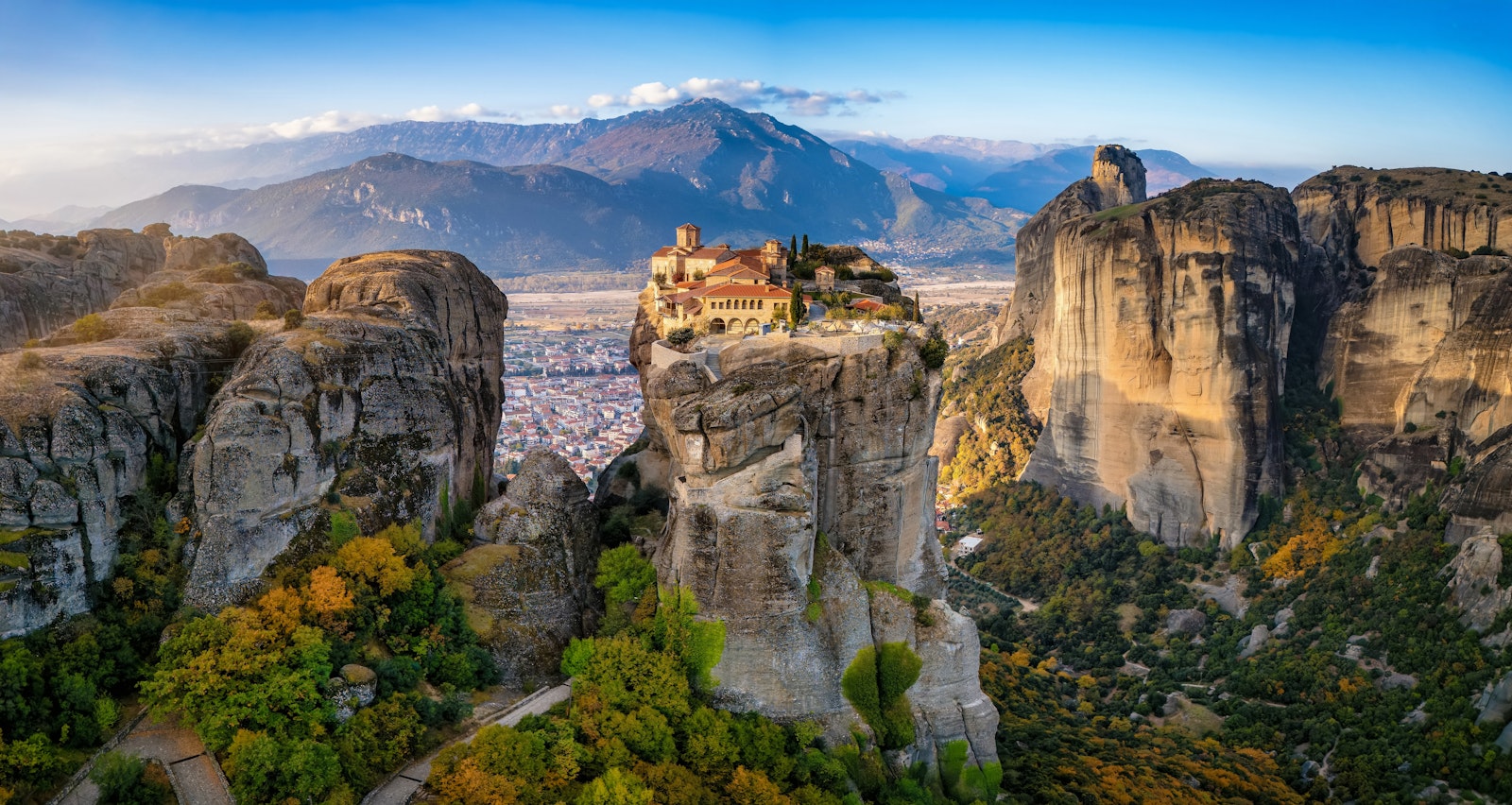
In northern Greece, the extraordinary rock formations of Meteora create one of the most dramatic landscapes in southeastern Europe. Monasteries built centuries ago sit atop towering sandstone pillars that rise sharply from the valley floor, creating a surreal and unforgettable scene. Today several of these monasteries remain active, while visitors can explore the area through winding mountain roads and panoramic viewpoints.
Albania
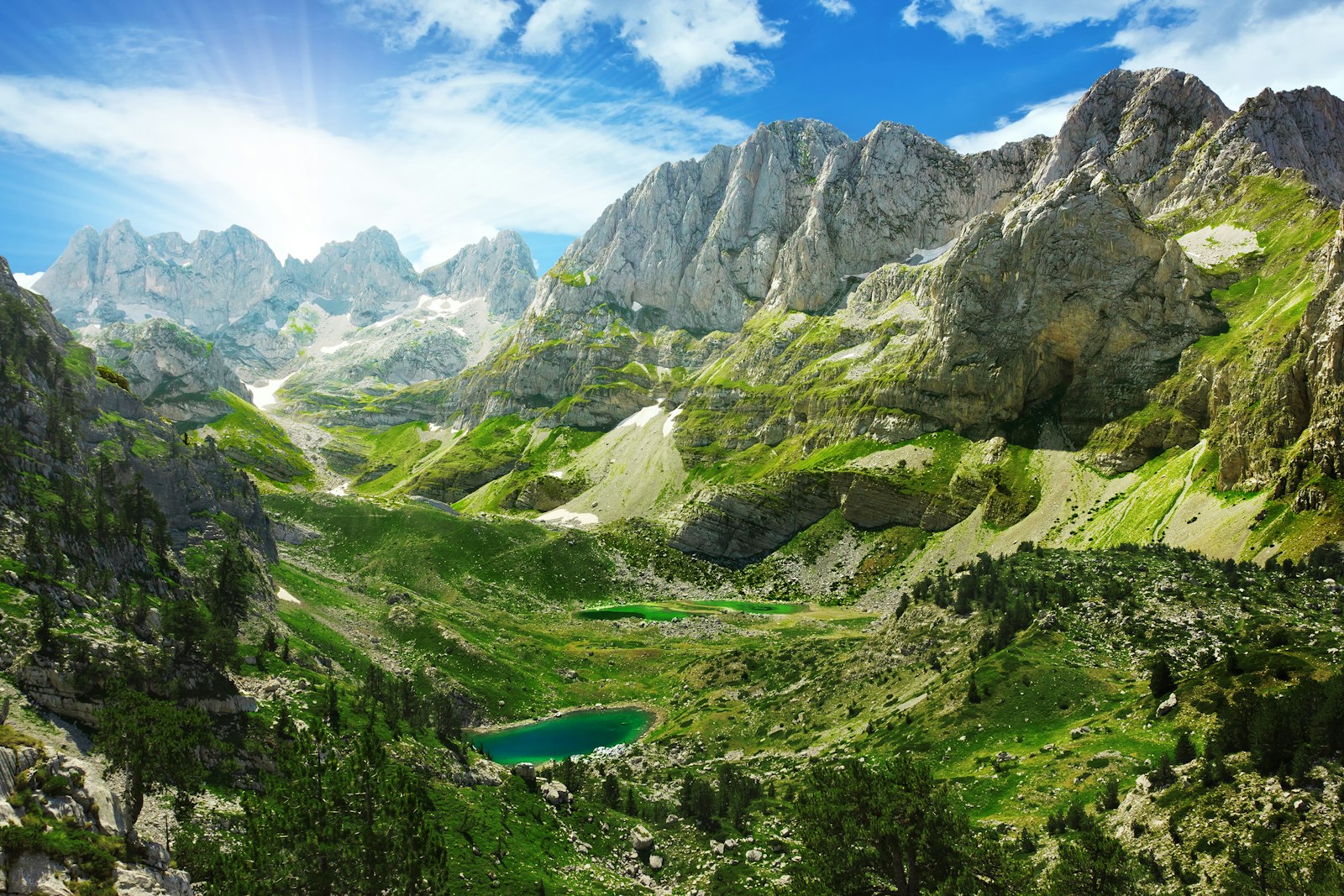
In Albania, the Albanian Alps provide one of the least explored mountain regions in Europe. Remote villages such as Theth and Valbona remain surrounded by towering peaks and traditional farming landscapes. Hiking routes across the region connect valleys through high mountain passes, offering some of the most rewarding trekking opportunities in the Balkans.
The remote mountains of the Balkans are also home to rich wildlife, including brown bears, wolves and the elusive Balkan lynx. Encounters with these animals are extremely rare, but their presence reflects the region’s remarkably preserved natural ecosystems.
These highland regions reveal a wilder side of the Balkans – one defined by dramatic scenery, traditional villages and a slower rhythm of life.
Lakes, rivers and southern landscapes
Alongside the mountains, water plays an equally important role in shaping the landscapes of the Balkans.
Croatia
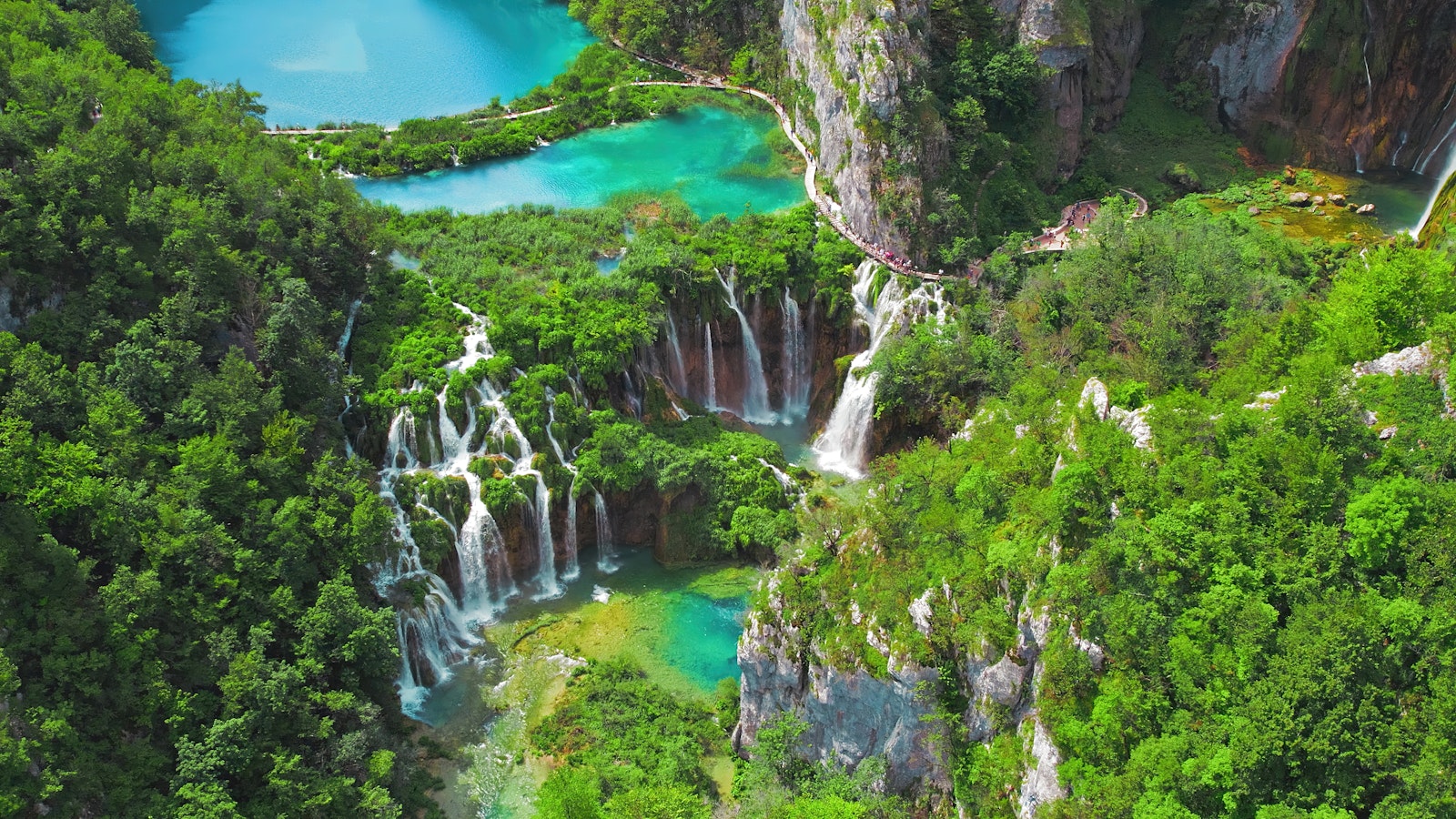
Among the most spectacular natural landscapes in the Balkans are the Plitvice Lakes in Croatia, a UNESCO World Heritage Site known for its cascading waterfalls and vivid turquoise pools. Sixteen interconnected lakes flow through forested valleys, linked by wooden walkways that allow visitors to explore the park’s remarkable scenery up close. The constantly shifting colours of the water, shaped by mineral deposits and sunlight, make Plitvice one of the most visually striking landscapes in southeastern Europe.
North Macedonia / Albania
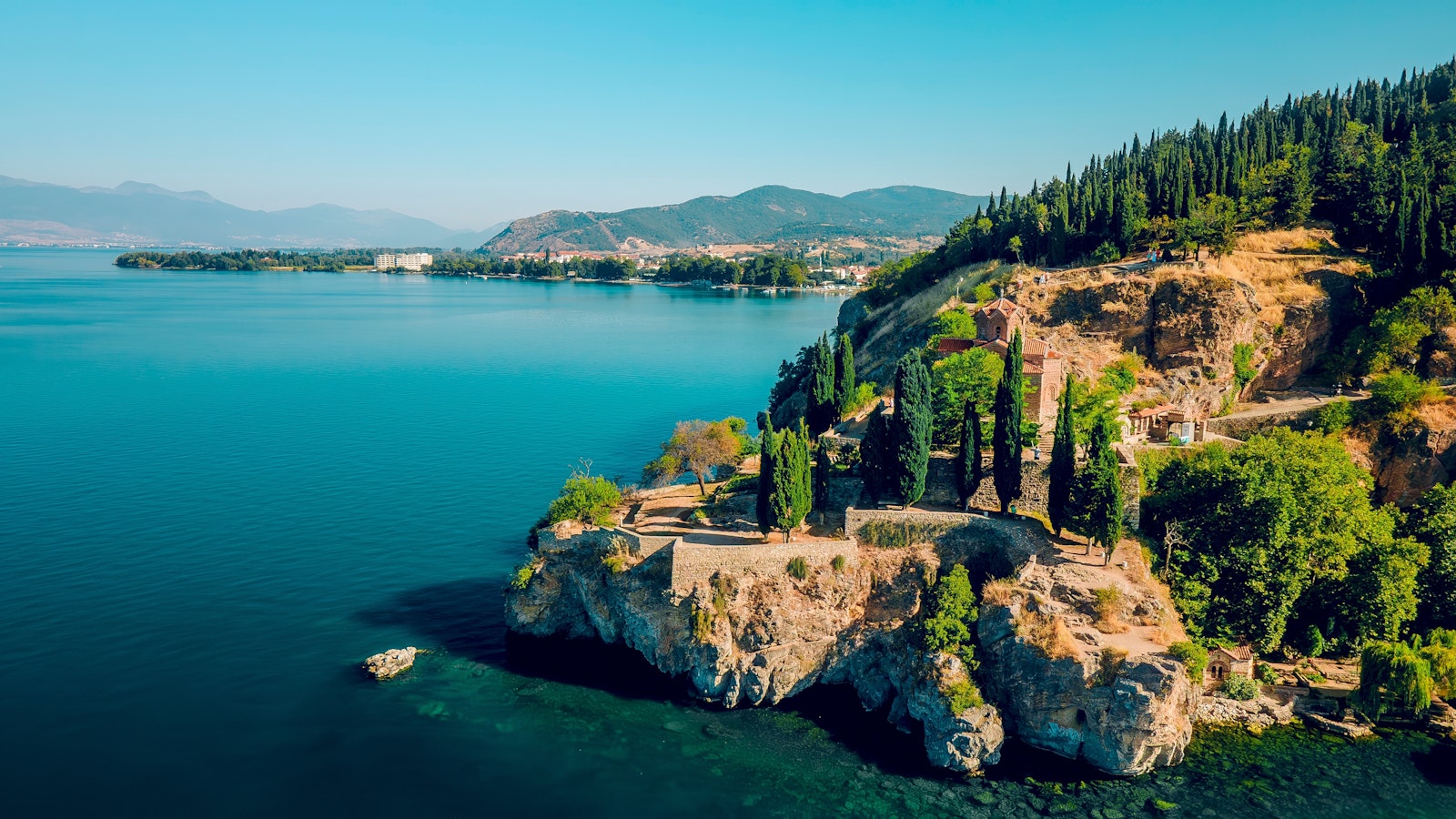
Lake Ohrid, shared by North Macedonia and Albania, is one of Europe’s oldest and most historically significant lakes. The historic town of Ohrid climbs the hillside above the lake, with churches, monasteries and stone streets overlooking the water. One of the most photographed sites is the Church of St John at Kaneo, perched dramatically above the shoreline. The lake itself creates a peaceful atmosphere that contrasts beautifully with the region’s more bustling cities.
Serbia
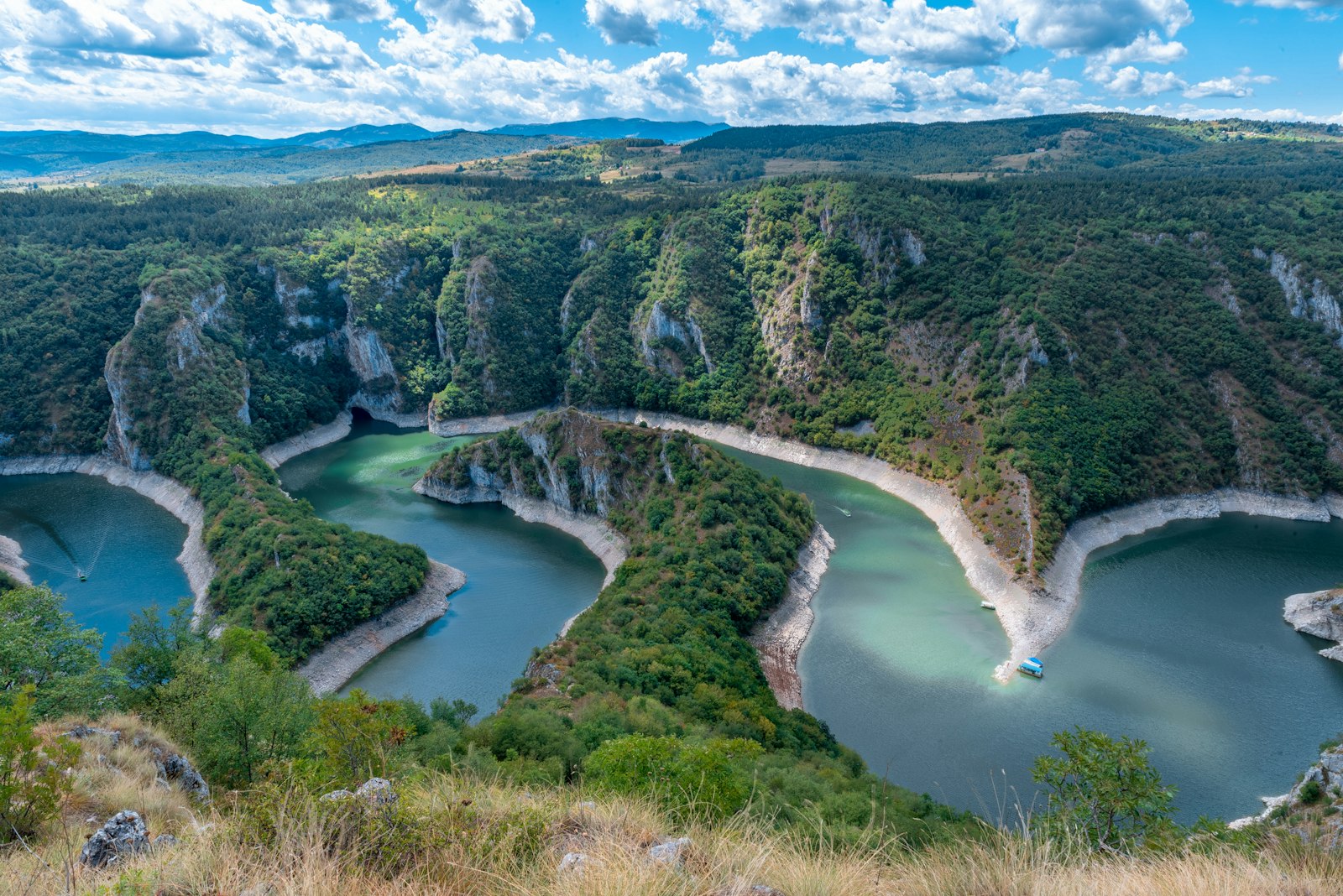
In southwestern Serbia, the Uvac River forms dramatic meanders through steep limestone cliffs, creating one of the most striking landscapes in the Balkans. Nearby, Lake Uvac - a reservoir created by a dam - offers some of the best viewpoints over this unique landscape, which is also home to rare griffon vultures. Boat trips through the canyon and viewpoints overlooking the river’s sweeping bends offer some of the most memorable scenery in the region.
Balkan capitals: vibrant cities shaped by history
While this part of Europe is often celebrated for its mountains, coastlines and historic towns, the region’s capitals reveal another dimension of its character. From historic bazaars and Austro-Hungarian boulevards to contemporary art spaces and lively cafés, these cities reflect the Balkans’ rich cultural influences while embracing a dynamic modern identity.
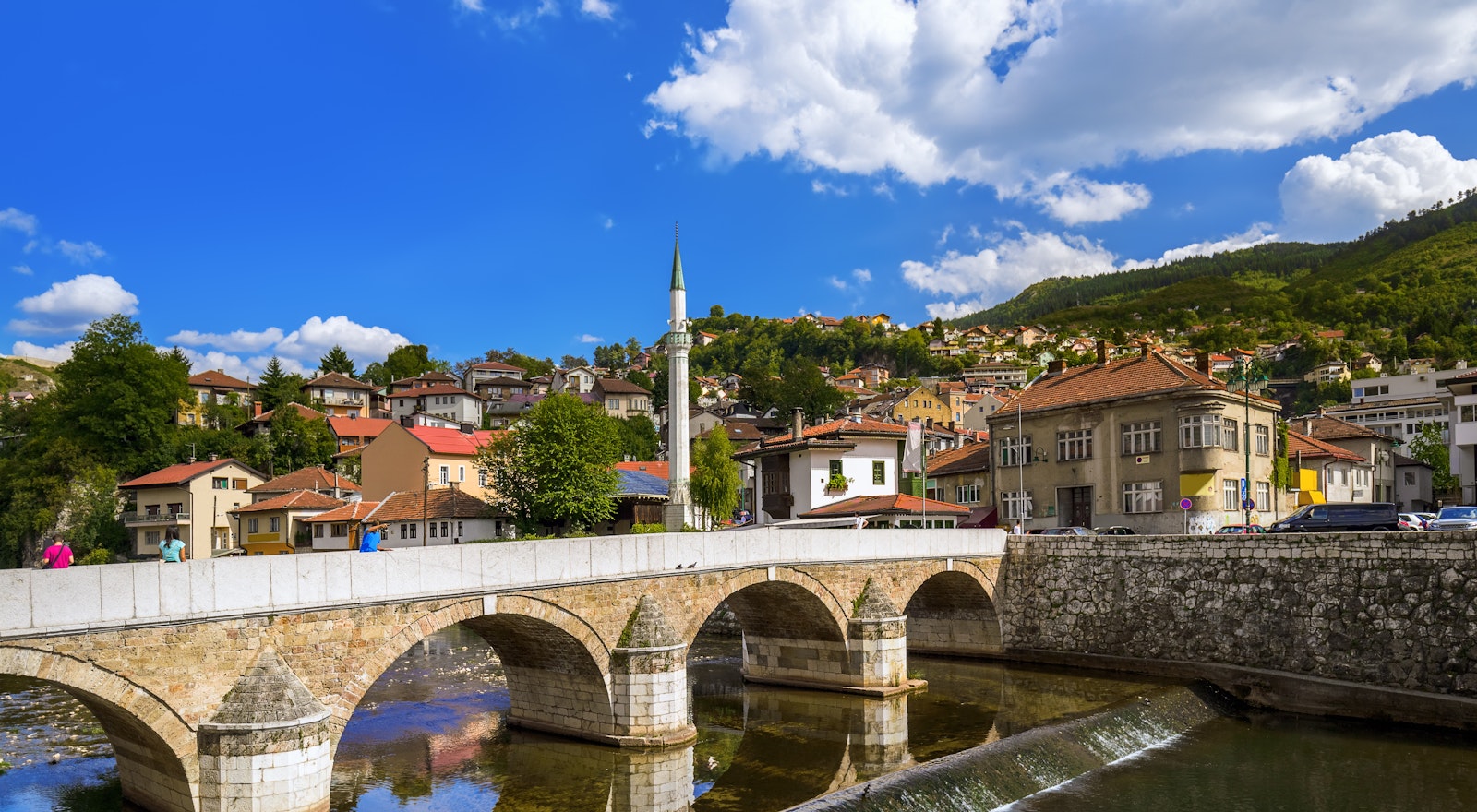
Sarajevo stands out as one of the most distinctive capitals in Southeast Europe. Today Sarajevo combines its historic heritage with a lively contemporary culture, where cafés, galleries and cultural festivals animate the city throughout the year. Just a short walk away stand Austro-Hungarian boulevards, elegant cafés and museums that reflect the city’s later European influences. Surrounded by mountains and shaped by a complex modern history, Sarajevo today feels both deeply historic and quietly creative.
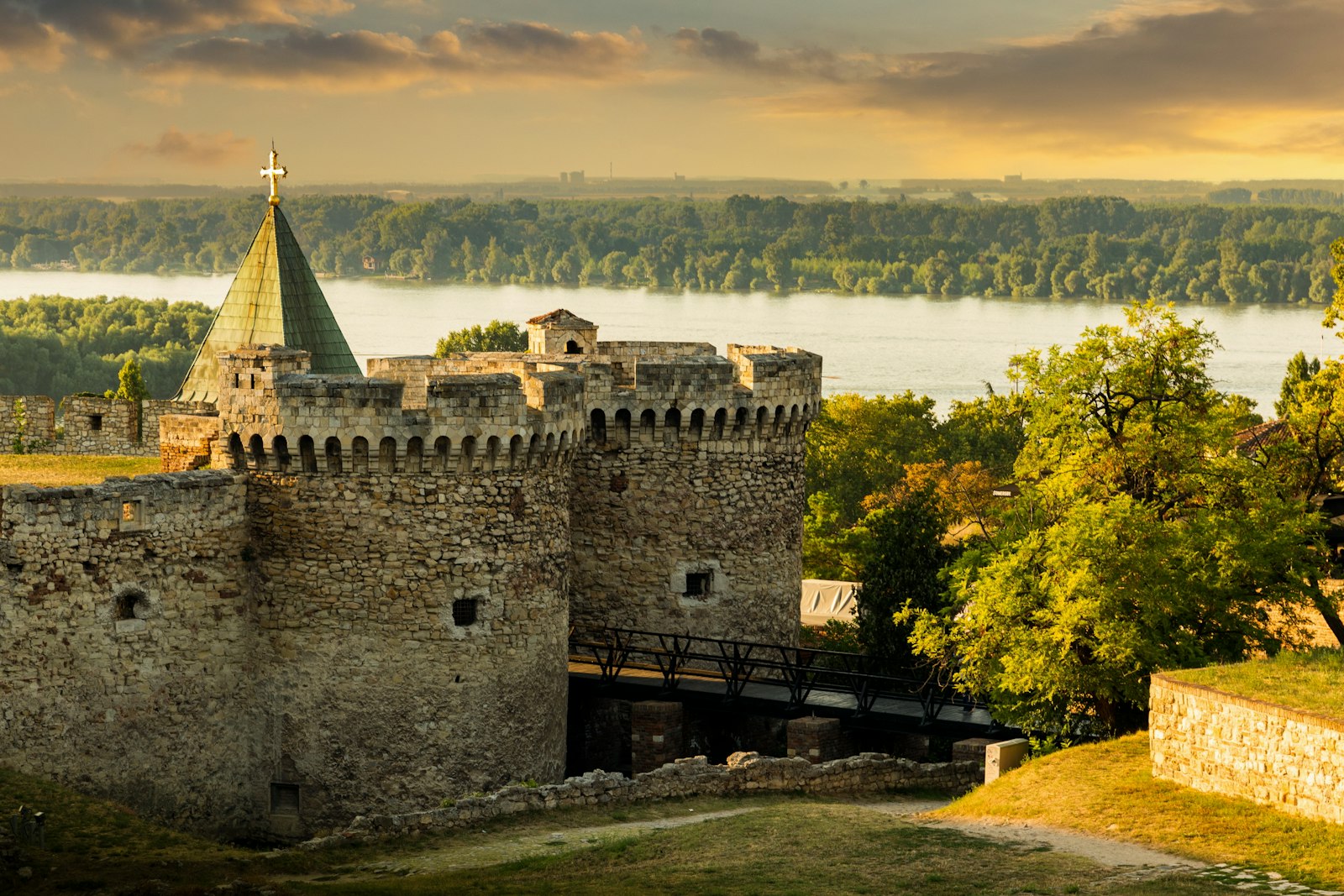
Belgrade, the capital of Serbia, offers a different urban character. Positioned at the meeting point of the Danube and Sava rivers, the city has long been a strategic crossroads of empires. The Kalemegdan Fortress overlooks the confluence of the two rivers, while lively neighbourhoods such as Dorćol and Skadarlija combine historic architecture with cafés, galleries and restaurants. Today Belgrade is known for its energetic cultural scene, music festivals and riverside promenades.
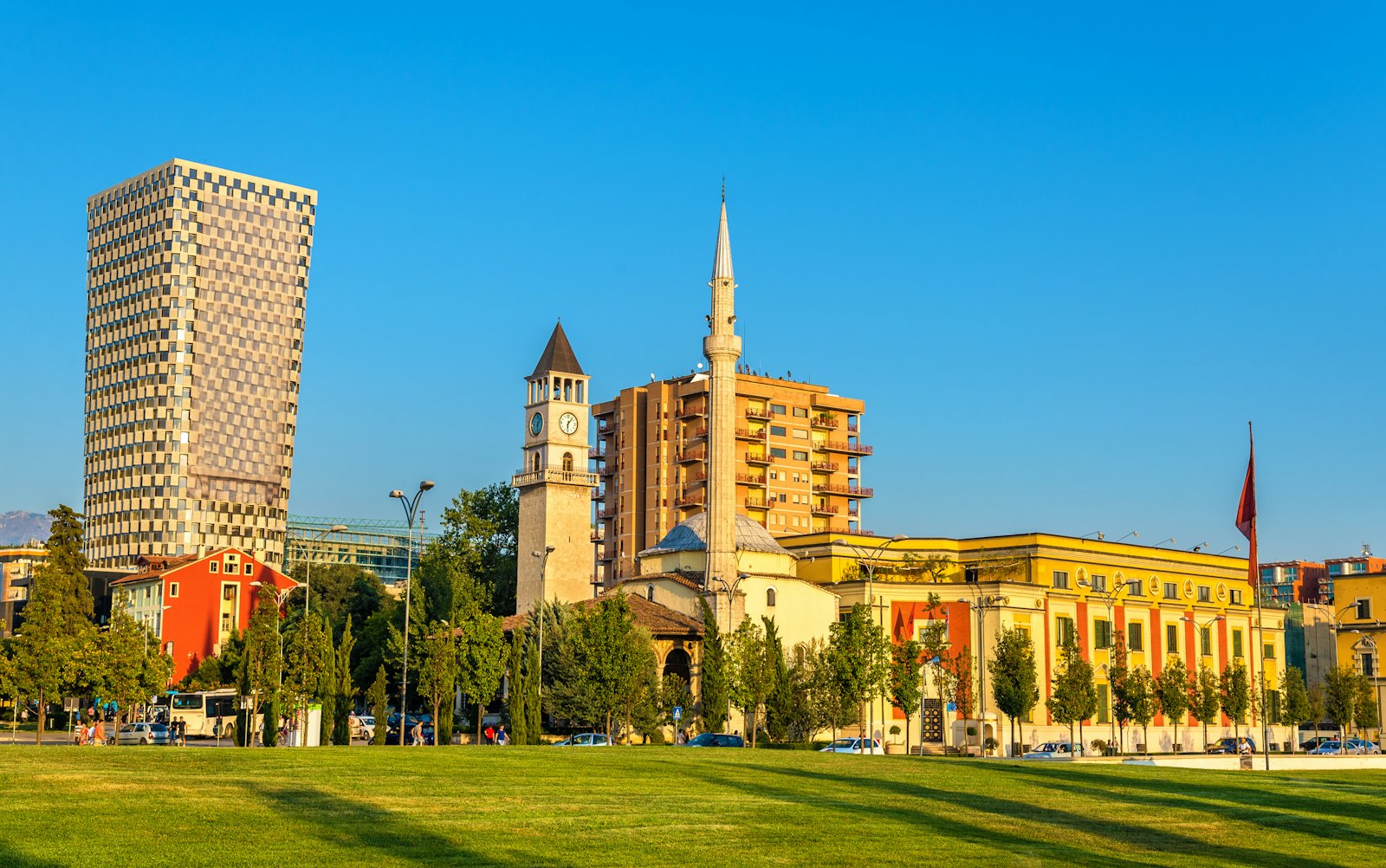
Further south, Tirana has transformed rapidly in recent decades. Albania’s capital is known for its colourful buildings, lively public squares and emerging creative culture. Skanderbeg Square forms the heart of the city, surrounded by museums, mosques and government buildings that reflect different eras of Albanian history. Trendy cafés, markets and art spaces have made Tirana one of the Balkans’ most unexpectedly vibrant capitals.
Ljubljana, the elegant capital of Slovenia, offers a calmer and more refined urban atmosphere. Its compact historic centre unfolds along the Ljubljanica River, where pastel façades, lively cafés and leafy promenades create one of the most pleasant cityscapes in the region. The hilltop Ljubljana Castle overlooks the old town, while the distinctive bridges designed by architect Jože Plečnik give the city a distinctive architectural identity. With its pedestrian-friendly streets, vibrant markets and relaxed pace of life, Ljubljana feels both cultured and quietly contemporary.
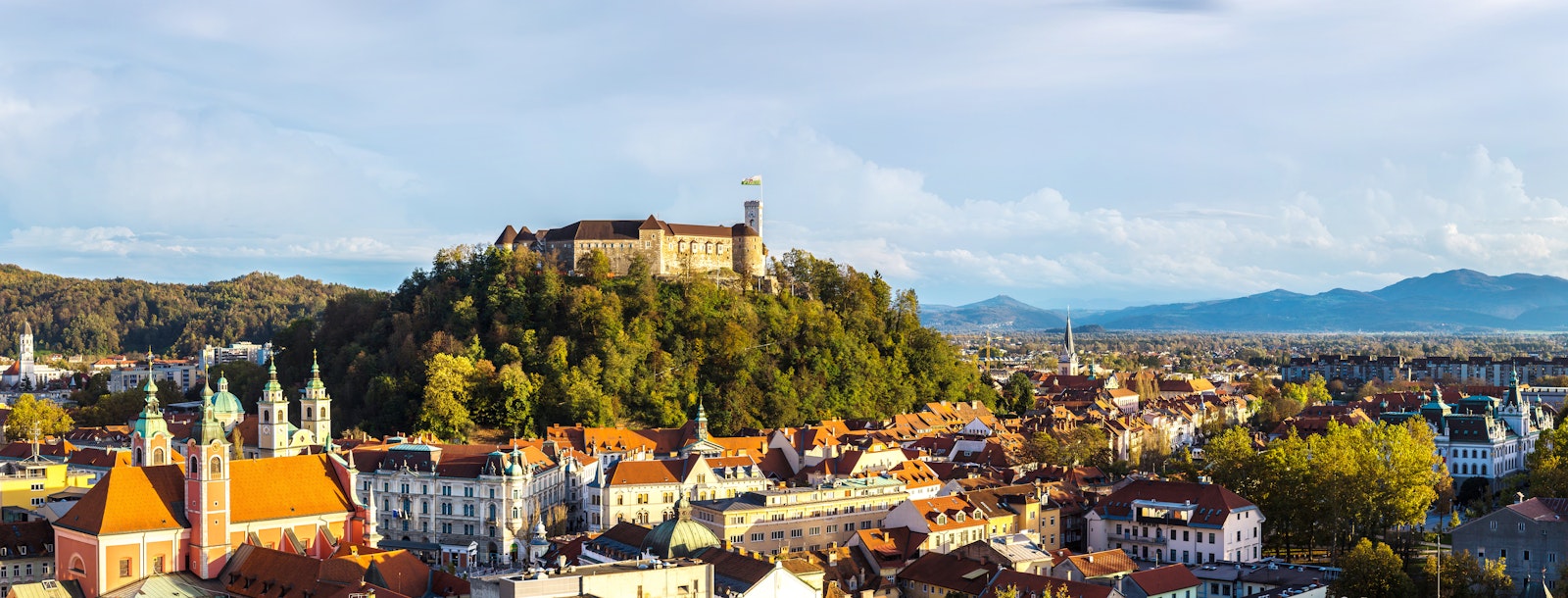
Skopje, the capital of North Macedonia, reflects the many layers of Balkan history in striking ways. The historic Stone Bridge spans the Vardar River linking the old and newer parts of the city, while monumental architecture and lively public squares illustrate the city’s evolving modern identity.
Halal food and restaurants in the Balkans
The Balkans offer a diverse and often surprisingly convenient dining experience for Muslim travellers. While the region includes countries with different religious and cultural traditions, halal-friendly options can be found in many major cities and tourist destinations.
In parts of the western Balkans – particularly Bosnia and Herzegovina, Albania, North Macedonia and Kosovo – halal food is widely available thanks to long-established Muslim communities. Cities such as Sarajevo, Mostar, Tirana, Prizren and Skopje offer many restaurants serving halal dishes or naturally halal cuisine. In Skopje, the historic Old Bazaar is a particularly good place to find traditional halal options.
Sarajevo is especially well known for its halal-friendly dining scene. Restaurants in the Baščaršija district serve traditional Bosnian dishes prepared according to halal methods, including ćevapi and burek.
In other Balkan countries such as Croatia, Slovenia, Montenegro and Greece, halal-certified restaurants are less common but can still be found in larger cities and tourist centres. Turkish, Middle Eastern and international restaurants often provide halal options in cities like Zagreb, Thessaloniki and Ljubljana.
Even where halal certification is limited, many regional dishes remain suitable for Muslim travellers. Local specialities include:
Ćevapi – grilled minced-meat sausages served with flatbread and onions
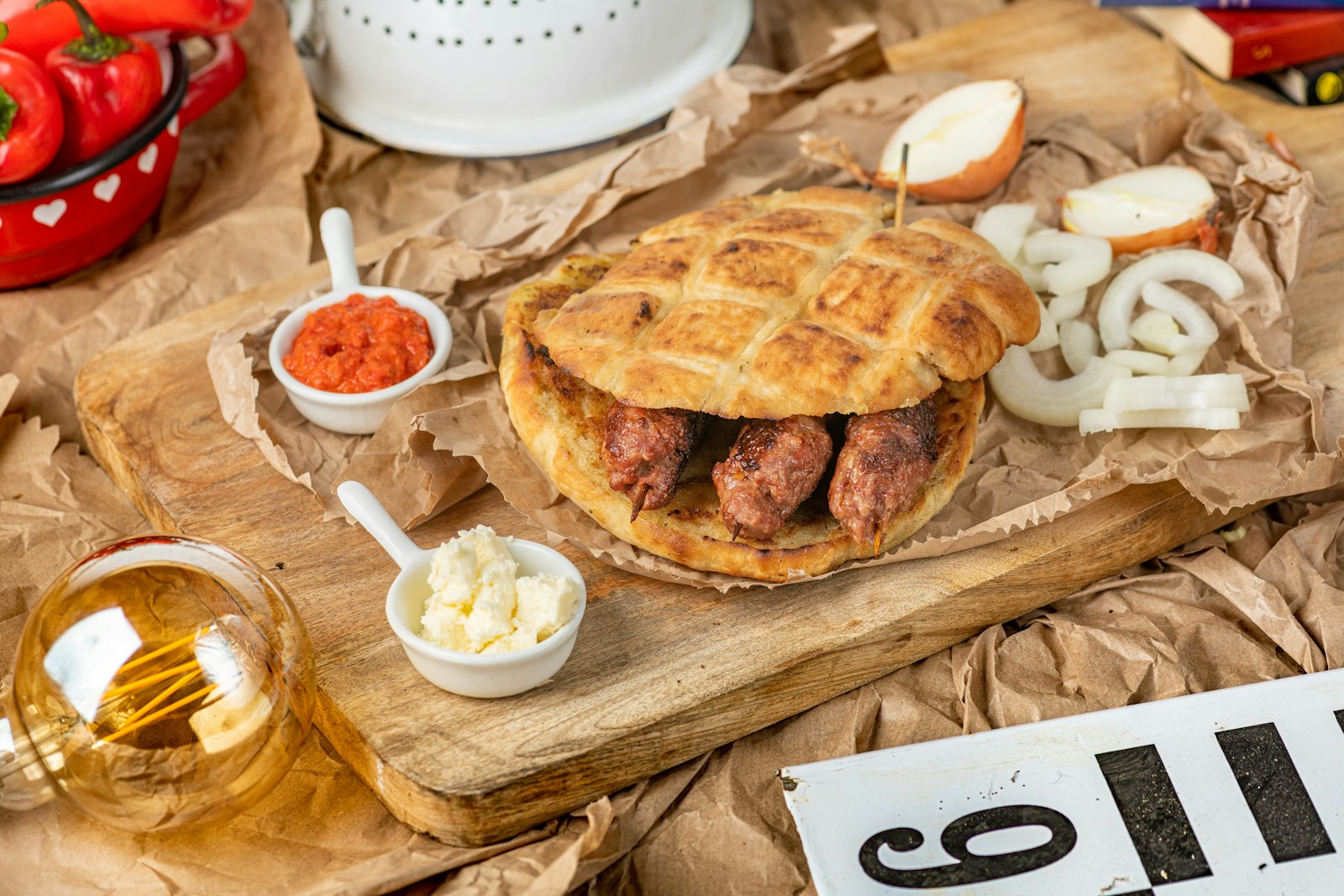
Burek – flaky pastry filled with meat, cheese or spinach
Pljeskavica – grilled minced-meat patty often served in flatbread
Tavë kosi – baked lamb and yoghurt dish from Albania
Grilled Adriatic fish and seafood – common along the Croatian and Montenegrin coasts
Šopska salad – tomatoes, cucumbers, peppers and cheese
Baklava and tulumba – traditional Ottoman-influenced desserts
Coffee culture is an important part of daily life across the Balkans, and pausing for coffee in historic squares or seaside cafés is a common social ritual.
For travellers who prefer greater flexibility, self-catering accommodation is widely available and local markets offer fresh produce, bread and fruit, making it easy to prepare simple meals while travelling.
Getting around the Balkans
Travelling across the Balkans is relatively straightforward, and the region is particularly well suited to multi-country journeys. For example, Sarajevo and Mostar are only about 130 km apart, while the drive from Skopje to Lake Ohrid takes around 2.5 to 3 hours. This makes it possible to combine several countries within a single itinerary.
Public transport connects many cities across the region. Bus services are the most common form of intercity transport and operate frequently between major destinations. In some areas, train routes also provide scenic travel experiences – the railway route between Sarajevo and Mostar is especially well known for its dramatic mountain and river views.
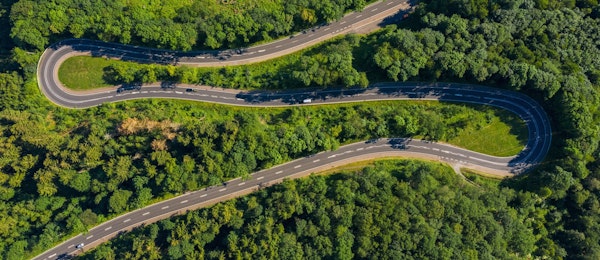
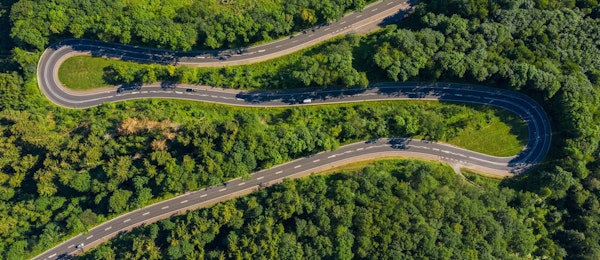
However, many travellers choose to explore the Balkans by rental car, as this allows greater flexibility when visiting mountain landscapes, national parks and smaller towns that are not always well connected by public transport. Driving also allows travellers to enjoy some of the region’s most scenic routes, including Adriatic coastal roads and mountain passes in Montenegro and Albania.
Border crossings across the Balkans are generally straightforward, although travellers should carry valid documents and check current entry requirements in advance, as procedures can vary. It is also advisable to allow extra time during peak travel periods.
Language diversity is another distinctive aspect of travelling in the region. Several languages are spoken across the Balkans, including Bosnian, Serbian, Croatian, Albanian, Macedonian, Slovenian and Greek. Despite this linguistic variety, English is widely spoken, particularly in cities, tourist areas and younger communities.
Best time to visit the Balkans
The Balkans can be visited throughout the year, but the most pleasant seasons for travel are generally spring (April–June) and early autumn (September–October). During these months temperatures are comfortable for sightseeing, landscapes are vibrant and major destinations are less crowded than during peak summer.
Summer (July–August) is the busiest period, particularly along the Adriatic coast in Croatia and Montenegro, where seaside towns and beaches attract large numbers of visitors. Inland cities such as Sarajevo, Belgrade and Skopje can also become quite warm during this time.
Spring brings blossoming landscapes across the mountains and valleys, while autumn offers mild temperatures and beautiful colours in national parks and rural regions.
Winter travel is also possible, especially in cities such as Ljubljana, Sarajevo and Zagreb, where festive markets and snowy mountain scenery create a very different atmosphere. In the mountains of Slovenia and Bosnia, winter sports are also popular during the colder months.
For travellers planning a road trip across several Balkan countries, late spring and early autumn often provide the best balance of pleasant weather and quieter roads.
Discover the Balkans by road
One of the greatest pleasures of travelling in this part of Europe is how easily destinations connect to one another across borders. Historic cities, national parks and coastal landscapes connect seamlessly throughout the region. From the Alpine lakes of Slovenia to the Adriatic coast of Croatia and Montenegro, from Ottoman bazaars in Bosnia and Kosovo to the ancient landscapes of North Macedonia and Greece, the region is ideally suited to exploration by road.
To turn this inspiration into a real journey, explore our detailed itinerary linking many of the most fascinating destinations across southeastern Europe: Road Trips with Halalbooking: A Journey Through the Balkans from the Alps to the Aegean