Bosnia and Herzegovina - hidden gem of the Balkans
Bosnia & Herzegovina offers one of Europe’s most compelling travel experiences, where Ottoman heritage, natural beauty and a deeply rooted cultural identity come together in a setting that still feels largely undiscovered. Compact and easy to explore, it is a destination where historic cities, mountain landscapes and riverside towns are all within easy reach.
Shaped by centuries of Ottoman, Austro-Hungarian and Balkan influences, the country presents a unique cultural blend where mosques, churches and synagogues stand side by side. Visitors are often struck by the genuine warmth and hospitality of the local people, which adds a personal dimension to any journey through the country.
For Muslim travellers, Bosnia and Herzegovina is particularly appealing. Halal food is widely available, mosques are present in almost every town, and the country’s Islamic heritage is both visible and deeply rooted in everyday life.
Sarajevo - the cultural heart of Bosnia and Herzegovina
Sarajevo, often referred to as the “European Jerusalem”, is a city where centuries of history and diverse cultural influences converge. Within a relatively small area, places of worship from different faiths reflect a long-standing coexistence that gives the city its distinctive character.
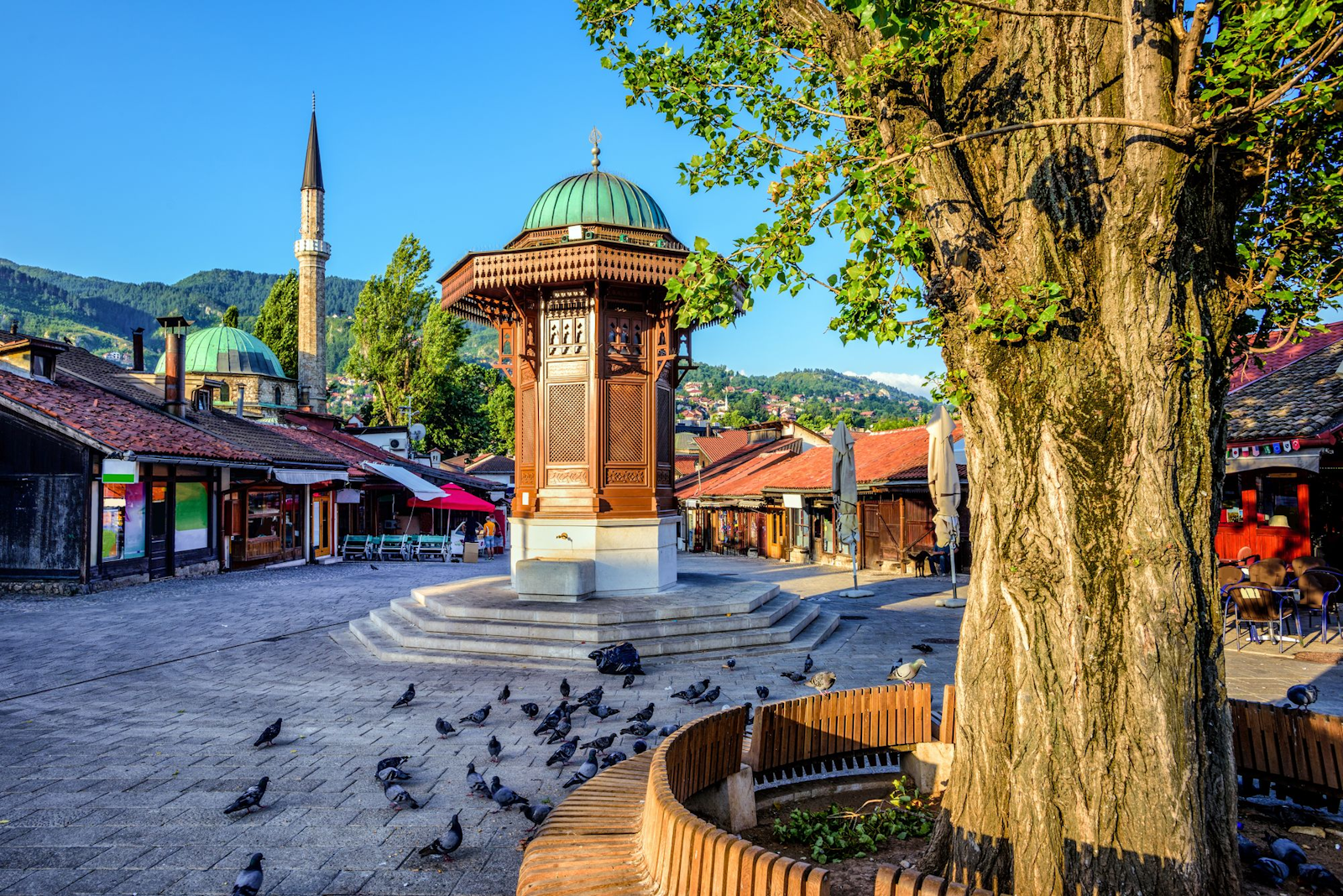
At the heart of Sarajevo lies Baščaršija, the historic Ottoman-era old town. Its narrow streets are lined with traditional workshops, mosques and cafés where Bosnian coffee is prepared and served in the traditional way. The atmosphere reflects everyday life as locals gather, shop and meet in surroundings that have remained largely unchanged for generations. The Sebilj Fountain stands in the centre of Baščaršija and has served as a meeting point for locals for centuries. Its distinctive wooden structure has become one of the most recognisable symbols of the city.
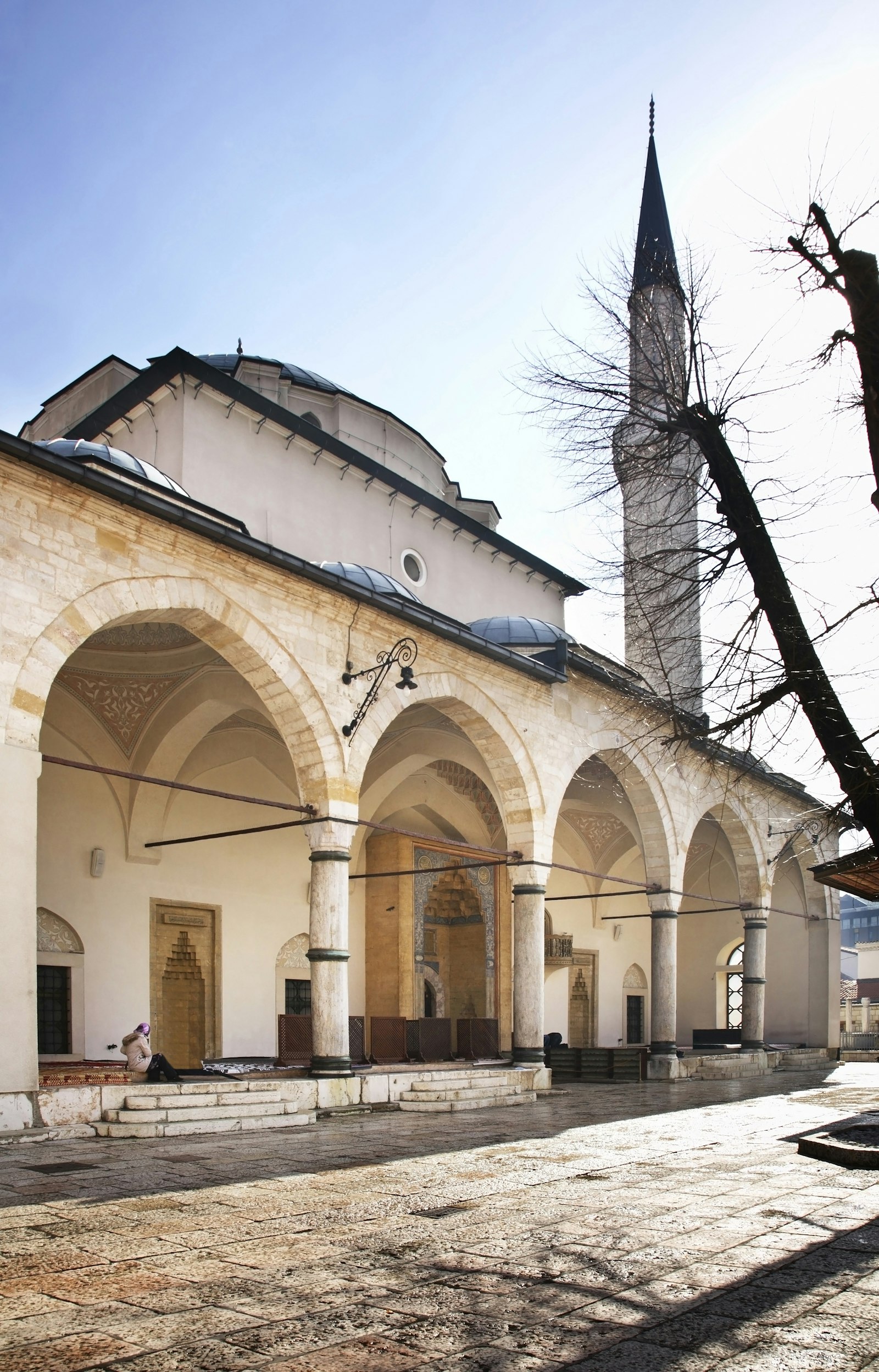
Nearby, the Gazi Husrev-beg Mosque is one of the most important Islamic landmarks in the Balkans. Built in 1532, it forms part of a wider Ottoman complex that historically included a madrasa, library and marketplace. It remains an active place of worship and a central element of Sarajevo’s religious life.
Bezistan, built around 1540 during the Ottoman period, is an enclosed market that once served as a centre for textile trade. Its stone structure and vaulted interior reflect Sarajevo’s historical role as a commercial hub.
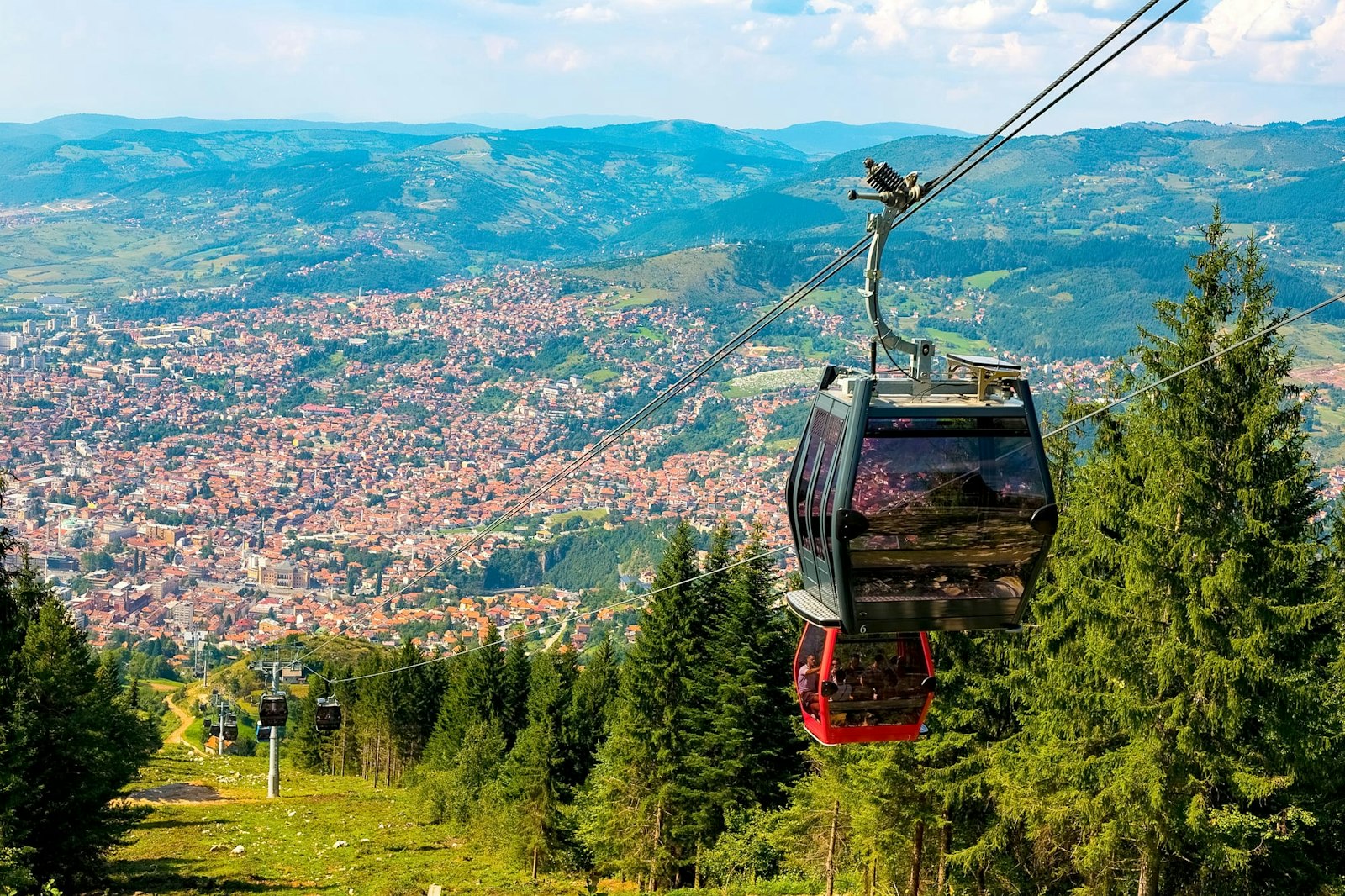
The Sarajevo Cable Car connects the old town with Mount Trebević in just a few minutes. The journey offers wide views across the city and surrounding hills. At the top, forest trails and open viewpoints provide a peaceful contrast to the busy streets below.
The Avaz Twist Tower offers a completely different perspective of Sarajevo. As one of the tallest buildings in the region, it provides panoramic views across the city and surrounding mountains from its observation deck.
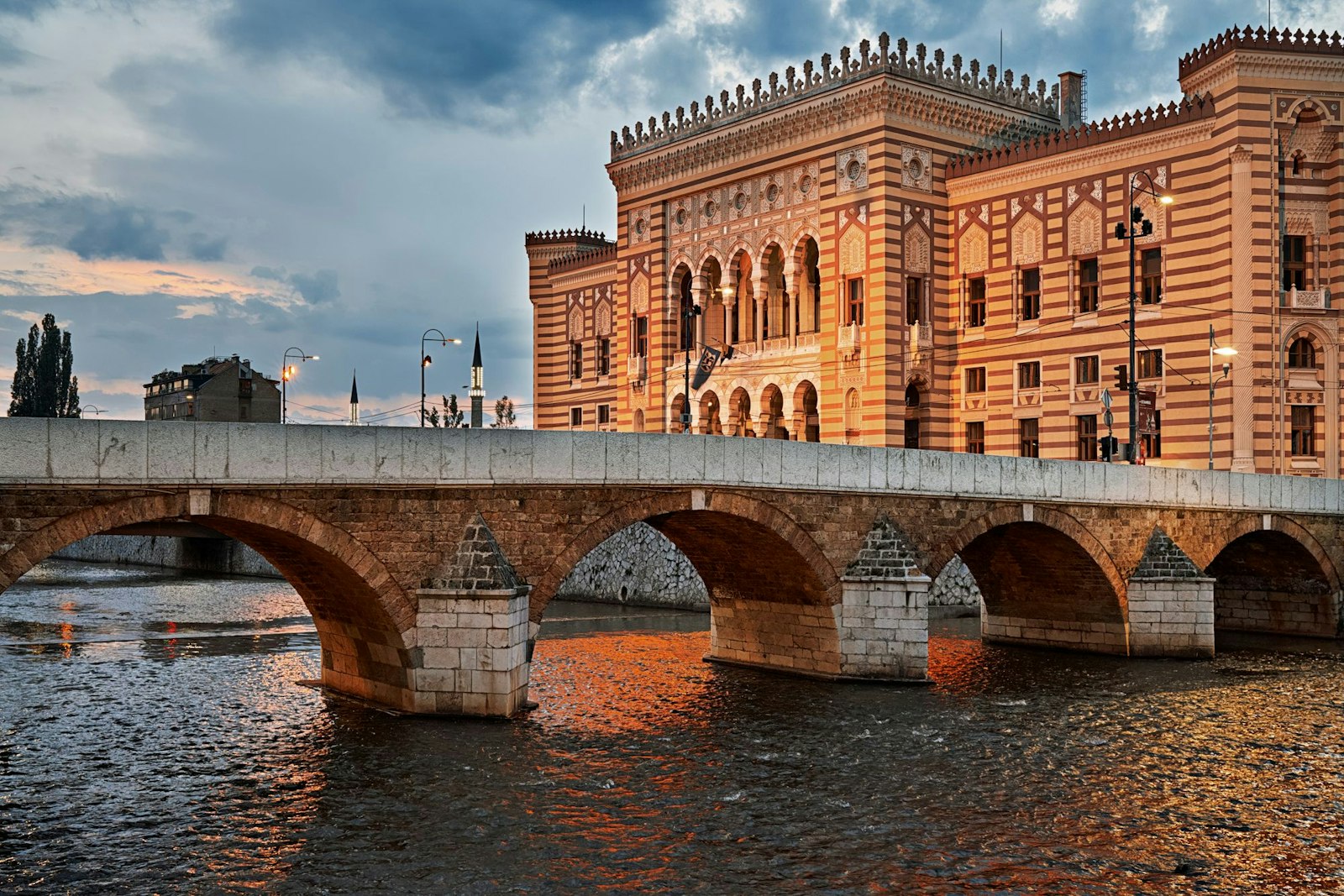
The Sarajevo Town Hall is one of the city’s most striking buildings. Designed in a pseudo-Moorish style during the Austro-Hungarian period, it reflects the blend of influences that define Sarajevo’s identity. The building was heavily damaged during the war and has since been carefully restored. The National Library, housed within the Town Hall, stands as a symbol of cultural resilience. It was destroyed during the conflict in the 1990s and later rebuilt to preserve its historical significance.
The Latin Bridge marks the location of the assassination of Archduke Franz Ferdinand in 1914, an event that triggered the First World War.
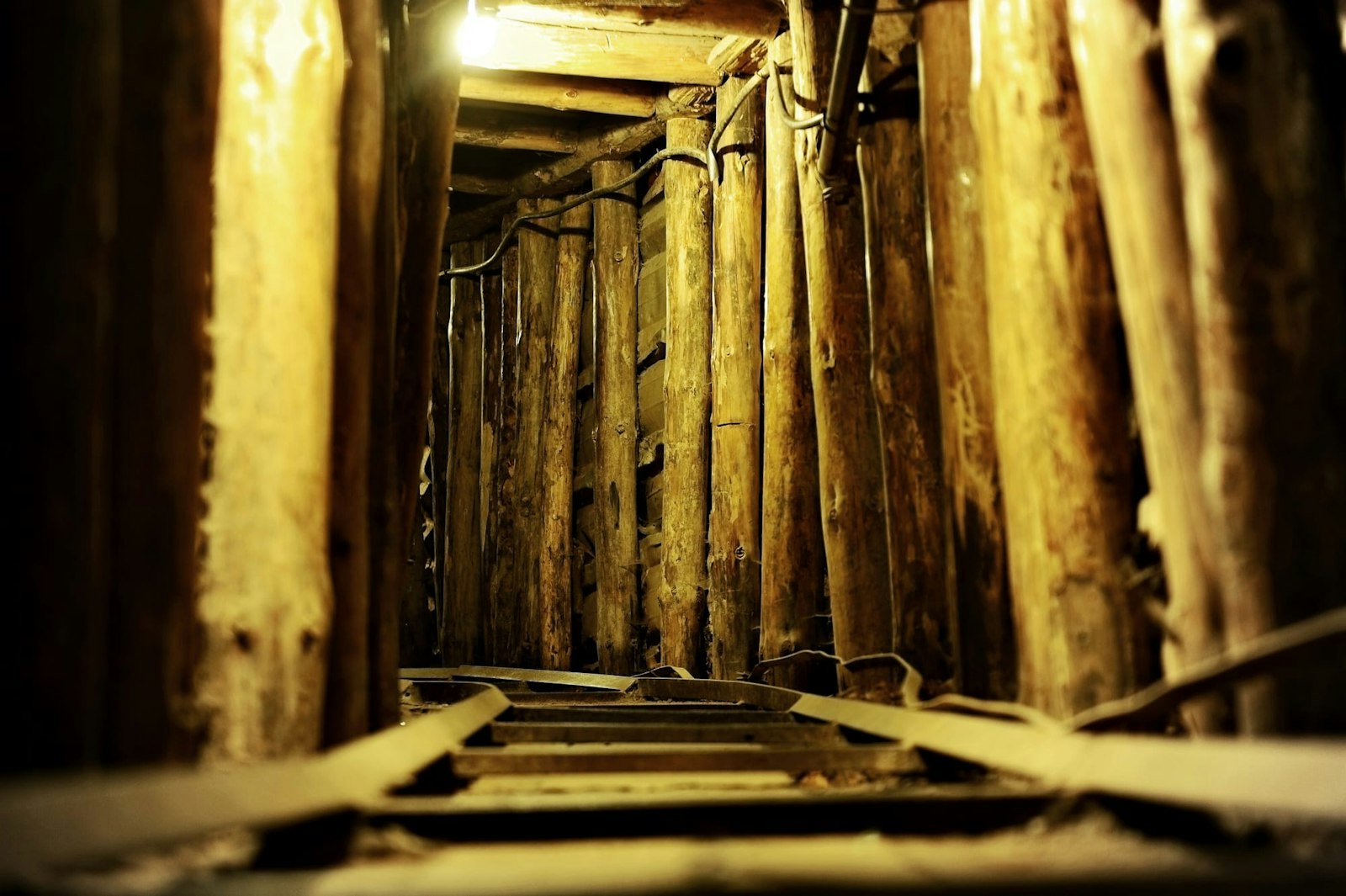
The Tunnel of Hope is one of the most important sites linked to the Bosnian War. Constructed during the siege of Sarajevo, it served as the city’s only connection to the outside world and played a crucial role in sustaining the population.
The Šeher Ćehaja Bridge is one of the oldest Ottoman bridges in Sarajevo. It spans the Miljacka River and reflects the early development of the city during the Ottoman period. A local legend tells of a diamond that was once embedded in the bridge. It was later taken by a young man who used it to propose. Although the story became well known, the diamond was never returned.
The National Museum of Bosnia and Herzegovina presents a broader view of the country’s history and cultural heritage, including the Sarajevo Haggadah, one of its most significant artefacts.
Discover our dedicated blog article: A warm welcome in Sarajevo.
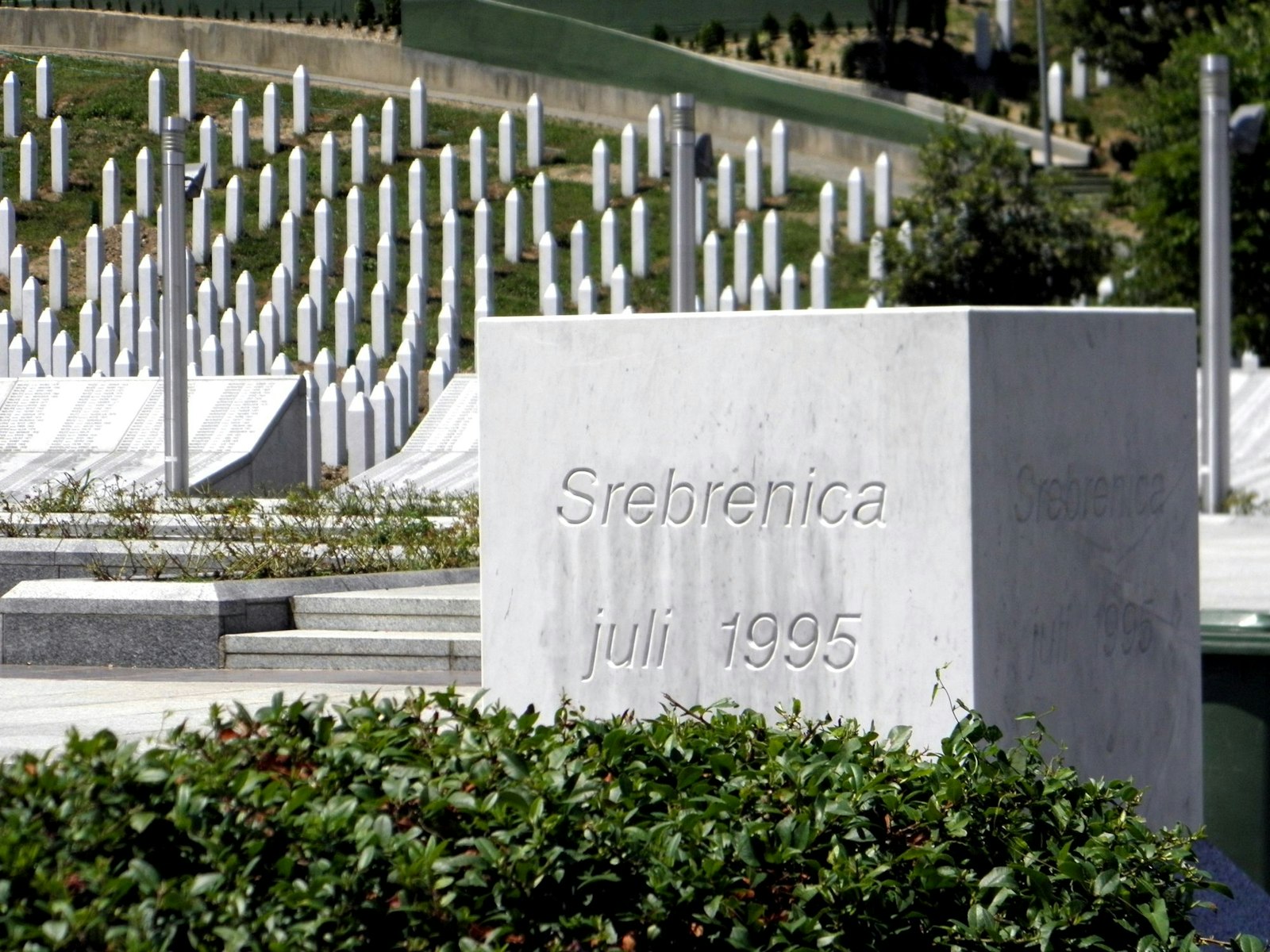
Srebrenica, located around two and a half hours from Sarajevo, is home to the Srebrenica–Potočari Memorial and Cemetery. This site commemorates the victims of the 1995 genocide and stands as one of the most important places of remembrance in Bosnia and Herzegovina. A visit offers a deeper understanding of the country’s recent history and the events that have shaped its present.
Konjic and Jablanica Lake - Scenic landscapes along the Neretva
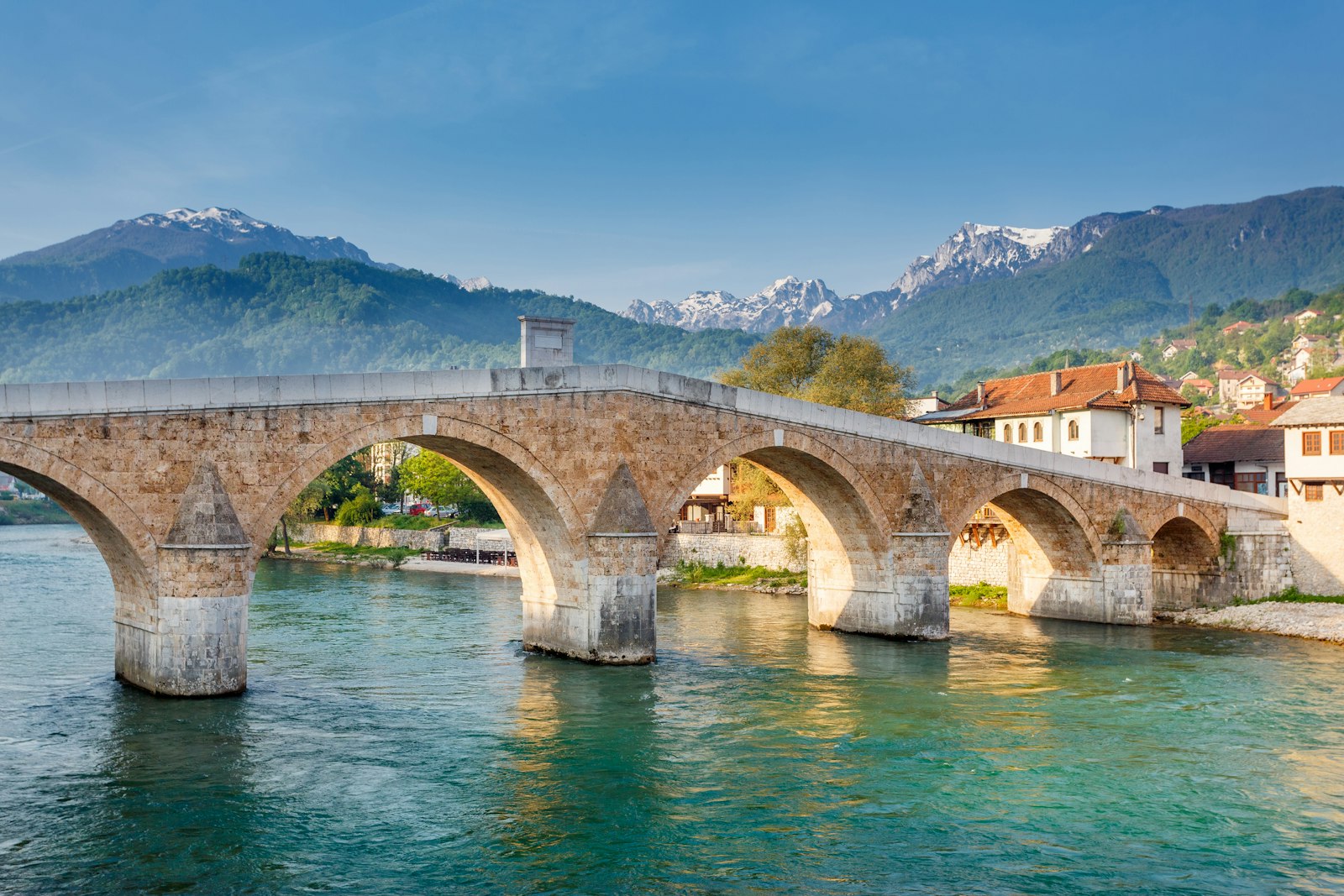
Located between Sarajevo and Mostar, Konjic offers a quieter perspective on Bosnia and Herzegovina, centred around the Neretva River and surrounded by mountainous landscapes. The town is known for the Stara Ćuprija (Old Bridge), an elegant Ottoman structure that spans the river, and the Vardačka Džamija Mosque, both of which reflect its long-standing cultural and architectural heritage. The riverside setting, combined with a more relaxed pace of life, gives Konjic a distinctly local atmosphere.
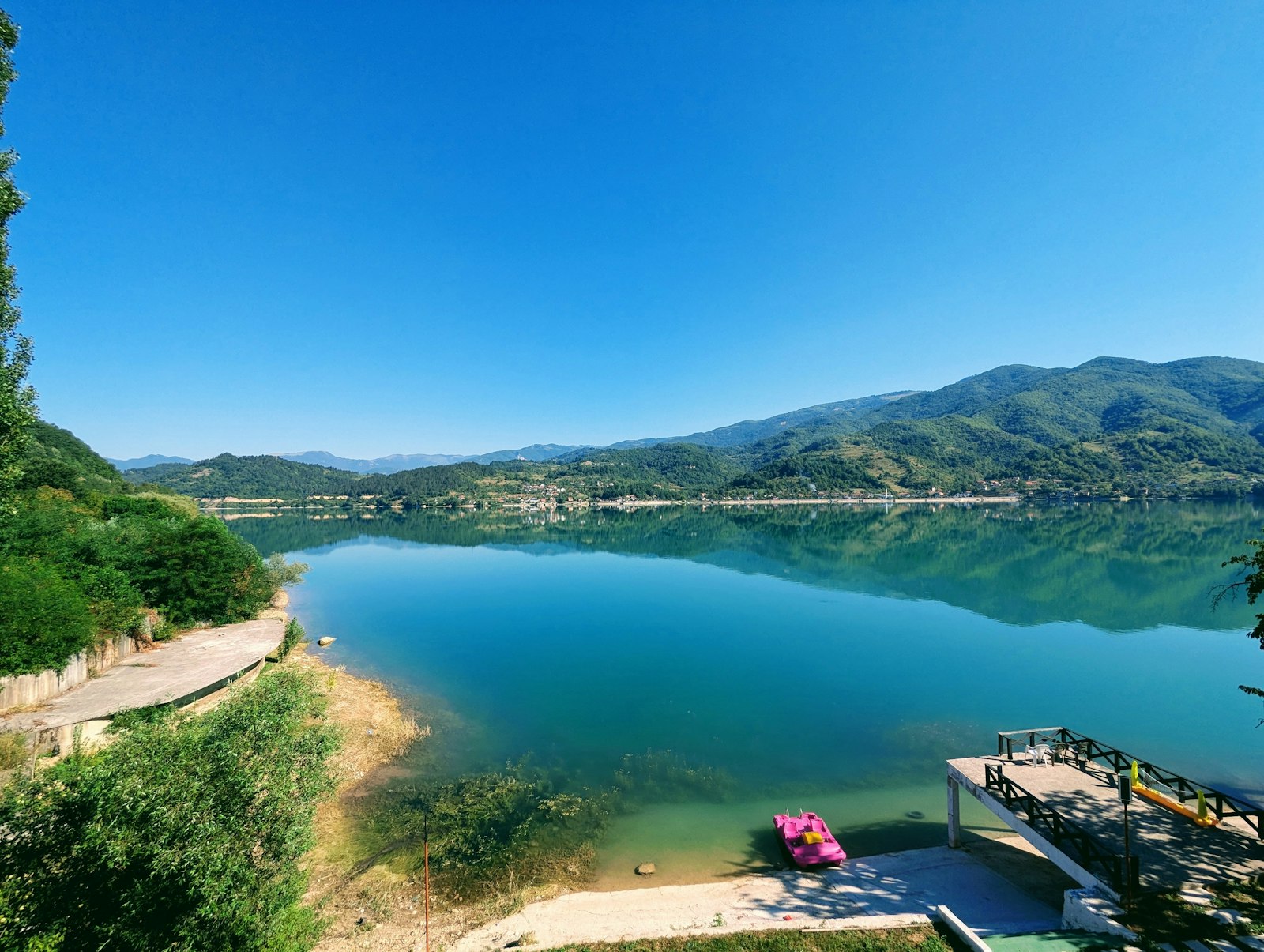
Just a short distance away, Jablanica Lake stretches through a narrow valley, its clear turquoise waters contrasting with the steep slopes and forested hills that frame it. Formed along the Neretva River, the lake follows the natural contours of the landscape, creating a series of scenic viewpoints along the route. The drive between Konjic and Jablanica is considered one of the most visually striking in the country, with opportunities to stop along the lakeshore and take in the surrounding scenery.
Višegrad - Ottoman legacy on the Drina River
Višegrad is located in the eastern part of Bosnia and Herzegovina, close to the border with Serbia.
The town is best known for the Mehmed Paša Sokolović Bridge, a UNESCO World Heritage site and one of the finest examples of Ottoman architecture in the Balkans. Built in the 16th century, the bridge spans the Drina River with a series of elegant stone arches. It reflects the engineering skill of the Ottoman period and has long served as an important crossing point in the region. The bridge is closely associated with the novel The Bridge on the Drina by Ivo Andrić, which explores the history of the area across centuries.
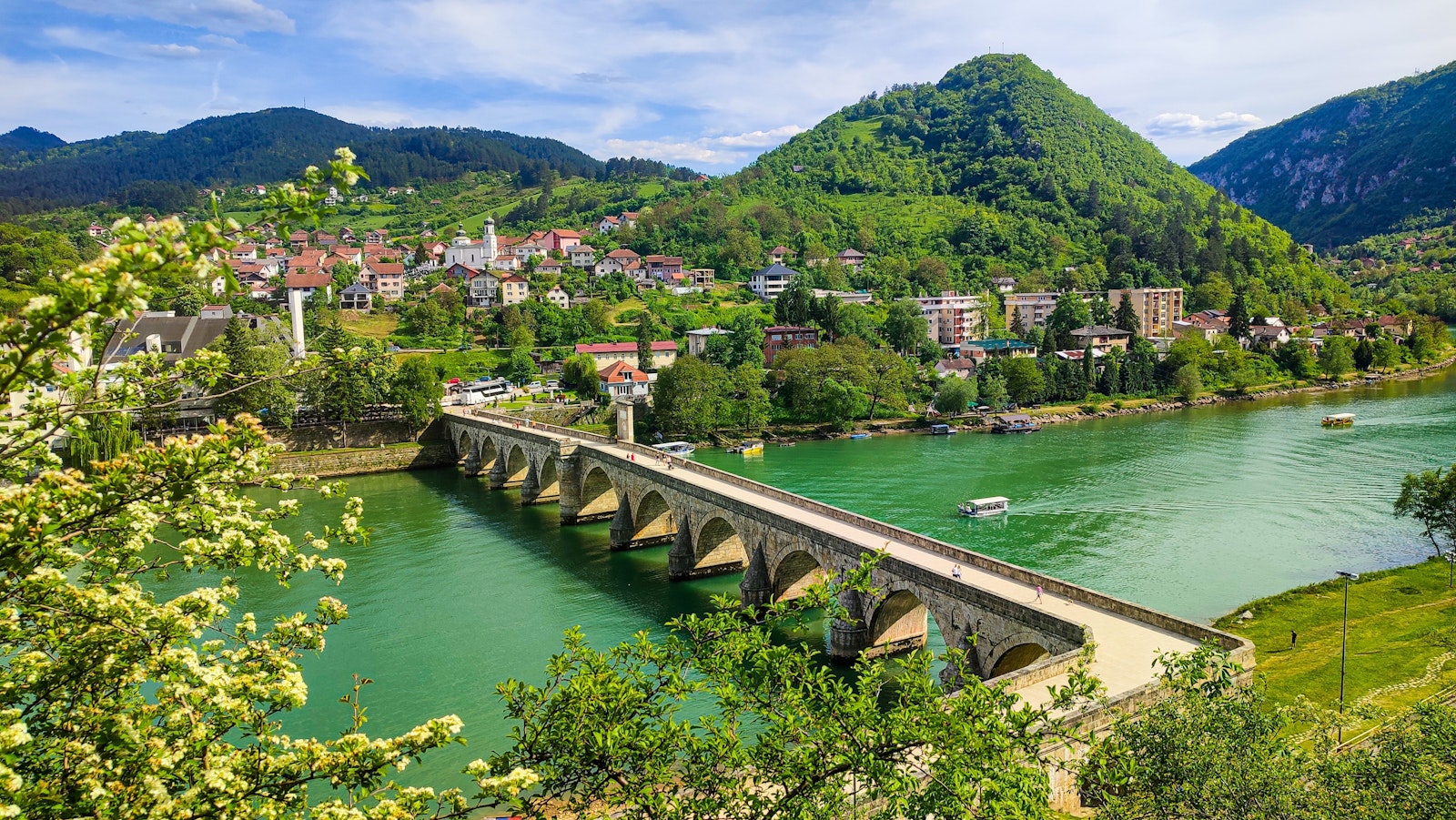
Near the bridge, Andrićgrad is a small cultural complex designed in a traditional style, with stone streets, cafés and cultural spaces that add to the atmosphere of the town.
The setting along the Drina River gives Višegrad a quieter and more reflective character, distinct from the busier cities elsewhere in the country.
Počitelj - a window into the Ottoman past
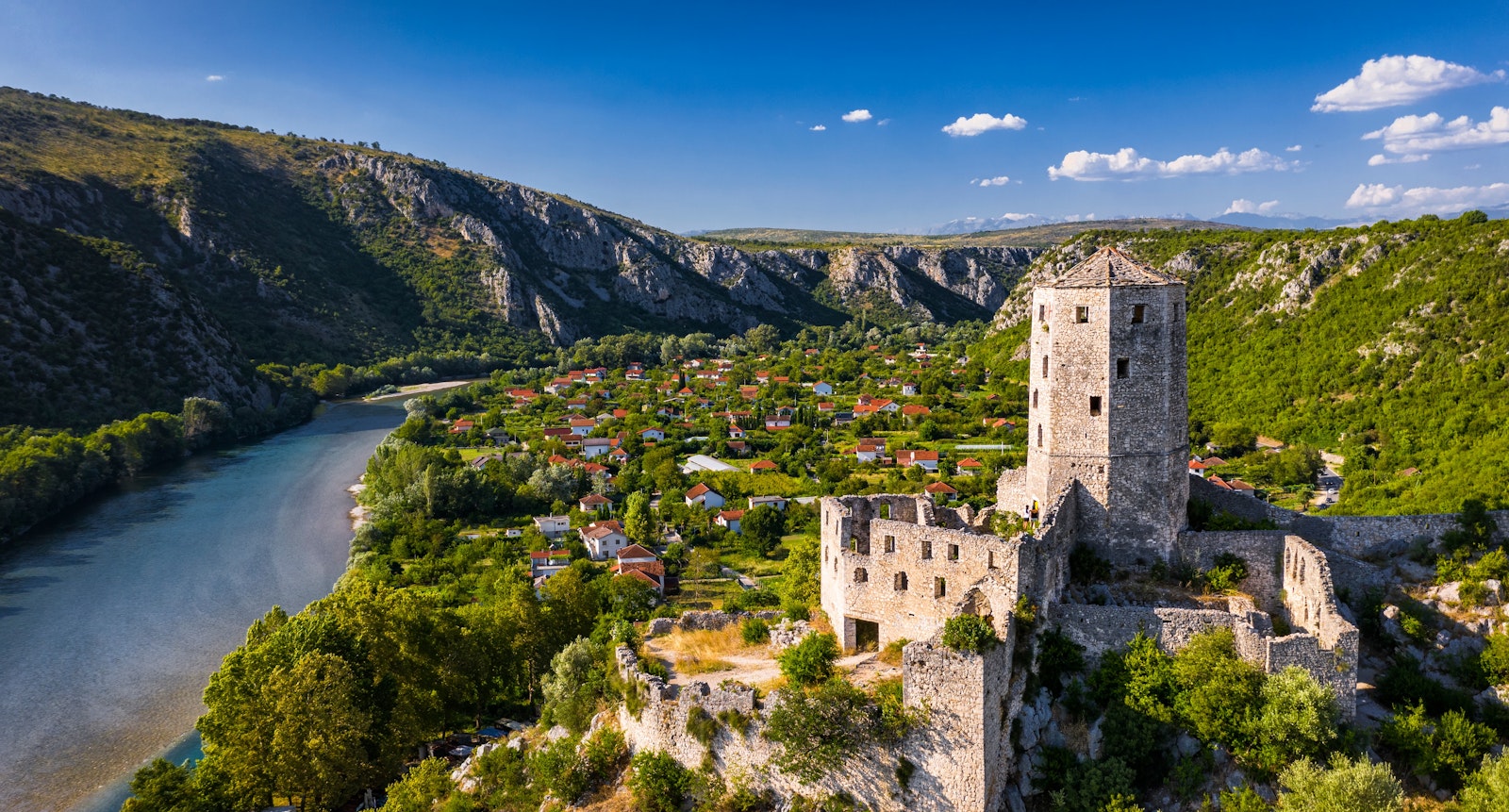
The historic village of Počitelj offers a remarkably well-preserved example of Ottoman urban design. Built into the hillside above the Neretva River, the village forms part of a UNESCO-listed heritage site and is recognised for its architectural and historical significance. The settlement is characterised by stone houses, stepped pathways and defensive walls that follow the natural contours of the landscape.
The Šišman Ibrahim Pasha Mosque is one of the key landmarks of Počitelj . Its position above the village provides wide views across the valley.
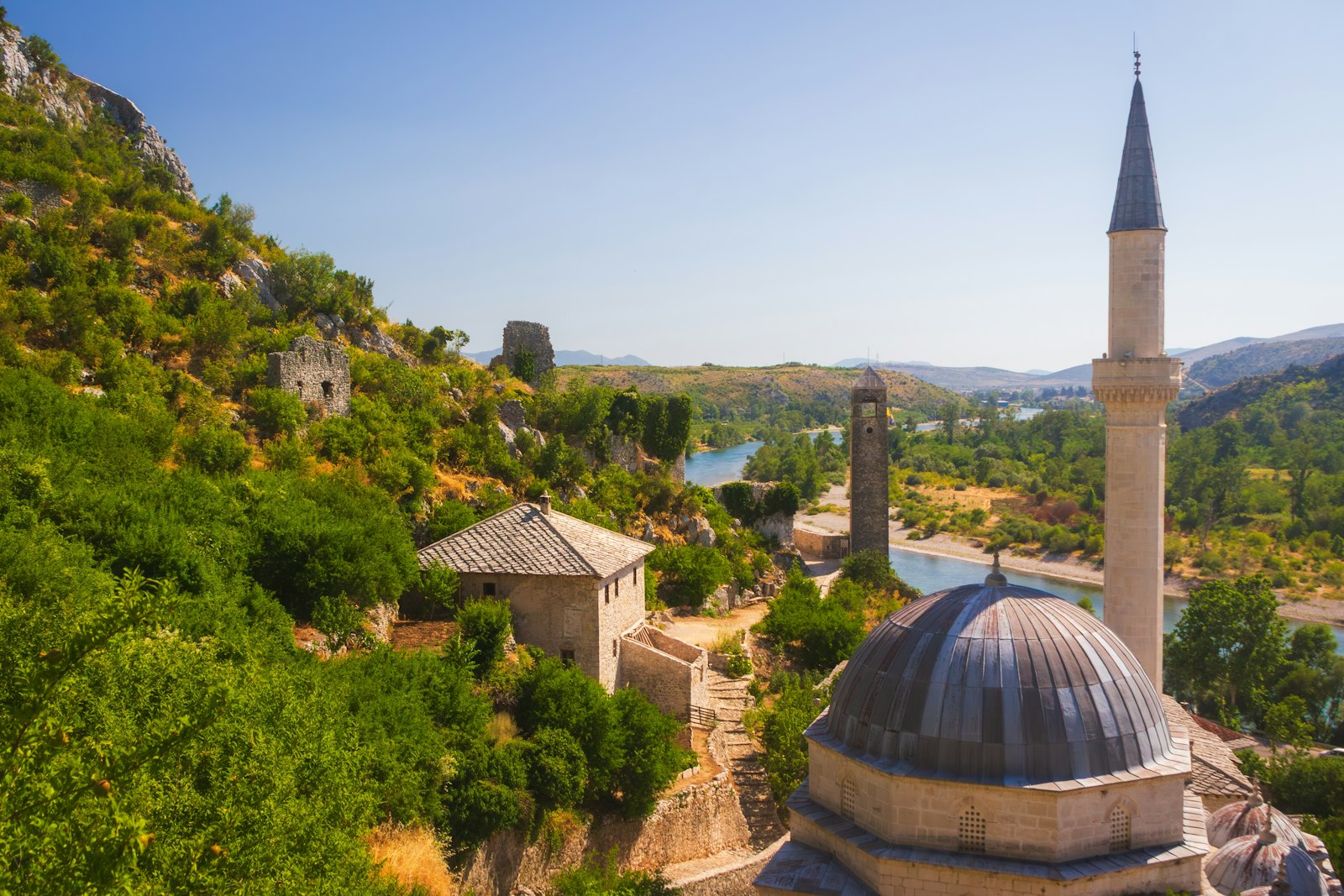
The hilltop fortress dominates the skyline and reflects the strategic importance of Počitelj in earlier centuries. Walking through the village offers a sense of continuity, as much of its structure has been preserved in its original form.
Mostar - Ottoman heritage and iconic landmarks
Mostar is one of Bosnia and Herzegovina’s most recognisable destinations, centred around the Stari Most (Old Bridge). Originally built in the 16th century during the Ottoman period, the bridge was destroyed in 1993 and later reconstructed using traditional techniques. It connects the two sides of the city across the Neretva River and remains a powerful symbol of continuity. During the summer months, the area around the bridge becomes particularly lively. Local divers continue the long-standing tradition of jumping from the bridge into the river below.
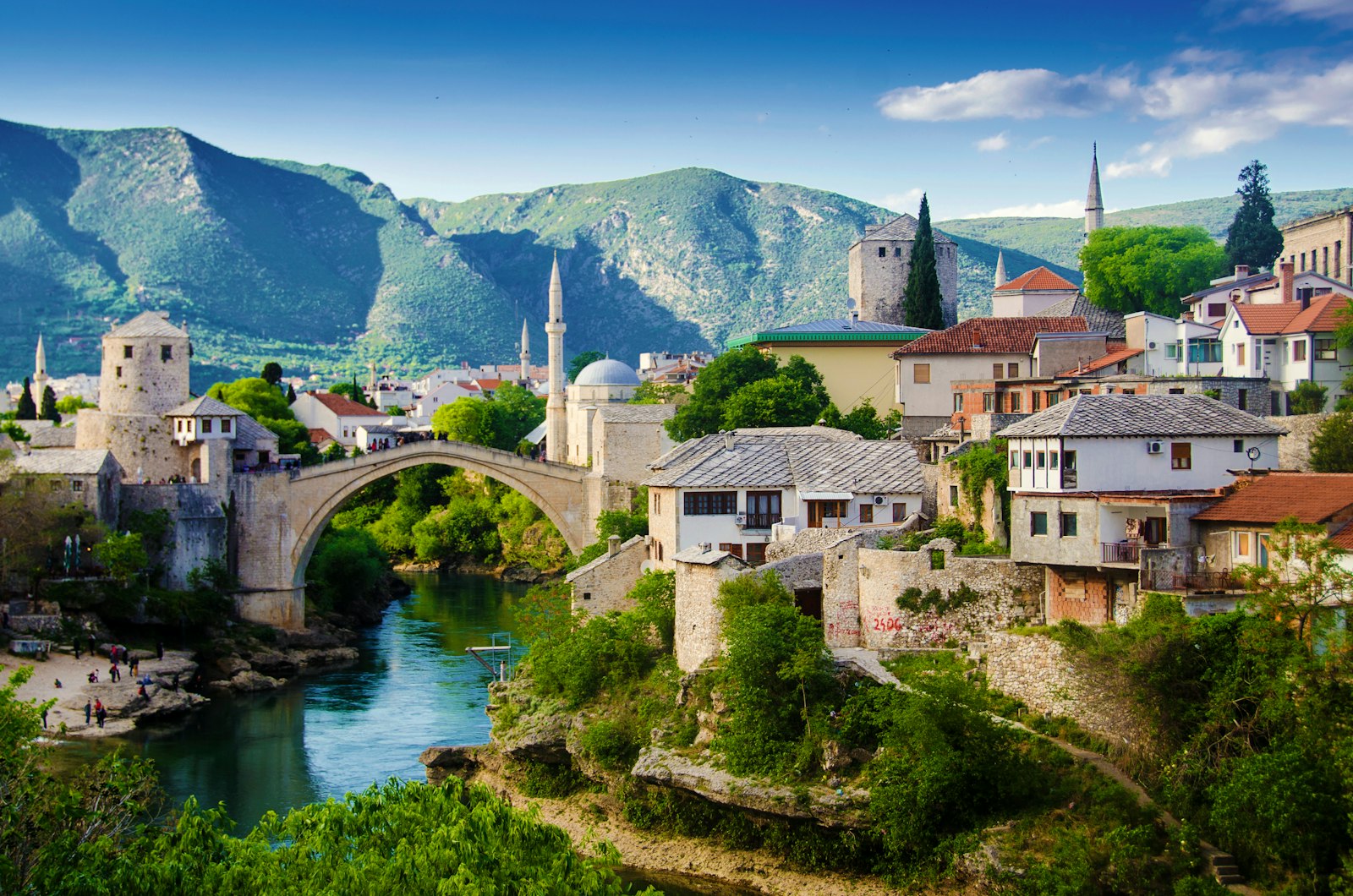
The old bazaar surrounding the bridge dates back to the Ottoman era and is filled with traditional shops and small restaurants. Its layout reflects the city’s historical role as a trading centre.
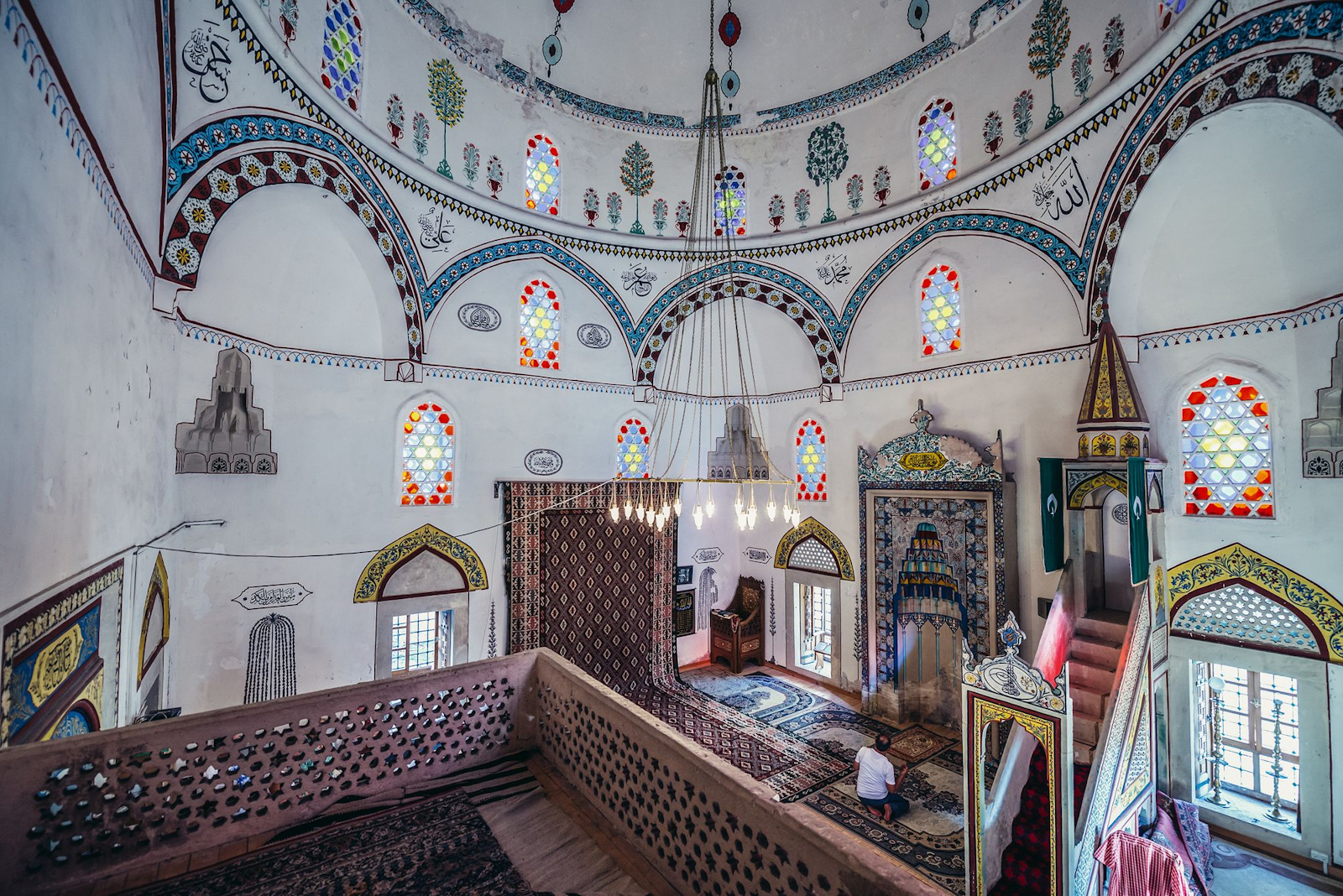
The Koski Mehmed Pasha Mosque is one of the most prominent religious landmarks in Mostar. Built in the early 17th century, it is known for its slender minaret and its elevated position near the river. Visitors can climb the narrow staircase of the minaret to reach a viewing platform. From here, there are clear views of the Stari Most and the surrounding old town. Inside, the mosque maintains a simple and intimate atmosphere that reflects its historical function as a local place of worship.
The Kajtaz House, a preserved Ottoman residence, offers insight into traditional domestic life and remains one of the most authentic historical interiors in the city.
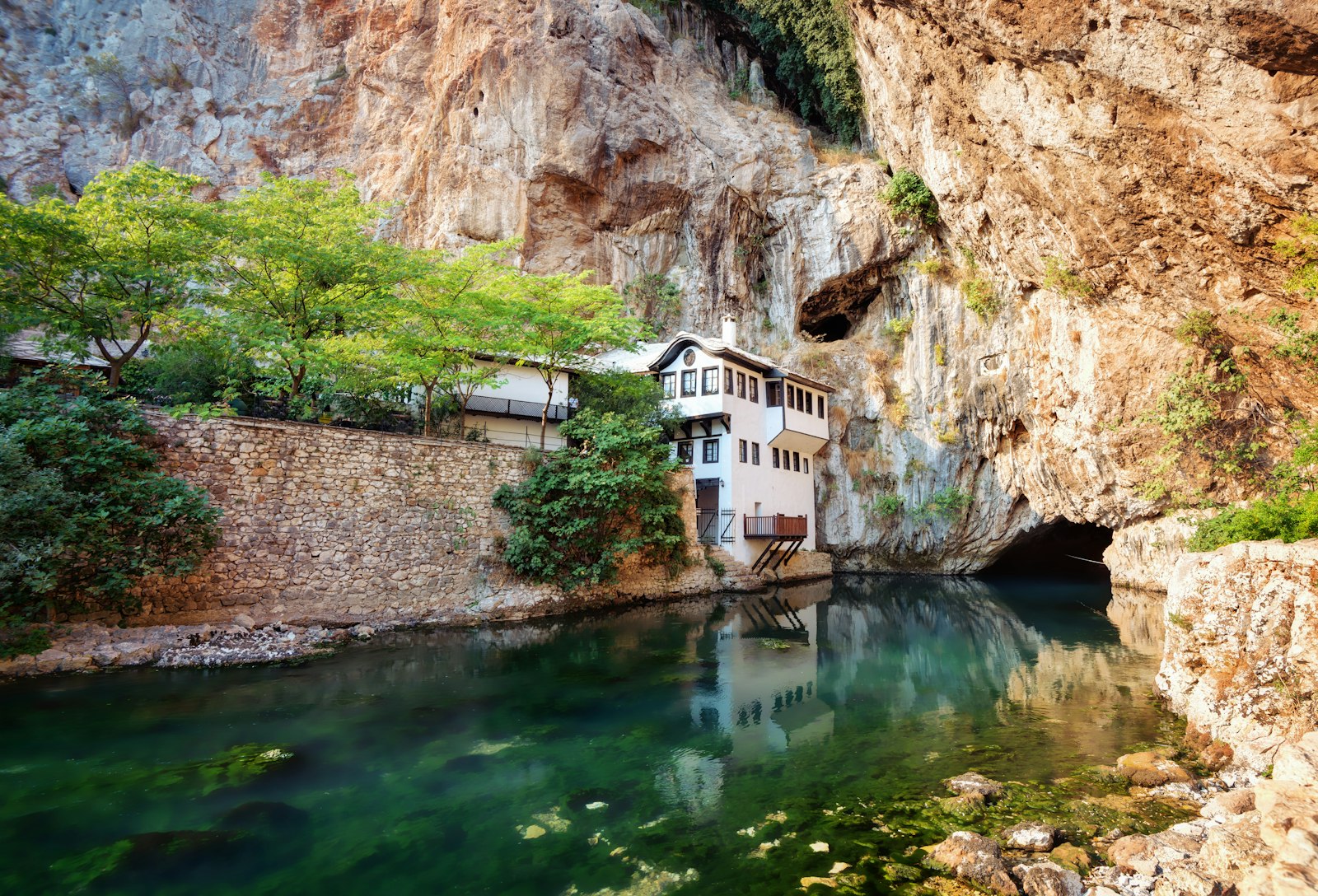
The Blagaj Tekija is located near the source of the Buna River, at the base of a steep limestone cliff. This dervish monastery dates back to the Ottoman period and has remained closely connected to its original spiritual function. The setting is defined by clear turquoise water emerging directly from the rock face. Small boats allow visitors to explore the cave at the source of the river.
Bosnia & Herzegovina’s natural landscapes
Bosnia and Herzegovina is characterised by a diverse natural environment that includes mountains, rivers, forests, waterfalls and a small stretch of Adriatic coastline, adding further variety to its landscapes.
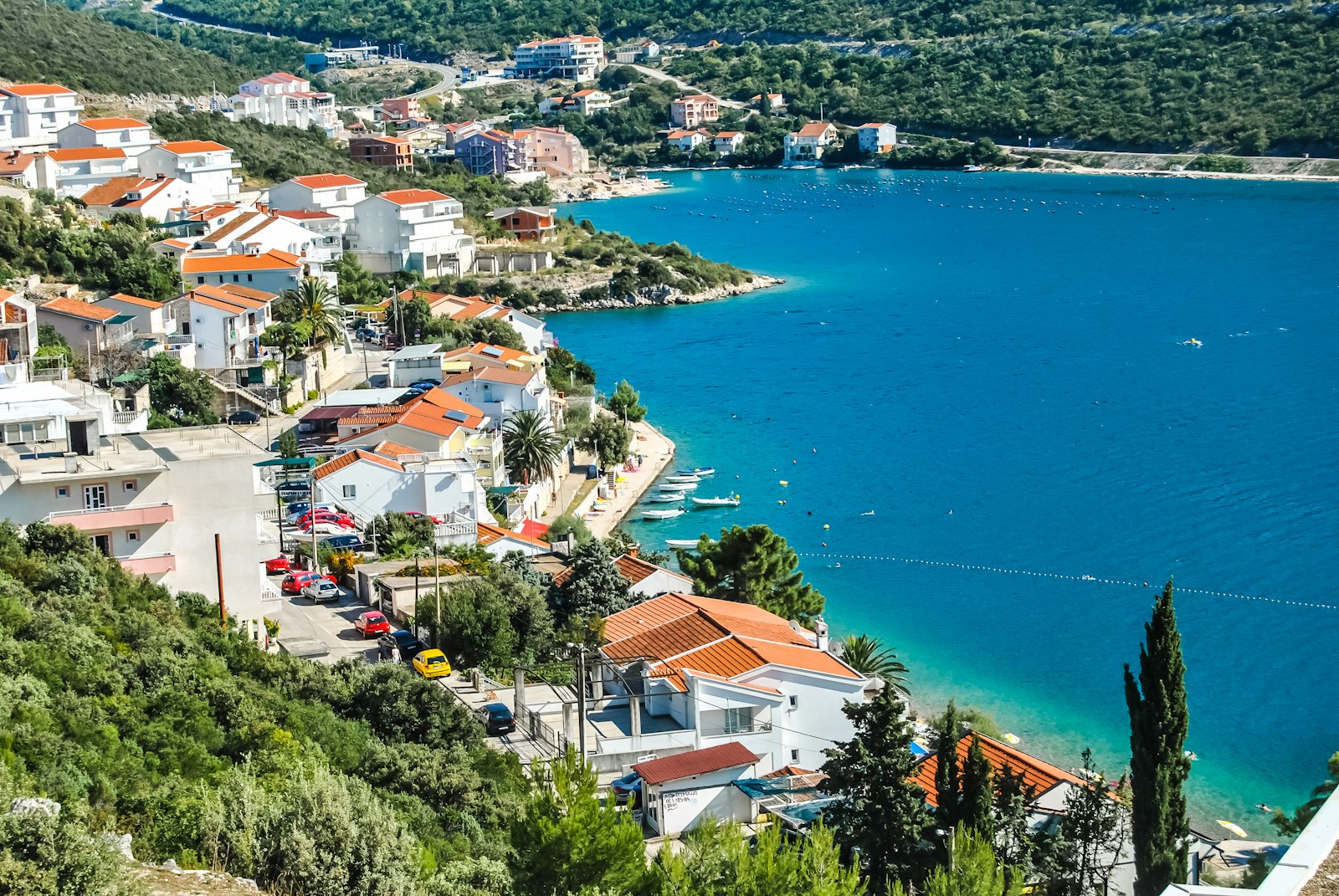
Neum, the country’s only coastal town, provides Bosnia and Herzegovina with a small stretch of Adriatic coastline. While modest in scale compared to neighbouring coastal destinations, it offers a quieter seaside setting with views across the bay and access to the surrounding hills. Its position along the coast adds another dimension to the country’s varied landscapes.
Vrelo Bosne, located at the source of the Bosna River near Sarajevo, is known for its natural springs and shaded walkways. The area is popular for walking and offers a calm natural setting close to the city.
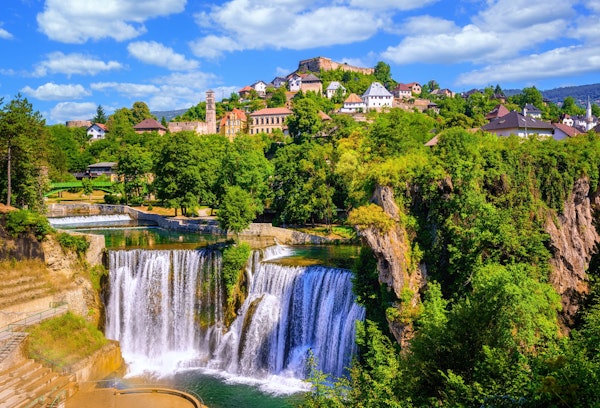
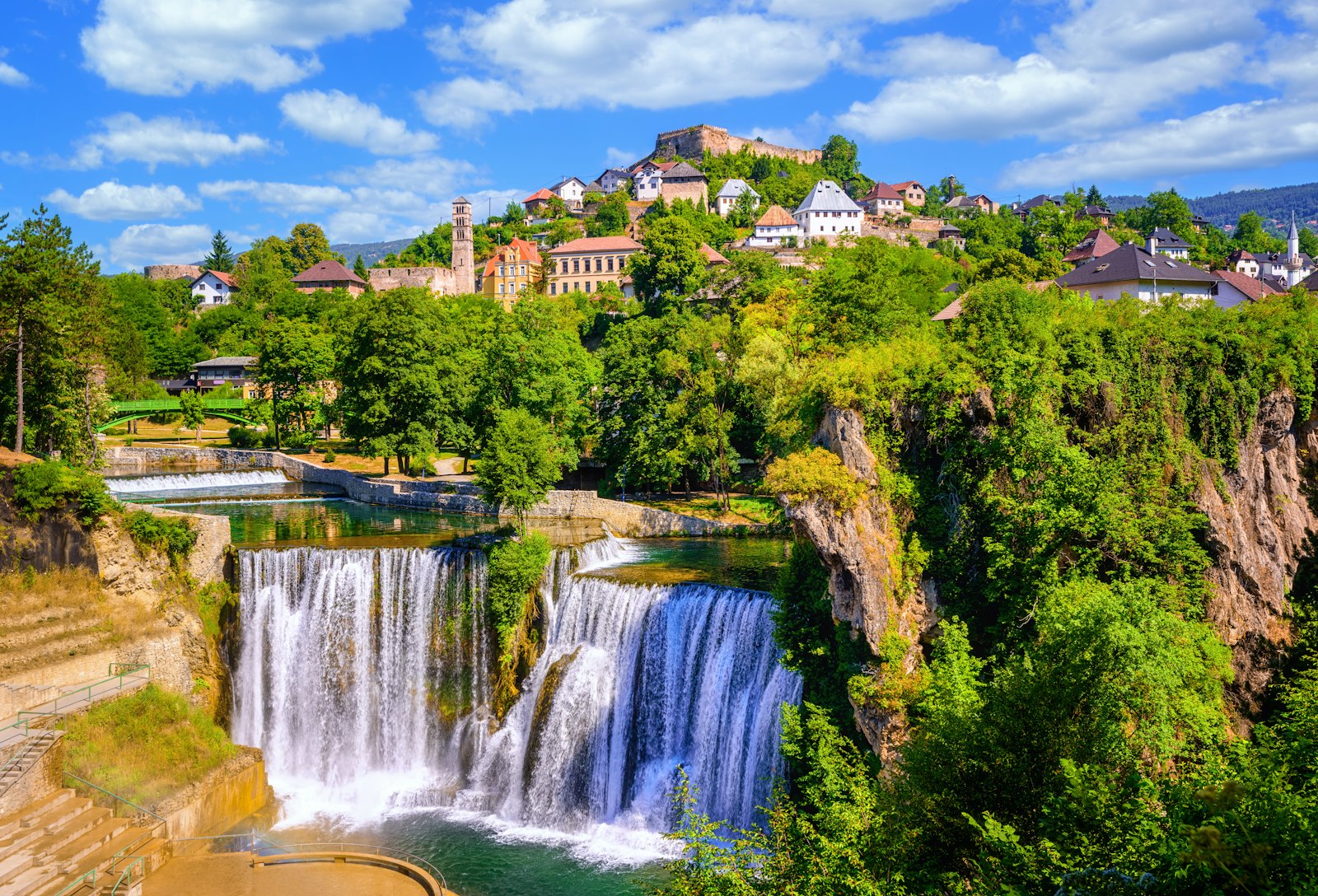
Pliva Waterfall, located in the town of Jajce, is one of the most distinctive natural landmarks in Bosnia and Herzegovina. The waterfall sits at the point where the Pliva River flows into the Vrbas River, creating a dramatic cascade in the centre of the town.
Sutjeska National Park is the oldest national park in the country. It is home to the Perućica forest, one of the last remaining primeval forests in Europe. The park also includes Maglić, the highest peak in Bosnia and Herzegovina.
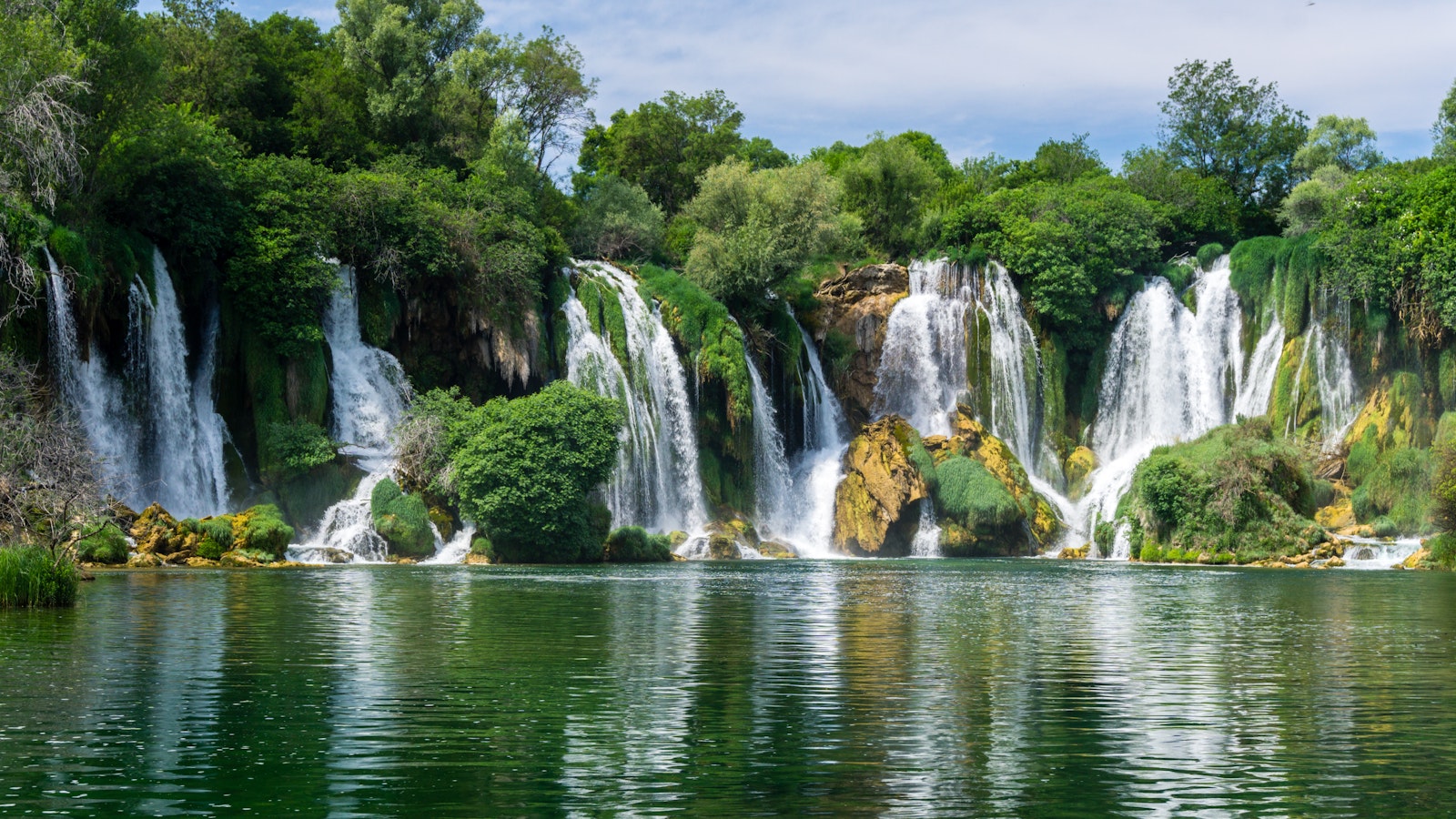
Kravice Waterfalls, located near Ljubuški, form a wide cascade of water that flows into a natural pool surrounded by vegetation. The site is particularly popular during the summer months.
Una National Park, in the north-west of the country, is centred around the Una River. The river is known for its clear green colour and fast-flowing sections. Štrbački Buk is one of the most impressive waterfalls within Una National Park. Its powerful flow and surrounding scenery make it one of the country’s most notable natural landmarks.
The country’s rivers and landscapes also offer opportunities for activities such as kayaking, fishing and hiking.
Halal food and restaurants in Bosnia and Herzegovina
Bosnia and Herzegovina offers an abundance of halal food options, making it one of the most accessible destinations in Europe for Muslim travellers. Traditional Bosnian cuisine reflects strong Ottoman influence and is widely available in local restaurants and bakeries.
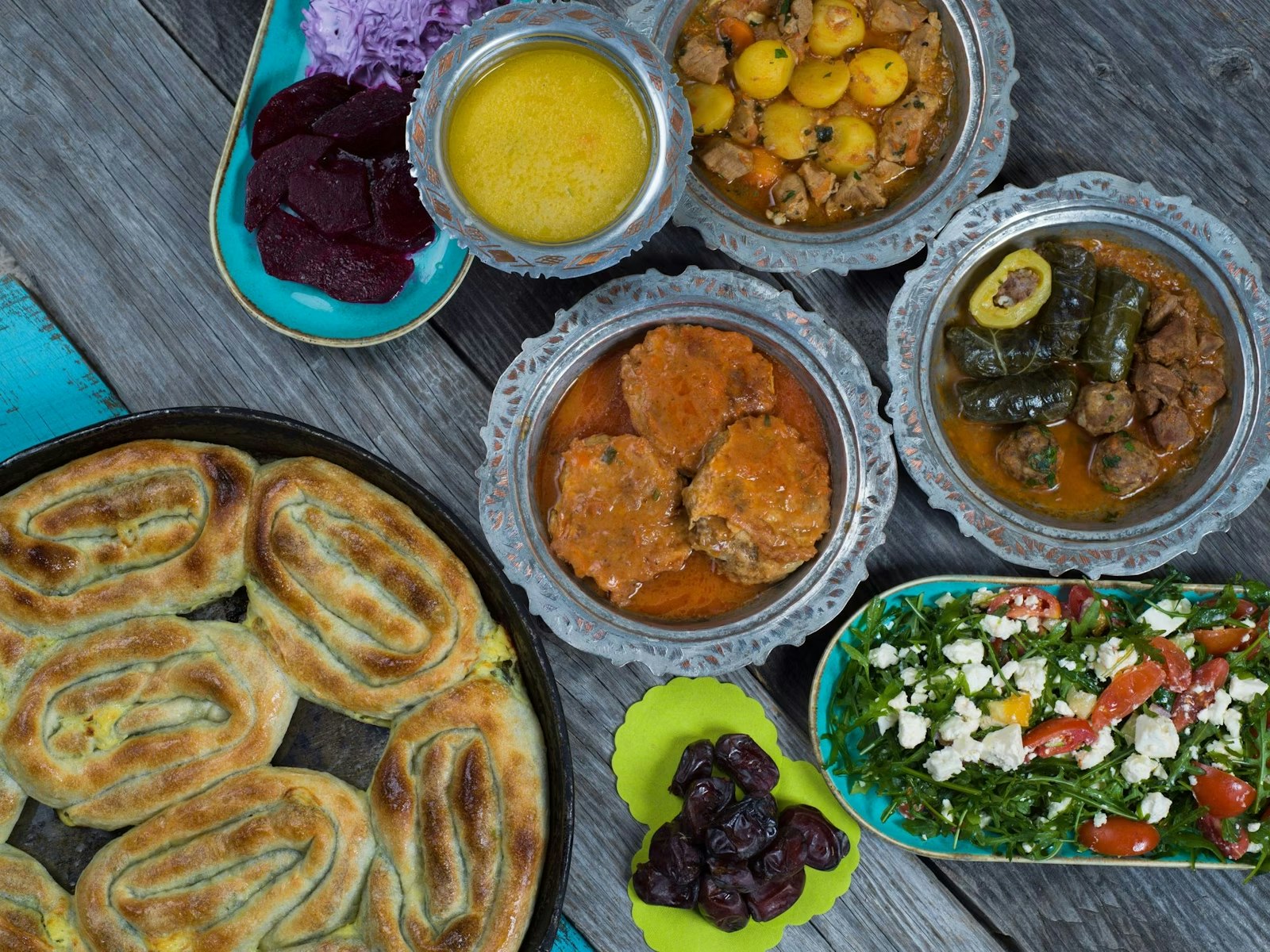
In cities such as Sarajevo and Mostar, halal food is commonly served as standard in many establishments. Visitors will find a wide range of options, from traditional eateries to more modern restaurants.
Popular dishes include:
Ćevapi – one of the country’s most well-known dishes. These consist of small grilled portions of minced meat, typically served with flatbread.
Burek – a filled pastry usually prepared with meat and baked in layers of thin dough.
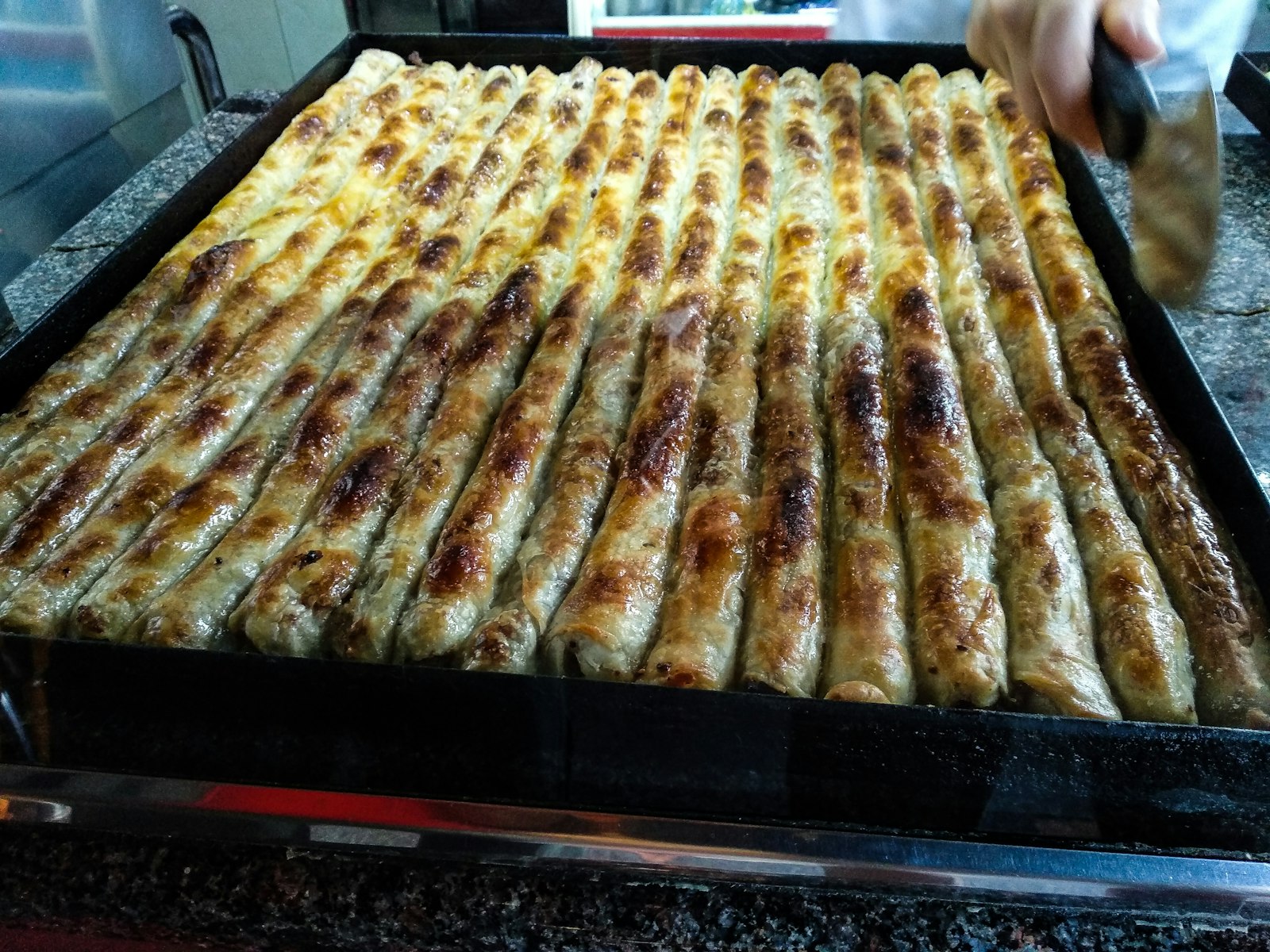
Begova čorba – a traditional soup made with chicken and vegetables, often served as a starter in local restaurants.
Dolma – vegetables stuffed with rice or meat, reflecting the shared culinary traditions of the wider region.
Best time to visit Bosnia and Herzegovina
The most popular time to visit Bosnia and Herzegovina is between spring and early autumn, when temperatures are mild to warm and landscapes are at their most vibrant. Summer temperatures can reach around 30°C, particularly in the southern regions.
During winter, mountainous areas such as Bjelašnica, Igman and Jahorina offer reliable snow conditions and are well suited for skiing. For more information, read through our dedicated blog article: Why choose a halal-friendly ski resort.
How to get around in Bosnia and Herzegovina
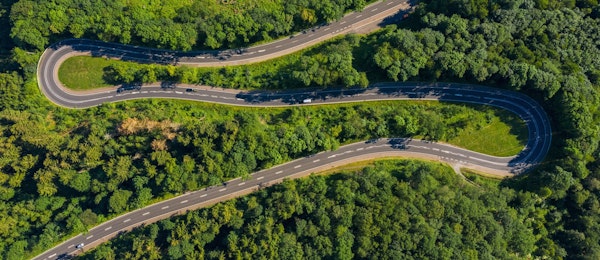
Bosnia and Herzegovina can be explored using buses, trains and taxis, although services may be less frequent outside major cities. Renting a car is often the most practical option for travellers who wish to explore smaller towns, natural sites and rural areas at their own pace.
Bosnia and Herzegovina offers a travel experience shaped by history, culture and natural beauty. Its strong Islamic heritage, welcoming atmosphere and ease of access to halal food make it one of the most rewarding destinations for Muslim travellers in Europe.
Thinking of hitting the road? Check out our dedicated article: Road Trips with Halalbooking: Bosnia & Herzegovina.