Montenegro: where Ottoman minarets meet Adriatic shores
Between Ottoman minarets, Adriatic beaches and some of Europe's wildest mountain scenery, Montenegro offers Muslim travellers an unexpectedly rich journey through the Balkans. Small enough to cross in a matter of hours yet layered with centuries of Islamic heritage, this compact Adriatic republic wears its Ottoman past with a naturalness that feels entirely unforced. Nearly a fifth of its population — around 20 per cent according to the 2023 census — identifies as Muslim, concentrated in the mountainous north and along the southern coast, and the influence of that community runs through the country's food, architecture, and daily life in ways that reward those who know where to look. From the old quarter of its capital to the cliff-edged mosques of its Adriatic towns and the wild canyons of its interior, Montenegro is a destination that surprises, consistently and pleasantly.
The name itself — Crna Gora, Black Mountain — speaks to the landscape that has always defined this place: a tightly folded country of limestone peaks, deep river gorges, and narrow coastal strips where the mountains drop almost directly into the sea. The Ottomans arrived in the 15th century and held much of the territory for around four centuries, leaving behind mosques, clock towers, madrasas, and a Muslim population whose descendants remain an integral part of the country today. Bosniaks in the northern Sandžak region, a historic Ottoman frontier area now divided between Montenegro and Serbia, Albanians along the southern coast, and Montenegrin Muslims across the country together form a community that is neither marginal nor invisible — it is simply woven into the fabric of what Montenegro is.
What makes Montenegro particularly appealing for Muslim travellers is the combination of this living heritage with a country that is still unhurried, still genuinely hospitable, and still — in most of its corners — refreshingly free of the mass-tourism machinery that has consumed its neighbours. The bay at Kotor draws cruise ships, and Budva fills in summer, but drive thirty minutes inland and you are in a different world entirely: silent mountain roads, Ottoman-era market towns, mosques that have been praying five times a day for four centuries. Montenegro reveals itself gradually, rewarding those who venture beyond the coast and into its mountain towns, historic quarters, and lesser-known corners.
Top attractions in Montenegro
Kotor and its bay
Stara Varoš, Podgorica
Durmitor National Park
Lake Skadar
Bar
Ulcinj
Pljevlja and Rožaje
Kotor: a UNESCO bay with layers of many empires
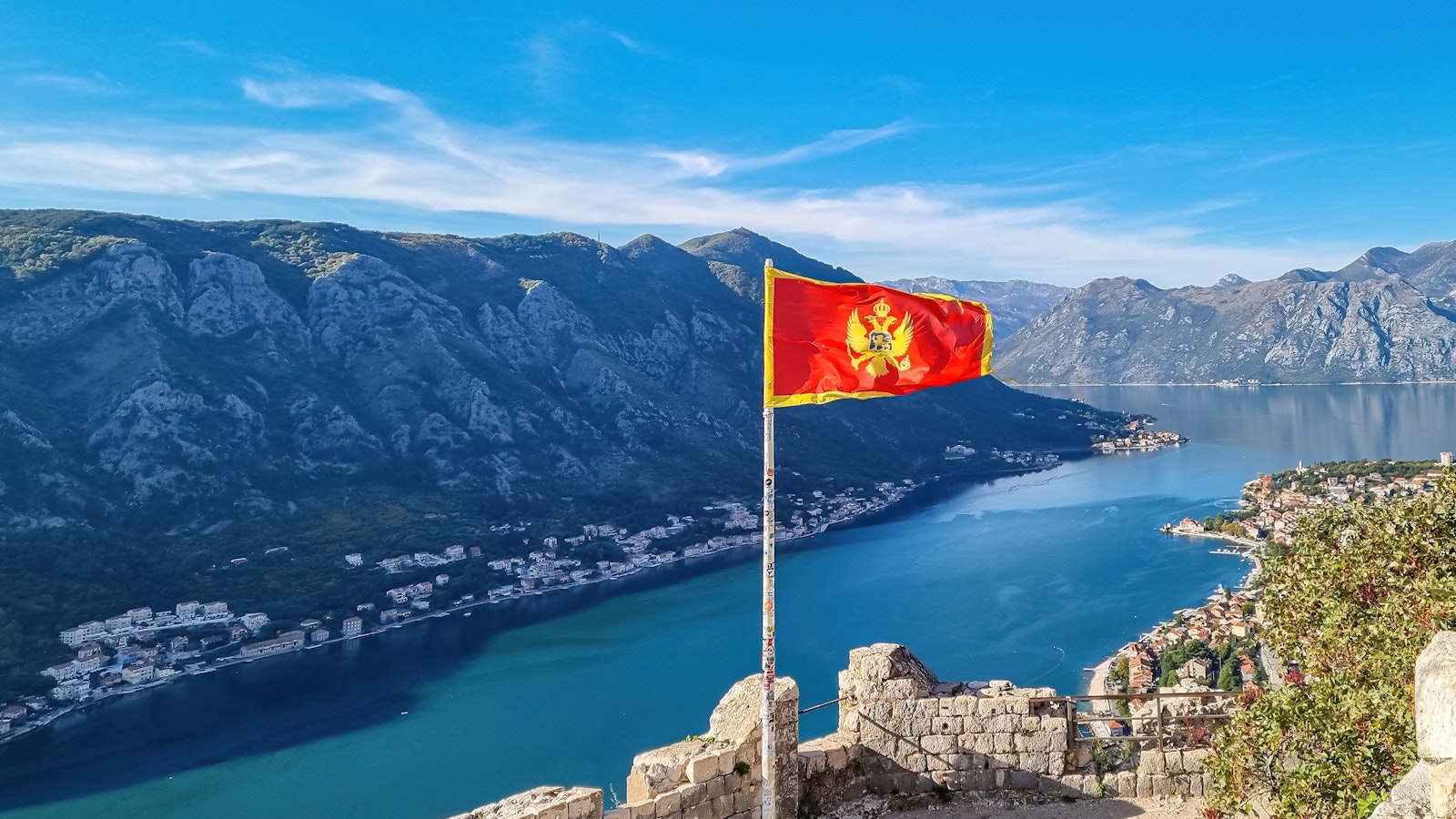
Kotor is set at the innermost point of a fjord-like inlet on the Adriatic coast, making it among Europe's most dramatically situated cities. The Natural and Culturo-Historical Region of Kotor has been a UNESCO World Heritage site since 1979, recognised for the extraordinary density of its medieval architecture and the remarkable harmony between the built environment and the natural landscape — Romanesque churches, Venetian palaces, and narrow stone lanes accumulating into one of the most intact medieval streetscapes on the eastern Adriatic.
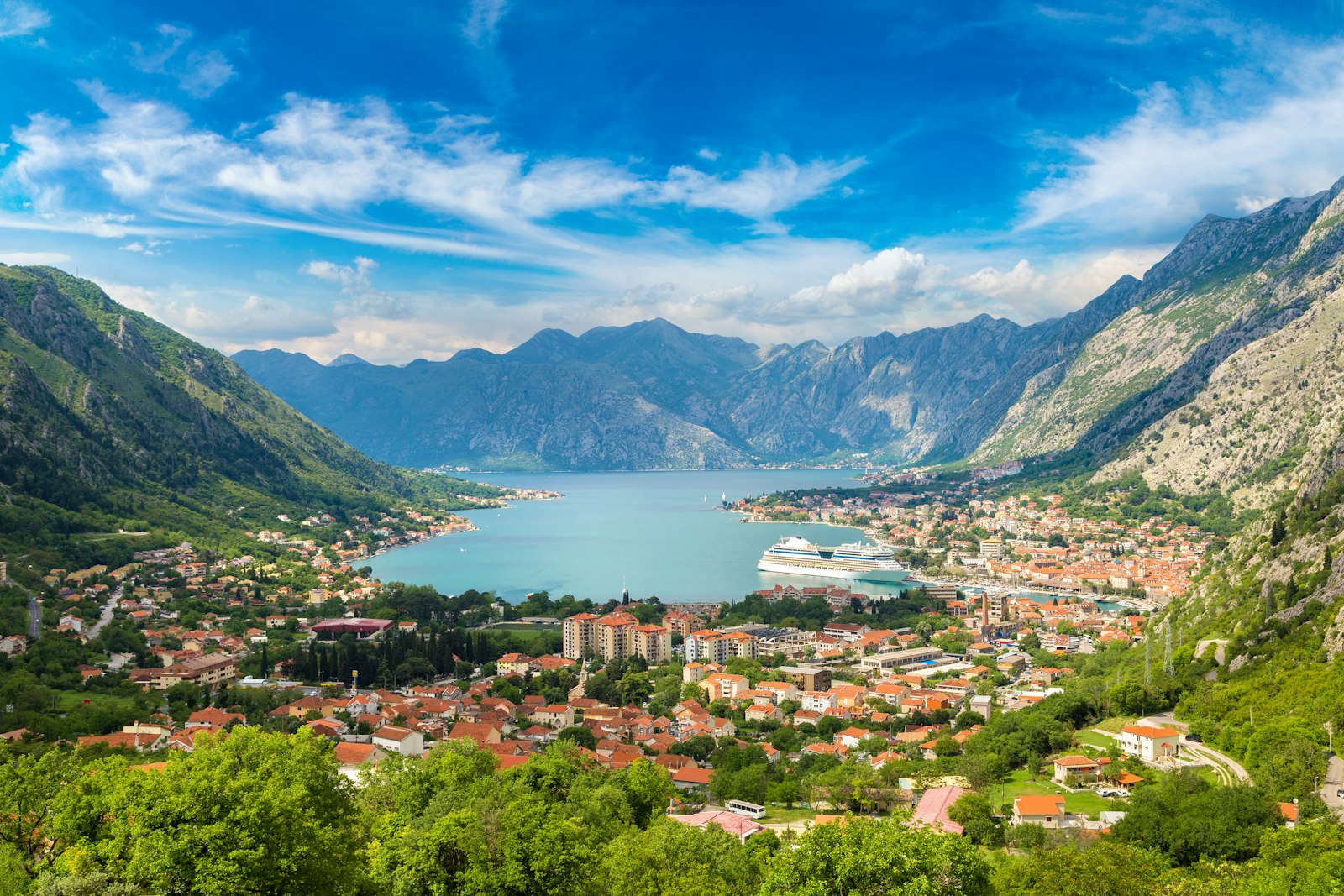
While Kotor itself developed largely under Venetian rule, the wider bay sat on the frontier between Venetian and Ottoman spheres of influence for centuries, creating the layered cultural landscape visible today. The smaller towns within the bay — Perast, Dobrota, Tivat — each add their own character to a day spent on the water or the winding coastal road. Just beyond the bay, Budva combines a historic walled old town with beaches and resorts that have made it Montenegro's most popular coastal holiday destination. Further along the coast, the iconic islet of Sveti Stefan remains one of Montenegro's most recognisable landmarks.
Stara Varoš, Podgorica: the Ottoman quarter
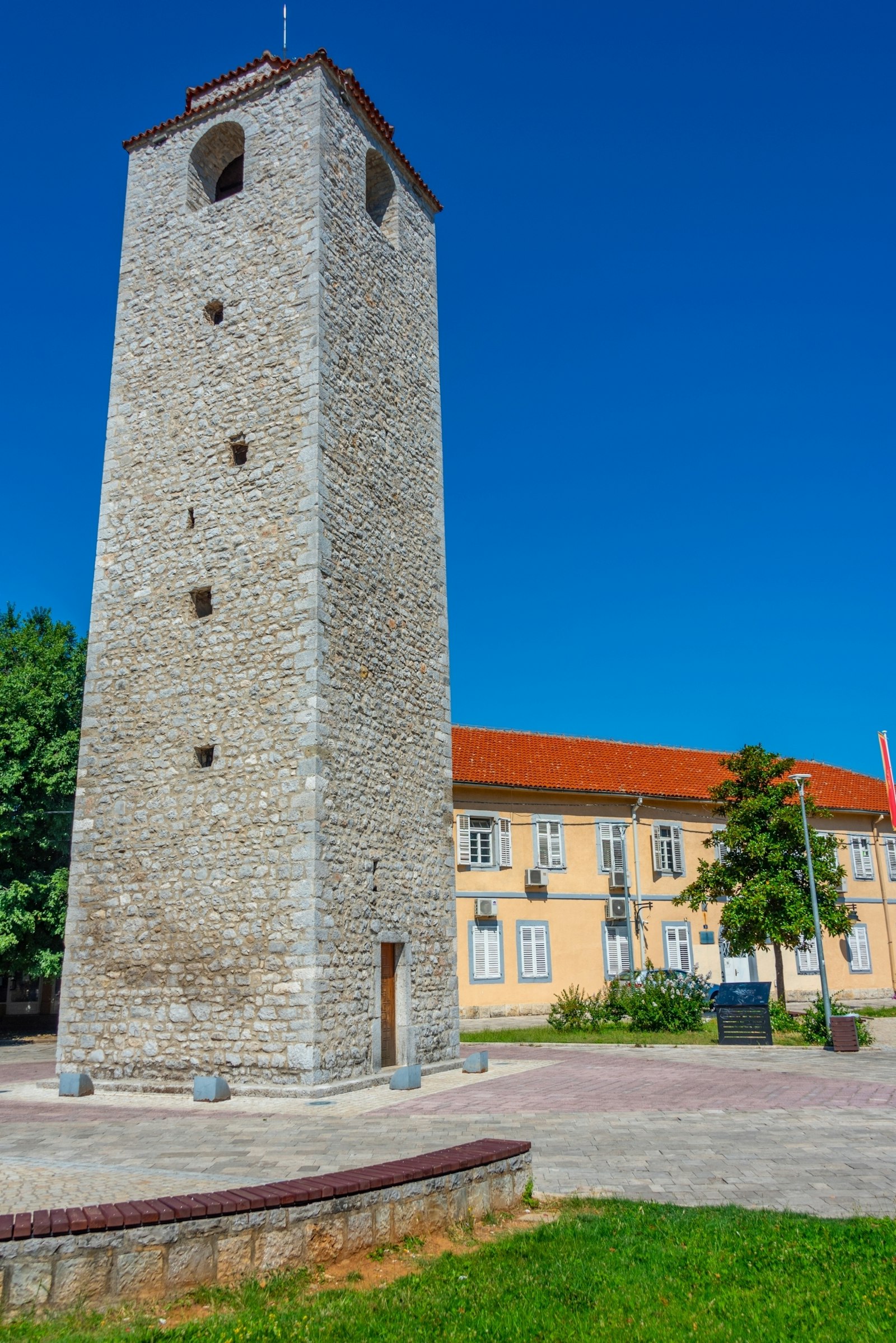
Podgorica is not a city that announces itself. Modern, low-rise, and quietly rebuilding its identity after the upheavals of the 20th century, it is easily underestimated. But within the neighbourhood of Stara Varoš, the Ottoman city that once stood here becomes legible again. Its centrepiece is the Sahat Kula, the clock tower built in 1667 by Hadži-paša Osmanagić, rising 19 metres in finely cut stone, its Italian-made clock mechanism installed in 1890 and still in place. Nearby, the Osmanagić Mosque, also commissioned by the same patron and dating from the 17th century, sits in a quiet courtyard containing the founder's tomb. Together they anchor a quarter that, despite the surrounding modernism, still carries something of the atmosphere of a provincial Ottoman town.
The Islamic Community of Montenegro has its seat in the capital, and the city's Muslim community — made up of Bosniaks, Albanians, and Montenegrin Muslims — gives Podgorica a religious and cultural dimension that the tourist itineraries rarely acknowledge.
Durmitor National Park: mountains, canyons, and glacial lakes
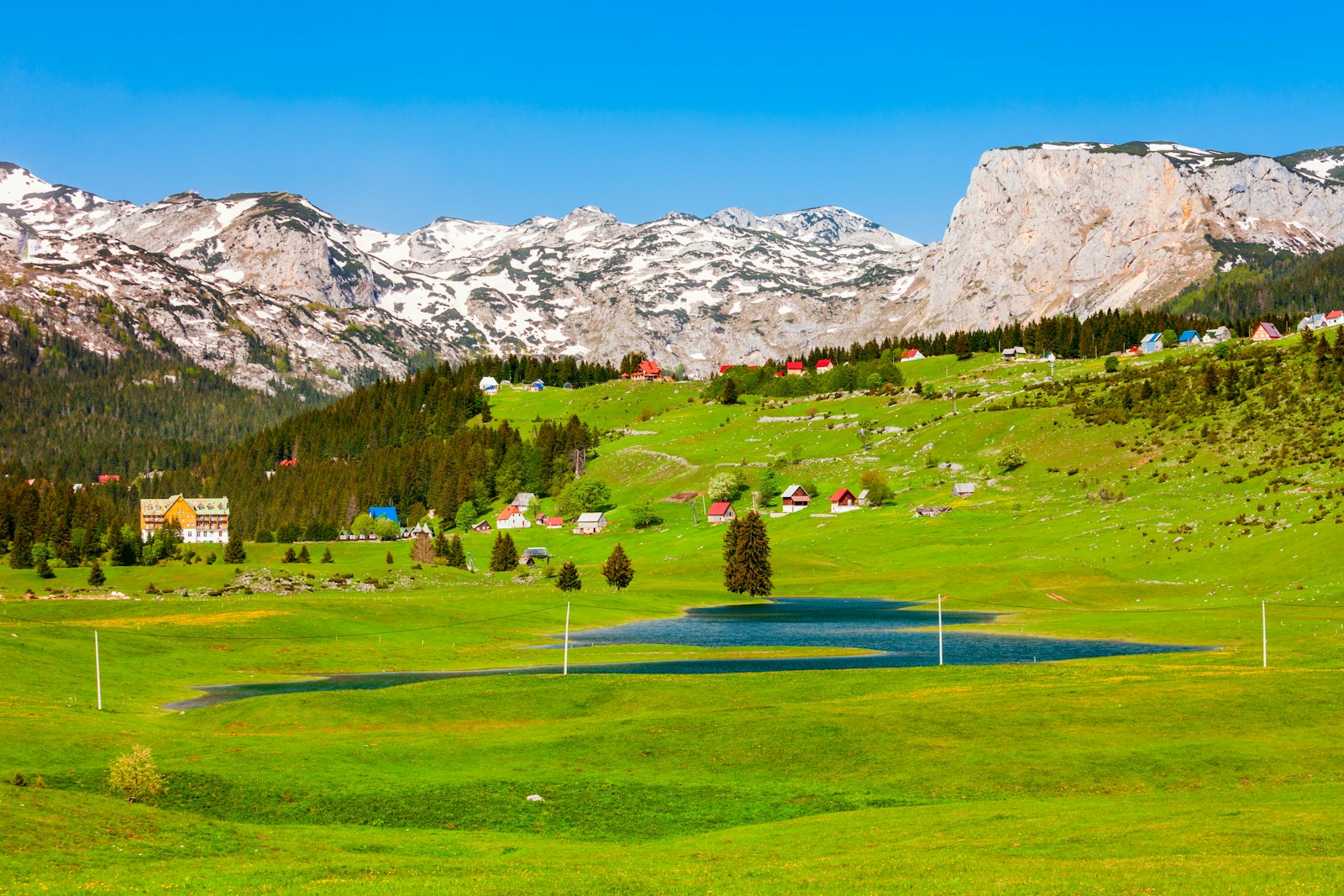
The Durmitor National Park, a UNESCO World Heritage site since 1980, is among Europe's most spectacular mountain landscapes. The limestone massif of the Dinaric Alps rises to 48 peaks above 2,000 metres, the highest being Bobotov Kuk at 2,523 metres, while 18 glacial lakes — known locally as "mountain eyes" — scatter across the plateau. The park is cut through by the Tara River Canyon, Europe's deepest gorge at 1,300 metres, its 82 kilometres of pristine water flowing through dense pine forest in a landscape of extraordinary scale. The nearby town of Žabljak serves as the base for hiking, rafting, and in winter, skiing.
Halal options are limited in Žabljak itself, so bringing provisions or choosing to self-cater is advisable for longer stays — though Pljevlja and Rožaje are both within reasonable driving distance.
Lake Skadar: the Balkans' largest lake
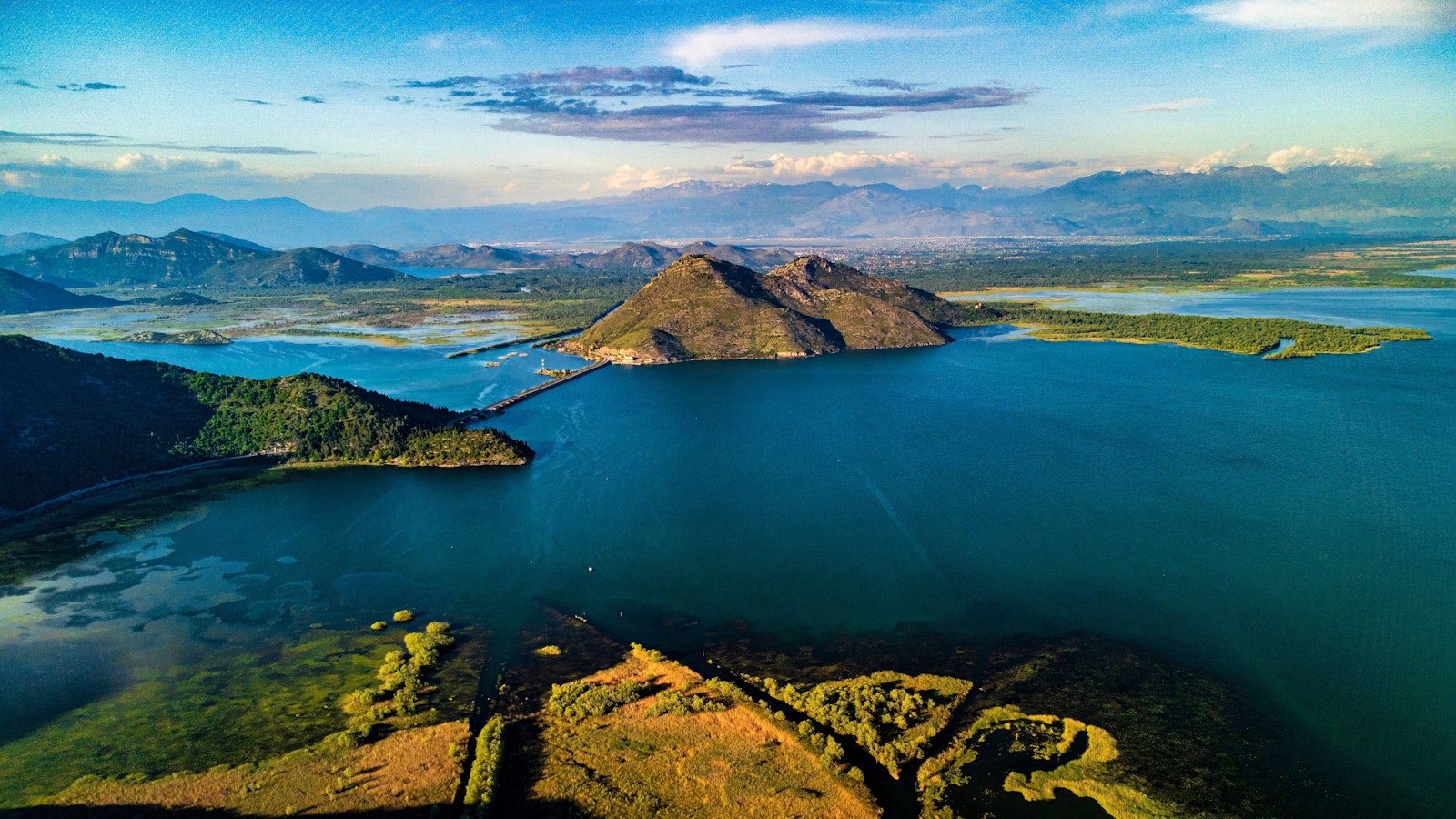
Lake Skadar, shared between Montenegro and Albania and protected as a national park since 1983, is the largest lake in the Balkans, stretching up to 530 square kilometres in the winter months. Its mirrored surface, framed by karst mountains and softened by floating meadows of water lilies, is home to over 260 species of birds, making it an internationally significant wetland habitat. Ancient island monasteries, traditional fishing villages, and the ruins of an Ottoman fortress on the prison island of Grmozur add historical texture to what is, at its heart, one of the most serene landscapes in the region. The lake's southern shores also border areas with long-established Albanian Muslim communities, adding another layer to the region's cultural landscape.
Bar: Montenegro's overlooked Ottoman port
Bar occupies an important place in Montenegro's Islamic and Ottoman heritage, yet is often overlooked by visitors heading directly between Kotor and Ulcinj. Beneath the slopes of Mount Rumija lies Stari Bar, a remarkably atmospheric abandoned town whose stone streets, aqueduct, clock tower, and fortifications reflect centuries of Ottoman rule layered upon earlier Byzantine and Venetian foundations. Included on UNESCO's Tentative List, it is one of Montenegro's most significant historic sites. Among its most significant monuments is the Omerbašića Mosque, built in 1662 and one of the oldest surviving mosques in Montenegro.
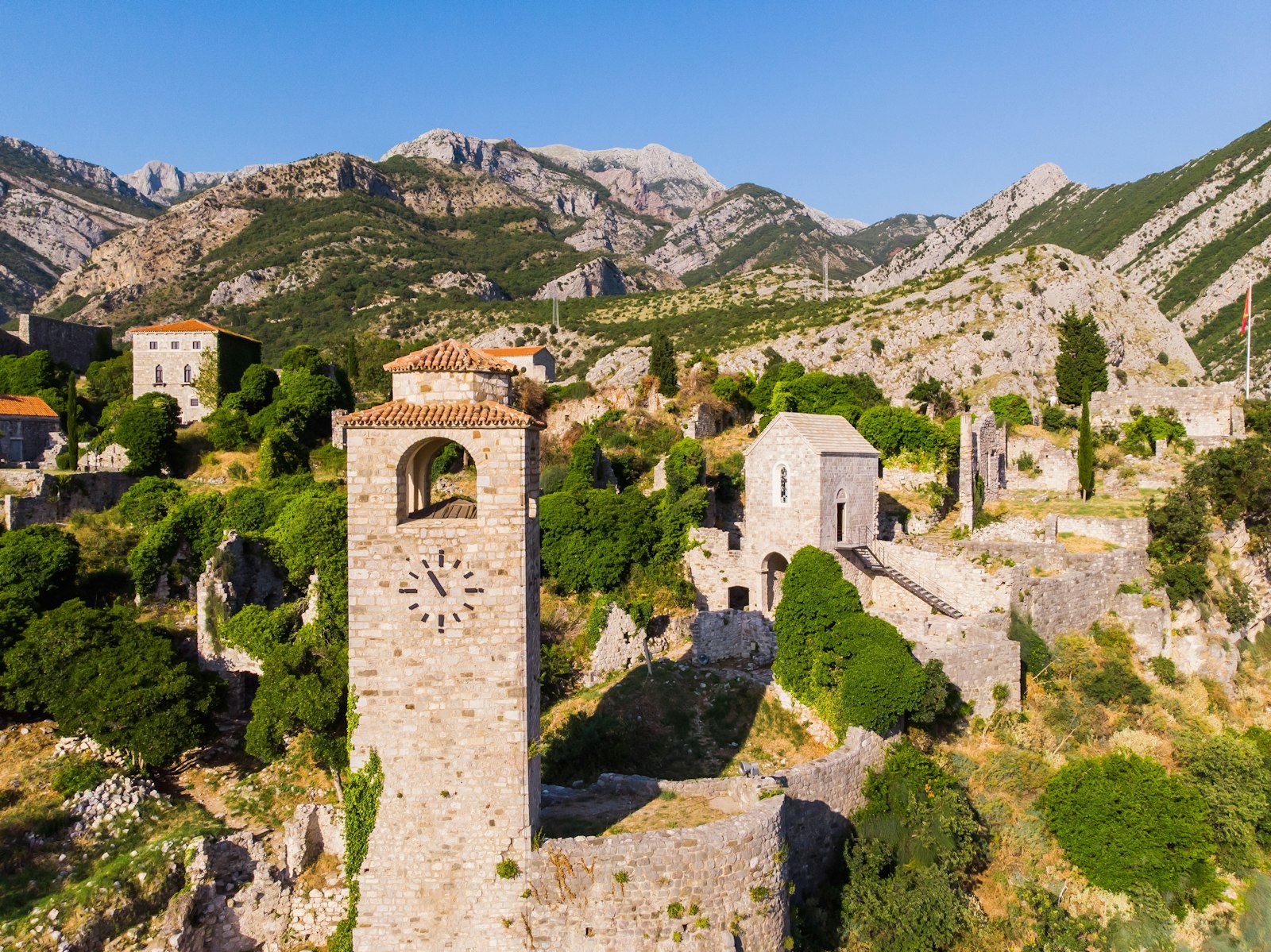
Modern Bar, spread along the Adriatic shoreline below, is home to a sizeable Muslim community and the striking Islamic Cultural Centre of Bar, one of the country's most important contemporary Islamic institutions. Together, the historic Omerbašića Mosque and the modern Islamic Cultural Centre illustrate both the depth and continuity of Muslim life in Montenegro. While less immediately picturesque than Kotor or as overtly Muslim in character as Ulcinj, Bar rewards visitors with a quieter, more authentic glimpse into the country's Ottoman past.
Ulcinj: the Adriatic's most southerly Muslim town
Travel south along Montenegro's coast and the character of the country shifts. By the time you reach Ulcinj, the southernmost coastal town before the Albanian border, you are in a place where Islam is not a minority presence but the dominant fabric of daily life. The municipality is overwhelmingly Muslim — predominantly ethnic Albanians for whom the town is both homeland and seaside retreat — and the effect on the traveller is immediate: minarets punctuate the skyline, the call to prayer carries across the old town's stone streets, and halal food is widely available and often the default option in local restaurants. The old town is a compact Adriatic fortress, its walls rising directly from the sea, and within them the Sailors' Mosque, completed in 1798, remains one of the most evocative Islamic monuments on the Adriatic coast. South of the town, Velika Plaža stretches for 12 kilometres to the Albanian border, one of the longest sandy beaches on the Adriatic.
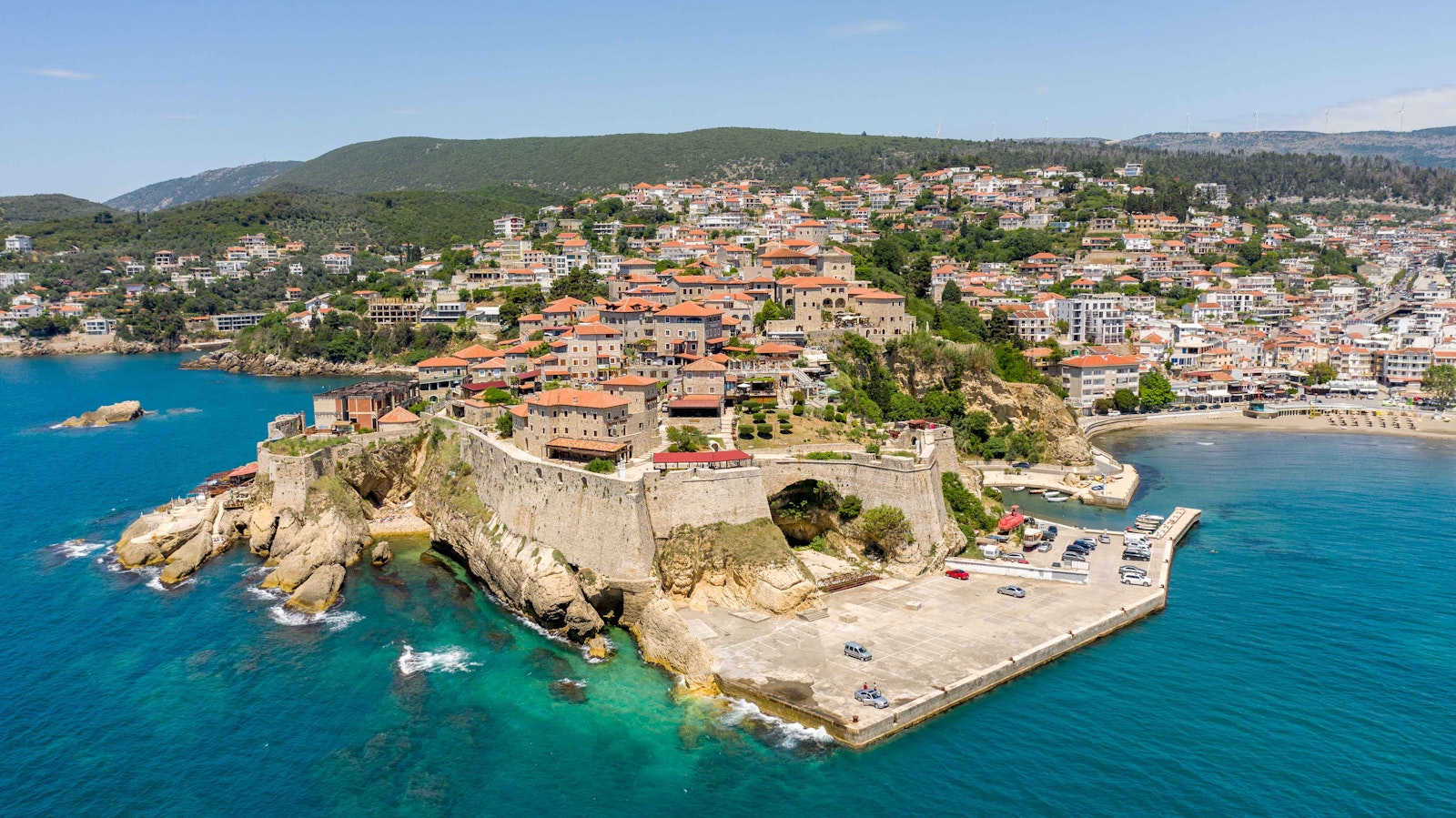
Reflecting Ulcinj's Muslim heritage, the town is also home to Hijab Family Beach, a private beach with a fully secluded women-only section, enclosed cabanas for added family privacy, a prayer area and a restaurant serving only halal food and no alcohol. Its peaceful, family-friendly setting makes it one of the Adriatic's most distinctive halal-friendly seaside initiatives.
Pljevlja and the north: the heart of Ottoman Montenegro
The towns of Montenegro's mountainous north saw some of the most sustained Ottoman presence in the country, and nowhere is this more evident than in Pljevlja, a market town whose centrepiece is one of the finest mosques in the Balkans. The Husein-paša's Mosque was built between 1573 and 1594 by Husein-paša Boljanić, a local-born Ottoman statesman. Its interior is covered in polychrome painted ornaments, floral motifs, and Qur'anic calligraphy, and the mosque holds a 16th-century Qur'an manuscript among its collection of Arabic and Turkish texts. The minaret, reconstructed to 42 metres after a lightning strike in 1911, is among the tallest in the Balkans.
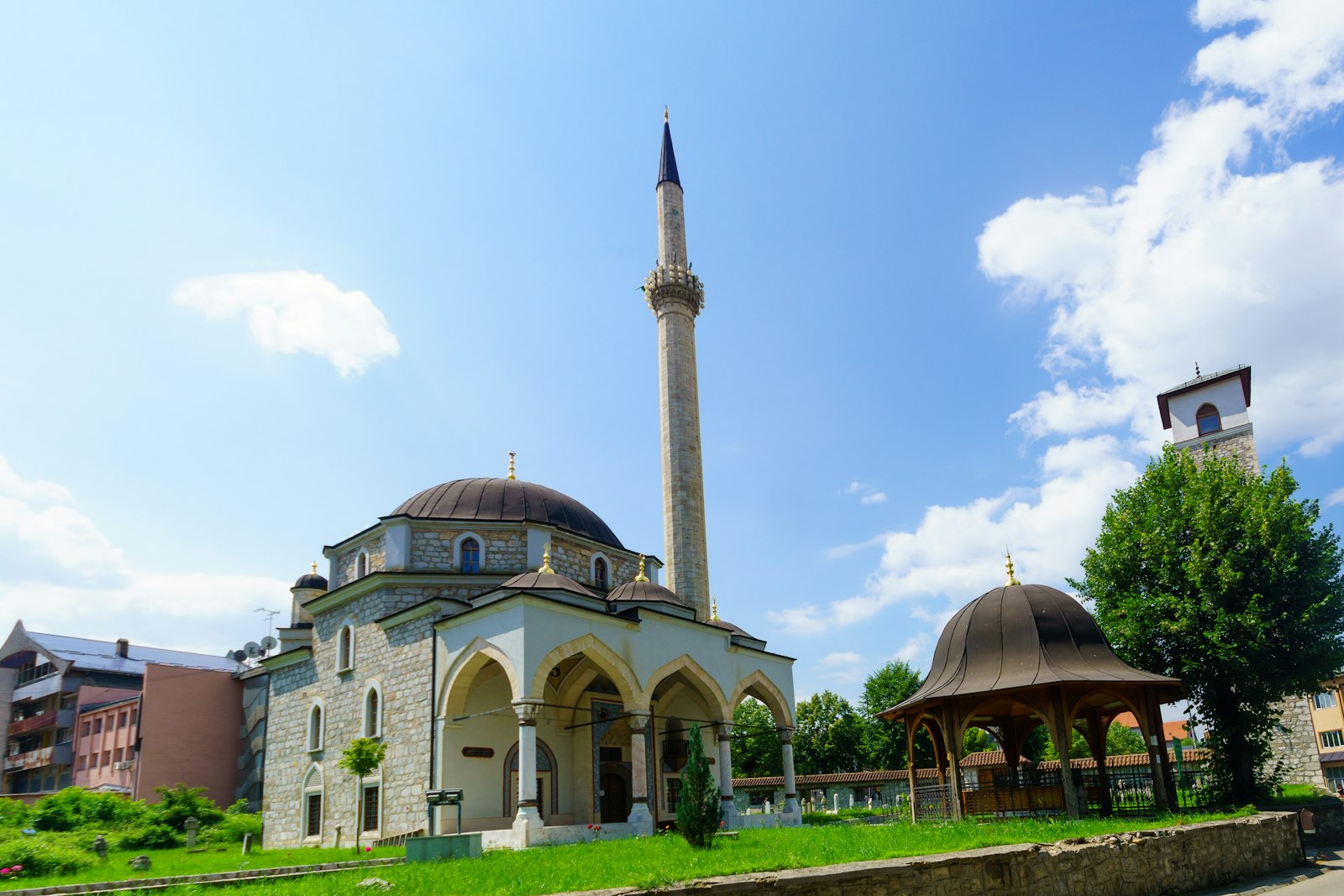
Further east, Rožaje is the most thoroughly Muslim town in Montenegro — over 90 per cent of its population identifies as Muslim — and the Sultan Murat II Mosque, originally built in 1450, is a major religious landmark for Muslims in northern Montenegro. The town is one of the principal cultural centres of Montenegro's Bosniak community.
Visitors exploring Pljevlja and Rožaje often base themselves in Kolasin or Podgorica. Rožaje can be reached in around 1 hour 15 minutes from Kolasin or 2 hours from Podgorica, while Pljevlja is around 2 hours from Kolasin and 2.5–3 hours from Podgorica, making both towns rewarding day trips through Montenegro's mountain landscapes.
Top activities in Montenegro
Bay of Kotor drive
Ulcinj old town
Durmitor hiking
Tara rafting
Lake Skadar kayaking
Kitesurfing
Driving the Bay of Kotor road
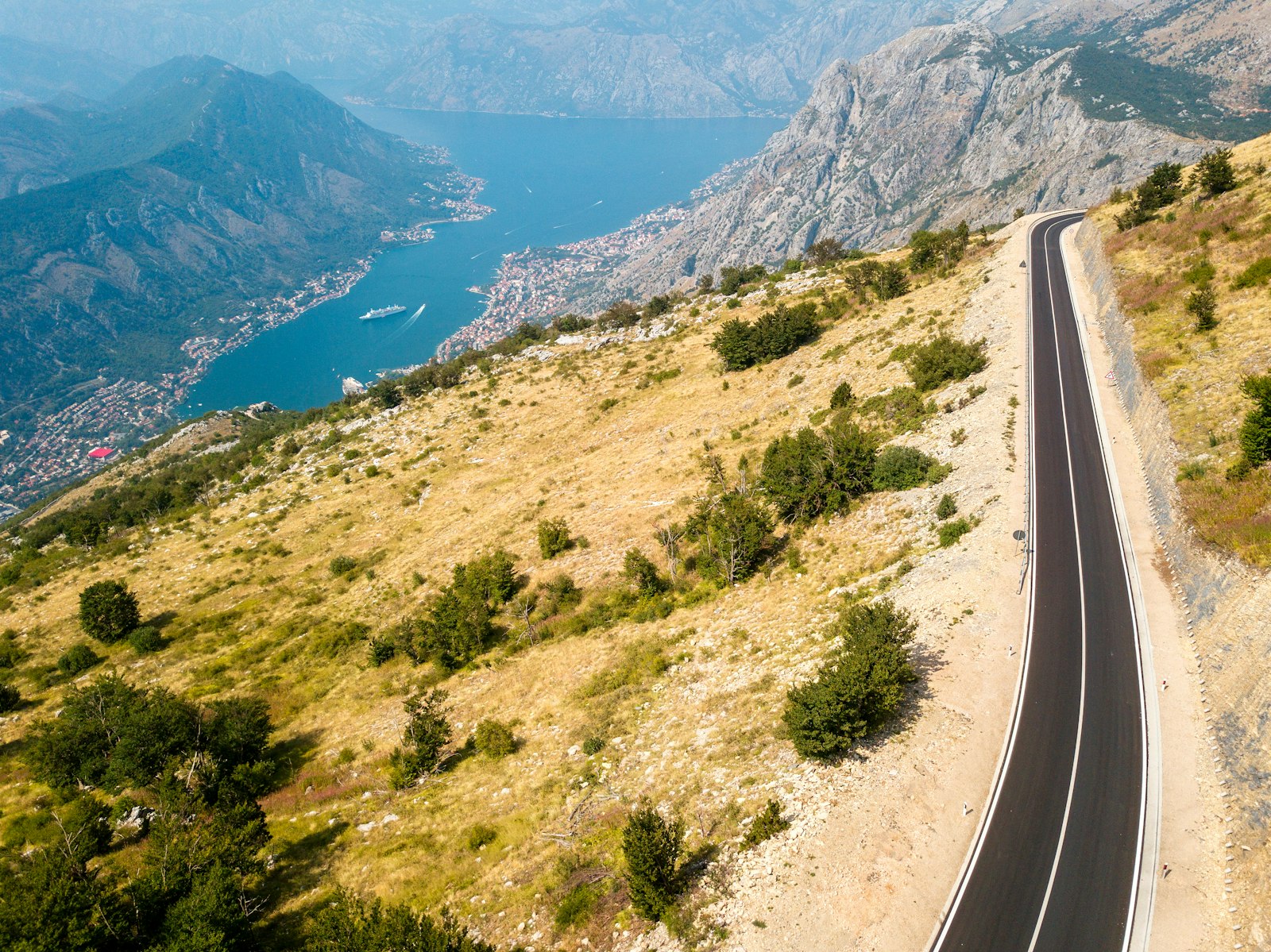
The coastal road that circumnavigates the Bay of Kotor is one of the most rewarding drives in the Balkans. Hugging the shoreline through a succession of medieval villages — Dobrota, Perast, Risan, Herceg Novi — it offers constantly changing views across still water to the mountains beyond. The stretch between Kotor and Perast is particularly striking, with the island churches of Our Lady of the Rocks sitting just offshore. The full circuit of the bay takes two to three hours at a relaxed pace, with plenty of places to stop, walk, and take in the scale of the landscape.
Exploring Ulcinj old town on foot
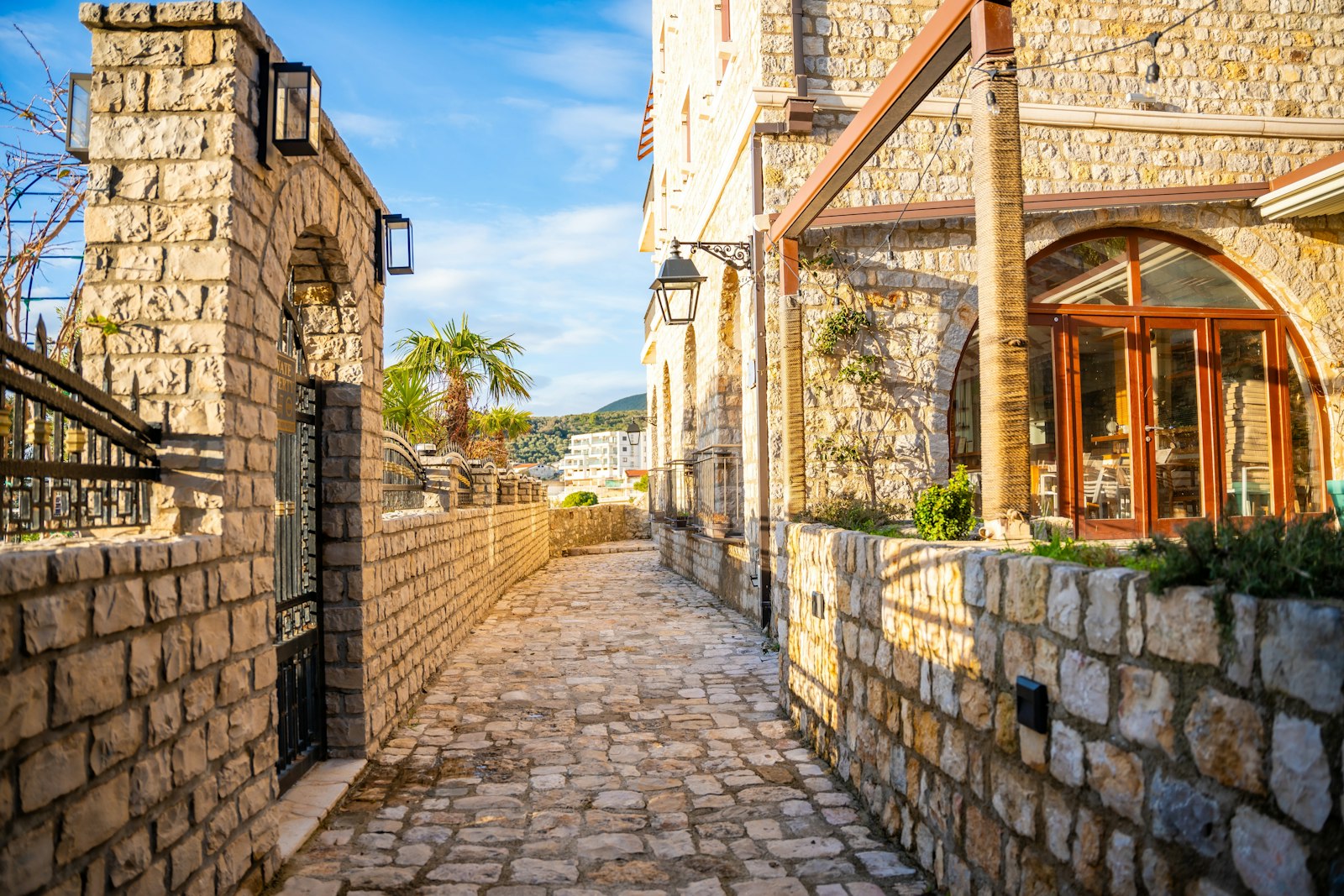
Ulcinj's old town is compact enough to walk entirely in an hour, but rewarding enough to spend a half-day in. The walled upper town rises directly above the sea, its stone lanes leading past the Sailors' Mosque, Ottoman-era houses, and small squares with views across the Adriatic to the Albanian mountains beyond. The lower town spills down to a small beach below the walls, and the atmosphere — unhurried, predominantly Muslim, with the call to prayer drifting across the rooftops — is unlike anywhere else on the Montenegrin coast. Early mornings and evenings are the best times, when the light is low and the streets are quiet.
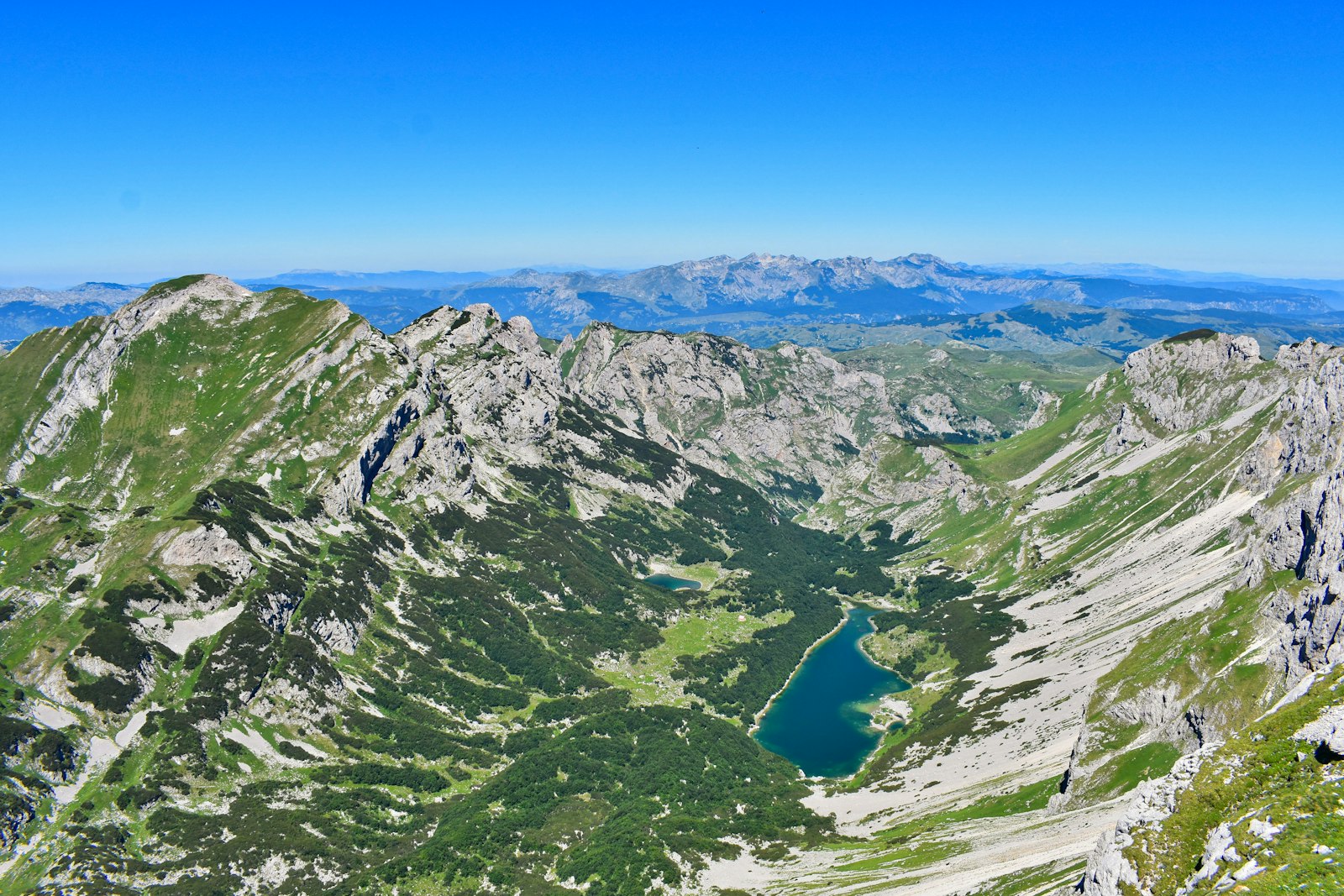
Hiking Durmitor
Durmitor's network of marked trails covers terrain that ranges from gentle lakeside walks to serious mountain ascents. The most popular starting point is the Black Lake, a glacial lake sitting at 1,416 metres whose dark, still water reflects the surrounding peaks on clear mornings. From there, trails fan out across the massif, with the route to Bobotov Kuk — the highest peak in Montenegro at 2,523 metres — taking experienced hikers around five to six hours return from Žabljak. The season runs from June to October, and the trails are well marked; guides are available for those tackling the higher routes for the first time.
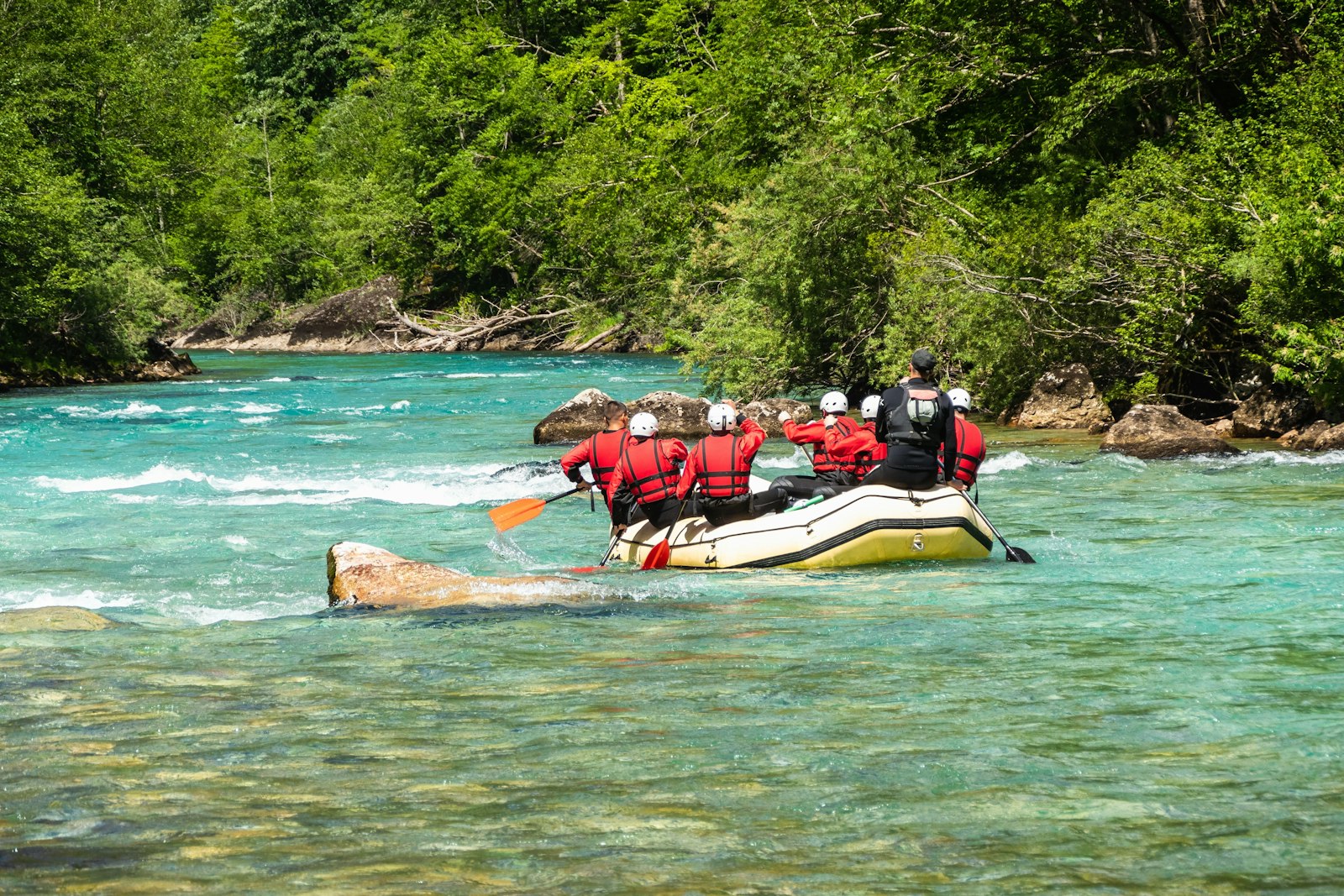
Rafting the Tara River Canyon
The Tara River runs for some 144 kilometres through the heart of the Durmitor massif, and the section within the national park is arguably Europe's finest rafting destination. The journey through the canyon — walls rising over 1,300 metres on either side, the water a deep glacial green — takes two days for the full route, though shorter day trips are widely available from Žabljak. The season runs from April to October, with the most dramatic conditions in April and May when snowmelt swells the river. Operators provide all equipment, and the combination of rapids and stretches of calm drifting makes it suitable for a wide range of abilities.
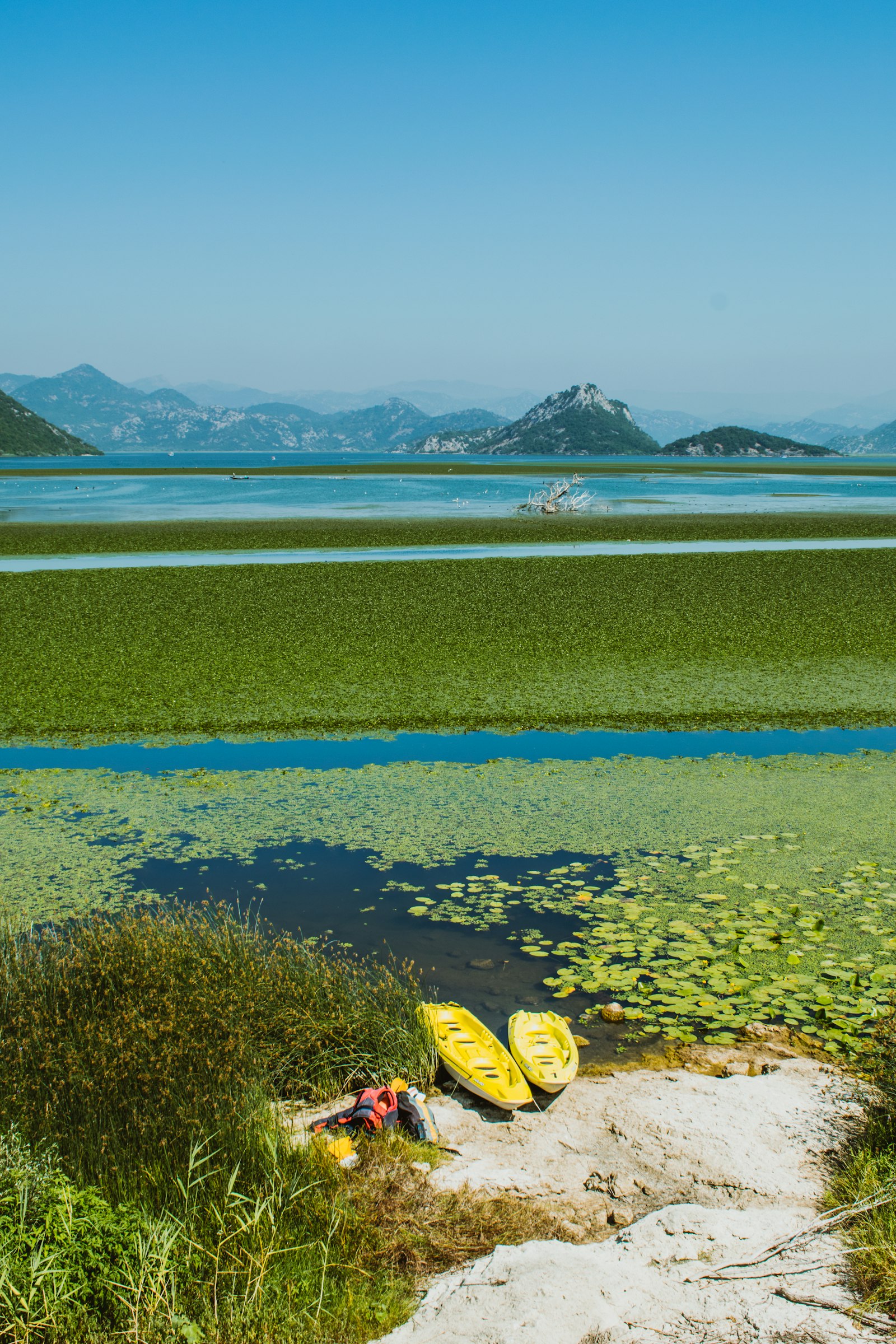
Kayaking on Lake Skadar
A kayak or small boat is the most rewarding way to experience Lake Skadar. Guided tours depart from the village of Virpazar, weaving through reed beds and open water, past the ruins of Ottoman fortifications, and to the island monasteries that dot the lake's surface. The calm conditions and the extraordinary birdlife — pelicans, herons, cormorants, and dozens of migratory species — make even a half-day on the water an experience that lingers.
Kitesurfing at Velika Plaza
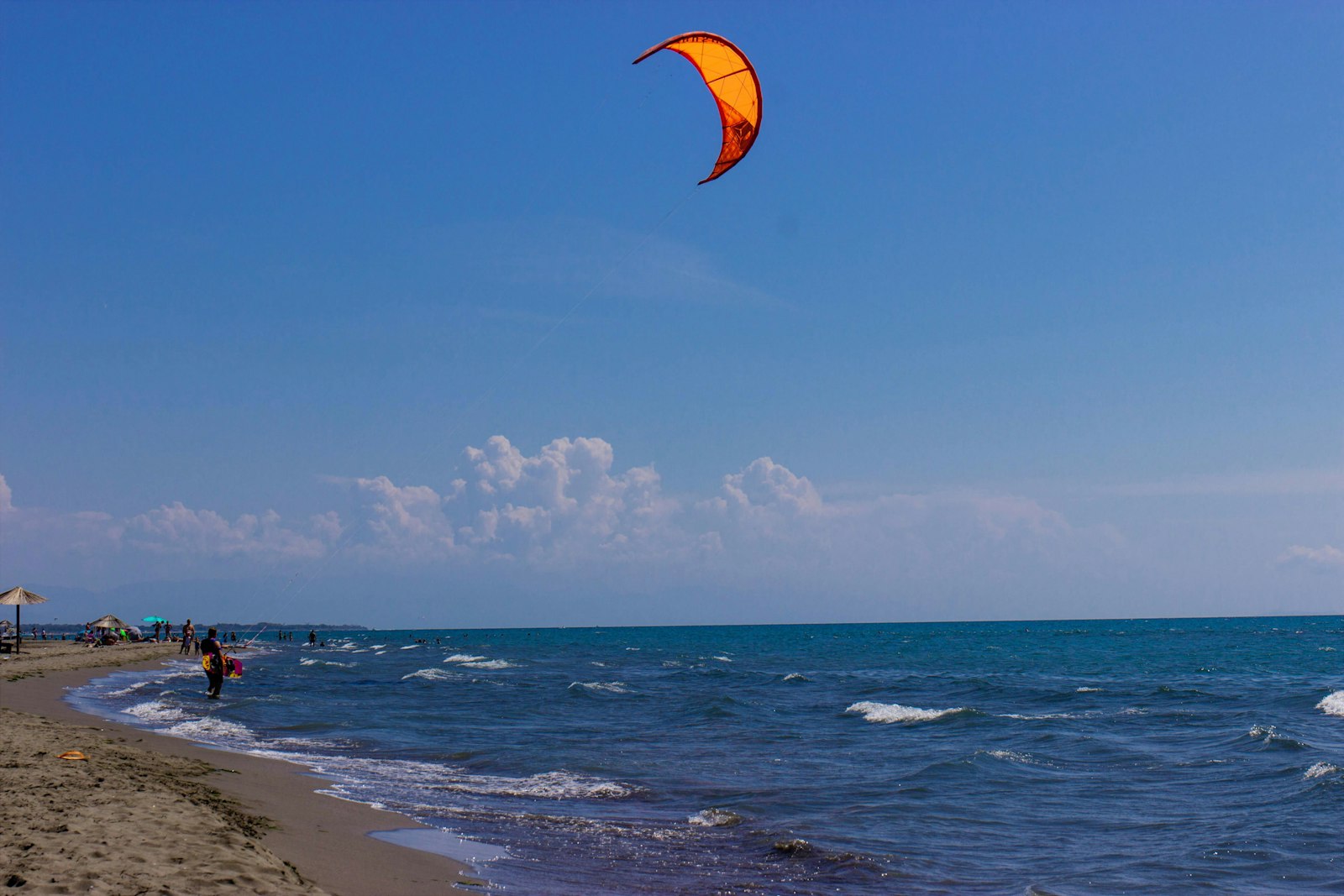
The Velika Plaza, or Long Beach, stretches for 12 kilometres south of Ulcinj towards the Albanian border, backed by sand dunes and the wetlands of the Ulcinj Salina. The thermal Maestral wind that blows reliably from late spring through to October has made this one of the most sought-after kitesurfing spots on the Adriatic, with a number of dedicated schools operating along the beach. For those who simply want the beach itself, the fine dark volcanic sand and the vast, uncrowded scale of the place make it a genuinely distinctive Adriatic experience.
Mosques in Montenegro
Montenegro's Muslim community is well-served by mosques across the country, from the capital to the smallest northern towns. Visitors are generally welcome outside prayer times, though modest dress and respectful behaviour are expected. The following are the most notable for visitors.
In Podgorica, the Osmanagić Mosque in Stara Varoš is a 17th-century Ottoman mosque, active and open to respectful visitors.
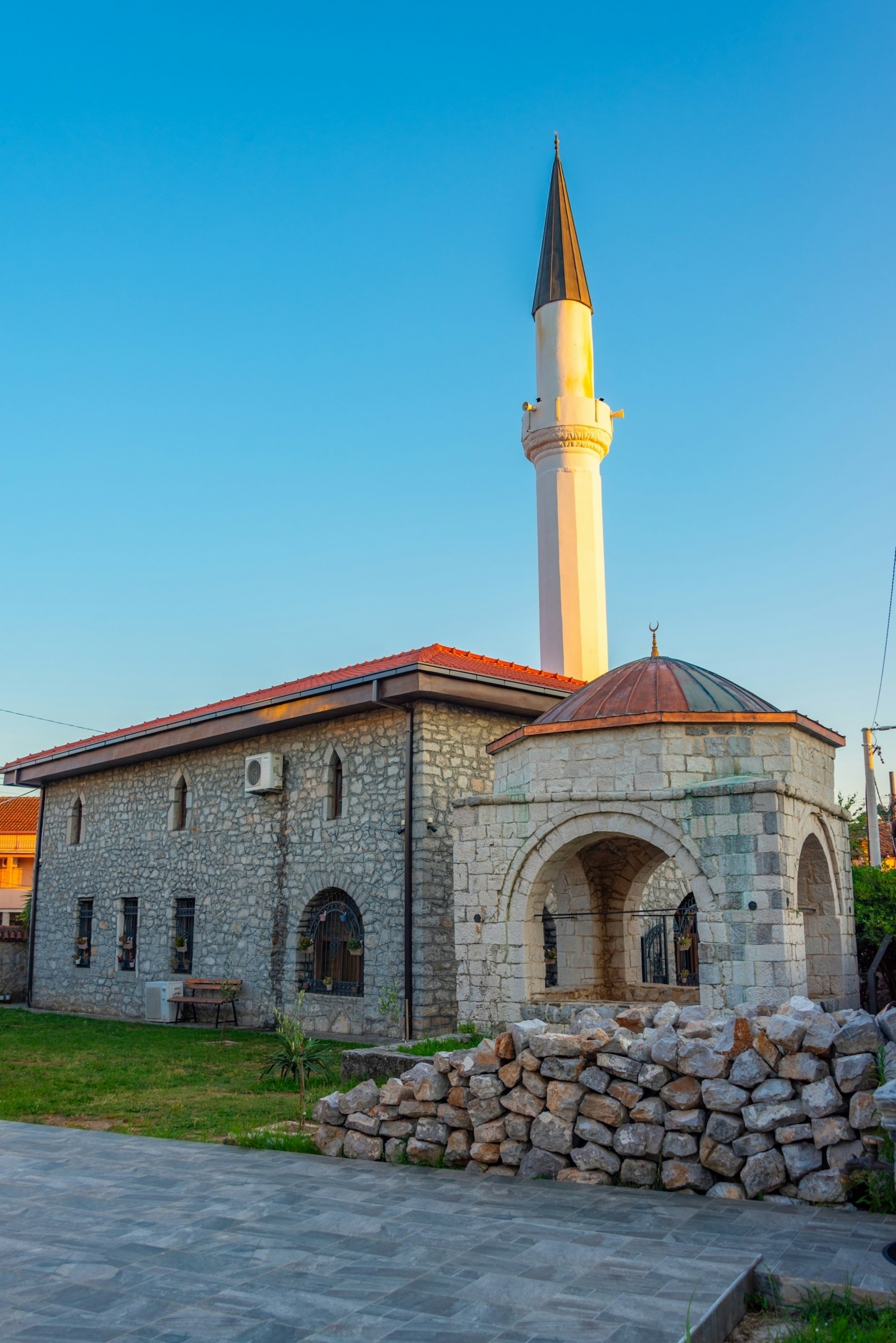
The older Starodoganjska Mosque, dating from the 15th century and the oldest mosque in the city, is also located in Stara Varoš and serves as the seat of the Montenegrin muftiate. Both are within easy walking distance of each other.
In Pljevlja, the Husein-paša's Mosque is the finest Ottoman mosque in the country, its polychrome interior, Qur'anic calligraphy, and 16th-century manuscript collection making it among the most significant Islamic monuments in the Balkans.
In Ulcinj, the Sailors' Mosque, completed in 1798, occupies a building that once served as both a place of worship and a lighthouse.
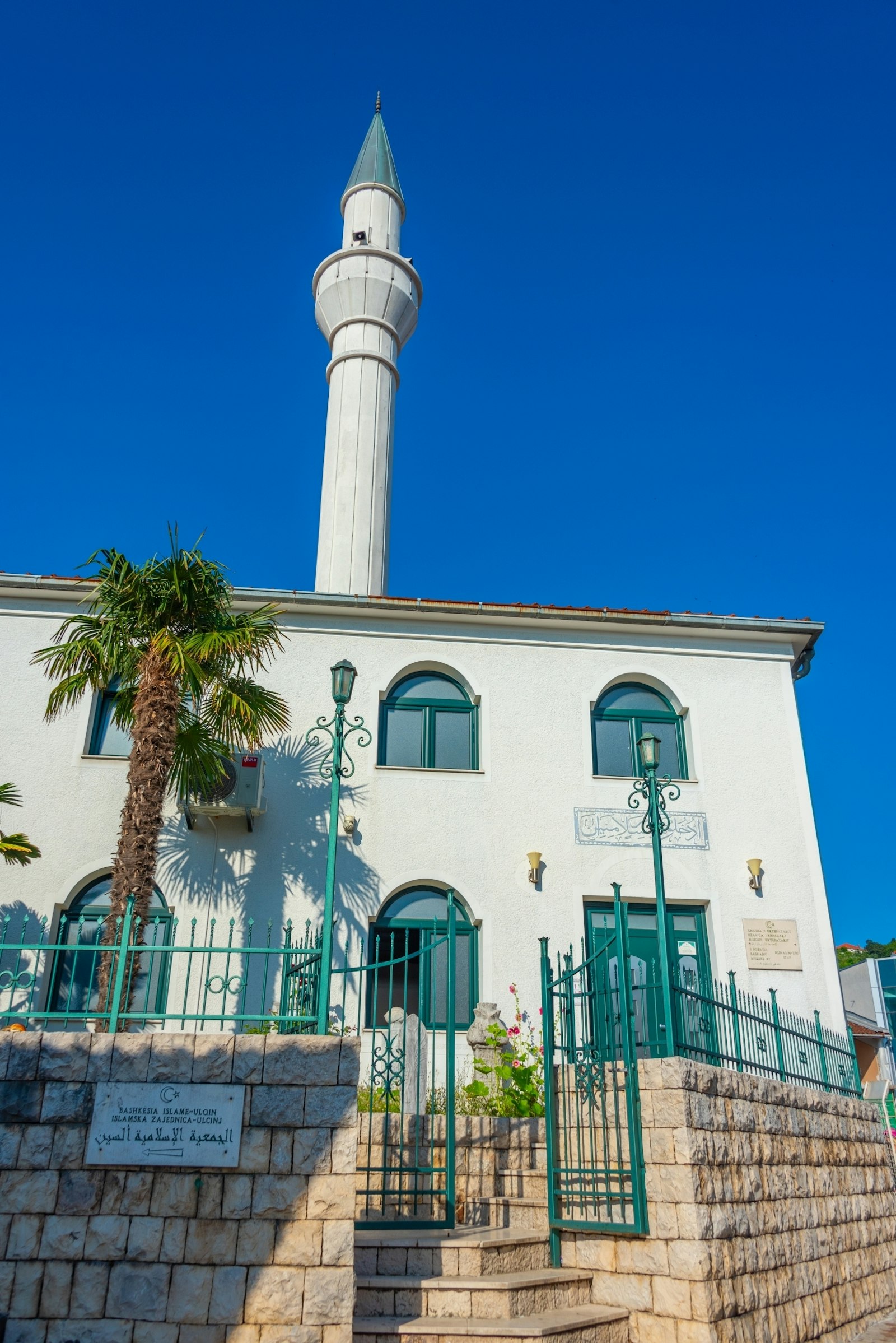
The Bregu Mosque, built in 1783 by local sea captain Ahmet Gjyli, is also an active place of worship in the Meraja neighbourhood.
In Bar, the Omerbašića Mosque, built in 1662 within the old town of Stari Bar, is one of Montenegro's oldest surviving mosques.
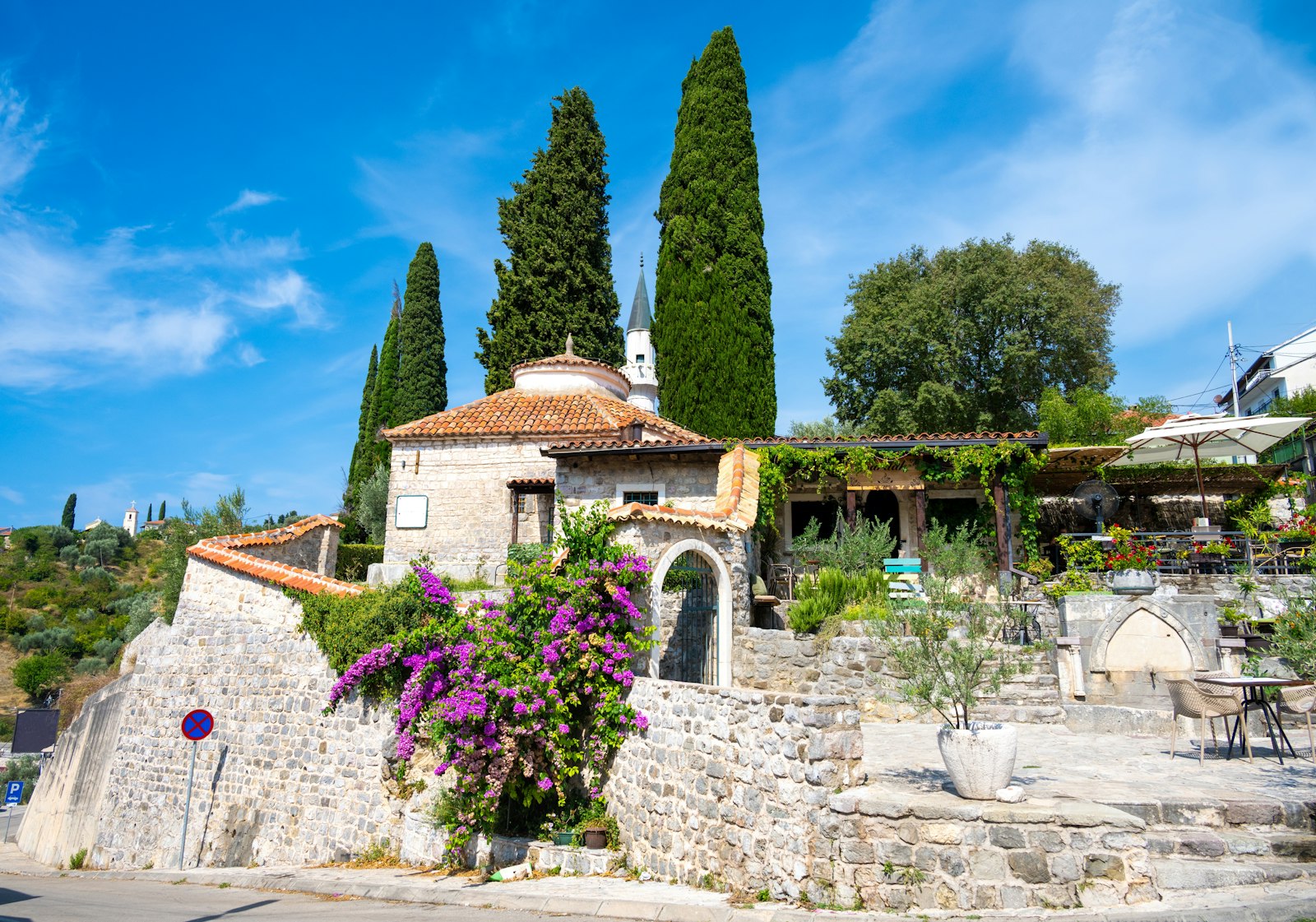
The city is also home to the Islamic Cultural Centre, an important focal point for the Muslim community along the southern coast.
In Rožaje, the Sultan Murat II Mosque, originally built in 1450 and renovated in 2008, is a significant site for Balkan Muslims and a focal point of the Bosniak community in the north.
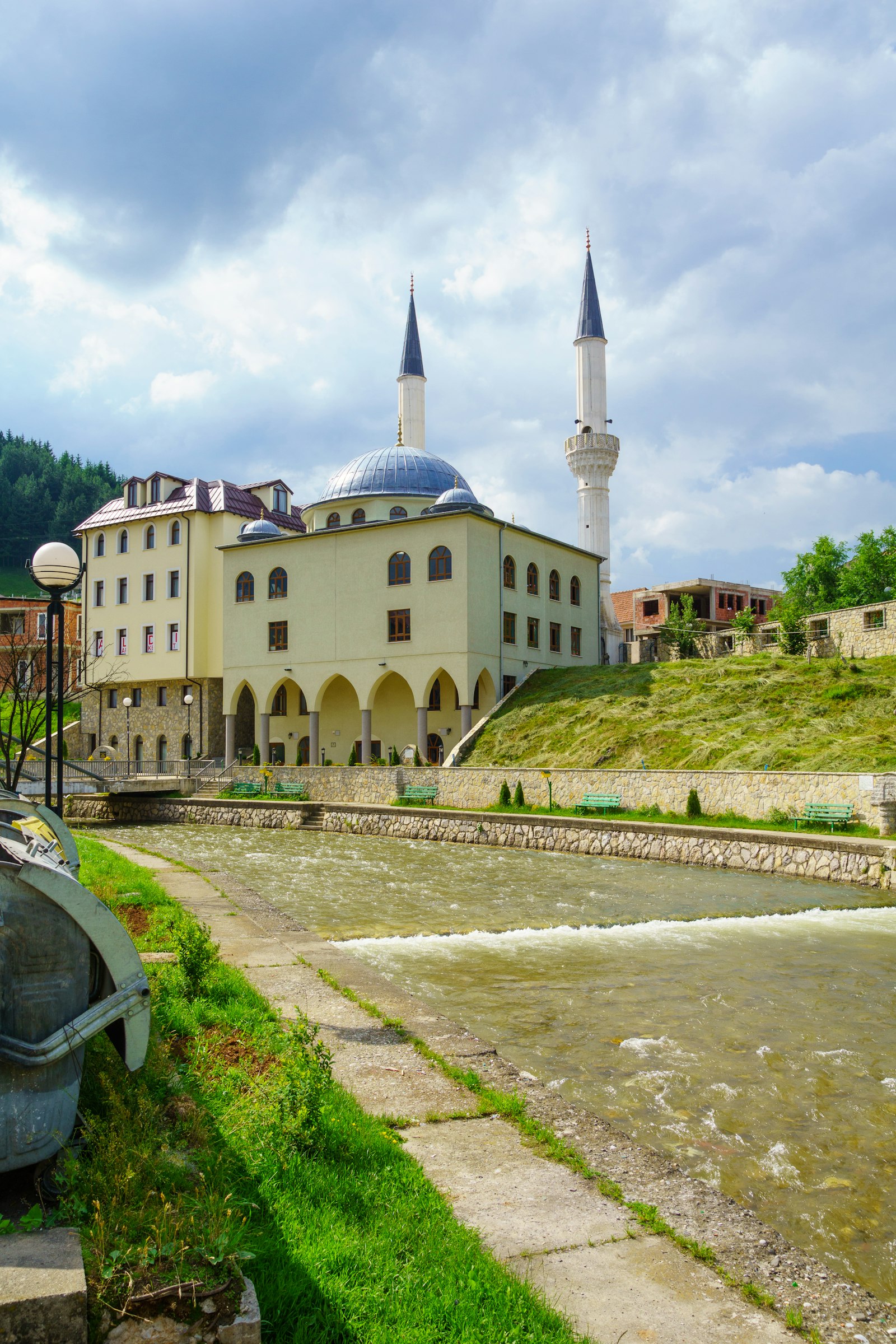
Prayer spaces can also be found in the larger coastal towns, and the word dzamija (mosque) is universally understood. Friday prayers are held across all Muslim-majority areas, and in Ulcinj the call to prayer is a constant and natural part of the town's daily soundtrack.
Halal food and restaurants in Montenegro
Halal food in Montenegro follows the geography of its Muslim population closely. In Ulcinj, it is simply the default: the town is Muslim-majority, and restaurants across the municipality source from the same halal supplier. In the north, particularly around Rožaje and the Sandžak region, Bosnian influences are stronger, with traditional bakeries, family-run restaurants and hearty mountain cuisine offering some of the country's most authentic halal dining.
Traditional halal dishes to try:
Ćevapi – grilled minced meat served with somun flatbread, chopped onions and often kajmak.
Burek – flaky filo pastry filled with halal meat, cheese or spinach.
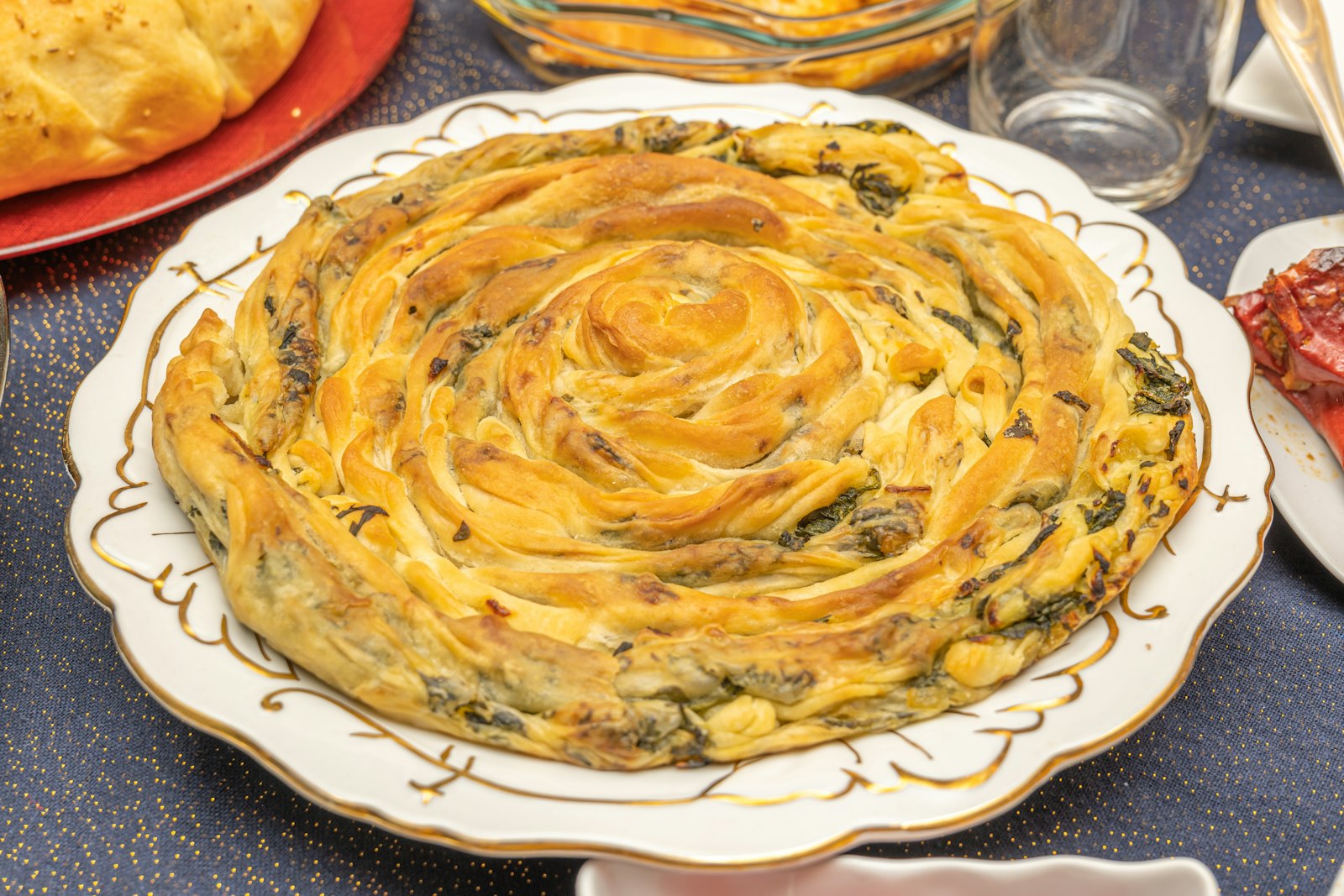
Mantije – small baked pastries filled with minced halal meat, a speciality of the Sandžak region, traditionally served with yoghurt.
Pita – savoury filo pastries with fillings such as halal meat, spinach or cheese.
Grilled Adriatic fish and seafood – freshly caught fish, squid and octopus, simply grilled with olive oil, garlic and herbs.
In Podgorica, halal options have expanded considerably in recent years, with Turkish-style grillhouses, Bosnian restaurants and a handful of Middle Eastern eateries in and around the old quarter. The city is also home to the Islamic Community of Montenegro, which oversees halal certification nationally.
Along the more tourist-focused Bay of Kotor coast — Kotor, Budva and Tivat — halal-certified restaurants are less common, but Turkish and Bosnian restaurants provide reliable options, while fresh seafood is widely available. When in doubt, the phrase Da li imate halal meso? ("Do you have halal meat?") is widely understood and always worth asking.
How to get around Montenegro
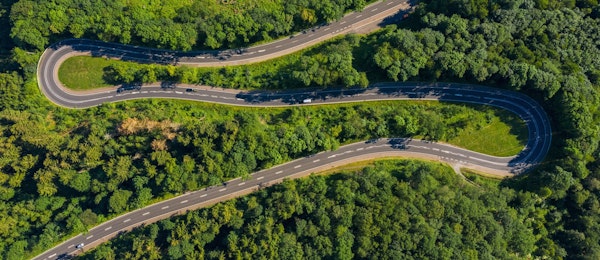
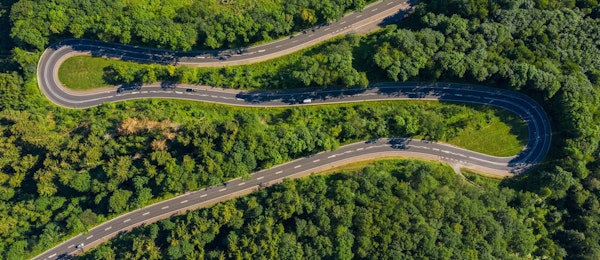
Montenegro is a compact country and, for most visitors, a hire car is the most rewarding way to experience it. The distance from Podgorica to Ulcinj is around 100 kilometres, to Kotor around 60, and to the Durmitor region around 150 kilometres — all manageable within a single day's driving, though mountain roads require patience and attention. The coastal Adriatic Highway runs the full length of the shore and is well maintained; inland roads are generally good on main routes but can be narrow and winding in the mountains. Car hire is available at both international airports — Podgorica Airport (TGD) and Tivat Airport (TIV) — and at major towns, with international companies and local agencies both operating.
For those preferring public transport, inter-city buses connect all major towns reliably and affordably, with tickets ranging from around four to fifteen euros for longer routes. The Podgorica to Kotor and Podgorica to Ulcinj routes are well served. Taxis are available in all towns; in Podgorica metered taxis are standard, while outside the capital it is worth agreeing a fare in advance. During the summer months, shared shuttles also operate between Tivat, Budva, and Kotor. A scenic railway line connects Podgorica northwards through the mountains toward Serbia, passing through dramatic canyon scenery — a journey worth taking for the landscape alone, even if it is not the fastest way to travel.
In the old towns of Kotor, Ulcinj, and Stara Varoš in Podgorica, the only sensible way to explore is on foot: the streets are too narrow and atmospheric for anything else.
Where to stay in Montenegro
Montenegro's accommodation is concentrated along the Adriatic coast, particularly around Budva, Bečići, Kotor, Tivat, Bar and Ulcinj. Visitors can choose from a wide range of hotels, aparthotels and apartments, while a growing selection of private villas offers additional privacy for families and groups seeking a more independent stay.
Muslim travellers will find a growing selection of halal-friendly accommodation throughout the country. Many properties offer halal food or halal options on request, alcohol-free rooms are widely available, and a number of hotels operate as entirely alcohol-free properties. Montenegro is also well suited to travellers seeking a relaxed beach holiday, with many resorts welcoming modest swimwear on their beaches and around their pools.
Travellers looking for additional privacy can choose from private villas and properties offering fully-secluded in-room leisure facilities or private-hire wellness amenities. Those seeking the strongest Islamic atmosphere often favour Ulcinj, where halal food is widely available and the Muslim community forms a visible part of everyday life, while Budva, Bečići and the Bay of Kotor offer the widest choice of coastal resorts and holiday accommodation.
Explore Halalbooking's unique features and find the perfect accomodation for your holiday.
Best time to visit Montenegro
Montenegro divides neatly into two distinct climatic zones — Mediterranean coast and alpine interior — and the best time to visit depends partly on which you are prioritising.
For the coast, late May, June, and September offer the most balanced conditions: warm weather, a swimmable sea, and a noticeably more relaxed atmosphere than July and August, when the Bay of Kotor and Budva are at their busiest and most expensive. June combines reliable sunshine and the full range of seasonal activities, while September extends the swimming season with golden light, lower prices, and fewer crowds.
July and August are the classic beach months — the Adriatic reaches 25°C, the days are long and dry — but coastal roads and old towns become congested, and accommodation in popular spots requires booking well in advance. For Ulcinj specifically, summer is when the town is at its most animated, with Muslim travellers from across the Balkans and beyond making it their preferred Adriatic destination.
For the mountains — Durmitor, Pljevlja, Rožaje, and the wider north — the main season runs from June to October for hiking and outdoor activities, while Žabljak becomes a ski destination from December to March. Spring can be cold at higher elevations, but the snowmelt leaves rivers and waterfalls at their most dramatic.
Those travelling primarily for Ottoman heritage and halal travel — Podgorica's Stara Varoš, Pljevlja, Rožaje, Ulcinj's old town — will find the country rewarding at almost any time of year, with autumn and spring offering the quietest and most contemplative conditions.
Montenegro is just one of the many fascinating destinations in the Balkans. Continue your journey through the region with our article: The Balkans – a crossroads of cultures and landscapes.