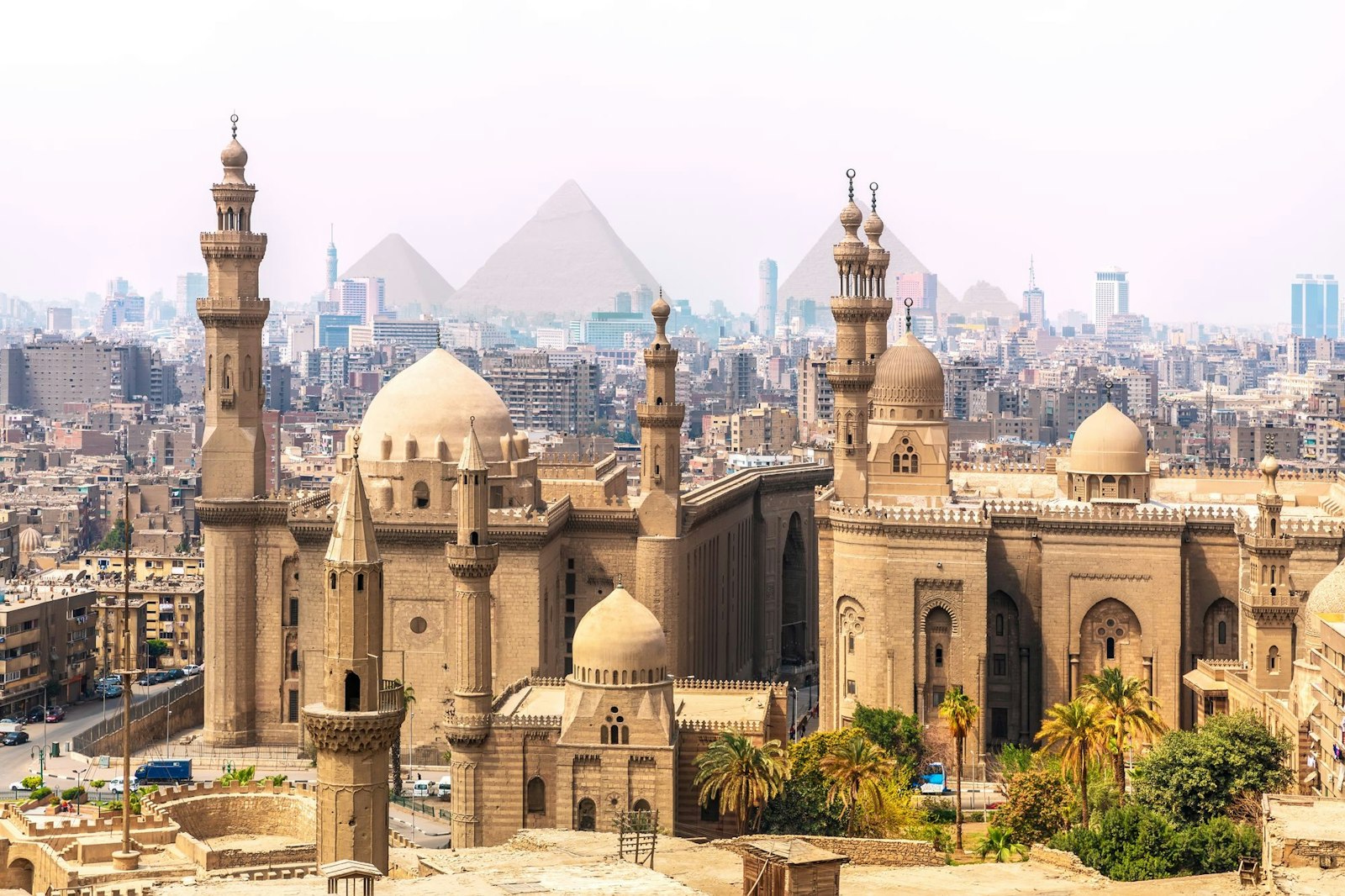
Cairo - the "City of a Thousand Minarets"
The capital of Egypt is one of the largest and most vibrant cities in the Arab world. Known as the "City of a Thousand Minarets" for its distinctive Islamic architecture, Cairo seamlessly combines ancient history with modern life. The city boasts some of the world's most famous landmarks. With its rich cultural heritage, lively markets, historic mosques and bustling streets, Cairo is the political, cultural and economic heart of Egypt.
Top attractions in Cairo
Pyramids of Giza and the Sphinx
Egyptian Museum
Al-Azhar University
Khan el-Khalili Bazaar
Coptic Cairo
Cairo Citadel and Mosque of Muhammad Ali
Cairo Tower
Museum of Islamic Art
Abdeen Palace
Manial Palace (Palace of Mohamed Ali) and Museum
Cairo Necropolis
Babylon Fortress
Qalawun Complex
Sultan Al-Ghuri complex
Mausoleum of Imam Shafi'i
Khanqah of Faraj ibn Barquq
Pyramids of Giza and the Sphinx
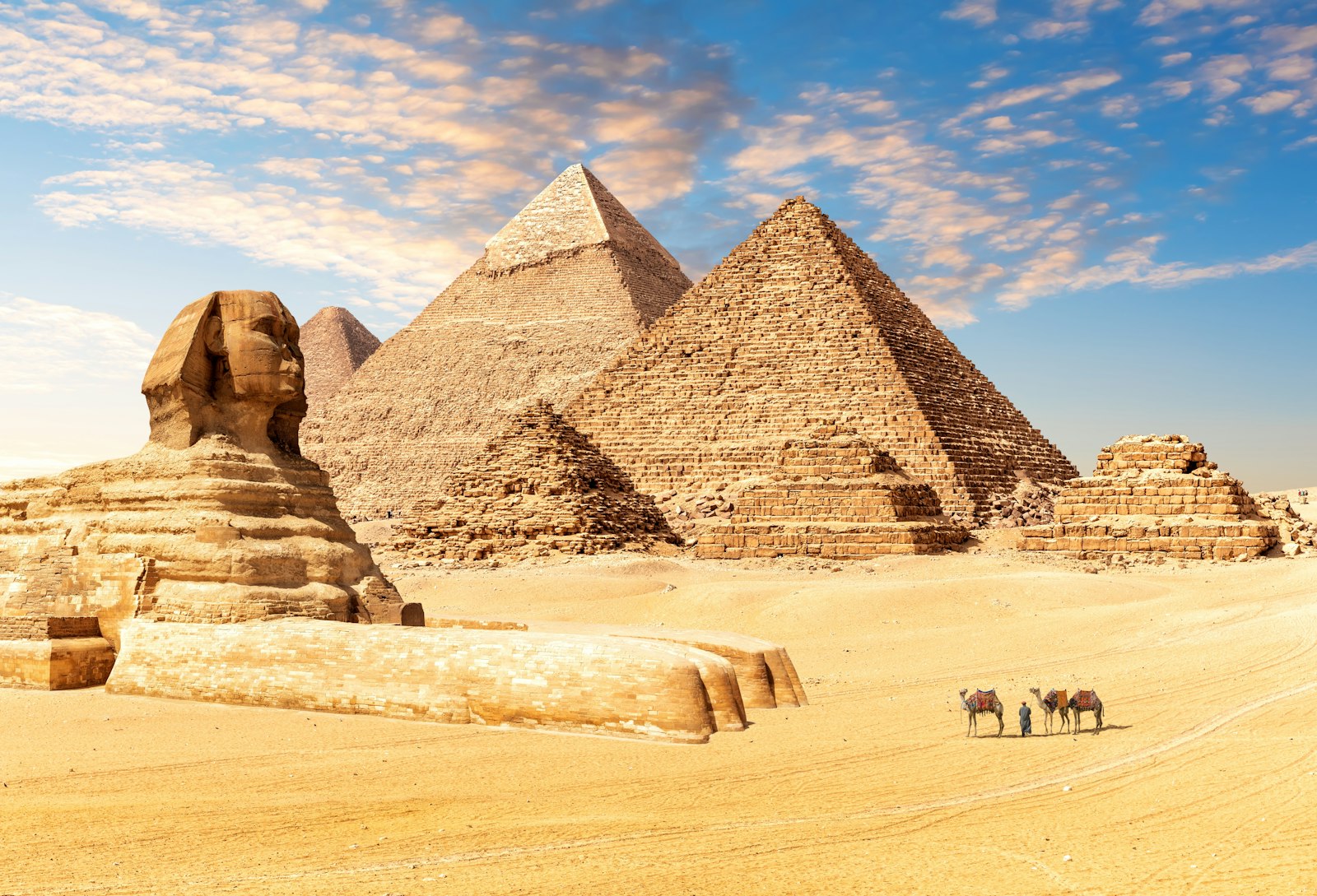
The Pyramids of Giza and the Sphinx are iconic symbols of ancient Egypt. Located on the outskirts of Cairo, the Giza Plateau is home to three massive pyramids, built as tombs for the Pharaohs Khufu, Khafre, and Menkaure, dating back to around 2500 BCE. The Great Pyramid of Khufu is the largest and one of the Seven Wonders of the Ancient World. Nearby, the Sphinx, a colossal limestone statue with the body of a lion and the face of a Pharaoh, guards the site.
Egyptian Museum
One of the world's most significant museums, it houses an extensive collection of ancient Egyptian artefacts. Located in Tahrir Square, it showcases over 120,000 items, including the treasures of Tutankhamun, mummies, statues, and ancient manuscripts. The museum offers a fascinating journey through Egypt’s history, from the early dynastic period to the Greco-Roman era and its vast collection provides invaluable insight into the art, culture, and daily life of ancient Egypt.
Al-Azhar University
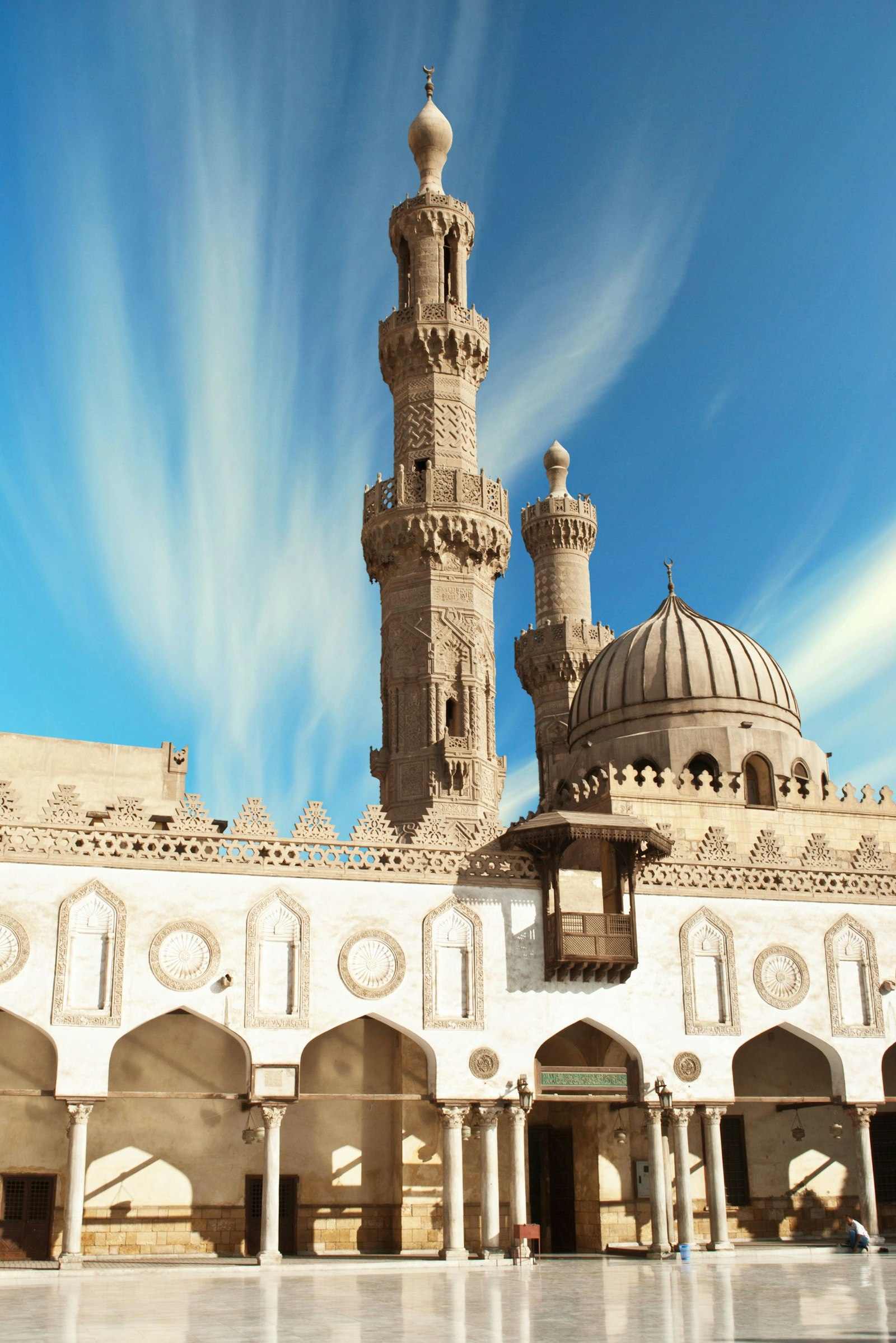
Founded in 970 AD, it is one of the oldest and most prestigious educational institutions in the world. It was originally established as a centre for Islamic learning and has since evolved into a leading academic institution offering a wide range of disciplines. Al-Azhar is renowned for its role in shaping Islamic thought and scholarship, and it continues to be a key centre for Sunni Islamic education. The university's influence extends globally, with its graduates playing significant roles in religious, educational, and political spheres across the Muslim world.
Khan el-Khalili Bazaar
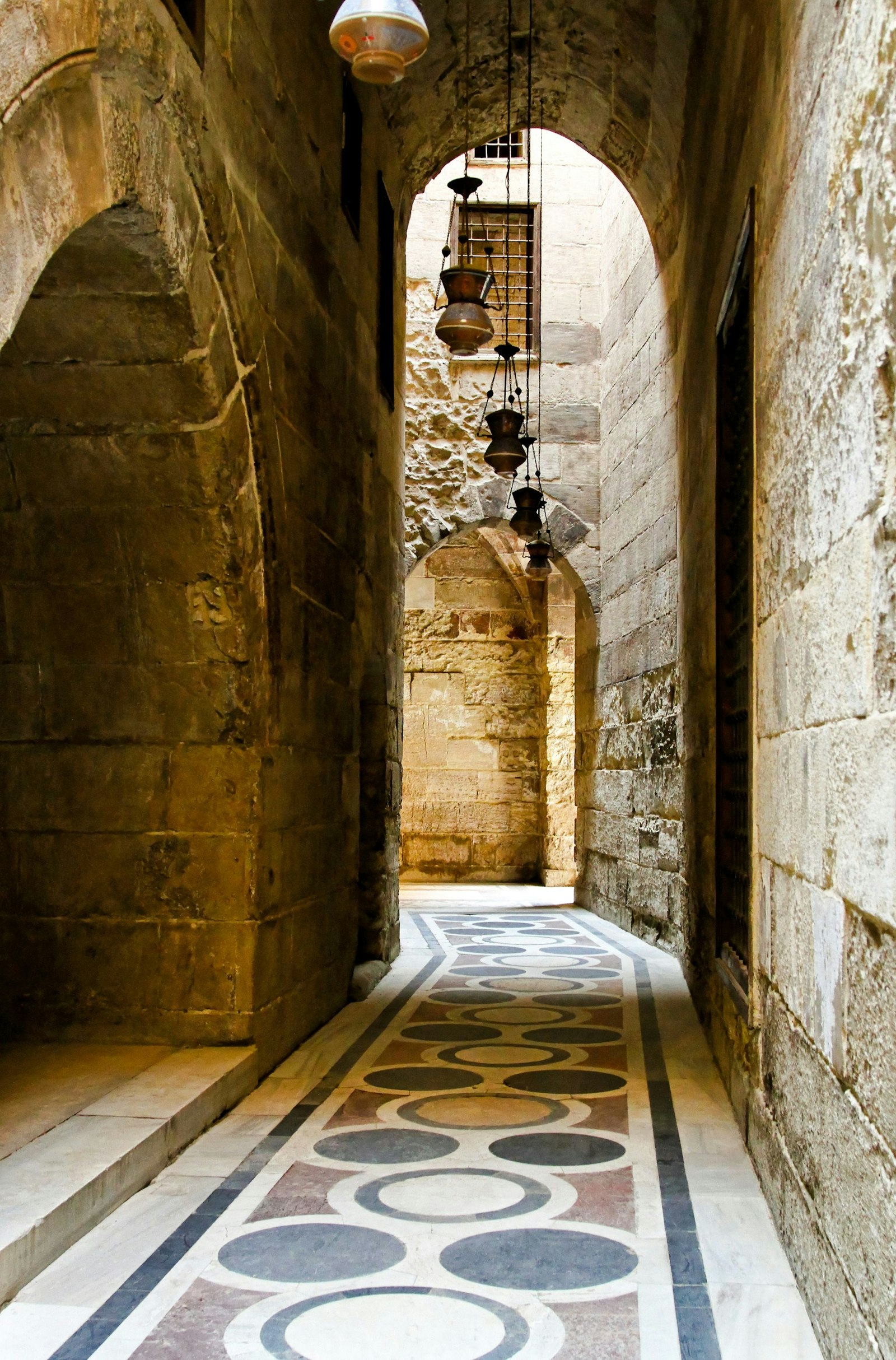
Located in the heart of Cairo's historic Islamic district, it is one of the oldest and most famous markets in the Middle East. Established in the 14th century, the vibrant marketplace is a maze of narrow alleys filled with shops selling a wide variety of goods, including spices, jewellery, textiles, perfumes, and traditional crafts. The bazaar is not only a popular destination for shopping but also a cultural experience, offering a glimpse into Cairo's rich history and bustling street life.
Coptic Cairo
This historic area in the heart of Cairo is home to many significant sites of Egypt's Christian heritage. It is known for its well-preserved ancient churches, including the famous Hanging Church, as well as the Coptic Museum, which houses a vast collection of Coptic art and artefacts. The area also features the Ben Ezra Synagogue, believed to be one of the oldest synagogues in Egypt.
Cairo Citadel and Mosque of Muhammad Ali
The historic Islamic fortress was built in the 12th century by the Kurdish ruler Salah al-Din to defend Cairo against Crusaders. Located on a hilltop, it offers stunning panoramic views of the city. Within the Citadel stands the Mosque of Muhammad Ali, also known as the Alabaster Mosque, built in the 19th century by Muhammad Ali Pasha. Its grand Ottoman-style architecture, massive dome, and towering minarets make it one of Cairo's most iconic landmarks.
Cairo Tower
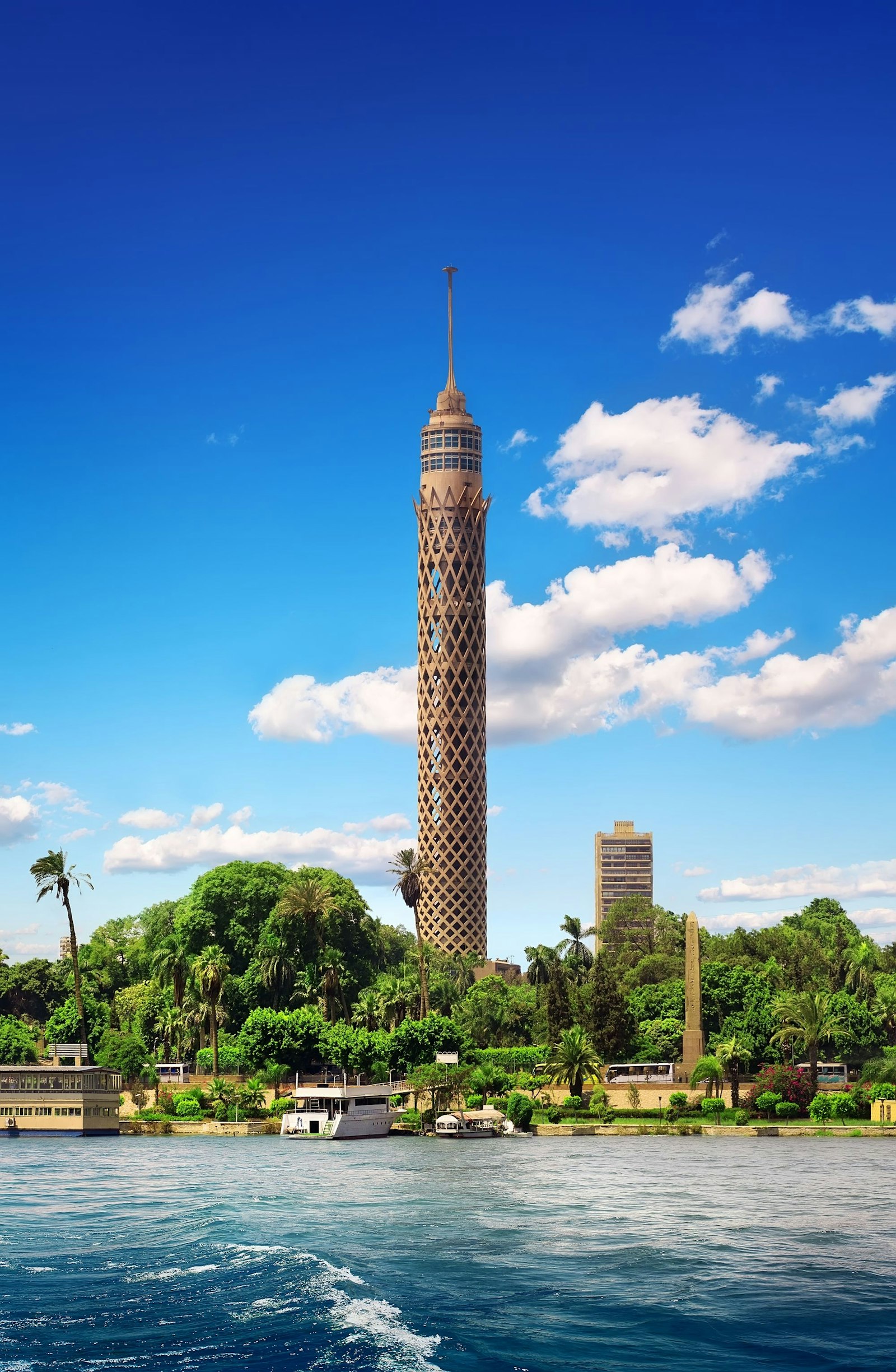
This distinctive landmark in the heart of Cairo stands 187 metres tall on Zamalek Island. Completed in 1961, it offers panoramic views of the entire city, including the Nile River, the Pyramids of Giza, and other historic sites. Designed in the shape of a lotus plant, the tower features a revolving restaurant at the top, where visitors can enjoy meals while taking in the breathtaking views. It remains one of the tallest structures in Egypt and a popular spot for both tourists and locals to experience Cairo’s skyline.
Museum of Islamic Art
Founded in 1881, it is one of the most important museums of its kind in the world. Located in the heart of Islamic Cairo, it houses a vast collection of over 100,000 artefacts that span over 1,400 years of Islamic history. The museum showcases a rich variety of Islamic art, including calligraphy, textiles, ceramics, metalwork, and manuscripts from different regions of the Islamic world. Its stunning architecture reflects traditional Islamic design, and the museum provides an insightful look into the cultural and artistic achievements of Islamic civilisations throughout history.
Abdeen Palace
Located in the heart of Cairo, this historic royal palace served as the official residence of Egypt's monarchs from the late 19th century until the Egyptian Revolution of 1952. Built in 1863 by Khedive Ismail, the palace is an architectural masterpiece blending European and Islamic styles, with luxurious interiors and beautifully landscaped gardens. Today, it houses several museums, including the Royal Museum, which displays artefacts from Egypt’s royal history.
Manial Palace (Palace of Mohamed Ali) and Museum
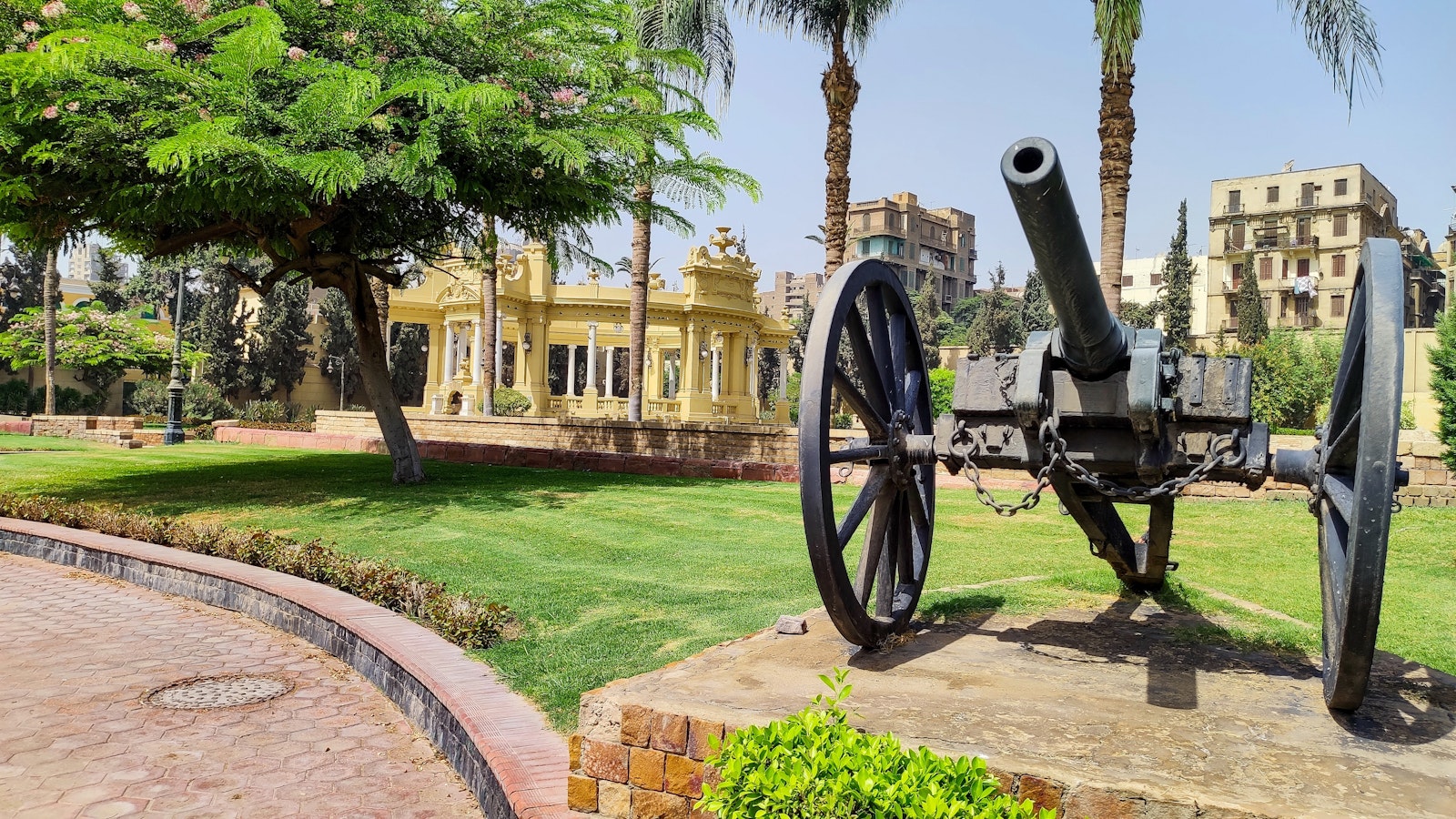
Located on Rhoda Island in the Nile River, this historic royal palace once served as the residence of Prince Mohamed Ali, a member of Egypt's royal family. Built in the early 20th century, the palace showcases a unique blend of Islamic, Ottoman, and European architectural styles. The palace complex includes beautifully landscaped gardens, intricate interiors, and a collection of antique furniture, textiles, and artwork. The museum, located within the palace, offers insight into the life and times of Prince Mohamed Ali, as well as the history of Egypt’s royal family.
Cairo Necropolis
Also known as the "City of the Dead," it is a vast Islamic cemetery that has served as a burial ground since the 7th century. Stretching for miles along the eastern edge of Cairo, it is notable for its unique blend of tombs, mausoleums, and residential areas. Over the centuries, many families have taken up residence among the graves, creating a rare, living necropolis. Visitors find an intriguing mix of historical tombs of Mamluk and Ottoman figures, small mosques, and modest homes, all set against the backdrop of Cairo’s desert outskirts.
Babylon Fortress
Located in Coptic Cairo, this ancient Roman fortification was originally built by the Romans in the 1st century BCE to protect Egypt from invasion. The fortress played a significant role during the Roman and Byzantine periods and is the site where the Hanging Church was later constructed. The remains of the fortress, including parts of its walls and gates, can still be seen today, offering a glimpse into Cairo's early history.
Qalawun Complex
Located in the historic Al-Muizz Street in Cairo, it is a stunning 13th-century Mamluk architectural masterpiece. Built by Sultan Al-Mansur Qalawun, it includes a hospital, a madrasa, and a mausoleum, which is regarded as one of the finest examples of Islamic architecture in Egypt. The mausoleum, richly decorated with intricate tilework, marble, and stained glass, is especially admired for its beauty, often compared to architectural wonders like the Alhambra.
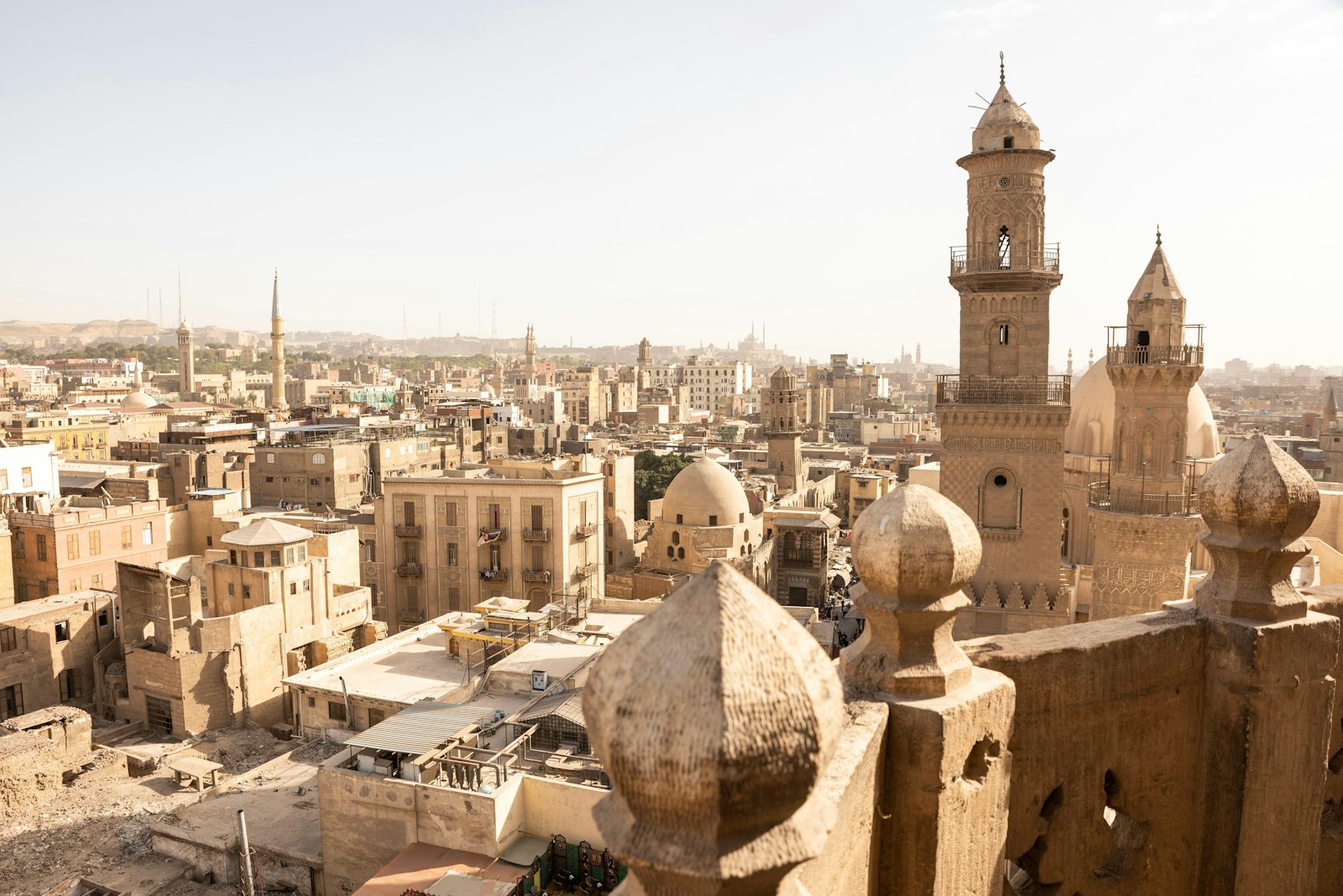
Sultan Al-Ghuri complex
Located on Al-Muizz Street, it is a remarkable example of late Mamluk architecture known for its impressive dome and minaret. Built in the early 16th century by Sultan Qansuh Al-Ghuri, the complex includes a mosque, a madrasa, a mausoleum, and a khanqah (Sufi lodge). Its distinctive twin structure, with buildings on either side of the street, is adorned with intricate stonework, carved wooden ceilings, and coloured tile mosaics.
Mausoleum of Imam Shafi'i
This revered Islamic site is dedicated to Imam Al-Shafi'i, the founder of the Shafi'i school of Islamic jurisprudence. Located in the southern Cemetery of Cairo, this 13th-century mausoleum features a distinctive wooden dome, the largest of its kind in Egypt, and intricate Kufic inscriptions. Richly decorated with marble and Islamic motifs, the mausoleum draws pilgrims and visitors who honour Imam Shafi'i’s legacy in Islamic scholarship.
Khanqah of Faraj ibn Barquq
Located in the Northern Cemetery of Cairo, this impressive Mamluk complex was built in the early 15th century by Sultan Faraj ibn Barquq. Serving as both a khanqah and a mausoleum, it was designed as a space for Sufi worship, study, and meditation. The complex features twin minarets, a large central courtyard, and intricately decorated domes, with beautiful stonework and arabesque designs.
Top activities in Cairo
Nile river tour
Pyramid tour
Nile Corniche
Zamalek
Pharaonic Village
Nile river tour
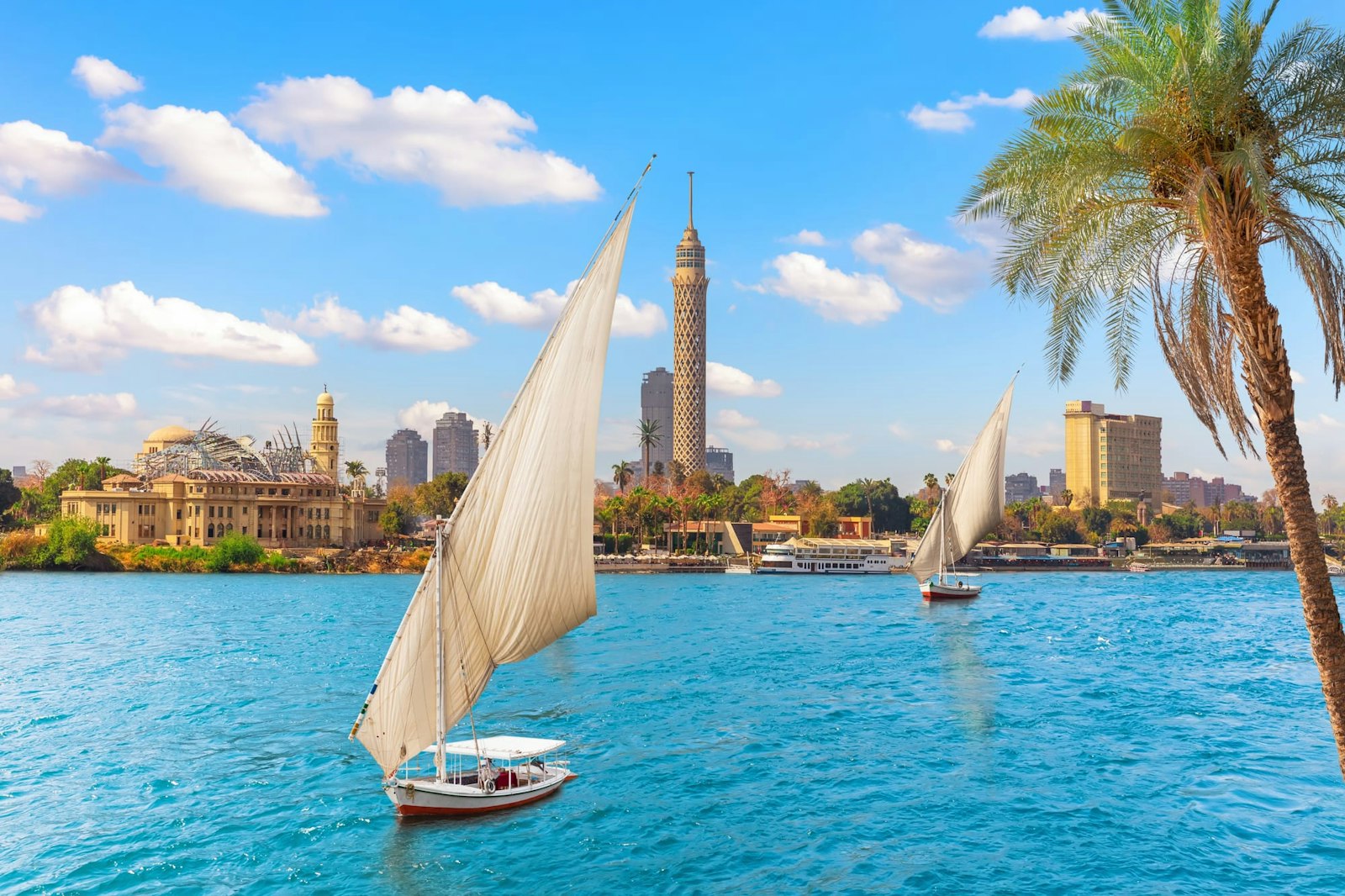
A Nile River tour offers a unique opportunity to experience Egypt's beauty and history from the water. Travellers can take a traditional felucca boat (traditional Egyptian wooden boat with a canvas sail) ride or a luxury cruise, enjoying panoramic views of Cairo's skyline, the Giza Pyramids, and lush riverbanks. The tour provides a peaceful way to see the city's landmarks, with options to explore nearby attractions like the Egyptian Museum or visit floating restaurants.
Pyramids Tour
A must-do for anyone visiting the country, it offers the chance to explore the world-famous pyramids of Giza. Visitors can marvel at the Great Pyramid of Khufu, along with the Pyramid of Khafre and the Pyramid of Menkaure. The tour often includes a visit to the nearby Sphinx, a symbol of ancient Egyptian culture. Guests can also explore the burial chambers inside the pyramids, and enjoy camel rides around the site for a truly immersive experience in Egypt's ancient history.
Nile Corniche
This scenic waterfront promenade stretches along the Nile River and offers stunning views of the river. It is a popular spot for both locals and tourists to stroll, relax, or take a traditional felucca boat ride. Lined with hotels, cafes, and restaurants, the Corniche is also a great place to enjoy a meal with a view of the river or watch the bustling life along the banks.
Zamalek
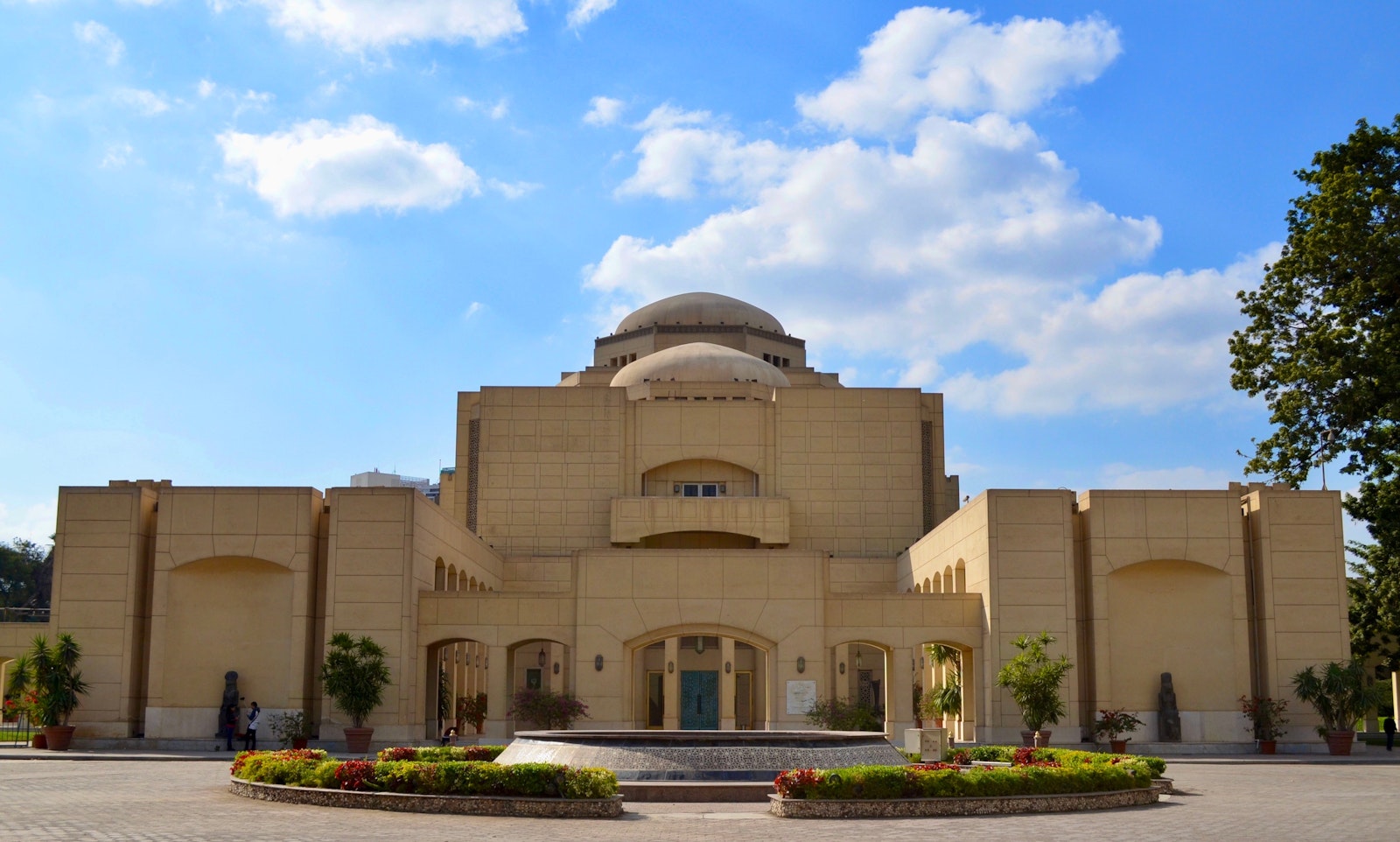
Located on Gezira Island in the Nile River, Zamalek is a charming neighbourhood with a blend of history, greenery, and vibrant street life. Known for its leafy streets, spacious parks, and colonial-era architecture, it offers a peaceful escape from the hustle and bustle of central Cairo. The area is home to many embassies, cultural institutions, and cafes, making it a popular spot for both locals and expatriates. Key attractions include the Cairo Opera House, the Egyptian Museum of Modern Art, and scenic views of the Nile.
Pharaonic Village
This interactive theme park offers visitors the opportunity to experience life in ancient Egypt first hand and provides an educational and entertaining experience, making it a great destination for families and history lovers. Located on the Nile River, the village features life-sized replicas of ancient Egyptian buildings, including temples, homes, and tombs, along with reenactments of daily activities, rituals, and traditional crafts. Visitors can explore exhibits on ancient Egyptian history, culture, and religion, all while learning about the era through interactive displays and performances.
Mosques in Cairo
Cairo is home to some of the most iconic and historic mosques in the Islamic world, reflecting the city's rich Islamic heritage. Here are some examples:
Al-Azhar Mosque
Built in 970 AD, it is one of the oldest and most significant mosques in Egypt. It serves as a key centre for Islamic scholarship and education. The mosque features a blend of Fatimid, Ayyubid, and Mamluk architectural styles, with stunning domes and minarets. It is also home to Al-Azhar University, one of the world’s oldest and most influential institutions of Sunni Islamic learning.
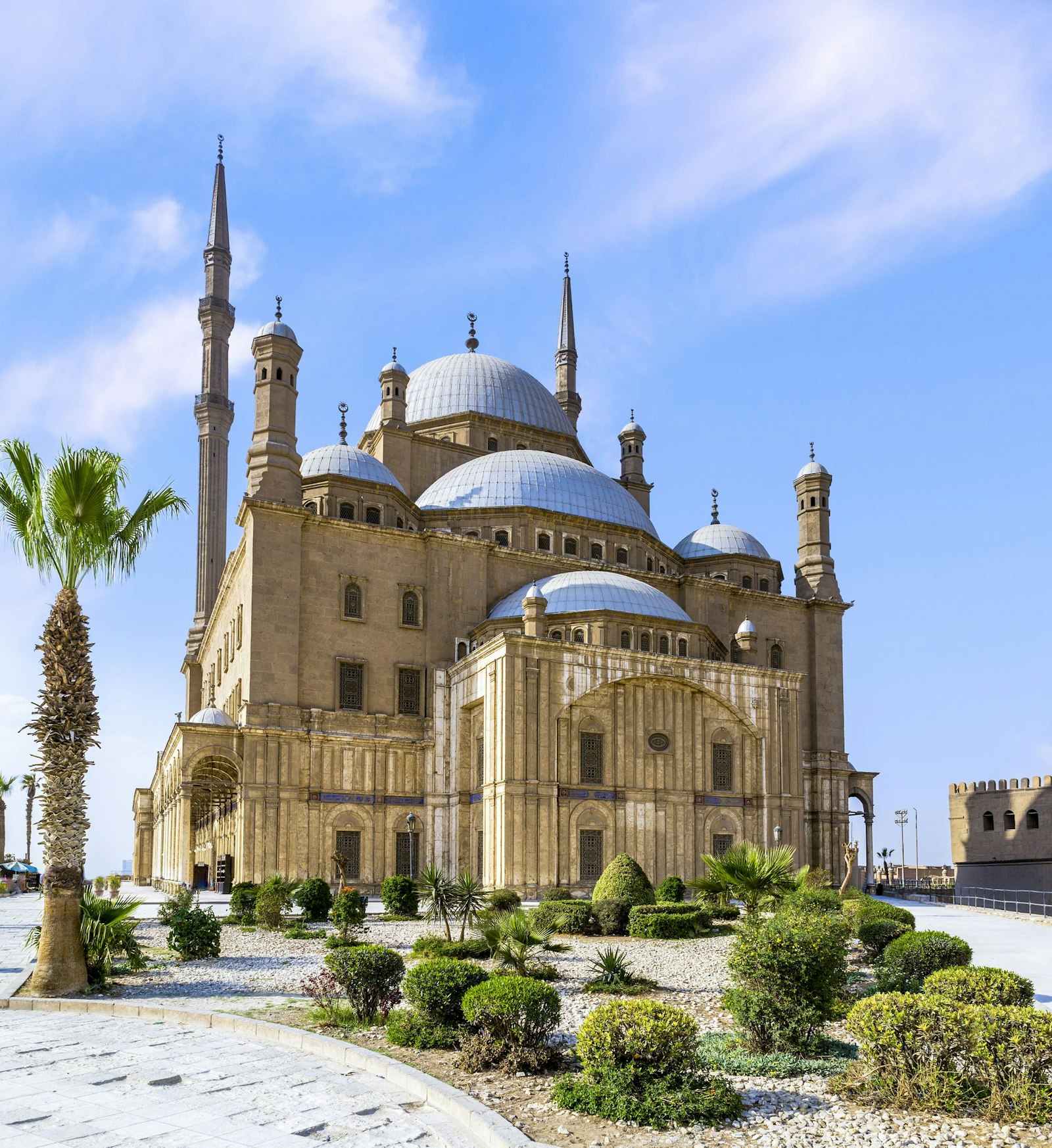
Mohammed Ali Mosque
Built between 1830 and 1848 by Muhammad Ali Pasha, this iconic Ottoman-style mosque is located in Cairo's Citadel. Known as the Alabaster Mosque for its extensive use of alabaster, it features a large dome, two minarets, and offers stunning views of the city. It symbolises Egypt's 19th-century modernisation and Islamic heritage.
Imam Hussein Mosque
This significant Shia pilgrimage site is dedicated to Imam Hussein, grandson of the Prophet Muhammad. It features beautiful Islamic architecture and holds great spiritual and cultural significance, especially during the Ashura commemoration.
Sultan Hassan Mosque
Built between 1356 and 1363 by Sultan An-Nasir Hasan, it is one of the most impressive mosques in Islamic history. Near the Citadel, it is known for its massive scale, harmonious design, and exquisite Mamluk craftsmanship. The mosque features towering stone walls, a grand entrance, and a spacious courtyard, with a madrasa for each of the four Sunni schools of thought, symbolising religious unity.
Ibn Tulun Mosque
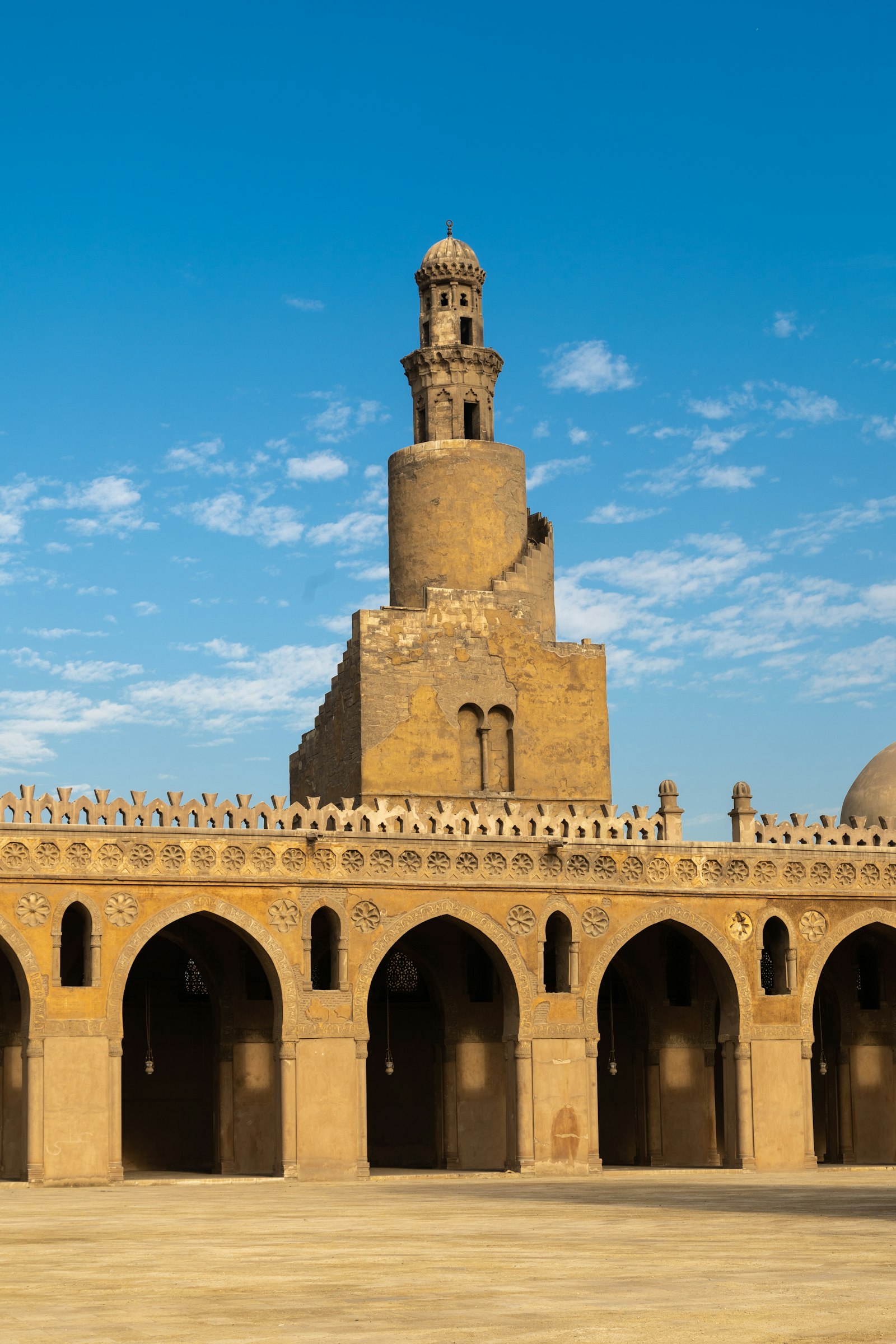
Built in the 9th century by Ahmad ibn Tulun, it is one of Egypt's oldest and largest mosques, showcasing early Islamic architecture. Known for its open courtyard, red-brick arches, and spiral minaret inspired by Samarra, it reflects the Abbasid style with intricate stucco and geometric decorations.
Al-Hakim Mosque
Built in the late 10th century by Fatimid Caliph Al-Hakim, it is a prime example of Fatimid architecture. Located at the northern end of Al-Muizz Street, it features distinctive square minarets with stepped bases. Initially a place of worship and later a Crusader fortress, the mosque has been beautifully restored. Its large courtyard and peaceful atmosphere make it a significant historical and spiritual site.
Al-Rifa'i Mosque
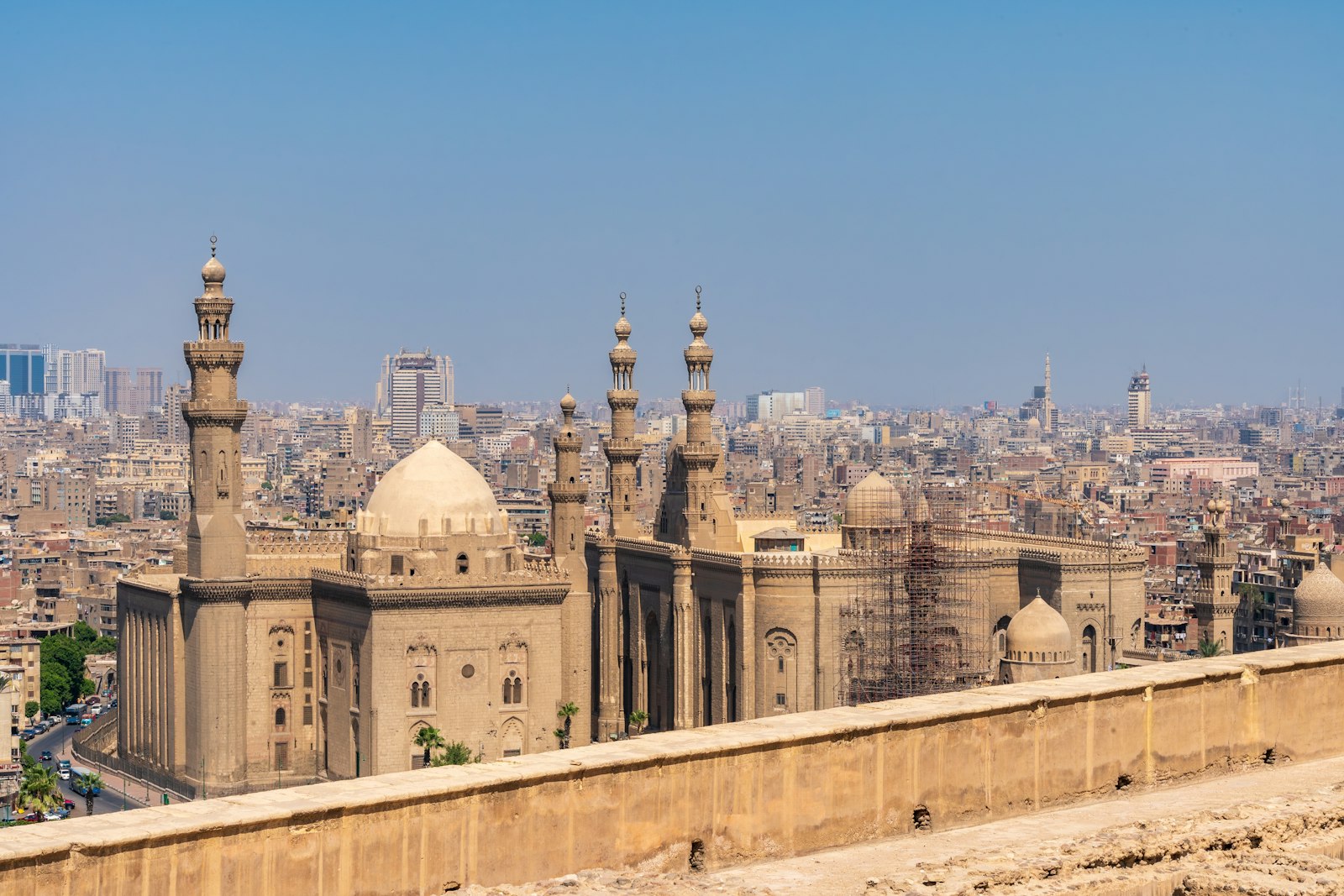
Completed in 1912, it blends Ottoman and Persian styles and was commissioned by the royal family as a mausoleum for members, including King Farouk. Located near the Sultan Hassan Mosque, it features a large dome, tall minarets, and intricate tile work, stained glass, and marble flooring. Its grandeur and serene interior make it one of Cairo's most impressive mosques, with significant religious and historical importance.
Al Sayeda Zainab Mosque
This revered religious site is dedicated to Sayyida Zainab, the granddaughter of Prophet Muhammad (SAW). Located in the Sayeda Zainab district, it is an important pilgrimage destination for Muslims. The mosque features Ottoman and Mamluk-inspired architecture, with intricate tile work, a central dome, and an elaborate prayer hall, making it a significant centre of worship and community.
Halal food and restaurants in Cairo
Cairo offers a wide variety of delicious halal food, with many dishes rooted in Egyptian and Middle Eastern cuisine. Here are some popular halal dishes to try:
Koshari - Egypt’s national dish and an absolute must-try street food sold widely across Cairo. It contains a mix of lentils, rice and macaroni, topped with tomato sauce and chickpeas and garlic vinegar.

Molokhia – A traditional Egyptian soup made from the leaves of the jute plant, cooked with garlic, coriander, and often served with rice and chicken or rabbit.
Tameya - Made from fava beans, it is Egypt’s version of falafel, usually served with pita bread, tahini, and salad.
Hawawshi – A delicious Egyptian sandwich made with pita bread stuffed with minced meat, onions, peppers, and spices, then baked until crispy.
Basbousa – A sweet, syrupy cake made from semolina and often topped with almonds or coconut.
Best time to visit Cairo
The best time to visit Cairo is from October to April, when the weather is more pleasant, with mild temperatures ranging from 15°C to 25°C. The summer months (May to September) can be extremely hot, with temperatures often exceeding 35°C, which might make sightseeing less enjoyable, especially for outdoor activities. To avoid large crowds and high hotel prices, consider visiting in the shoulder seasons, either early spring (March to April) or late autumn (October to November).
Getting into Cairo from Europe
For British and European visitors, Cairo is accessible via a short-haul flight of 4-5 hours maximum from Cairo International Airport. There are direct flights to Cairo daily from most major cities, and from there a shuttle bus or taxi will take you directly to your hotel on arrival.
How to get around in Cairo
Getting around Cairo can be done through various transportation options. Taxis and ride-hailing apps like Uber and Careem are convenient and reliable, offering a comfortable ride around the city. The metro system is fast, affordable, and efficient for avoiding traffic, though it can get crowded during peak hours. Public buses are inexpensive but can be confusing and crowded, while microbuses are cheap but chaotic for tourists. For added convenience, private car rentals with drivers are available, offering comfort for sightseeing. Please note that navigating Cairo's traffic can be challenging, so using taxis or ride-hailing services is often more practical. In areas like Zamalek, walking or cycling can be pleasant, though Cairo’s traffic can make walking difficult in other neighbourhoods. For a scenic experience, felucca boat rides along the Nile provide a peaceful alternative to road travel.
Where to stay in Cairo
Halalbooking features a great number of alcohol-free properties in Cairo that serve halal food only. Use our exclusive filters to find your ideal accommodation.