Driving across Europe to Türkiye on your Sıla Yolu? Try our leisurely southern route
Driving through Europe to Türkiye this summer and have more time to explore? This leisurely southern route offers a journey rich in culture, history and natural beauty. The Sıla Yolu - the “road back to the homeland”, as European Turks call this journey home, is more than a road trip – it is a meaningful return shaped by centuries of shared heritage and landscapes.
This extended route takes you from Germany across Austria, Slovenia, Croatia, Bosnia, Montenegro, Albania and Greece before reaching Türkiye, offering a deeper exploration of Central, Eastern and Southern Europe.
Most travellers undertake this journey by car, often as families over several days. The flexibility allows for unhurried stops along the way, as well as the ease of carrying luggage, gifts and provisions for extended stays. Over time, the journey itself has taken on a deeper significance, becoming a summer tradition shaped by familiar routes, overnight pauses and shared experiences passed down through generations.
You can stop wherever and for as long as you choose along the way, making it ideal for a slower, more flexible pace. Even if your journey begins elsewhere in Europe, it will likely pass through Germany. This route starts in Cologne and ends in Istanbul.
If you are looking for a shorter alternative, explore our direct route, or for a balance between the two, take a look at the scenic Balkans route. Bon voyage!
Itinerary
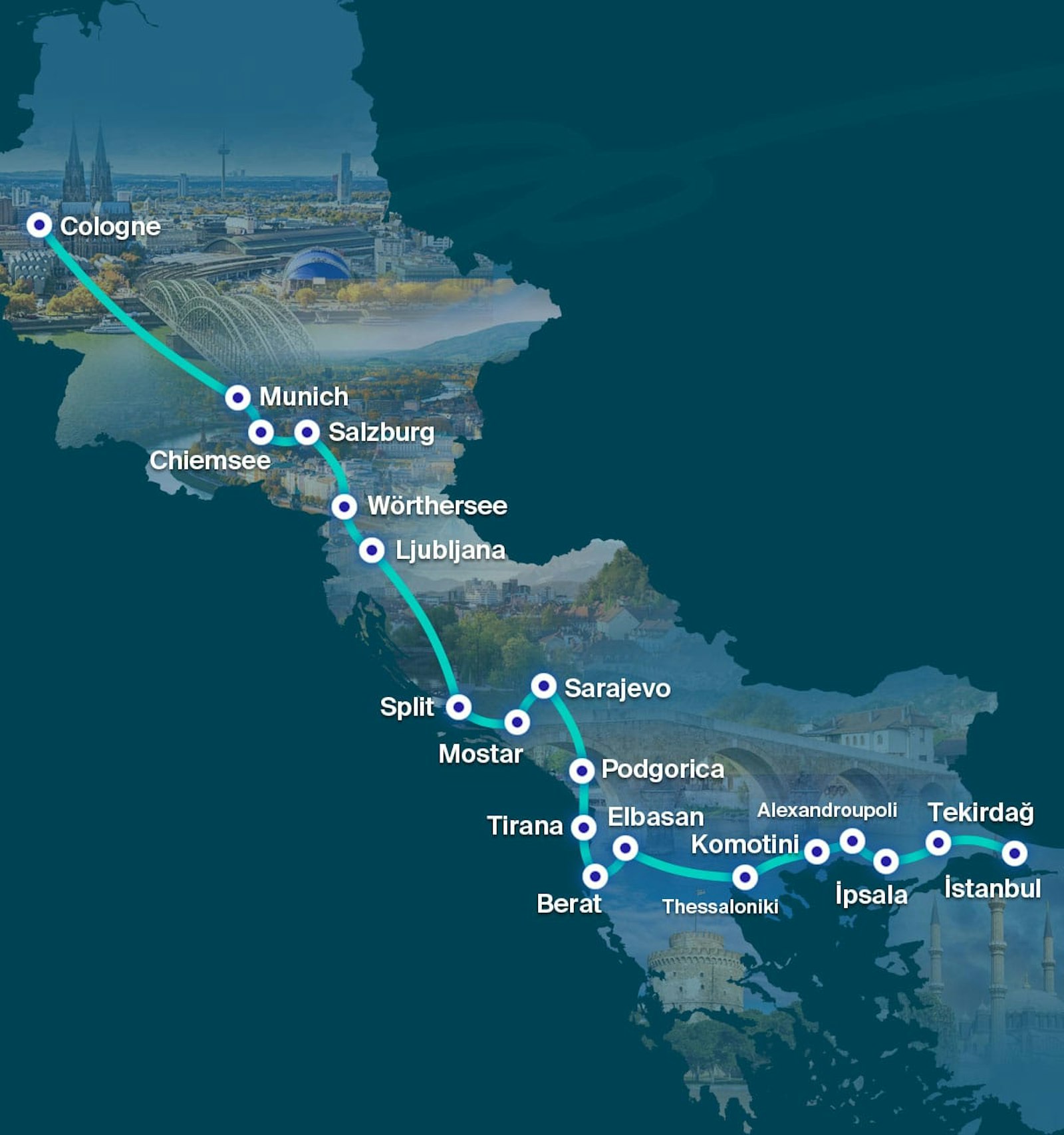
Cologne → Munich - 575 km - 6 hrs
Munich → Chiemsee - 97 km - 1 hr 10 mins
Chiemsee → Salzburg - 51 km - 45 mins
Salzburg → Wörthersee - 216 km - 2 hrs 30 mins
Wörthersee → Ljubljana - 114 km - 1 hr 30 mins
Ljubljana → Split - 467 km - 5 hrs
Split → Mostar - 166 km - 2 hrs
Mostar → Sarajevo - 125 km - 2 hrs
Sarajevo → Podgorica - 230 km - 4 hrs 15 mins
Podgorica → Tirana - 160 km - 3 hrs 15 mins
Tirana → Berat - 98 km - 1 hr 45 mins
Berat → Elbasan - 69 km - 1 hr 20 mins
Elbasan → Thessaloniki - 361 km - 4 hrs 50 mins
Thessaloniki → Komotini - 247 km - 2 hrs 40 mins
Komotini → Alexandroupoli - 58 km - 50 mins
Alexandroupoli → Ipsala - 55 km - 50 mins
Ipsala → Tekirdag - 110 km - 1 hr 20 mins
Tekirdag → Istanbul - 149 km - 1 hrs 45 mins
Practical tips for your journey
Driving times are approximate and can vary, particularly at border crossings during peak summer travel periods. It is advisable to check toll and vignette requirements in advance and carry some cash for smaller purchases along the way.
Cologne
Start your road trip in the western city of Cologne, one of Germany’s largest and most historic urban centres. Known for its striking neo-Gothic architecture, the city has long been an important cultural hub, with roots stretching back to its origins as a Roman settlement.
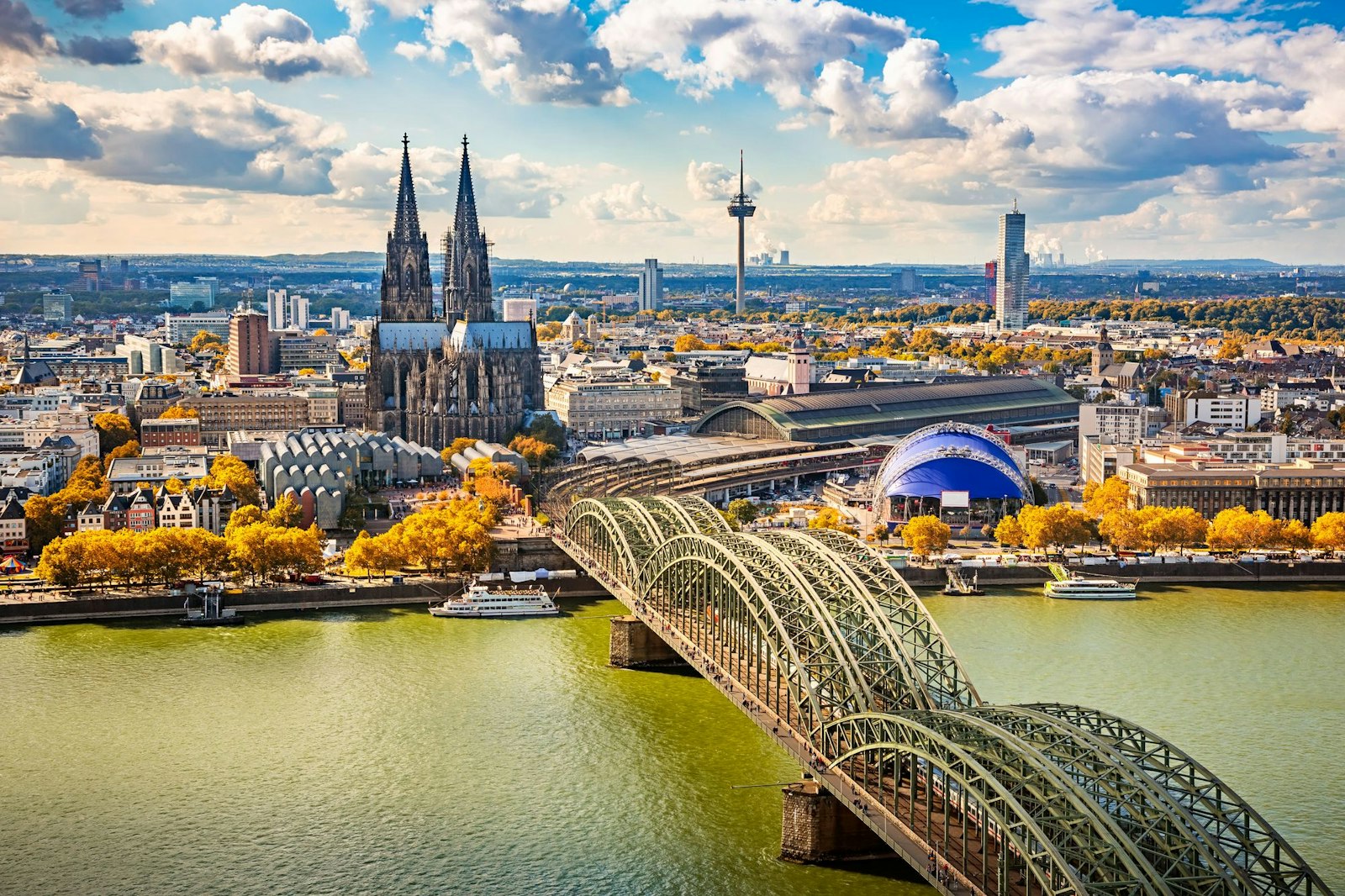
A key landmark is the Cologne Central Mosque, a modern architectural statement with its sweeping glass dome and open design. Open for daily prayers, it serves as an important hub for the local Muslim community and a welcoming space for visitors.
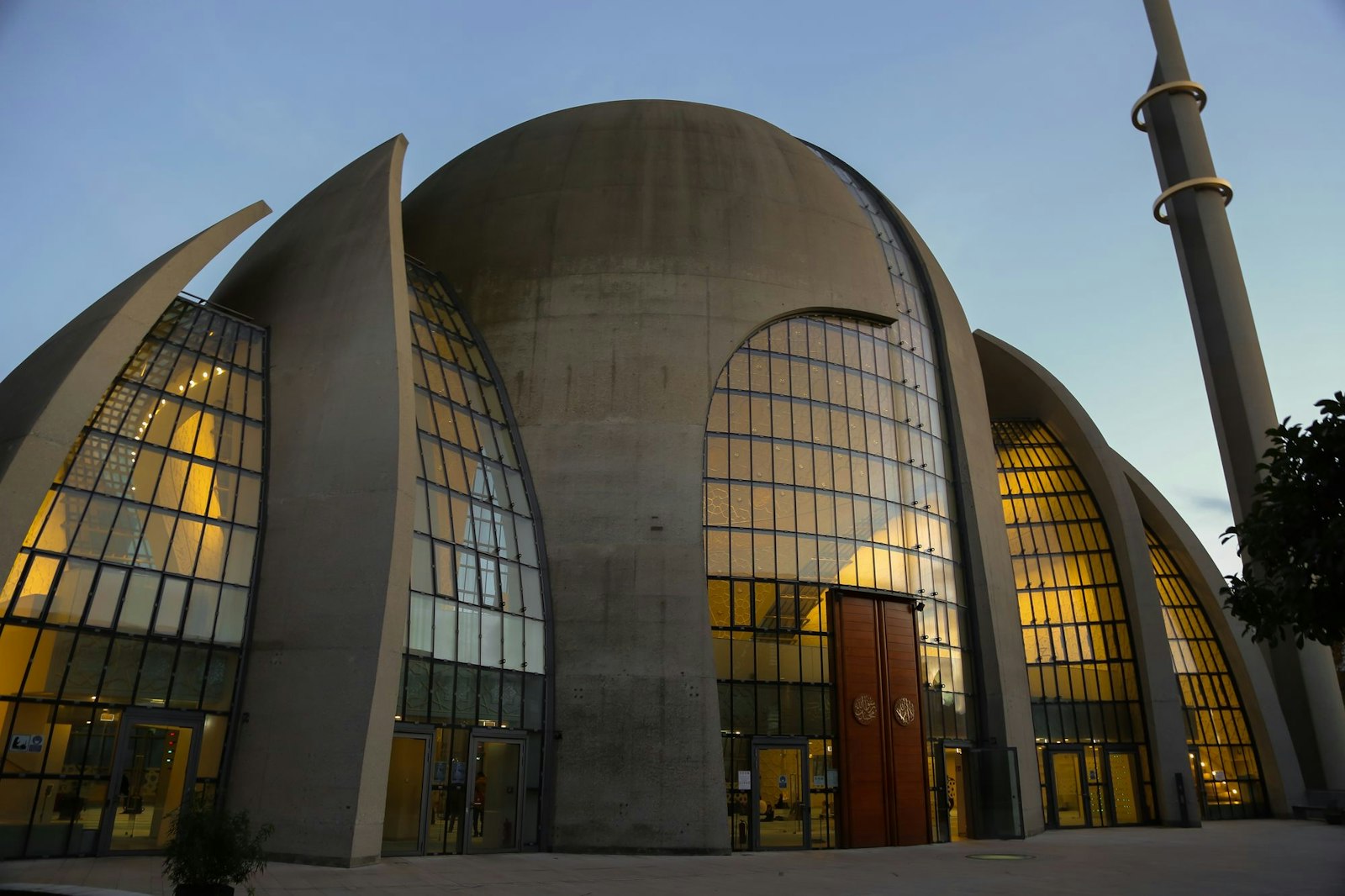
Dominating the skyline, Cologne Cathedral is one of Europe’s greatest Gothic churches and a UNESCO World Heritage Site. Its vast interior, intricate stained glass and twin spires make it one of the city’s defining sights, with panoramic views from the top.
The city’s historic centre is clustered around the Rhine, where the old town’s colourful houses, lively squares and riverside promenades create a relaxed atmosphere. Landmarks such as the Hohenzollern Bridge, with its views across the river, add to the city’s character.
Halal food is widely available across Cologne, particularly in Turkish and Middle Eastern restaurants, reflecting the city’s large and well-established Muslim community.
From Cologne, your journey continues across the country to Munich - a scenic drive of around 575 km, taking approximately 6 hours.
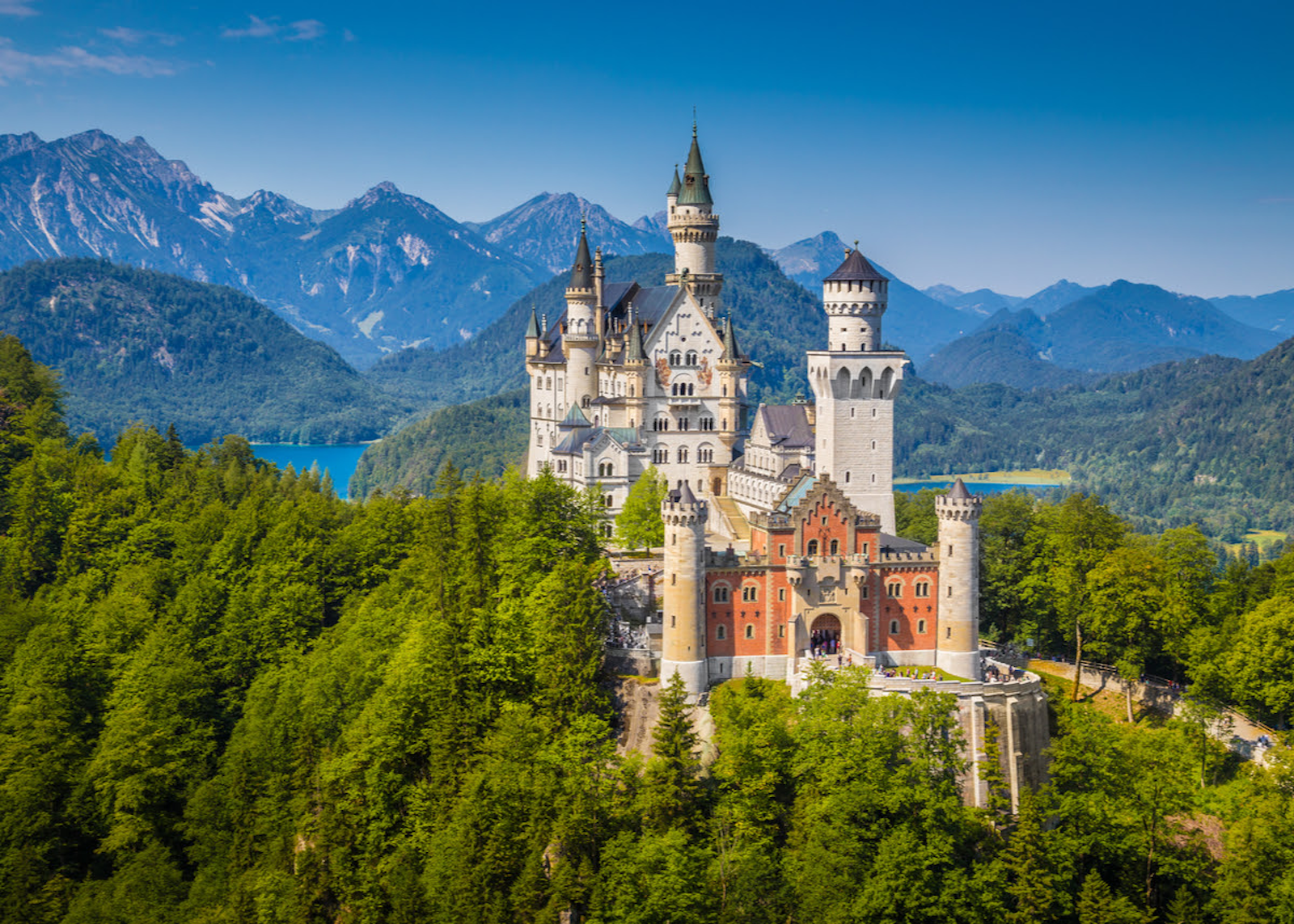
If you have additional time, consider a detour to the "fairytale castle" Neuschwanstein in Schwangau, one of the most famous sights in Germany! It was built in 1869 for the Bavarian King Ludwig II as an idealised concept of a knight's castle from the Middle Ages.
Munich
Munich, the capital of Bavaria, is known for its rich history, cultural heritage and elegant architecture. With its diverse population and growing range of facilities for Muslim visitors, it makes a convenient and appealing stop on the journey.
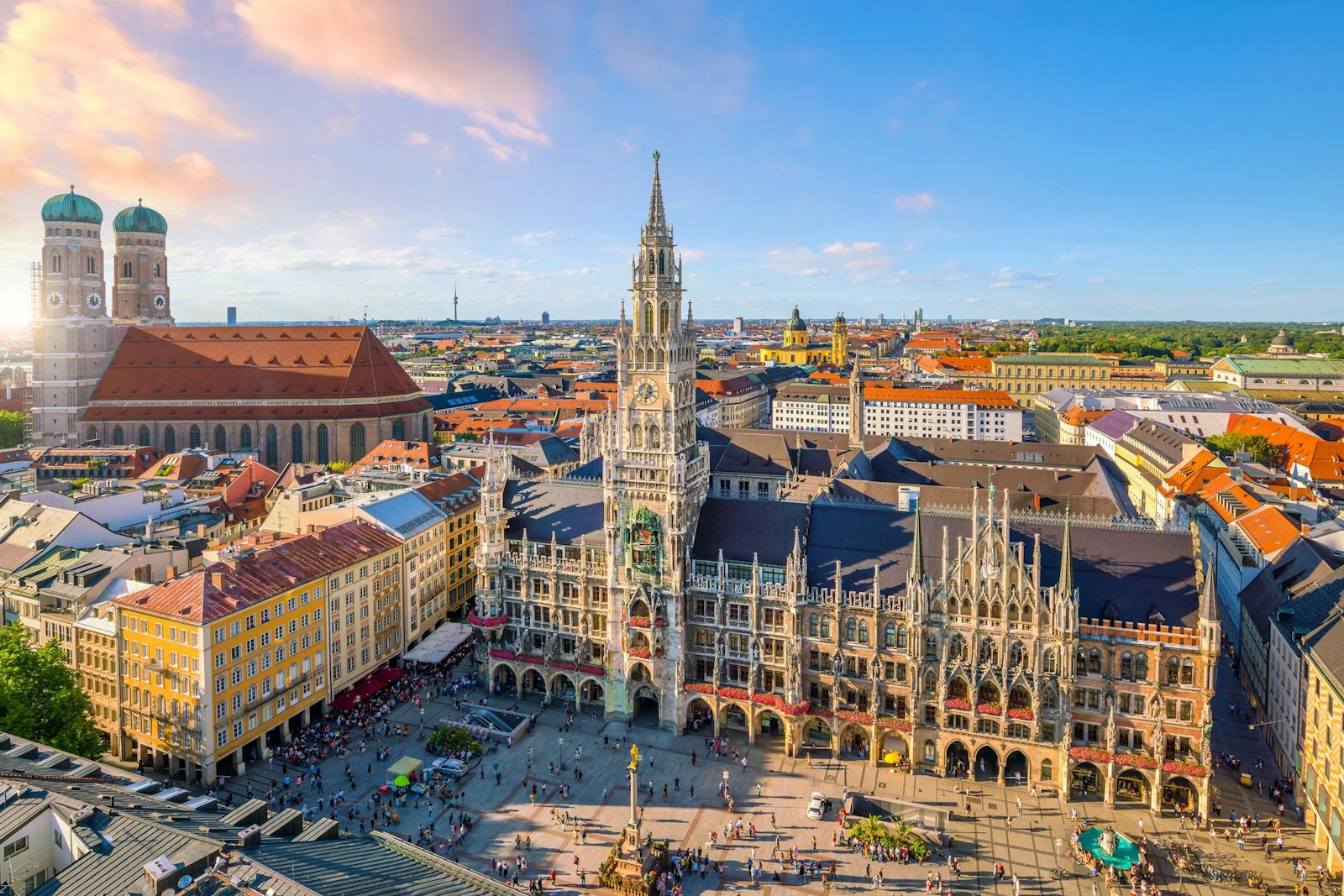
Munich is renowned for its architectural marvels, including the iconic Frauenkirche, Nymphenburg Palace and the BMW Museum. Visitors can also immerse themselves in the vibrant atmosphere of the Marienplatz, Munich's central square, and witness the famous Glockenspiel show.
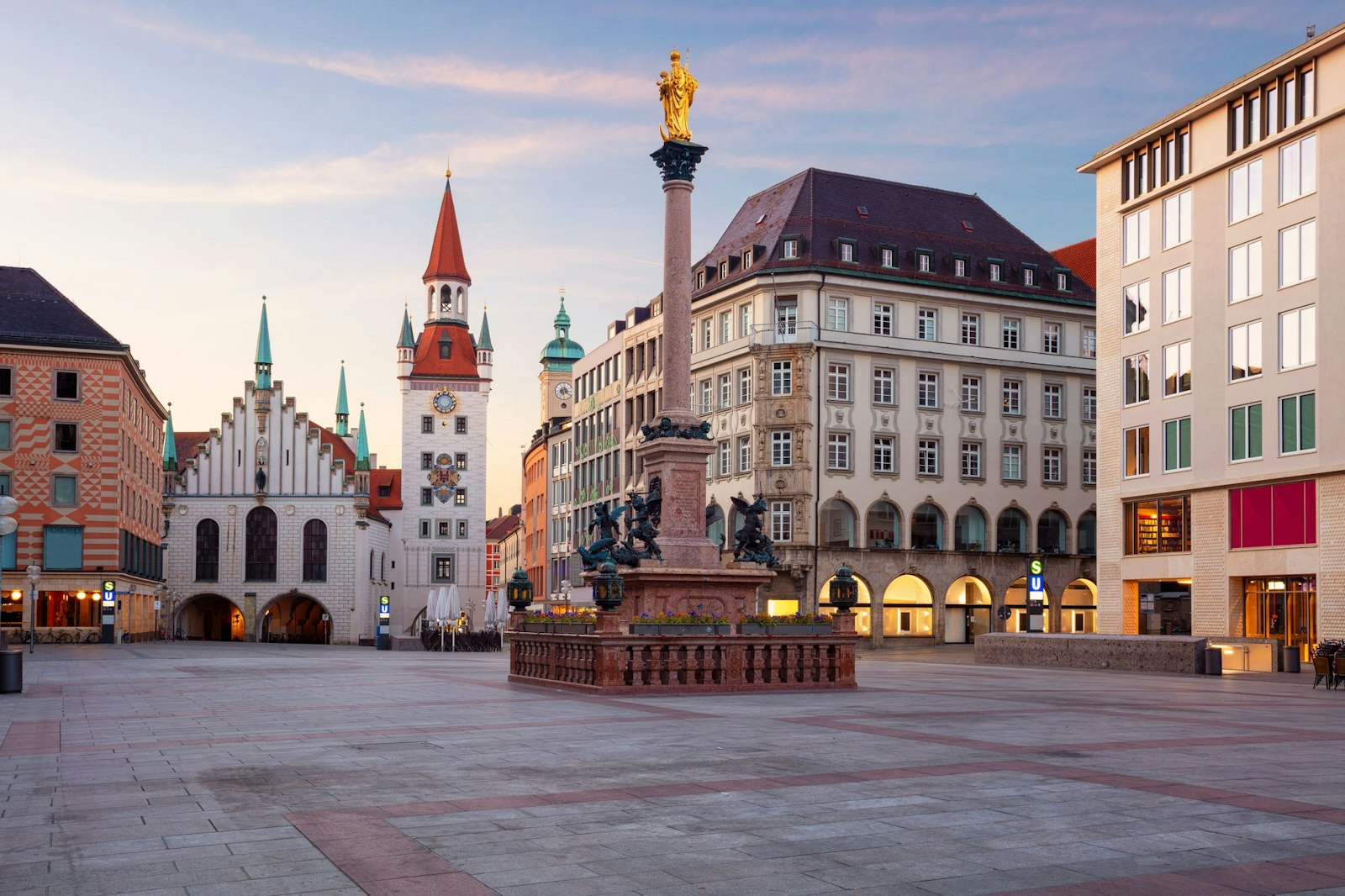
The city also offers a variety of shopping options. The Kaufingerstrasse and Neuhauser Strasse form a bustling shopping district where visitors will find international brands, local boutiques and specialty stores. The city's traditional markets such as the Viktualienmarkt are also worth a visit and offer fresh produce, spices and souvenirs.
Munich is home to several mosques that offer prayer facilities and services for Muslim visitors. The Islamic Center Munich is one of the city’s best-known Islamic institutions and welcomes visitors. There are also smaller mosques and prayer rooms across the city, providing convenient access to places of worship.
There is a wide variety of halal food from Turkish kebabs to Middle Eastern cuisine. Areas such as Schwanthalerhöhe and Sendlinger Tor are known for their halal restaurants
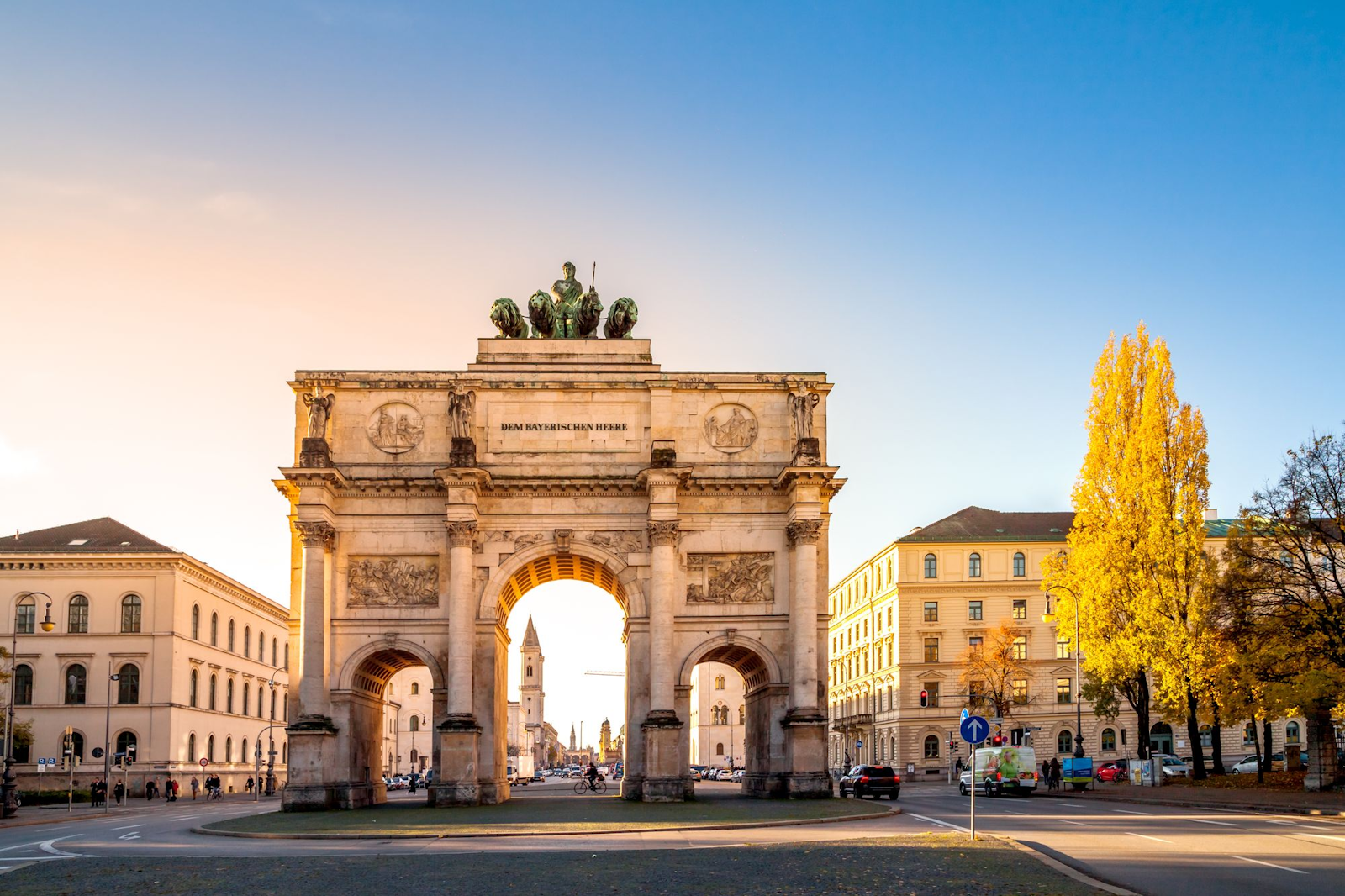
After your visit in Munich, it’s time for a 97 km drive to Chiemsee.
Chiemsee
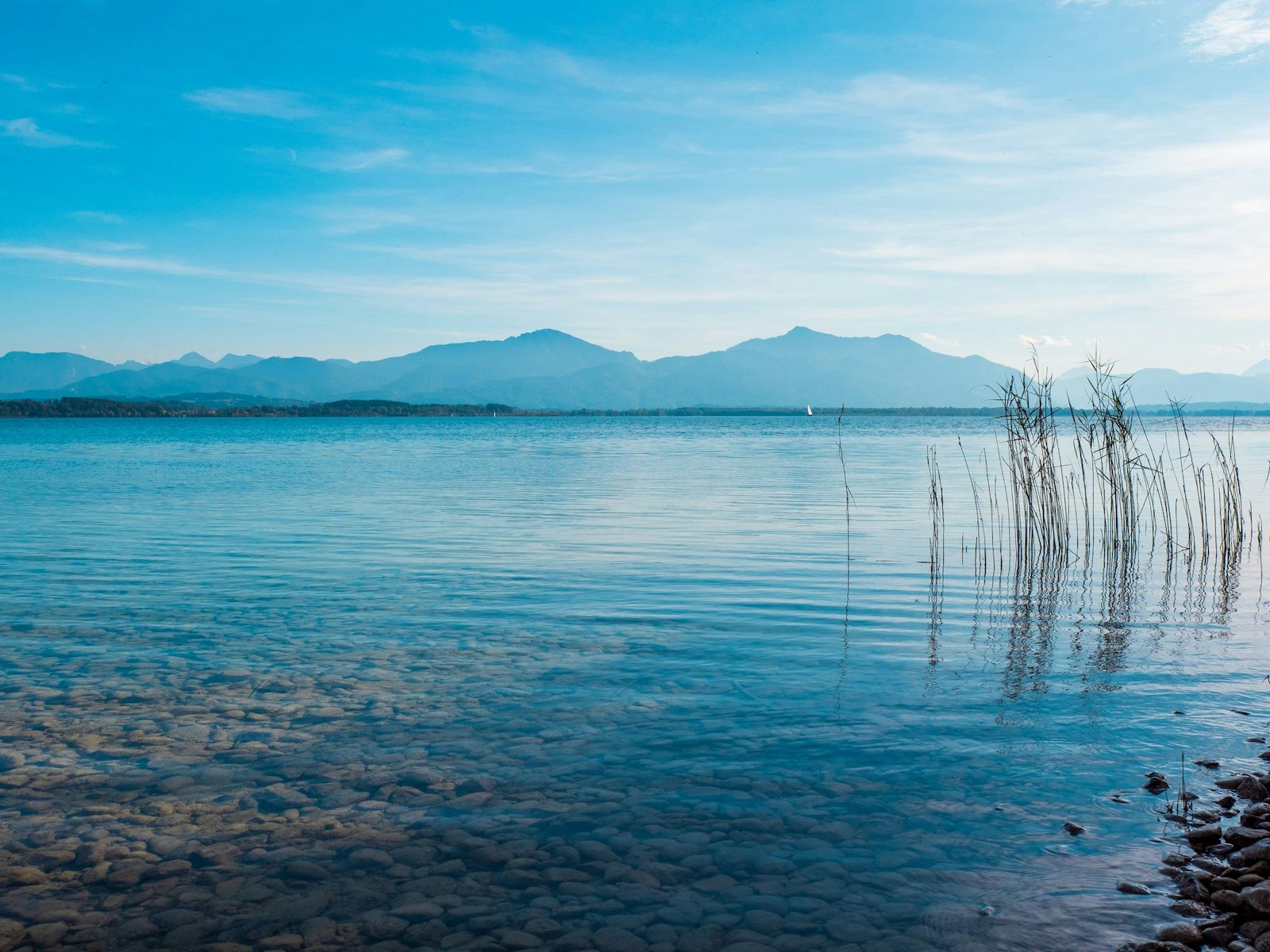
Also known as the Bavarian Sea, Chiemsee in south-eastern Bavaria offers scenic surroundings with mountains to the south, two islands that can be reached by boat and a number of villages to explore.
The lake’s clear waters are ideal for swimming, boating or simply relaxing by the shore. On the island of Herrenchiemsee is a palace built by King Ludwig II and inspired by Versailles, while Frauenchiemsee is home to a Benedictine monastery.
Accommodation around Chiemsee ranges from hotels to guesthouses, offering a variety of places to stay. While halal food options may be limited, many hotels offer vegetarian and seafood dishes. If you are staying in a villa or travelling with a camper van, supermarkets in nearby towns provide options to buy halal products and prepare your own meals.
There are no official places of prayer around Chiemsee, but the natural surroundings offer quiet places to pray. Nearby towns such as Rosenheim and Traunstein have prayer facilities for Muslim visitors.
The surrounding area is also worth exploring, with its landscapes, villages and outdoor activities.
Just a short 45-minute drive takes you across the border to Austria for your next stop: Salzburg.
Salzburg
Nestled in the Austrian Alps, the enchanting city of Salzburg offers a delightful experience for Muslim travellers seeking a blend of history, culture and natural beauty.
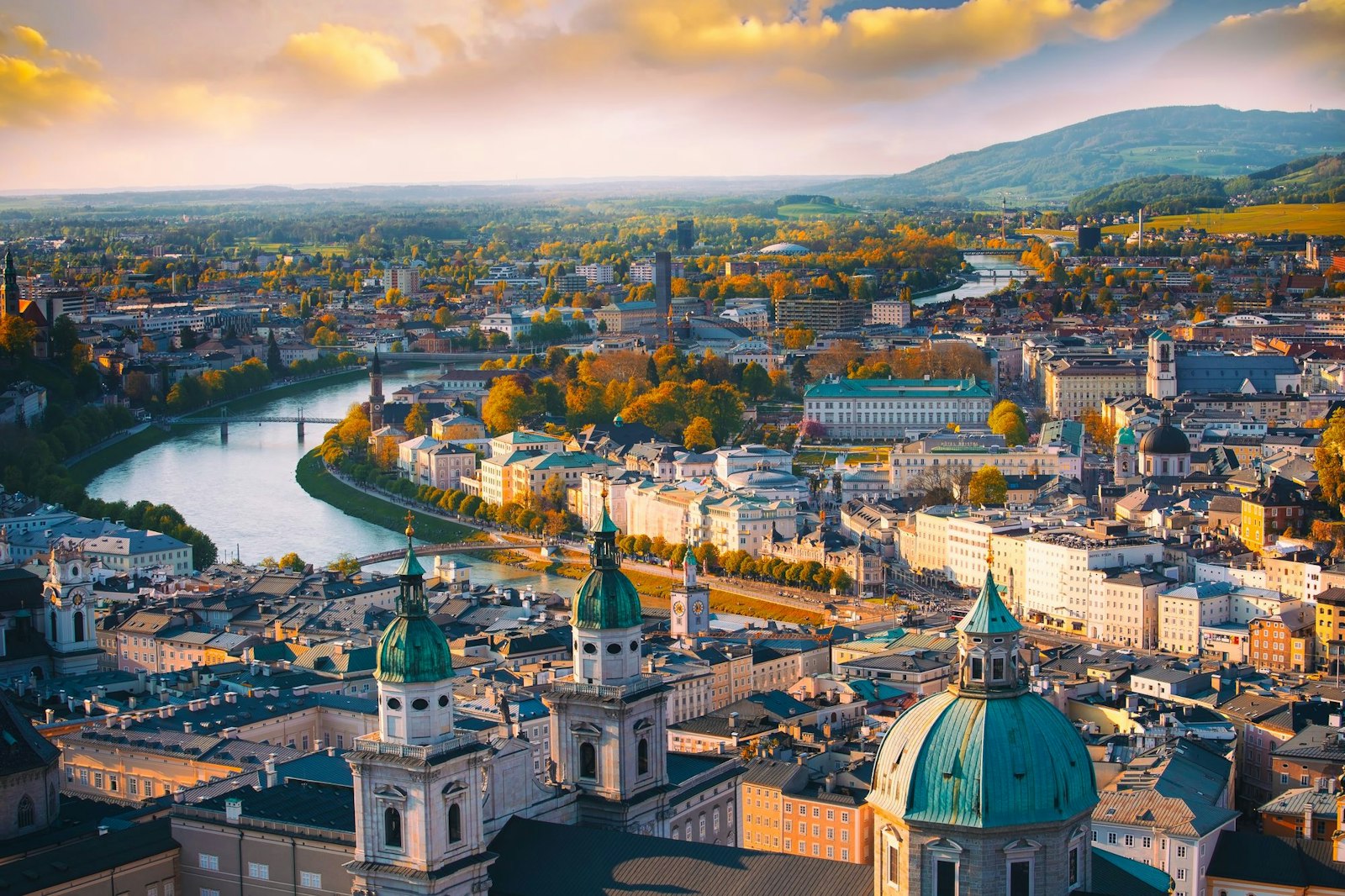
Salzburg's UNESCO-listed Old Town (Altstadt) is a treasure trove of architectural gems, including the grand Salzburg Cathedral and the Hohensalzburg Fortress.
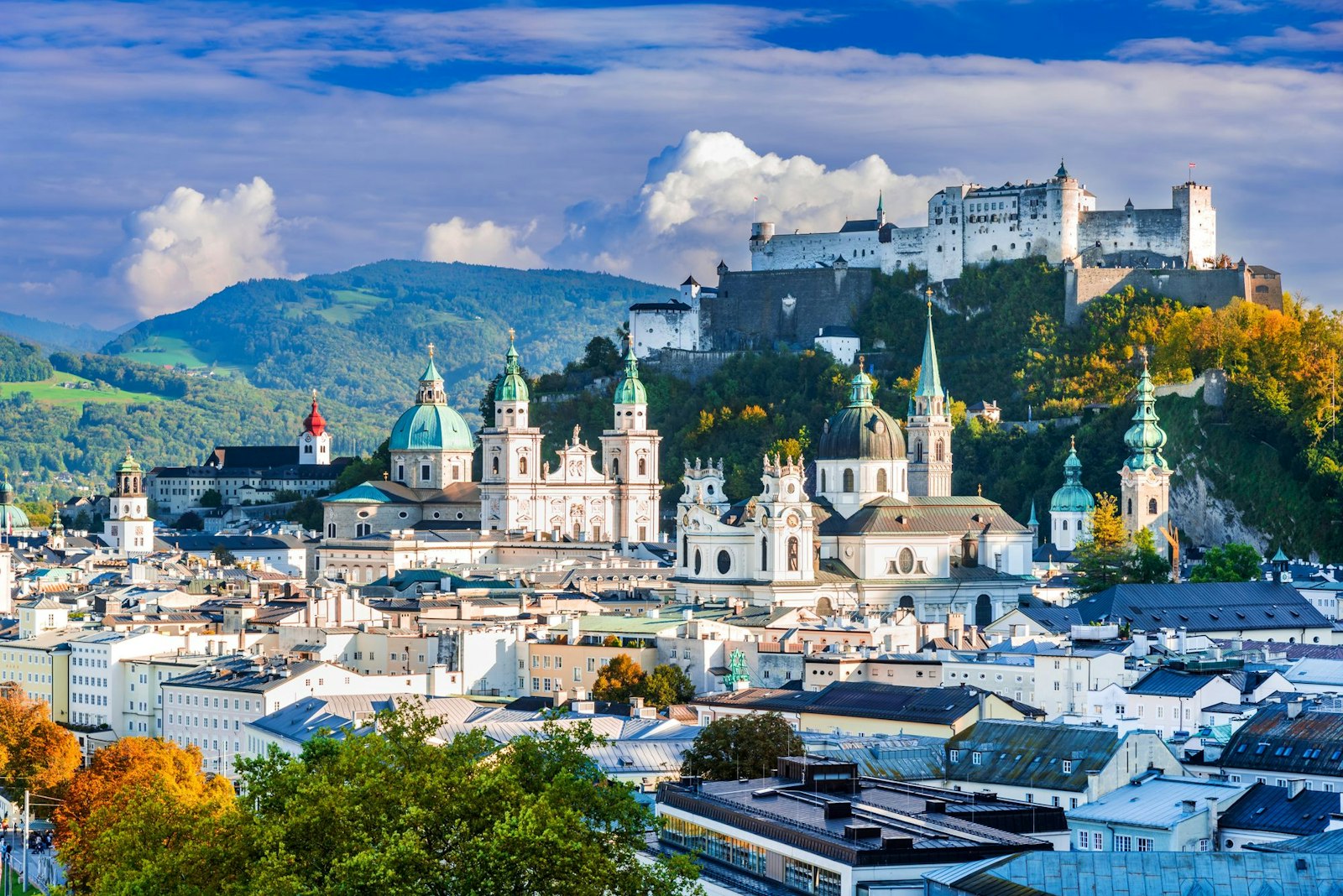
Mirabell Palace and Gardens provide a quieter setting, while the Salzburg Museum offers insight into the city's history and art. The birthplace of Wolfgang Amadeus Mozart, now a museum, is one of the city’s most visited sites.
The Salzburg Islamic Cultural Centre in the Itzling district offers prayer facilities. It is recommended to check prayer times and access details in advance. The nearby Alps offer opportunities for hiking and skiing, while the Salzkammergut region is known for its lakes and villages.
Several restaurants in Salzburg offer halal or vegetarian dishes. The Old Town has a range of international options, including Middle Eastern, Mediterranean and Asian cuisine.
Next up is a short trip across the country to Wörthersee, a 2 hr and 30 mins drive away.
Wörthersee
Lake Wörthersee in southern Austria offers scenic landscapes and clear turquoise waters in an Alpine setting, making it a relaxing stop on the journey.
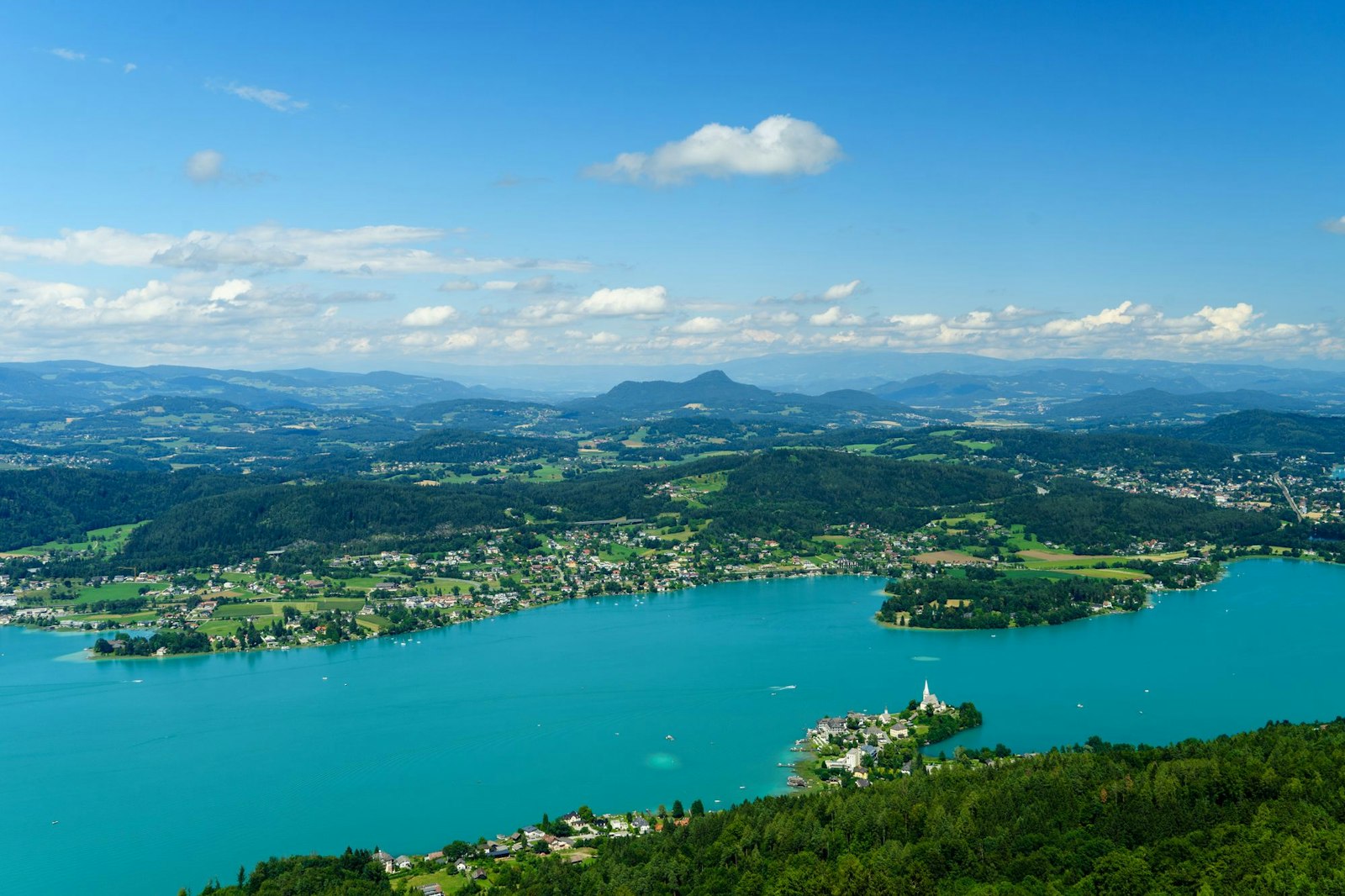
The area around Lake Wörthersee offers a range of outdoor activities. Visitors can enjoy walks or hikes, swim in the lake or relax along the shore. The surrounding mountains are also ideal for scenic drives and exploring nearby trails.
The Wörthersee region and its surrounding villages also reflect a rich history. Visitors can explore castles, churches and historic landmarks across the area. Nearby Klagenfurt has a well-preserved old town with museums that offer insight into Austrian history and culture.
While traditional Austrian cuisine often includes pork and non-halal ingredients, many restaurants offer vegetarian and seafood options.
It’s time for another short drive of 1 hour and 30 mins across the border to the Slovenian capital, Ljubljana.
Ljubljana
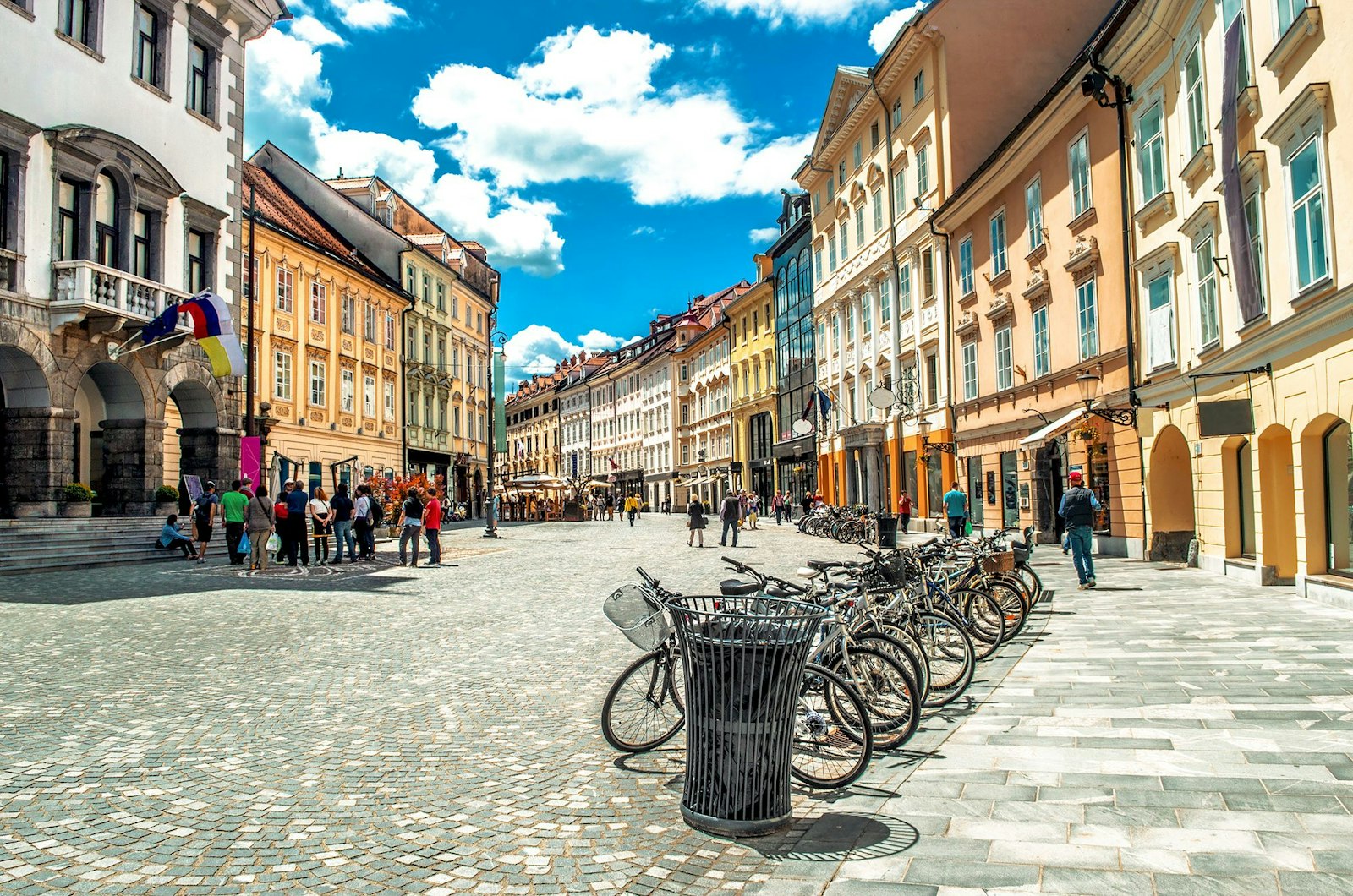
Ljubljana offers a combination of historical landmarks, vibrant culture and a relaxed atmosphere. It is known for its pedestrian-friendly streets, green spaces and distinctive architecture.
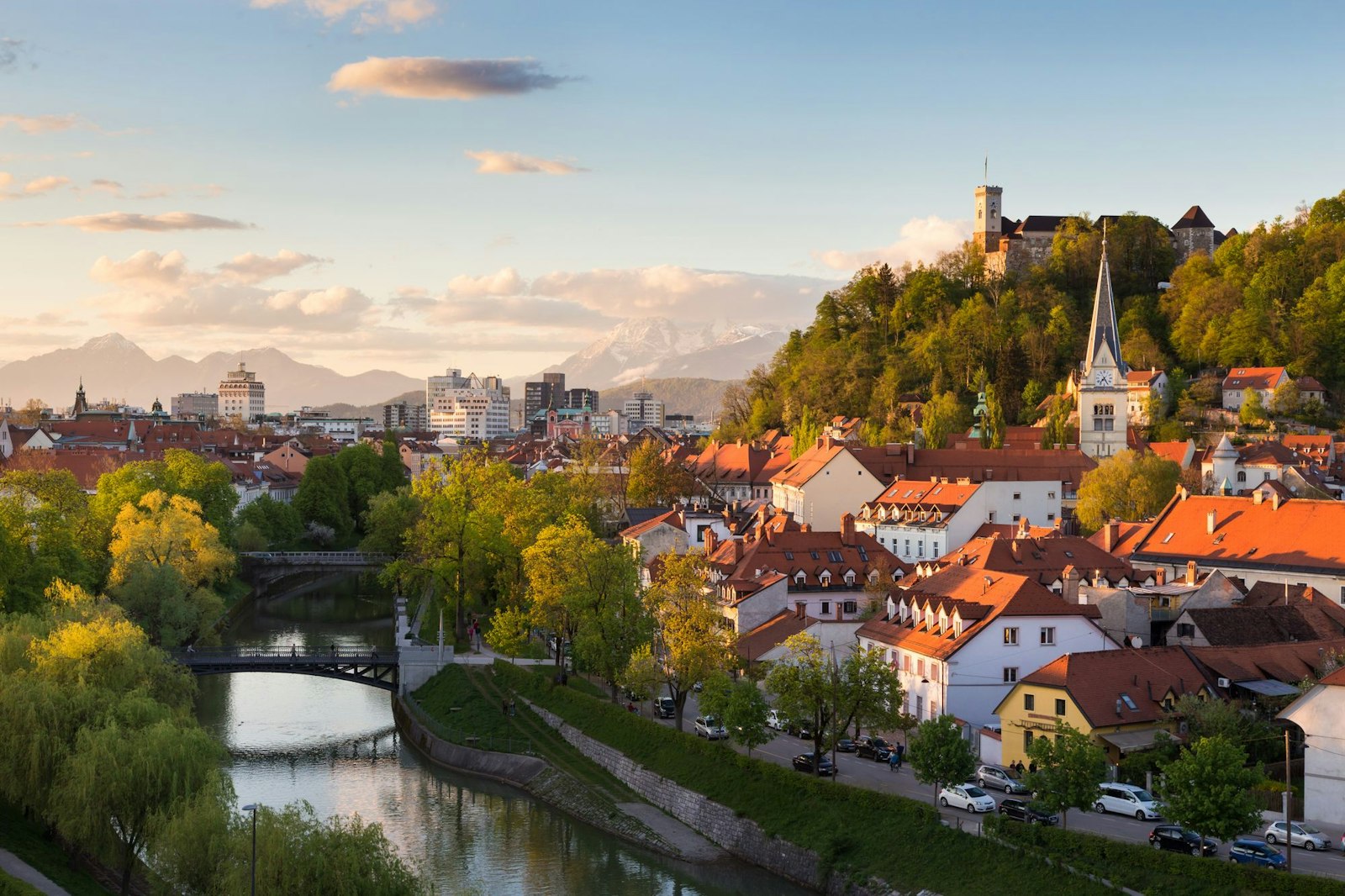
Ljubljana's history is reflected in its well-preserved architecture and landmarks. The mediaeval old town, with its cobbled streets and Baroque buildings, is easy to explore on foot. Landmarks such as Ljubljana Castle, the Triple Bridge and the Dragon Bridge highlight the city’s character.
The Islamic Religious and Cultural Centre offers prayer facilities and serves as a hub for the local Muslim community.
Ljubljana is also known for its green spaces, including Tivoli Park, which offers a quiet setting for relaxation. The nearby Lake Bled and Triglav National Park are within easy reach and known for their landscapes and hiking opportunities.
Ljubljana offers a range of dining options. While traditional Slovenian cuisine may include non-halal ingredients, several international restaurants offer halal options, including Middle Eastern and Mediterranean cuisine, as well as vegetarian and fish dishes.
After your visit to Ljubljana, it's time to head east across the border into Croatia, an approximately 5-hour drive to reach Split.
Split
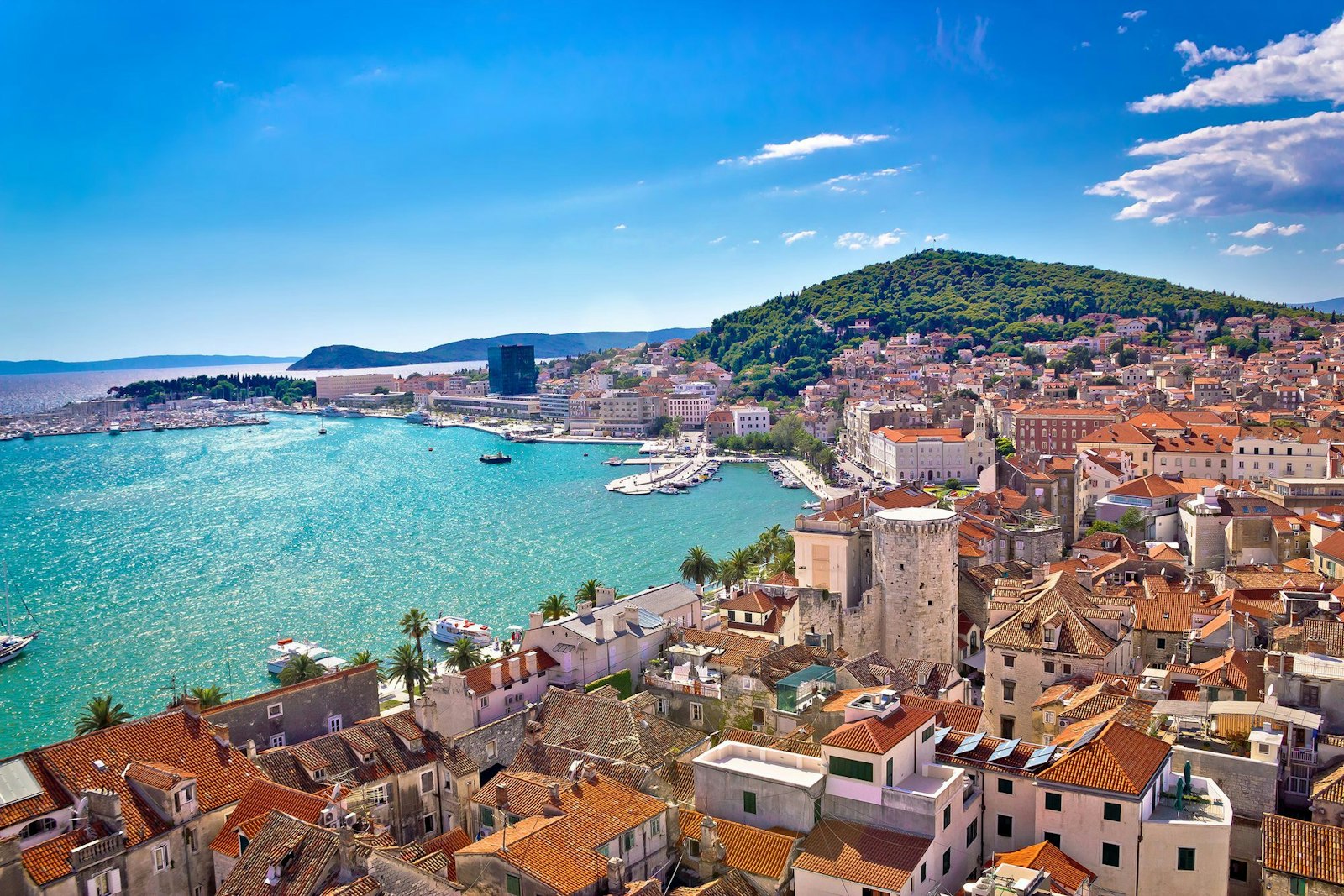
Split, located on Croatia’s Dalmatian Coast, is known for its blend of history, natural beauty and Mediterranean atmosphere. As the second-largest city in Croatia, it offers a range of cultural and architectural landmarks set along the coast.
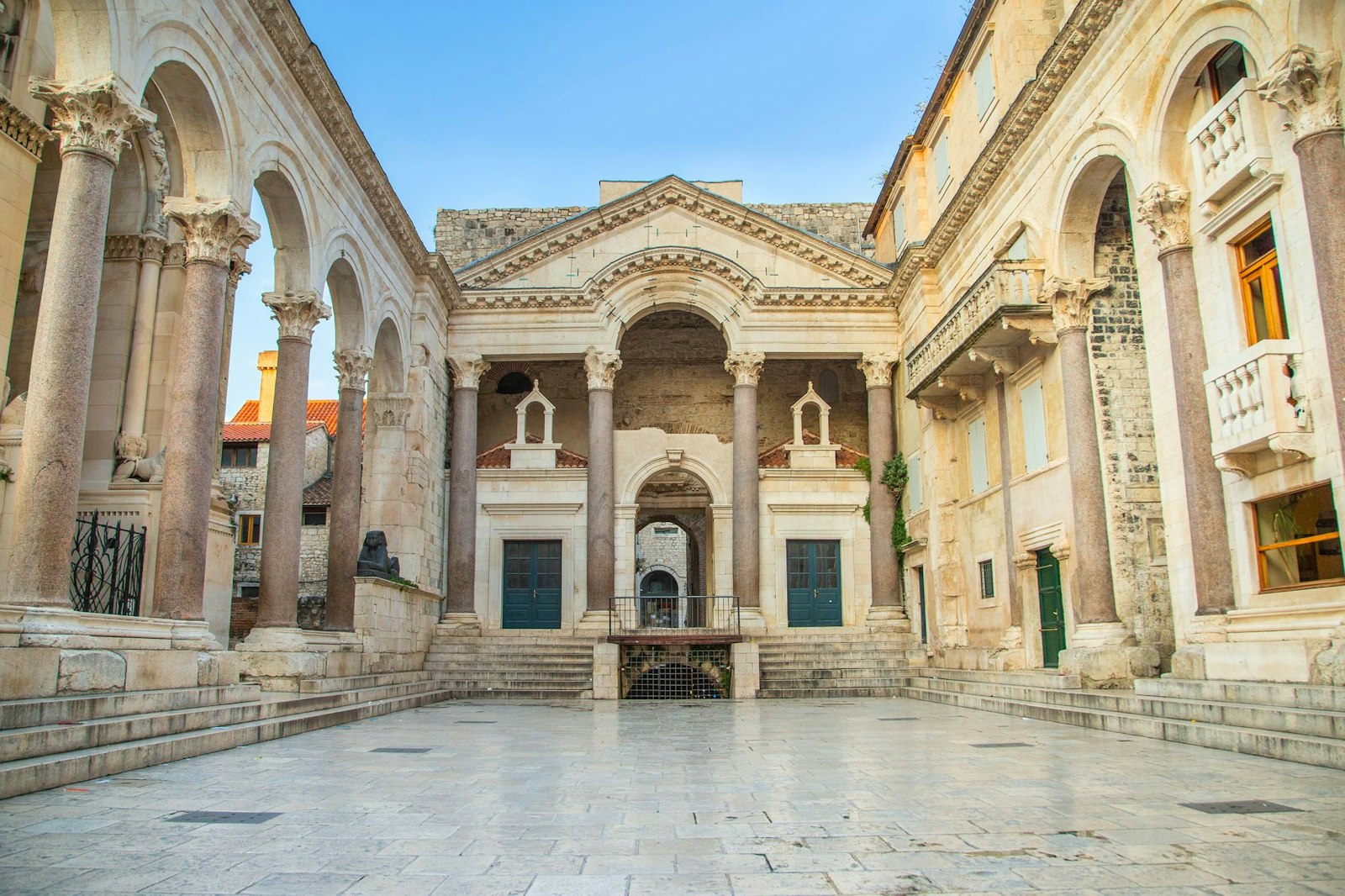
At the heart of Split is Diocletian's Palace, a UNESCO World Heritage Site and one of the best-preserved Roman complexes in the world. Its streets, squares and historic structures include the Temple of Jupiter and the Peristyle, an open courtyard that hosts cultural events. The mix of Roman, mediaeval and Renaissance architecture reflects the city’s long history.
Beyond the palace, Split offers views of the Adriatic Sea and surrounding landscapes. Marjan Hill, a forest park, provides walking trails and views over the city and coastline. Nearby beaches, such as Bačvice Beach, offer a place to relax by the water.
For your spiritual needs, Split is home to the Islamic Centre of Split, where Muslim travelers can find prayer facilities and connect with the local Muslim community.
While halal-certified restaurants are limited, several establishments offer vegetarian, seafood and international cuisine options, providing suitable choices for Muslim travellers.
Our next destination is Mostar in southern Bosnia and Herzegovina, reached by a 2-hour drive.
Mostar
Mostar is known for its history and cultural significance. With a blend of Ottoman and European influences, the city has a strong Muslim heritage that remains visible today.
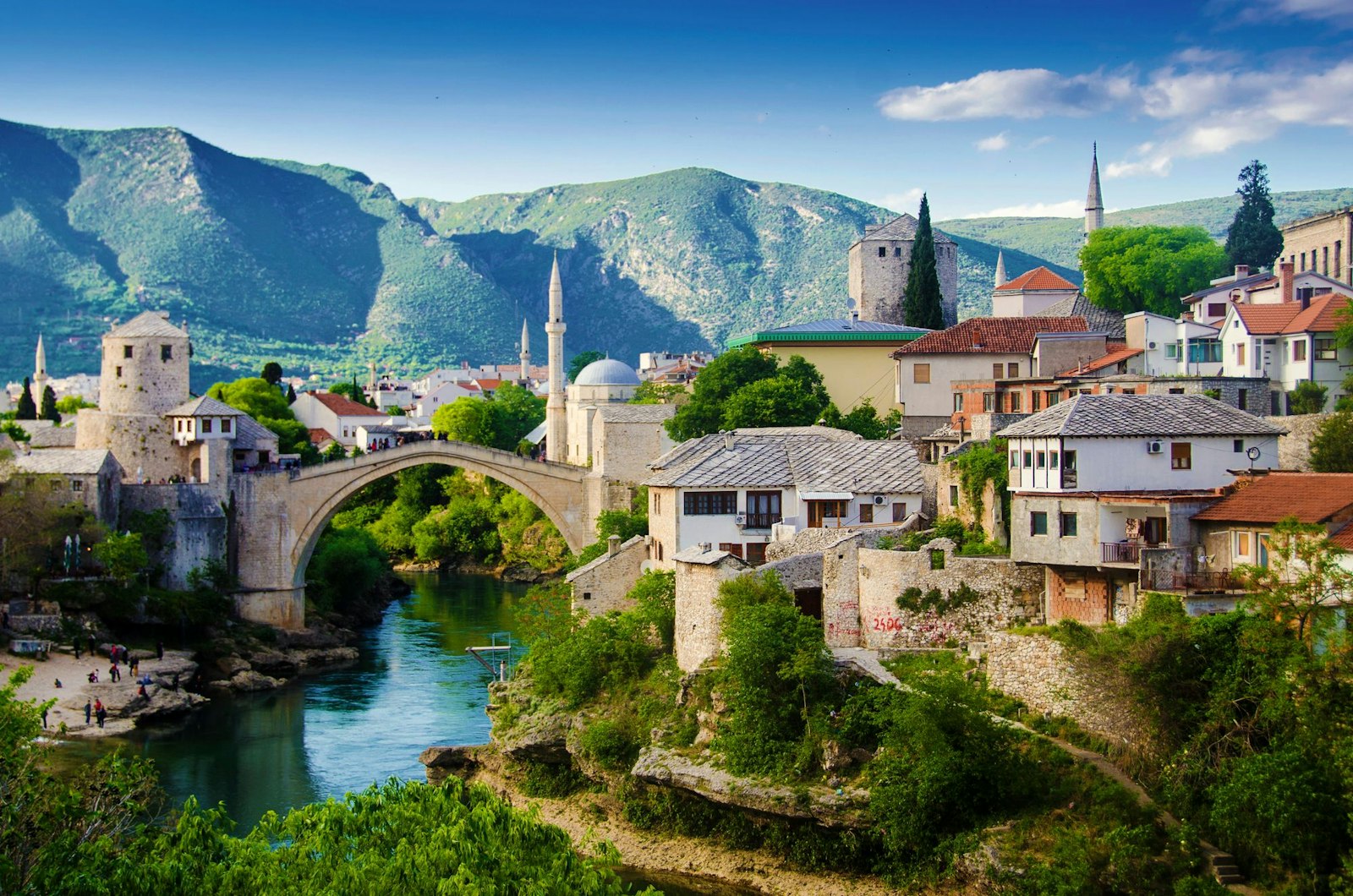
At the centre of Mostar is the Stari Most (Old Bridge), a UNESCO World Heritage Site built in the 16th century. It stands as a symbol of the city’s past and remains a focal point for visitors. From the bridge, there are views over the Neretva River and the surrounding old town.
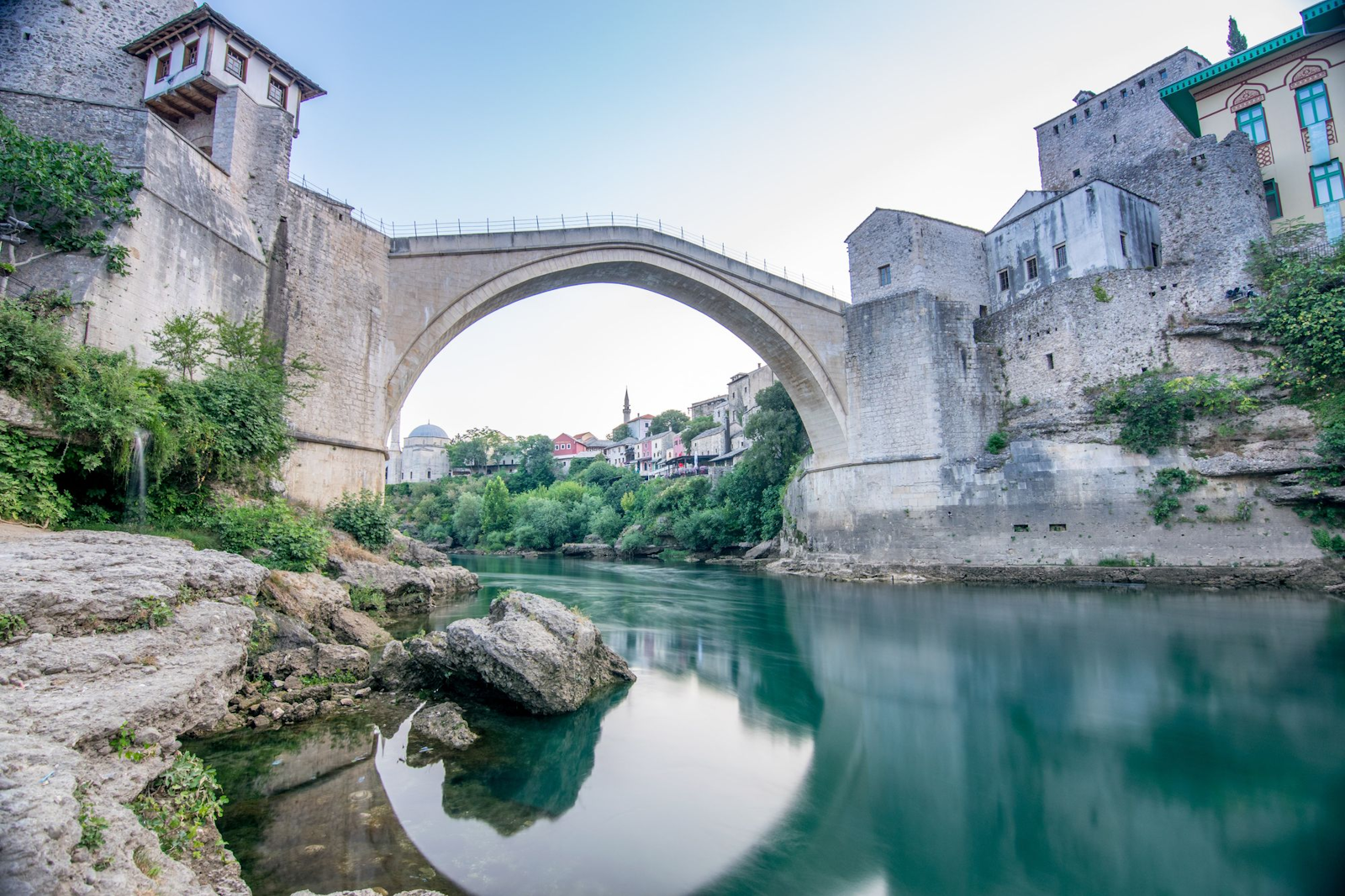
The old town is home to several mosques, including the Koski Mehmed Pasha Mosque, which offers prayer facilities. Its minaret and architectural details reflect the city’s Islamic heritage.
Mostar is a convenient stop for Muslim travellers, with halal food widely available. Restaurants and cafés serve traditional Bosnian dishes such as cevapi and burek.
The surrounding area offers mountains, rivers and outdoor activities, including hiking, rafting and swimming.
Head towards Sarajevo, the capital of Bosnia and Herzegovina, with a 2-hour drive to explore its rich history and charm.
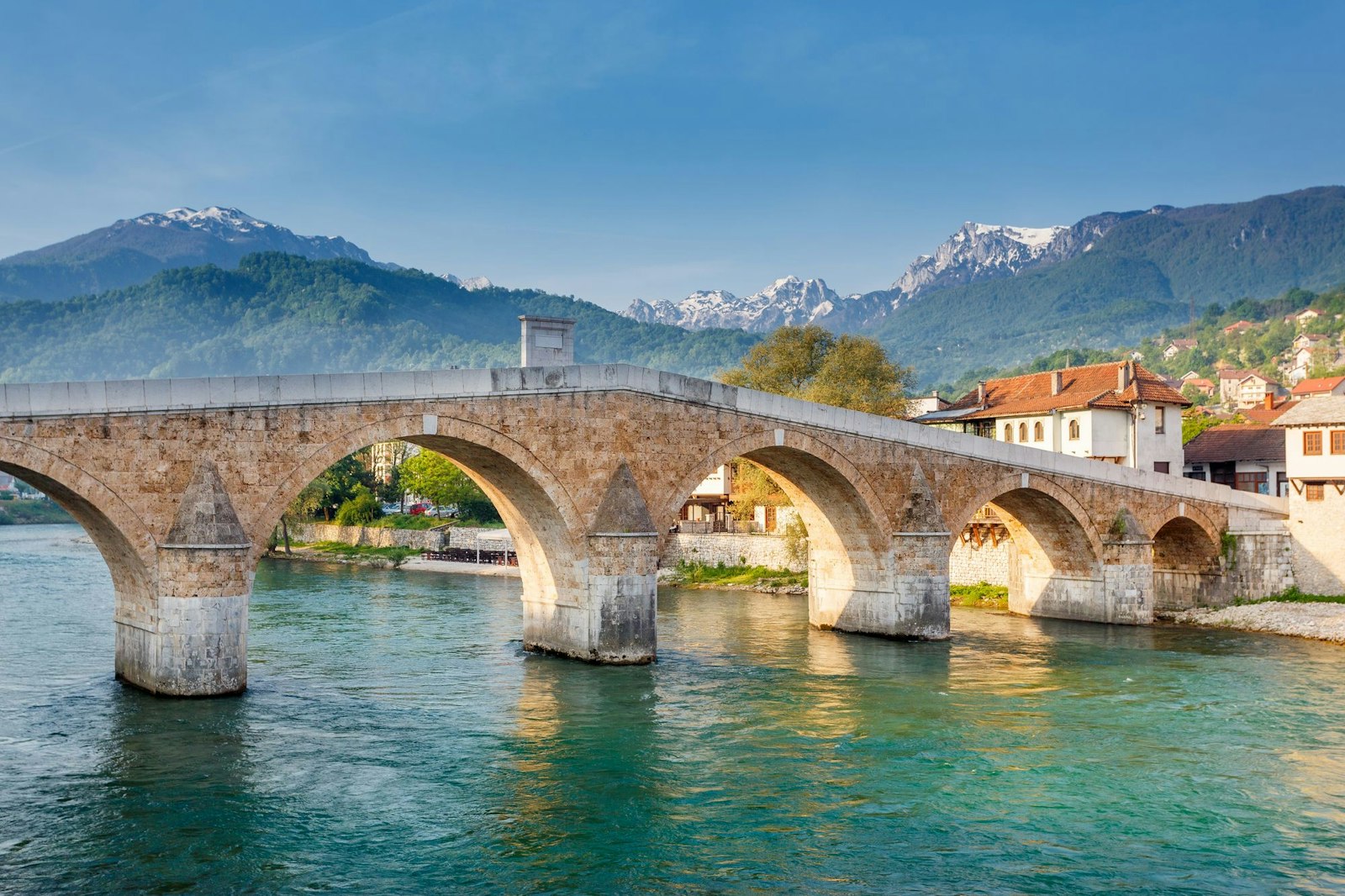
On the way to Sarajevo, you may wish to stop in Jablanica, famous in the Balkans for spit-roasted lamb. After having re-energised with a portion of delicious jagnjetina (roasted lamb), continue your journey to Sarajevo. The road will take you through Konjic, a worthwhile stop to view its famous bridge Stara Ćuprija (Old Bridge - köprü in Turkish), built over six slightly pointed stone arches between 1682 and 1683 by Ali-aga Hasečić, a wonderful example of Ottoman bridge architecture in the Balkans.
Sarajevo
Sarajevo is a captivating destination known as the “Jerusalem of Europe”, where cultures and traditions have intertwined for centuries. Its rich Islamic heritage and vibrant Muslim community make it a particularly meaningful stop on this journey.
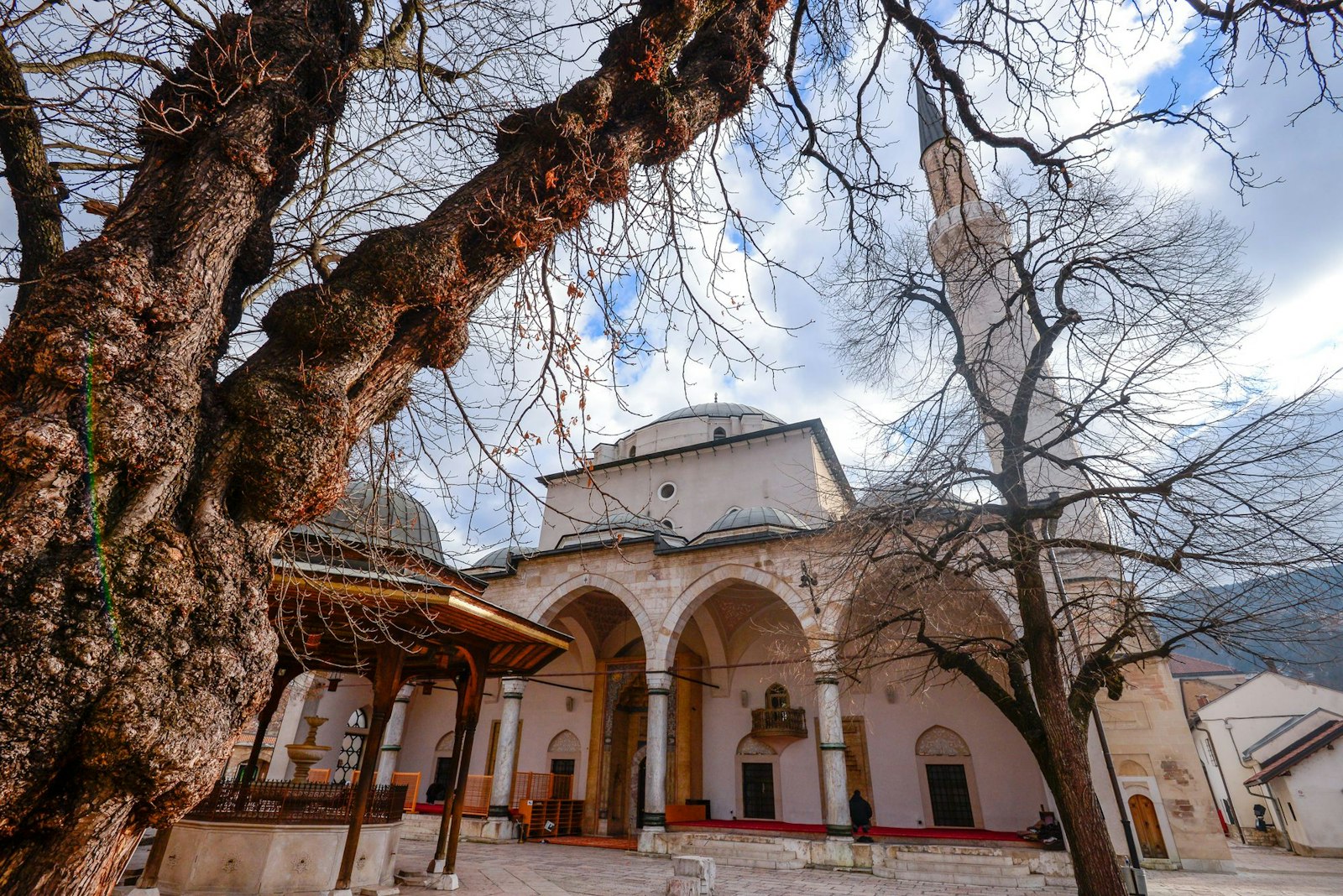
At the heart of the city lies the Gazi Husrev-Beg Mosque, a 16th-century architectural masterpiece and an important spiritual centre. Its elegant courtyard and serene atmosphere offer a moment of calm within the bustling city.
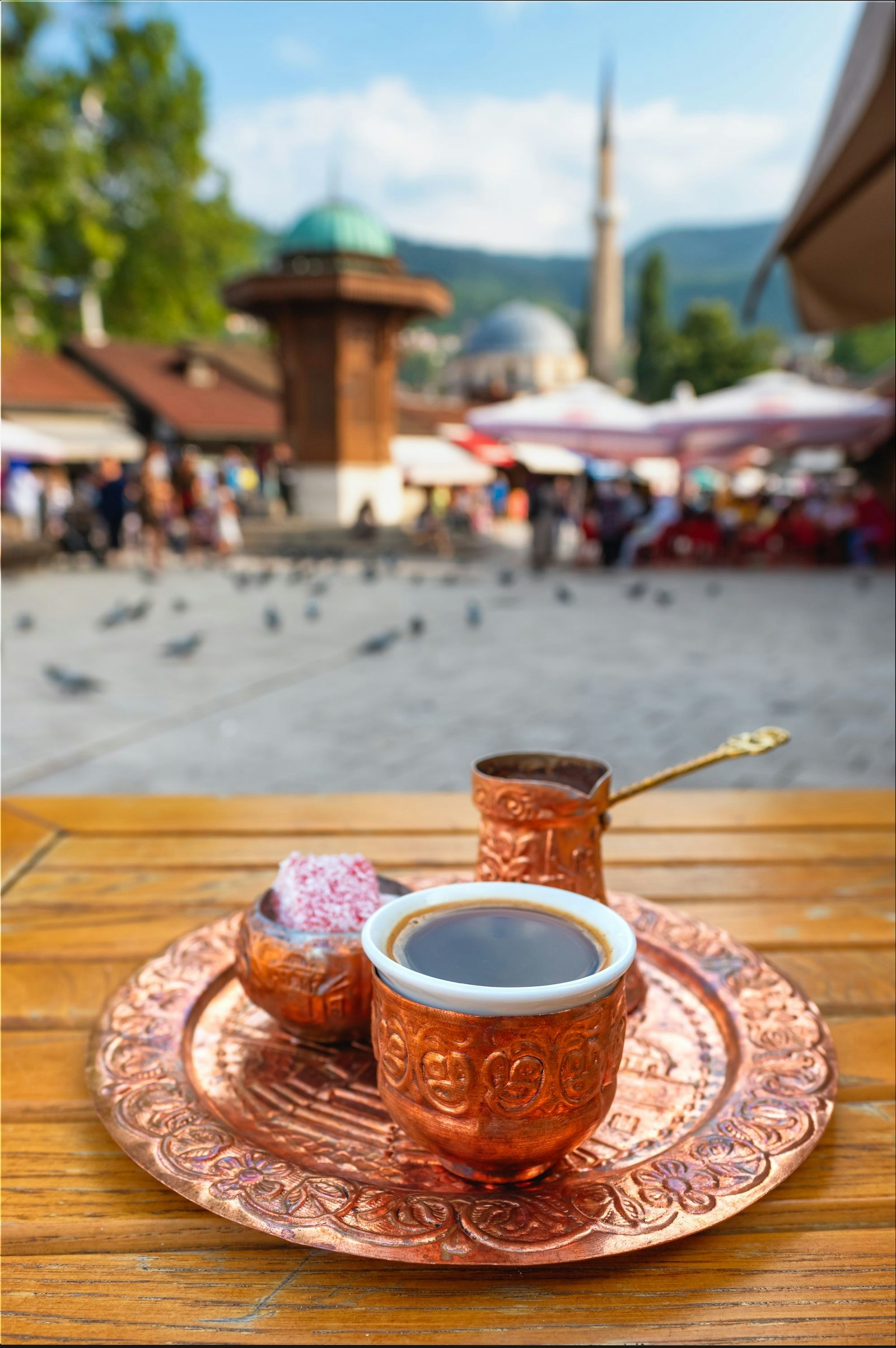
Baščaršija, the city's Ottoman-era bazaar, forms the historic core of Sarajevo and is centred around the iconic Sebilj fountain. Its narrow streets are filled with traditional crafts, local life and a strong sense of heritage.
A short walk away, the Latin Bridge marks a pivotal moment in world history as the site of the 1914 assassination that led to the outbreak of World War I. The Tunnel of Hope offers further insight into the city’s more recent past, serving as a powerful reminder of resilience during the siege of Sarajevo.
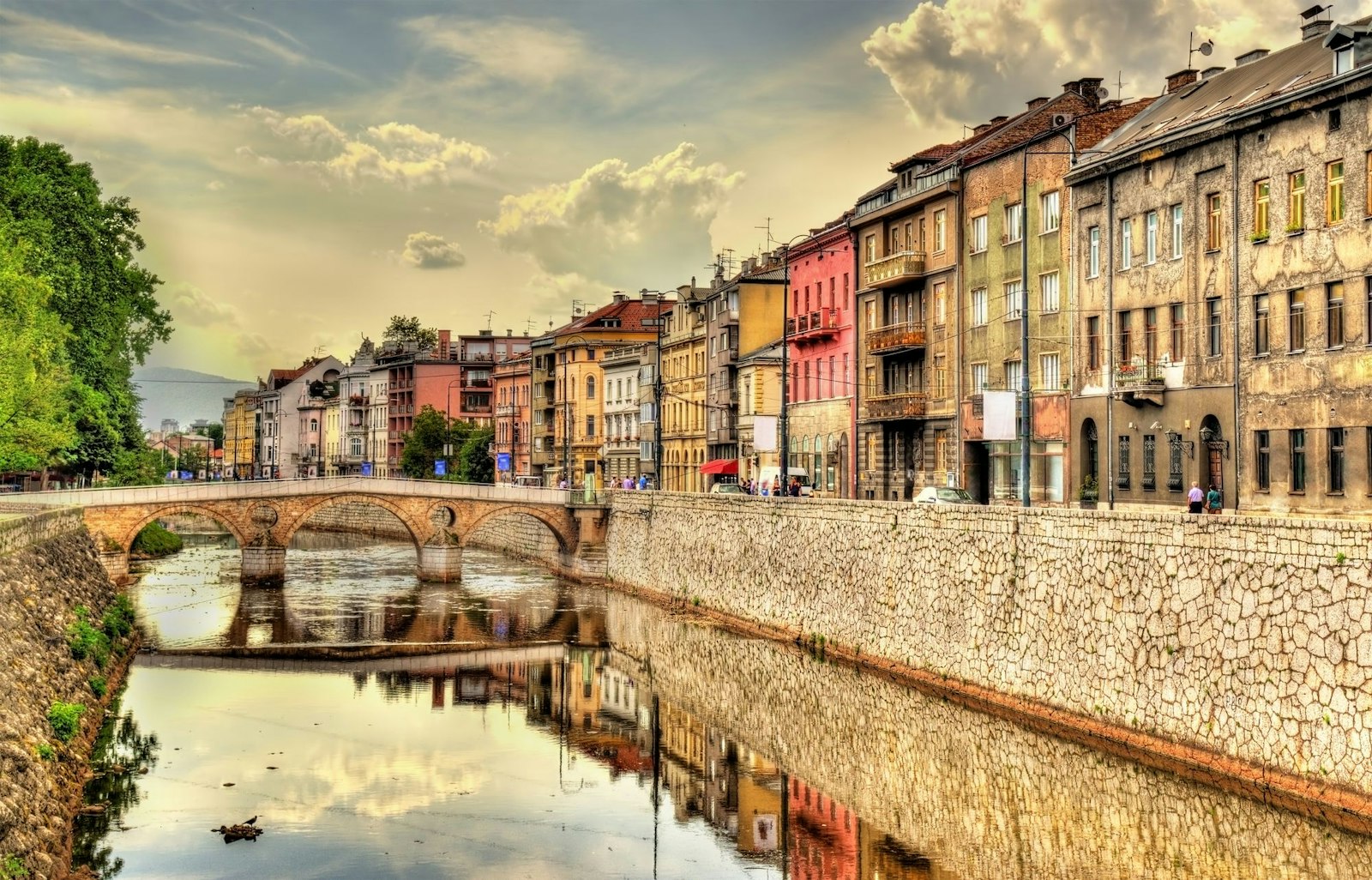
Surrounded by mountains and natural beauty, Sarajevo also provides opportunities to pause and reflect before continuing your journey.
Sarajevo offers a wide range of halal food, with traditional Bosnian dishes widely available across the city.
Make your way to Podgorica, Montenegro’s capital, with a 4-hour 20-minute scenic drive ahead.
Podgorica
Podgorica sits at the confluence of the Morača and Ribnica rivers, where the Ottoman-era Stara Varoš contrasts with the more modern Nova Varoš. With its mixed heritage and significant Muslim population, the city reflects a blend of Islamic tradition and everyday urban life.
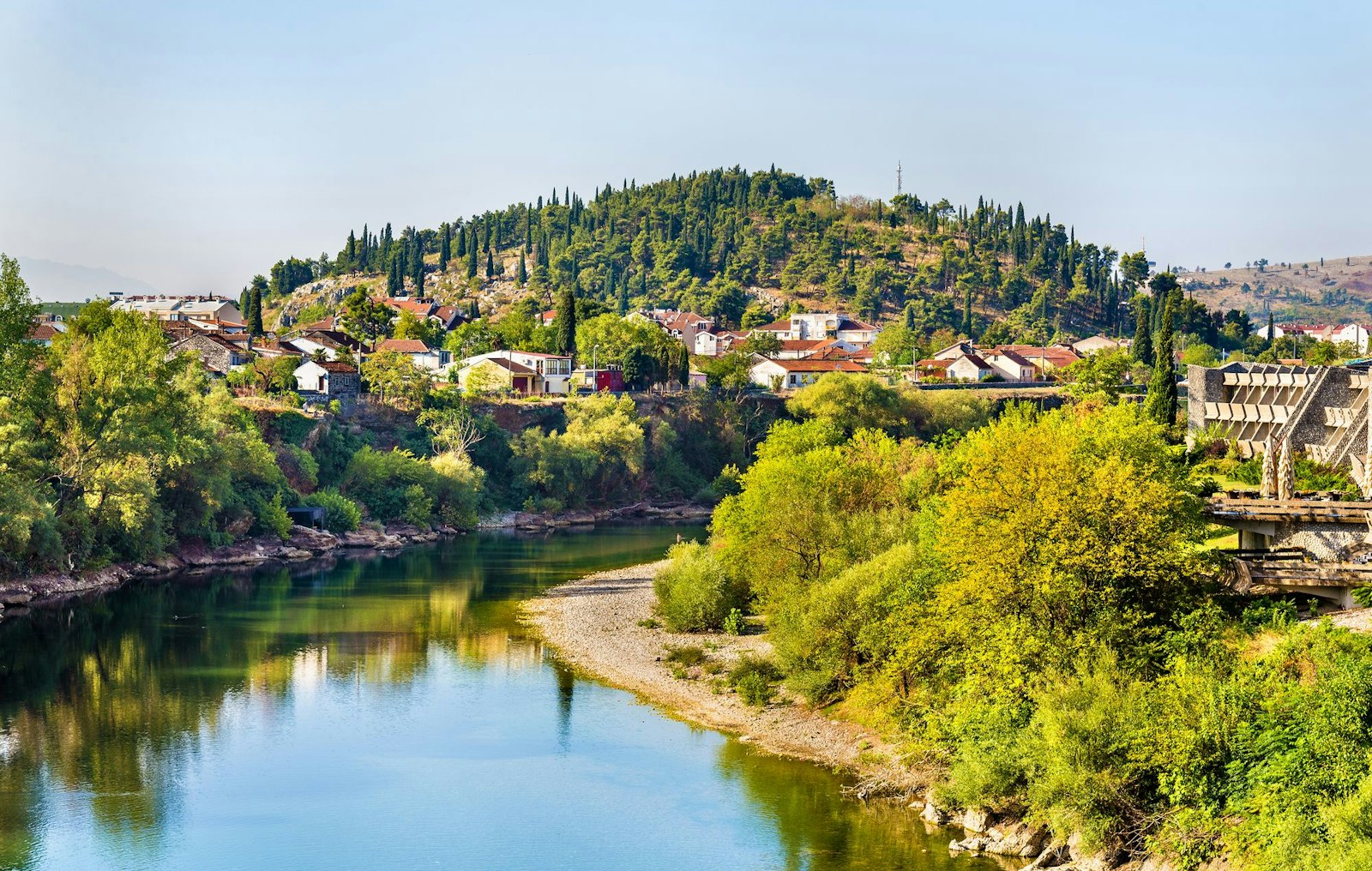
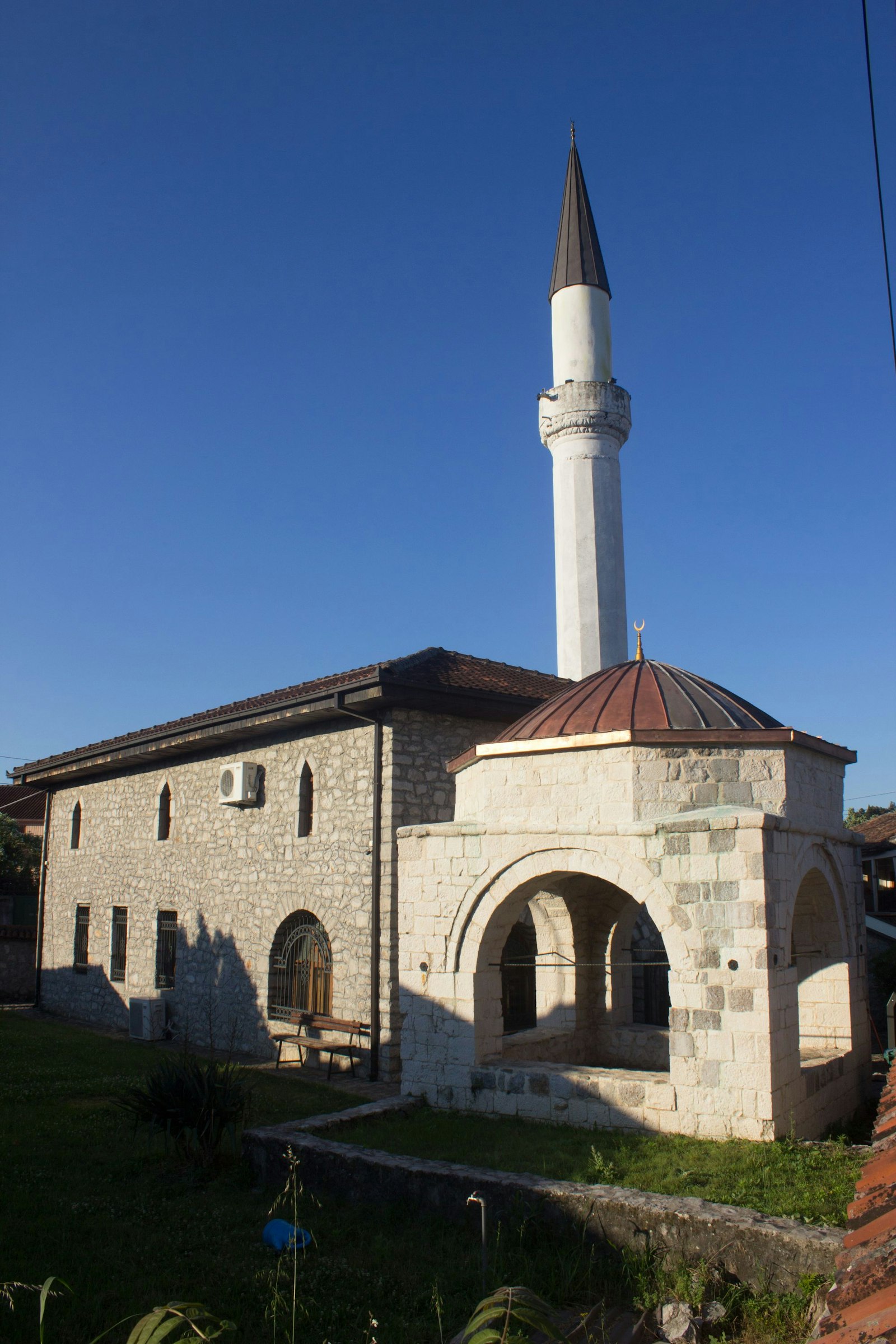
Stara Varoš preserves traces of the city’s Ottoman past, with landmarks such as the Sahat Kula (Clock Tower) and historic mosques shaping its character. The 18th-century Osmanagić Mosque remains one of the city’s most notable places of worship and continues to serve the local Muslim community.
Nova Varoš forms the modern centre of Podgorica, with cafés, markets and public spaces such as Independence Square (Trg Nezavisnosti) creating a more contemporary atmosphere.
Halal food is available in local restaurants and markets, offering a range of simple and accessible dining options.
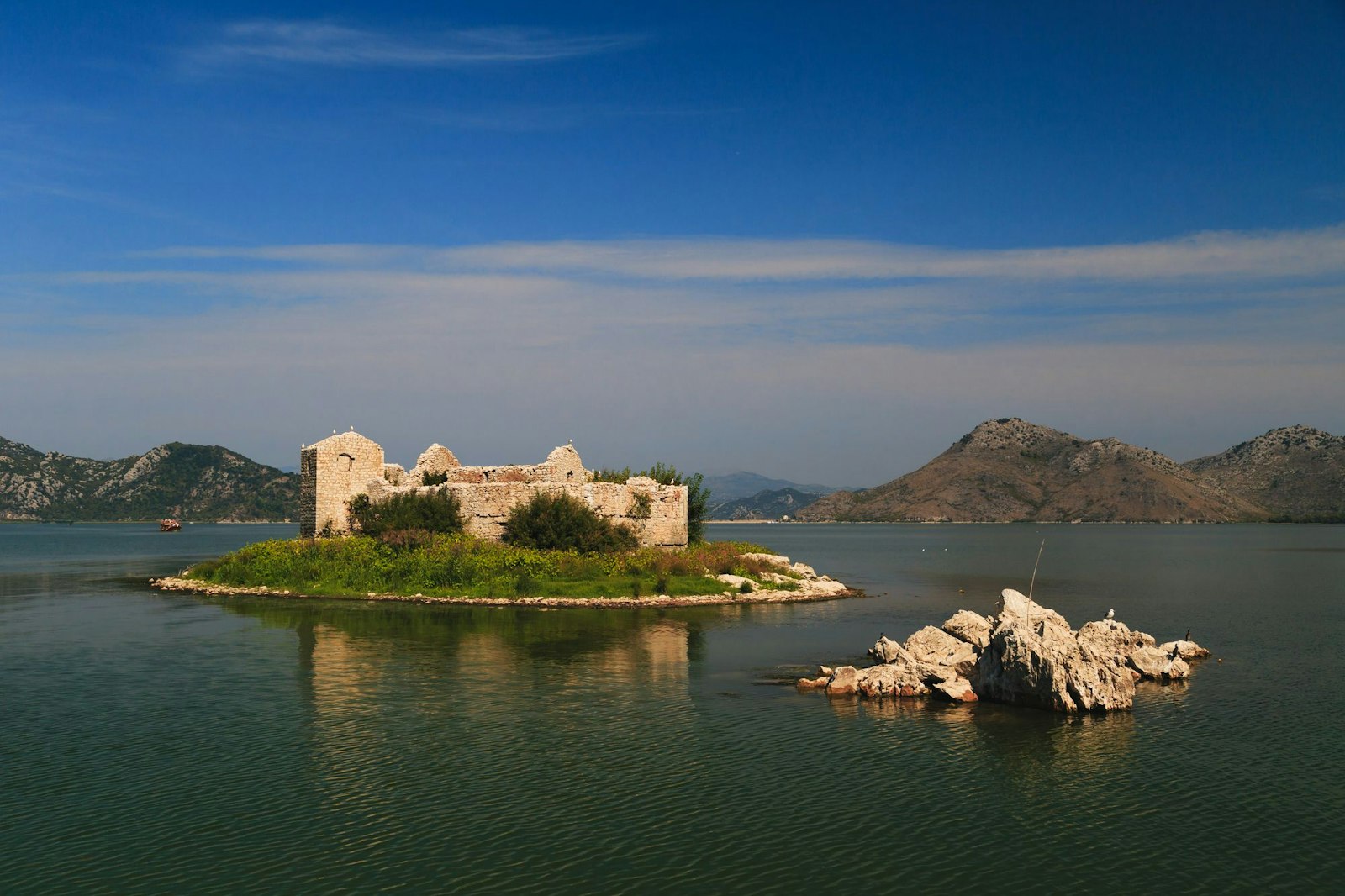
Beyond the city, Lake Skadar National Park offers one of Montenegro’s most striking natural landscapes, with opportunities for boat trips and exploring its diverse wildlife.
After your visit to Podgorica, it's time to head south to the Albanian capital of Tirana, a 2 hour and 50 minute drive.
Tirana
Tirana is a vibrant city where Islamic heritage meets a lively modern atmosphere, with contemporary architecture sitting alongside historical landmarks.
Skanderbeg Square forms the heart of the city, surrounded by key sites such as the National History Museum, the Pyramid of Tirana and the Bektashi World Centre, an important spiritual hub. The Clock Tower offers panoramic views across the city.
The lively Blloku district, once a restricted area, is now filled with cafés, restaurants and boutiques, reflecting Tirana’s dynamic character.
The city is home to several mosques, including the Et'hem Bey Mosque, known for its detailed frescoes, as well as the Namazgah and King Mosques.
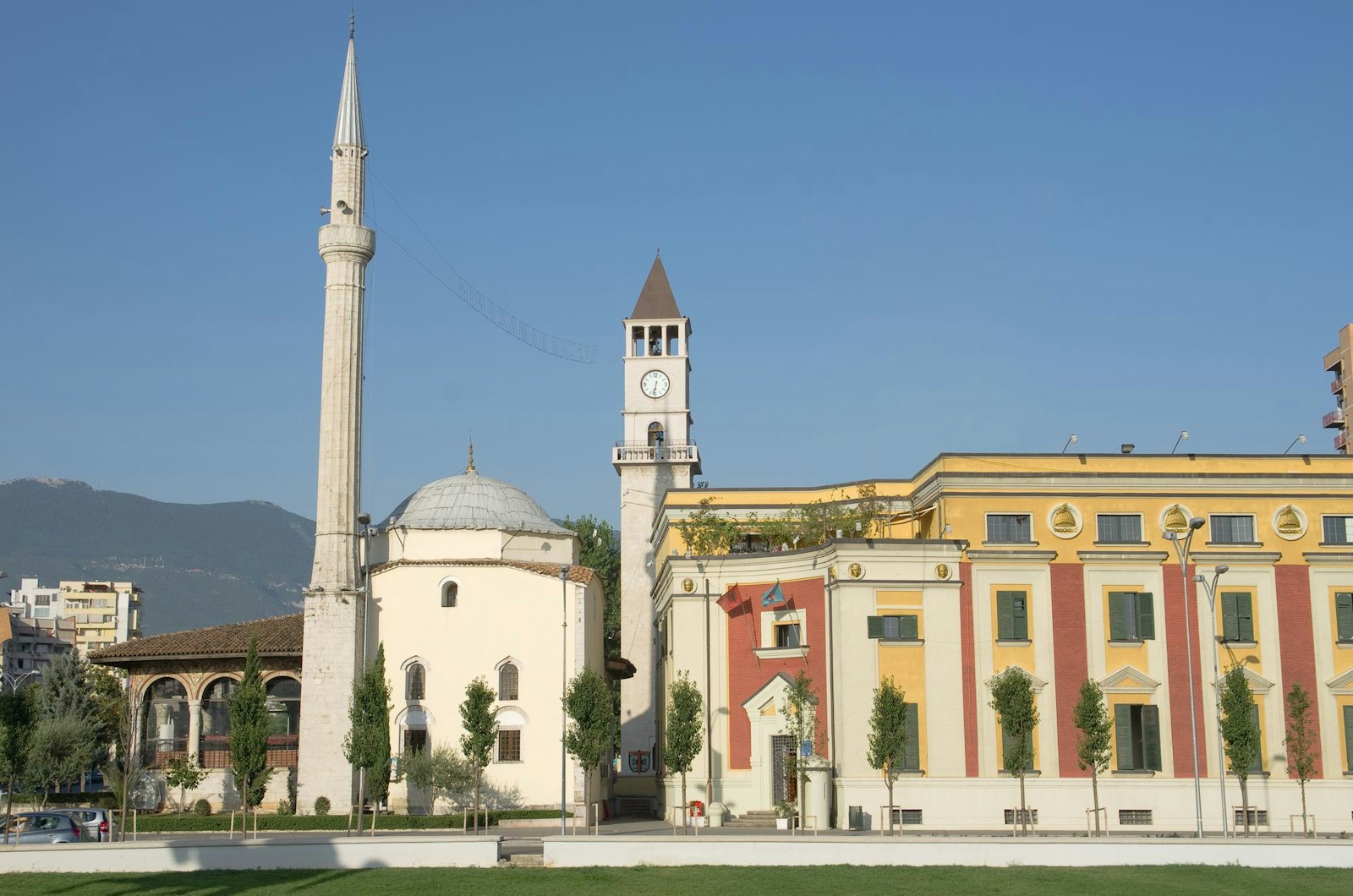
Nearby, Dajti Mountain National Park offers sweeping views and outdoor activities, while Lake Tirana provides a peaceful setting for a walk or a short break from the city.
Tirana offers a wide range of halal dining options, from traditional Albanian cuisine to Middle Eastern and international restaurants. Markets such as Pazari i Ri also provide fresh local produce and street food in a lively setting.
After visiting Tirana, head south to Berat, which takes 1 hour and 45 minutes.
Berat
One of the oldest cities in Albania, Berat is a UNESCO World Heritage Site known for its Ottoman architecture and strong Islamic heritage. Often called the “City of a Thousand Windows”, it is defined by its hillside houses and historic setting.
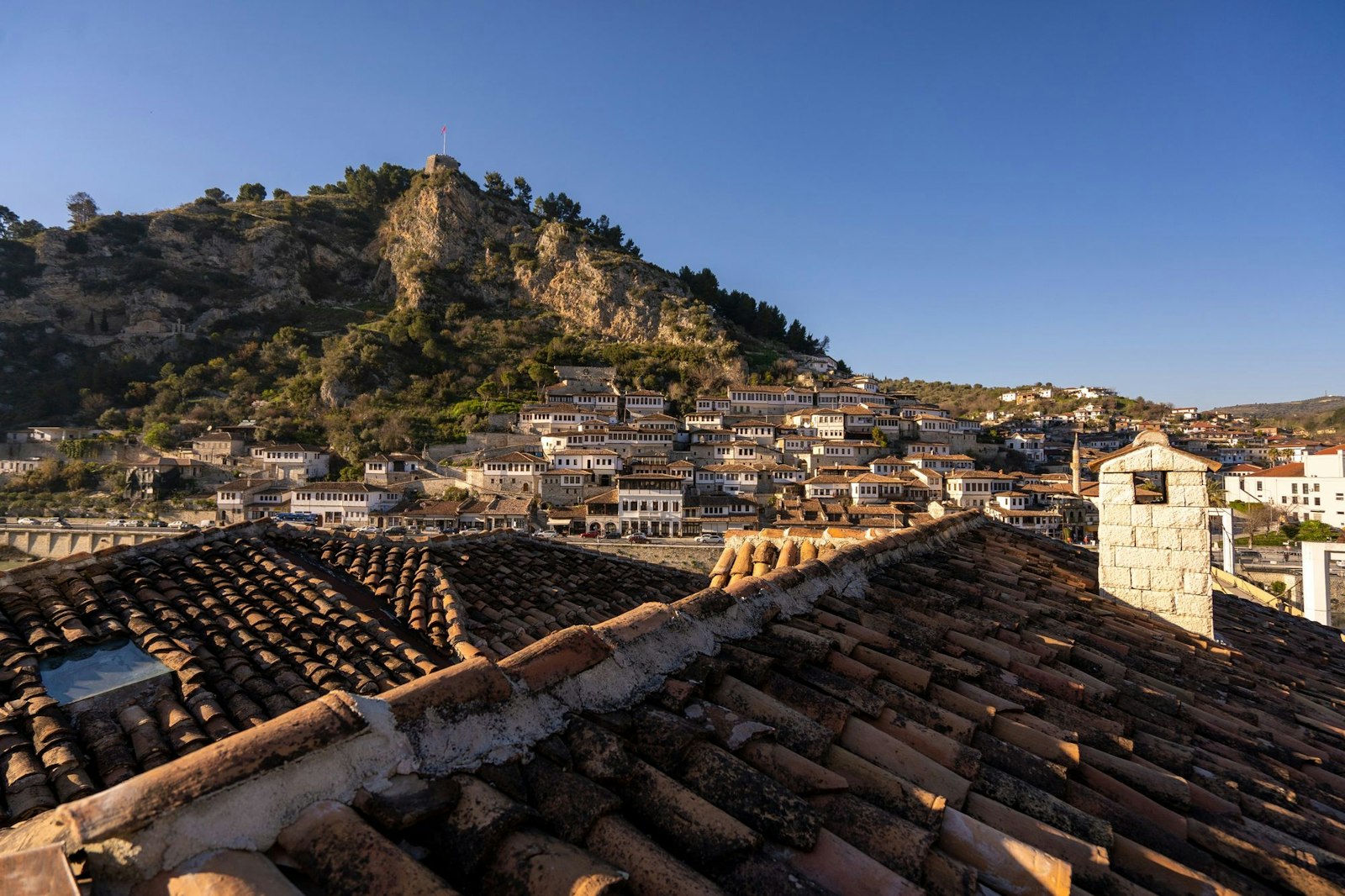
The old town of Mangalem is a maze of narrow streets lined with traditional Ottoman-style houses and local craft shops, while Berat Castle overlooks the city with panoramic views.
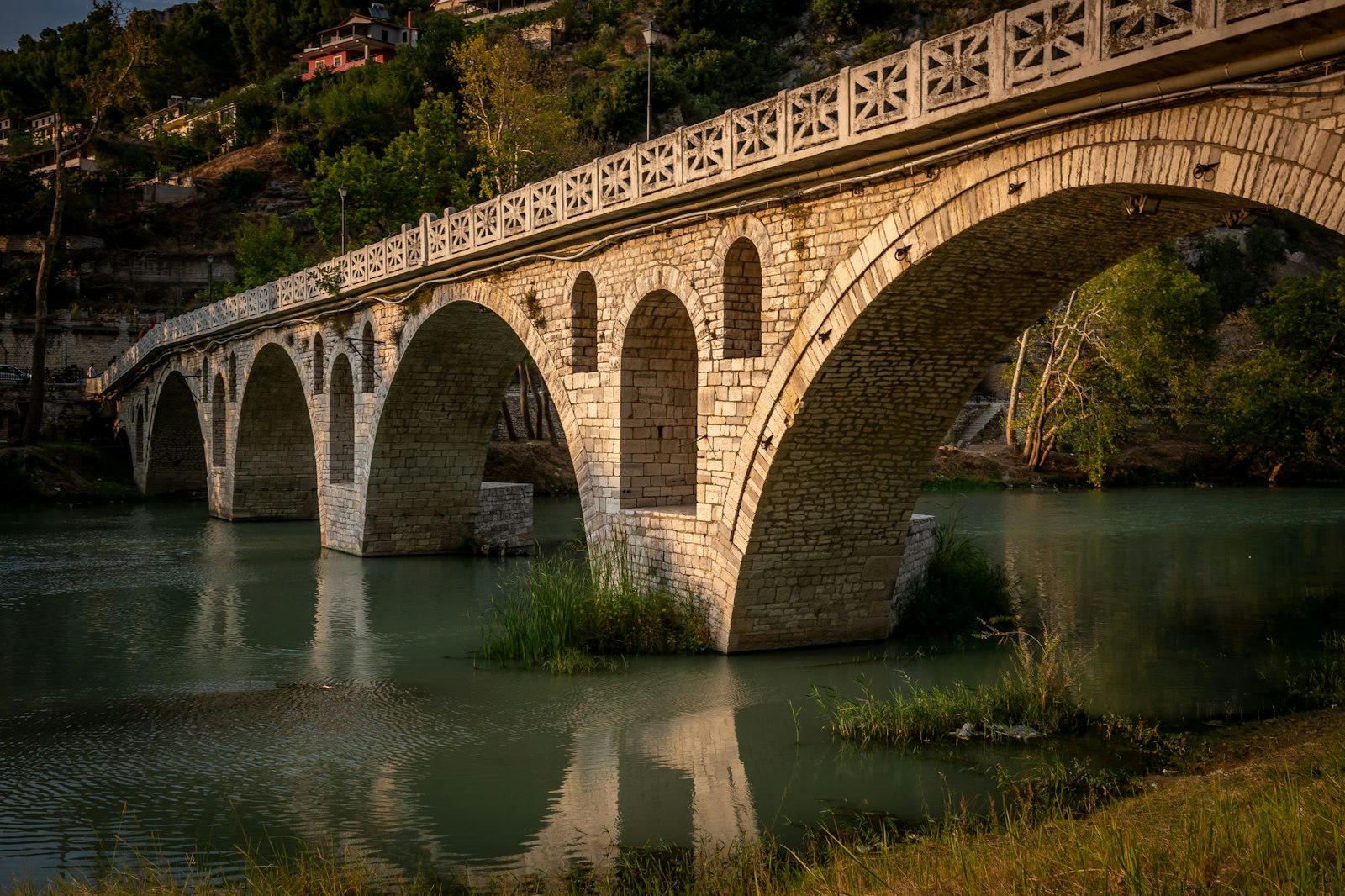
The Osum River runs through the city, with the Gorica Bridge offering one of its most recognisable views and a scenic spot for a walk.
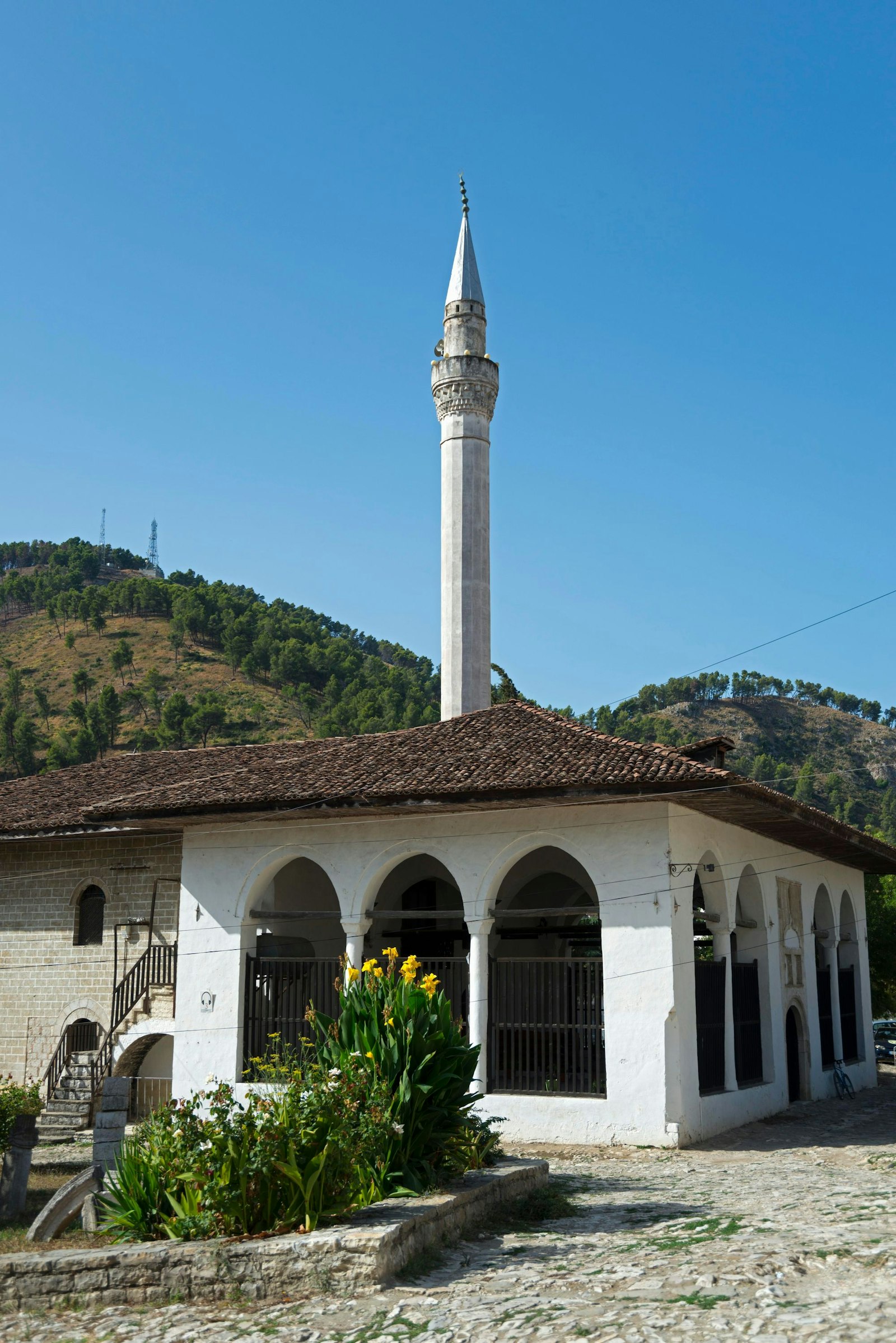
Berat is home to several mosques, including the King Mosque and the 16th-century Lead Mosque, reflecting its long-standing Islamic identity.
The surrounding area adds to its appeal, with Tomorr Mountain and the Osumi Canyon offering opportunities for hiking and exploring the region’s natural landscapes.
A range of local restaurants offer halal-friendly options, with traditional Albanian dishes and simple regional cuisine widely available.
It's time to leave for our next stop, Elbasan, a 1 hour and 15 minutes drive away.
Elbasan
Founded in 1466 by the Ottoman Sultan Mehmed II, Elbasan lies on the banks of the Shkumbin River and retains visible traces of its historic city walls. With its strong Islamic heritage, it offers a glimpse into the region’s Ottoman past.
The city is home to several mosques, including the 15th-century King Mosque, an important symbol of its historical identity.
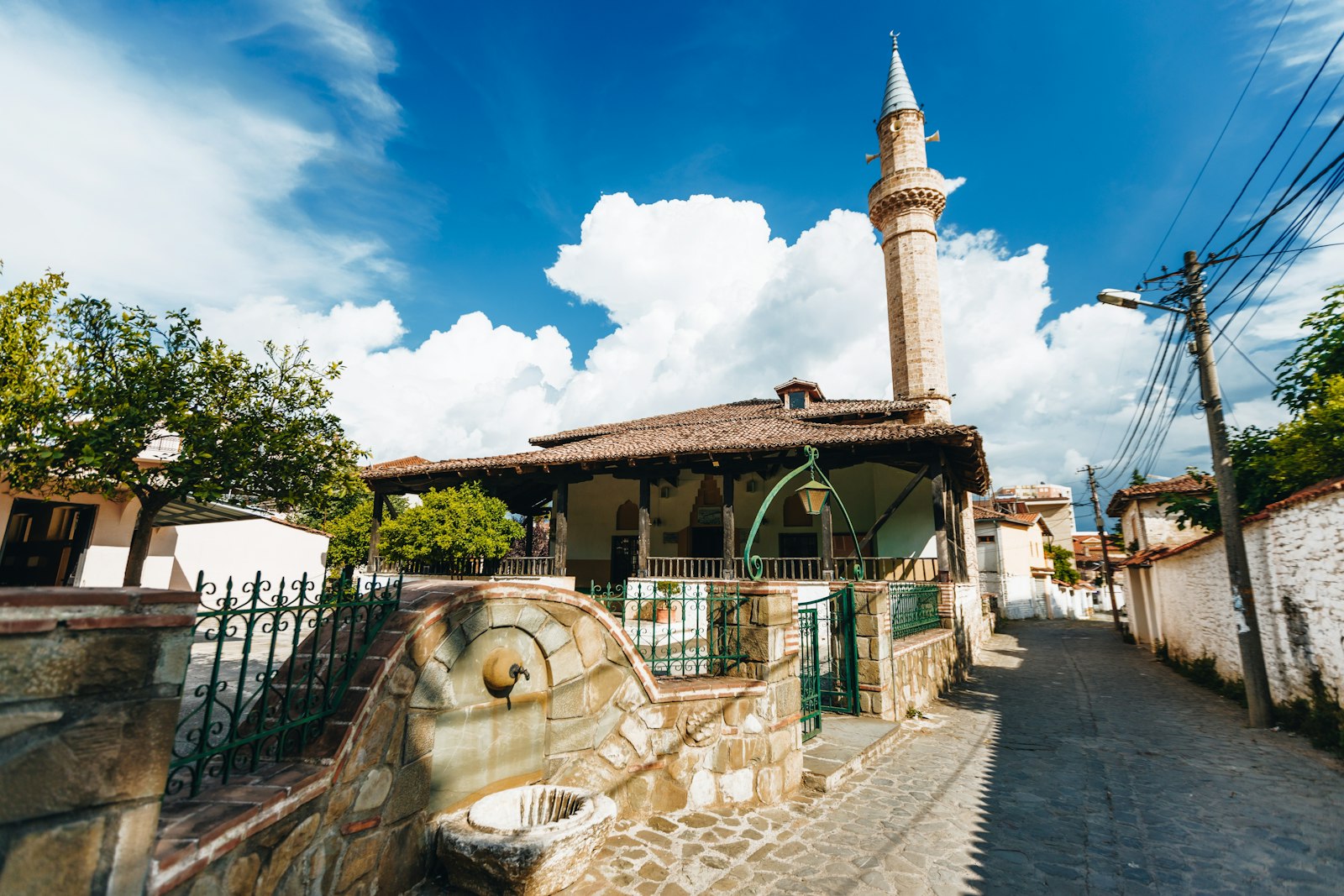
The Old Town, known as the Castle District, features cobbled streets, traditional Ottoman-style houses, the Sahati (Clock Tower) and the remains of Elbasan Castle. The nearby bazaar adds to the atmosphere, offering local crafts and everyday life.
The surrounding area, including the Shkumbin River, provides a peaceful setting for walks and relaxation.
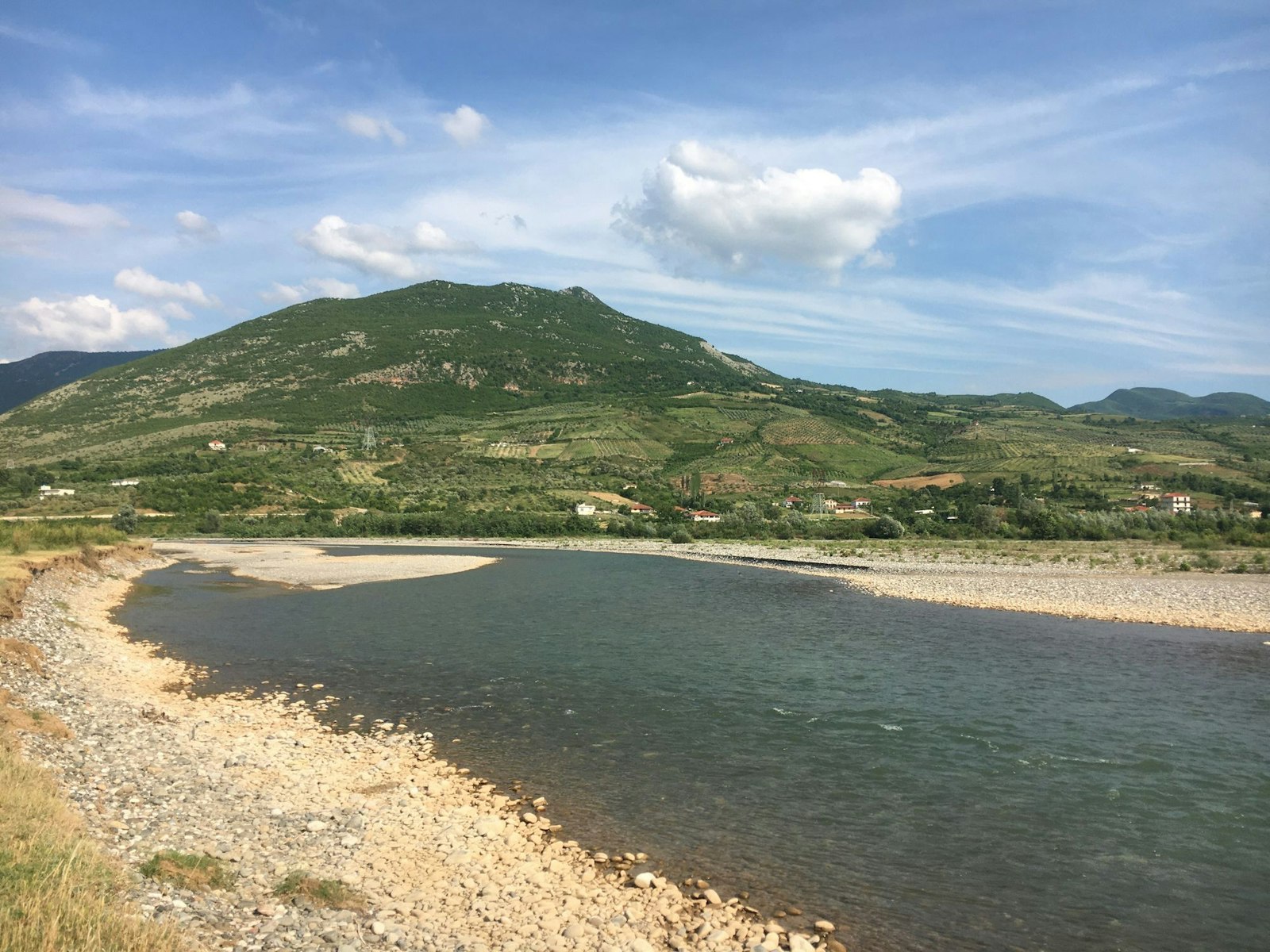
Local restaurants and small eateries offer halal-friendly options, with simple regional dishes widely available.
Hit the road and head east towards Greece to the city of Thessaloniki, about a 5-hour drive.
Thessaloniki
Thessaloniki stretches along the Thermaic Gulf and is Greece’s second-largest city, known for its rich history and layered cultural heritage. Under Ottoman rule from 1430 for nearly five centuries, it was an important centre of Islamic life. Much of this heritage was lost following the population exchanges of the early 20th century, though traces remain across the city.
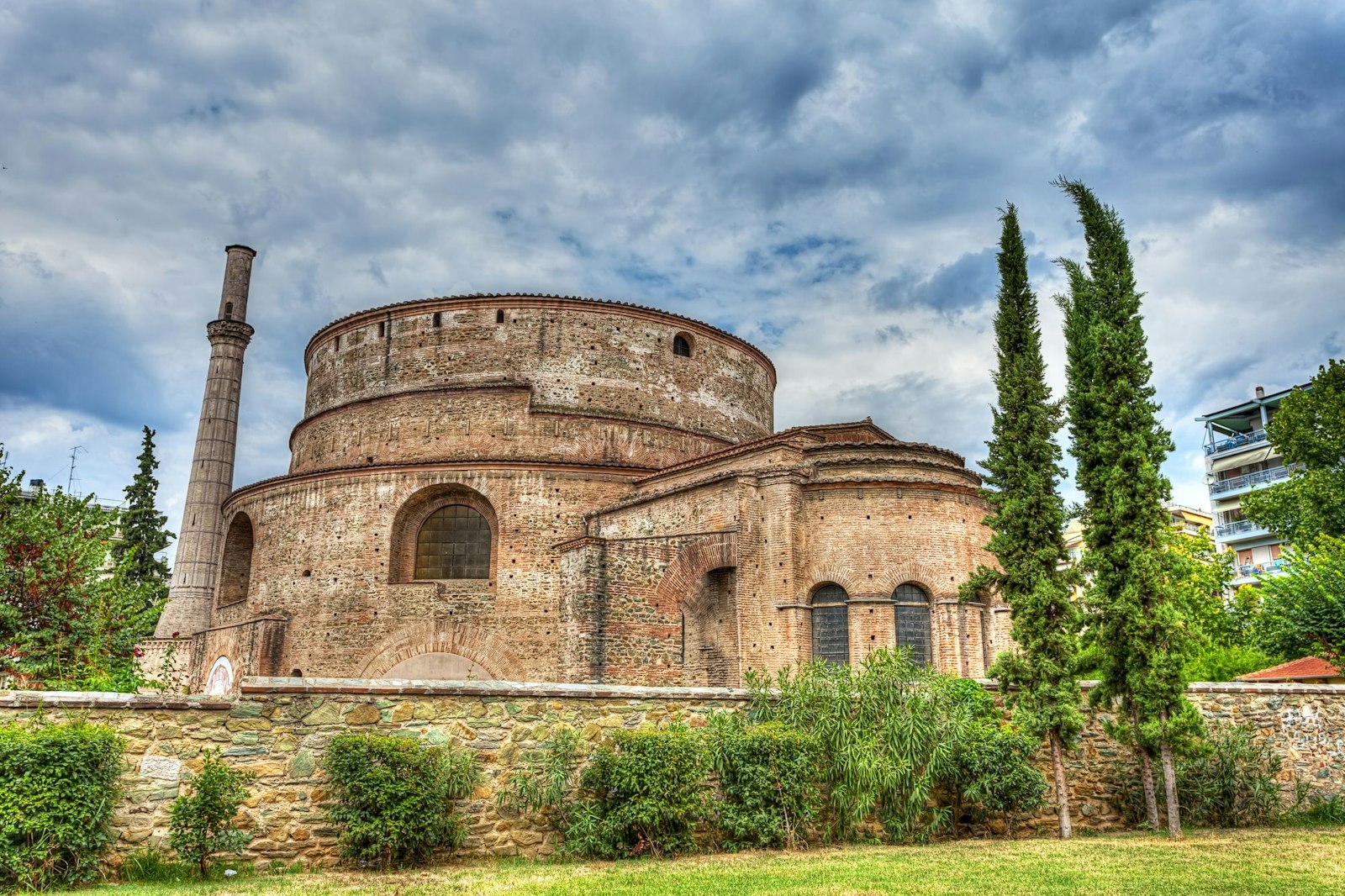
Surviving landmarks include the Hamza Bey Mosque and the Alaca Imaret complex, reflecting the city’s Ottoman past. The Rotunda, which has served as both a church and a mosque, stands as a symbol of Thessaloniki’s diverse history.
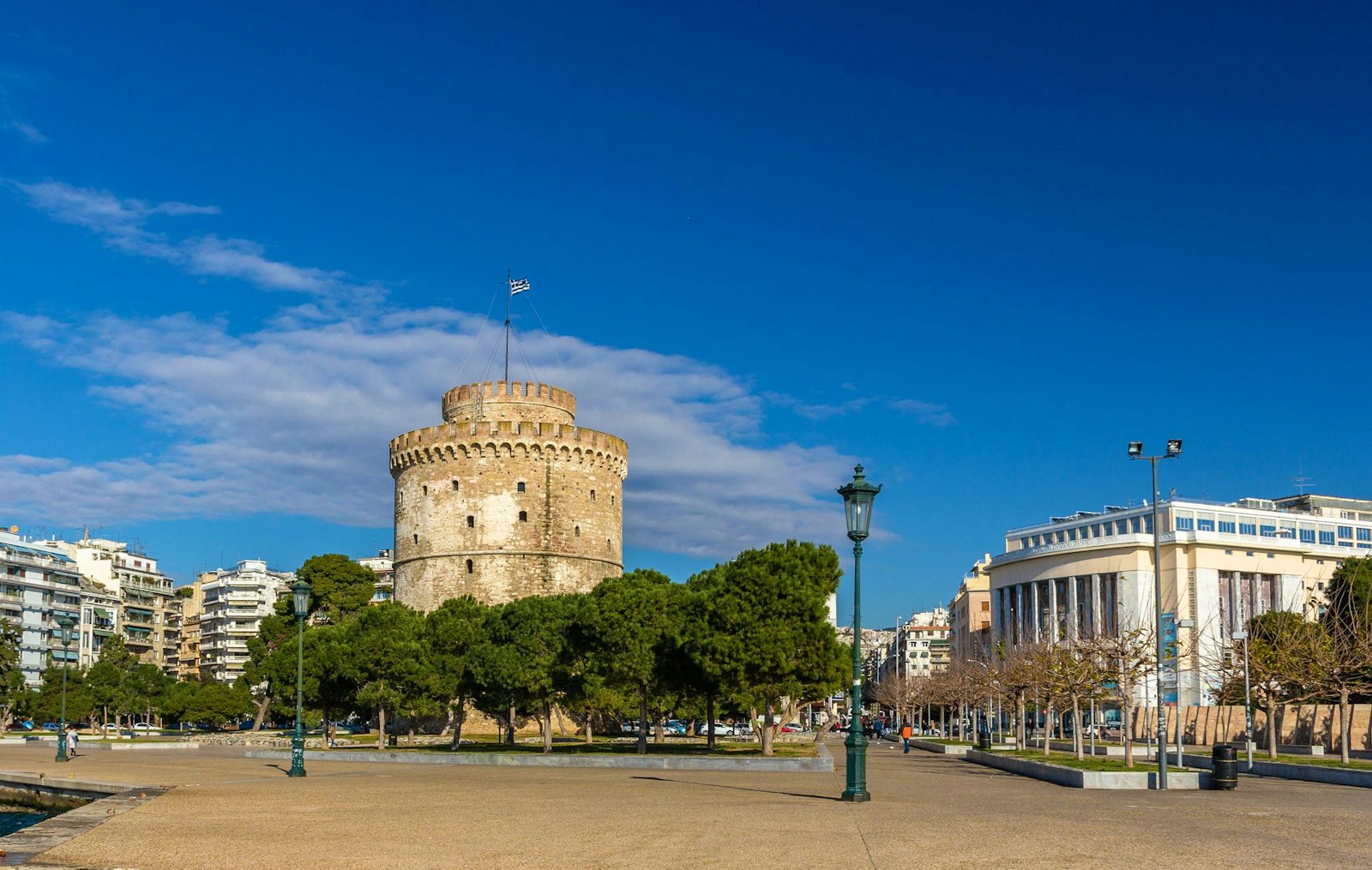
The White Tower, the city’s best-known landmark, offers panoramic views, while Aristotelous Square and the surrounding streets form the lively heart of the city.
Halal options are more limited, though a small number of restaurants offer suitable choices, alongside vegetarian and seafood options that are widely available.
After your stay in Thessaloniki, head east to Komotini - the journey takes 2 hours and 40 minutes.
Komotini
Located on the Thracian plain near the Rhodope Mountains, Komotini is a cultural crossroads where Muslim and Christian communities have lived side by side for centuries. It remains home to a significant Turkish-speaking Muslim minority, giving the city a distinct identity in Greece.
Key landmarks include the Imaret, dating to around 1360 and considered the oldest surviving Ottoman monument in Europe, the Ottoman Clock Tower and the nearby Yeni Mosque, known for its historic Iznik tiles. With several mosques, including the Eski Mosque, Komotini has retained much of its Islamic heritage.
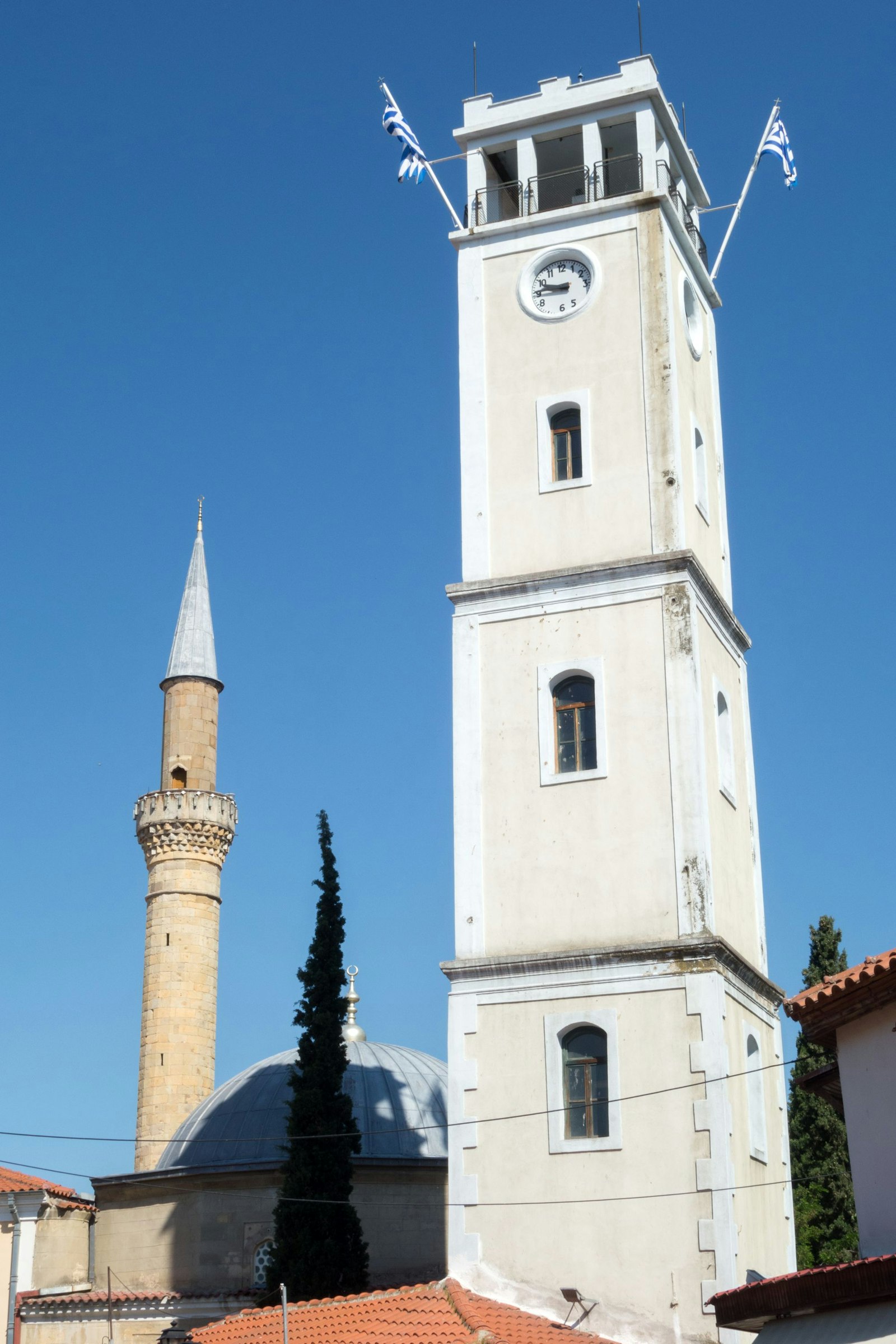
The city centre around Eirini Square is lined with cafés and local shops, while museums such as the Folklore and Archaeological Museums reflect its multicultural past.
The surrounding region offers natural highlights, including the Rhodope Mountains and the Evros Delta, a protected wetland known for its birdlife.
Local restaurants and small eateries offer halal-friendly options, particularly within the Muslim community, alongside simple regional dishes.
Next on your journey is a 45-minute drive to Alexandroupoli.
Alexandroupoli
Located at the crossroads of Europe and Asia, Alexandroupoli is a coastal city that blends maritime charm with a diverse cultural heritage.
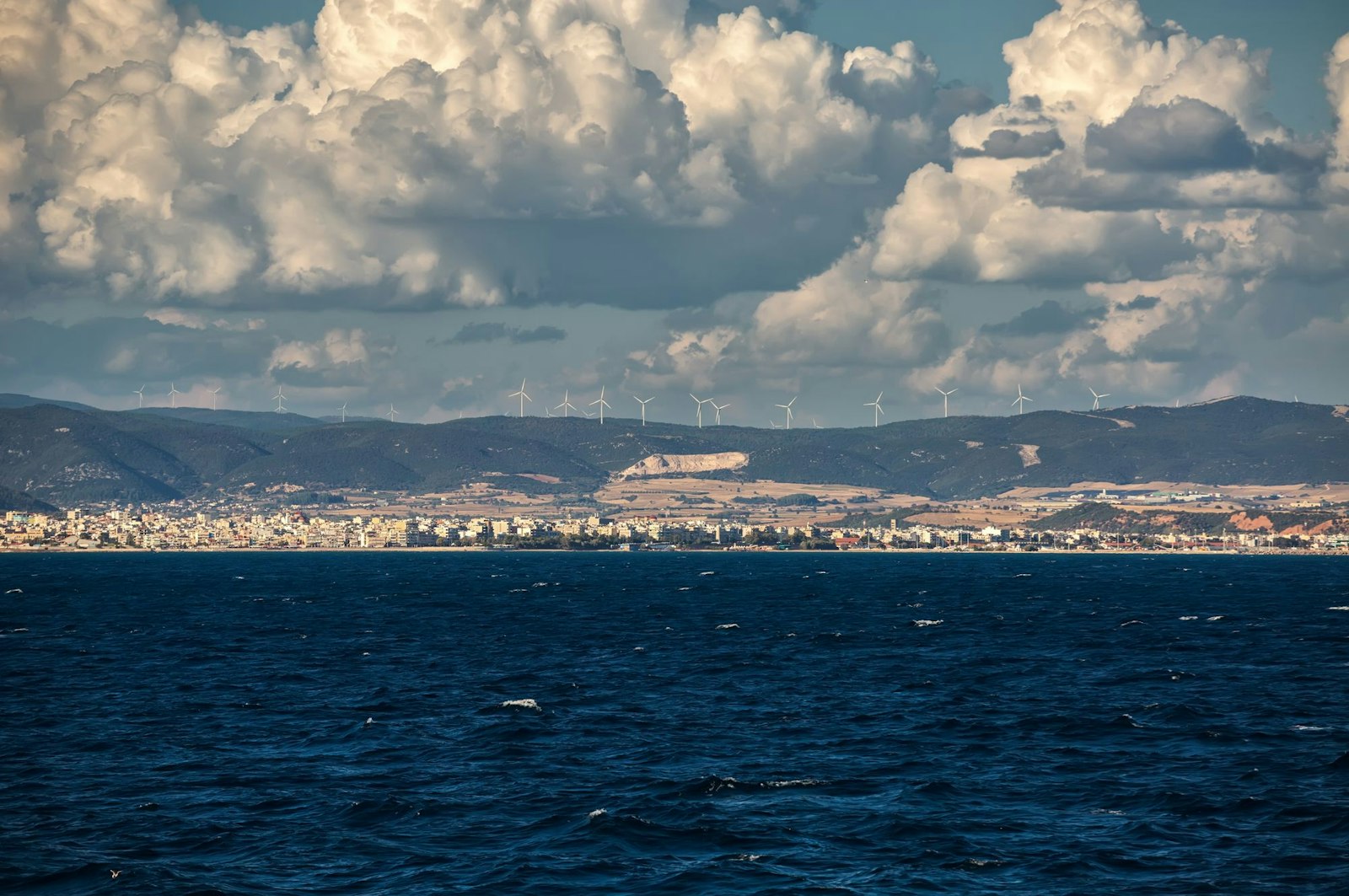
The city has Ottoman-era roots, with the Alexandroupoli Mosque in the centre serving as a reminder of its Islamic past, alongside other places of prayer.
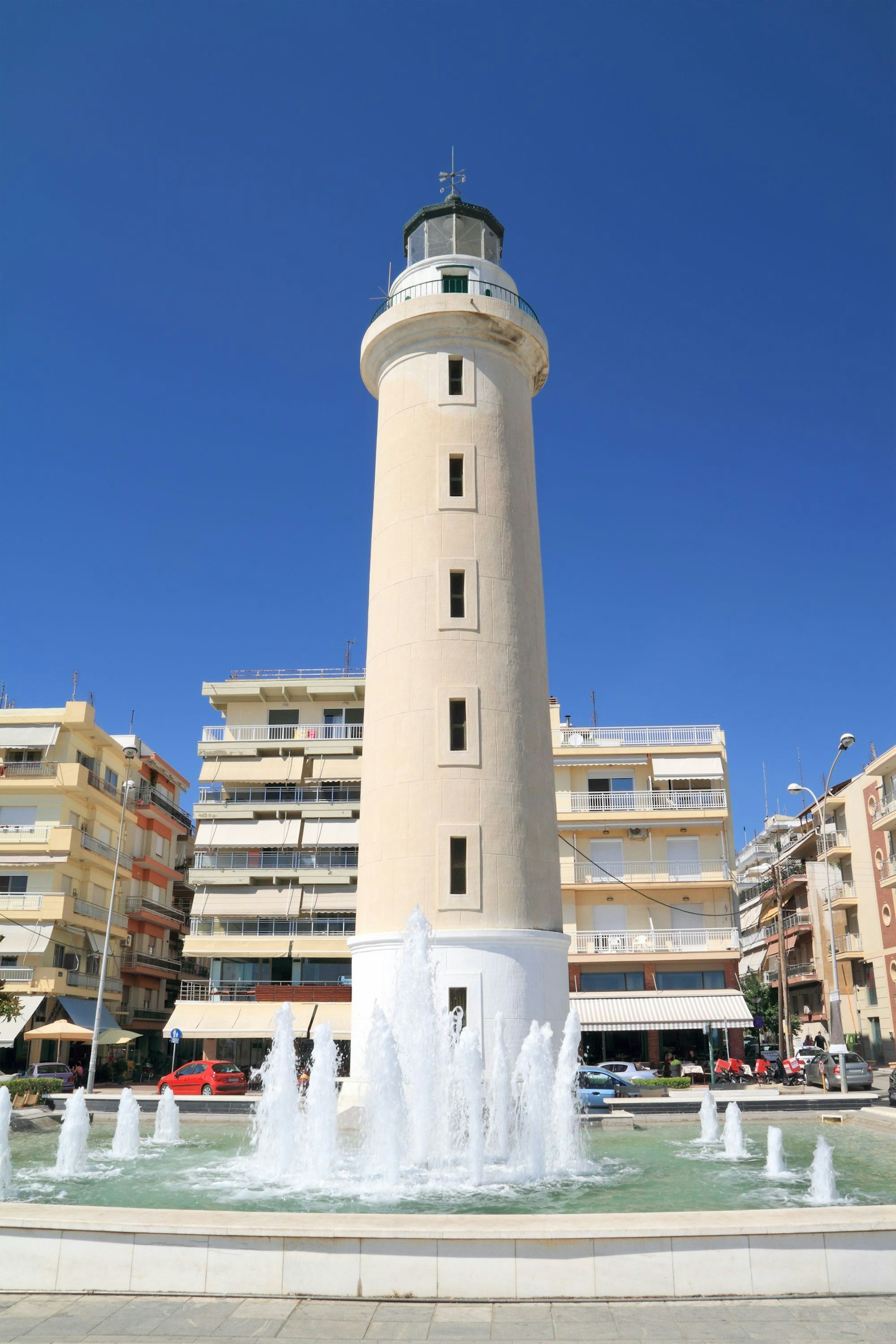
Cultural highlights include the Ethnological Museum of Thrace and the Municipal Art Gallery, while the city’s lighthouse and seafront promenade offer scenic views along the coast.
Alexandroupoli Beach stretches along the shoreline with clear waters and a relaxed atmosphere.
The city offers a variety of Greek and Mediterranean cuisine, with seafood and vegetarian dishes widely available. Halal options are more limited, though some restaurants may offer suitable choices.
From Alexandroupoli, cross the border into Türkiye and continue to the next stop on our road trip, Ipsala, around 50 minutes away.
As you reach Türkiye for the final stops on this epic Sıla Yolu, you can reflect on the life-enhancing experiences you have enjoyed en route and the rich Ottoman history which you have discovered on the way!
Ipsala
Ipsala, located in Edirne Province near the Greek border, is a small town often passed through on the final stretch into Türkiye. It offers a brief introduction to the region’s landscapes and local life.
The town has a modest centre with mosques and local markets, reflecting its everyday character. Among them, the Alaca Mustafa Pasha Mosque is a notable Ottoman-era landmark, adding a historical layer to this otherwise quiet stop.
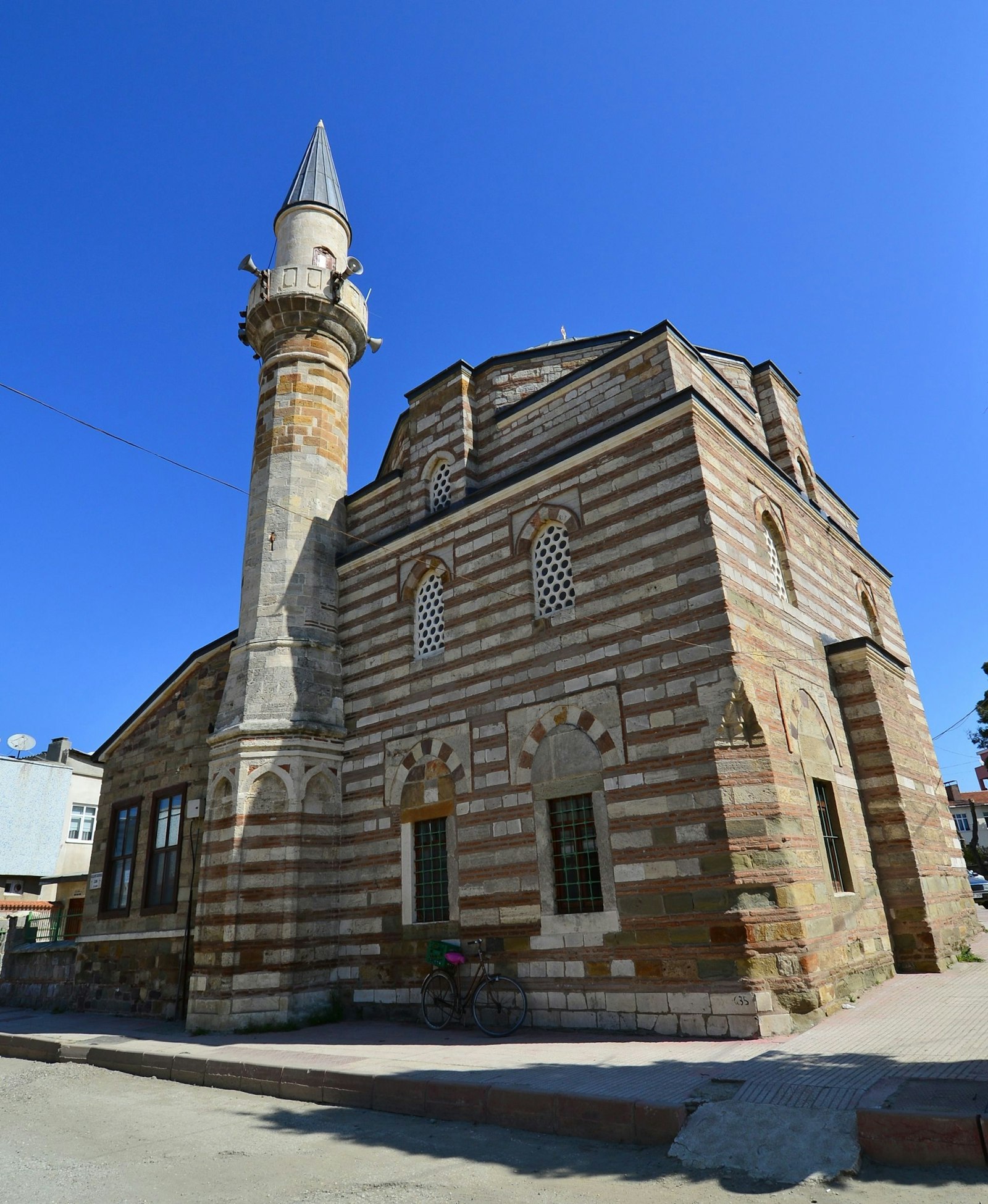
The remains of Ipsala Fortress, once part of the region’s defensive network, reflect its former strategic role along this border corridor.
The nearby Meriç River provides a peaceful setting for a short stop, with views across the surrounding plains.
Ipsala is also well connected to Edirne, where travellers can explore major Ottoman landmarks such as the Selimiye Mosque.
Halal food is easily available in small local eateries and shops.
Time for our penultimate destination, Tekirdag – about 1 hour and 30 minutes drive from Ipsala.
Tekirdag
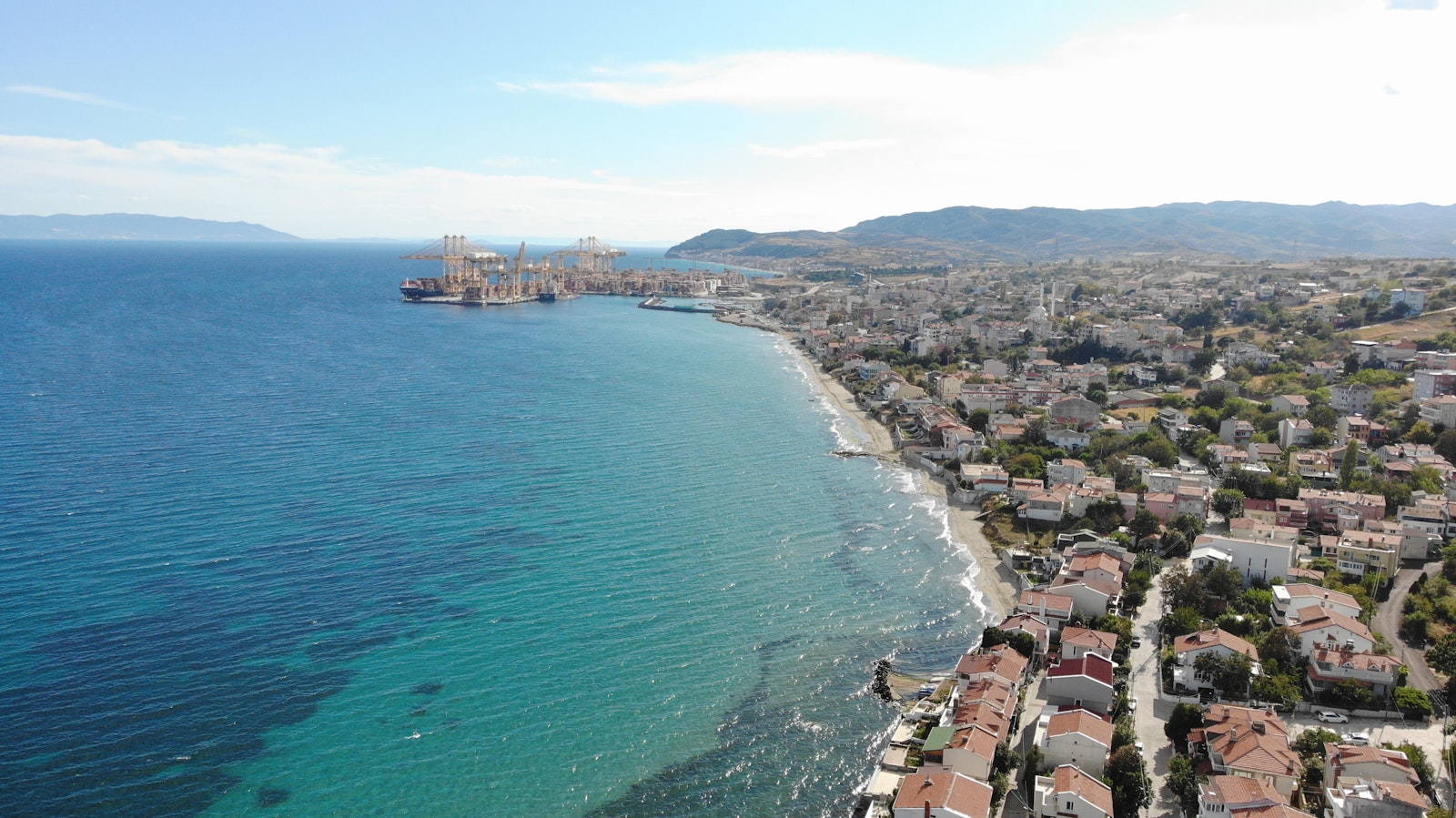
Tekirdag, set along the Sea of Marmara, offers a mix of coastal scenery, history and Ottoman heritage. The city is home to several mosques, including the historic Rüstem Paşa Mosque, reflecting its Islamic character.
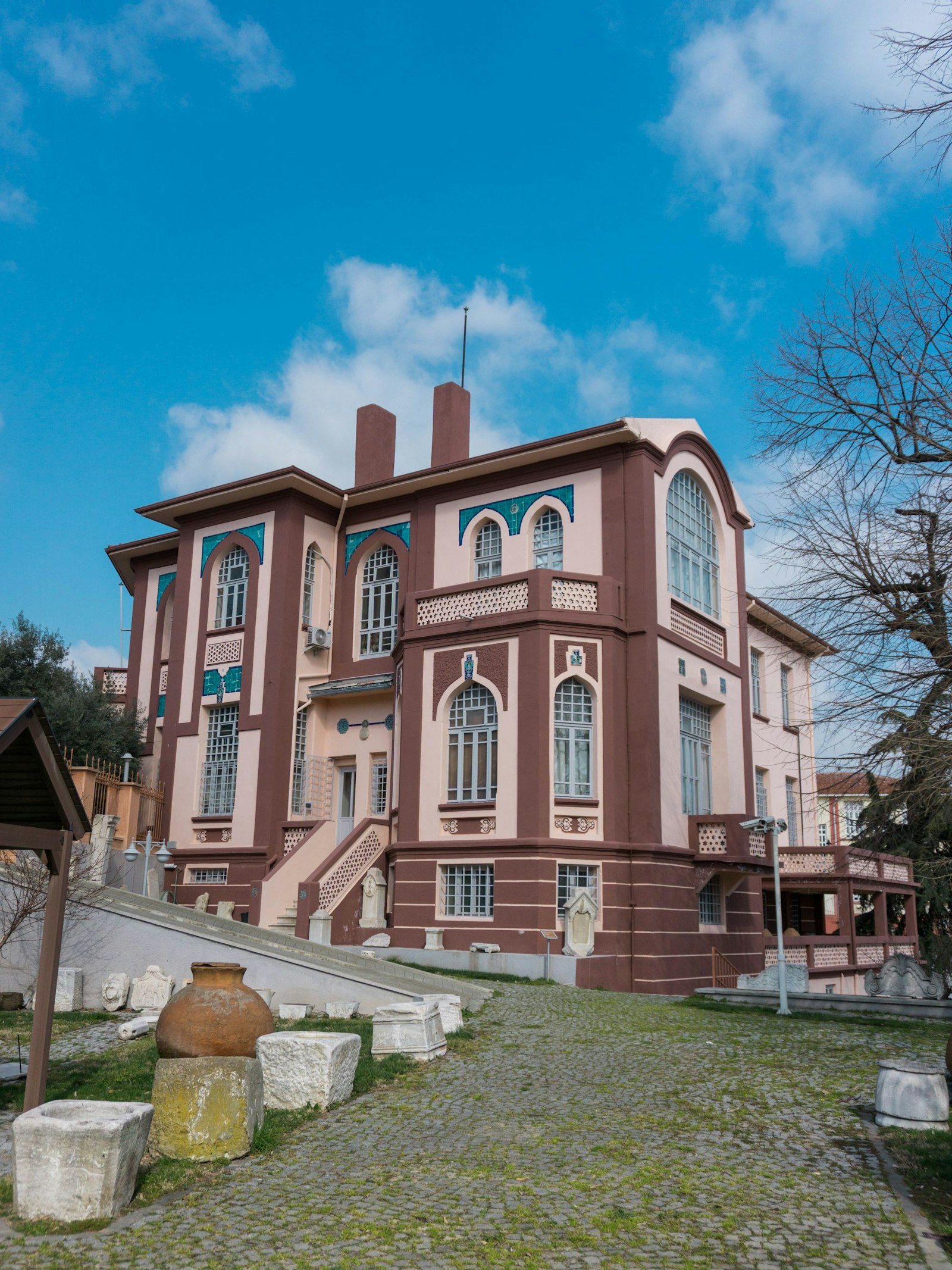
Cultural highlights include the Rakoczi Museum, located in a historic mansion, and the Tekirdag Archaeology and Ethnography Museum, both offering insight into the region’s past.
The seafront and nearby beaches provide space to relax, while Tekirdag City Forest offers a quieter setting for walks and time outdoors.
Halal food is widely available in local restaurants, with a range of traditional Turkish dishes.
It's time for our final destination, Istanbul - a journey of 1 hour and 45 minutes.
Where better to conclude your Sıla Yolu but in the city that served as the capital of three empires? The historic heart of the Roman, Byzantine and Ottoman worlds.
Istanbul
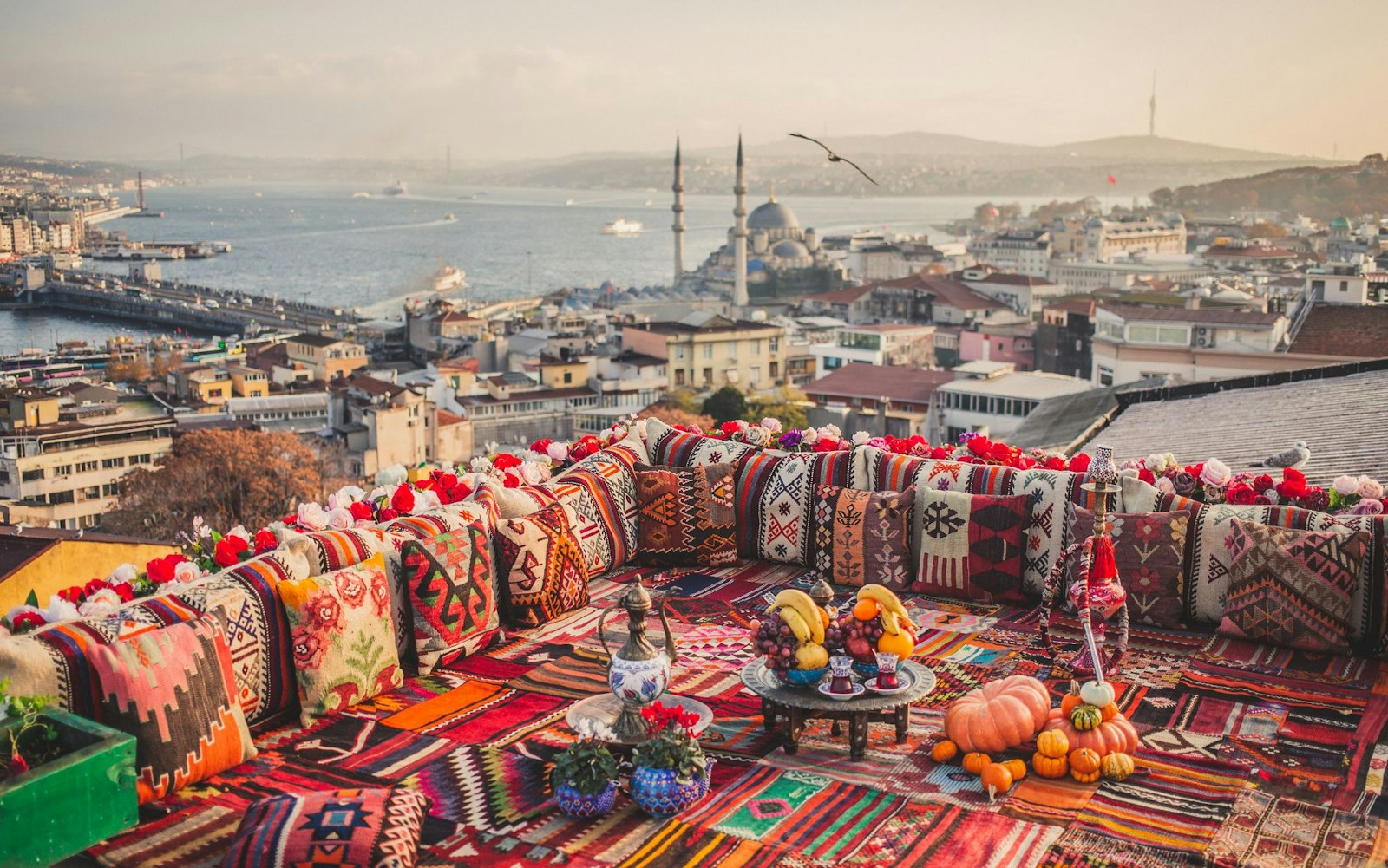
Istanbul, the vibrant metropolis spanning two continents, is one of the most culturally rich cities in the world. Shaped by centuries of Roman, Byzantine and Ottoman history, it remains a place where Islamic heritage is deeply woven into everyday life.
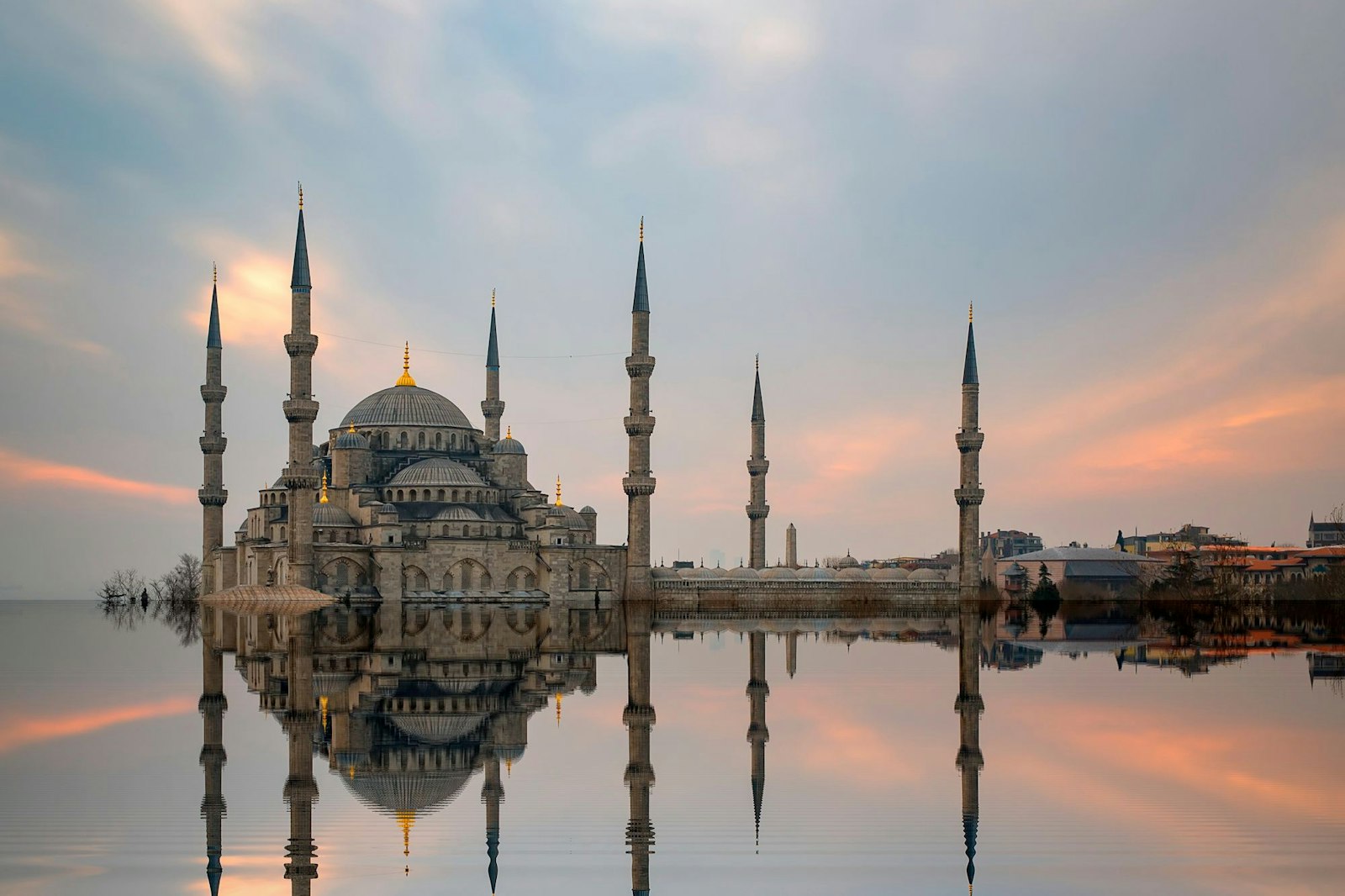
Among its many mosques, the Sultan Ahmed Mosque, known as the Blue Mosque, stands out for its elegant domes and striking blue tiles, while the Süleymaniye Mosque is an enduring symbol of classical Ottoman architecture.
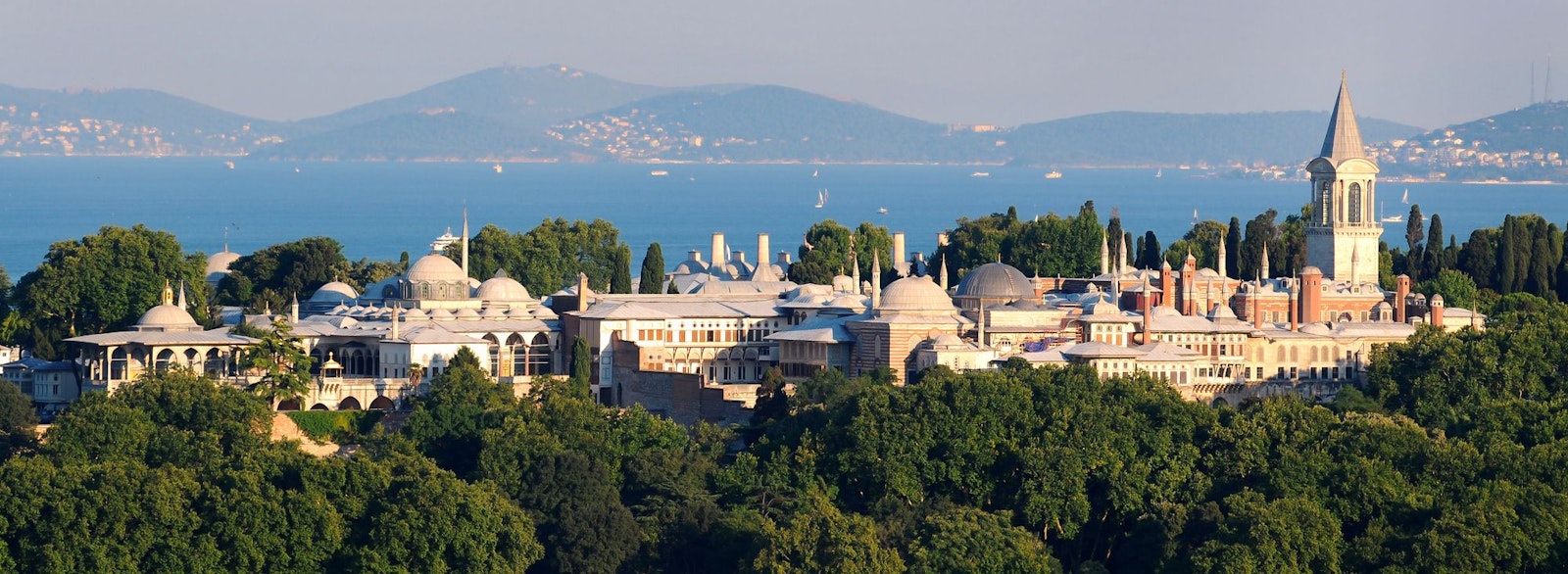
The city is also home to some of the most significant historical landmarks of the Islamic world. Hagia Sophia, now a mosque once again, reflects Istanbul’s layered past, while Topkapi Palace offers insight into Ottoman court life, including a remarkable collection of Islamic relics.
The Grand Bazaar and the Spice Bazaar remain central to the city’s atmosphere, offering a mix of traditional crafts, textiles and spices in settings that have changed little over centuries.
Along the Bosphorus, the city opens up into waterfront views and quieter green spaces, with parks such as Yıldız Park and Emirgan Park providing a contrast to the historic centre.
Halal dining is an integral part of the city, with options ranging from traditional street food to refined Ottoman cuisine. Districts such as Sultanahmet and Beyoğlu are particularly known for their wide choice of restaurants.
To check out our other inspiring road trips and various other articles, visit our blog homepage.