A warm welcome in Sarajevo
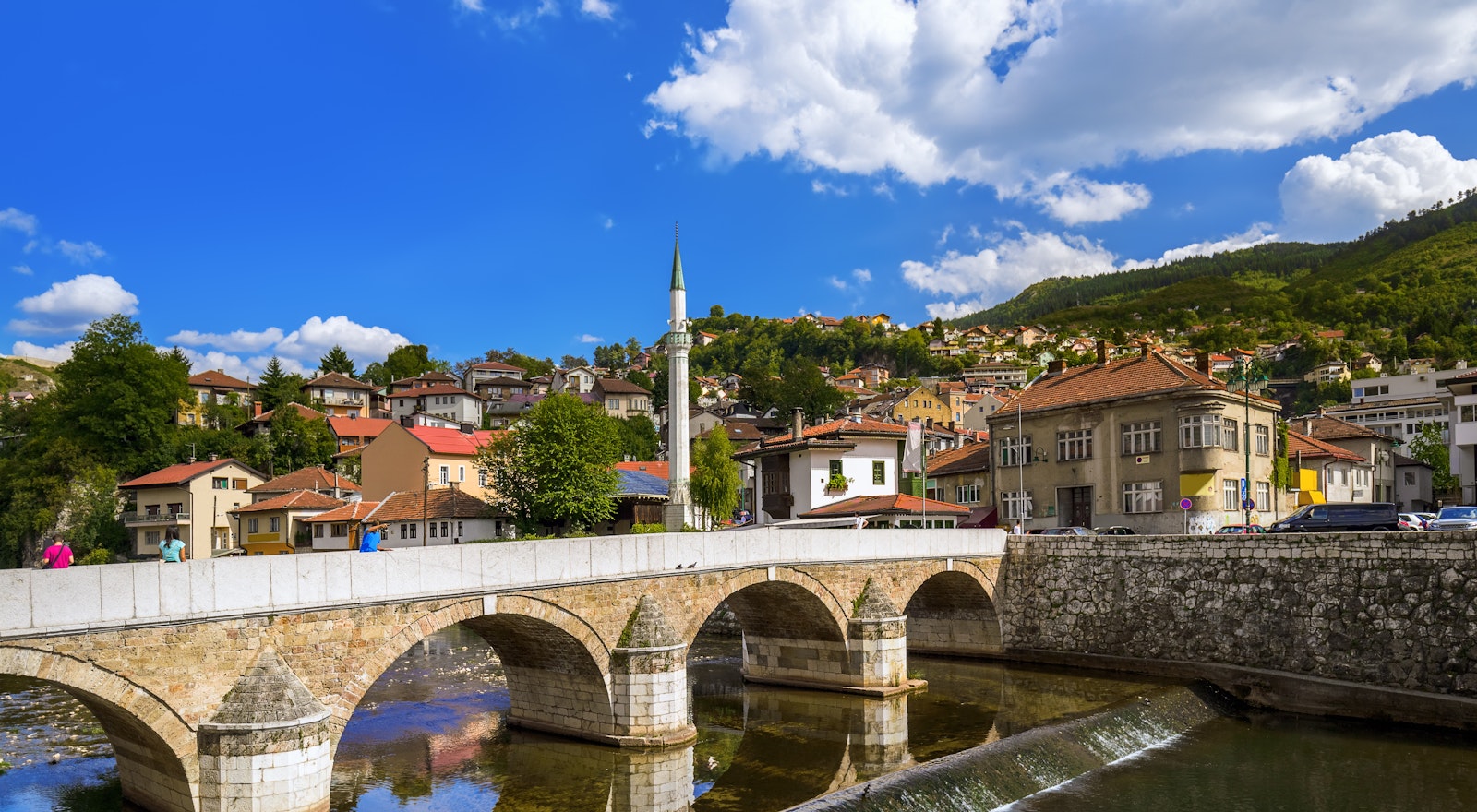
At the crossroads of East and West, Sarajevo is a city where cultures, histories and traditions converge in a way that feels both layered and deeply lived-in. Ottoman mosques, Austro-Hungarian façades and contemporary life coexist within a compact setting, framed by forested mountains that rise just beyond the city streets. This unique blend gives Sarajevo a character that is immediately distinctive, yet quietly understated.
What leaves the strongest impression, however, is not only the city’s rich heritage, but its atmosphere. Daily life unfolds at an unhurried pace, shaped by long-standing traditions of hospitality and community. For Muslim travellers in particular, Sarajevo offers a rare sense of ease - halal food is widely available, mosques are an integral part of the urban landscape, and Islamic heritage continues to shape everyday life.
While Bosnia and Herzegovina has often remained less familiar to European travellers than its coastal neighbours, it has long attracted visitors from Türkiye and the Middle East, drawn by this cultural familiarity and authenticity. Sarajevo’s recent past, marked by the events of the 1990s following the country’s independence, remains an important part of its story. Yet today, the city stands as a place of resilience and renewal, where past and present are closely intertwined, and where visitors are welcomed with a genuine openness that defines the experience of being there.
Together, these elements create a destination that rewards both cultural curiosity and slower exploration.
Why visit Sarajevo
A naturally halal food culture
With just over half the population identifying as Muslim, halal food in Sarajevo is not a niche offering but a natural part of the local dining culture. Many restaurants serve halal by default, and certification is increasingly visible, particularly in the city centre and around Baščaršija, making dining out both effortless and reassuring for Muslim travellers.
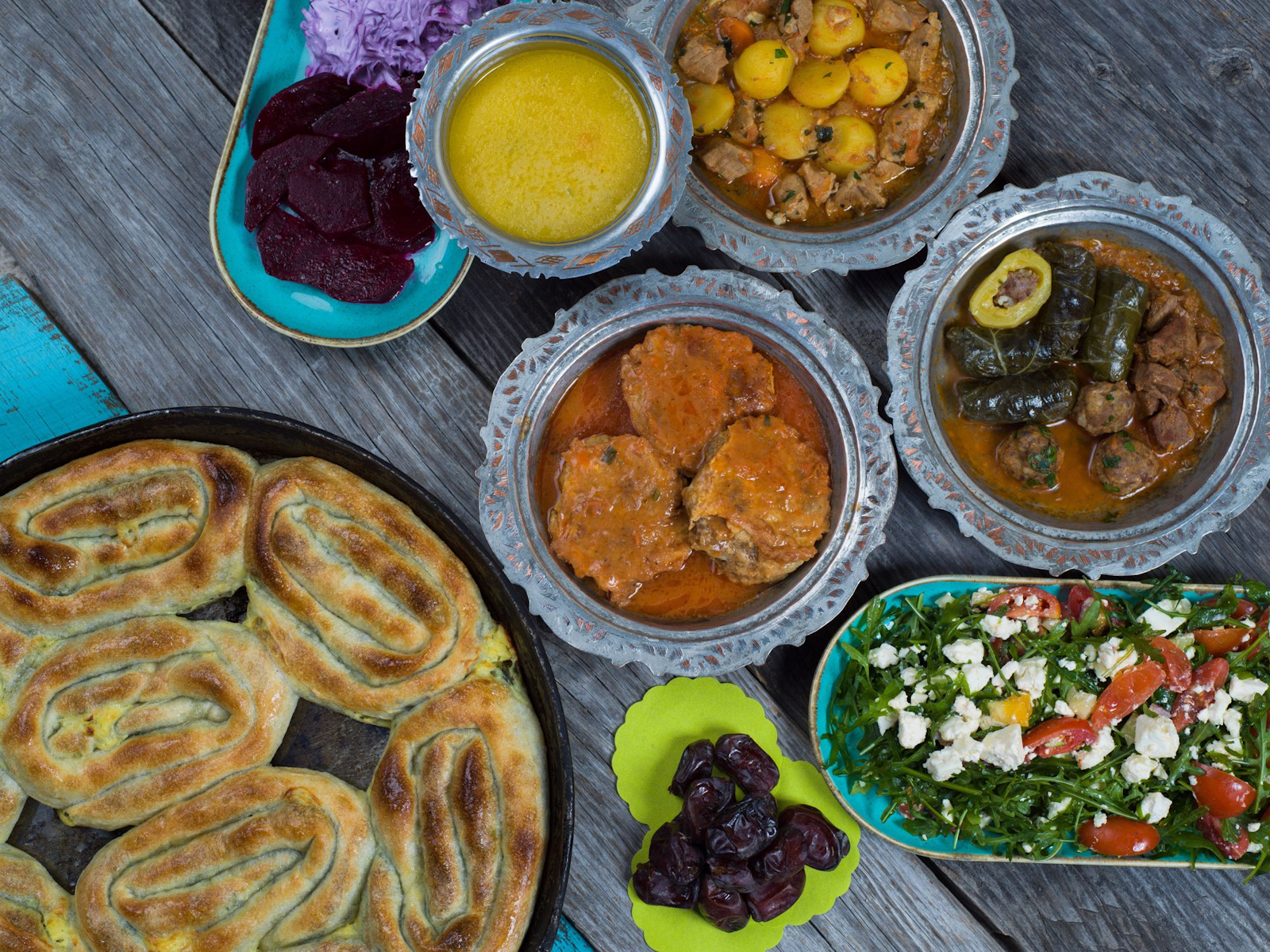
Sarajevo’s cuisine reflects its Ottoman heritage, enriched by regional influences. Ćevapi - grilled minced meat served in soft somun bread - are a staple, often enjoyed in traditional eateries that have been serving the same recipes for generations. Burek, made from thin filo pastry layered and filled with minced meat, remains a cornerstone of Bosnian cuisine, alongside variations with cheese or spinach.
For dessert, baklava and other syrup-soaked pastries are widely available, often prepared in slightly lighter local styles. The experience is completed with Bosnian coffee, served in a džezva with sugar cubes on the side, allowing you to prepare it to your taste. Many cafés provide a relaxed, alcohol-free setting, adding to the city’s ease for Muslim travellers.
Mountain landscapes on the city’s doorstep
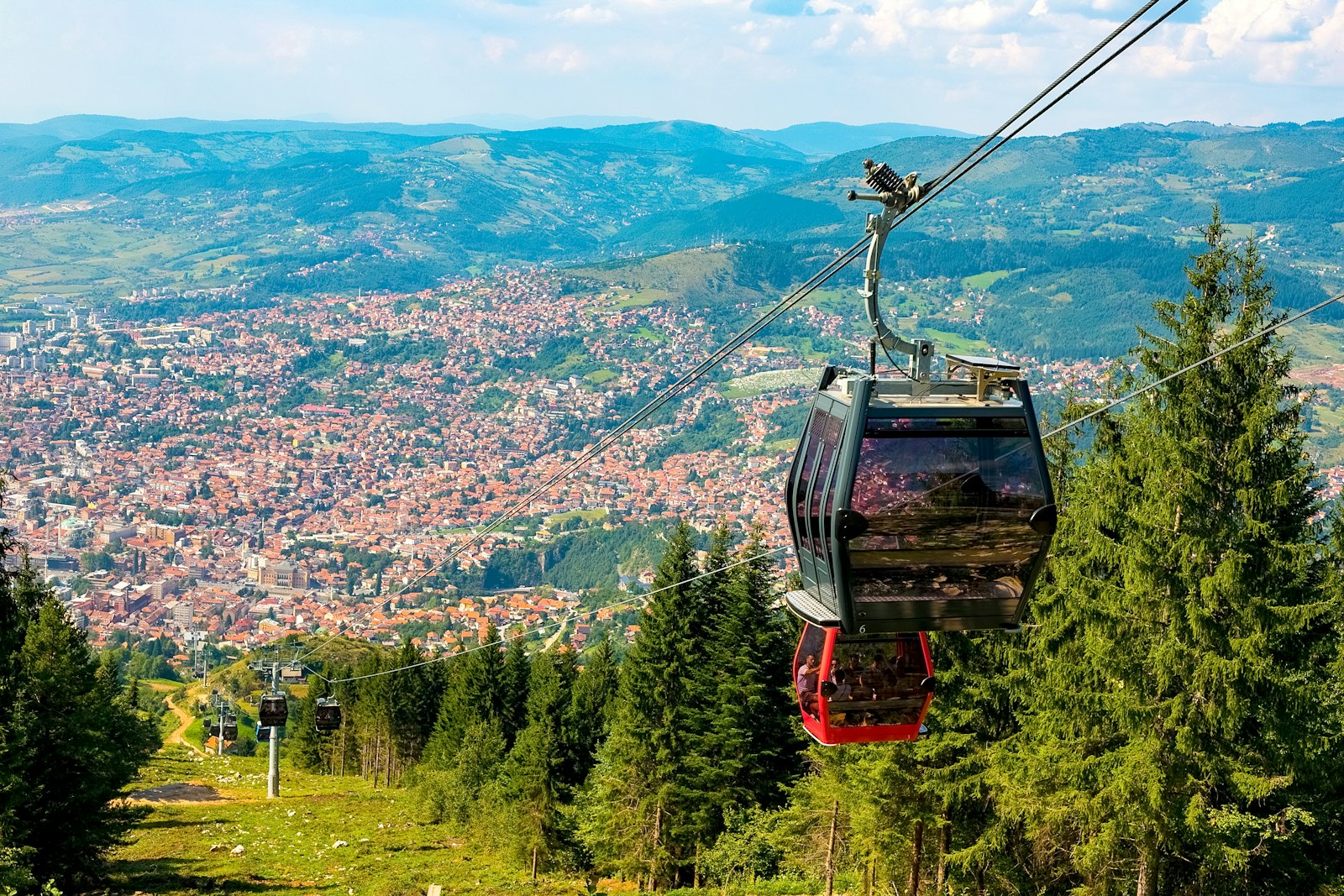
Sarajevo’s setting within a natural amphitheatre of mountains gives it a distinctive character, where urban life and nature are closely intertwined. The cable car to Mount Trebević offers an effortless ascent from the old town to forested slopes, opening onto panoramic views across the city and surrounding peaks. At the top, walking trails and quiet viewpoints provide a calm contrast to the energy below.
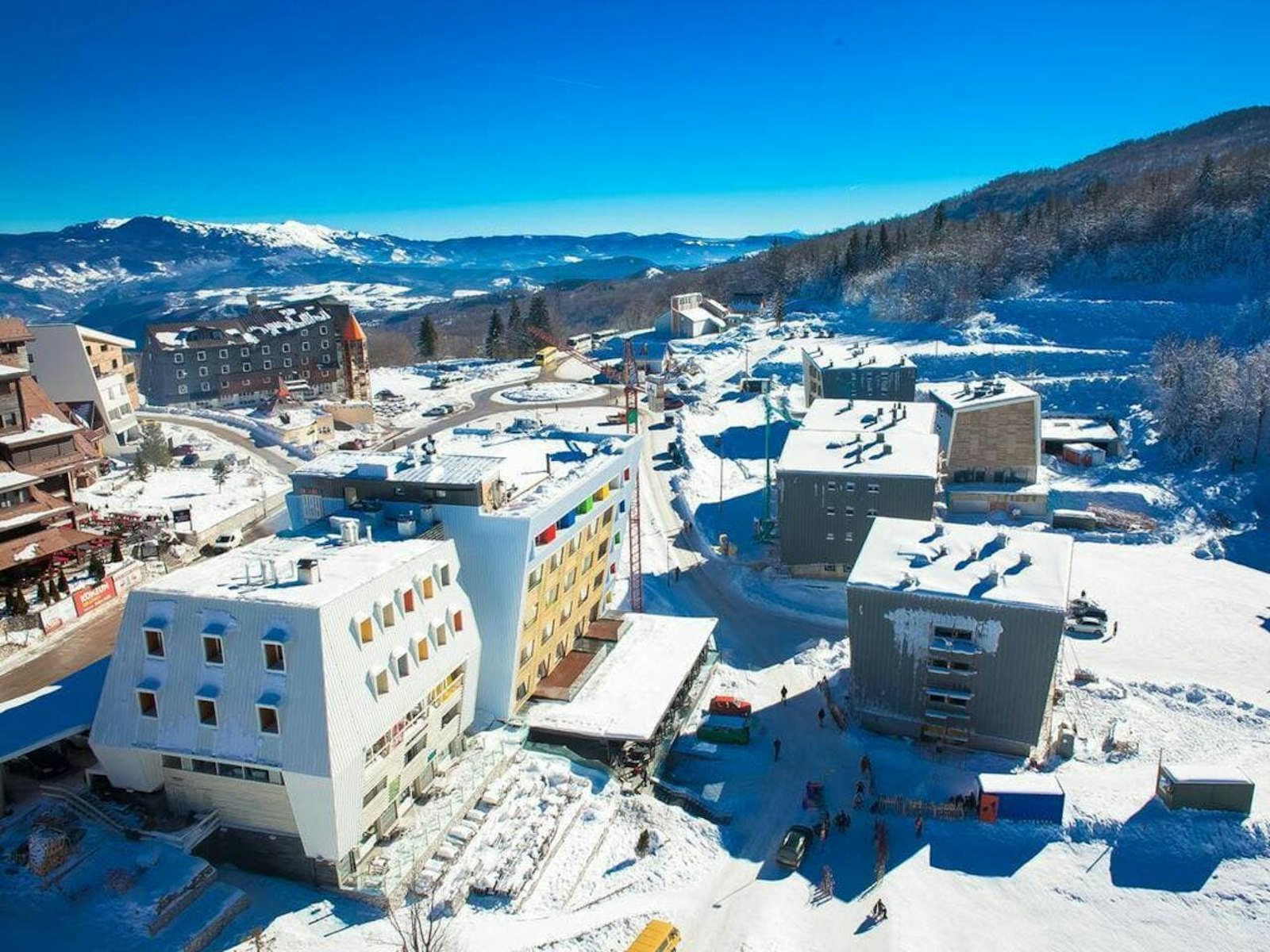
The nearby mountains of Jahorina and Bjelašnica, both venues during the 1984 Winter Olympics, remain key outdoor destinations. In winter, they offer well-developed ski infrastructure, while in summer they become ideal for hiking and mountain biking. The presence of alcohol-free accommodation in these mountain areas further enhances their appeal for halal-conscious travellers.
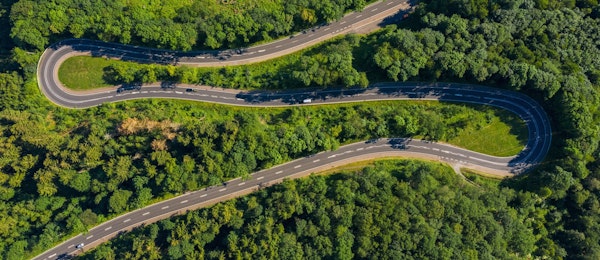
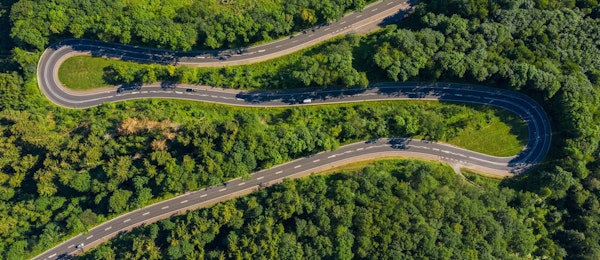
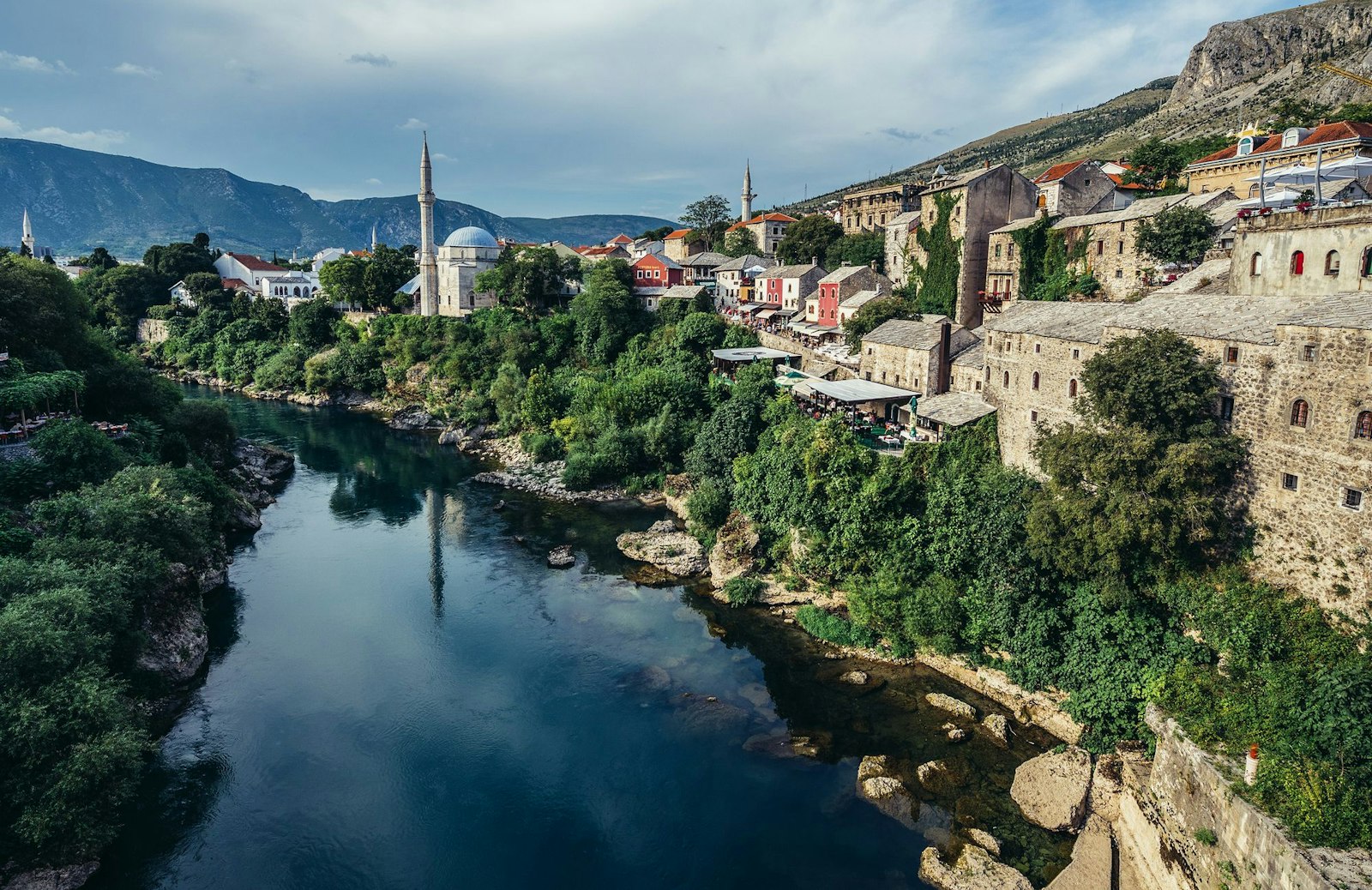
For those wishing to explore further beyond the city, the journey itself becomes part of the experience. The train route to Mostar follows the Neretva River through dramatic gorges and valleys, offering one of the most scenic rail journeys in the region and easy access to other historically rich destinations.
A living Ottoman heritage
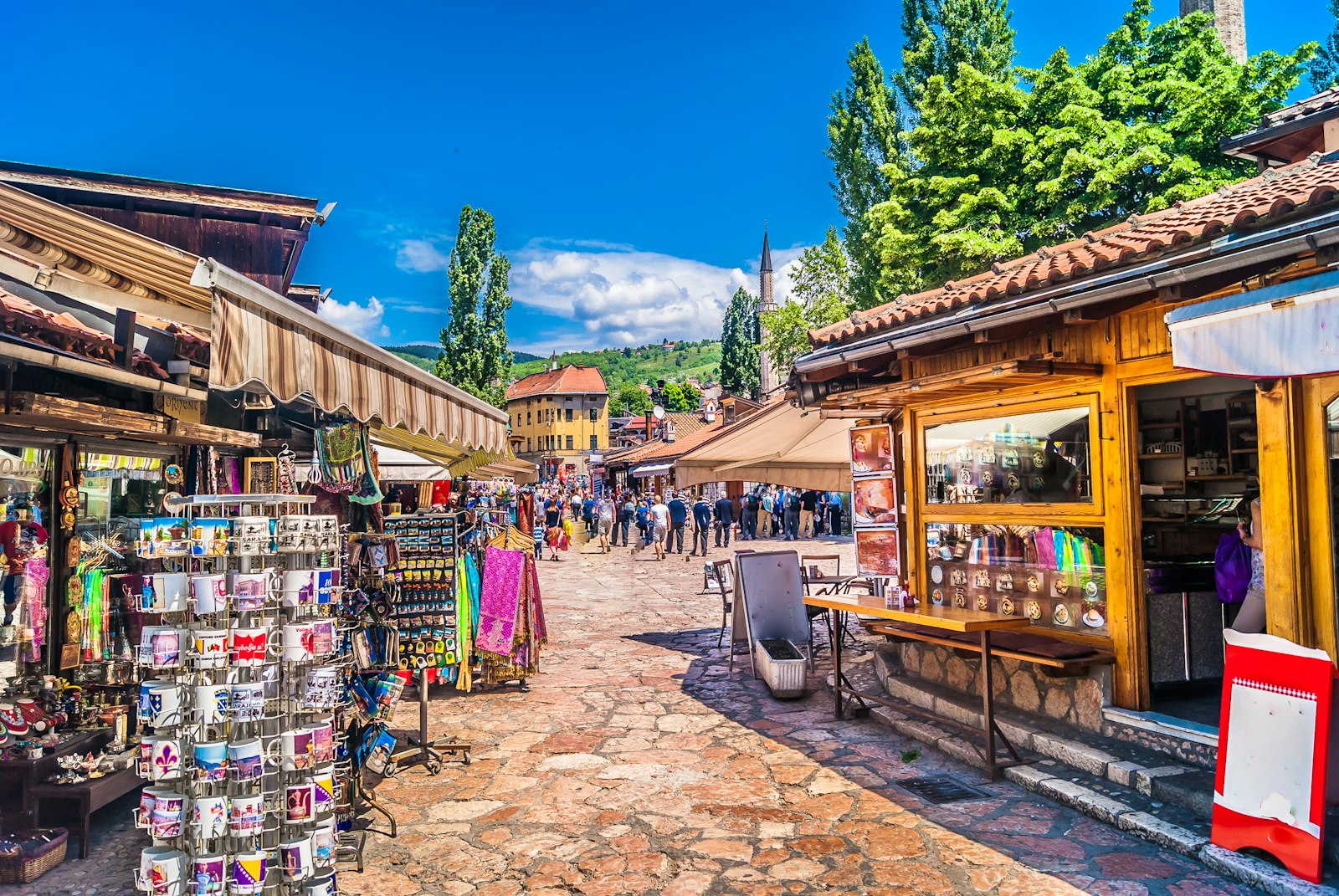
Sarajevo’s old town, Baščaršija, remains one of the most atmospheric and culturally significant areas in the Balkans. Its cobbled streets are lined with traditional workshops, mosques and small eateries, creating an environment where Ottoman heritage is not preserved as a relic, but continues to shape daily life.
At its centre stands the Gazi Husrev-beg Mosque, built in 1531 and still serving as the spiritual heart of the city. Its courtyard, with a central fountain used for ablution, offers a calm and contemplative space, while the adjoining madrasa reflects Sarajevo’s long-standing role as a centre of Islamic learning.
Nearby, the Emperor’s Mosque (Careva džamija) marks the early Ottoman presence in the city, set along the Miljacka River in a quieter and more reflective setting. The preserved Svrzo House offers a rare glimpse into domestic life during the Ottoman period, including traditional layouts designed around family privacy.
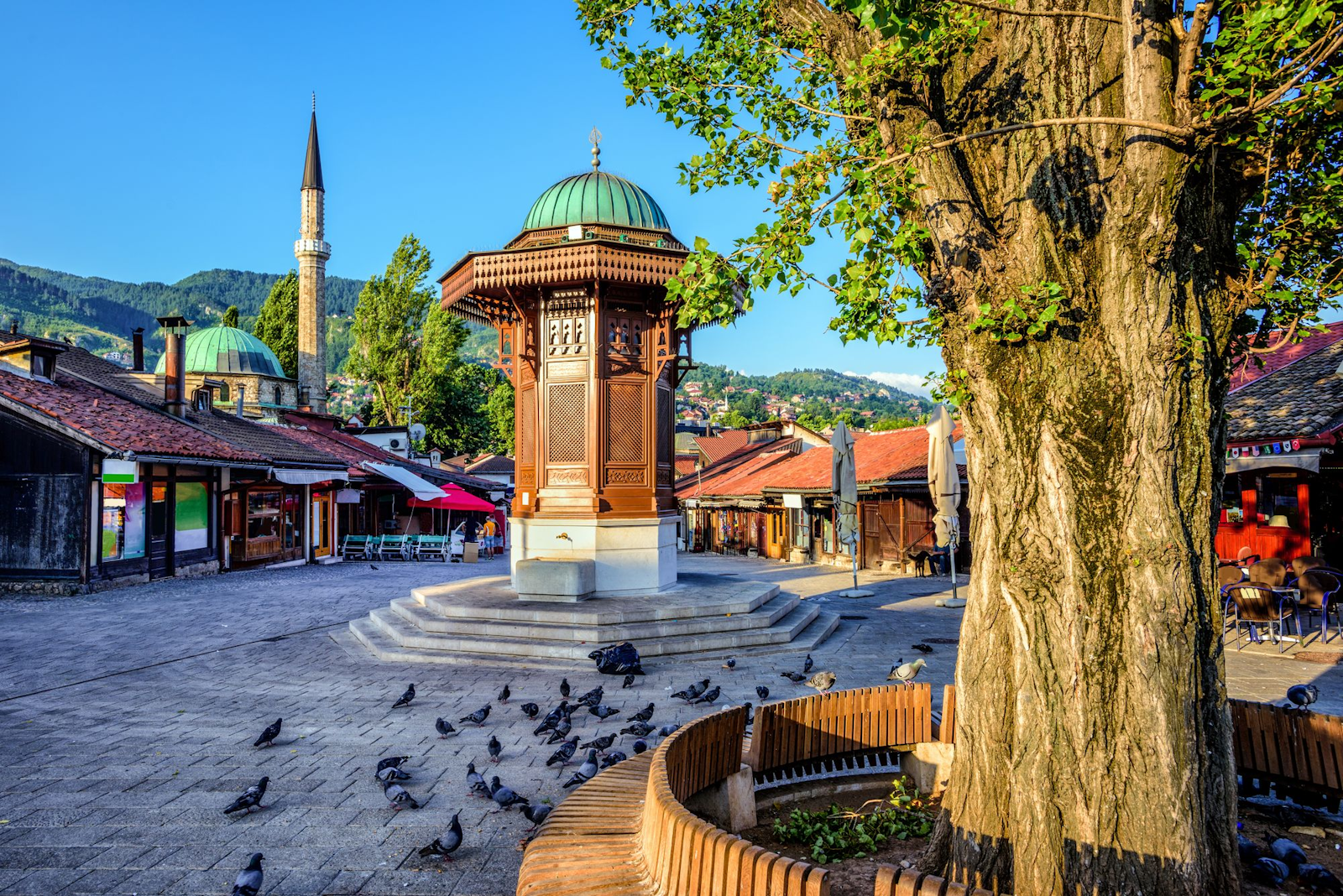
The iconic Sebilj Fountain, with its distinctive wooden structure, remains one of Sarajevo’s most recognisable landmarks. Originally built as a public water source, it reflects the cultural and social values that shaped the city’s development.
For Muslim travellers, Sarajevo offers an environment where access to mosques, prayer spaces and Islamic heritage is both easy and deeply embedded in everyday life.
A recent history that shapes the present
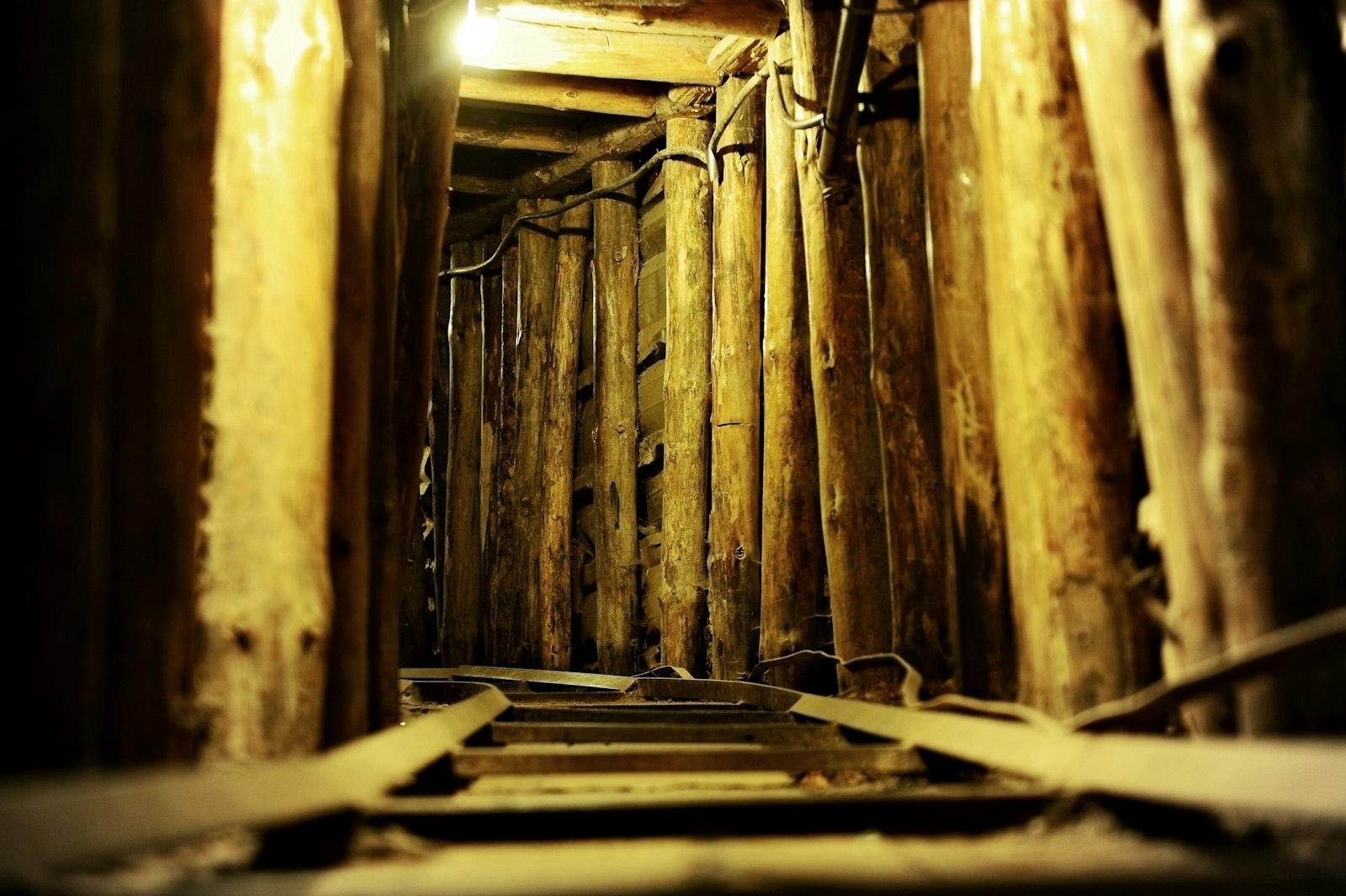
To understand Sarajevo today is to engage with its recent past. The Tunnel of Hope Museum offers one of the most powerful insights into the siege of Sarajevo from 1992 to 1996, during which the city was cut off from the outside world. A preserved section of the tunnel allows visitors to walk through the narrow passage that once served as a lifeline for food, supplies and communication. Combined with personal testimonies and archival material, the experience provides a profound understanding of the resilience of Sarajevo’s residents.
The Kovači Memorial Cemetery offers a place for quiet reflection. Here lies Alija Izetbegović, alongside many who lost their lives during the war. His simple grave, marked with the name “Abdullah” (Servant of Allah), reflects humility and faith, and carries deep significance for many visitors.
For Muslim travellers, these sites offer not only historical context but also a meaningful connection to the experiences of Bosnia’s Muslim community.
Excellent value and a relaxed pace of travel
Sarajevo stands out as one of Europe’s best-value city destinations. The convertible mark (BAM) offers favourable exchange rates, making accommodation, dining and transport notably affordable without compromising on quality.
The city’s compact layout allows for easy exploration on foot, particularly within the historic centre. A reliable tram network runs through the city, while taxis are widely available and inexpensive, making it simple to move between districts.
Shopping in Baščaršija adds another dimension to the experience. Traditional crafts are still produced using time-honoured techniques, particularly along Kazandžiluk (Coppersmith Street), where artisans shape intricate copper items by hand. From decorative coffee sets to ceramics and jewellery, these pieces reflect Sarajevo’s cultural heritage while adding another layer to the experience of visiting the city.
For Muslim travellers, the overall ease of navigating Sarajevo - combined with its halal-friendly environment and strong cultural identity - makes it a destination that is both practical and deeply rewarding.
Where to say in Sarajevo?
Here are some of our top choices:
Pino Nature Hotel, BW Premier Collection - Alcohol-free hotel with fully-secluded women-only spa and private hire indoor pool. Set amidst pristine scenery, it serves only halal food and some rooms have a fully-secluded jacuzzi.
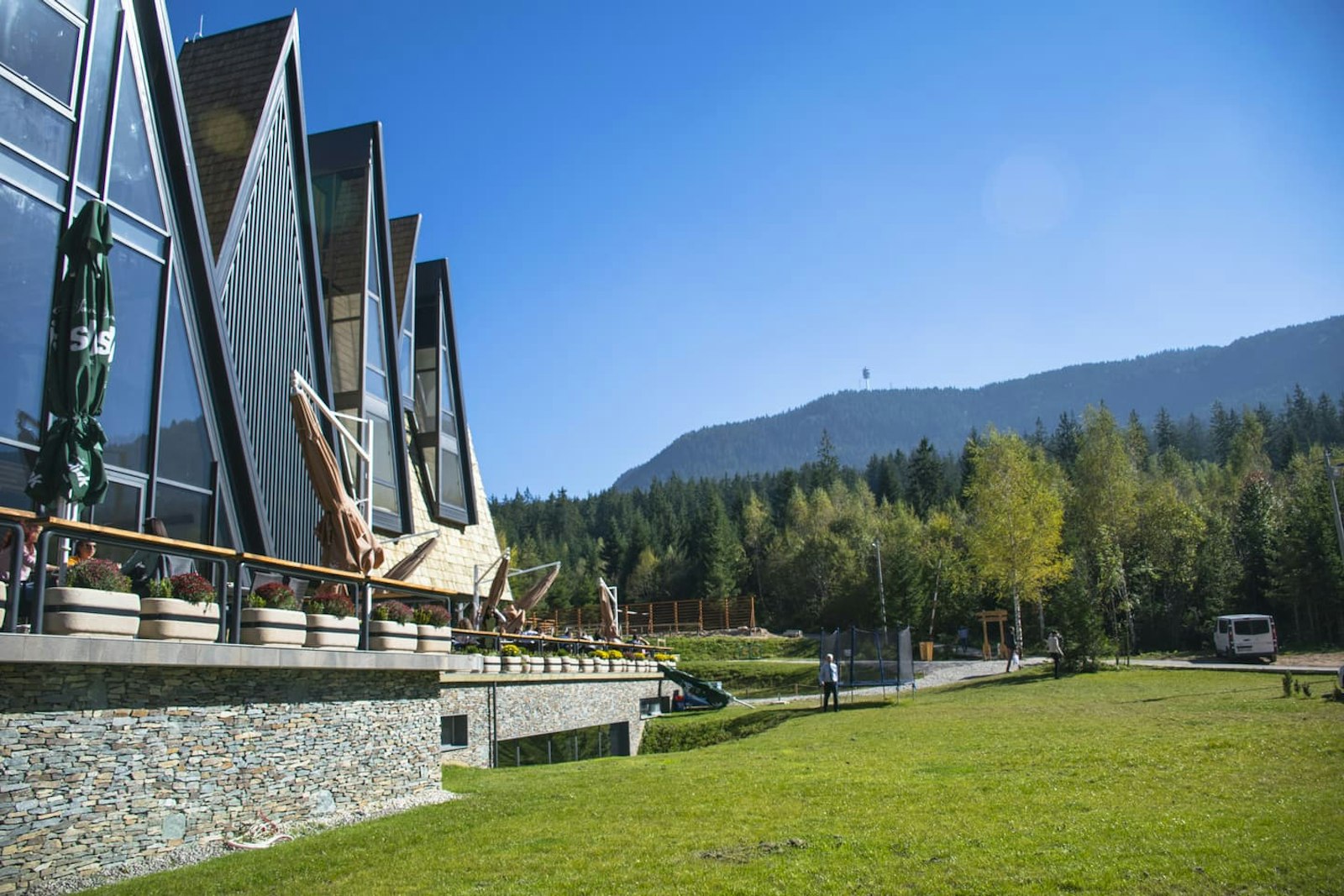
Hotel Han Bjelasnica - Idyllic alcohol-free ski hotel set in a breathtaking mountain landscape, serving only halal food. Offers spa facilities for private hire and comfortable rooms with panoramic views.
Explore our blog to dive deeper into everything this stunning country has to offer: Bosnia and Herzegovina - hidden gem of the Balkans and Road Trips with Halalbooking: Bosnia & Herzegovina.