Central Europe: where Ottoman legacies meet modern Muslim-friendly travel
Central Europe offers a richly layered travel experience, where grand imperial cities, striking architecture and vibrant cultural life come together across a compact and easily navigable region. From the riverside elegance of Budapest to the historic grandeur of Vienna, the relaxed charm of Bratislava and the timeless beauty of Prague, each city reveals its own distinct character, shaped by centuries of artistic, political and cultural exchange.
Within this broader European narrative, traces of Ottoman influence remain subtly woven into the region’s history, adding an additional dimension to the experience for Muslim travellers. Combined with a growing range of halal dining options, mosques and prayer facilities, these cities are increasingly accessible, offering a journey that brings together cultural discovery, historical depth and the ease of modern travel.
Budapest: Ottoman legacies and thermal traditions
Set along the banks of the Danube, Hungary's Budapest is one of Central Europe's most striking capitals, defined by its sweeping river views, elegant bridges and a cityscape where historic grandeur meets a lively, contemporary atmosphere.
The Hungarian Parliament Building - completed in 1902 with a 96-metre dome symbolising the year 896 when the Magyar tribes first settled in Hungary, and one of the largest parliament buildings in the world - stands as the city's most iconic landmark. Nearby, the fairytale-like Fisherman's Bastion, built between 1895 and 1902 with seven towers representing Hungary's founding chieftains, offers sweeping views across the Danube, while the historic Buda Castle, whose origins stretch back to the 13th century, anchors the skyline from the opposite bank.
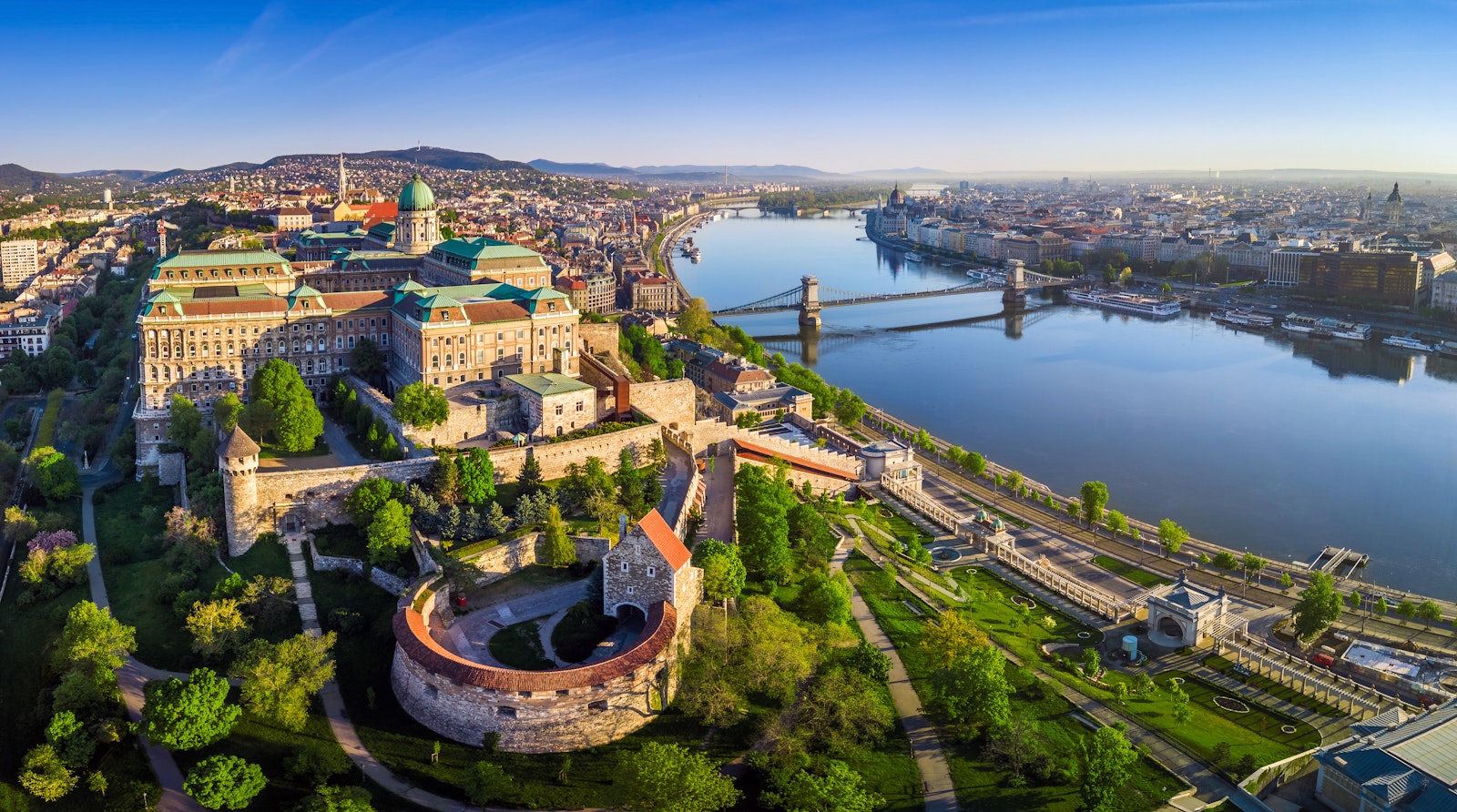
Together, these landmarks - all part of the UNESCO-listed Banks of the Danube - reflect the city's imperial past, while wide boulevards and café-lined streets give it a distinctly refined, yet approachable character.
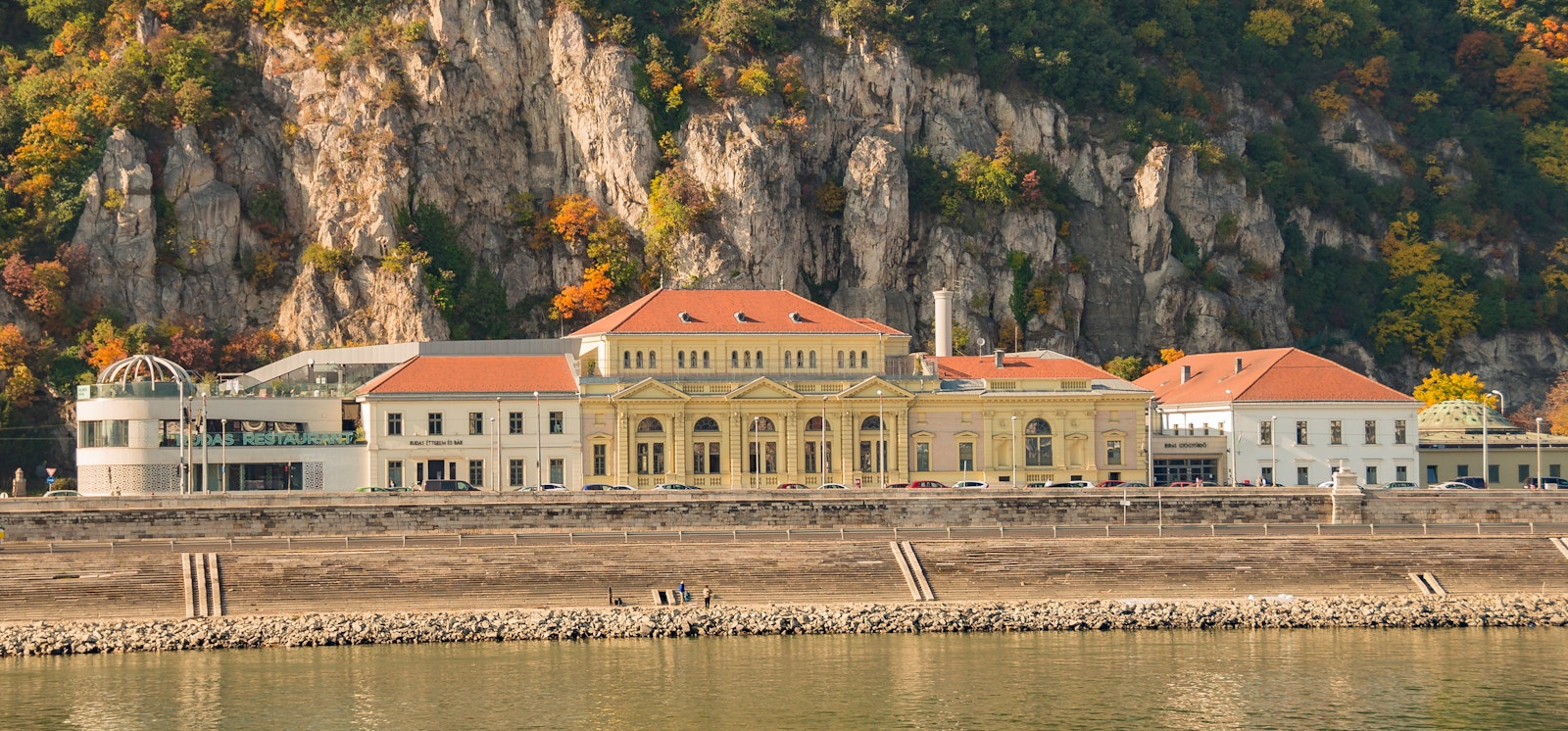
Among these layers of history, the legacy of Ottoman rule remains quietly but distinctly present, most notably in Budapest’s renowned thermal bath culture. Introduced and developed during the 16th and 17th centuries, bathhouses such as Rudas - and Király, currently closed for restoration - still retain key elements of their original Ottoman design, with domed ceilings, geometric layouts and softly lit pools creating an atmosphere that feels both historic and timeless. These spaces continue to be an integral part of daily life in the city, offering not only relaxation but also a tangible connection to this period of cultural exchange.
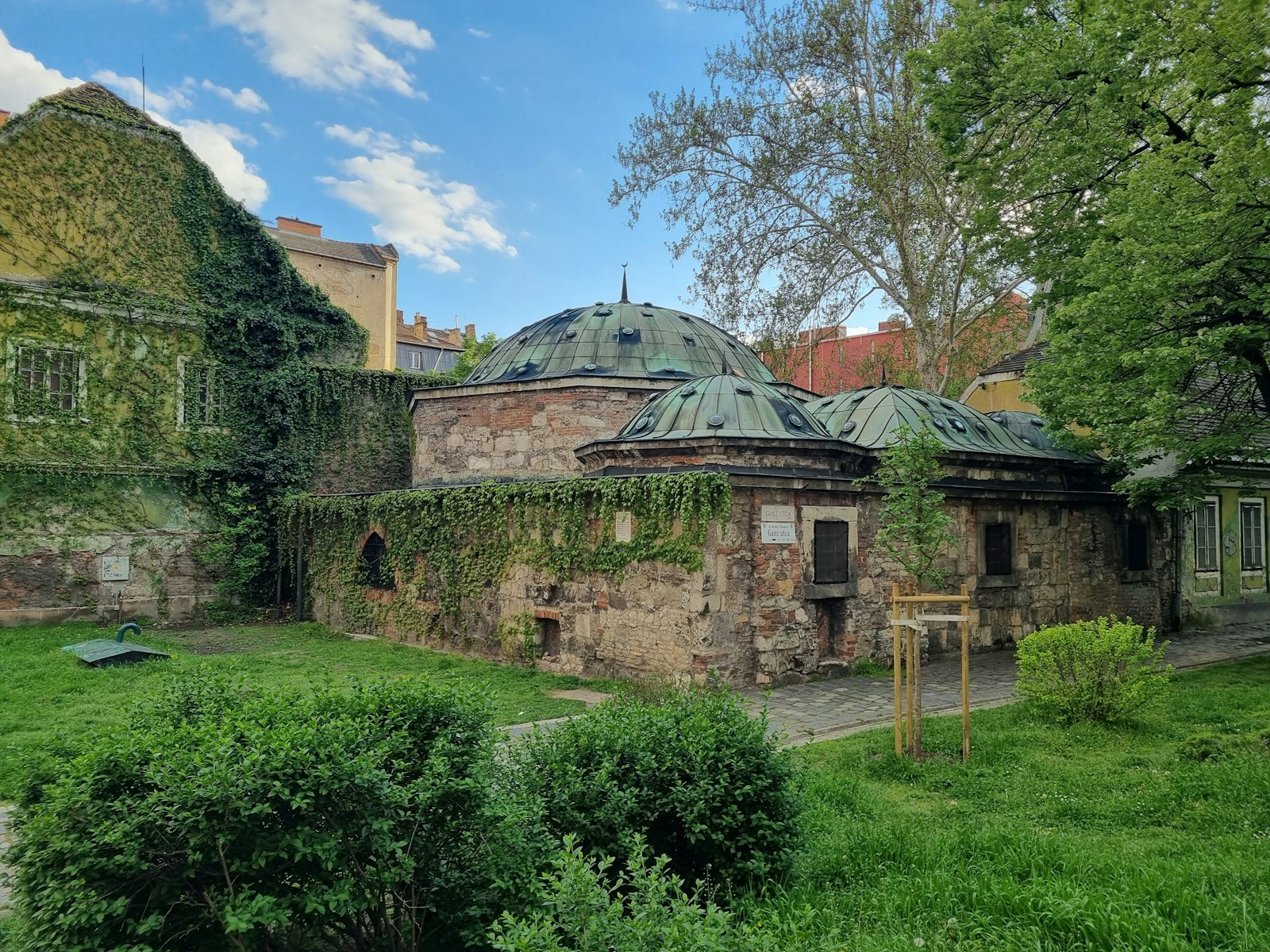
A more contemplative reminder of this heritage can be found at the Tomb of Gül Baba, an important Ottoman figure whose resting place has become a peaceful site overlooking the Danube. Surrounded by rose gardens and set slightly away from the city’s busiest areas, it offers a quieter moment within Budapest’s otherwise vibrant rhythm.
Beyond its historical layers, Budapest is also an increasingly accessible destination for Muslim travellers. The city is home to a growing selection of halal restaurants, ranging from casual eateries to more refined dining options, reflecting its diverse and evolving culinary scene. The Budapest Mosque and several smaller prayer spaces serve the local Muslim community and visiting travellers, adding to the city’s welcoming and inclusive atmosphere.
With its combination of architectural beauty, cultural depth and distinctive Ottoman-era influences, Budapest offers a rich and varied experience, where centuries of history are not confined to monuments but remain woven into the fabric of everyday life.
Vienna: Imperial grandeur and a crossroads of cultures
At the heart of Central Europe, Austria's Vienna is a city defined by its imperial elegance, where grand palaces, wide boulevards and world-class museums reflect centuries of Habsburg rule.
Schönbrunn Palace - a Baroque masterpiece redesigned under Empress Maria Theresa in the mid-18th century and a UNESCO World Heritage site since 1996 - and the Hofburg imperial complex together anchor the city's architectural grandeur, while St. Stephen's Cathedral, begun in 1137 and the most important Gothic church in Austria, rises at its heart. Institutions like the Kunsthistorisches Museum and the Belvedere house some of Europe's most important art collections, adding further depth to a city already rich in cultural heritage.
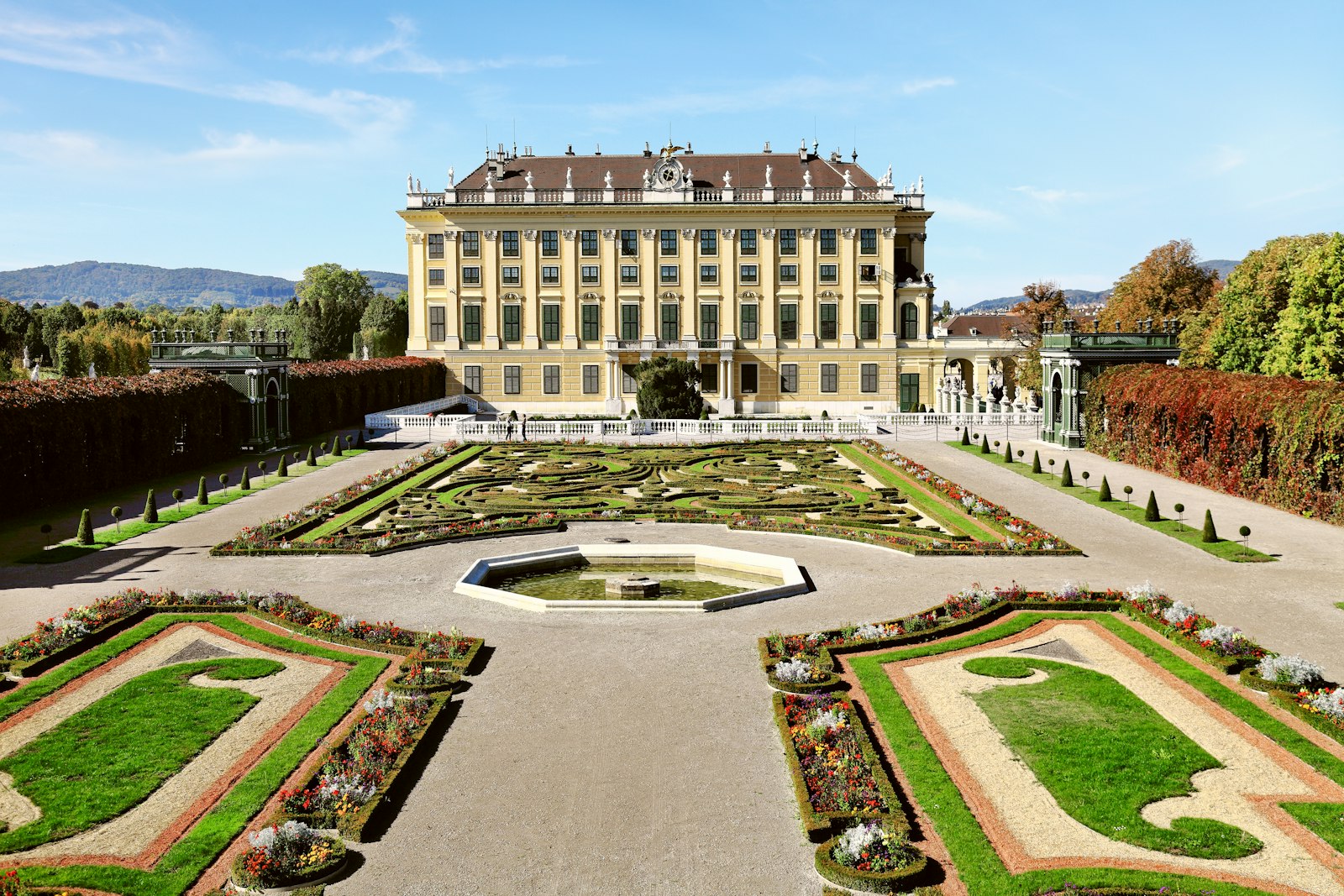
Beyond its historic core, Vienna maintains a refined yet relaxed atmosphere, with its famous coffee houses and music heritage continuing to shape daily life.
Vienna also occupies a significant place in the history of Ottoman-European relations, having stood at the frontier of two powerful empires. While physical traces of this period are more limited than in Budapest, the legacy of these encounters remains embedded in the city’s historical narrative, from the sieges of the 16th and 17th centuries to the cultural exchanges that followed. Subtle influences can still be felt in aspects of Viennese culture, including its café tradition, rooted in the story of coffee's arrival in the city following the Ottoman sieges.
Today, Vienna is a diverse and cosmopolitan capital with a well-established Muslim community, contributing to a growing and varied halal dining scene. Numerous halal restaurants can be found across the city, alongside mosques and prayer facilities such as the prominent Vienna Islamic Centre, located near the Danube.
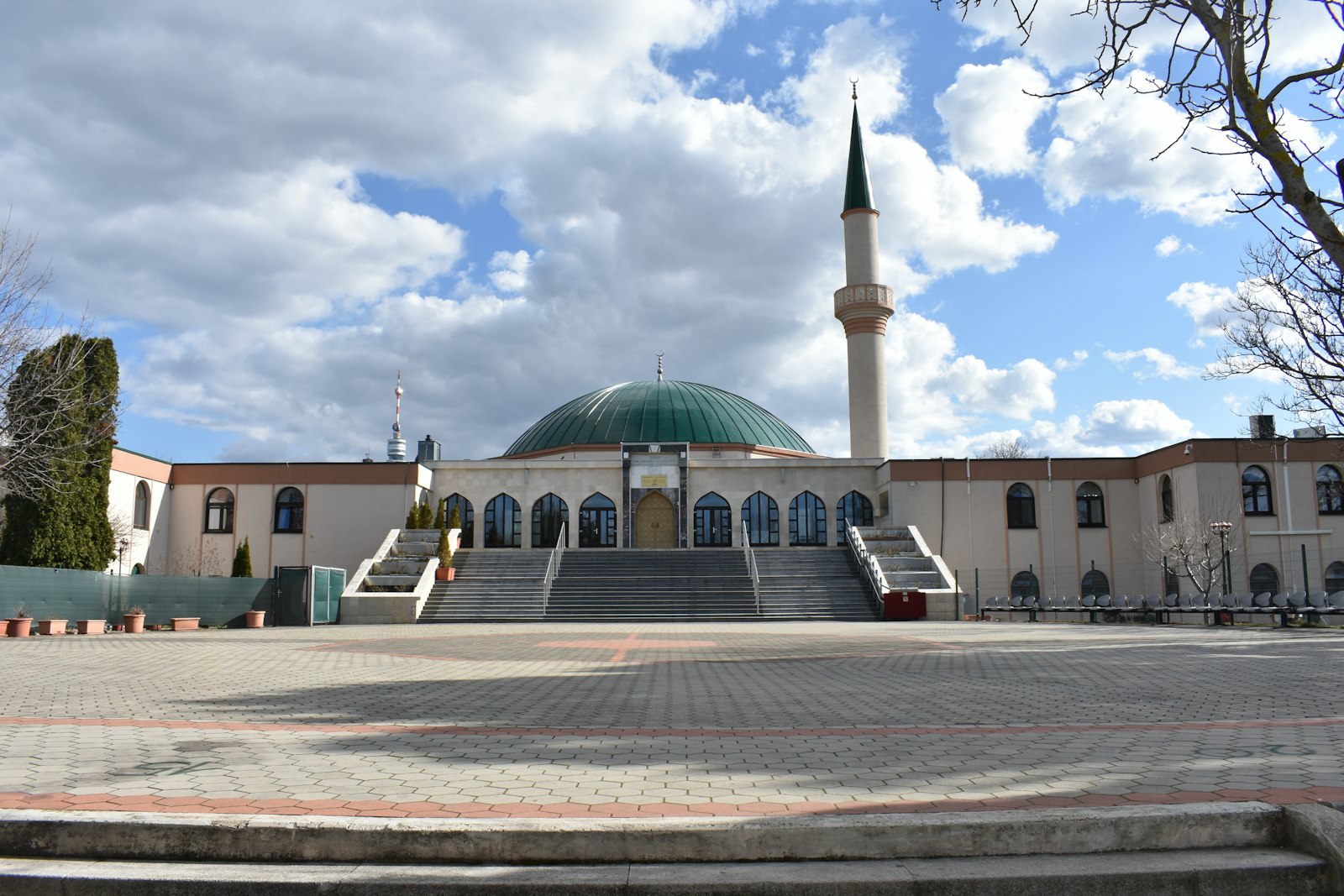
This combination of historical significance, cultural sophistication and modern accessibility makes Vienna a compelling destination for Muslim travellers seeking both depth and ease within one of Europe’s most elegant cities.
Bratislava: An imperial crossroads with a relaxed soul
Set on the banks of the Danube at the meeting point of Austria and Hungary, Slovakia's Bratislava offers a more understated yet strategically important perspective within Central Europe.
Its compact old town, centred around Bratislava Castle - a formidable hilltop fortress rising above the Danube, with origins in the 9th century and a long history as the seat of Hungarian kings and guardian of the Hungarian crown jewels - and a network of cobbled streets and lively squares, reflects centuries of shifting influence, where Hungarian, Austrian and local traditions converge in a setting that is both relaxed and historically layered.
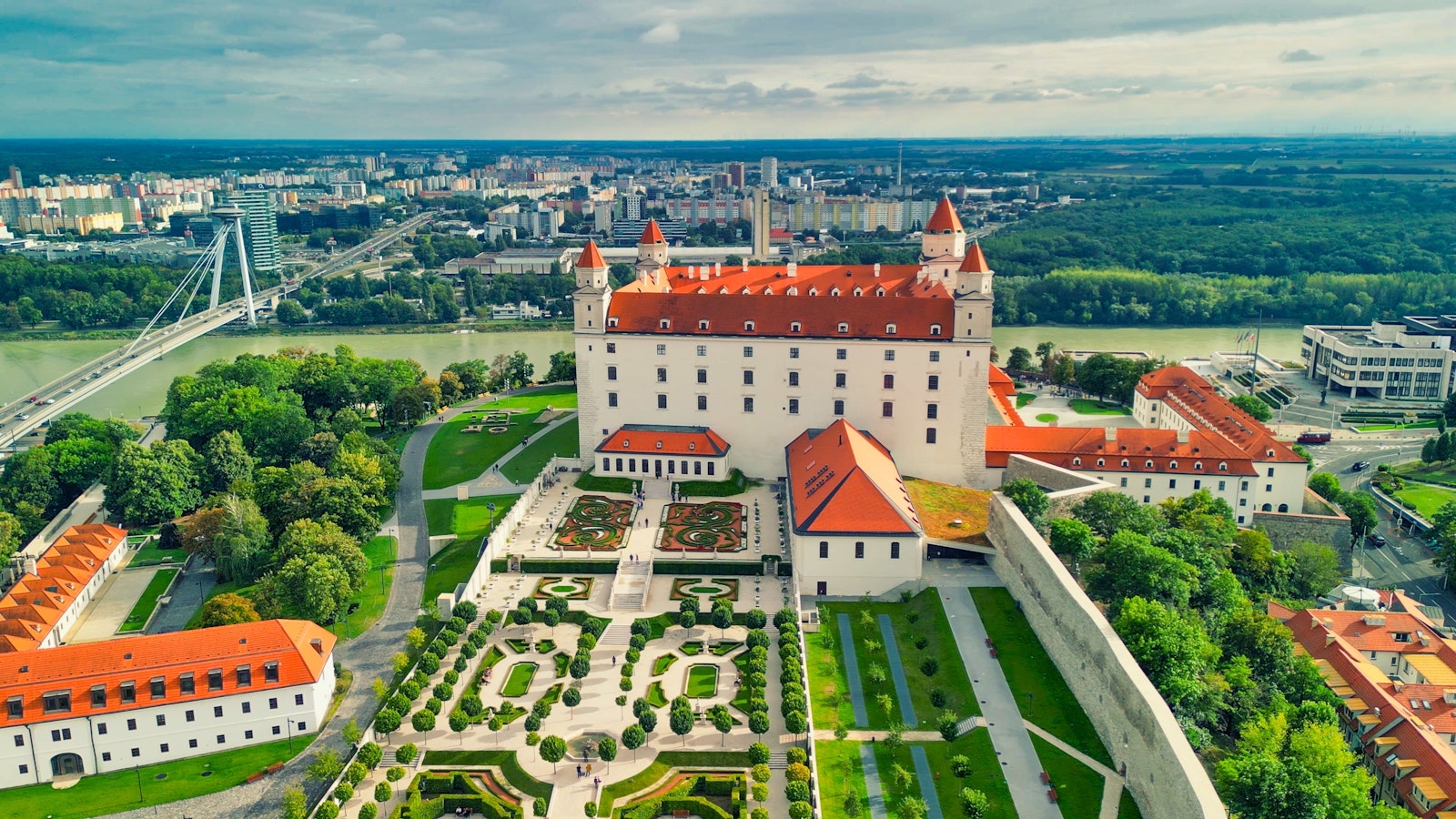
While few visible Islamic monuments remain in the city itself, the Ottoman period left its mark on Bratislava's broader identity, shaping its fortifications and influencing the political landscape that defined the city for centuries. Walking through the old town today, past its Baroque palaces, intimate courtyards and the gothic St. Martin's Cathedral - where eleven Hungarian kings and eight queens were crowned between 1563 and 1830 - it is possible to sense the layers of history that converge here, quietly but distinctly.
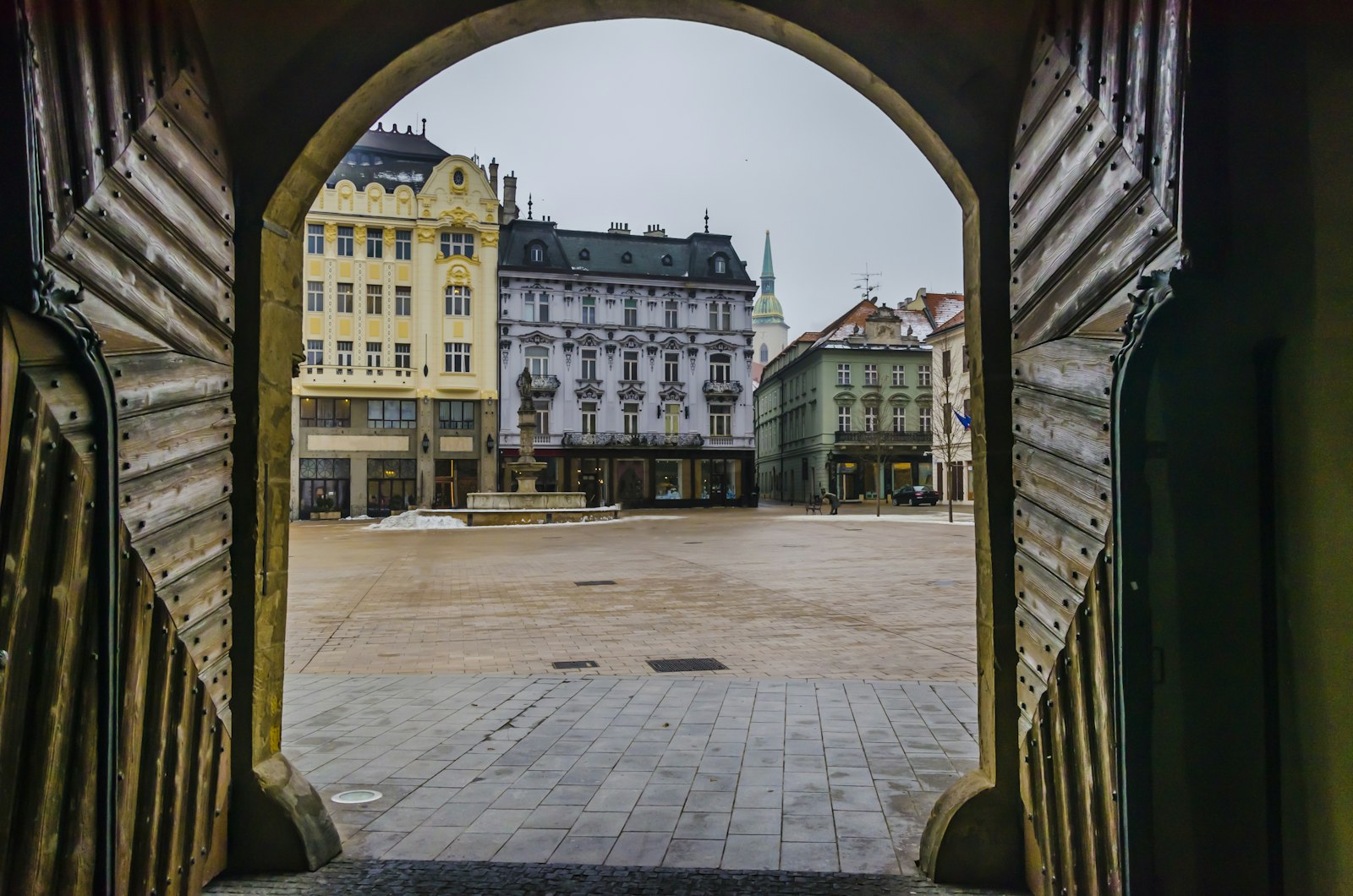
For travellers, Slovakia provides a quieter counterpoint to the grandeur of Budapest and Vienna, with scenic riverbanks, vineyards and historic towns creating a slower, more reflective pace of travel. In Bratislava, a small but growing selection of halal dining options - particularly in and around the old town - and accessible prayer spaces cater to Muslim visitors, making it a convenient and worthwhile stop within a broader Central European journey. The city's compact size means key sites, dining and facilities are rarely far apart, adding to its ease as a travel destination.
Prague: Gothic grandeur and a growing Muslim-friendly scene
Often described as one of Europe’s most beautiful cities, the Czech Republic's Prague is defined by its remarkably preserved historic centre, where Gothic spires, Baroque facades and medieval streets create a cityscape of exceptional character.
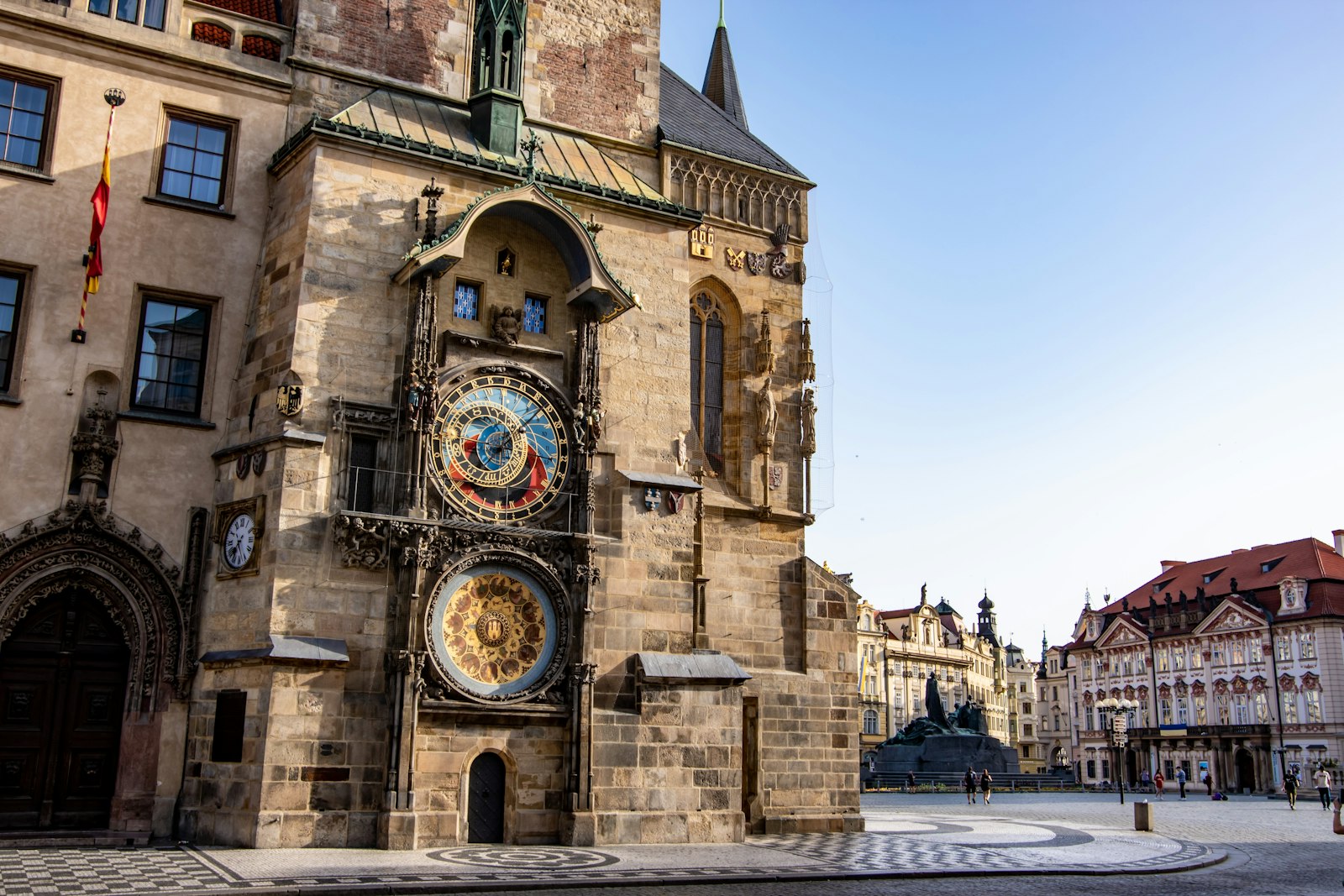
At its heart stands Prague Castle, founded in the 9th century and recognised by Guinness World Records as the largest ancient castle complex in the world at nearly 70,000 square metres. From there, the Charles Bridge - built between 1357 and 1402 under King Charles IV and adorned with 30 Baroque statues - leads across the Vltava towards the Old Town Square, home to the 15th-century Astronomical Clock, one of the oldest working clocks of its kind in the world.
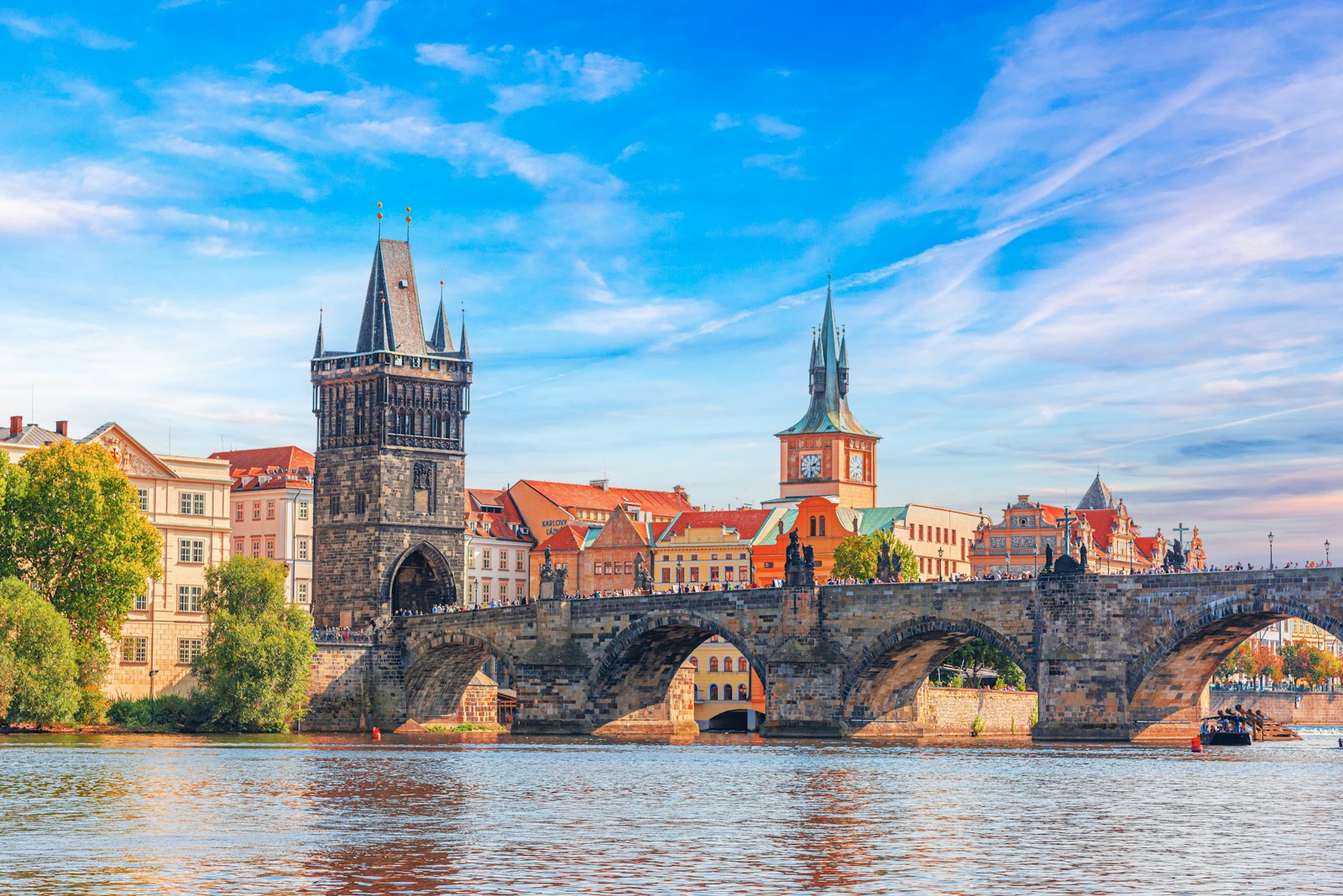
Together these landmarks form the core of Prague's UNESCO World Heritage-listed historic centre, inscribed in 1992, while a wealth of museums, galleries and cultural institutions add further depth to its appeal. Walking through Prague feels immersive and atmospheric, with each district revealing layers of history shaped by centuries of artistic and architectural development.
Unlike Budapest or Vienna, Prague has no direct Ottoman architectural legacy, though the city was acutely aware of Ottoman expansion during the 16th and 17th centuries, and its position as a major Central European capital placed it firmly within that broader political and cultural landscape. Today, the city’s relevance for Muslim travellers lies more in its accessibility and cultural richness than in specific historical sites, offering a welcoming and increasingly well-equipped environment for visitors seeking both exploration and ease.
Prague is home to a growing Muslim community, supported by institutions such as the Islamic Centre of Prague and a mosque in the city centre, along with a steadily expanding range of halal dining options across the city. From traditional Czech settings to international cuisine, travellers will find it relatively easy to navigate the city while maintaining their preferences. Combined with its walkable layout, strong cultural identity and timeless atmosphere, Prague provides a fitting conclusion to a journey through Central Europe, where history, beauty and modern travel comfort come together seamlessly.
Together, these four cities offer a journey through Central Europe that is greater than the sum of its parts. Budapest brings Ottoman history to life in its baths, monuments and riverside character. Vienna impresses with imperial grandeur and a cosmopolitan present. Bratislava invites a slower, more reflective pace along a frontier that shaped the continent. Prague closes the journey with timeless beauty and a growing ease for Muslim visitors.
What unites them is not simply geography but a shared quality: the sense that centuries of encounter, exchange and coexistence have left something durable and worth discovering. For Muslim travellers in particular, this region offers not just accessibility but resonance - a reminder that the story of Islam in Europe is older, quieter and more deeply woven into the continent's fabric than is often assumed.
Discover more hidden Islamic gems across Europe in our dedicated blog article: Europe’s hidden culture.
Why not make it a road trip?
One of the practical advantages of this itinerary is how naturally these four cities connect as a travel circuit. Budapest, Bratislava, Vienna and Prague sit within a remarkably compact area of Central Europe, making it possible to visit all four in a single holiday without covering vast distances.
The most logical route runs Budapest → Bratislava → Vienna → Prague, keeping each leg short and manageable. Budapest to Bratislava is roughly two hours by road, Bratislava to Vienna under an hour, and Vienna to Prague around three hours. All four cities are also well connected by rail, making train travel a comfortable and scenic alternative to driving.
With two to three nights in each city, the full circuit fits naturally into a ten to fourteen day holiday, offering a journey that feels varied and unhurried rather than rushed. Flying into Budapest and out of Prague, or vice versa, removes the need to double back and keeps the trip flowing smoothly.